
Rome is tailor-made for walking. The city’s ancient streets weren’t designed for tour coaches, and some of the best bits—tiny churches, neighbourhood bakeries, hidden courtyards—are tucked down alleyways no bus can reach. Self-guided walking tours let you set your own pace, skip the crowds at peak times, and spend as long as you fancy at each stop without someone herding you along.
The practical benefits stack up quickly too. You’ll save a chunk of money compared to organised tours, and you can start early to beat the queues at major sites or wander late into the evening when the light turns golden over the Tiber. Plus, if you fancy detouring for a plate of cacio e pepe or a scoop of pistachio gelato, nobody’s checking their watch and tutting at you.
Planning Your Route
The key to a good self-guided walk is choosing a route that groups sights geographically. Rome’s historic centre is surprisingly compact, but the cobblestones and uneven pavement can wear you down faster than you’d expect. Aim for loops that bring you back to a familiar area or end near a metro stop so you’re not trudging kilometres just to get home.
Here’s a practical breakdown of the main walking zones and what to expect in each:
| Area | Walking Time | Main Highlights | Crowd Level |
|---|---|---|---|
| Ancient Rome | 2.5-4 hours | Colosseum, Roman Forum, Palatine Hill | Very high 9am-1pm |
| Centro Storico | 2-3 hours | Pantheon, Trevi Fountain, Spanish Steps | High all day |
| Monti | 1-2 hours | Side streets, artisan shops, Santa Maria Maggiore | Low to moderate |
| Trastevere | 2-3 hours | Basilica, narrow lanes, local cafés | Moderate; busy evenings |
| Testaccio | 1.5-2 hours | Market, Pyramid of Cestius, authentic eateries | Low |
If you’re arriving from a cruise at Civitavecchia, the regional train from the port to Rome Termini takes about an hour. That puts you within walking distance of most central routes. Want to know more about getting from the port to the city? Check out our full guide to Rome port transfers and logistics.
Best Walking Routes by Interest
The Ancient Core
Start at the Colosseum around opening time—about 8:30 depending on the season—to avoid the worst queues. From there, walk through the Roman Forum and climb Palatine Hill for views over the ruins. The whole circuit takes three to four hours if you linger, less if you’re just passing through. Exit near Via dei Fori Imperiali and cut into the Monti neighbourhood for quieter streets and a proper espresso.
The Colosseum and Forum share a combined ticket, so if you’re planning to go inside both, book a timed entry in advance. Outside those gates, everything’s free to photograph and wander past.
Centro Storico Classics
This route hits the postcard sights: Piazza di Spagna, Trevi Fountain, Pantheon, and Piazza Navona. The whole loop is walkable in two to three hours, but you’ll want longer if you’re stopping for photos or gelato. Start early—before 9am if possible—because Trevi Fountain becomes a scrum by mid-morning.
The Pantheon is open to the public and there’s no admission fee, though opening hours shift around religious holidays. The lighting inside is best around midday when the sun streams through the oculus. For guidance on timing your visits to skip the crowds, plan weekday mornings or late afternoons.
Trastevere and Hidden Lanes
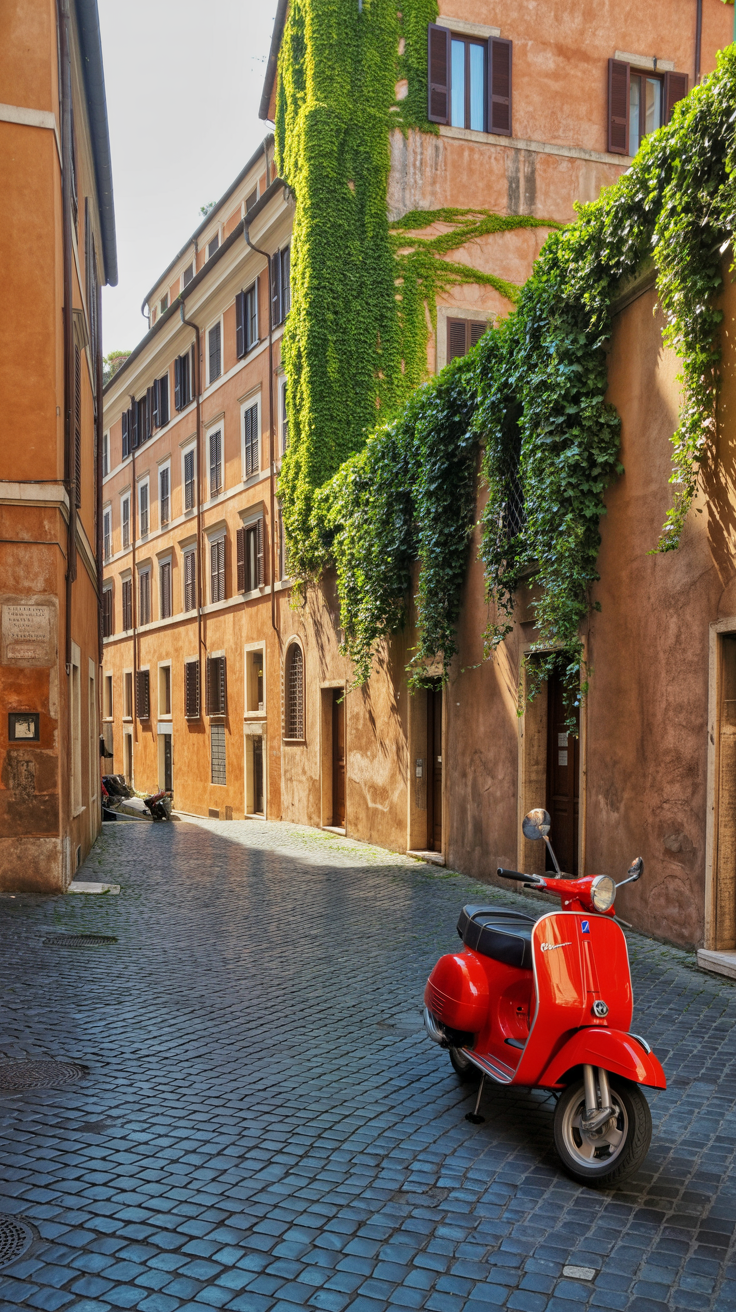
Cross the Tiber into Trastevere and you’ll find narrow cobbled streets, ivy-covered walls, and far fewer tour groups. Start at the Basilica di Santa Maria in Trastevere, then wander the side streets toward the river. The neighbourhood feels quieter in the early morning or at dusk when the golden light hits the old stone perfectly.
Combine this with a climb up Janiculum Hill for panoramic views over the city. It’s a short but steep walk, and the viewpoint is rarely crowded. If you’re after less obvious photography spots, this area delivers.
Testaccio and the Pyramid
This is where Romans actually live and eat. The Testaccio Market operates most mornings and you can grab supplì or fresh mozzarella from the stalls. The Pyramid of Cestius sits just outside the metro station—a bizarre ancient monument that most tourists miss entirely. Nearby, the Non-Catholic Cemetery is peaceful and atmospheric, with sculptures and quiet pathways.
Budget an hour or two here, then walk along the Tiber toward the Aventine Hill for sunset views from the Giardino degli Aranci. The whole route feels unhurried and local, which is exactly the point.
Via Appia Antica
If you fancy a longer, more scenic walk outside the centre, the ancient Appian Way stretches south through open countryside. The old Roman road is lined with ruins, catacombs, and stretches of original paving stones. It’s quiet enough that you can hear birdsong between the occasional cyclist.
Reach the start of Via Appia Antica by bus or taxi from central Rome, then walk as far as you like before looping back. The Park of the Caffarella Valley runs parallel and offers green space and aqueduct views. This route takes a full afternoon if you want to cover several kilometres, so bring water and sun protection.
Practical Tips for Walking Rome
Rome’s pavements can be uneven and the cobblestones are harder on your feet than smooth tarmac. Wear comfortable walking shoes for men or supportive walking shoes for women—not brand-new trainers that’ll give you blisters by lunchtime. Dressing like a local also means skipping the athletic gear and going for casual layers instead.
- Start early: Major sites like the Colosseum and Trevi Fountain are far quieter before 9am. You’ll also get better light for photos and cooler temperatures in summer.
- Carry water: Refill your bottle at Rome’s public fountains (nasoni)—the water’s clean and cold. A collapsible bottle saves space in your bag when empty.
- Use offline maps: Download your route in advance so you’re not burning through mobile data or hunting for Wi-Fi.
- Plan for breaks: Build in time to sit down with a coffee or snack. Pushing through without rest turns sightseeing into a slog.
- Check opening hours: Even outdoor sites have restricted access during events or holidays. The Vatican Museums are closed on Sundays except for the last Sunday of the month, and the Colosseum’s hours shift with the seasons.
If you’re visiting multiple Mediterranean cruise ports in Italy, the same walking principles apply—comfortable shoes, early starts, and a flexible plan. Consider packing blister prevention to avoid painful hot spots on longer walking days.
Timing and Crowds
Crowds peak between 9am and 1pm at the big-name sites, and weekends see more day-trippers than midweek. Tuesdays through Thursdays tend to be quieter, especially if you avoid school holidays.
For the best light and fewer people, aim for these windows:
- Colosseum area: 8:30am opening or after 4pm
- Trevi Fountain: Before 8am or after sunset (it’s lit beautifully at night)
- Pantheon: Early morning or late afternoon; midday sun through the dome is stunning but busy
- Trastevere: Mornings are peaceful; evenings fill with diners
- Spanish Steps: Sunrise for empty shots; otherwise expect crowds all day
If you’re working around a cruise schedule, a full one-day Rome itinerary is doable but requires disciplined timing and realistic expectations about what you can fit in.
Where to Eat Along the Way
Skip the restaurants with laminated menus and photos near the major sights. Instead, walk a few streets away and look for places where locals are queuing or where the menu’s handwritten in Italian.
Quick Bites and Gelato Stops
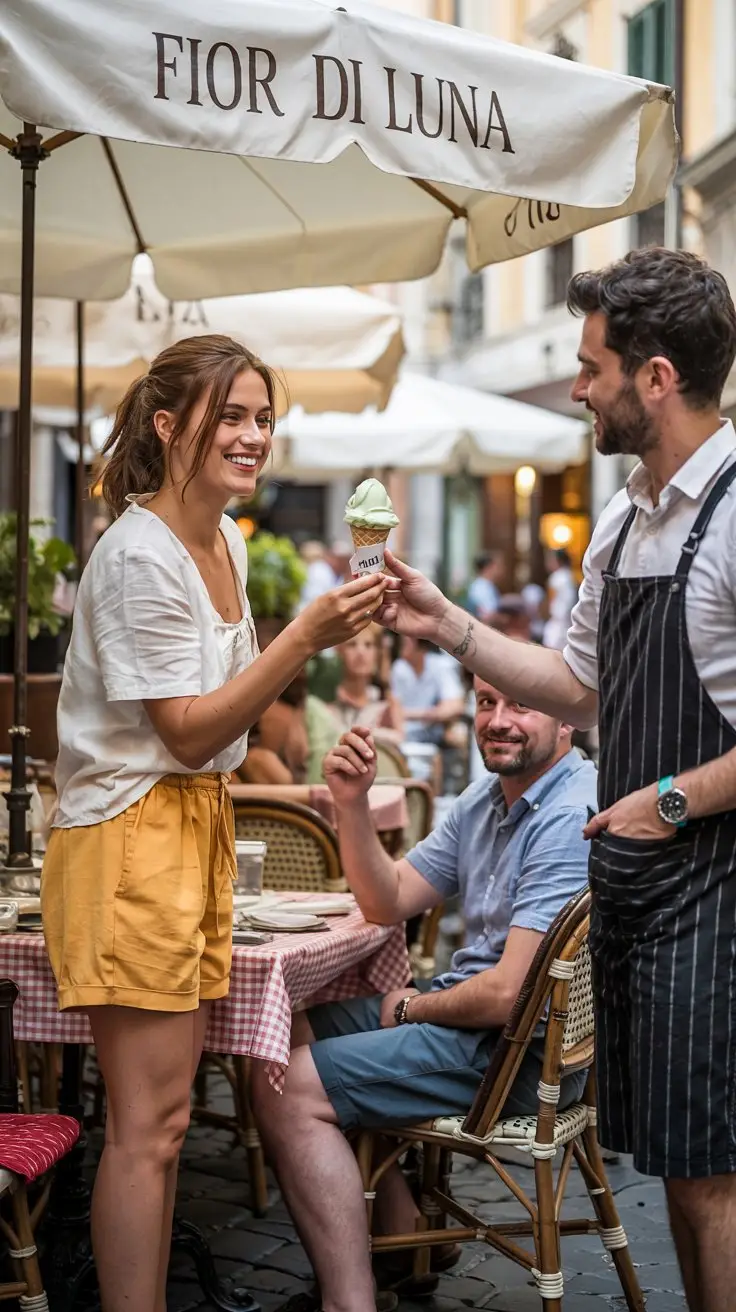
- Gelateria del Teatro: Near Piazza Navona; unusual flavours like rosemary-honey and ricotta-fig
- Trapizzino: Testaccio; a modern Roman snack—pizza dough pockets stuffed with stewed meats or vegetables
- Supplì from Testaccio Market: Fried rice balls with molten mozzarella centres; eat them hot
- Il Gelato di San Crispino: Monti; pure flavours without artificial colours or toppings
- See our list of 12 best Gelato shops in Rome
Sit-Down Meals
- Da Enzo al 29: Trastevere; tiny, always busy, classic Roman dishes like carbonara and cacio e pepe
- Armando al Pantheon: Near the Pantheon; family-run, excellent house-made pasta
- Flavio al Velavevodetto: Testaccio; cave-like setting, generous portions, local crowd
- La Carbonara: Monti; historic spot with narrow-street atmosphere and solid Roman classics
Expect to pay around 12-18 euros for a pasta dish at a neighbourhood trattoria, compared to 20-30 euros at tourist-focused places near the Colosseum. Gelato runs 2-4 euros for a small cone; if it’s piled high in neon colours, walk past.
What to Bring
Pack light but cover the essentials:
- Comfortable shoes: Non-negotiable. Blisters will ruin your day faster than anything else.
- Refillable water bottle: Rome’s fountains are everywhere and the water’s safe.
- Portable charger: Your phone will drain fast with maps, photos, and constant screen-checking. A high-capacity portable charger or power bank with built-in cable keeps you connected all day.
- Sun protection: Hat and reef-safe sunscreen in summer; Rome’s open piazzas offer little shade.
- Light layers: Even in summer, churches and museums can be cool inside, and evenings drop off in spring and autumn. A lightweight packable jacket for women or men’s packable jacket fits easily in your bag.
- Small backpack or crossbody bag: Keep your hands free for photos and gelato. An anti-theft backpack or secure crossbody bag protects valuables in crowded areas.
If you’re visiting churches, bring a scarf or shawl to cover bare shoulders. Some sites enforce dress codes strictly, and it’s easier to carry a light layer than get turned away at the door. Spring and autumn can bring unpredictable weather, so a packable rain jacket for women or men’s rain jacket provides insurance against sudden showers without taking up much space.
Getting to Rome from Civitavecchia
Most cruise passengers dock at Civitavecchia, about 80 kilometres northwest of Rome. The regional train from Civitavecchia station to Rome Termini takes roughly an hour and costs under 10 euros. Trains run frequently, and you can buy tickets at the station or in advance online.
If you prefer door-to-door convenience, the Port of Civitavecchia offers a shared shuttle service to Rome city centre or Fiumicino Airport. Prices start around 50 euros per person, and the driver meets you at the ship or your hotel. For groups or families, a private transfer might work out cheaper and faster than coordinating train schedules.
Parking at the port is another option if you’re driving to your cruise. The Nord Parking Lot inside the port has around 42 spaces and costs approximately 17 euros per 24 hours, with a free shuttle to the cruise terminal. Book ahead through Port Mobility to guarantee a spot, especially during busy cruise seasons.
Extend Your Stay in Rome
If you’ve got an extra day or two before or after your cruise, staying overnight in Rome gives you the breathing room to see things properly without rushing. Hotels in Rome range from boutique guesthouses in Trastevere to larger properties near Termini station, and booking accommodation in the historic centre means you can walk to most major sites.
Spending a night in the city also lets you experience Rome after dark, when the monuments are lit up and the crowds thin out. The evening passeggiata—when locals stroll through the streets—gives you a glimpse of everyday Roman life that day-trippers miss entirely. Plus, starting your walking tour early the next morning without worrying about train times back to the port makes the whole experience far less stressful. Keep your belongings organized with compression packing cubes to maximize luggage space for an overnight stay.
Personal Experience
I decided to skip the expensive bus tours and downloaded a self-guided walking route through Trastevere and the Jewish Ghetto last spring. Best decision ever. Having a map with all the key stops marked meant I could linger at the Teatro di Marcello for as long as I wanted, then duck into a tiny bakery I spotted along the way without worrying about keeping up with a group. The route took me through narrow cobblestone streets I never would have found otherwise, and I ended up spending maybe 15 euros total on gelato and water instead of the 50-euro tour price.
What really made it worthwhile was the freedom to explore at my own rhythm. When I stumbled upon a quiet piazza with locals playing chess, I just sat down for twenty minutes and soaked it in. The walking directions were clear enough that I never felt lost, but flexible enough that I could take detours whenever something caught my eye. By the end of the day, my legs were tired but I’d seen ancient ruins, eaten at neighbourhood spots without any tourists, and actually felt like I’d experienced real Rome rather than just checking boxes on a tour itinerary.
Common Questions & FAQ
How much walking should I expect on a full-day Rome route?
Most self-guided routes cover between 8 and 12 kilometres depending on how many detours you take. The Ancient Rome circuit alone racks up around 5 kilometres if you walk the Colosseum, Forum, and Palatine Hill properly. Add in side streets and stops for food or photos and you’ll easily hit 15,000 steps. Wear comfortable shoes and build in sit-down breaks every couple of hours. Compression socks can help reduce leg fatigue on long walking days.
Can I do a walking tour if my cruise only gives me six hours in Rome?
Yes, but you’ll need to be selective. The train from Civitavecchia to Rome Termini takes about an hour each way, leaving you roughly four hours in the city. Stick to one compact area like Centro Storico—Pantheon, Trevi Fountain, Spanish Steps—and skip anything that requires advance booking or long queues. It’s tight but doable if you start early and keep moving.
Do I need to book tickets in advance for self-guided routes?
For outdoor sights like the Trevi Fountain or Spanish Steps, no—you can just turn up. If you want to go inside the Colosseum, Roman Forum, or Vatican Museums, book timed-entry tickets ahead to avoid wasting hours in line. The Pantheon is free to enter but opening hours vary, especially around religious holidays. Booking ahead for popular sites is essential during peak cruise season.
Are Rome’s walking routes safe for solo travellers?
Yes, the main tourist areas are busy and well-lit during the day. Stick to populated streets, keep valuables in a crossbody bag or front pocket, and stay aware of your surroundings near crowded spots like Termini station. The quieter neighbourhoods like Monti and Testaccio feel safe but empty out after dark, so finish your route before sunset if you’re on your own. A portable door lock adds extra security if you’re staying overnight in accommodation.
What’s the best time of day to start a walking tour?
Early morning—ideally before 9am—gives you cooler temperatures, better light for photos, and far fewer crowds at major sites. The Colosseum and Trevi Fountain are noticeably quieter at opening time. If you’re not a morning person, late afternoon works too, but you’ll contend with more people and harsher midday sun during summer months.
Can I follow a walking route with a pushchair or wheelchair?
Rome’s cobblestones and uneven pavements make pushchairs hard work, and many side streets have steps or narrow kerbs. The main routes through Centro Storico are mostly manageable, but areas like Monti and Trastevere have steep or stepped sections. Wheelchair access is patchy—the Colosseum and Forum have some accessible paths, but older neighbourhoods often lack ramps or lifts. Check specific route details in advance if mobility is a concern.
How much should I budget for a self-guided walking day in Rome?
If you’re sticking to outdoor sights and skipping paid entries, you can manage on 20-30 euros covering food, drinks, gelato, and transport back to the port. Add another 16 euros for a combined Colosseum and Forum ticket if you want to go inside, or 17 euros for Vatican Museums entry. A sit-down meal at a neighbourhood trattoria runs 15-25 euros per person. Compare that to organised walking tours at 50-80 euros and you’re saving a decent chunk of money.
What happens if I get lost during a self-guided walk?
Rome’s historic centre is compact enough that you’re never far from a recognisable landmark. Download an offline map before you start so you’re not reliant on mobile data. Most locals speak at least basic English and are happy to point you in the right direction if you ask politely. The worst case is you end up in a quieter neighbourhood and stumble across a great café or viewpoint you wouldn’t have found otherwise. Keep your phone charged with a portable power bank so you always have access to maps.