
A Fairbanks Alaska cruise extension adds 2-4 days to your cruise itinerary, offering access to interior Alaska attractions like Denali National Park, natural hot springs, northern lights viewing, gold rush history sites, and the trans-Alaska pipeline. Most extensions include transportation from Seward or Whittier, accommodations, and guided tours of Alaska’s wilderness interior.
Quick Facts
| Detail | Information |
|---|---|
| Typical Duration | 2-4 days |
| Starting Points | Seward or Whittier (cruise ports) |
| Transportation | Motor coach, train, or flight |
| Best For Northern Lights | Late August through April (peak: March & September) |
| Distance from Anchorage | 358 miles (6-hour drive) |
| Summer Daylight | Nearly 24 hours in June (midnight sun) |
| Average Cost | $800-$2,500 per person depending on accommodations |
Want to know more about Alaska cruise tours and land extensions? We’ve got comprehensive guides to help you plan the perfect combination.
Why Fairbanks Beats Staying on the Cruise Ship Longer
Most Alaska cruises stick to the Inside Passage, which means you’re seeing stunning coastal scenery but missing the raw wilderness of interior Alaska. Fairbanks sits just 120 miles south of the Arctic Circle and offers experiences that simply don’t exist in cruise ports. The city serves as the gateway to genuine frontier territory where you can actually understand why people chose to live in such an extreme environment.
The contrast is dramatic. While cruise ports like Juneau and Ketchikan feel polished for tourists, Fairbanks retains its rough edges. You’ll see locals who genuinely live here year-round, not just seasonal workers. The pipeline runs visibly above ground, reminding you that this place exists partly because of oil discovery. And the wildlife? It’s not performing for cruise passengers. Moose wander through residential neighborhoods like oversized golden retrievers.
Transportation Options from Your Cruise Ship
Getting from your cruise disembarkation point to Fairbanks requires some planning. You have three main options:
- Alaska Railroad: The scenic route from Seward or Whittier through Anchorage to Fairbanks takes about 12 hours total. The glass-domed cars provide spectacular views but it’s a long day. Most cruise extensions include this journey with an overnight stop in Denali.
- Motor Coach: Faster than the train at around 6-7 hours from Anchorage. Less scenic but more practical if you’re adding Fairbanks at the end of your trip and feeling travel-weary.
- Flight: The quickest option at roughly 1 hour from Anchorage to Fairbanks. This works well if you’ve already done the scenic route through Denali National Park or want to maximize time in Fairbanks itself.
Most packaged extensions handle this logistics for you, but independent travelers should book transportation well in advance. Summer seats fill up months ahead.
What Makes Fairbanks Different from Cruise Ports
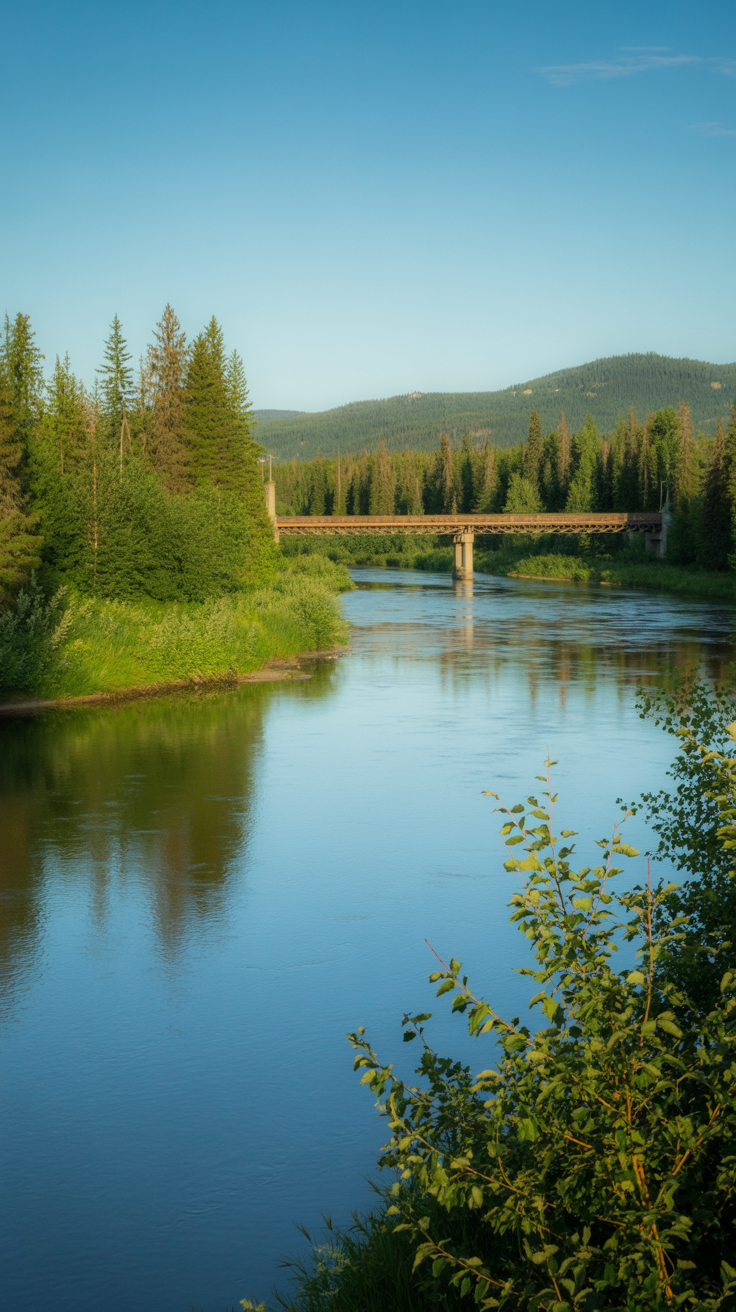
Fairbanks operates on a completely different rhythm than Southeast Alaska. The climate here is subarctic continental, meaning summer temperatures regularly hit 80°F while winter plunges to -40°F. This extreme temperature swing creates a unique ecosystem and culture.
The city itself won’t win beauty contests. It’s functional and sprawling, built for survival rather than Instagram photos. But this authenticity is precisely the appeal. You’ll find quirky touches everywhere: cars with engine block heaters plugged in during winter, buildings on stilts to prevent permafrost melt, and locals who casually mention their backup generators like they’re discussing the weather.
Top Experiences Worth Your Time
Northern Lights Viewing
Fairbanks sits directly under the aurora oval, making it one of North America’s best spots for northern lights viewing in Fairbanks. Late August through April offers the best chances, with peak activity in March and September when darkness returns but temperatures remain semi-tolerable.
Here’s what cruise extension brochures won’t tell you: viewing requires staying up late (often past midnight), driving outside city limits to escape light pollution, and accepting that nature doesn’t perform on schedule. Book a tour that includes heated cabins for waiting because standing outside at 2am in 20°F gets old fast.
Gold Rush History
The things to do in Fairbanks heavily feature gold rush heritage because this city exists because of gold discovery. Unlike the sanitized history lessons in cruise ports, Fairbanks shows you the actual mechanics of mining.
Gold Dredge 8 lets you pan for real gold (you keep what you find) and tour a massive dredge that operated into the 1950s. The Museum of the North at University of Alaska Fairbanks displays everything from indigenous artifacts to modern research, and the staff actually know their subjects deeply.
Chena Hot Springs
Located 60 miles northeast of Fairbanks, these natural hot springs offer a perfect contrast to cruise ship hot tubs. The resort operates year-round and includes an ice museum kept frozen even in summer. Soaking in 106°F water while surrounded by snow and possibly watching auroras overhead creates memorable moments.
Pro tip: go midweek and arrive early afternoon to avoid tour bus crowds. The springs themselves are natural and clothing-optional areas exist (clearly marked), so know before you go.
Pipeline and Engineering Marvels
The trans-Alaska pipeline runs above ground near Fairbanks due to permafrost concerns. The visitor center explains the engineering challenges of building an 800-mile oil pipeline through wilderness. It sounds boring but actually fascinates most visitors because the problem-solving required was extraordinary.
Connecting to Other Alaska Destinations
Fairbanks works exceptionally well as part of a larger interior Alaska exploration. Many extensions combine Fairbanks with other destinations:
- Denali National Park: Located halfway between Anchorage and Fairbanks, most Alaska cruise tour combinations include both. The park offers unmatched wildlife viewing and North America’s tallest peak.
- Yukon Territory: A 6-hour drive north brings you into Canada’s Yukon wilderness and gold rush towns, including Dawson City. Some extended tours include this cross-border adventure.
- Arctic Circle: Day trips from Fairbanks can get you to the Arctic Circle crossing point on the Dalton Highway. It’s mostly about saying you did it, but the tundra landscape differs from anything farther south.
Practical Planning Considerations
When to Visit
Your cruise schedule largely determines this, but understanding what each season offers helps:
- May-June: Midnight sun season with nearly 24-hour daylight. No northern lights but extended exploration time and warming temperatures. Mosquitoes emerge aggressively.
- July-August: Peak cruise season with warmest weather (60-80°F). Everything is open and operating. Most crowded and expensive period.
- Late August-September: Fall colors emerge, nights darken enough for early aurora viewing, temperatures cool, and crowds thin. Sweet spot for many visitors.
- October-April: Few cruise extensions operate now, but northern lights peak. Requires serious cold weather preparation and many attractions close.
Accommodation Styles
Fairbanks offers everything from basic chain hotels to wilderness lodges. Most cruise extensions include mid-range accommodations near downtown. If booking independently, consider:
- Downtown hotels provide walking access to restaurants and museums but less character
- Lodge-style properties outside town offer more authentic Alaska atmosphere but require transportation
- Properties specifically designed for northern lights viewing include wake-up calls when auroras appear
Budget Beyond the Package
Cruise extensions typically include accommodations, transportation, and some tours, but budget for:
- Additional meals (plan $50-80 per person daily)
- Optional activities not included in your package
- Gratuities for guides and drivers
- Shopping (local art and gold jewelry tempt many visitors)
- Transportation if you want flexibility beyond scheduled activities
What the Brochures Don’t Tell You
Fairbanks has mosquitoes. Not just a few annoying bugs but clouds of them during June and July. Bring strong insect repellent with DEET or dress in long sleeves and pants.
The city’s infrastructure shows its age and frontier mentality. Don’t expect the walkability or polish of Seattle or Vancouver. Rental cars make sense here in ways they don’t in cruise ports.
Air quality can suffer when wildfires burn in interior Alaska. Late June through August occasionally sees smoke that limits visibility and outdoor activities. Check conditions before finalizing summer extensions.
Winter darkness is real and affects people. If extending during shoulder seasons, be prepared for limited daylight hours and understand that shorter days mean compressed activity schedules.
Making the Most of Limited Time
If you’re adding just 2-3 days in Fairbanks, prioritize based on your interests:
For Nature Lovers:
- Chena Hot Springs day trip
- Riverboat tour on the Chena River
- University of Alaska Museum of the North
For History Buffs:
- Gold Dredge 8 and gold panning
- Pioneer Park (a historical theme park)
- Morris Thompson Cultural Center
For Aurora Chasers:
- Late evening northern lights tour
- Chena Hot Springs (combines springs with aurora viewing)
- Download aurora forecast apps and stay flexible
Bonus Tips From Experienced Travelers
- Pack layers regardless of season. Fairbanks weather swings wildly even within a single day. A 70°F afternoon can become a 45°F evening.
- Download offline maps. Cell coverage gets spotty outside Fairbanks proper, and you’ll likely take day trips beyond city limits.
- Visit local coffee shops rather than chains. Fairbanks has a surprisingly robust coffee culture with locals who love sharing recommendations.
- Consider renting a car for one day even if your extension includes transportation. The freedom to explore at your own pace and stop at random viewpoints changes the experience.
- Bring or buy serious bug protection. This cannot be overstated for summer visits. Mosquito head nets aren’t just for paranoid tourists.
- Check the University of Alaska Fairbanks schedule. Sometimes you can catch research presentations or public lectures about arctic science that provide fascinating context.
- The Alaska Public Lands Information Center downtown offers free advice from rangers who know the region intimately and can suggest off-the-beaten-path options.
- Fred Meyer (a regional chain) sells surprisingly good smoked salmon and local products at better prices than tourist shops.
- If visiting in summer, plan indoor activities for midday heat. Late evening and early morning provide better comfort for outdoor exploration.
- Ask locals about current wildlife activity. Fairbanks residents track animal movements informally and can point you toward recent moose or bear sightings.
Is a Fairbanks Extension Worth the Extra Cost and Time?
This depends entirely on what you want from your Alaska adventure. If you’re content with cruise ship comfort and scenic coastal views, Fairbanks might feel too rough around the edges. The city requires more effort and tolerance for basic accommodations compared to cruise ship luxury.
However, if you want to understand Alaska beyond the tourist-friendly veneer of cruise ports, Fairbanks delivers authenticity. This is where you’ll meet actual Alaskans living actual Alaska lives, see infrastructure built to survive extreme conditions, and access wilderness experiences that don’t exist along the coast.
The northern lights alone justify the extension for many visitors, though this requires visiting during darker months. Summer visitors miss auroras but gain midnight sun and more comfortable conditions for outdoor activities.
Cost-wise, extensions add $800-2,500 per person depending on duration and accommodation level. Compare this to what you’d spend on additional cruise days and consider that you’re accessing completely different experiences rather than more of the same coastal scenery.
For comprehensive planning help, review our Alaska cruise extension planning guide which covers timing, booking strategies, and combining multiple destinations.
Common Questions and FAQ
Can I book a Fairbanks extension independently or must I purchase through my cruise line?
You can absolutely book independently and often save money doing so. Cruise line packages include convenience and coordination but typically cost 20-40% more than booking directly. Independent booking requires more research and self-coordination of transportation between your cruise disembarkation and Fairbanks.
What happens if my cruise arrives late and I miss my connection to Fairbanks?
This is a real risk, which is why cruise line packages include protection for delays. If booking independently, purchase travel insurance that covers missed connections and build buffer time into your schedule. Don’t book same-day flights or train connections from your cruise port.
Do I need a car in Fairbanks or can I manage with tours and shuttles?
You can manage without a car if your extension includes organized tours, but having a vehicle increases flexibility significantly. Downtown Fairbanks is not particularly walkable, and many attractions sit outside the city center. Rental cars are relatively affordable and parking is easy compared to coastal cities.
Is Fairbanks suitable for travelers with mobility limitations?
This varies by specific activity. Many museums and indoor attractions offer good accessibility, but outdoor experiences like gold panning or hot springs involve uneven terrain and stairs. Discuss specific limitations with tour operators before booking. Fairbanks has less infrastructure for accessibility than cruise ships or coastal cities.
Can I see the northern lights during a summer cruise extension?
No. Summer in Fairbanks brings midnight sun with minimal darkness, making aurora viewing impossible from late April through mid-August. You need true darkness, which only occurs from late August onward. September combines early cruise season with returning darkness for aurora possibilities.
How do prices in Fairbanks compare to cruise ship prices and port towns?
Restaurant and bar prices run similar to or slightly below cruise ship prices. Grocery stores offer normal mainland U.S. pricing, much cheaper than ships. Tour prices compete favorably with cruise excursions when you factor in the longer duration and smaller group sizes common in Fairbanks.
What wildlife can I realistically expect to see around Fairbanks?
Moose sightings happen frequently, even within city limits. Black bears appear occasionally, especially near river areas. You might spot foxes, lynx, ravens, and various birds. Grizzly bears are less common near Fairbanks than in Denali. Don’t expect marine wildlife like whales or sea otters since you’re hundreds of miles from the ocean.
Are mosquitoes really as bad as people say?
Yes, in June and July they are genuinely intense. Alaska mosquitoes don’t carry diseases but they’re aggressive and numerous. August sees populations decline significantly. October through May they’re not a factor. Plan accordingly with clothing and repellent if visiting during peak mosquito season.
Personal Experience
When I decided to tack on a few extra days in Fairbanks after my Alaska cruise, I honestly wasn’t sure what to expect from this frontier city. The transition from ship life to inland Alaska felt like entering a completely different world. Getting there was easier than I thought – a quick flight from Seward brought me straight into the heart of the Interior. What caught me off guard was how much there was to do. I spent a morning panning for gold at a touristy spot that turned out to be genuinely fun, wandered through quirky museums about the gold rush era, and even spotted a moose casually crossing the road near my hotel.
The timing of your visit really matters here. I went in late August, which meant cooler temperatures and the first hints of fall colors, but I missed the midnight sun by a few weeks. My shuttle driver mentioned that March and September are prime northern lights season, which made me immediately want to plan a return trip. If you’re considering extending your cruise, I’d say Fairbanks is absolutely worth the extra time and effort. Just pack layers – the weather shifts constantly – and don’t overschedule yourself. Some of my best moments were simply sitting outside with a coffee, taking in how different this rugged, authentic Alaska feels compared to the cruise port towns.