
Baffin Island, located in Canada’s Arctic territory of Nunavut, is the world’s fifth-largest island offering expedition cruise visitors dramatic fjords, glaciers, and wildlife including polar bears, narwhals, and seabirds. Remote communities like Pond Inlet and Qikiqtarjuaq provide cultural experiences with Inuit heritage. Accessible primarily during summer months when ice conditions permit Arctic navigation.
Quick Port Facts
| Fact | Detail |
|---|---|
| Primary Port | Iqaluit (territorial capital on Frobisher Bay) |
| Port Website | Nunavut Transportation – Iqaluit Port |
| Docking Type | Tender/small boat transfer (no dedicated cruise terminal) |
| Currency | Canadian Dollar (CAD) |
| Language | English, French, Inuktitut |
| Operating Season | Late July to mid-October (ice dependent) |
| Time Zone | Eastern Daylight Time (EDT) |
Want to know more about other Canadian cruise ports and what to expect when sailing along Canada’s stunning coastlines?
Baffin Island Map
Iqaluit sits on the southern coast of Baffin Island in Frobisher Bay, serving as Nunavut’s territorial capital and the main cruise access point for this vast Arctic region. Other cruise stops around the island include Pond Inlet to the north, Pangnirtung near Auyuittuq National Park, and smaller communities like Qikiqtarjuaq and Clyde River scattered along the eastern coastline.
Can You Walk to Town from the Port?
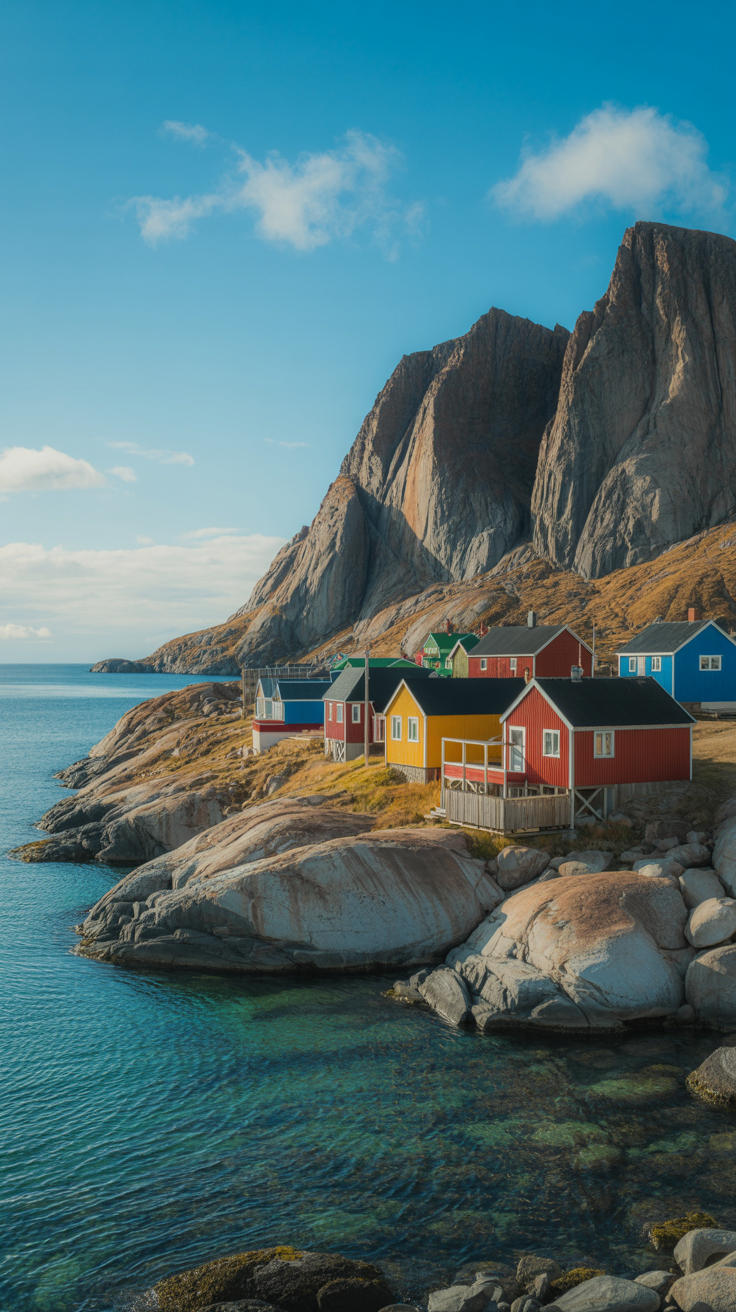
Yes, Iqaluit’s compact downtown core is accessible on foot from the port area, though “port” here means wherever your tender boat drops you off rather than a traditional cruise terminal. The reality of cruising Baffin Island is quite different from typical port calls.
- Tender transfers: Ships anchor offshore and use small boats or zodiacs to ferry passengers to shore. This process takes time and depends entirely on weather and sea conditions. Budget at least 20-30 minutes each way for the transfer itself.
- No fixed landing point: Your drop-off location can vary based on tides, ice, and local conditions. Sometimes you’ll land near the main dock area, other times at alternative spots along the shore.
- Walking conditions: Iqaluit’s town centre sits within 1-2 km of typical landing areas, manageable for most people. However, pavements are uneven, some roads are gravel, and Arctic winds make it feel colder than the thermometer suggests.
- Weather dependency: Fog, high winds, or rough seas can delay or cancel tender operations entirely. Always have a backup plan and return to the tender point earlier than required.
- Other Baffin Island communities: Places like Pond Inlet, Pangnirtung, and Qikiqtarjuaq are even smaller. Most excursions here are entirely ship-organized with minimal independent exploration options.
How to Get Around from Baffin Island Ports & Shore Transportation
Transportation around Baffin Island’s cruise ports is limited compared to southern destinations. In Iqaluit, you have a few options for getting around, but in smaller communities, you’ll rely almost entirely on pre-arranged ship excursions or local guides.
Walking
- Iqaluit downtown: The main attractions cluster within a 15-25 minute walk of the harbour area. It’s the most practical and economical way to see the town.
- Dress appropriately: Even in summer, Arctic winds are fierce. Wear windproof layers, sturdy footwear with grip, and bring gloves and a hat.
- Limited signage: Street signs exist but aren’t always obvious. Download offline maps or pick up a simple town map from any available visitor information point.
- Smaller communities: Places like Pond Inlet are so compact that walking is really your only option, though there’s not much infrastructure for independent tourists.
Taxis
- Iqaluit taxis: Available but limited in number. You’ll need to phone for pickup rather than hailing one on the street.
- No meters: Fares are typically flat rates based on zones. Confirm the price before getting in.
- Pre-booking: If you need a taxi for a specific time, arrange it in advance through your ship’s port agent or a local contact.
- Cost: Expect higher fares than southern Canadian cities due to limited competition and operating costs in the Arctic.
Ship-Organized Excursions
- Most reliable option: Expedition cruise lines coordinate shore activities with local operators who have proper equipment and cultural knowledge.
- Guaranteed return: The ship won’t leave without you if you’re on an official excursion, which matters when weather can disrupt schedules.
- Book early: Zodiac trips, wildlife excursions, and cultural visits fill up quickly. Reserve as soon as bookings open.
- Weather flexibility: Be prepared for last-minute changes or cancellations. Ice conditions and visibility dictate what’s possible on any given day.
Private Tour Operators
- Limited availability: A handful of local companies offer guided experiences in Iqaluit and other communities, but capacity is tiny.
- Advance booking essential: Contact operators weeks or months ahead, especially during the brief cruise season when demand peaks.
- Verify credentials: Work with RCMP-licensed operators or those recommended by your ship to avoid issues.
- Cost: Private Arctic experiences aren’t cheap. Expect to pay premium rates for specialized guides and small group sizes.
What to See Within Walking Distance from the Port
In Iqaluit, you can reach several cultural and historical sites on foot from the harbour area, though walking times depend on your exact landing spot and the weather conditions that day.
- St. Jude’s Cathedral (Igloo Church): This iconic Anglican cathedral features a distinctive igloo-shaped design that’s become Iqaluit’s most photographed building. The modern structure replaced an earlier church destroyed by fire. The interior is simple but striking, with Inuktitut and English signage. About 15-20 minutes’ walk from the typical tender landing areas through residential streets.
- Legislative Assembly of Nunavut: The territorial government building sits in the town centre and features interesting Arctic-adapted architecture. You can usually view the exterior and take photos, though interior tours require advance arrangement. Walking time similar to the cathedral, roughly 20 minutes from the harbour.
- Nunatta Sunakkutaangit Museum: A small but worthwhile museum showcasing Inuit history, traditional tools, artwork, and contemporary culture. The collection is compact but rich with artifacts you won’t see elsewhere. Check opening hours when you land as summer schedules can vary. Located in the downtown core, typically 15-20 minutes on foot from landing areas.
- Waterfront walk: A simple stroll along Frobisher Bay offers dramatic Arctic scenery with views of the surrounding landscape and often wildlife spotting opportunities. Not a formal promenade but rather a chance to experience the stark beauty of the setting. The shoreline is accessible immediately from wherever you land.
- Downtown core: The small commercial centre has a few shops selling local art and crafts, plus cafés and the Frobisher Inn. It’s not a shopping destination but gives you a sense of daily life in Canada’s Arctic capital. Within 10-25 minutes’ walk depending on your landing point.
Must See Attractions in Baffin Island for a One Day Cruise Visit
Baffin Island’s attractions are primarily natural and cultural rather than built monuments. What you can see depends entirely on which communities your ship visits and what excursions are available.
Wildlife Watching (Polar Bears, Whales, Seals)
- What it is: Baffin Island waters and coastlines support incredible Arctic wildlife including polar bears, narwhals, beluga whales, walrus colonies, and various seal species. Bird enthusiasts can spot Arctic terns, guillemots, and other seabirds.
- Why it matters: This is genuinely one of the world’s best locations for Arctic wildlife in their natural habitat. Many cruise passengers cite wildlife encounters as their trip highlight.
- Time needed: Zodiac excursions typically run 2-4 hours. Wildlife sightings are never guaranteed but guides know the best spots and seasonal patterns.
- Practical tips: Bring compact binoculars for travel (essential), a camera with a good zoom lens, and dress in full Arctic gear including windproof layers. Motion sickness tablets are wise even if you don’t usually need them. Respect distance guidelines for approaching wildlife. Book these excursions immediately when they become available as they sell out first.
Auyuittuq National Park (from Pangnirtung)
- What it is: One of Canada’s most spectacular national parks featuring dramatic mountain peaks, glaciers, and the famous Akshayuk Pass. The Inuktitut name means “the land that never melts.”
- Why it matters: This is Arctic wilderness at its most pristine and accessible (relatively speaking). The scenery rivals anywhere on Earth for raw, dramatic beauty.
- Time needed: Day excursions from cruise ships typically offer 4-6 hours including boat transfers to the park boundary and guided hikes. Serious trekking requires multi-day commitments that aren’t practical for cruise passengers.
- Practical tips: Parks Canada requires permits and visitor registration. Your ship or excursion operator handles this, but understand that access can be restricted by weather or ice. Wear proper hiking boots with ankle support and bring trekking poles if you have them. The terrain is rocky and uneven. Pack extra layers and rain protection even on clear days.
Traditional Inuit Cultural Experiences
- What it is: Visits to local communities where Inuit guides share traditional skills, throat singing performances, drum dancing, and demonstrations of tool-making, carving, or traditional clothing.
- Why it matters: These communities have maintained their culture through extreme conditions for thousands of years. Direct engagement with local people provides context that transforms your understanding of Arctic life.
- Time needed: Cultural visits typically run 2-3 hours including community tours and performances.
- Practical tips: Show respect by asking before photographing people or their homes. Purchase crafts directly from artists when possible rather than from intermediaries. Prices reflect the time and skill involved in traditional carving and sewing. Be prepared for basic facilities in small communities. Bring cash in Canadian dollars as card acceptance is limited outside Iqaluit.
Floe Edge and Iceberg Viewing
- What it is: The floe edge is where sea ice meets open water, creating a wildlife hotspot as marine mammals gather to feed. Icebergs calved from Greenland’s glaciers drift through Baffin Bay and along the island’s eastern coast.
- Why it matters: These are genuinely once-in-a-lifetime sights. The scale and ethereal blue colours of Arctic ice formations need to be seen to be believed.
- Time needed: Viewing opportunities happen throughout your cruise rather than as discrete excursions. The best viewing is often from the ship itself or during zodiac landings.
- Practical tips: The floe edge season peaks earlier (May-July) than most cruise seasons, so August and September visitors see more icebergs than active ice edges. Keep your camera ready at all times while on deck. The light in the Arctic is extraordinary for photography, especially during golden hour which lasts for ages at these latitudes.
Archaeological Sites (Thule and Dorset Culture)
- What it is: Ancient settlements, tent rings, food caches, and other remains left by Thule people (ancestors of modern Inuit) and earlier Dorset culture inhabitants dating back hundreds or thousands of years.
- Why it matters: These fragile sites offer tangible evidence of human adaptation to one of Earth’s harshest environments. The preservation in Arctic conditions is remarkable.
- Time needed: Archaeological site visits are typically incorporated into longer hiking excursions, adding 30-60 minutes to a trek.
- Practical tips: Never touch, move, or remove anything from these sites. They’re protected by law and culturally significant. Local guides provide context that makes scattered rocks and bone fragments come alive as evidence of sophisticated Arctic survival strategies. If you’re interested in archaeology specifically, ask your expedition team which landings might include site visits.
Port Day Itinerary: Things to Do in a Typical Iqaluit Call (6-8 Hours)
Here’s a realistic schedule for a typical Iqaluit port day, assuming your ship arrives around 8am and requires final tender return by 4pm. Remember that Arctic conditions can alter any plan.
- 8:00-8:30am | Tender to Shore: Have breakfast early on the ship and be ready for one of the first tender groups. The tender process takes time and you want maximum hours ashore. Dress in full layers before leaving the ship as returning to change wastes precious time.
- 8:30-9:30am | St. Jude’s Cathedral and Downtown Walk: Head straight for the iconic igloo church to beat any crowds and get photos in morning light. Spend time inside appreciating the architecture and cultural fusion, then walk through the residential streets back toward the town centre. This gives you a sense of everyday life in Canada’s Arctic capital.
- 9:30-11:00am | Nunatta Sunakkutaangit Museum: Arrive when it opens for the quietest experience. Take your time with the exhibits on Inuit history, traditional tools, and contemporary Arctic life. The staff are often happy to answer questions and provide context. Allow 60-90 minutes for a thorough visit.
- 11:00am-12:00pm | Legislative Assembly and Government Quarter: Walk to the territorial assembly building for exterior photos and to see how Arctic architecture adapts to extreme conditions. The government area gives you a sense of Nunavut’s political structure and the challenges of governing such a vast, dispersed territory.
- 12:00-1:30pm | Lunch at Frobisher Inn or Local Café: Grab lunch at the Frobisher Inn’s dining room or one of the small cafés in the downtown core. Try Arctic char if it’s on the menu – locally caught and delicious. This is also your chance to chat with locals and get their perspectives on Arctic life. Be prepared for higher prices than southern Canada.
- 1:30-3:00pm | Arts and Crafts Shopping: Spend the early afternoon browsing local artwork and crafts. Look for genuine Inuit carvings in soapstone, bone, or antler, plus traditional clothing items. Buy directly from artists when possible and expect to pay serious money for quality pieces. These aren’t cheap souvenirs but legitimate art that takes days or weeks to create.
- 3:00-3:30pm | Waterfront Time and Final Photos: Take a final walk along the bay, soaking in the Arctic atmosphere and watching for marine life. Get those last photos of the dramatic landscape before heading back.
- 3:30-4:00pm | Tender Return to Ship: Head to the tender point with a comfortable buffer. Weather can delay tender operations, and you don’t want to be in the last stressed group scrambling to get back aboard.
This schedule works comfortably for most fitness levels and gives you a genuine taste of Iqaluit without rushing. If your ship offers a longer port call or you’re visiting during a polar expedition cruise with more flexible timing, you could add a short excursion to nearby archaeological sites or a longer community cultural experience.
Where to Eat Near the Port
Dining options in Iqaluit are limited compared to typical cruise ports, and other Baffin Island communities have even fewer choices. Set your expectations accordingly and treat meals ashore as cultural experiences rather than culinary highlights.
- Frobisher Inn Dining Room: The most reliable option for cruise passengers, offering sit-down meals with a menu featuring Arctic char, caribou when available, and standard Canadian fare. Expect to pay £15-25 for mains. The hotel also has a café for quicker snacks and coffee. Service can be slow when multiple groups arrive simultaneously.
- Downtown cafés and quick options: A handful of small cafés in Iqaluit’s centre serve sandwiches, soup, and basic hot meals. These are good for a quick bite if you’re maximizing sightseeing time. Expect simple fare and limited menu options, with meals around £10-15.
- Arctic char: This is the local speciality you should try – a fish similar to salmon or trout but with its own distinct flavour. It’s caught locally in Arctic waters and appears on most menus during summer. Prepared simply (grilled or pan-fried), it’s genuinely excellent.
- Supermarket option: The local co-op or grocery stores sell packaged sandwiches, snacks, and drinks if you want to grab supplies for a picnic-style meal. Prices are significantly higher than southern Canada due to shipping costs – a reminder of the logistical challenges of Arctic life.
- Limited hours: Many establishments have irregular hours or may close unexpectedly. Ask locally about what’s open on your specific visit date rather than relying on online information.
- Food safety: Tap water is safe to drink throughout Iqaluit. Food handling standards are good. In smaller Baffin communities, options may be limited to community halls or no facilities at all – your ship will be your primary food source.
Shopping: What to Buy & Where to Go
Iqaluit offers genuine Inuit art and craftwork that you won’t find elsewhere, but this isn’t a conventional shopping destination. Smaller Baffin Island communities may have even more limited options with purchases arranged directly through community visits.
- Inuit carvings: The signature purchase is a soapstone, bone, or antler carving created by local Inuit artists. Subjects include traditional figures, Arctic animals, and contemporary interpretations. Quality pieces start around £100-150 and go up into thousands for museum-quality works. Look for the igloo tag that certifies authentic Inuit-made products.
- Traditional clothing and textiles: Sealskin mittens, kamiks (traditional boots), and parkas represent hours of skilled work using traditional techniques. These are functional pieces designed for Arctic conditions and priced accordingly at £200-500 or more.
- Prints and contemporary art: Inuit prints and drawings offer more portable options than carvings. The Cape Dorset printmaking tradition is particularly renowned. Prices range from £50 for smaller prints to hundreds for significant works.
- Where to shop: Small galleries and craft shops in Iqaluit’s downtown core, plus the Arctic Co-operative. During community visits, you can often buy directly from artists, which ensures they receive full value for their work.
- Authenticity matters: Verify pieces are genuinely made by Inuit artists rather than mass-produced imitations. The Canadian government’s igloo trademark certifies authentic Indigenous art.
- Shipping and customs: Large or fragile items can be shipped south, though this adds significant cost. Keep receipts for customs purposes. Some traditional materials (ivory, certain furs) have import restrictions for some countries – check regulations before purchasing.
- Cash preference: While cards are accepted at established shops in Iqaluit, bring Canadian cash for purchases in smaller communities or directly from artists.
- Shop hours: Expect limited opening hours with many shops closed Sundays and potentially other days. Public holidays in Canada include Canada Day (July 1st) and Nunavut Day (July 9th), both falling during cruise season.
Safety Tips
Baffin Island and Iqaluit are generally safe for visitors, with crime rates low and locals accustomed to small numbers of tourists. The main safety concerns are environmental rather than criminal.
- Weather and exposure: The greatest risk is underestimating Arctic conditions. Even in summer, temperatures can drop quickly, and wind chill is severe. Hypothermia is a real danger if you get wet or lost. Always dress in proper layers and tell someone your plans if venturing away from town.
- Wildlife: Polar bears are the obvious concern. Never approach bears or other wildlife independently. In communities, follow local guidance about safe areas. On ship excursions, guides carry firearms as a last resort and monitor surroundings constantly.
- Getting lost or separated: In Iqaluit, stay within the town core if walking independently. The tundra surrounding communities is vast and featureless with no landmarks. It’s surprisingly easy to become disoriented. Outside town, only go with qualified guides.
- Tender schedule: Missing your tender return is the most common passenger error. Build in buffer time and pay attention to all-aboard announcements. Weather can force early departure or make tenders impossible – the ship won’t risk passenger safety to wait for stragglers.
- Unlicensed guides: Use ship-recommended excursions or RCMP-licensed local operators. Unlicensed guides may lack insurance, safety equipment, or proper cultural permissions for sites you visit.
- Overpriced “tours”: Agree on prices clearly before accepting any private tour or taxi service. Get quotes in writing for anything expensive.
- No emergency 911: Nunavut does not have universal 911 service. You must use specific emergency numbers listed below.
Emergency Contacts
- RCMP Emergency Dispatch (Iqaluit): 1-867-979-1111 (24/7 for police emergencies and general emergency coordination)
- Iqaluit Emergency Services: 867-979-4422 (fire, medical, and emergency dispatch)
- Non-Emergency Police: 867-979-5650
- Canadian Coast Guard (Marine Communications and Traffic Services – Iqaluit): 867-979-5269 or 867-979-0310
- Parks Canada Emergency (Auyuittuq National Park): 1-867-473-2500 (Pangnirtung area)
- Quttinirpaaq National Park: 1-867-975-4673 (for northern Baffin incidents)
- Qikiqtani General Hospital (Iqaluit): 867-975-8600
Save your cruise ship’s emergency contact number before going ashore. Your ship’s staff are your first point of contact for any problems and can coordinate with local authorities more effectively than you can independently.
Essential Items for Your Day in Baffin Island
The Arctic environment demands specialized gear even during summer cruise season. Here’s what you’ll need to make the most of your Baffin Island experience while staying comfortable and safe.
- Layering essentials: Start with quality merino wool base layers for women or merino wool base layers for men as your foundation. These regulate temperature better than cotton and won’t leave you clammy during active excursions.
- Waterproof protection: A packable rain jacket is essential for sudden weather changes and zodiac spray. For longer shore visits, consider a rain poncho that covers your backpack as well.
- Footwear matters: Proper women’s walking shoes or men’s walking shoes with good grip and ankle support are critical for uneven Arctic terrain. Many ships provide rubber boots for landings, but you’ll need comfortable walking shoes for town exploration.
- Protecting your valuables: Keep your passport, cash, and cards secure in an RFID passport holder or RFID blocking travel wallet. A hidden money belt provides extra security for larger amounts of Canadian cash.
- Waterproof gear: Protect your electronics and important documents during zodiac transfers with a waterproof dry bag backpack or smaller waterproof dry bag for phones. These are essential for Arctic expedition cruising.
- Day bag: An anti-theft backpack or packable lightweight backpack carries your layers, camera, and supplies during shore excursions without weighing you down.
- Health essentials: Pack motion sickness patches for zodiac rides and rough seas, plus travel-size hand sanitizer as facilities ashore may be basic.
- Sun protection: Arctic sun reflecting off ice and snow is intense. Bring reef-safe SPF 50 sunscreen, quality women’s sunglasses or men’s sunglasses, and a packable sun hat for extended outdoor time.
- Staying connected: A portable phone charger is essential as cold drains batteries quickly and charging opportunities ashore are limited. Bring a Canadian power adapter for charging in Iqaluit hotels or cafés.
- Hydration: A collapsible water bottle saves space in your bag and ensures you stay hydrated in the dry Arctic air without buying expensive bottled water.
Currency, ATMs & Money Matters
Baffin Island uses Canadian currency and banking practices, though access to financial services is more limited than in southern Canada.
- Currency: Canadian dollars (CAD). No other currency is accepted. Exchange rates fluctuate, so check current rates before your cruise.
- ATMs in Iqaluit: Available at the bank branches and some commercial locations in the downtown core. They dispense Canadian dollars and accept international cards. Expect your bank to charge international withdrawal fees.
- Card acceptance: Major credit and debit cards work at established businesses, hotels, and restaurants in Iqaluit. Visa and Mastercard have the widest acceptance. In smaller communities, card facilities may be limited or non-existent.
- Bring cash: Carry a reasonable amount of Canadian cash for small purchases, tips, and purchases in communities outside Iqaluit. ATM access in remote communities is essentially non-existent.
- Prices: Everything costs significantly more in the Arctic than southern Canada due to shipping logistics. A café meal that would be £8 down south might be £15 here. Don’t be shocked by grocery store prices – they reflect the reality of Arctic supply chains.
- Notify your bank: Tell your bank you’ll be in Arctic Canada to prevent them blocking your cards for suspicious activity. Mobile phone signals can be unreliable for transaction verification texts.
- Tipping: Canadian tipping norms apply (15-20% for table service, round up for taxis, tip guides if they’ve provided excellent service). For Inuit guides on cultural excursions, tips are appreciated though not mandatory.
- Ship account: Most cruise ships allow you to charge excursions and some port purchases to your ship account, reducing the cash you need to carry ashore.
Weather by Month
| Season/Month | Temperature Range | Conditions | What to Expect |
|---|---|---|---|
| Late July – August | 5-12°C (41-54°F) | Peak cruise season, minimal ice | The warmest period with longest daylight hours and most reliable ship access. Waters are relatively ice-free allowing passage through channels. Pack for cool conditions with windproof layers essential. Rain is possible any day. This is the best time for wildlife viewing as animals are active. |
| September | 0-8°C (32-46°F) | Shoulder season, ice beginning to form | Temperatures drop noticeably and snow becomes likely. Ice begins reforming in bays and channels. Many cruise itineraries end by mid-September. Daylight hours are decreasing rapidly. Pack serious cold-weather gear including insulated layers, waterproofs, and winter accessories. Stunning autumn colours on the tundra. |
| October | -5 to 0°C (23-32°F) | Late season, increasing ice | Only the latest expedition cruises operate in October as ice conditions deteriorate rapidly. Full winter gear is essential. Daylight hours are short. This is the edge of the navigation season and requires ships with serious ice capability. Snow cover is established and winter is essentially here. |
| November – June | -30 to -10°C (-22 to 14°F) | Winter – no cruise access | The Arctic is locked in ice and darkness. No cruise ships operate during these months. Communities are accessible only by air. This is the realm of true Arctic winter with extreme cold and minimal daylight from December through February. |
Remember that Arctic weather is notoriously unpredictable. Conditions can change rapidly within hours, and what the ship experiences offshore may differ significantly from conditions in protected bays. Always bring more layers than you think you need and pack waterproofs regardless of the forecast.
Common Questions & FAQ
Do I need a visa to visit Baffin Island on a cruise?
Baffin Island is part of Canada, so entry requirements match Canadian regulations. UK citizens can visit Canada visa-free for tourism stays up to six months using an Electronic Travel Authorization (eTA), which you must obtain online before travel. EU citizens (except those with visa-exempt status) should check current requirements as these can change. US citizens need a valid passport but no visa for tourism. Your cruise line should provide specific documentation guidance, but verify your eTA is approved before departure. If you have criminal convictions or have been refused entry to Canada previously, consult the Canadian immigration authorities well in advance.
What should I pack for a Baffin Island cruise?
Layer obsessively. Start with thermal base layers (synthetic or merino wool, not cotton), add fleece or down mid-layers, and top with a windproof and waterproof outer shell. Bring a proper winter hat that covers your ears, insulated gloves (plus a lighter pair for photography), and a neck warmer or balaclava. Footwear is critical – waterproof hiking boots with good ankle support and traction. Many expedition lines provide guests with parkas and rubber boots for landings, but verify what’s included. Pack seasickness medication, high-factor sunscreen (snow and ice reflect UV intensely), sunglasses, and a good pair of binoculars. A camera with a telephoto lens is invaluable for wildlife. Bring chargers and power adapters for Canadian outlets. Finally, pack a small dry bag for zodiac excursions to protect electronics and documents.
Can I see polar bears on a Baffin Island cruise?
Polar bear sightings are possible but never guaranteed. Baffin Island’s waters and coasts do support polar bears, and many cruise passengers do spot them from the ship or during zodiac excursions. Your chances improve with longer cruises that visit multiple sites and include dedicated wildlife-watching excursions. Early season (July-early August) often provides better sightings as bears are still near the receding ice edge hunting seals. Keep your binoculars handy at all times, as bear sightings often happen unexpectedly when the ship is moving between locations. Remember that guides prioritize safety and will not approach bears closely – you need a good camera zoom for photos. Never attempt to see bears independently on shore; this is extremely dangerous and illegal without proper permits and safety equipment.
Are there proper toilets during shore excursions?
This is less glamorous but genuinely important. In Iqaluit, you’ll find flush toilets at the museum, hotels, and some public buildings. In smaller communities, facilities may be basic pit toilets or community hall facilities. During zodiac excursions or visits to archaeological sites and natural areas, there are no facilities whatsoever. The Arctic is truly remote, so you’ll need to use the ship’s toilets before disembarking and be prepared for “Arctic bathroom” situations behind rocks if necessary on longer excursions. Your guides will advise on protocols. It’s not glamorous but it’s part of authentic expedition cruising. If you have medical conditions affecting bathroom needs, inform your excursion leaders in advance so they can plan accordingly.
How rough is the sea around Baffin Island?
Expect movement. Baffin Bay and the passages around the island can be choppy even in summer. The good news is that many cruises spend significant time in relatively protected channels and fjords where conditions are calmer. Ships used for Arctic Canada expedition cruises typically have stabilizers and ice-strengthened hulls that handle rough water well. That said, if you’re prone to seasickness, bring medication and use it preventatively before conditions worsen. Wrist bands, ginger tablets, and staying on deck watching the horizon all help. The zodiac transfers between ship and shore can be bouncy – you’ll get wet spray even in moderate conditions. Most passengers adjust after a day or two, but if you’ve never done an expedition cruise before, be prepared for a different experience than Caribbean cruising on huge ships.
What’s the mobile phone and internet situation?
Limited at best. Iqaluit has mobile phone coverage and internet access, though speeds are slower and less reliable than southern Canada. Smaller communities may have minimal or no mobile coverage. While at sea around Baffin Island, don’t expect any signal unless your ship offers satellite-based services (which will be expensive). Most expedition cruise ships have internet access via satellite, but bandwidth is limited, speeds are slow, and costs are high – think basic email rather than streaming video. Many passengers find the digital detox refreshing and use the time to actually watch the spectacular scenery rather than their phones. If you need to stay connected for emergencies, inform family of your limited communication windows and make use of internet time in Iqaluit to send updates. Consider the disconnection part of the authentic Arctic experience.
Is it safe to drink the tap water?
Yes, tap water in Iqaluit is safe to drink and meets Canadian standards. The city has a modern water treatment system. In smaller Baffin Island communities, water quality also meets safety standards, though some settlements have different infrastructure systems. Your ship will advise if there are any concerns at specific ports, but generally Canadian Arctic communities maintain good water quality. If you’re particularly cautious or have a sensitive stomach, bottled water is available for purchase in Iqaluit, though expect to pay premium prices for everything shipped to the Arctic. On the ship itself, water is always safe. When on day excursions, carry a reusable water bottle filled from your ship or hotel to stay hydrated in the dry Arctic air.
Can I visit other Baffin Island communities like Pond Inlet or Pangnirtung?
This depends entirely on your specific cruise itinerary. Some expedition cruises visit multiple Baffin Island communities as part of comprehensive Arctic Canada itineraries, while others focus primarily on Iqaluit with perhaps one additional stop. Communities like Pond Inlet, Pangnirtung (gateway to Auyuittuq National Park), Clyde River, and Qikiqtarjuaq offer different perspectives on Arctic life and access to various natural features. If visiting specific communities is important to you, study cruise itineraries carefully when booking – not all Baffin cruises visit the same places. Weather and ice conditions can also force itinerary changes, so maintain flexibility. Some passengers interested in deeper exploration also consider visiting places like Resolute Bay or even Devon Island on extended Northwest Passage voyages.
Personal Experience
I spent a week cruising around Baffin Island last summer, and honestly, nothing prepares you for just how remote and stunning this place is. The ship docked at a few small communities along the coast, and the first thing that struck me was the complete absence of typical port infrastructure – no fancy terminals or souvenir shops here, just raw Arctic beauty. I’d recommend bringing all the layers you own because even in August, the wind cuts right through you. The wildlife spotting was absolutely incredible though. We saw polar bears from the ship (keep those binoculars handy at all times), and during a zodiac excursion, we got close to massive walrus colonies and spotted several species of seals lounging on ice floes.
The shore excursions are really where the magic happens, but book them early because spots fill up fast. I did a guided hike across the tundra to see ancient Thule archaeological sites, and our Inuit guide shared stories that made the landscape come alive in ways I never expected. Another day, we visited a small community where locals demonstrated traditional throat singing and sold handmade carvings – skip the mass-produced stuff and invest in authentic art directly from the artists. Just know that weather dictates everything up here, so stay flexible. Two of our planned landings got cancelled due to ice conditions, but the crew adapted quickly with alternative activities. Bring a good camera with a zoom lens, pack seasickness medication even if you don’t usually need it, and prepare for an adventure that feels like stepping onto another planet.
Last Updated: 9 August 2026