
Sydney, located on Cape Breton Island in Nova Scotia, serves as a gateway to the famous Cabot Trail and Celtic heritage sites. The cruise port offers easy access to the Fortress of Louisbourg, Alexander Graham Bell Museum, and scenic coastal drives. Downtown Sydney features shops, restaurants, and the world’s largest fiddle, celebrating the region’s Scottish culture.
Quick Port Facts
| Fact | Detail |
|---|---|
| Port Name | Joan Harriss Cruise Pavilion |
| Location | 60 Esplanade, Sydney, Nova Scotia |
| Distance to Downtown | 1 mile (1.6 km), approximately 20-25 minute walk |
| Port Website | Sydney Port Authority |
| Currency | Canadian Dollar (CAD) |
| Cruise Season | May through October |
| Docking Capacity | One large cruise ship; additional vessels may tender |
Want to know more about cruise ports across Canada and what each destination has to offer? Our comprehensive guide covers everything from the Atlantic provinces to the Pacific coast.
Sydney Cape Breton Island Map
The Joan Harriss Cruise Pavilion sits on Sydney’s eastern harbour waterfront, placing you within easy reach of the downtown core, the scenic boardwalk, and major roads leading to Cape Breton’s top attractions including the Cabot Trail and Fortress of Louisbourg.
Can You Walk to Town from the Port?
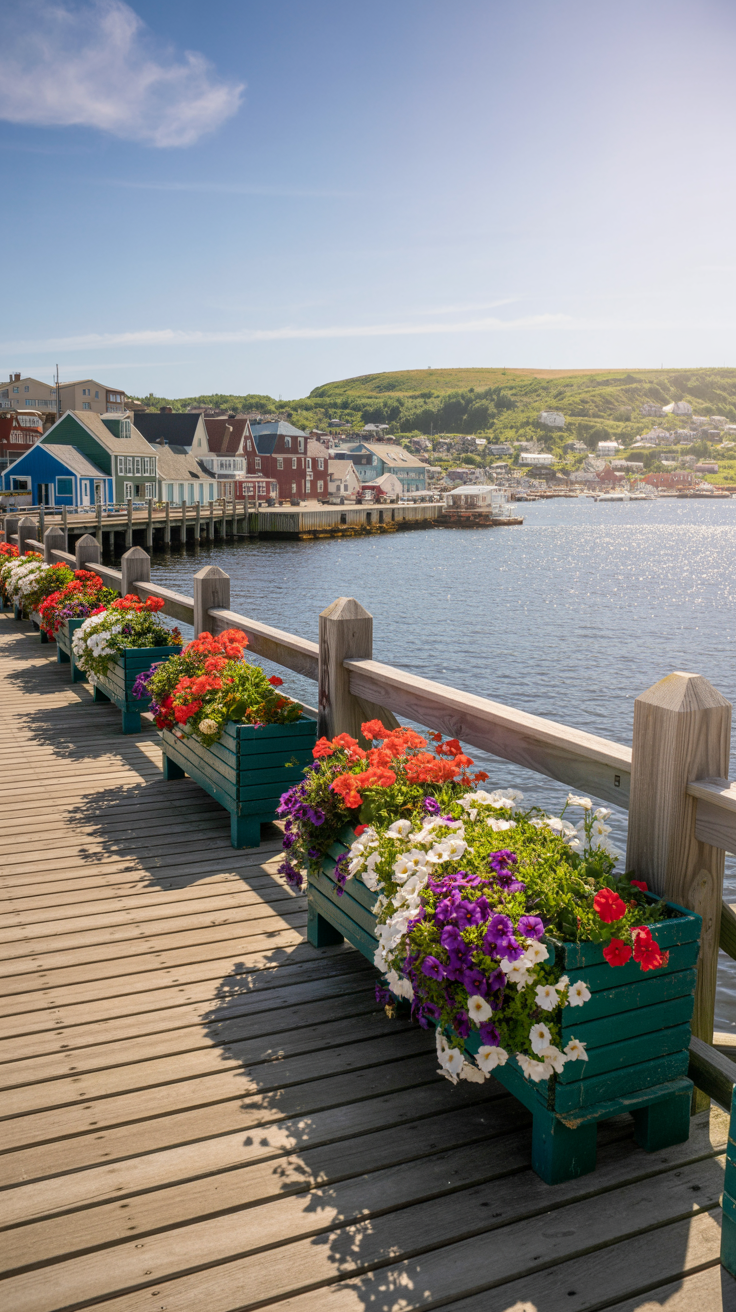
Yes, downtown Sydney is genuinely walkable from the cruise terminal, though it’s not an instant stroll. Here’s what to expect:
- Distance and Time: The walk to central Sydney is about 1 mile (1.6 km) and takes roughly 20-25 minutes at a comfortable pace. The route is flat and follows the waterfront, making it pleasant rather than strenuous.
- What You’ll Pass: You’ll walk along the harbour boardwalk with views across the water, passing occasional benches and interpretive signs about Sydney’s maritime history. It’s a proper scenic route rather than dodging traffic.
- Terrain: The path is paved and accessible, with no significant hills or obstacles. If you have mobility concerns, it’s doable but consider a taxi if you’d rather save energy for exploring the town itself. A pair of comfortable women’s walking shoes or men’s walking shoes will make the stroll much more enjoyable.
- Weather Consideration: Cape Breton weather changes quickly. Even in summer, bring a light jacket for the harbour breeze, and check the forecast for rain before setting off on foot.
- Alternative if Walking Isn’t Appealing: Taxis queue at the cruise terminal and charge around CAD 10-15 to downtown Sydney. If you’re short on time or the weather’s miserable, it’s a sensible option.
How to Get Around from Sydney Cape Breton Island & Shore Transportation
Sydney isn’t a huge city, so getting around is straightforward once you understand your options. The port area is well-serviced by taxis, and public transport exists if you’re budget-conscious. For longer trips to attractions like Louisbourg or Baddeck, you’ll need wheels of some sort.
Taxis
- Availability: Taxis wait at the Joan Harriss Cruise Pavilion when ships are in port. You won’t need to book ahead for short trips to downtown Sydney.
- Fares: Expect CAD 10-15 for the trip to downtown Sydney. Longer journeys to Fortress of Louisbourg (about 45 minutes away) run around CAD 80-100 each way, so consider negotiating a return trip rate.
- Payment: Most taxis accept card payments, but carrying some Canadian cash is wise. Confirm the fare before you set off, especially for longer trips.
- Uber/Lyft: These services aren’t reliably available in Sydney or wider Cape Breton, so stick with traditional taxis.
Public Buses
- Transit Cape Breton: Local buses run near the port area and connect to downtown Sydney and some surrounding communities. Routes are limited compared to larger cities, but it’s a budget-friendly option.
- Fares: Bus fares are typically CAD 2-3 per ride. Exact change is usually required.
- Schedules: Check current timetables at the cruise pavilion or ask port staff. Buses don’t run as frequently as you might be used to, so plan accordingly and allow extra time.
- Practicality for Cruise Passengers: Fine for getting to downtown Sydney, but not realistic for reaching distant attractions like Louisbourg within a port day.
Car Rentals
- Agencies: Enterprise and Budget have offices in Sydney, typically a short taxi ride from the cruise terminal. Book online ahead of your port day to guarantee availability.
- Why Rent: If you want flexibility to explore the Cabot Trail, Fortress of Louisbourg, or Baddeck and the Alexander Graham Bell Museum at your own pace, renting a car makes sense. Roads are well-maintained and scenic.
- Cost: Daily rentals start around CAD 60-80 depending on vehicle type and season. Factor in petrol and parking fees.
- Time Management: Remember you need to return the car and get back to the ship with a buffer. If your ship departs at 5pm, plan to have the car back by 3:30pm at the latest.
- Driving Note: Speed limits are in kilometres per hour, and Canadians drive on the right side of the road. GPS is essential for navigating Cape Breton’s rural roads.
Shore Excursions
- Cruise Line Tours: Your cruise line will offer organised excursions to major sites like Louisbourg, the Cabot Trail, and Baddeck. These guarantee you’ll return to the ship on time, but you’ll pay a premium and follow a set schedule.
- Independent Tour Operators: Local companies operate from Sydney and can be booked online before your cruise or sometimes at the port pavilion. They’re often cheaper than cruise line tours and may offer more personalised experiences.
- Popular Routes: Half-day tours to Louisbourg are common, as are longer Cabot Trail scenic drives. Verify return times carefully if booking independently.
What to See Within Walking Distance from the Port
Sydney’s walkable attractions are modest but give you a genuine taste of Cape Breton culture without needing transport. If you only have a few hours or prefer exploring on foot, these spots are within reasonable reach of the cruise terminal.
- Sydney Boardwalk and Harbour Waterfront: A pleasant 15-20 minute stroll along the water from the cruise pavilion toward downtown. The boardwalk offers harbour views, occasional vendors, and interpretive signs about Sydney’s maritime history. It’s flat, paved, and an easy warm-up walk before heading into town.
- The Big Fiddle (World’s Largest Fiddle): This oversized fiddle sculpture celebrates Cape Breton’s Celtic musical heritage and makes for a classic photo stop. Located near the cruise pavilion area, it’s literally steps from where you disembark. Quick, free, and iconic.
- St. Patrick’s Church Museum: A short walk from the terminal, this former church now houses rotating exhibitions about local history and culture. It’s a compact museum suitable for a 30-45 minute visit. The building itself is attractive, and admission is typically modest (around CAD 5-7).
- Joan Harriss Cruise Pavilion Facilities: The terminal itself has a small café, souvenir shops, and visitor information. If you need a coffee or want to pick up Cape Breton-themed gifts without venturing far, it’s convenient. The staff can also provide maps and current bus schedules.
- Downtown Sydney Core (Charlotte Street Area): About 20-25 minutes on foot from the port, downtown Sydney has local shops, cafés, and the Highland Arts Theatre. It’s a real working town rather than a tourist trap, so you’ll find everyday businesses mixed with visitor-friendly spots. Good for a wander if you want to see how locals actually live.
- St. George’s Church: A historic Anglican church dating back to the late 18th century, located in downtown Sydney. If you appreciate church architecture and Cape Breton history, it’s worth a brief stop. The walk from the port takes about 25 minutes.
Must See Attractions in Sydney Cape Breton Island for a One Day Cruise Visit
With only one day in port, you need to prioritise. Sydney’s headline attractions aren’t right at the dock, so plan your time carefully. Here’s what’s genuinely worth the effort for cruise passengers with limited hours.
Fortress of Louisbourg National Historic Site
- What it is: This is a massive, meticulously reconstructed 18th-century French fortress town. You’ll find costumed interpreters, period buildings you can enter, demonstrations of colonial trades, and stunning coastal views. It’s one of North America’s largest historical reconstructions.
- Why it matters: Louisbourg played a crucial role in the colonial struggles between France and Britain for control of North America. The site brings that history to life in a way that reading about it never could. If you have any interest in colonial history or just enjoy immersive historical experiences, this is the top pick.
- Time needed: Allow a full 4-5 hours minimum including the 45-minute drive each way from Sydney and at least 2-3 hours exploring the fortress itself. The site is large, and you’ll want time to watch demonstrations and enter multiple buildings.
- Practical tips: Entry fees are around CAD 18-20 for adults. The fortress is exposed to ocean winds, so dress in layers and bring waterproof gear even if it looks fine when you leave Sydney. Comfortable walking shoes are essential as you’ll be on your feet on uneven historical surfaces. Book a taxi return trip or organised tour to guarantee transport back. On-site dining exists but can be pricey; consider packing snacks. If you have mobility issues, ask about accessible routes as the terrain includes cobblestones and stairs.
Cabot Trail Scenic Drive
- What it is: The Cabot Trail is a 298-kilometre loop road that winds through Cape Breton Highlands National Park, offering dramatic coastal cliffs, forested mountains, and traditional Cape Breton villages. It’s frequently listed among the world’s most scenic drives.
- Why it matters: This is Cape Breton’s signature landscape experience. If you want to understand why people rave about this island’s natural beauty, the Cabot Trail delivers. Wildlife sightings (moose, bald eagles, pilot whales from overlooks) are common.
- Time needed: A full Cabot Trail loop takes 6-8 hours minimum without stops. For cruise passengers, a partial drive to highlights like Cape Breton Highlands National Park or the village of Chéticamp (about 1.5 hours from Sydney) is more realistic. Budget 5-6 hours for a partial route with stops.
- Practical tips: This requires a rental car or organised tour. Driving independently gives you flexibility to stop at viewpoints, but watch your clock carefully. Fuel up in Sydney before you go. The route includes steep grades and sharp curves, so drive cautiously and watch for wildlife on the road. Pack a picnic as restaurant options along the trail are limited and may be closed outside peak summer months. Entry to Cape Breton Highlands National Park costs around CAD 8 per person. If your ship departs late afternoon, this trip is tight and stressful; consider it only if you have 9+ hours in port.
Alexander Graham Bell National Historic Site (Baddeck)
- What it is: A museum dedicated to Alexander Graham Bell’s life and inventions, located in the picturesque village of Baddeck on the shore of Bras d’Or Lake. The museum covers his work on the telephone, aviation experiments, and work with the deaf.
- Why it matters: Bell spent his summers in Baddeck and conducted significant research there. The museum is engaging and well-designed, suitable for all ages. The setting in Baddeck itself is lovely, and the village has good cafés and shops if you want a relaxed port day.
- Time needed: The drive from Sydney to Baddeck takes about 1.5 hours. Allow 1.5-2 hours in the museum and another hour to explore Baddeck village or grab lunch. Total trip time is 5-6 hours.
- Practical tips: Admission is around CAD 8-10. The museum is accessible and climate-controlled, making it a good option in poor weather. Baddeck has several waterfront restaurants perfect for lunch; budget CAD 20-30 per person for a decent meal. This is a calmer, less physically demanding option than Louisbourg or the Cabot Trail, making it suitable for families or anyone who prefers a gentler pace. Combine with a brief drive along the Bras d’Or Lakes scenic route for added photo opportunities.
Cape Breton Miners’ Museum (Glace Bay)
- What it is: A museum dedicated to Cape Breton’s coal mining heritage, featuring an underground mine tour led by retired miners. You’ll descend into a real mine tunnel and hear firsthand accounts of what working conditions were like.
- Why it matters: Coal mining shaped Cape Breton’s economy and communities for over a century. The underground tour is genuinely unique and the retired miners who guide tours tell stories you won’t find in any book. It’s a raw, honest look at industrial history.
- Time needed: Glace Bay is about 20-25 minutes from Sydney. The underground tour lasts roughly 45 minutes, and you’ll want another 30-45 minutes in the museum exhibits. Total trip time is around 2.5-3 hours including transport.
- Practical tips: Admission and mine tour cost around CAD 15-20. The underground tour requires sturdy shoes and warm clothing as the mine is cool and damp year-round. Hard hats and lights are provided. Not suitable for anyone with claustrophobia or significant mobility limitations as the mine involves stairs and low ceilings. Tours run on a schedule, so call ahead or check online to confirm times on your port day. This is an excellent half-day option that leaves time for other activities.
Jost Heritage House (Sydney)
- What it is: A restored Victorian home in downtown Sydney that now operates as a local history museum. The house belonged to a prominent Sydney family and is furnished with period pieces.
- Why it matters: If you’re staying close to the port and want a taste of local history without a long journey, this is a convenient option. It’s small but well-maintained, and volunteers are often on hand to share stories about Sydney’s past.
- Time needed: About 45 minutes to an hour for a thorough visit. The walk from the cruise terminal takes 20-25 minutes.
- Practical tips: Admission is usually by donation or a small fee (CAD 5 or so). Opening hours can be limited, so verify it’s open on your port day. This works well as part of a broader walk around downtown Sydney rather than as a standalone attraction.
Port Day Itinerary: Things to Do in 8 Hours
Here’s a realistic schedule that fits a typical 8am-5pm port day in Sydney, allowing you to experience the area’s highlights without rushing or risking missing the ship.
- 8:00am | Disembark and Grab Coffee: Once cleared through the terminal, pick up a coffee and pastry at the Joan Harriss Cruise Pavilion café. Use this time to confirm your taxi or tour pickup if pre-arranged, or chat with the visitor information desk about current conditions at your planned destinations. The pavilion staff are genuinely helpful and can answer last-minute questions.
- 8:30am | Depart for Fortress of Louisbourg: Board your pre-arranged taxi or tour vehicle for the 45-minute drive to Louisbourg. The morning light is excellent for photography, and arriving early means smaller crowds. If driving yourself, fuel up in Sydney before leaving as stations are sparse closer to the fortress.
- 9:30am | Explore Fortress of Louisbourg: Spend the next 2.5 hours wandering the fortress grounds. Start with the orientation video at the visitor centre, then walk through the gate into the reconstructed town. Don’t rush—enter buildings, chat with costumed interpreters, and watch any demonstrations happening (bread baking, musket firing, etc.). The King’s Bastion is a highlight, and the views from the fortress walls over the Atlantic are stunning.
- 12:00pm | Lunch at Fortress or Nearby: Grab lunch at one of the fortress restaurants (period-style food is available, though pricey) or return to nearby Louisbourg town for more casual options. A simple lunch at a local café runs CAD 15-25 per person. If you packed a picnic, there are scenic spots around the fortress grounds to eat.
- 1:00pm | Return Journey to Sydney: Head back to Sydney, arriving around 1:45pm. This gives you a comfortable buffer and leaves the afternoon for exploring closer to port.
- 2:00pm | Walk Downtown Sydney: Stroll the harbour boardwalk to downtown Sydney, stopping at the Big Fiddle for photos along the way. Explore Charlotte Street shops, pick up local crafts or Celtic music CDs, and visit St. Patrick’s Church Museum if it’s open and you’re interested. Downtown Sydney isn’t flashy, but it’s authentic Cape Breton.
- 3:30pm | Snack and Last Shopping: Stop at a downtown café for a coffee and Cape Breton treat (oatcakes are a local specialty, though they’re an acquired taste—basically a dense, slightly sweet biscuit). If you haven’t bought souvenirs yet, this is your last chance before heading back to the ship.
- 4:15pm | Return to Ship: Walk back to the cruise pavilion or grab a taxi if you’re tired or carrying bags. Aim to be back at the ship by 4:30pm, giving you a 30-minute cushion before the typical 5:00pm departure. Use the extra time to relax on deck with a drink and watch Sydney fade into the distance.
This timing works comfortably and prioritises Louisbourg while leaving afternoon flexibility. If Louisbourg doesn’t appeal, substitute the morning with a drive to Baddeck or a partial Cabot Trail route, adjusting return times accordingly.
Where to Eat Near the Port
Sydney’s food scene is unpretentious and leans heavily on seafood, which makes sense given you’re on an island. Expectations should be set for small-town dining rather than culinary fireworks, but what’s on offer is generally fresh and reasonably priced.
- Joan Harriss Cruise Pavilion Café: If you just need a quick coffee, pastry, or sandwich without leaving the port area, the terminal café covers basics. It’s convenient but not memorable. Expect to pay CAD 5-10 for a light snack or drink.
- Downtown Sydney Cafés and Restaurants: Within a 20-25 minute walk of the port, you’ll find several casual dining spots along Charlotte Street and near the waterfront. Look for seafood chowder (a Cape Breton staple, typically CAD 8-12 for a bowl), fish and chips (CAD 15-20), and lobster rolls (CAD 18-25 when in season). Governor’s Pub & Eatery is a reliable choice for pub-style food and local craft beers.
- Lobster and Seafood: Cape Breton lobster is excellent when in season (typically late spring through early autumn). Fresh lobster dinners at local restaurants range from CAD 25-40 depending on market price and preparation. Don’t expect white tablecloth dining; the best seafood often comes from modest spots that look unassuming from outside.
- Traditional Cape Breton Fare: Beyond seafood, you might encounter meat pies, oatcakes (a dense, oat-based biscuit often served with cheese), and other Scottish-influenced foods. These aren’t to everyone’s taste but they’re authentic to the region.
- Timing and Availability: If you’re planning lunch in Sydney itself, restaurants generally open by 11:30am or noon. If you’re visiting Louisbourg, the fortress has on-site dining (period-themed food at higher prices) or you can eat in Louisbourg town before or after your fortress visit. Baddeck has several waterfront restaurants suitable for lunch if you’re visiting the Alexander Graham Bell Museum.
- Quick Options: If you’re short on time, Tim Hortons (Canada’s ubiquitous coffee and donut chain) and similar fast-food outlets exist in Sydney for a quick, cheap meal. Not exciting, but reliable if you need to eat and get moving.
- Food Safety: Tap water is safe to drink throughout Nova Scotia. Food hygiene standards are high, so you don’t need to worry about street food or casual restaurants making you ill. Seafood is fresh and properly handled in reputable establishments.
Shopping: What to Buy & Where to Go
Sydney isn’t a major shopping destination, so manage expectations accordingly. What you will find are authentic Cape Breton crafts, Celtic-themed goods, and local food products that make decent souvenirs or gifts.
Downtown Sydney shops along Charlotte Street sell Cape Breton music CDs (the island has a thriving traditional music scene), Celtic jewellery, tartan scarves, and locally made crafts. Prices are reasonable and haggling isn’t expected or appropriate—these are fixed-price retail shops. Look for items featuring the fiddle or Gaelic language elements if you want something distinctly Cape Breton.
Local food products worth considering include maple syrup (widely available across Nova Scotia), oatcakes, and jams or preserves made from local berries. These are lightweight, packable, and give friends back home a taste of the region. Expect to pay CAD 8-15 for a decent jar of preserves or box of oatcakes.
The Joan Harriss Cruise Pavilion has a small gift shop selling standard cruise port souvenirs—t-shirts, fridge magnets, postcards. It’s convenient if you forgot to buy something and don’t have time to go into town, but the selection is limited and prices are slightly inflated compared to downtown shops.
If you’re visiting Baddeck, the village has several artisan shops and galleries selling higher-end crafts, pottery, and paintings. These make better-quality souvenirs but cost more—budget CAD 30-100+ for something special.
Shop opening hours in Sydney are typically 9:00am or 10:00am through 5:00pm or 6:00pm Monday to Saturday, with reduced hours or closures on Sunday. If your ship is in port on a Sunday, verify opening times before planning a shopping trip. Canadian public holidays can also affect shop hours, though most tourist-oriented businesses stay open during cruise season.
Canada has a goods and services tax (GST) of 5% and a provincial sales tax in Nova Scotia of 10%, combined into a harmonised sales tax (HST) of 15%. Prices displayed usually don’t include tax, so expect an additional 15% added at the till. International visitors can’t reclaim this tax on small purchases, so factor it into your budget.
Safety Tips & Avoiding Scams
Sydney and Cape Breton generally are safe, low-crime areas where violent crime against tourists is extremely rare. That said, use common sense and be aware of a few practical concerns.
The main “scam” risk in Sydney isn’t malicious fraud but rather overcharging by unlicensed taxis or tour operators. Stick with official taxis queuing at the cruise terminal or pre-booked licensed tour companies. If someone approaches you offering a private tour at the dock, verify their credentials or decline politely. Legitimate tour operators work through the cruise line or have established local businesses you can verify online.
When using ATMs, choose machines inside banks or the cruise terminal rather than standalone outdoor units. Cover your PIN when entering it, and check the machine for anything that looks tampered with or suspicious. Card skimming does occur in Canada, though it’s not widespread. If your card is declined unexpectedly or you notice unusual charges later, contact your bank immediately. Consider using an RFID blocking wallet to protect your cards from electronic theft.
Cape Breton weather is unpredictable. Even in summer, temperatures can drop quickly and rain or fog can roll in without much warning. Dress in layers, bring waterproof gear, and wear sturdy shoes. Slips and falls on wet boardwalks or uneven historical surfaces at sites like Louisbourg are more likely than any crime.
If you’re driving independently, wildlife on roads is a genuine hazard. Moose are common in Cape Breton and a collision with one is extremely dangerous. Drive cautiously, especially at dawn and dusk, and watch for wildlife crossing signs. If you see a moose on or near the road, slow down and wait for it to move—don’t try to drive around it or speed past.
Keep valuables secure and don’t leave bags unattended, but this is general travel advice rather than a Sydney-specific concern. Pickpocketing isn’t a significant issue here, but why take chances? An anti-theft backpack or anti-theft crossbody bag can provide peace of mind while you explore.
If you’re visiting natural areas or hiking, stay on marked trails and be aware of cliff edges, especially in windy conditions. Cape Breton’s coastal scenery is dramatic but the weather and terrain can be harsh. Tell someone your plans if you’re heading off alone, and bring a charged phone.
Emergency Contacts
- Emergency Services (Police, Fire, Ambulance): 911 — This is the primary number for any urgent emergency requiring immediate help.
- RCMP Nova Scotia (Non-Emergency): 1-800-803-7267 — Use this for reporting non-urgent incidents or general police inquiries.
- RCMP Nova Scotia (General Inquiries): 902-720-5000
- Ambulance (Provincial Non-Emergency Line): 1-888-346-9999
- Cape Breton Regional Police (Non-Emergency): Contact through the provincial non-emergency line or via local directories for non-urgent matters.
- Victim Services (Sydney Office): 902-563-3655 or toll-free 1-800-565-0071 (136 Charlotte Street, Sydney) — For support after incidents requiring crisis help or victim assistance.
- Canadian Coast Guard (Marine Emergencies): Contact via regional MCTS (Marine Communications and Traffic Services) channels for maritime safety issues or hazards at sea.
- Port of Sydney Emergency Contact: Check with your cruise line or the Joan Harriss Cruise Pavilion staff for the current port emergency number upon arrival.
Save your cruise ship’s emergency contact number and your ship’s agent contact in Sydney before going ashore. If you miss the ship or face a serious problem, these are your first call.
Essential Items for Your Day in Sydney Cape Breton Island
Cape Breton’s maritime climate and outdoor attractions require some practical preparation. Here are items that will genuinely enhance your port experience:
- Weather Protection: A packable rain jacket or rain poncho is essential given how quickly weather can change. Coastal winds make even summer days chilly, so consider merino wool base layers for women or merino wool base layers for men under your regular clothes for warmth without bulk.
- Comfortable Footwear: Whether you’re walking the fortress grounds or strolling Sydney’s boardwalk, proper shoes matter. Women’s walking shoes or men’s walking shoes will prevent blisters and foot fatigue during long exploration days.
- Sun and Glare Protection: Even on overcast days, UV exposure is significant near water. Quality sunglasses for women or sunglasses for men reduce glare from the harbour and make outdoor attractions more comfortable. Apply reef safe sunscreen SPF 50 before heading out.
- Security Essentials: Keep valuables safe while exploring with an RFID blocking wallet and store passports securely in an RFID passport holder. A money belt provides discreet storage for cash and cards.
- Practical Accessories: Bring compact binoculars for spotting wildlife along the Cabot Trail or viewing harbour details. A packable backpack holds purchases, snacks, and layers as you explore. Your cruise lanyard keeps ship ID accessible for easy reboarding.
- Tech and Power: Keep your phone charged for navigation and photos with a portable phone charger 20000mah. A collapsible water bottle stays hydrated without bulk.
- Health and Comfort: Pack blister prevention foot care if you’re planning extensive walking, and bring insect repellent with DEET for woodland areas and the Cabot Trail where mosquitoes and black flies can be bothersome in summer months.
Currency, ATMs & Money Matters
Understanding money practicalities in Sydney avoids frustration and helps you budget accurately for your port day.
- Local Currency: The Canadian Dollar (CAD) is used throughout Sydney and Nova Scotia. As of recent exchange rates, 1 CAD is worth approximately 0.55-0.60 GBP or 0.70-0.75 USD, though rates fluctuate. While some tourist-facing businesses may accept US dollars, the exchange rate they offer will be poor. Use Canadian dollars for all transactions.
- ATM Locations: ATMs are available at the cruise terminal, in downtown Sydney banks, and at some shops and petrol stations. Withdrawal fees vary by your home bank’s policies and the ATM operator; expect CAD 3-5 per transaction from the machine itself, plus whatever your bank charges for international withdrawals.
- Card Acceptance: Credit and debit cards (Visa, Mastercard) are widely accepted in Sydney shops, restaurants, and for taxis. Contactless payment is common. American Express is less universally accepted, especially in smaller establishments. Always carry some cash for small purchases, tips, or businesses that prefer cash.
- Currency Exchange: Banks in downtown Sydney offer currency exchange, but hours may not align well with cruise port days. Exchanging money before you arrive in Canada or withdrawing cash from an ATM upon arrival typically gives better rates than airport or port exchange kiosks. Avoid exchanging money with individuals or unofficial changers.
- Tipping: Tipping practices in Canada are similar to the United States. In restaurants, 15-20% of the pre-tax bill is standard for good service. For taxis, round up or add 10-15%. If you take a guided tour, CAD 5-10 per person is a reasonable tip for the guide if they’ve done a good job. Tipping isn’t expected in fast-food outlets or for counter service.
- Taxes: Nova Scotia charges a harmonised sales tax (HST) of 15% on most goods and services. This is typically added at the point of sale, so the price you see on a menu or price tag doesn’t include tax. Budget accordingly—a CAD 20 meal will actually cost you CAD 23 after tax and more with tip.
- Bank Notification: Notify your bank and credit card companies that you’ll be traveling to Canada before you leave home. This prevents your cards being blocked for suspected fraud when you suddenly start making transactions in Nova Scotia. It’s a simple step that avoids significant hassle.
- Small Bills: When withdrawing cash, ask for smaller denominations (CAD 20s rather than CAD 50s or 100s) as small shops and taxis may have difficulty providing change for large notes.
Weather by Month
Sydney’s cruise season runs from late spring through early autumn, with weather that’s generally mild but variable. Pack layers and be prepared for conditions to change during the day. A lightweight packable rain jacket and lightweight travel scarf for added warmth are wise additions to your daypack regardless of the forecast.
| Season | Months | Temperature Range | What to Expect |
|---|---|---|---|
| Late Spring | May | 8-15°C (46-59°F) | Cool and often damp. Mornings can be chilly with fog common near the coast. Pack a warm jacket and waterproof layers. Trees are budding and wildflowers appear, making it scenic but not warm. Fewer crowds than summer. |
| Early Summer | June | 13-20°C (55-68°F) | Warming up but still cool by many standards. Ocean breezes keep temperatures moderate. Rain is frequent, so waterproof gear is essential. Daylight hours are long, giving more time for excursions. Mosquitoes and black flies can be bothersome inland. |
| Peak Summer | July – August | 18-24°C (64-75°F) | Warmest and busiest time for cruise visits. Conditions are generally pleasant with comfortable temperatures for sightseeing. Occasional heatwaves push temperatures higher, but ocean breezes moderate extremes. Rain still possible, so don’t leave waterproofs behind. Best weather for Cabot Trail drives and outdoor activities. |
| Early Autumn | September | 14-20°C (57-68°F) | Cooling down with beautiful autumn colours beginning, especially in forested areas. Fewer cruise ships and tourists than summer. Weather remains generally pleasant but pack warm layers for cooler mornings and evenings. Occasional storms as autumn progresses. |
| Late Autumn | October | 8-14°C (46-57°F) | Cool and increasingly unpredictable. Autumn colours peak mid-month, making scenic drives spectacular. Cruise season is winding down. Expect rain, wind, and possibly early cold snaps. Warm clothing and waterproofs essential. Some attractions reduce hours or close for the season. |
Regardless of month, always bring layers, a waterproof jacket, and comfortable walking shoes. Cape Breton weather is maritime and changeable—conditions can shift from sunny to rainy within an hour. If you’re planning outdoor activities like hiking portions of the Cabot Trail, pack accordingly for wind and cooler temperatures at higher elevations.
Common Questions & FAQ
Is Sydney Cape Breton Island the same as Sydney Australia?
No, and this genuinely confuses people. Sydney, Nova Scotia, is a small city on Cape Breton Island in eastern Canada. Sydney, Australia, is the massive harbour city famous for its Opera House. They share nothing but a name. If you’re looking at cruise itineraries, verify which Sydney you’re visiting—Canada’s version is far smaller and focuses on Celtic heritage and natural scenery rather than urban attractions.
Can you do the full Cabot Trail loop during a cruise port day?
Technically yes, but it’s extremely rushed and stressful. The full Cabot Trail loop is 298 kilometres and takes 6-8 hours of driving without stops. If your ship is in port for 8-10 hours and you leave immediately upon docking, you could complete it, but you’d barely have time to stop for photos or meals and you’d risk missing the ship. A partial drive to Cape Breton Highlands National Park or Chéticamp is more realistic and less nerve-wracking. Save the full loop for a longer land-based visit if you want to enjoy it properly. For more tips on planning complex port days, visit our cruise tips guide.
Do I need to book Fortress of Louisbourg tickets in advance?
Generally no, you can purchase tickets when you arrive. However, if you’re visiting during peak summer months (July-August) or on days when multiple cruise ships are in port, buying tickets online in advance can save queuing time. Check the Parks Canada website for current ticket options and prices. The fortress rarely sells out completely, but booking ahead lets you plan your budget and schedule more precisely.
Is there Wi-Fi available at the Sydney cruise port?
The Joan Harriss Cruise Pavilion typically offers Wi-Fi for passengers, though connection quality and whether it’s free or requires a fee can vary by season and port operations. Ask at the information desk upon arrival. Your cruise ship’s Wi-Fi likely won’t work well once you’re ashore unless you’re very close to the ship. If you need reliable data, consider activating an international roaming plan or purchasing a local SIM card, though for a single port day most people manage fine by downloading maps for offline use before disembarking.
Are there any beaches near Sydney cruise port?
Cape Breton has beaches, but they’re not immediately adjacent to the cruise port and the water is cold even in summer. If you want a beach experience, you’d need to drive to places like Ingonish Beach (near Cape Breton Highlands National Park), which is about 1.5 hours from Sydney. Given limited port time, beaches aren’t a practical priority for cruise passengers. Focus on historical sites, scenic drives, or cultural experiences instead.
What’s the best attraction for families with young children?
The Alexander Graham Bell National Historic Site in Baddeck works well for families. It’s interactive, educational without being boring, and the village of Baddeck has easy lakeside walks and ice cream shops. Young children may find Fortress of Louisbourg engaging if they’re interested in history and don’t mind walking, but it’s a long day and can be tiring. The Miners’ Museum underground tour has a minimum age recommendation (typically 6-8 years) due to the mine environment. Avoid the full Cabot Trail with very young children as the long drive and limited stops make it challenging. If you’re new to cruising with kids, plan shorter excursions with built-in breaks.
Can I use US dollars in Sydney?
Some shops and restaurants near the cruise port may accept US dollars as a courtesy to cruise passengers, but the exchange rate they offer will be unfavorable and you’ll receive change in Canadian dollars anyway. It’s far better to use Canadian dollars obtained from an ATM or exchanged before arrival. Credit cards work everywhere and handle currency conversion automatically (subject to your card’s foreign transaction fees). Don’t rely on being able to pay in US dollars throughout your port day.
Is there a duty-free shop at Sydney cruise port?
Sydney’s cruise terminal is small and doesn’t have a significant duty-free shopping operation like you’d find at major international airports or larger cruise ports. The Joan Harriss Cruise Pavilion has a modest gift shop selling souvenirs, snacks, and basic items, but don’t expect duty-free prices on alcohol, tobacco, or luxury goods. If duty-free shopping is important to you, your cruise ship’s onboard shops are a better option.
Personal Experience
When our cruise ship pulled into Sydney, Cape Breton Island, I wasn’t sure what to expect from this smaller Canadian port. The town itself is pretty walkable from the dock, which was perfect since we only had about eight hours there. We headed straight to the Sydney waterfront boardwalk, where you can grab some seriously good seafood – I’m talking fresh lobster rolls and fish and chips that put most restaurants back home to shame. The folks at the visitor centre near the port were incredibly helpful and pointed us toward a few local spots we wouldn’t have found otherwise.
What really made the day special was taking a short taxi ride out to the Fortress of Louisbourg. It’s about a 45-minute drive, but totally worth it if you have the time. This massive reconstructed French fortress from the 1700s feels like stepping into another era, with costumed interpreters and authentic buildings you can actually explore. If you’d rather stay closer to port, the downtown area has some charming shops and the Jost Heritage House museum gives you a nice taste of local history. Just keep an eye on your ship’s departure time – Sydney is laid-back, but you definitely don’t want to miss the boat. Bring a light jacket too, even in summer, because that ocean breeze can be chilly.