
La Spezia isn’t trying to be a foodie destination, which is exactly why the food here matters. The port feeds cruise passengers into Cinque Terre and Florence, but locals are eating dishes you won’t find on glossy menus near the harbor. Testaroli, mesciua, panigacci – these are recipes that make sense only if you know the hills, the coast, and the way Ligurians have always stretched ingredients. You can eat very well here if you know where to look, and very poorly if you don’t.
The challenge is simple: most places within sight of the cruise terminal are set up for people who have three hours before getting back on the ship. They’re not bad, exactly, but they’re not what locals eat either. Walk ten minutes inland and the menus change. Prices drop. The person behind the counter might actually be the one cooking your lunch. This guide will point you toward the real stuff and help you skip the tourist traps that dominate the waterfront.
Want to know more about getting around La Spezia and what to do near the port?
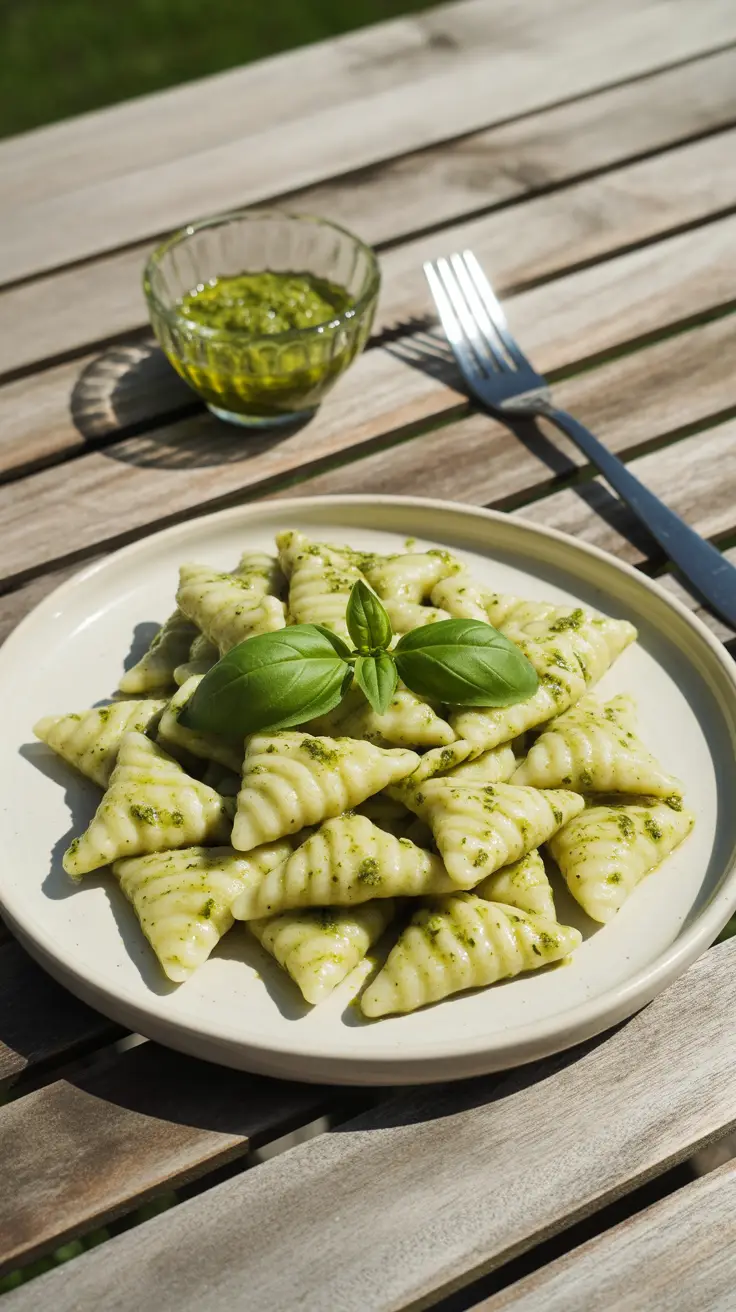
What Testaroli Actually Are (And Why They’re Weird)
Testaroli are often called pasta, but they’re not. They’re more like a thick, spongy pancake made from flour, water, and salt, cooked in a flat terracotta dish called a testo. Once cooked, they’re cut into diamond shapes, boiled briefly, and served with pesto. The texture is strange – sort of chewy and soft at the same time – and nothing like the al dente pasta tourists expect.
Locals in La Spezia and the Lunigiana region have been eating testaroli for centuries, mostly because it’s a fast, cheap way to feed a family. You won’t find them in fancy restaurants. The best versions show up in small osterias where the kitchen is visible from your table and the menu is handwritten. Look for places that make their pesto with a mortar and pestle, not a blender. The difference is obvious once you taste it.
- Osteria della Corte – consistently mentioned by locals as the place to try testaroli without the tourist markup. It’s a short walk from the port, tucked into the old quarter.
- Trattoria da Gino – another reliable spot where the kitchen doesn’t change the recipe for tourists. Expect simple surroundings and zero English menus.
- Ask for testaroli al pesto specifically. Some places also serve them with cheese or oil, but pesto is the classic preparation.
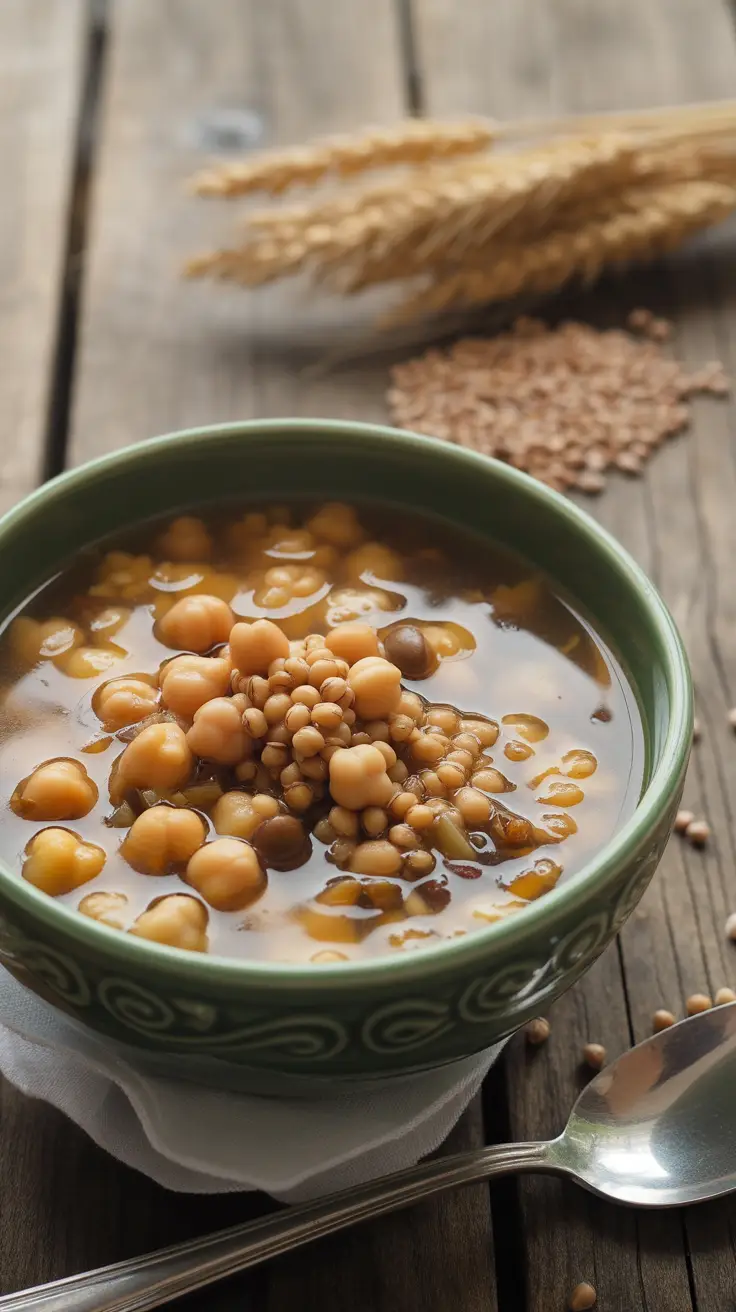
Mesciua: The Soup That Tourists Skip
Mesciua is peasant food in the best possible sense. It’s a soup made from chickpeas, cannellini beans, and farro or spelt, cooked slowly and finished with olive oil and black pepper. Fishermen used to eat it because it was filling, cheap, and you could make a big pot that lasted for days. It’s not pretty and it doesn’t photograph well, which is probably why it hasn’t been gentrified yet.
The texture should be thick but not stodgy, with each ingredient still holding its shape. Good mesciua tastes earthy and slightly nutty, and the olive oil on top is not negotiable – it’s what pulls the whole thing together. You’ll find it on menus in the colder months, though some places serve it year-round.
- Antica Osteria della Foce – a no-frills spot near Piazza Cavour where mesciua is a regular fixture. The portions are generous and the price is fair.
- Il Ristorantino di Bayon – another local favorite that doesn’t bother translating the menu. If mesciua is on the board, order it.
- Pair it with focaccia, not bread. Ligurian focaccia is soft, oily, and perfect for mopping up the bottom of the bowl.
Panigacci: Not Pasta, Not Pizza, Somewhere in Between
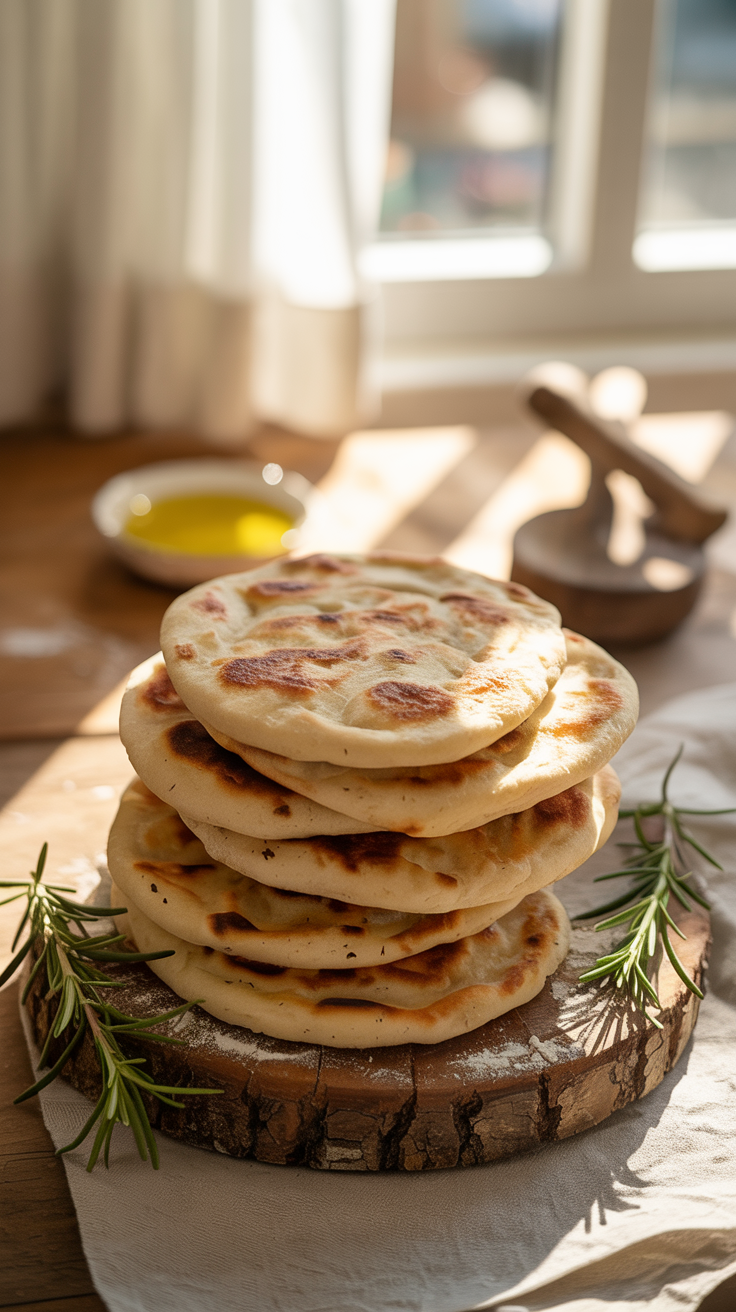
Panigacci are small, thin discs made from a simple batter of flour, water, and salt, cooked in stacked terracotta molds called testi. They’re a specialty of the Lunigiana hills rather than the coast, but you can find them in La Spezia if you know where to ask. They arrive at the table warm, stacked like flatbreads, and you eat them with cheese, cured meats, or pesto.
The texture is soft and slightly elastic, with a faint smokiness from the terracotta. Panigacci are meant to be eaten quickly while they’re still warm, ideally with your hands. They’re not fancy, and they’re not trying to be. They’re just good.
- Trattoria da Miro – family-run, old-school, and known for making panigacci the traditional way. It’s in the old quarter, away from the main tourist flow.
- Osteria All’Inferno – another option where locals go for panigacci and other Lunigiana specialties. The kitchen is small and the menu changes based on what’s available.
- Don’t expect English speakers. Bring a translation app or just point at what the table next to you is eating.
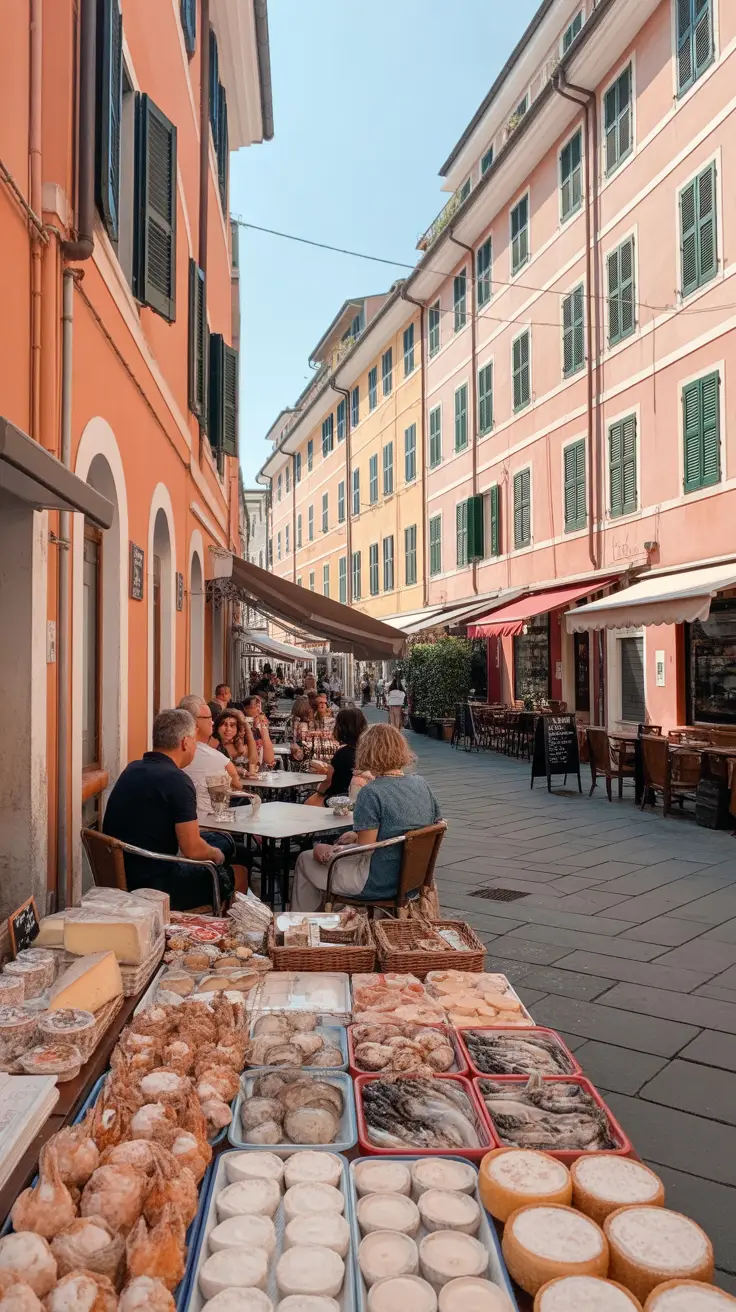
Where to Eat (And Where to Avoid)
The waterfront strip near the cruise terminal is the worst place to eat in La Spezia. Menus are in six languages, prices are inflated, and the kitchens are optimized for speed rather than flavor. It’s not that the food is inedible – it’s just boring and overpriced. Walk inland toward Via del Prione or Piazza Cavour and the quality improves immediately.
| Area | What to Expect |
|---|---|
| Waterfront (near cruise terminal) | Tourist-focused, high prices, mediocre food. Skip unless you’re desperate. |
| Via del Prione | Mix of tourist spots and local cafés. Look for places without photo menus. |
| Piazza Cavour / Old Quarter | Best bet for authentic local food. Smaller menus, lower prices, real cooking. |
| Market area (morning) | Great for asking vendors where they eat. You’ll get honest recommendations. |
Other reliable options for genuine Ligurian food:
- Trattoria La Pia – family-run, no-nonsense cooking. Order whatever the daily special is.
- Osteria della Corte – already mentioned for testaroli, but worth repeating. Locals eat here regularly, which tells you everything you need.
- Antica Osteria della Foce – solid for mesciua and other traditional soups. Tiny space, so go early or late.
- Il Ristorantino di Bayon – unpretentious, cheap, and consistently good. No English menu, but they’ll work with you.
Red flags to avoid:
- Menus with photos and prices in multiple currencies
- Staff standing outside trying to wave you in
- Anything advertising “authentic Italian pizza and pasta” in English on a big sign
- Restaurants with empty tables at peak lunch or dinner hours (locals know to avoid them)
What Else to Try While You’re Here
Focaccia is everywhere in Liguria, and La Spezia does it well. The local version is thick, soft, and drenched in olive oil, sometimes topped with salt or olives. It’s sold by weight in bakeries and eaten as a snack or light lunch. Don’t confuse it with the thin, crispy focaccia you’ll find elsewhere in Italy – this is a different beast entirely.
Farinata is another local staple: a thin, savory pancake made from chickpea flour and baked in a wood oven. It’s crispy on the edges, creamy in the middle, and usually eaten hot from the oven. Look for it in bakeries or casual spots near the market.
- Panificio Gemmi – one of the best bakeries in town for focaccia and farinata. Get there before noon or they’ll be sold out.
- Il Fornaio – another solid bakery with good focaccia and a rotating selection of savory baked goods.
- Pair focaccia with a glass of local white wine (Vermentino or Cinque Terre DOC) if you’re eating it as a light meal.
Seafood is obviously a big part of the menu here, but it’s hit or miss. The best seafood restaurants are not near the cruise terminal – they’re in neighborhoods where locals actually live. Ask at the market or look for places with a short menu that changes daily. If the menu is long and covers everything from sushi to steak, walk away.
Markets and Food Shops Worth Your Time
The morning market in Piazza Cavour is small but useful. Vendors sell fresh produce, cheese, cured meats, and prepared foods. It’s where locals shop, so it’s also where you’ll get honest recommendations for lunch or dinner. Go early (before 10am) for the best selection.
- Look for stalls selling pesto alla Genovese – the real stuff is bright green, oily, and smells intensely of basil. Take a jar home if you can.
- Buy focaccia from the bakery stalls and eat it while you walk. It’s cheap, filling, and better than anything you’ll find near the port.
- Ask vendors where they eat lunch. You’ll get better advice than any guidebook can offer.
For pantry staples or gifts, try Bottega di Alimentari or similar small grocers in the old quarter. They stock local olive oil, dried pasta, jarred pesto, and other Ligurian products that actually taste like something.
Timing Your Meals Like a Local
Lunch in La Spezia typically runs from 12:30pm to 2:30pm. Dinner starts around 7:30pm or 8pm, sometimes later in summer. If you show up at 6pm expecting dinner, most kitchens won’t be ready. Plan accordingly.
- Lunch is the main meal for many locals, so it’s often the best time to try traditional dishes like mesciua or testaroli. Restaurants fill up quickly between 1pm and 2pm.
- Dinner is more relaxed and can stretch late, especially on weekends. Book ahead if you’re eating at a small trattoria with limited seating.
- Aperitivo (pre-dinner drinks with snacks) is common in bars and cafés from 6pm to 8pm. It’s a good way to kill time before dinner if you’re hungry early.
Many traditional spots close on Sundays or Mondays, so check before you walk across town. Small family-run places often take a mid-afternoon break between lunch and dinner service, so don’t expect to eat at 4pm unless you’re near the cruise terminal (where they cater to odd schedules).
Practical Tips for Eating Out
- Cash is still common in smaller trattorias and markets. Carry euros in small denominations.
- Coperto (cover charge) is standard in sit-down restaurants, usually €1-3 per person. It’s not a scam – it covers bread and table service.
- Service is slower than in tourist zones. Don’t expect your food to arrive in ten minutes. If you’re on a tight cruise schedule, factor in at least an hour for a proper meal.
- Tipping is not expected in the way it is in the US or UK. Rounding up the bill or leaving a euro or two is appreciated but not obligatory.
- Menus in Italian only are usually a good sign. It means the place isn’t chasing tourists. Use your phone to translate or ask for help.
If you’re planning a full day exploring La Spezia beyond the food, build your route around meal times so you’re near good restaurants when hunger hits. The old quarter and market area are compact enough to explore on foot in a morning or afternoon. Wear comfortable walking shoes for women or supportive walking shoes for men since the cobblestone streets can be uneven, and keep some blister prevention handy if you’re doing a lot of exploring.
Extend Your Stay in La Spezia
If you’re flying in or out of nearby airports or just want more time to explore the Cinque Terre without rushing, staying overnight in La Spezia makes sense. The city is less crowded and cheaper than the coastal villages, and you’ll have better access to local restaurants after the cruise crowds leave.
Hotels in La Spezia range from basic budget options near the station to more comfortable mid-range accommodation in the old quarter. Most are within walking distance of the port and the best restaurants, so you won’t need a car or taxi to get around.
The morning market is worth a full visit if you have the time, and you can catch early trains to the Cinque Terre villages before the day-trippers arrive. Staying even one night gives you the chance to eat dinner like a local rather than racing back to the ship. If you’re staying overnight, pack smart with packing cubes to keep your essentials organized, and bring a hanging toiletry bag to maximize space in smaller hotel bathrooms.
A compact travel steamer can be useful if you want to freshen up clothes after a day of walking around.
Personal Experience
Last spring in La Spezia, I ducked into a tiny spot called Osteria della Corte after my Airbnb host practically demanded I try real testaroli. These weird, spongy pancake-things soaked in pesto were nothing like the pasta tourists queue up for near the harbor. The locals sitting around me were tearing into them without ceremony, and honestly, that’s how I knew I’d found the right place. A few doors down, there’s this no-frills joint that does mesciua – basically a humble chickpea and bean soup that fishermen used to eat. Sounds boring on paper, but with good olive oil drizzled on top, it’s completely satisfying after walking around all day.
The panigacci situation is trickier since they’re more of a hill-town thing, but I found a family-run trattoria in the old quarter that makes them in those traditional terracotta molds. They arrive at your table stacked up, and you eat them with cheese and salumi or sometimes pesto. Skip anything on Via del Prione where menus have pictures and prices that make you wince – those places are banking on cruise ship crowds. Ask around at the morning market in Piazza Cavour instead. The vendors there will point you toward spots where the person cooking is probably someone’s nonna, and the menu is whatever they felt like making that morning. I kept my phone charged with a portable charger with built-in cables for translating menus and mapping my way around, plus I needed a European power adapter for my hotel room.
Common Questions & FAQ
Can I find testaroli near the cruise terminal?
Not really. The restaurants near the terminal focus on fast, tourist-friendly meals. You’ll need to walk at least ten minutes inland toward the old quarter to find places that serve testaroli properly. Osteria della Corte and Trattoria da Gino are both short walks from the port and serve the real thing. If you’re worried about navigating back to the ship on time, carry a waterproof phone pouch to protect your phone with maps and boarding details.
Is mesciua available year-round or just in winter?
Traditionally it’s a winter dish, but some restaurants in La Spezia serve it year-round because locals request it. Your best bet is to check the daily specials board or ask when you sit down. Antica Osteria della Foce and Il Ristorantino di Bayon are reliable spots to find it. Spring weather can be unpredictable, so pack a lightweight packable jacket for women or men’s lightweight puffer that won’t take up much room in your anti-theft backpack.
Do I need to book restaurants in advance?
For small trattorias with limited seating, yes – especially if you’re eating during peak lunch hours (1pm-2pm) or on a weekend evening. Larger restaurants near the port don’t usually require bookings, but those are also the places locals avoid. If you’re targeting a specific spot for testaroli or panigacci, call ahead or book through your hotel.
What’s the price range for a typical local meal?
Expect to pay €10-15 for a main course at an authentic local trattoria, plus a few euros for coperto and drinks. A full meal with appetizer, main, and wine will run €25-35 per person. Tourist-focused restaurants near the cruise terminal charge more (€15-25 for a main) for lower quality.
Are vegetarian or vegan options common?
Ligurian cuisine is naturally vegetable-heavy, so you’ll find plenty of vegetarian options: pesto dishes, farinata, focaccia, mesciua, and various vegetable-based antipasti. Vegan options are trickier since pesto contains cheese, but you can ask for dishes without dairy. Smaller trattorias are usually happy to accommodate if you explain what you need.
Where can I buy good pesto to take home?
The morning market in Piazza Cavour has stalls selling fresh pesto alla Genovese. Look for bright green jars with visible basil leaves and a layer of olive oil on top. Avoid pre-packaged supermarket pesto – it tastes nothing like the real thing. Small grocers in the old quarter also stock quality jarred pesto from local producers. Use a luggage scale to make sure you’re not exceeding weight limits if you’re buying multiple jars, and organize your purchases with compression packing cubes to fit everything in your hardside carry-on luggage.
Is the food safe to eat if I have a sensitive stomach?
Yes. Italian food safety standards are high, and traditional dishes like testaroli, mesciua, and panigacci are simple, cooked-through foods with no raw ingredients. The bigger risk is eating at low-quality tourist restaurants that pre-cook and reheat meals. Stick to places where locals eat and where food is made to order, and you’ll be fine.
Can I eat well in La Spezia if I only have two or three hours?
It’s tight, but possible. Head straight to the old quarter or market area, skip anywhere with a photo menu, and order something simple like testaroli or focaccia with a glass of wine. Don’t try to do a multi-course meal – you’ll be rushing and won’t enjoy it. Save longer meals for when you have more time or consider staying overnight. Keep your valuables secure in an anti-theft messenger bag while you’re navigating crowded areas near the market.