
When you dock in Genoa, you’re stepping into one of Italy’s most underrated food cities. Forget the overpriced cafés clustered around the cruise terminal – the real treasures are a short walk into the old town, where bakeries and street vendors have been serving the same recipes for generations. The Porto Antico area puts you within easy striking distance of some genuinely brilliant snacks, and if you can spare an hour or two between docking and departure, you’ll eat better here than at most sit-down restaurants in other ports.
The beauty of Genoa’s street food scene is that it’s built for people on the move. Locals have been grabbing focaccia and farinata on their way to work for centuries, so everything’s designed to be quick, cheap, and portable. That suits cruise passengers perfectly, especially when you’re trying to cram in sightseeing and still make it back to the ship on time. Make sure you’re wearing comfortable walking shoes because those cobblestones in the old town can be unforgiving after a few hours of exploring.
Want to know more about the best spots to visit in Genoa’s port area?
The Big Three: What You Actually Need to Try
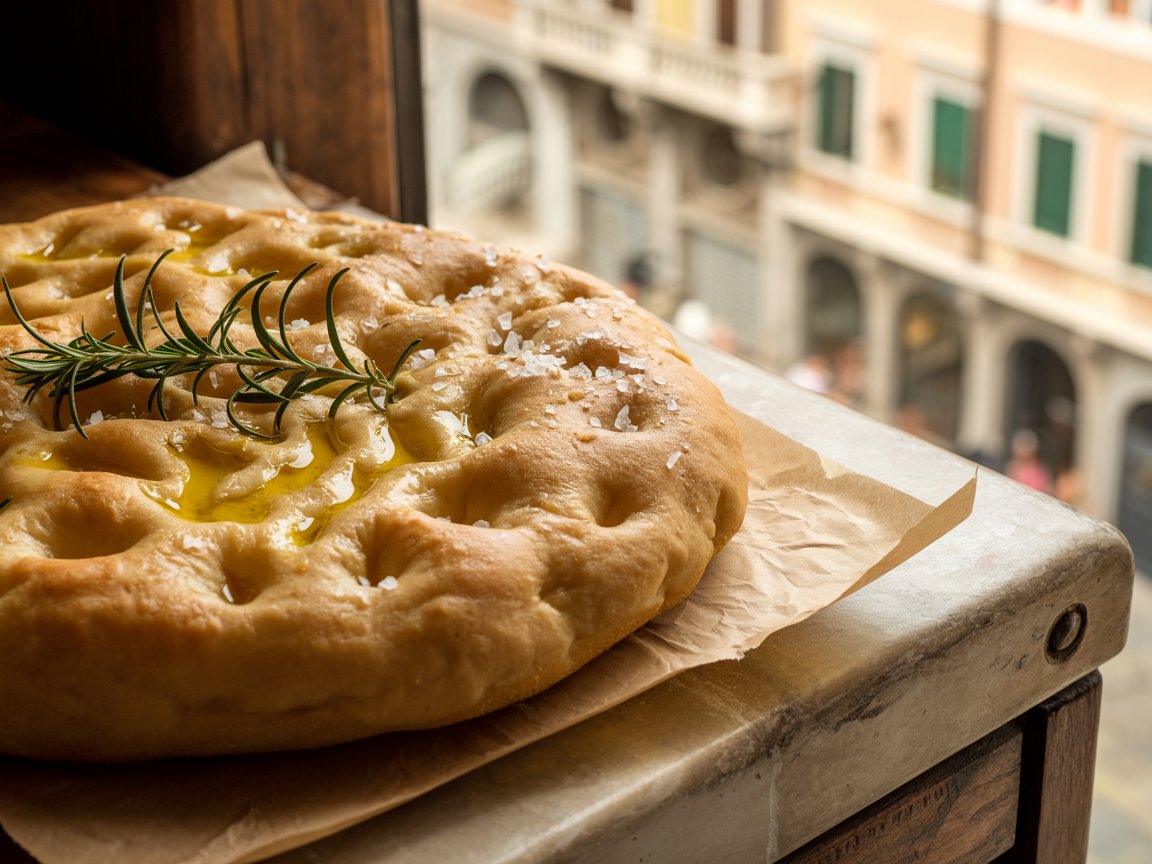
Focaccia Genovese
This isn’t the thick, doughy stuff you get in supermarkets back home. Proper Genovese focaccia is thin, crispy on the bottom, soft in the middle, and absolutely drenched in olive oil. The best versions have a slight saltiness and those characteristic dimples on top where the oil pools. You’ll find it plain, topped with onions, or with cheese, and it’s sold by weight in bakeries throughout the historic centre.
- Where to find it: Any bakery near Via San Lorenzo or around Piazza Banchi will have the real deal. Look for places where locals are queuing – that’s your signal.
- Cost: Expect to pay around €2-4 for a generous portion, depending on toppings.
- Timing tip: Get there before 11am when it’s freshest. By mid-afternoon, you’re getting yesterday’s batch reheated.
Farinata di Ceci
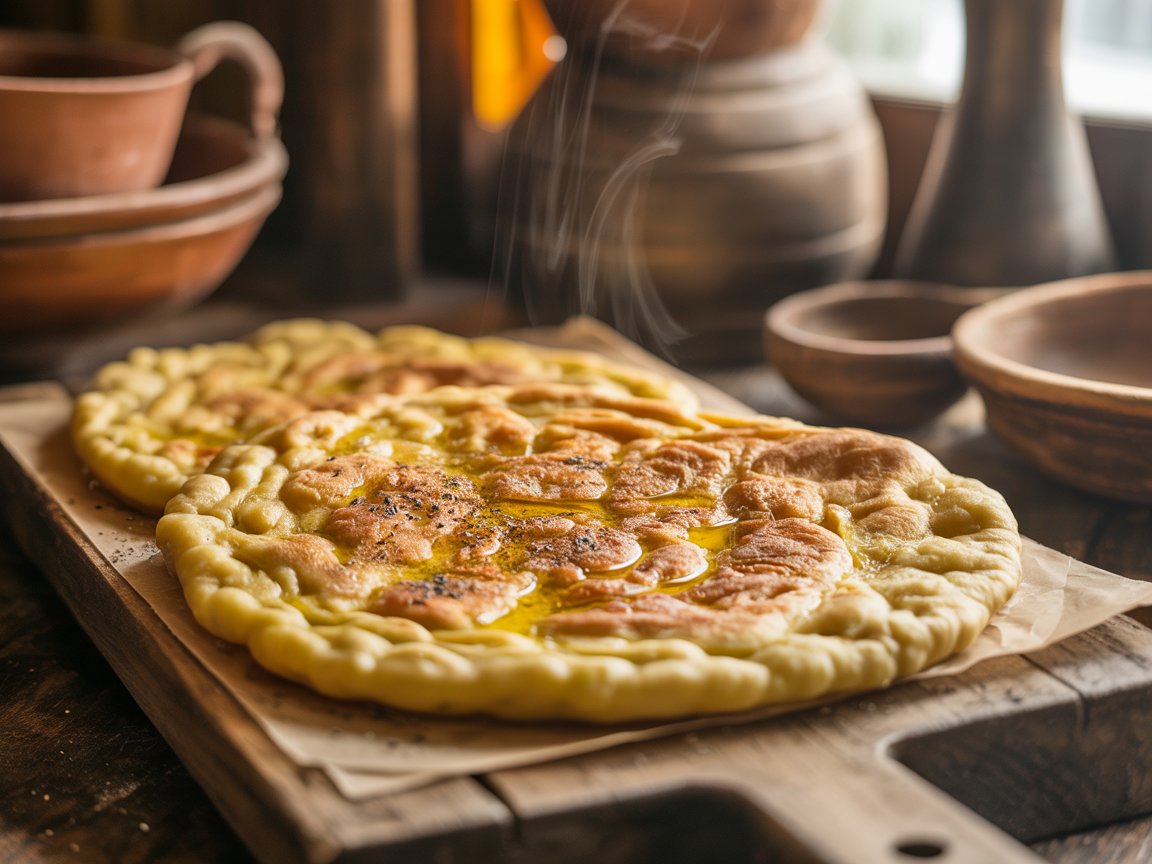
This is essentially a giant chickpea pancake baked in a shallow copper pan until the edges go crispy and the centre stays creamy. It sounds simple because it is – just chickpea flour, water, olive oil, and salt – but when it’s done right, it’s absolutely brilliant. The texture is what makes it: crunchy bits on top, almost custard-like underneath.
- Where to find it: Small fritto shops (friggitorie) around the old town, particularly on Via di Ravecca. You’ll often see it displayed in large round pans in the window.
- Cost: Usually €2-3 for a slice. Some places sell it by the piece, others by weight.
- What to know: It’s best eaten warm, straight from the oven. Don’t be put off if it looks a bit plain – that’s the point.
Panissa (Chickpea Fritters)
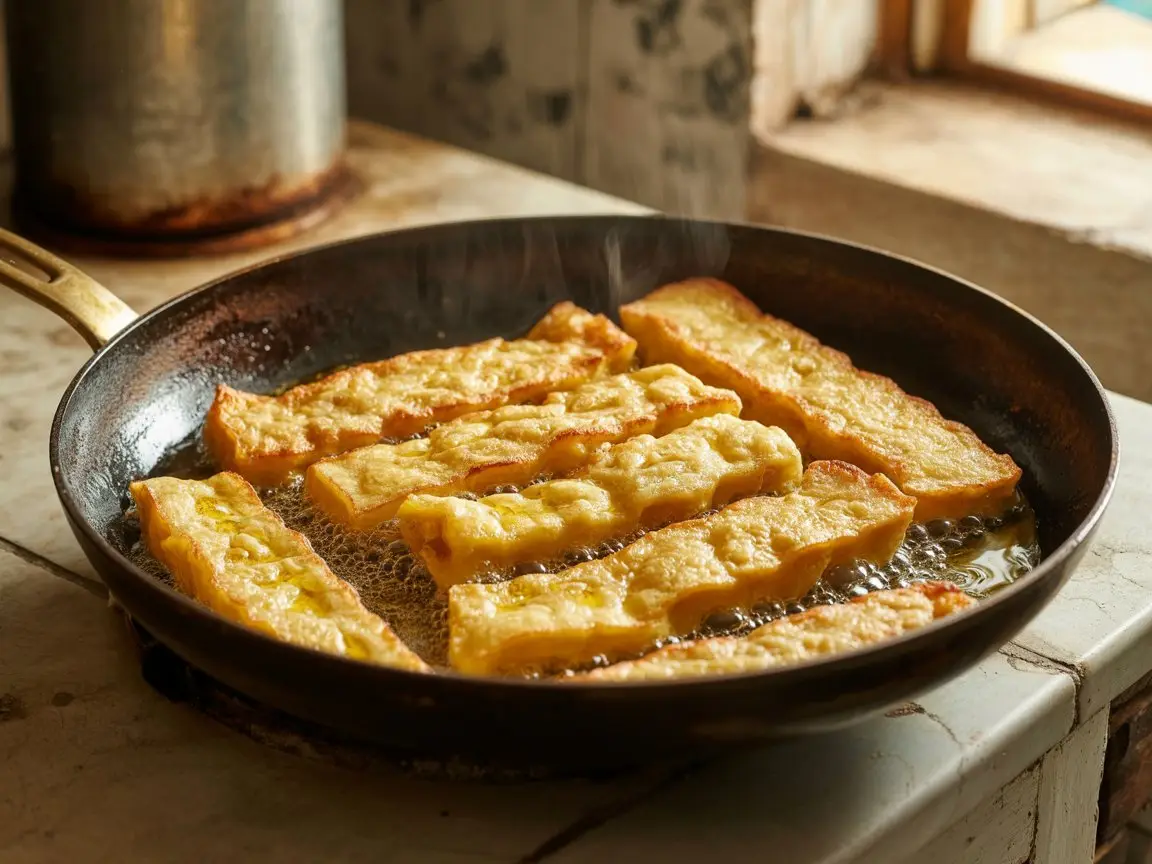
Think of these as farinata’s deep-fried cousin. They take leftover farinata, cut it into strips or squares, and fry it until golden. You get all that chickpea flavour with an extra layer of crunch. Perfect for eating while you walk, and you’ll see locals snacking on them at markets and street stalls.
- Where to find it: Markets like Mercato Orientale or street stalls near the Porto Antico.
- Cost: Around €2-3 for a small paper cone full.
- Insider tip: Some vendors will give you a squeeze of lemon to go with it. Take it.
Where to Find It All (Without Getting Lost)
The Porto Antico area is your base, and everything you need is within a 10-15 minute walk. The old town fans out from the port in a maze of narrow streets – it looks confusing on a map but it’s actually quite compact. Head inland from the terminal toward Via San Lorenzo and you’ll hit the main artery of bakeries and food shops. Keep your phone charged with a portable charger so you can access maps without worrying about battery life, and consider using a secure backpack to keep your belongings safe while navigating the crowded streets.
Quick Walking Route from the Cruise Terminal
- Start: Exit the terminal at Porto Antico and head toward the Aquarium area.
- First stop (5 minutes): Walk along Via del Campo toward Piazza Banchi. You’ll pass several bakeries and delis along the way.
- Core area (8-10 minutes): Via San Lorenzo and the streets around it are your main hunting ground. This is where you’ll find the highest concentration of authentic spots.
- Bonus detour: If you have time, cut through to Via di Ravecca for friggitorie and farinata specialists.
The whole area is pedestrianised or restricted to local traffic, so you don’t have to dodge cars while you’re eating. Just watch out for cobblestones in heels.
Pesto: The One Thing Worth Taking Home
Genoa is where pesto was invented, and the local version is quite different from what you’re used to. Proper Genovese pesto uses a specific type of basil (smaller leaves, more fragrant), pine nuts, Parmigiano-Reggiano, Pecorino, garlic, and local olive oil. The traditional method involves a marble mortar and pestle, which gives it a creamier texture than the food processor versions.
- Where to buy it: Small delis and alimentari (grocery shops) around Piazza Banchi and Via San Lorenzo often make it fresh to order. You can watch them prepare it.
- Cost: Fresh pesto runs about €5-8 for a small jar, depending on the shop.
- Taking it home: Most shops will pack it in a sealed container that’s fine for hand luggage if you’re flying home after the cruise. Just keep it cool. If you’re worried about liquids, pack it in your checked luggage or bring a compact travel bag specifically for food souvenirs.
- What to avoid: The pre-packaged tourist versions sold near the terminal. They’re fine, but if you’re this close to the real thing, why settle?
Other Bits Worth Grabbing
Torta Pasqualina
A savoury pie made with thin layers of pastry, spinach or chard, ricotta, and whole eggs. It’s traditionally eaten at Easter but you’ll find it year-round in bakeries. Not exactly street food, but many places sell it by the slice and it travels well if you want something more substantial.
Fried Seafood Bits
The friggitorie that sell farinata and panissa usually also do fried seafood – little fish, calamari, whatever came in fresh that morning. It’s cheap, hot, and served in paper cones. If you see locals queuing at one, join them.
Sgabei
These are essentially fried dough strips, sometimes filled with cheese or prosciutto. Not uniquely Genoese but you’ll see them at street stalls and they make a good quick snack if you need something to keep you going while you explore the city’s attractions.
Budget Breakdown
Here’s what you can realistically expect to spend for a proper Genoese street food crawl:
| Item | Typical Cost |
|---|---|
| Focaccia Genovese (large slice) | €2-4 |
| Farinata (slice) | €2-3 |
| Panissa (small portion) | €2-3 |
| Fresh pesto (small jar) | €5-8 |
| Fried seafood cone | €3-5 |
| Torta Pasqualina (slice) | €3-4 |
| Coffee | €1-2 |
You can easily do a full tasting tour for under €15-20 per person, which is less than you’d pay for a single mediocre meal near the terminal. If you’re travelling as a couple or family, you can share portions and try more variety for the same budget.
Practical Stuff You Need to Know
Timing and Crowds
- Best time to go: Early morning (8-10am) when everything’s fresh and you’ll avoid the lunchtime rush. Most bakeries open by 7 or 8am.
- Lunch period: 12-2pm gets busy with local workers. You’ll still find food, but expect queues.
- Afternoon: Some places close or reduce offerings after 3pm, so don’t leave it too late if you want the full selection.
Language and Ordering
Most places near the port will have someone who speaks basic English, but in the smaller bakeries and friggitorie further into the old town, you might need to point and smile. Learn “un pezzo” (one piece) and “quanto costa?” (how much?) and you’ll manage fine. Prices are usually displayed or written on boards. Having your phone ready with a translation app helps – just make sure you’ve got a power bank to keep it charged throughout the day.
Parking Near Porto Antico
If you’re driving to meet your cruise or arriving early, the Porto Antico area has several car parks with real-time availability. The main ones are Calata Gadda, Autosilo, Porta Siberia, Cannoniere, and Mercanzia. There’s an app you can download to check spaces before you arrive, which is handy during busy periods. The parks are well-signposted and within easy walking distance of both the terminal and the old town food area.
What About Sit-Down Restaurants?
Honestly, unless you have several hours to spare or you’re staying overnight, skip them. The restaurants directly around the cruise terminal tend to be overpriced and geared toward tourists who don’t know any better. If you do want a proper meal, head into the old town near Piazza delle Erbe or around Via San Lorenzo where locals actually eat. But given you’re here for street food and most cruise passengers are on tight schedules, you’ll get more authentic flavours and better value by staying mobile.
Mercato Orientale: One-Stop Option
If you want to sample multiple things in one place without wandering all over the old town, Mercato Orientale Genova (MOG) is your answer. It’s a covered market that’s been running since the 1800s, and while it’s had a bit of a modern refresh, it’s still where locals shop for produce, meat, fish, and prepared foods. You’ll find stalls selling fresh focaccia, farinata, pesto, and all sorts of Ligurian specialties under one roof.
- Location: Via XX Settembre, about 15-20 minutes’ walk from the port (or a short taxi ride if you’re not feeling the walk).
- Why it works: You can graze at different stalls, pick up some supplies to take back to the ship, and get a feel for how Genoese people actually shop. Bring a reusable bag for your purchases if you’re planning to buy multiple items.
- Downside: It’s a bit further from the port than the Via San Lorenzo area, so factor in the time if your ship’s schedule is tight.
Things That Can Go Wrong (and How to Avoid Them)
Let’s be realistic – not everything always goes smoothly, especially when you’re working to a cruise ship schedule.
Running Out of Time
The old town’s layout can be confusing if you’re not used to Italian historic centres. Those narrow medieval streets all look similar, and it’s easy to wander off course. Stick to the main routes (Via San Lorenzo, Via Orefici, around Piazza Banchi) and don’t venture too far into the side alleys unless you’ve got time to spare and a decent phone signal for maps. A compact portable charger is essential so you don’t lose navigation when you need it most.
Closed on Sundays
Many smaller bakeries and delis close on Sunday afternoons or all day. If you’re docking on a Sunday, your options will be more limited. The larger places near the port and the market stalls around Porto Antico tend to stay open for tourist traffic, but your chances of finding that tiny family-run bakery making perfect focaccia go down significantly.
Getting Ripped Off Near the Terminal
The cafés and snack bars right at the port will charge you €6-8 for a sandwich that costs €3 two streets away. It’s the same in every cruise port in Europe – location premium. Walk five minutes inland and prices drop by half. Keep your valuables secure in an anti-theft crossbody bag as you navigate the busier tourist areas.
Buying Too Much
Everything looks and smells amazing, and it’s tempting to buy loads when you’re hungry. But remember you’re heading back to a ship with meals included. Buy what you’ll eat in the next hour or two, plus maybe a jar of pesto or some focaccia for later. You don’t want to be lugging carrier bags of food around while you’re trying to enjoy your port time.
Extend Your Stay in Genoa
If you’re considering spending a night before or after your cruise, Genoa is actually worth the extra time. The old town has enough to keep you busy for a full day, and staying over means you can eat at a proper trattoria without watching the clock.
Hotels in Genoa range from budget spots near Brignole station to more upscale options around Via Garibaldi. The accommodation near the port tends to be functional rather than charming, but it’s convenient if you’ve got early embarkation.
Staying a night also means you can hit the morning markets when they’re at their best and grab breakfast from a bakery without the pressure of getting back to the ship. Pack smart with compression packing cubes to maximize space in your luggage, and don’t forget a European power adapter for charging your devices in Italian hotels.
The city’s much quieter in the evenings once the day-trippers and cruise passengers have gone, and you’ll get a better sense of what it’s actually like to live here. Plus, if you’re combining your cruise with time in Rome or flying in and out of Milan, Genoa makes a sensible stopover point – the train connections are decent and you’re already in the area.
For those planning a longer Mediterranean cruise itinerary, spending an extra day exploring Genoa’s highlights gives you a more relaxed start or finish to your trip. If you’re bringing a hardside carry-on, you’ll appreciate the ease of moving between train stations and hotels.
Personal Experience
When our cruise ship docked in Genoa last spring, I had exactly four hours to explore, and honestly, I wasn’t about to waste time hunting down tourist traps. A local pointed me toward Via San Lorenzo, just a ten-minute walk from the port, and that’s where I found this tiny bakery churning out focaccia that was still warm from the oven. The woman behind the counter cut me a generous square topped with olives and rosemary for maybe three euros, and I stood right there on the street eating it like it was my last meal. Around the corner on Via di Ravecca, I spotted another spot selling farinata – that chickpea pancake thing I’d read about – and grabbed a piece for another couple of euros. It was crispy on the edges, creamy in the middle, and totally worth the slight detour.
The real win was stumbling into a little deli near Piazza Banchi where they make fresh pesto to order. I watched them grind the basil with a mortar and pestle while I waited, and walked out with a small jar for about six euros. The whole morning cost me less than fifteen euros, I never strayed far from the port area, and I got back to the ship with time to spare. Skip the sit-down restaurants near the terminal – the best stuff is literally hiding in plain sight just a few blocks into the old town, where actual Genoese people grab their breakfast and lunch. I kept everything organized in my hanging toiletry bag which doubled as a great way to carry small food purchases back to the cabin.
Common Questions & FAQ
Can I find authentic Genoese street food within walking distance of the cruise terminal?
Yes, absolutely. The Porto Antico area puts you 5-10 minutes on foot from the old town where all the good bakeries and friggitorie are located. Head toward Via San Lorenzo and the streets around Piazza Banchi – that’s where locals go and where you’ll find the most authentic focaccia, farinata, and panissa. Don’t bother with the cafés right at the terminal; walk a few blocks inland and you’ll find the real thing at half the price. Wear supportive walking shoes because you’ll be on your feet navigating cobblestone streets.
How much should I budget for a street food tasting tour in Genoa?
You can do a proper sampling for €15-20 per person. A large slice of focaccia costs €2-4, farinata is €2-3, panissa is similar, and a jar of fresh pesto runs €5-8. If you’re sharing portions between two people, you can try more variety for the same budget. It’s genuinely one of the most affordable food experiences you’ll have on a Mediterranean cruise.
What’s the best time to visit the bakeries near the port?
Early morning between 8-10am is ideal. That’s when the focaccia is freshest and you’ll avoid the lunchtime crowds. Most bakeries open by 7 or 8am, so if you’re an early riser or your ship docks at dawn, you’re in luck. After 3pm, many smaller places close or have limited stock, so don’t leave it too late in the afternoon.
Is it safe to take fresh pesto back through airport security?
Yes, if you pack it properly. Most delis will seal fresh pesto in airtight containers that are fine for hand luggage as long as you keep the quantity under 100ml or pack it in checked baggage. Keep it cool if possible – some passengers bring a small insulated bag. The pre-packaged versions sold in shops are definitely fine for travelling and still taste considerably better than anything you’ll find at home. Use packing cubes to keep food items separate from your clothes in case of spills.
Do the street food vendors near the port speak English?
The larger places near the port and around the tourist areas usually have someone with basic English. In the smaller, more authentic bakeries deeper in the old town, you might be pointing and smiling. Learn “un pezzo” (one piece) and “quanto costa?” (how much?) and you’ll manage fine. Prices are almost always displayed, so you’ll know what you’re paying before you order.
Are there any vegetarian or vegan options in Genoa’s street food?
Plenty. Focaccia (plain or with onions), farinata, and panissa are all naturally vegan – just chickpea flour, water, olive oil, and salt. Even the pesto is vegetarian, though traditional versions contain cheese so strict vegans would need to ask. The fried vegetable options at friggitorie are also usually suitable. Genoa’s traditional street food is actually quite plant-forward by default.
What happens if my ship docks on a Sunday?
Your options will be more limited because many family-run bakeries and delis close Sunday afternoons or all day. The bigger places near the port and tourist-facing spots tend to stay open, but you’ll have less chance of finding those tiny authentic bakeries. If you know you’re docking on a Sunday, head straight to Mercato Orientale or stick to the busier areas near Porto Antico where vendors cater to weekend visitors.
Can I bring street food back onto the cruise ship?
Generally yes, though rules vary by cruise line. Most allow you to bring non-perishable items and sealed packaged foods like jars of pesto or wrapped focaccia. Fresh items like farinata are best eaten immediately anyway. Check your specific cruise line’s policy, but in practice, nobody’s going to stop you bringing a bag of bakery goods back to your cabin. Just don’t try to smuggle fresh meat or fish products if you’re cruising internationally – customs between ports can be strict about that. A luggage scale can help ensure you’re not overweight if you’ve loaded up on Italian delicacies throughout your cruise.
Last Updated: 22 January 2026