
Genoa’s cruise port can be a bit confusing at first glance. You’ve got three main terminals spread along the waterfront, and which one your ship docks at makes a real difference to how you’ll spend your day ashore. The good news? Even from the furthest terminal, you can be sipping an espresso in the historic center faster than you think.
The port complex stretches for several kilometers, so knowing your terminal beforehand saves a lot of hassle. Ponte dei Mille (also called Terminal Crociere) is the closest to town, Ponte Andrea Doria sits in the middle, and Ponte Colombo is the furthest out. Your cruise documents should tell you which one, but if they don’t, a quick call to your cruise line or a check of their app usually sorts it out.
Getting to Downtown Genoa From Each Terminal
The walking times vary quite a bit depending on where you berth. From Ponte dei Mille, you can legitimately walk to the old town in about 15 minutes. Just head along the waterfront towards the Lanterna (the lighthouse), then cut through the Porto Antico area. It’s all pedestrianized and pretty straightforward once you get going. If you’re walking in cooler months, bring a lightweight rain jacket as the sea breeze can bring unexpected showers.
From Ponte Andrea Doria, you’re looking at roughly 25-30 minutes on foot, which is still doable if you’re reasonably mobile and traveling light. The route follows the same general direction along the harbor. Make sure you’ve got comfortable walking shoes if you’re planning to explore on foot.
Ponte Colombo is the awkward one. It’s about 3 kilometers from the center, and while you could walk it in 40-45 minutes, most people don’t fancy that with day bags and cameras in tow.
Shuttle Buses
Most cruise lines run shuttle buses from all terminals to Piazza Caricamento, right at the edge of the old town. These typically cost around 5-10 euros per person for a round trip. The frequency depends on how many ships are in port that day, but they usually run every 20-30 minutes during peak disembarkation times.
The shuttle drops you at the perfect spot to start exploring. From Piazza Caricamento, you’re a two-minute walk from Via San Lorenzo and the cathedral, and five minutes from Via Garibaldi with all its palaces.
Public Buses
If you’re comfortable with local transport and want to save a few euros, the AMT bus system works well. Bus number 1 runs from near the terminals (you might need to walk 10 minutes to the nearest stop) to Stazione Principe and through the center. A single ticket costs about 1.50 euros and you can buy it at tabacchi shops or sometimes at ticket machines near the port. Just validate it when you board or you risk a hefty fine.
For more ideas on what to do once you’re in town, check out our guide on things to do in Genoa from your cruise ship, which covers the main sights and some hidden corners worth finding.
Taxis at Genoa Port
Right, let’s talk about the elephant in the room. Some taxi drivers at Genoa’s cruise terminals have earned a reputation for overcharging tourists, and unfortunately it’s not entirely undeserved. The scam usually goes like this: they quote you a flat rate (often 25-30 euros) to go downtown, claiming it’s “the standard price” or “because of your luggage.”
The actual metered fare from even the furthest terminal to the center should be around 15-20 euros maximum, depending on traffic. From Ponte dei Mille, it should be closer to 10-12 euros.
Here’s what to do:
- Always insist on the meter (“il tassametro, per favore”) before you get in
- If the driver refuses or makes excuses, walk away and find another taxi
- Official white taxis have the taxi sign on top and a license number clearly displayed
- Take a photo of the taxi license plate and number if you’re worried
- The official tariff card should be displayed inside the taxi – you can ask to see it
There are also legitimate supplements for luggage (usually about 1 euro per large bag) and for Sundays or late-night rides, but these are added to the meter fare, not used as an excuse to avoid the meter entirely.
If you want to avoid the hassle completely, pre-book a transfer through your cruise line or a reputable transfer company. You’ll pay more, but you’ll know the price upfront and won’t have to negotiate.
Luggage Storage Options
- If you’re getting off the ship early and your flight or train isn’t until later, you don’t want to drag your suitcase around Genoa’s steep, narrow streets. The medieval center is charming, but it wasn’t designed with wheeled luggage in mind.
- Your best bet is the Deposito Bagagli service at the Porto Antico (old port area). It’s near the Aquarium, right where most people end up anyway. They charge roughly 5-7 euros per bag for the day, and the staff speak enough English to get by. Opening hours are generally 9am to 6pm or 7pm, but check ahead if you’re planning an early drop-off.
- Stazione Principe (the main train station) also has left luggage facilities if you’re heading that direction anyway. The rates are similar, and it’s convenient if you’re catching a train afterwards. Stazione Brignole, the other main station, also offers storage. If you’re planning to explore without your main luggage, consider using compression packing cubes in a daypack for any essentials you need to keep with you.
- Some cruise terminals have their own storage facilities, but this varies by terminal and cruise line. It’s worth asking at the information desk when you disembark – sometimes they’ll store bags for passengers who want to explore but have an evening flight.
- Whatever you do, don’t leave bags unattended or with unofficial “helpers” who approach you near the terminals. Stick to official services with proper receipts and security. An anti-theft backpack is great for keeping your valuables secure while exploring the city.
Which Terminal You’ll Probably Get
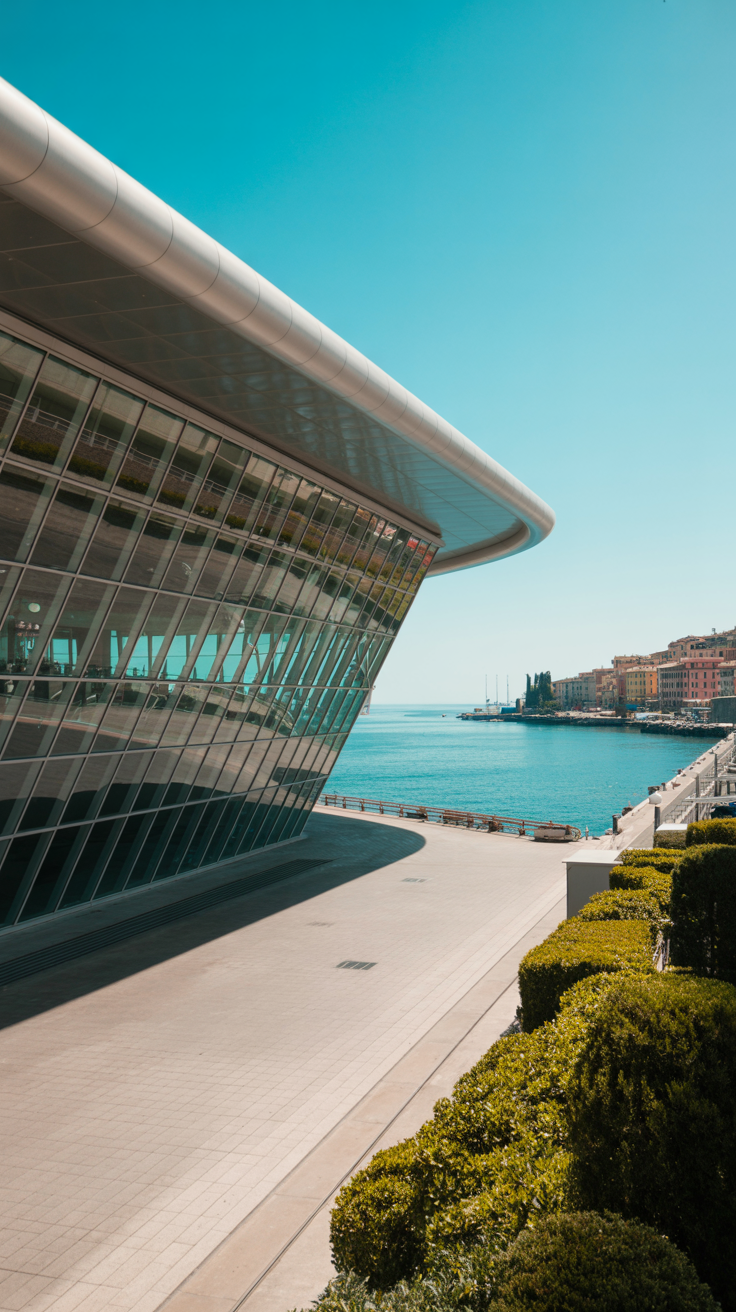
Your cruise line and ship size often determine which berth you’re assigned. The larger, newer ships from lines like MSC and Costa (both of which are actually based in Genoa) typically use Ponte Andrea Doria or Ponte Colombo because they can handle bigger vessels.
Smaller or mid-sized ships, and those from lines like Cunard, Princess or Oceania, often get Ponte dei Mille, which is good news for your walking time.
Ship schedules are usually published a few months in advance on the Genoa port authority website, but they can change at short notice due to operational reasons. The port’s official name is Porto di Genova, and searching that along with your ship name and date might turn up more specific information.
| Terminal | Walking Time to Center | Best For |
|---|---|---|
| Ponte dei Mille | 15 minutes | Walking independently |
| Ponte Andrea Doria | 25-30 minutes | Fit walkers or shuttle bus |
| Ponte Colombo | 40-45 minutes | Shuttle bus or taxi |
If you want more detailed tips about navigating the port itself, our hot tips for Genoa port covers everything from where to find free WiFi to the best viewpoints near the terminals.
Navigation Tips Inside the Port
- The port area is industrial and can feel a bit confusing when you first step off the ship. Security restrictions mean you usually can’t just wander freely – there are designated pedestrian exits from each terminal.
- Look for signs saying “Uscita” (exit) or “Centro Città” (city center). Staff at the terminal information desks can point you in the right direction, and most speak at least basic English.
- Once you’re outside the secure port area, you’ll see the Lanterna lighthouse in the distance. That’s your landmark – the old town is in that general direction. The waterfront promenade (Strada Sopraelevata) runs parallel to the cruise terminals and leads you towards the Porto Antico.
- Don’t follow Google Maps too religiously in the port area, as it sometimes tries to route you through restricted or industrial zones. The pedestrian routes are well signed once you find the right exit. Make sure your phone is charged – a portable charger can be a lifesaver when you’re navigating unfamiliar streets.
- If you’re planning your first Mediterranean cruise and want to know what to expect beyond just Genoa, our first-time Mediterranean cruise tips will give you the broader picture.
The Porto Antico Area
This is where you want to aim for once you’ve left the port. The Porto Antico was redeveloped in the 1990s and it’s now the main tourist and leisure area right on the waterfront. The famous Renzo Piano-designed Bigo (the giant crane structure) is here, along with the Aquarium, the Galata Maritime Museum, and lots of cafés and restaurants.
From here, you can walk into the caruggi – the maze-like medieval streets – in about five minutes. Via San Lorenzo takes you straight to the cathedral, and from there you can explore the historic center or head up to Via Garibaldi to see the grand palaces.
The Porto Antico also has public toilets, ATMs, and tourist information, so it’s a good place to get your bearings. Want to know more about the top sights once you’re there? Have a look at our piece on Genoa port highlights for what’s worth your time.
Money Matters and Tourist Traps
Genoa uses euros, obviously, and you’ll find ATMs near the port and throughout the center. Exchange rates at the port aren’t terrible but you’ll do better at a proper bank or by using an ATM. Don’t forget to bring a European power adapter for charging your devices at cafés or if you’re staying overnight.
Tourist trap restaurants cluster around the Aquarium and the main port area. They’re not awful, but you’ll pay more and the food is geared towards cruise passengers rather than locals. Walk five minutes into the caruggi and you’ll find better value and more authentic food. Look for places with menus in Italian (or at least Italian first, English second) and locals eating there.
That said, Genoa isn’t as aggressively touristy as Venice or Florence. Prices in the historic center are fairly reasonable, and you won’t be hassled by touts and trinket sellers the way you might be in other Italian ports.
Time Management for a Port Day
Genoa is manageable as a port stop. If you’ve got eight hours in port (a typical stop), you can comfortably see the main sights, have a proper lunch, and still be back with time to spare.
Rushing to see everything in three hours is silly – you’ll just stress yourself out. Pick two or three highlights and do them properly. The cathedral, a stroll through the caruggi, and one of the palaces on Via Garibaldi makes for a perfectly good day without feeling like a forced march.
Remember to factor in ship times. All aboard is usually 30 minutes before departure, and if you’re at Ponte Colombo, you need to add travel time back. Build in a buffer – missing the ship in Genoa means an expensive dash to the next port, probably Barcelona or Marseille.
If you’d prefer an organized approach for your day in port, our one day in Genoa from a cruise ship guide maps out a realistic itinerary that won’t leave you exhausted.
Extend Your Stay in Genoa
If you’ve got the option, spending an extra day or two in Genoa is genuinely worthwhile. The city doesn’t get the tourist attention that Rome or Venice command, which means you can explore at a more relaxed pace without fighting through crowds.
Hotels in Genoa range from budget options near the stations to boutique places in the historic center. Staying in or near the old town puts you within walking distance of everything and lets you enjoy the evening atmosphere after the cruise ships have left. Accommodation tends to be better value here than in more famous Italian cities, especially if you avoid peak summer months. If you’re staying overnight, a hanging toiletry bag makes hotel living much easier, and a travel steamer can help freshen up clothes after being packed.
An extra night gives you time to take the funicular up to some of the viewpoints, visit the Galata Maritime Museum properly, or take a short train ride along the coast to places like Camogli or Santa Margherita Ligure. The Ligurian coast is right there, and it’s a shame to rush through on a port stop when you could base yourself in Genoa and explore the region more thoroughly.
Personal Experience
When our cruise ship docked at Genoa, I wasn’t quite sure what to expect. We ended up at the Ponte dei Mille terminal, which is actually the closest one to the city center – lucky us! The walk into town took us about 15 minutes, maybe 20 with our carry-ons. We just followed the waterfront promenade past the old port area, and suddenly we were in the historic center with all those narrow medieval streets. If you’re at the Ponte Colombo terminal instead, it’s a bit further out, so you might want to grab the shuttle bus that usually runs to Piazza Caricamento.
One thing I’m glad we figured out beforehand was the luggage situation. There’s a left luggage service right at the old port called Deposito Bagagli, which saved us from lugging our bags around while exploring. Cost was reasonable, maybe 5-6 euros per bag for the day. We kept essentials in an anti-theft messenger bag which made navigating the crowded streets much easier. As for taxis, yeah, the rumors are true – some drivers at the port will try to charge you fixed rates that are way over the meter price. We politely insisted on the meter, and the ride to Stazione Principe train station ended up being around 15 euros instead of the 30 they initially quoted. The local bus is also an option if you’re comfortable with public transport, but with our bags, we went with the metered taxi and felt good about it.
Common Questions & FAQ
Can I walk from Genoa cruise port to the train station?
Yes, from Ponte dei Mille terminal it’s about 25-30 minutes on foot to Stazione Principe, the main train station. From the other terminals it’s further, so a taxi (insist on the meter) or bus makes more sense unless you enjoy long walks with luggage. The walk itself is straightforward along the waterfront and then up slightly into the city. Wear comfortable walking shoes for men as the cobblestones can be tough on your feet.
Is there free WiFi at Genoa cruise terminals?
WiFi availability varies by terminal and is often patchy or slow when available. Some cruise lines provide WiFi in the terminal building itself, but don’t count on it being fast or free. Your best bet is to use your mobile data or find a café once you’re in town – most places offer WiFi with a purchase. Keep your devices charged with a portable charger that includes cables.
How much should a taxi cost from Genoa port to the city center?
From Ponte dei Mille, expect 10-12 euros on the meter. From Ponte Colombo, around 15-20 euros maximum. Anyone quoting you 25-30 euros as a flat rate is trying it on. Insist on the meter (“il tassametro”) and don’t accept excuses about flat rates or supplements beyond the standard small luggage fee.
Are Genoa cruise port shuttles worth the money?
If you’re at Ponte Colombo, absolutely yes – they’re convenient and reasonably priced at around 5-10 euros return. From Ponte dei Mille the walk is easy enough that paying for a shuttle feels a bit unnecessary unless you have mobility issues. The shuttles drop you at Piazza Caricamento which is an excellent starting point for exploring.
What if my ship docks late at Genoa?
Late arrivals happen sometimes due to weather or port congestion. If you’re on an organized shore excursion, it will be adjusted accordingly. If you’re exploring independently, just recalculate your timing and maybe drop one sight from your plans. The main attractions in Genoa are close together, so even with a few hours you can see something worthwhile rather than staying on the ship.
Can I get to Cinque Terre from Genoa cruise port?
Technically yes, but it’s tight. You need to get to a train station (Principe or Brignole), then take a train to La Spezia or Monterosso, which takes about 1.5-2 hours each way. That’s 3-4 hours just on trains, leaving you maybe 3-4 hours in Cinque Terre if you’ve got an 8-hour port call. Shore excursions to Cinque Terre exist but they’re rushed. You’re better off exploring Genoa itself properly or booking an excursion if Cinque Terre is a priority. If you do go, bring a collapsible water bottle for the hikes between villages.
Where can I buy an AMT bus ticket near the cruise port?
Look for tabacchi shops (tobacco shops with a blue and white ‘T’ sign) near the port exits or in the Porto Antico area. Some have ticket machines, but not all. You can also buy tickets on the AMT website or app if you’re organized in advance. Don’t board without a valid ticket and remember to validate it in the yellow machine when you get on the bus.
Is Genoa port safe for cruise passengers?
Generally yes. The port area itself is industrial but secure, and the tourist areas are as safe as any major Italian city. Pickpockets do operate in crowded areas like the Aquarium and on buses, so keep valuables secure and don’t leave bags unattended. A waterproof phone pouch can protect your phone and keep it accessible while deterring pickpockets. The dodgiest thing you’re likely to encounter is an overcharging taxi driver, and even that’s avoidable if you stand your ground about using the meter.
Last Updated: 24 January 2026