
While Florence and Pisa dominate most Livorno shore excursion lists, some of Tuscany’s most rewarding destinations lie just beyond the usual tourist circuit. Siena, Lucca, and the rolling wine towns of Chianti and Montepulciano offer a different side of the region – quieter streets, better food, and experiences that feel genuinely Italian rather than packaged for cruise groups.
The challenge is timing. These places are absolutely doable from Livorno, but they require more careful planning than hopping on a bus to Florence. Your ship isn’t going to wait because you got stuck in traffic on a country road or lingered too long over a wine tasting. Let’s look at what actually works when you’re on a port day schedule.
Why Go Beyond Florence and Pisa
The Florence and Pisa combination is popular for good reason – it’s efficient and ticks major boxes. But efficiency comes at a cost. You’ll spend hours in coaches with dozens of other passengers, queue for ages at the Leaning Tower, and fight crowds in Florence’s historic centre. By the time you’re back at the ship, you’ve seen the highlights but you haven’t really experienced Tuscany.
Siena, Lucca, and the wine country offer something different:
- Fewer crowds: Even during peak season, these places feel manageable. Siena gets busy but nothing like Florence.
- Better food: Restaurant owners in smaller towns aren’t running tourist factories. They actually care about what they serve.
- Authentic atmosphere: These are working towns where Italians live normal lives, not open-air museums.
- Scenic drives: Getting there is half the experience. The countryside between Livorno and these destinations is what Tuscany is famous for – cypress-lined roads, hilltop villages, endless vineyards.
The trade-off is flexibility. You’ll need private transport or very careful train planning, and you can’t dawdle. But if you’ve already done Florence and Pisa on a previous cruise, or you simply want something different, these alternatives deliver.
Want to know more about your options? Check out our complete Livorno shore excursions guide for detailed planning advice.
Siena: Medieval Majesty Within Reach
Siena sits about 90 kilometres from Livorno – roughly 90 minutes by car in good traffic. That makes it tight but doable for a port day, especially if your ship docks early and departs late.
The city’s historic centre is compact and almost entirely pedestrianised, which is brilliant for exploring but means you’ll need to park outside the walls. Most tours and private drivers drop you at designated coach parks, then you walk in.
What to See in Siena
- Piazza del Campo: The famous shell-shaped square is genuinely stunning. Twice a year it hosts the Palio horse race, but even on regular days it’s the heart of the city. Grab a coffee at one of the cafés and just watch Siena go about its day.
- Siena Cathedral (Duomo): The exterior is striking – all those black and white marble stripes – but the interior is even better. The inlaid marble floor is extraordinary, though parts are often covered to protect them. Entry requires a ticket; you can usually buy one on the spot but queues build up midday.
- Torre del Mangia: The tower on Piazza del Campo offers spectacular views if you’re up for climbing 400 steps. They limit numbers inside so there can be waits during busy periods.
- Just wandering: Siena’s medieval streets are made for aimless exploring. The three main areas (terzi) each have their own character, and you’ll stumble across quiet squares, tiny churches, and excellent pastry shops.
Timing Your Siena Visit
Here’s the reality: you need at least three hours in Siena to make the trip worthwhile, plus three hours minimum for return transport. That’s six hours before you’ve even stopped for lunch. Check your ship’s departure time carefully – if you’re sailing before 17:00, Siena becomes very rushed. If you’ve got until 18:00 or later, it works nicely.
Private tours and transfers from Livorno to Siena typically cost €520-€550 for up to three people according to available options. Some operators combine Siena with San Gimignano (another stunning hilltop town) but that makes for an extremely packed day.
Lucca: The Walled Wonder
Lucca is closer to Livorno than Siena – only about 30 kilometres, or 30-40 minutes by car. That extra time makes a huge difference when you’re working around a ship schedule. According to the search results, shore excursion packages combine Lucca and Pisa, often giving you about three hours in Lucca plus time in Pisa.
The entire historic centre sits inside massive Renaissance walls that are still completely intact. You can walk or cycle the full circuit on top of the walls – it’s about 4 kilometres and takes roughly an hour on foot, less if you hire a bike.
What Makes Lucca Special
- The walls themselves: Wide, tree-lined, and perfect for a leisurely stroll above the city. Several places rent bikes near the gates if you fancy cycling instead.
- Piazza dell’Anfiteatro: A perfectly oval piazza built on the footprint of an ancient Roman amphitheatre. It’s lined with cafés and feels wonderfully intimate.
- San Martino Cathedral: Lucca’s main cathedral contains some excellent artwork including a famous wooden crucifix that supposedly wasn’t carved by human hands (it was, obviously, but the legend persists).
- Torre Guinigi: Climb this medieval tower and you’ll find oak trees growing on top. Genuinely. The views across Lucca’s terracotta rooftops are lovely.
- Real life: Lucca isn’t a museum piece. People live and work here. You’ll see locals doing their shopping, kids heading to school, normal Italian life carrying on.
Lucca and Pisa Combined
This combination makes excellent sense logistically. Lucca and Pisa are only about 20 kilometres apart, and Pisa sits directly between Lucca and Livorno. Many organised excursions run this route, giving you focused time in Lucca’s historic centre followed by the classic Pisa photo stop at the Leaning Tower.
The search results mention low-cost bus experiences from Livorno covering both towns. If you’re comfortable with fixed schedules and group travel, these offer good value. For more flexibility, private drivers can tailor timing to suit your preferences.
Tuscan Wine Country: Chianti and Montepulciano
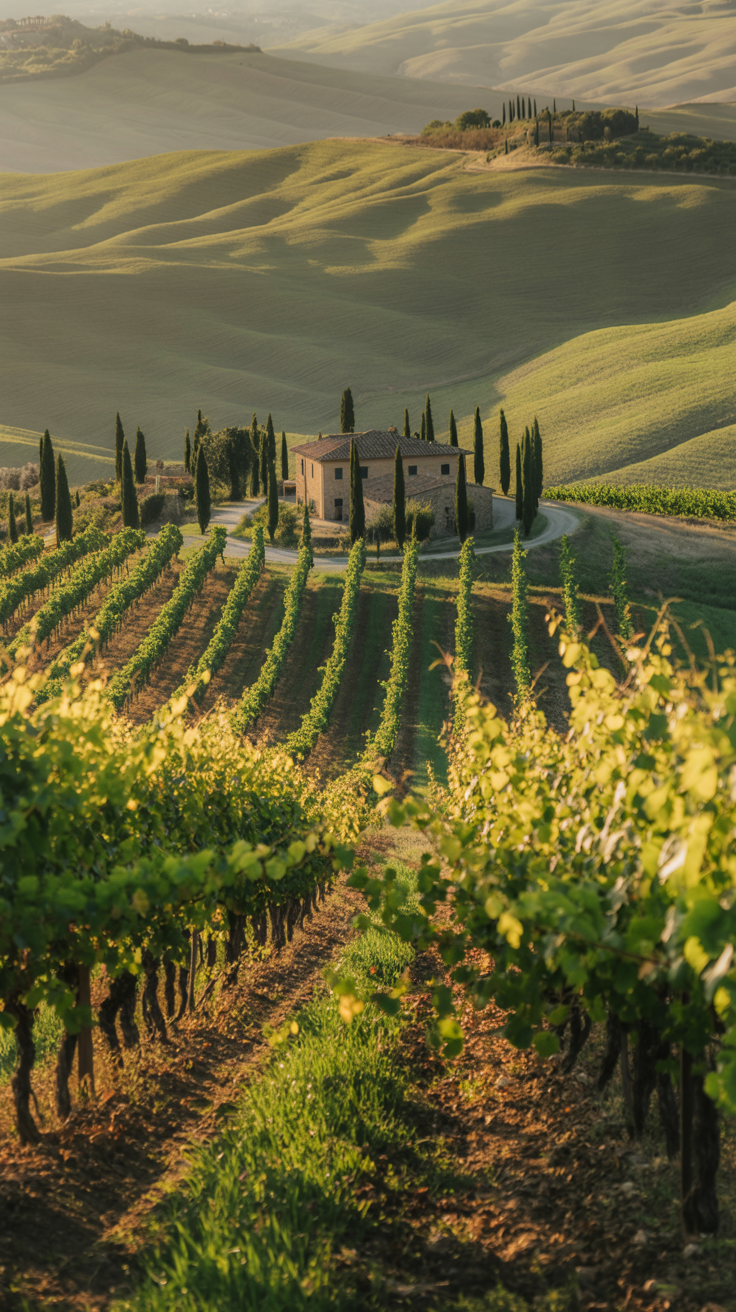
Right, let’s address the elephant in the room: wine tasting on a port day is tricky. Not because of the wine itself – Tuscany produces some of Italy’s finest – but because of timing and logistics.
The famous wine regions (Chianti, Montepulciano, Montalcino) are spread across the countryside between Florence and Siena. Getting there requires a car, and the wineries themselves are often down long country roads. Most serious wine tours plan for leisurely multi-course lunches and extended tastings. That’s wonderful if you’ve got all day, but problematic when your ship sails at 18:00.
Making Wine Tours Work from Livorno
It’s possible, but you need realistic expectations:
- Choose one area: Don’t try to visit Chianti AND Montepulciano in a single day. Pick one region and plan a single winery stop, perhaps combined with a nearby town.
- Book ahead: Small family wineries need appointments. You can’t just turn up and expect a tour.
- Watch the clock: Wine tastings are social experiences. It’s easy to lose track of time when someone’s pouring Brunello and telling stories about their grandfather’s vineyard. Set phone alarms if you must.
- Private transport is essential: You need someone sober behind the wheel, and you need flexibility to leave when necessary. This isn’t a DIY train trip.
Some private tour operators offer Chianti wine experiences that work for cruise passengers, typically combining one winery visit with a stop in a hilltop town like San Gimignano or Montepulcino. These are designed with ship schedules in mind, which removes some of the stress.
Alternative: Wine Bars Instead of Wineries
Here’s a thought: skip the vineyard visit entirely and head to an enoteca (wine bar) in Siena or Lucca instead. You’ll taste excellent local wines, often with expert guidance, and you won’t lose hours driving through the countryside. Many enotecas offer tasting flights with small plates of cheese and salumi. You get the wine experience, the authentic setting, and you stay on schedule.
Getting There: Transport Options from Livorno
The search results focus mainly on Florence and Pisa transport, but the same principles apply to other Tuscan destinations. You’ve got three main options:
Private Tours and Transfers
This is the safest choice for cruise passengers. A driver meets you at the port, takes you where you want to go, waits while you explore, and gets you back to the ship on time. According to the search results, private transfers from Livorno to Florence (which is further than Siena or Lucca) cost around €520-€550 for up to three people.
Advantages:
- Completely flexible timing
- Door-to-door service
- Someone else watches the clock
- Can combine multiple stops if time permits
- Most drivers speak English and offer local knowledge
Disadvantages:
- Most expensive option
- You’re committed to the schedule once booked
- Cost increases for larger groups or longer distances
Organised Shore Excursions
Group tours to Siena, Lucca, and wine country exist, though they’re less common than Florence/Pisa options. The search results mention Civita Tours and similar operators offering various Tuscany combinations from Livorno.
Advantages:
- Usually the most affordable option per person
- Guaranteed to get you back on time (or the tour company pays for your transport to the next port)
- Everything organised – you just turn up
- Often include skip-the-line tickets or special access
Disadvantages:
- Fixed schedules with no flexibility
- You’re tied to a group – can’t wander off or linger somewhere you love
- May include stops you’re not interested in
- Commentary can be hit or miss depending on the guide
DIY by Train
The search results mention DIY options using trains from Livorno station. This works brilliantly for Florence and Pisa but gets complicated for Siena and nearly impossible for wine country.
Lucca has good train connections from Pisa, so you could theoretically do Livorno > Pisa > Lucca > Pisa > Livorno by train. Siena requires a change and takes longer. Wine towns generally need cars.
Advantages:
- Cheapest option by far
- Complete independence
- Trains run frequently on major routes
Disadvantages:
- High risk if trains are delayed or cancelled
- Requires confidence navigating Italian railways
- Limited to towns with good rail connections
- You’re entirely responsible for timing – miss the ship and you’re on your own
The port shuttle from ship to Livorno train station is mentioned in the search results as a starting point for DIY travellers. From there, standard rail connections reach Florence and Pisa easily, with ongoing options to Lucca.
Timing and Logistics: The Harsh Reality
Let’s be completely honest: independent trips to Siena, Lucca, or wine country from Livorno require careful time management. Most cruise lines recommend being back at the ship at least 30 minutes before sailing, though many passengers aim for an hour as a safety buffer.
Here’s a realistic timeline for Siena:
| Time | Activity |
|---|---|
| 08:00 | Ship docks, clearance begins |
| 09:00 | Meet driver at port, depart for Siena |
| 10:30 | Arrive Siena, begin exploring |
| 13:30 | Lunch |
| 14:30 | Final exploring, shopping, gelato |
| 15:00 | Depart Siena |
| 16:30 | Back at ship (assuming 18:00 sailing) |
That gives you about five hours in Siena including lunch – enough to see the highlights and get a feel for the city, but not enough to see everything. If your ship sails earlier, the squeeze gets tighter.
For Lucca, being closer to Livorno, you gain flexibility:
| Time | Activity |
|---|---|
| 09:00 | Depart Livorno |
| 09:45 | Arrive Lucca |
| 13:00 | Leave for Pisa |
| 13:30 | Arrive Pisa |
| 15:00 | Depart Pisa |
| 15:45 | Back at ship |
This Lucca and Pisa combination fits comfortably even if you’re sailing by 17:00, which is why it’s become a popular alternative to the standard Florence/Pisa route.
What About Food?
One of the best reasons to visit smaller Tuscan towns is the food. You’ll eat better in a random trattoria in Siena or Lucca than in most Florence tourist restaurants, and you’ll pay less too.
In Siena, look for restaurants just off the main tourist drags. The streets radiating from Piazza del Campo all have small family-run places serving proper Tuscan food – think pici (thick hand-rolled pasta), pappardelle with wild boar ragù, ribollita (hearty vegetable soup), and bistecca alla fiorentina if you’re hungry.
Lucca has excellent food options around Piazza dell’Anfiteatro and in the quieter streets near San Martino. The town is known for its olive oil, so look for dishes that showcase it.
A quick note on timing: Italian lunch service usually runs from roughly 12:30 to 14:30, then close until dinner service starts around 19:30. If you arrive at 15:00 expecting lunch, kitchens will be closed. Cafés and bars serve food throughout the afternoon, but you’ll get sandwiches and salads rather than full meals. Plan your day around these service times or you’ll end up eating expensive tourist snacks near major monuments.
Practical Tips for Independent Tuscany Trips
- Book private transport well in advance: Good drivers get reserved early, especially during peak cruise season.
- Share the cost: If you’re travelling with friends or family, private car costs divided by four or six people become very reasonable.
- Confirm ship departure time: Check your cruise documents and confirm the all-aboard time. Build in buffer time.
- Bring cash: Smaller towns and rural areas may have limited card acceptance, especially at family wineries or tiny cafés.
- Wear comfortable shoes: Siena and Lucca are walking cities with cobbled streets and hills. Leave the heels on the ship. A good pair of supportive walking shoes will make all the difference on those medieval cobblestones.
- Check the calendar: Some attractions close on specific days or have reduced hours. Monday is a common closure day for museums.
- Don’t overschedule: It’s tempting to cram everything in, but rushing from sight to sight defeats the purpose. Choose fewer destinations and actually enjoy them.
- Have a backup plan: Traffic happens. Roads close. If your careful schedule falls apart, know what you’ll skip to make sure you’re back on time.
- Pack smart for day trips: Bring a portable charger with built-in cables to keep your phone powered for photos and navigation, and a collapsible water bottle that won’t take up space in your bag when empty.
- Organize your essentials: Use a secure crossbody bag for your passport, cards, and phone – theft isn’t common in these smaller towns but it’s better to be safe, especially in crowded tourist areas.
For comprehensive planning advice and more Tuscan options, have a look at our detailed guide to Livorno shore excursions with timing tips and operator recommendations.
Extend Your Stay in Livorno
If you’re seriously interested in exploring Siena, Lucca, and the wine country properly, consider arriving a day or two before your cruise or staying after it ends. The pressure of ship schedules disappears, and you can take your time.
Accommodation in Livorno itself is affordable and the town makes a decent base for Tuscan day trips. You’re close to the train station for easy rail access, and hotels in Livorno typically cost less than equivalent places in Florence or Siena. The town isn’t particularly charming – it was heavily bombed during World War II and rebuilt quite plainly – but it’s functional and well-connected.
Alternatively, spend a night in Siena or Lucca themselves. Both have excellent hotels ranging from budget to boutique, and staying overnight means you can enjoy these beautiful towns in the evening after day-trippers leave. The atmosphere changes completely once the tour groups depart. If you’re planning to stay over, pack lightweight packing cubes to keep an overnight bag organized, and bring a hanging toiletry organizer that works well in small hotel bathrooms.
Personal Experience
When our cruise docked in Livorno, most passengers headed straight for Florence or Pisa, but we decided to venture off the beaten path to Siena instead. The drive through the Tuscan countryside was stunning, and arriving in Siena’s Piazza del Campo felt like stepping into a medieval postcard. The shell-shaped square, the narrow winding streets, and that incredible cathedral were absolutely worth the extra effort. We grabbed lunch at a tiny trattoria where the owner barely spoke English but insisted we try his homemade pici pasta. No crowds, no rush – just authentic Tuscany at its best.
On another visit, we explored Lucca and stopped at a small winery in Montepulciano on the way back. Lucca’s intact Renaissance walls are perfect for a leisurely bike ride, and the town has this relaxed, lived-in feel that the bigger tourist spots lack. The wine tasting was intimate – just us and two other couples – and the owner walked us through his vineyards explaining the growing process. Sure, these trips require a bit more planning than the standard port excursions, but that’s exactly what makes them special. You’re working around the port schedule anyway, so why not see something different?
Common Questions & FAQ
Can I realistically visit Siena from Livorno on a cruise port day?
Yes, but your ship needs to dock early and sail late – ideally no earlier than 18:00. Siena is about 90 minutes from Livorno by car, so you need at least seven hours total port time to make it worthwhile. Private transport is essential as train connections require changes and add considerable time. If your ship only gives you five or six hours in port, stick with closer options like Lucca or Pisa.
Is Lucca better than Pisa for a port visit?
Lucca offers more to see and do than Pisa if you’re spending several hours in a town. Pisa’s highlights concentrate around the Leaning Tower area, which you can see in about an hour. Lucca’s historic centre, Renaissance walls, and relaxed atmosphere justify three or four hours easily. Many passengers combine both – Lucca for exploring, Pisa for the classic photo – which works brilliantly as they’re only 20 minutes apart.
How much does a private driver cost for wine country tours from Livorno?
Private drivers from Livorno to Tuscan wine regions typically charge €520-€550 for up to three passengers for a full-day excursion based on available rates. Costs increase for larger groups or if you want multiple winery stops. Remember this price usually covers transport only – winery tasting fees are separate and range from €15-€40 per person depending on the estate and what’s included.
Can I visit Chianti wine country independently without a car?
Not realistically. The best wineries and most scenic Chianti villages sit along winding country roads with no public transport. You could reach Greve in Chianti or similar larger towns by bus from Florence, but you’d miss the countryside vineyards that make the region special. For wine country from a cruise port, private transport isn’t just convenient – it’s necessary. Plus someone else stays sober and watches the clock.
What happens if I miss the ship because of traffic or delays?
If you’ve booked an official ship excursion, the cruise line will either hold the ship or transport you to the next port at their expense. If you’ve arranged independent travel – even through a reputable private tour company – you’re entirely responsible for getting yourself to the next port, which can cost hundreds or thousands. Travel insurance sometimes covers missed departure costs but check your policy carefully. This is why conservative timing matters for independent trips.
Are restaurants in Siena and Lucca open all day?
No – most traditional Italian restaurants serve lunch from roughly 12:30 to 14:30, then close until dinner service starts around 19:30. If you arrive at 15:00 expecting lunch, kitchens will be closed. Cafés and bars serve food throughout the afternoon, but you’ll get sandwiches and salads rather than full meals. Plan your day around these service times or you’ll end up eating expensive tourist snacks near major monuments.
Should I buy attraction tickets for Siena in advance?
For the main sites – Siena Cathedral and Torre del Mangia – you can usually buy tickets on arrival without huge waits, though midday queues build up during peak season. If you’re on a tight schedule and definitely want to climb the tower or see the cathedral floor, buying combined tickets online saves 15-20 minutes of queue time. For a relaxed visit focused on wandering and atmosphere rather than ticking off sights, advance tickets aren’t essential.
Which is better for first-time visitors to Tuscany: Siena or the Chianti wine region?
Siena gives you a complete Tuscan town experience with art, architecture, history, and excellent food all in one walkable medieval centre. Wine country offers scenic beauty and tastings but feels less complete if you’re trying to experience Tuscany’s full character in limited time. For a single port day, Siena delivers more variety. If you’ve already visited Tuscan cities and want something different, wine country makes sense. Better yet, combine them – a morning in Siena followed by one winery stop on the return to Livorno works if you’ve got time and private transport.
Last Updated: 9 August 2026