
Timing your Livorno cruise can make the difference between a relaxing Tuscan adventure and a sweaty slog through Florence’s packed streets. The port serves as your gateway to some of Italy’s most famous cities – Florence, Pisa, Lucca, and the Tuscan countryside – so getting the weather and crowd balance right matters more here than at ports where you’re just popping into town for a quick look around.
The reality is that most Mediterranean cruises pass through Livorno during the warmer months, but not all warm months are created equal. You’ll want pleasant temperatures for all that walking (and there’s a lot of walking if you’re doing Florence properly), manageable queues at the big-ticket attractions, and ideally some breathing room on the narrow streets of the historic centres. Here’s what you need to know about timing your visit.
Best Months to Visit Livorno: Spring and Autumn
Spring (April-May) and early autumn (September-October) are the best months to cruise to Livorno. These shoulder seasons offer comfortable temperatures in the high teens to low 20s Celsius, dramatically fewer crowds at Florence’s major attractions, and shorter queue times at the Uffizi and Accademia.
Late September/early October provides the bonus of Tuscan harvest season for wine-focused excursions. Calmer seas during these months also mean smoother port operations and tendering. Pack layers as mornings and evenings can be cool, especially in April and October.
Summer: Hot, Busy, But Sometimes Unavoidable
June through August brings serious heat and serious crowds, particularly July and August. But for many people, these are the only months that work with school holidays and work schedules, so you need to know what you’re getting into.
June: The Tipping Point
Early June can still be reasonable, with temperatures climbing into the mid-twenties Celsius but not yet hitting the peak heat. By late June, though, you’re properly into summer conditions. Florence becomes genuinely hot, and the tourist numbers spike. If you’re cruising in June, aim for early in the month if you have any choice in the matter.
July and August: Brace Yourself
These are the toughest months for a Livorno port call, no sugar-coating it. Temperatures regularly push into the thirties Celsius (mid-to-high 80s and into the 90s Fahrenheit), and Florence becomes an outdoor sauna. The historic city centres trap heat between all those stone buildings, and there’s precious little air conditioning in many of the older attractions.
The crowds are at their absolute peak. Queue times at major sites can stretch to hours, and popular tour times sell out months in advance. The Leaning Tower of Pisa, already limited in how many people can climb at once, becomes even harder to access without advance booking.
If you must cruise in July or August, here’s how to survive it:
- Book shore excursions early – popular Florence and Pisa tours fill up fast, and you’ll have far fewer last-minute options
- Start ridiculously early – if you’re independent touring, be on the first possible transport to Florence and hit major sites by 9am before the heat and crowds both build
- Plan afternoon strategically – consider Lucca instead of Florence (smaller, less overwhelmed), or focus on air-conditioned museums rather than outdoor sights during the hottest hours
- Hydration is serious business – you’ll need far more water than you think, and dehydration sneaks up on you when you’re focused on sightseeing. A collapsible water bottle is perfect for tucking into your day bag without taking up much space
- Skip the Leaning Tower climb if it’s scorching – that confined staircase becomes absolutely stifling in high heat
For those interested in more tips for warm-weather Mediterranean cruising, check out our guide to first-time Mediterranean cruises for additional strategies.
Winter: Quiet But Limited
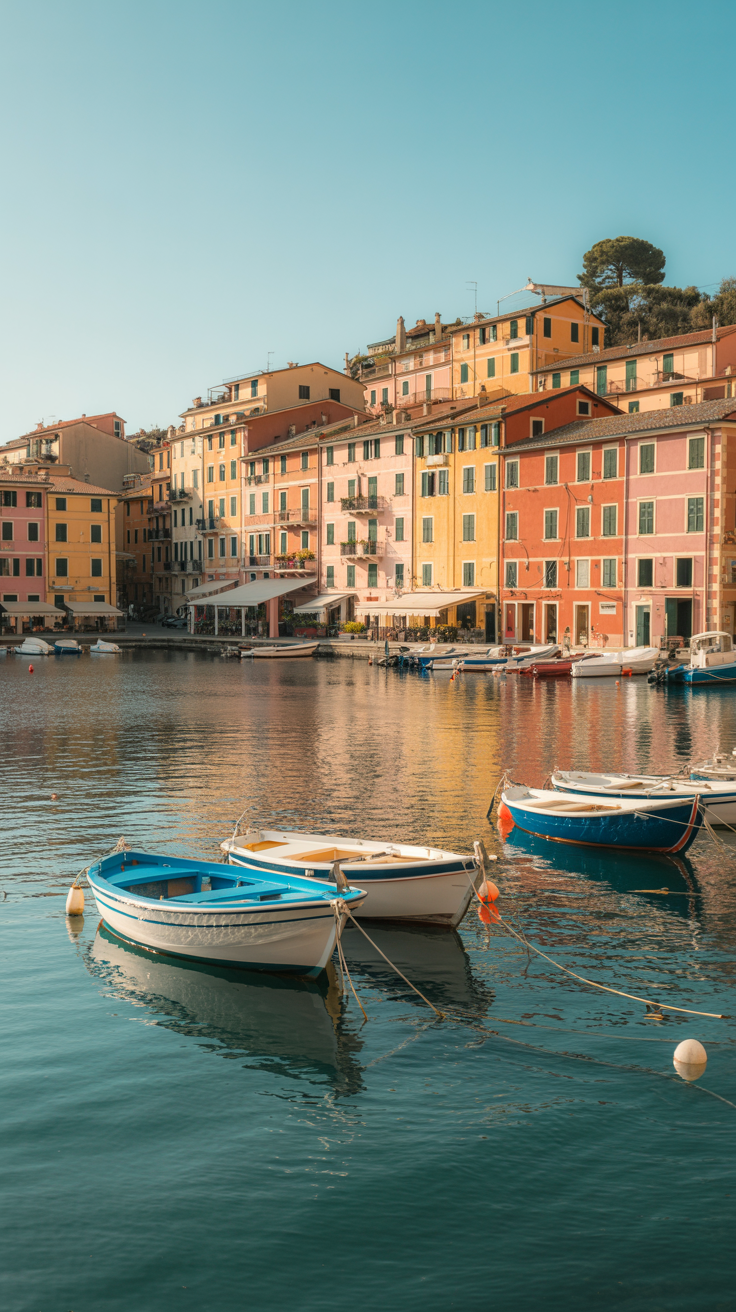
Livorno features on some winter Mediterranean itineraries, typically November through March. These months bring the lightest crowds you’ll ever see at Florence’s major attractions, but there are trade-offs.
Weather becomes more variable and cooler, with daytime temperatures often in the low teens Celsius (50s Fahrenheit). Rain is more likely, and some days can feel properly cold and damp. Shorter daylight hours mean less time to pack in sightseeing during your port call.
Some attractions reduce opening hours or close certain sections for maintenance during winter months. Outdoor sites can be less appealing when it’s grey and drizzly. The Tuscan countryside, while still attractive, loses some of the visual impact compared to spring and autumn.
That said, if you hate crowds and don’t mind bundling up, winter has appeal. You’ll practically have some attractions to yourself. Florence in particular takes on a different character when it’s not overrun with tourists – you can actually pause and look at things without someone else immediately filling your space.
Month-by-Month Breakdown
| Month | Temperature Range | Crowd Level | Pros | Cons |
|---|---|---|---|---|
| March | 10-16°C (50-61°F) | Low to Moderate | Fewer crowds, spring beginning, reasonable prices | Variable weather, some rain, coolish for outdoor activities |
| April | 13-19°C (55-66°F) | Moderate | Lovely spring weather, manageable crowds, Tuscan countryside blooming | Easter holidays can spike crowds, occasional rain |
| May | 16-23°C (61-73°F) | Moderate to High | Excellent weather, long daylight, countryside at its best | Getting busier, especially late May, prices rising |
| June | 20-28°C (68-82°F) | High | Warm weather, long days, all facilities fully open | Hot by late month, crowds building, expensive |
| July | 23-31°C (73-88°F) | Very High | Guaranteed warm weather, maximum opening hours | Oppressive heat, packed attractions, peak prices, exhausting |
| August | 23-31°C (73-88°F) | Extremely High | Warm weather, long days | Brutal heat, overwhelming crowds, peak prices, many Italians on holiday |
| September | 20-26°C (68-79°F) | High to Moderate | Still warm, crowds easing, harvest season, excellent conditions | Early September still quite busy, prices still elevated |
| October | 15-21°C (59-70°F) | Moderate | Pleasant weather, manageable crowds, autumn colours, good value | Days getting shorter, more rain possible, coolish evenings |
| November | 10-16°C (50-61°F) | Low | Very quiet, low prices, authentic local experience | Cool and potentially wet, shorter days, some reduced hours |
Shore Excursion Timing Matters
Here’s something that catches people out: even during the best weather months, your specific timing on the day makes a huge difference. Most cruise ships dock at Livorno fairly early, typically between 7am and 8am, giving you a full day ashore. How you use those hours matters enormously.
- Florence-bound passengers should aim to arrive before 10am if at all possible. The city progressively fills through the morning, and by midday in peak season it’s absolutely heaving. This applies to organised shore excursions as well – earlier departure times are worth the early alarm.
- Pisa is similar but slightly more forgiving because the main attraction area is more compact and less overwhelming than Florence’s sprawling historic centre. Still, getting there by 9am or earlier means you’ll actually enjoy the experience rather than queueing for ages in the heat.
- Lucca, often overlooked in favour of Florence, can be a smarter choice during busy months precisely because fewer people go there. It’s a gorgeous walled city with great food and less tourist chaos. If you’re cruising in July or August and flexibility allows, seriously consider Lucca over Florence – you’ll have a far more pleasant day.
For more context about planning your Livorno port day, including transport options and timing, see our detailed Livorno cruise ship port guide.
Weather Realities and What to Pack
Mediterranean weather can be more variable than cruise brochures suggest. Even during the generally lovely months of April, May, September and October, you might encounter rain or unexpectedly cool days. Here’s what actually works:
Spring (April-May)
- Layering is essential – mornings can be cool, afternoons warm, evenings cool again
- Light waterproof jacket or umbrella (April especially can be showery). A packable rain jacket for women or men’s waterproof jacket works brilliantly for spring showers
- Comfortable walking shoes that can handle wet pavements. Invest in proper comfortable walking shoes for women or supportive walking shoes for men – your feet will thank you after a full day exploring Florence
- Sun protection – when the sun’s out in May it’s stronger than you think
Summer (June-August)
- Lightest possible clothing that’s still appropriate for churches (covered shoulders and knees required)
- Serious sun protection – hat, sunscreen, sunglasses all essential
- More water than you think you need, then more again. A foldable water bottle takes up minimal space in your bag when empty
- Cooling accessories if you overheat easily (neck scarves you can wet, portable fan)
- Comfortable walking shoes that breathe – your feet will swell in the heat. Consider using blister prevention products as you’ll be doing serious walking
Autumn (September-October)
- Similar to spring – layers and a light rain layer. A lightweight puffer jacket for women or compact puffer for men packs small but provides warmth for cool mornings
- September can still be quite warm, so don’t overpack heavy items
- October evenings cool down noticeably, so a proper jumper or light jacket
Special Events and Holiday Considerations
Certain times can affect your Livorno port experience beyond just weather and general seasonal crowds. Italian public holidays can mean both attraction closures and extra domestic tourists. Major ones to note:
- Easter and Easter Monday – significant holiday in Italy, expect closures and crowds
- 25 April (Liberation Day) – national holiday, some closures
- 1 May (Labour Day) – major holiday, many closures
- 15 August (Ferragosto) – huge Italian summer holiday, paradoxically some businesses close but tourist sites remain packed
Additionally, Florence hosts various festivals and events throughout the year that can impact crowds and accommodation availability (relevant if you’re extending your stay). The massive Scoppio del Carro at Easter, various summer music festivals, and autumn food festivals all draw additional visitors.
Practical Booking Advice
Once you’ve chosen your preferred timing, booking strategy matters. Here’s what experienced Livorno cruise visitors know:
- Shore excursions for popular Florence and Pisa tours sell out earliest during peak season. If you’re cruising June through September, book as soon as your cruise line opens bookings – often several months before sailing. Independent tour operators also fill up for popular times.
- Timed-entry tickets for the Uffizi Gallery and Accademia (David) are essential and should be booked weeks or months ahead for summer visits. These attractions limit numbers, and without advance tickets you might simply not get in during your port call. Even in shoulder seasons, booking ahead saves substantial queue time.
- Climbing the Leaning Tower requires advance booking year-round, not just summer. Slots are limited and fill quickly, particularly for mid-morning times that work well with cruise schedules.
If you’re planning independent touring rather than organised excursions, factor in buffer time. Transport from Livorno to Florence takes roughly 90 minutes each way by train, less by private transfer but at higher cost. You need to be back at the ship with comfortable margin, so don’t plan to catch the last possible train back. Keep your phone charged with a portable charger with built-in cables so you can access tickets, maps, and transport schedules throughout your day.
When to Absolutely Avoid
If you have any flexibility in choosing your cruise dates, actively avoid mid-July through mid-August for Livorno calls. This peak period combines the worst heat with the absolute maximum crowds. Italian school holidays run through much of this period, adding domestic tourists to the international crowds. Florentines who can manage it leave the city during August, which tells you something.
The days immediately around Ferragosto (15 August) are particularly chaotic. While some businesses close, tourist attractions remain open and absolutely mobbed.
Similarly, try to avoid Easter week if you can. It’s beautiful weather-wise, but the combination of religious significance (loads of church closures for services), Italian holidays, and international tourist surge makes it challenging for a one-day port visit.
Extend Your Stay in Livorno or Florence
If your schedule allows, spending an extra day or two before or after your cruise can transform your Tuscan experience. Rather than rushing through Florence’s highlights in a single frantic port day, you can actually relax and explore properly.
Hotels in Florence range from budget options near Santa Maria Novella station (convenient for trains to Livorno) to luxury properties in converted Renaissance palazzos in the historic centre. Booking accommodation in the shoulder seasons (April, May, September, October) offers better value and availability than peak summer. Even adding a single night lets you experience Florence in the evening when day-trippers have left and the city takes on a completely different, calmer character.
Livorno itself is worth more time than most cruise passengers realise. The port city has excellent seafood restaurants, a pleasant historic centre, and none of the tourist chaos of Florence. Staying in Livorno before or after your cruise puts you right by the port for easy embarkation or disembarkation, and accommodation tends to be better value than Florence. The city also offers proper local Italian atmosphere without the performance aspect that comes with Florence’s tourist industry.
Pisa, often dismissed as just ‘that tower’, has a lovely historic centre that most cruise passengers never see. An extra night in Pisa gives you time to explore beyond the Campo dei Miracoli tourist area. Pack smart with compression packing cubes to keep your extended stay luggage organized.
Personal Experience
We visited Livorno in late May, and honestly, the timing couldn’t have been better. The weather was absolutely perfect – warm enough for comfortable walking around Florence and Pisa, but without that oppressive Mediterranean heat that hits in July and August. The ship docked early, and we headed straight to Florence before the main rush. By afternoon, the crowds were definitely picking up, but we’d already seen the David and wandered through the Duomo. I watched other cruise passengers arriving around noon looking miserable in the heat and massive lines, and felt pretty smug about our early start.
If you’re thinking about when to go, I’d really push for April, May, or September. June is doable but starts getting hot, and anything from July through mid-August is just brutal – we heard horror stories from friends who went in August and said Florence was like an oven packed with tourists. The shoulder seasons give you that sweet spot of decent weather and manageable crowds. Plus, the Tuscan countryside looks gorgeous in spring and early fall. Just pack layers for May since mornings can be coolish, but you’ll be peeling them off by midday.
Common Questions & FAQ
Is it better to visit Florence or Pisa from Livorno in peak summer?
In July and August, Pisa can be the smarter choice purely because it’s more compact and you can accomplish the main sights faster without spending all day in the heat. Florence requires more walking between attractions and the heat really builds in those narrow streets. That said, if Florence is your priority, just go very early and hit major sites by 9am before the heat and crowds both build. Bring a refillable water bottle and stay hydrated. Alternatively, consider Lucca which stays cooler and is far less crowded than either Florence or Pisa.
How much cooler is it actually in September compared to August?
You’re typically looking at temperatures 3-5°C lower in September, but more importantly the heat feels less oppressive. August heat can be relentless and draining, whilst September tends to have more air movement and cooler mornings and evenings. By late September you’re definitely into autumn conditions. The crowd reduction is honestly more significant than the temperature drop – September is noticeably less chaotic than August.
Can you still visit in winter or do things close?
Florence’s major attractions stay open year-round including the Uffizi, Accademia, Duomo, and other big draws. Some smaller museums and churches have reduced hours, and you’ll want to check specific opening times closer to your visit. The bigger issue is weather – cold, damp days make outdoor sightseeing less appealing, and shorter daylight hours (sun setting around 5pm in December-January) limit what you can fit into a port day. You’ll want a proper warm puffer jacket for women or insulated jacket for men for winter visits. But if you want Florence virtually to yourself, winter delivers that.
What if my only cruise option is in July – how bad will it really be?
It’s manageable if you set expectations and plan smart. Book everything possible in advance, start stupidly early, take a proper break during the hottest afternoon hours, stay hydrated, and accept you’ll be hot and crowds will be intense. Consider a ship-organised excursion that handles logistics and timing for you rather than independent touring, as they’ll have reserved entry times and air-conditioned transport. A portable battery pack with cables keeps your phone powered for mobile tickets and navigation. It won’t be the ideal Tuscan experience, but millions of people visit in July and survive to tell the tale.
Are cruise ship crowds worse than regular tourists in Florence?
When multiple ships are in Livorno on the same day, yes, Florence notices the surge, particularly at the headline attractions like the Accademia. However, cruise passengers tend to concentrate their visits in the late morning through mid-afternoon window, so very early starts help you avoid the worst of both cruise ship and general tourist crowds. Cruise passengers also tend to cluster around the same few major sites, so slightly off-the-beaten-path attractions see less impact. An anti-theft backpack is wise for crowded tourist areas.
Is early October too late in the season for good weather?
Early October is actually lovely for Livorno and Tuscany. You’re looking at daytime temperatures still around 20°C (high 60s Fahrenheit), the autumn light is beautiful, and crowds have thinned considerably from summer peaks. Yes, you might encounter some rain, and evenings are definitely cooler, but for comfortable sightseeing conditions October is excellent. Pack a light packable jacket for layering. Late October starts getting properly autumnal with shorter days and more unsettled weather, so earlier in the month is preferable.
Does it matter which week in May I go?
Early to mid-May tends to be slightly quieter than late May, when half-term holidays in various countries start bringing more families. Weather-wise there’s not huge variation across the month, though late May is marginally more reliably warm. If you have flexibility, the first two weeks of May offer a sweet spot before the real surge toward summer begins. That said, any time in May is generally excellent for Livorno port calls.
How far in advance should I book Florence attractions for an April visit?
For April, booking 2-4 weeks ahead is usually sufficient for timed-entry tickets to the Uffizi and Accademia, though earlier doesn’t hurt. This is far less critical than summer when you need to book months ahead. Shore excursions through your cruise line or independent operators also have better last-minute availability in April compared to peak season. That said, if you’ve found a specific tour or time slot that’s perfect for your port schedule, book it when you find it rather than gambling on later availability. Keep all your booking confirmations organized with a cable and document organizer for easy access during your trip.
Last Updated: 30 January 2026