
Choosing between small and large ships for Alaska cruises depends on your priorities. Small ships offer intimate experiences, access to remote areas, and wildlife viewing from closer vantage points. Large ships provide more amenities, entertainment options, stabilization in rough seas, and lower per-person costs, while visiting major ports efficiently.
Quick Facts
| Factor | Small Ships (under 200 passengers) | Large Ships (2,000+ passengers) |
|---|---|---|
| Price per person | $400-$1,000+ per day | $150-$400 per day |
| Access to remote areas | Excellent – can navigate narrow passages | Limited to major ports and wide channels |
| Onboard amenities | Minimal – focused on destination | Extensive – pools, theaters, multiple restaurants |
| Wildlife viewing distance | Closer proximity, expert naturalists | Good from upper decks with binoculars |
| Motion stability | More noticeable in rough seas | Better stabilization systems |
| Dining style | Single seating, communal atmosphere | Multiple venues, flexible dining times |
Want to know more about Alaska cruise lines and which ones offer the best experiences?
Understanding Ship Size Categories
Alaska cruise ships aren’t just “big” or “small.” The differences matter more than you might think. The ship size guide for Alaska cruises breaks down these categories, but here’s what you really need to know.
Small expedition ships carrying 20 to 100 passengers can slip into places like Misty Fjords and Frederick Sound that larger vessels can only dream about. These boats often have ice-strengthened hulls and can get within a few hundred feet of tidewater glaciers. Companies like UnCruise Adventures and Lindblad National Geographic expeditions specialize in this intimate style of cruising.
Mid-sized ships with 500 to 1,200 passengers hit a sweet spot for many cruisers. They can still access secondary ports like Sitka and Icy Strait Point while offering more amenities than their smaller cousins. Both Princess Cruises and Holland America operate in this range, and the debate of Princess vs Holland America often comes down to personal preference rather than ship capabilities.
Large resort ships over 2,000 passengers provide floating cities with Broadway shows, waterslides, and specialty restaurants. Royal Caribbean Alaska cruises excel here, bringing Caribbean-style amenities to the Inside Passage.
What Small Ships Do Better
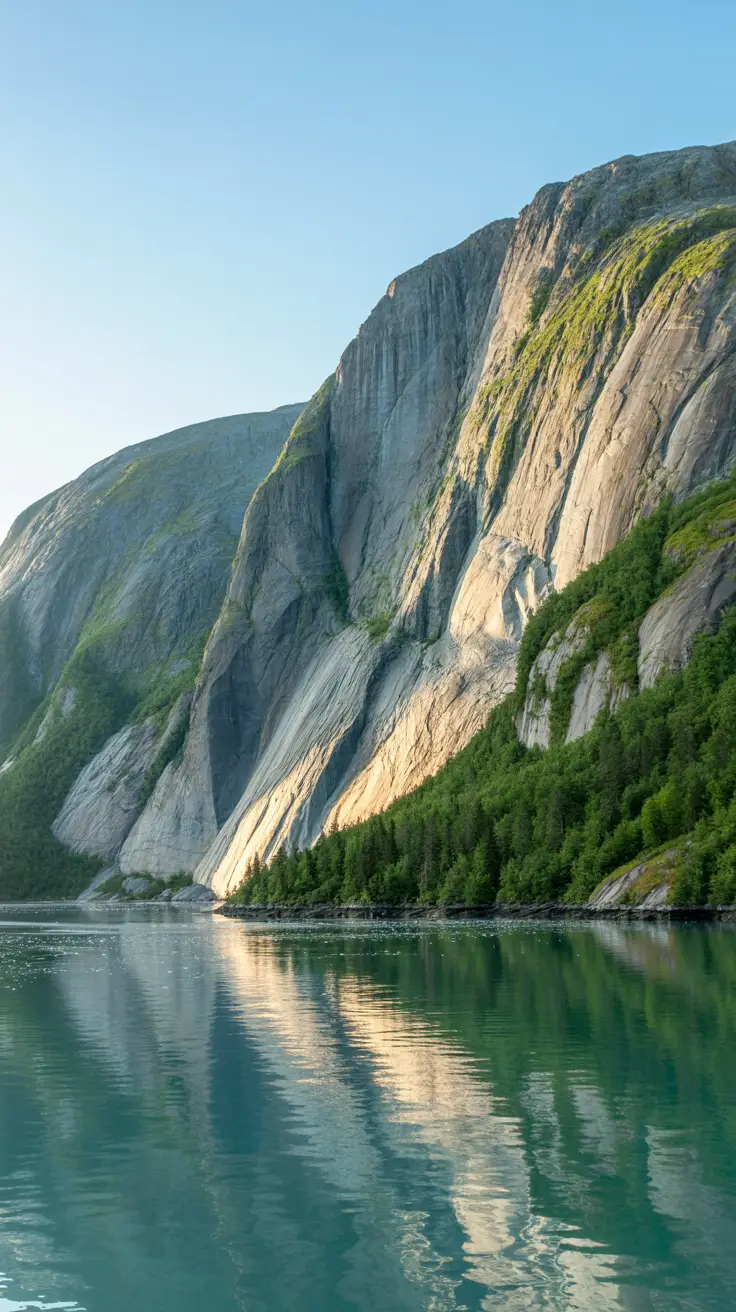
- Glacier intimacy: Small ships can position themselves closer to calving glaciers and hold that spot longer since they’re more maneuverable
- Zodiac excursions: Most small ships include daily launches in inflatable boats to explore shorelines, get near icebergs, and land on remote beaches
- Expert naturalists: The passenger-to-naturalist ratio might be 20:1 instead of 200:1, meaning you actually get to ask questions and learn
- No crowds: You won’t miss a whale breach because you’re stuck behind 400 people with phones raised
- Flexible itineraries: Captains can chase wildlife sightings or change plans based on conditions without complex logistics
- All-inclusive perks: Many Alaska small ship cruises include shore excursions, alcoholic beverages, and kayaking equipment in the base fare
Here’s something most people don’t realize: small ships often have bridge access policies where passengers can visit the captain and watch navigation through narrow channels. Try getting that on a mega-ship.
What Large Ships Do Better
- Stabilization: The Gulf of Alaska can get rough. Larger ships with advanced stabilizer fins make a massive difference if you’re prone to seasickness
- Options for everyone: Traveling with teenagers who’d be bored on an expedition ship? Large ships offer activities for all ages and interests
- Dining variety: Instead of one dining room with limited choices, you get Italian restaurants, steakhouses, Asian fusion, and 24-hour casual options
- Weather backup plans: Rain in Alaska is common. Large ships have indoor entertainment so you’re not stuck in your cabin
- Value for families: Per-person pricing drops significantly with multiple occupants in a cabin, and kids often cruise at reduced rates
- Port infrastructure: Major ports like Juneau and Ketchikan are set up for large ship passengers with efficient tendering and excursion logistics
The dirty little secret about large ships: the view from a balcony on deck 10 of a big ship can actually rival what you see from a small ship’s deck since you’re higher above the waterline. You just need binoculars and won’t have quite the same immersive feel.
The Expedition Experience
If you’re considering Alaska expedition cruises, understand what you’re signing up for. These trips attract a specific type of traveler.
Cabins are compact with minimal storage. You won’t find a hair dryer mounted to the wall or nightly turndown service with chocolate on your pillow. What you will find is a community of like-minded travelers who gather in the lounge each evening to discuss the day’s wildlife sightings over wine.
Expedition ships often require active participation. You’ll need to be physically capable of climbing in and out of Zodiac boats, sometimes in choppy water. The reward is standing on a deserted beach watching brown bears fish for salmon with maybe 15 other people instead of 200.
These vessels can also venture into areas where cruise ships are restricted by size. Tracy Arm Fjord becomes dramatically more impressive when you’re weaving between icebergs instead of viewing from a distance.
Cost Breakdown Reality
Let’s talk money because this matters to everyone even if they pretend it doesn’t.
Small expedition ships typically start around $4,000 per person for seven days and can easily exceed $10,000 for luxury expedition experiences. However, these prices usually include excursions, specialty drinks, gratuities, and equipment use. When you add up what these extras cost on large ships, the gap narrows.
Large ships advertise rates as low as $700 per person for a week, but that’s an inside cabin with no window. Add a balcony, drink package, specialty dining, excursions in each port, and gratuities, and you’re looking at $2,000 to $3,500 per person realistically.
Mid-sized ships fall somewhere in the middle, usually $1,500 to $3,000 per person with moderate additional costs.
Choosing Based on Your Travel Style
Pick a small ship if you:
- Value wildlife encounters and natural beauty over onboard entertainment
- Don’t need a gym, spa, casino, or multiple restaurants
- Enjoy meeting fellow passengers and prefer communal dining experiences
- Can handle basic accommodations in exchange for extraordinary locations
- Don’t get seasick easily or are willing to take medication
- Want to brag about places most tourists never see
Pick a large ship if you:
- Travel with family members who have different interests
- Want options for rainy days beyond reading in your cabin
- Prefer established port towns with shopping and restaurants over wilderness
- Need accessible facilities or have mobility limitations
- Like the energy and social scene of a resort atmosphere
- Want to see Alaska’s highlights without roughing it
Bonus Tips
- Split the difference: Some travelers do a three or four-night small ship expedition before or after a week-long large ship cruise to get both experiences
- Shoulder season small ships: May and September small ship rates drop by 30-40% compared to peak July and August pricing
- Position yourself strategically: On large ships, cabins on higher decks toward the front provide the best glacier viewing. On small ships, main deck cabins let you step directly outside when wildlife appears
- Check the ship’s ice class rating: Only expedition ships with ice-strengthened hulls can safely approach certain glaciers closely
- Lecture quality matters: Research which lines employ PhD naturalists versus general cruise staff giving wildlife talks
- Tendering time: Large ships often tender passengers to smaller ports, which can eat up 90 minutes of your port time. Small ships usually dock or use Zodiacs more efficiently
- Weather cancellations: Small ships can more easily substitute alternative locations when weather impacts the planned itinerary
Common Questions and FAQ
Can you see the Northern Lights from Alaska cruise ships?
Not during cruise season. Alaska cruises run May through September when there’s nearly 24-hour daylight. Northern Lights appear during darker months from September through March when cruise ships don’t operate due to weather.
Do small ships get canceled more often due to weather?
No. Small ships are actually more flexible and can change routes easier than large ships with fixed port schedules. Large ships occasionally cancel entire sailings during early or late season storms.
Will I get bored on a small ship with no entertainment?
If you need organized activities and nightlife, probably yes. Small ship passengers entertain themselves with wildlife watching, photography, reading, and conversation. The destination is the entertainment.
Are large ships too crowded to see wildlife?
Not necessarily. Wildlife viewing happens from open decks, and there’s usually enough space. The issue is more about viewing distance than deck crowding. Large ships must stay farther from shore and glaciers.
Do you get seasick more on small ships?
Generally yes in open water, but most Alaska cruising happens in protected Inside Passage waters where both ship sizes are stable. The Gulf of Alaska crossing is where you’ll notice the difference.
Can you do kayaking from large ships?
Only as booked shore excursions in port, which are tightly scheduled. Small expedition ships often carry kayaks onboard for impromptu paddling whenever conditions allow.
Personal Experience
When I was planning my Alaska cruise, I got completely overwhelmed by the whole small ship versus big ship debate. Everyone had such strong opinions! After going with a mid-sized ship last summer, I totally get why it matters so much. The couple we met at dinner had been on one of those 50-passenger expedition ships the year before, and they saw whales and glaciers up close in ways we simply couldn’t. They got into tiny coves and fjords that our ship had to admire from a distance. But honestly? They missed out on some fantastic ports we visited, and they definitely paid a premium for that intimate experience.
What really struck me was watching the small expedition boats from our deck as we were all viewing the same glacier. They were right up there getting incredible views, while we had to use binoculars a bit more. But then we’d head back to our ship for an amazing dinner, catch a show, and the kids would hit the pool. My friend who does the luxury small ship cruises every year swears she’d never go big, but she’s also spending nearly double what we paid. For us, the bigger ship meant we could afford to bring the whole family, hit multiple ports like Juneau and Ketchikan with ease, and still see plenty of wildlife from our balcony. It really comes down to whether you want that expedition feel with maximum wildlife access, or prefer more comfort and variety without breaking the bank.