
Fairbanks offers cruise passengers access to unique Alaskan experiences including viewing the Northern Lights, visiting the Trans-Alaska Pipeline, exploring gold rush history at mining sites, experiencing native culture at heritage centers, touring the University of Alaska Museum, cruising the Chena River, and meeting sled dogs. The midnight sun phenomenon and pristine wilderness provide unforgable Arctic adventures.
Quick Facts for Cruise Passengers Visiting Fairbanks
| Detail | Information |
|---|---|
| Distance from Seward | Approximately 360 miles (5-6 hour drive) |
| Distance from Anchorage | Approximately 360 miles (6-7 hour drive or 1 hour flight) |
| Best Time for Northern Lights | Late August through April (darker nights required) |
| Best Time for Midnight Sun | Late May through July |
| Average Summer Temperature | 60-70°F (can reach 80°F+) |
| Time Zone | Alaska Time (AKST) |
Want to know more about planning your Alaska cruise tour?
Getting to Fairbanks After Your Cruise
Most Alaska cruises end in either Seward or Whittier, both near Anchorage. From there you have several options to reach Fairbanks and its incredible attractions. The most scenic route involves taking the Alaska Railroad from Seward through Denali National Park, which breaks up the journey beautifully and lets you spot wildlife from glass-domed railcars. Alternatively, flying from Anchorage to Fairbanks takes about an hour and costs roughly the same as a rental car once you factor in gas and time.
Here’s something cruise lines won’t always tell you: many passengers book September Alaska cruises specifically because darker nights return by mid-month, giving you a shot at seeing the aurora without waiting until deep winter. If you’re planning to extend your cruise with a Fairbanks visit, September Alaska cruises offer that sweet spot of decent weather and potential aurora viewing.
Top Attractions Worth Your Time
Northern Lights Viewing
Fairbanks sits directly beneath the “aurora oval” making it one of the best places on Earth to witness this phenomenon. But timing matters tremendously. If you cruise during summer months (May through July), you won’t see the Northern Lights in Fairbanks because it never gets dark enough. Period. The sun barely dips below the horizon creating this perpetual twilight that’s amazing in its own right but terrible for aurora hunting.
For actual Northern Lights viewing you need:
- Darkness (late August through April)
- Clear skies (check weather forecasts obsessively)
- Patience (the aurora doesn’t perform on command)
- Distance from city lights (even Fairbanks has light pollution)
Several lodges outside town specialize in aurora viewing with heated cabins where you can wait comfortably instead of freezing in a parking lot. They’ll wake you if the lights appear, which beats staring at an empty sky for hours.
University of Alaska Museum of the North
This architectural marvel houses over 1.4 million artifacts and specimens. The Alaska Gallery alone justifies the visit with a massive brown bear mount that makes you grateful for cruise ship railings between you and wildlife. The museum also displays Blue Babe, a 36,000-year-old steppe bison mummy discovered in permafrost with skin and tissue still intact.
Insider tip: the museum cafe has surprisingly good food and enormous windows overlooking campus and the Alaska Range on clear days.
Gold Dredge 8
This National Historic Site lets you tour an actual gold dredge and try panning for gold yourself. They guarantee you’ll find gold (because they salt the panning area) but it’s still fun and educational. The tour guides are often longtime Alaskans with stories that didn’t make it into any guidebook.
Chena River Paddlewheeler
The Riverboat Discovery cruise offers a completely different water experience than your ocean cruise. This sternwheeler navigates the Chena and Tanana Rivers with stops including a visit to a sled dog kennel and an Athabascan Indian village where residents demonstrate traditional skills like fish cutting and hide tanning.
The three-hour tour includes a bush pilot demonstration and moose spotting opportunities. It’s touristy but genuinely informative and the captain’s commentary about living in Alaska’s interior is worth the ticket price alone.
Morris Thompson Cultural and Visitors Center
This free facility provides excellent context for understanding Alaska Native cultures. The exhibits cover five indigenous groups and include a film about life in Alaska’s interior. It’s also a great place to ask local rangers about current trail conditions and wildlife sightings.
Trans-Alaska Pipeline Viewing
You can view and photograph the pipeline at several spots around Fairbanks. The most accessible viewing point is at the visitor center just north of town. The engineering behind this 800-mile pipeline is genuinely impressive and the interpretive signs explain how it works in permafrost and earthquake zones.
Outdoor Adventures
Hiking and Wildlife Viewing
Creamer’s Field Migratory Waterfowl Refuge sits right in Fairbanks and offers easy walking trails. During migration seasons (spring and fall) thousands of sandhill cranes and geese stop here. Summer brings wildflowers and the chance to see moose without driving hours into the wilderness.
For more substantial hikes, the Chena River State Recreation Area has trails ranging from easy riverside walks to challenging climbs. Angel Rocks Trail is manageable for most fitness levels and rewards you with granite formations and panoramic views.
Meeting Sled Dogs
Several kennels around Fairbanks offer tours where you can meet Iditarod veterans and their dogs. These aren’t pets – they’re finely tuned athletes who live to run. The mushers explain training techniques, feeding programs, and what it’s actually like racing across Alaska in brutal conditions. Many offer summer cart rides pulled by dog teams which gives you a tiny taste of mushing.
Practical Considerations
How Much Time Do You Need?
Two full days minimum if you’re serious about exploring Fairbanks. Three to four days lets you relax and not feel rushed between attractions. Many cruise passengers book Alaska cruise tours that include Fairbanks as part of a pre or post-cruise land package, which solves the logistics puzzle.
Weather Surprises
Summer temperatures in Fairbanks regularly hit 75-80°F and occasionally crack 90°F. Yes, really. This is the same place that sees minus 40 in winter. Pack layers and sunscreen because that midnight sun is intense. The UV exposure at this latitude is stronger than most people expect.
Mosquitoes deserve their own warning. From late May through July they’re not just annoying – they’re legendary. Locals joke that the mosquito should be Alaska’s state bird. Bring bug spray with high DEET content or wear treated clothing.
Seasonal Realities
Summer visitors (cruise season) experience 24-hour daylight which is disorienting but amazing. You can hike at midnight under full sun. Bring a good sleep mask because hotel blackout curtains only do so much.
The flip side is that aurora viewing requires darkness. You cannot see Northern Lights during peak cruise season (June and July). This is physics, not bad luck. If aurora viewing is your priority, book late-season cruises or plan a separate winter trip.
Money and Logistics
Fairbanks prices run higher than Lower 48 cities but generally lower than Southeast Alaska cruise ports. Restaurants offer everything from basic burgers to surprisingly good Thai and Korean food thanks to the military presence at nearby bases.
Rental cars make sense if you want flexibility to explore beyond town. Gas prices run about 30-50% higher than Seattle or Vancouver. Uber and Lyft exist but with limited coverage. Many hotels offer shuttle services to major attractions.
Bonus Tips That’ll Make You Look Like a Pro
- The Fairbanks Summer Arts Festival brings amazing performers and artists to town if your visit coincides with late July
- Pioneer Park (formerly Alaskaland) is free admission and has historic buildings, a vintage carousel, and the sternwheeler Nenana
- Safeway and Fred Meyer grocery stores sell smoked salmon for way less than tourist shops
- The bathrooms at the Morris Thompson Center are the nicest public restrooms in Fairbanks (crucial information)
- Many attractions offer military and senior discounts but you have to ask
- The Large Animal Research Station at UAF lets you see muskoxen and reindeer up close during summer tours
- Midnight sun baseball games (played without artificial lights after 10pm) are a quirky local tradition worth catching
- The Tanana Valley Farmers Market runs Wednesdays and Saturdays in summer with local produce and crafts
- Alaskan Brewing Company products sold in Fairbanks actually taste fresher than what ships down to Seattle
- Download the Aurora Forecast app if you’re visiting during darker months – it predicts aurora activity
What Fairbanks Isn’t
Let’s be honest about expectations. Fairbanks isn’t a charming coastal town like Sitka or Ketchikan. It’s a working city that grew up around gold mining, military bases, and oil pipelines. The downtown area has character but also vacant storefronts and a grittier vibe than cruise ports.
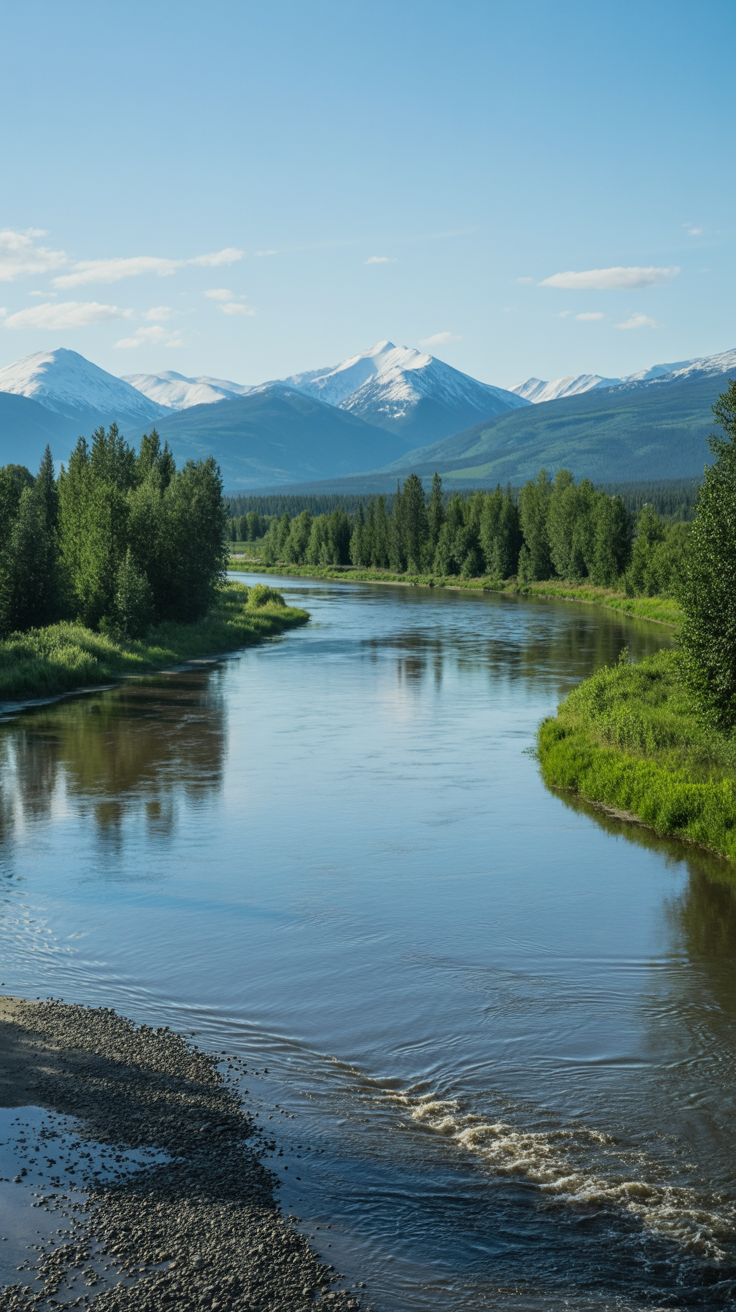
You won’t find the dramatic fjords and glaciers of Southeast Alaska here. The landscape is boreal forest, rolling hills, and big sky country. It’s beautiful in a completely different way – more subtle and expansive rather than dramatic and vertical.
Wildlife viewing takes more effort than cruise excursions where guides know exactly where the eagles nest. You might see moose in town (they love residential neighborhoods) but bears and caribou require venturing further out.
Common Questions and FAQ
Can I see both the midnight sun and Northern Lights on the same trip?
No. These phenomena occur in opposite seasons. Midnight sun peaks in June during summer solstice. Northern Lights require darkness which doesn’t return until late August at earliest. You need to pick your priority when planning.
Is Fairbanks worth visiting if I can’t see the Northern Lights?
Absolutely. The gold rush history, native culture, wildlife encounters, and unique feeling of being this far north make it worthwhile regardless of aurora activity. Just adjust your expectations based on season.
How cold is it during cruise season?
Summer temperatures (May through September) are actually warm, typically 60-75°F with occasional 80°F+ days. You’ll need layers for morning and evening but shorts and t-shirts work for midday. It’s the mosquitoes you should worry about, not the cold.
Should I book a cruise tour package or arrange Fairbanks independently?
Cruise line packages simplify logistics with coordinated transportation and hotels but cost more. Independent arrangements give you flexibility and often save money but require more planning. If you’re comfortable renting cars and booking hotels yourself, going independent makes sense. If you prefer everything handled, cruise tour packages work well.
Can I visit Denali and Fairbanks in the same trip?
Yes and many people do. Denali sits roughly halfway between Anchorage and Fairbanks making it a logical stop. The Alaska Railroad connects all three cities. Most cruise tour packages include both destinations with two to three nights split between them.
What’s the deal with permafrost?
Fairbanks sits on discontinuous permafrost meaning some ground stays frozen year-round while other areas thaw seasonally. This creates engineering challenges for buildings and roads. You’ll notice some structures built on pilings to prevent their heat from melting permafrost underneath. It’s a fascinating adaptation to extreme conditions.
Are black flies really worse than mosquitoes?
According to locals, yes. Black flies (also called white sox) arrive in late June and their bites hurt more than mosquito bites. They’re smaller and harder to see but more aggressive. The good news is their season is shorter. Bug spray helps but covering exposed skin works better.
Personal Experience
After our Alaska cruise ended in Seward, my husband and I decided to extend our trip with a few days in Fairbanks, and honestly, it was one of the best decisions we made. The three-hour drive north felt like entering a completely different world – all that lush coastal scenery gave way to endless boreal forests and these impossibly big skies. Our first stop was the University of Alaska Museum of the North, which sounds like it might be stuffy, but it’s actually fascinating. The building itself looks like something from another planet, and inside, we spent hours checking out everything from massive brown bear displays to Native Alaskan artifacts. The best part? Learning about the aurora borealis in their planetarium before hopefully seeing the real thing that night.
We also made time for a riverboat cruise on the Chena River, which gave us a totally different perspective on Alaska than the ocean cruise did. The captain pointed out beavers, moose tracks, and even let us stop at a working sled dog kennel where the mushers were training their teams. Something about being this far north, where the summer sun barely sets and everything feels wild and remote, just hit differently than the cruise ports. If you’ve got the time after your cruise, don’t skip Fairbanks – it’s where you really get that frontier Alaska feeling everyone talks about.