
A Yukon Territory cruise extension combines an Alaska cruise with land exploration of Canada’s Yukon. Travelers journey through Skagway to Whitehorse via scenic highways, visiting attractions like Miles Canyon, Emerald Lake, and historic gold rush sites. Extensions typically last 3-7 days and showcase wilderness landscapes, wildlife viewing opportunities, and indigenous culture.
Quick Facts
| Detail | Information |
|---|---|
| Typical Duration | 3-7 days |
| Starting Point | Skagway, Alaska |
| Main Hub | Whitehorse, Yukon |
| Distance from Skagway to Whitehorse | 110 miles (177 km) |
| Border Crossing | U.S.-Canada (passport required) |
| Best For | History buffs, nature lovers, adventure seekers |
| Currency Needed | Canadian dollars (USD widely accepted but change given in CAD) |
Want to know more about Alaska cruise tours and land extension options?
Why the Yukon Extension Stands Out
Most Alaska cruise passengers stick to the ship and the port towns, which means they miss one of North America’s last true frontiers. The Yukon extension flips the script entirely. You trade buffet lines and Broadway-style shows for wild landscapes where you might drive an hour without seeing another car. The territory has more caribou than people, and that ratio shows in every direction you look.
The journey typically starts in Skagway with a motorcoach ride through the White Pass, the same treacherous route stampeders took during the Klondike Gold Rush. Modern engineering has tamed it somewhat, but the views remain absolutely spectacular. You’ll gain nearly 3,000 feet in elevation over just 20 miles, with hairpin turns revealing glaciers, waterfalls, and valleys that seem to drop off into infinity.
Transportation Options and Logistics
Getting to Whitehorse, the capital of Yukon Territory, involves several options depending on your schedule and comfort level:
- Motorcoach via White Pass: The most common and scenic option, typically included in cruise line packages. Takes about 3-4 hours with photo stops.
- White Pass & Yukon Route Railway to Fraser, then motorcoach: Combines historic narrow-gauge rail travel with highway driving. More expensive but incredibly photogenic.
- Rental car: Gives you flexibility but requires advance booking and comfort with mountain driving. You’ll need to arrange drop-off in Whitehorse since most extensions are one-way.
- Small plane charter: The fastest but priciest option, offering aerial views of the Coast Mountains.
Here’s something cruise lines don’t advertise loudly: if you book independently rather than through the cruise package, you can sometimes save money and customize your itinerary. However, you assume all responsibility for timing and connections. Miss your ship’s departure because of an independent tour delay, and you’re on your own to catch up at the next port.
Must-See Stops Along the Route
The Alaska Highway Experience
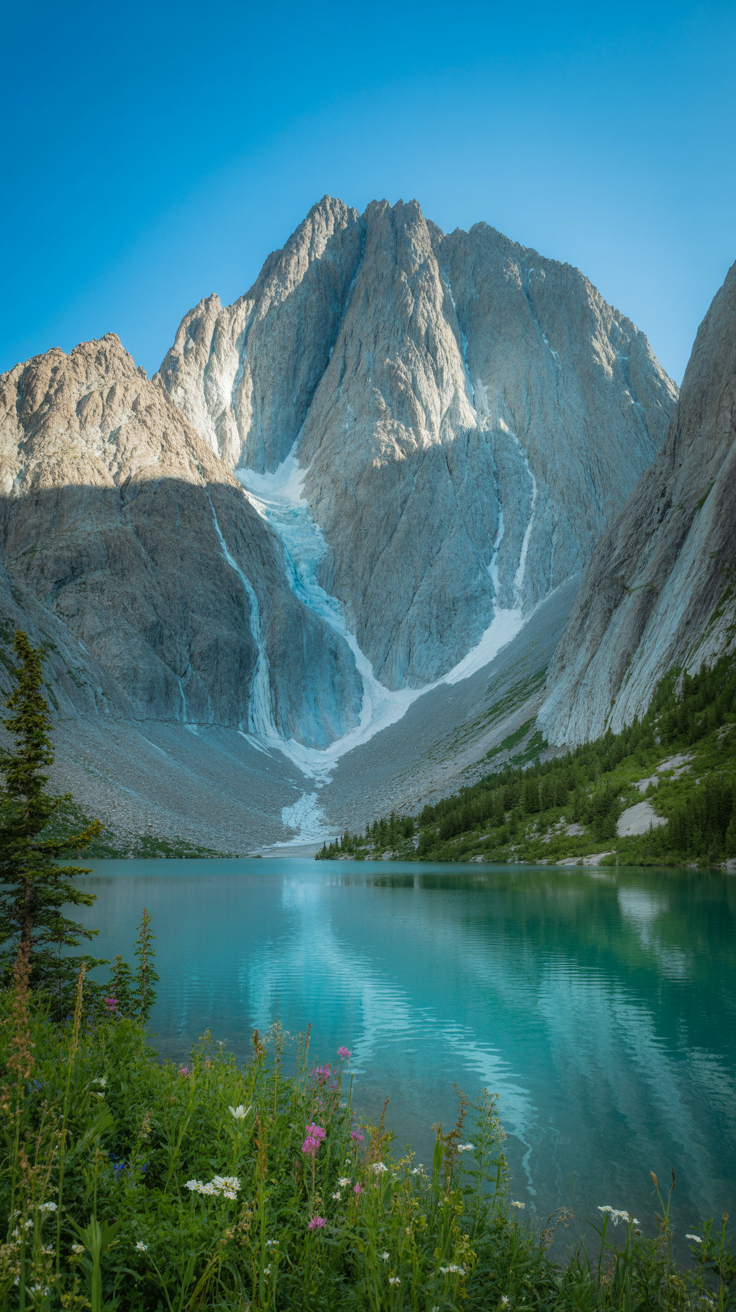
Traveling along sections of the historic Alaska Highway is part of any Yukon extension. This 1,387-mile engineering marvel was built in just eight months during World War II. The Canadian portion you’ll travel offers stunning lake views, particularly at Emerald Lake, where the water’s turquoise color comes from light refracting through calcium carbonate particles (fancy words for “ground-up rock dust from glaciers”).
Whitehorse Highlights
As the Yukon’s capital and largest city (population roughly 28,000), Whitehorse serves as the hub for most extensions:
- SS Klondike: A restored sternwheeler that once carried ore and passengers along the Yukon River. It’s now a National Historic Site you can tour.
- Miles Canyon: Just outside town, this basalt canyon shows where the Yukon River narrows dramatically. Early gold seekers lost their lives navigating these rapids.
- Yukon Beringia Interpretive Centre: Learn about the ice-free corridor that allowed humans and animals to migrate between Asia and North America. It’s geekier than it sounds, in the best way.
- Yukon Wildlife Preserve: See elk, moose, caribou, mountain goats, and other northern animals in their natural habitat settings. Much better than a zoo since the animals roam large protected areas.
Dawson City
If you opt for a longer extension (5-7 days), Dawson City is the crown jewel. This tiny town of about 1,400 people was once the epicenter of the Klondike Gold Rush, swelling to 40,000 fortune seekers practically overnight. Today, it preserves that boomtown atmosphere with unpaved streets, restored saloons, and an authenticity that feels nothing like a theme park.
- Diamond Tooth Gertie’s Gambling Hall: Canada’s oldest licensed casino, complete with cancan shows.
- Midnight Dome: Drive up for 360-degree views and, during summer, watch the midnight sun barely dip below the horizon.
- Gold panning: Try your hand at Claim 33 or other tourist-friendly claims. You won’t get rich, but finding even tiny flakes creates surprising excitement.
Wildlife Encounters
The Yukon doesn’t have Alaska’s concentrated whale-watching opportunities, but it compensates with land-based wildlife viewing. Grizzly bears, black bears, moose, and caribou all roam these territories. Bald eagles are so common along rivers that after a few days you almost become blasé about them (almost).
The best wildlife viewing happens during early morning or evening hours. Keep your camera ready during bus rides because drivers often slow or stop for animal sightings. Telephoto lenses earn their keep here – getting too close to a moose is dangerous, despite their goofy appearance. They’re surprisingly aggressive and can kick in any direction with those long legs.
Combining Yukon with Other Extensions
Many travelers don’t realize you can combine multiple land extensions for a truly comprehensive experience. Popular combinations include:
- Yukon plus Denali: After exploring the Yukon, continue to Denali National Park to see North America’s tallest peak and additional wildlife viewing.
- Yukon plus Fairbanks: Head to Fairbanks for gold dredge tours, riverboat cruises, and the Museum of the North.
- Pre-cruise versus post-cruise: Most people add extensions after their cruise, but doing them before means you arrive at embarkation relaxed rather than rushed from travel days.
For comprehensive information on structuring these combinations, check out this guide to planning Alaska cruise tours.
Practical Considerations
Weather and Packing
The Yukon’s continental climate differs significantly from coastal Alaska. Expect warmer daytime temperatures but chillier nights, plus less rain overall. Pack:
- Layers including a fleece or light down jacket
- Rain jacket (still necessary despite drier conditions)
- Sturdy walking shoes with good traction
- Sun protection (the northern sun stays out long and reflects intensely)
- Bug spray for mosquitoes (they can be ferocious near water in June and July)
- Binoculars for wildlife viewing
Currency and Connectivity
You’ll need Canadian dollars in the Yukon, though many places accept U.S. currency and credit cards. ATMs are available in Whitehorse and Dawson City but sparse elsewhere. Cell phone coverage exists in towns but disappears quickly outside them. International roaming charges can shock you, so either add a temporary plan or embrace the digital detox.
Border Crossing Requirements
Every passenger needs a valid passport for the U.S.-Canada border crossing. Enhanced driver’s licenses work for land crossings but a passport book is safer. If you have any criminal record, even old DUIs, research Canadian entry requirements carefully as you might need special permission to enter.
The Challenges Nobody Mentions
Let’s be honest about the downsides. Long bus rides aren’t everyone’s idea of vacation fun. That Skagway-to-Whitehorse journey involves hours of sitting, and while the scenery dazzles initially, some people get antsy. Cruise lines usually include rest stops and commentary, but if you have back problems or restless kids, consider breaking the journey with an overnight stop.
The Yukon also lacks the infrastructure density you might expect. Restaurants close early, amenities are basic compared to cruise ships, and entertainment options are limited. If you need constant stimulation or luxury accommodations, this extension might feel too rustic. The appeal lies in authenticity and wilderness, not pampering.
Weather can disrupt plans too. Summer generally offers the best conditions, but road construction, wildlife on highways, and occasional washouts can delay travel. Build buffer time into your schedule, especially if you need to catch a flight home.
Bonus Tips
- Book window seats on the right side of the bus when traveling from Skagway to Whitehorse for the best White Pass views
- Download offline maps before leaving cellular coverage if you’re driving independently
- Try a “sourtoe cocktail” in Dawson City – yes, there’s an actual preserved human toe in the drink (you don’t swallow it, just let it touch your lips for membership in the club)
- Visit the Yukon Transportation Museum in Whitehorse to see the ingenious ways people adapted vehicles for extreme northern conditions
- Ask about First Nations cultural presentations – these aren’t always prominently advertised but offer fascinating insights into indigenous life and history
- Bring an empty water bottle – Yukon tap water is excellent and refilling saves money and plastic waste
- Check if your extension includes meals – some packages do, others don’t, and restaurants in small towns have limited hours
- Request an aisle seat if you photograph wildlife – you can lean across for window shots on either side of the bus
- Exchange some currency before arriving – exchange rates at borders and tourist areas are typically worse than at home
- Consider travel insurance that covers missed ship departures if booking independent extensions
Cost Expectations
Cruise line packages for Yukon extensions typically run $800-$2,000 per person for 3-4 days, depending on accommodation level and inclusions. Independent travel can cost less if you’re budget-conscious or significantly more if you prefer comfort and guided experiences. Factor in meals (roughly $50-$80 per person daily in restaurants), activities ($30-$150 for tours and attractions), and souvenirs.
The value proposition comes down to what you want from your vacation. For travelers seeking wilderness immersion and historical context beyond what cruise ports offer, the Yukon extension delivers experiences you simply cannot get from a ship. For those prioritizing relaxation and onboard amenities, adding rushed land travel might detract from your cruise enjoyment.
Booking Strategy
Review the Alaska cruise tour planning guide before making decisions. Compare cruise line packages against independent options, noting what’s included. Cruise line benefits include coordination, guaranteed accommodation, and backup plans if something goes wrong. Independent booking offers flexibility and potentially lower costs but requires more research and self-reliance.
Book early regardless of your choice. Yukon hotels and tours have limited capacity, and popular dates fill months in advance. If you’re traveling during peak season (June through August), start planning at least six months out.
Common Questions and FAQ
Can I do a Yukon extension if I have mobility limitations?
Most Yukon extensions involve considerable walking on uneven terrain, stairs without elevators, and bus boarding. However, many attractions like the SS Klondike and Yukon Beringia Centre are accessible. Discuss specific needs with tour operators who can suggest appropriate modifications.
Do I need special permits to visit the Yukon?
No special permits are required for tourists beyond a valid passport for the border crossing. If you plan to fish, you’ll need a Yukon fishing license available at sporting goods stores and some gas stations.
What’s the best length for a first-time Yukon extension?
Three to four days hits the sweet spot for most travelers. You’ll see Whitehorse highlights and travel the scenic highways without the trip feeling too compressed or extended. Longer stays suit those with specific interests like photography or gold rush history.
Are there vegetarian or special dietary options available?
Whitehorse restaurants generally accommodate dietary restrictions, but options narrow in smaller communities. Cruise packages usually handle special meal requests if you note them at booking. Bringing some of your own snacks provides backup for limited-choice situations.
How does the Yukon extension compare to other Alaska land tours?
The Yukon offers more remote wilderness and gold rush history compared to extensions focused on Denali or Fairbanks. It feels more frontier-like and less developed, which appeals to some travelers but might disappoint those wanting more structured activities and amenities.
What happens if bad weather delays our return to the ship?
Cruise line packages include contingency planning and will reroute or adjust as needed to ensure passengers rejoin the ship. With independent bookings, you’re responsible for solving delays, which is why travel insurance that covers missed departures makes sense.
Can we see the Northern Lights during a Yukon extension?
Not during typical cruise season. Aurora viewing requires dark skies, which don’t occur during the summer months when cruises run and the midnight sun dominates. Late August might offer slim possibilities, but winter is the prime aurora season.
Personal Experience
I never expected the Yukon extension to feel so different from the cruise itself, but the moment our bus crossed into Canada’s wilderness, everything shifted. The vastness hits you right away – these aren’t just mountains in the distance, they’re everywhere, rolling endlessly with hardly a soul in sight. We stopped in Whitehorse first, and our guide made the gold rush history come alive as we walked through actual dredges and panned for gold ourselves. My daughter found a few tiny flakes and wouldn’t stop talking about it for days. The wildlife viewing surprised me too. We spotted a grizzly from a safe distance on the Klondike Highway, and the amount of bald eagles perched along the rivers felt almost casual compared to how rare they seem back home.
The planning part was easier than I thought it would be. Most cruise lines offer packaged extensions that include transportation and hotels, which took the guesswork out of logistics. We added three days, and honestly, that felt just right – enough time to see Dawson City and explore without feeling rushed, but not so long that the kids got restless. Pack layers though, seriously. Even in July, mornings were chilly, and the weather changed faster than I could check the forecast. The Yukon gives you this raw, frontier feeling that the cruise ports don’t quite capture. It’s worth the extra time and money if you want to see what Alaska’s wilderness really extends into.