
The Alaska Highway stretches 1,387 miles from Dawson Creek, British Columbia, to Delta Junction, Alaska. Originally built as a military supply route during World War II, this historic road offers stunning wilderness views, wildlife spotting opportunities, and access to northern communities. Many cruise passengers combine highway travel with their Alaska cruise experience for extended adventures.
Quick Facts: Alaska Highway
| Feature | Details |
|---|---|
| Total Length | 1,387 miles (2,232 km) |
| Route | Dawson Creek, BC to Delta Junction, AK |
| Major Stops | Fort Nelson, Watson Lake, Whitehorse, Tok |
| Road Condition | Fully paved, year-round access |
| Driving Time | 3-5 days recommended (not rushed) |
| Best Season | Late May through September |
| Border Crossings | Two (Canada to Alaska, Alaska to Canada) |
Want to know more about Alaska cruise tours that combine land and sea adventures? The highway offers the perfect extension to any Alaska cruise itinerary.
Why Cruise Passengers Love the Alaska Highway
Most cruise passengers stick to the Inside Passage and popular ports like Juneau and Ketchikan. Smart travelers extend their journey by adding a road trip along the Alaska Highway either before or after their cruise. This combination gives you the best of both worlds: the comfortable luxury of a cruise ship and the raw adventure of North America’s most famous road trip.
The highway connects perfectly with cruise itineraries. Many passengers fly into Whitehorse and drive to Anchorage to catch their southbound cruise, or reverse the route after a northbound sailing. This setup eliminates expensive one-way flights while adding an unforgettable overland adventure.
The Historic Significance
Built in just eight months during World War II, the Alaska Highway was an engineering marvel of its time. The U.S. military needed a supply route to Alaska after Pearl Harbor raised fears of a Japanese invasion. Thousands of American soldiers and Canadian workers carved this road through wilderness, muskeg, and mountains under brutal conditions.
Today the highway serves as a living museum. Historic mileposts still mark distances from the original Dawson Creek starting point, though highway improvements have shortened the actual driving distance. Roadside monuments and interpretive signs tell stories of the engineers, soldiers, and indigenous peoples who made this route possible.
What Makes This Route Special for Cruise Passengers
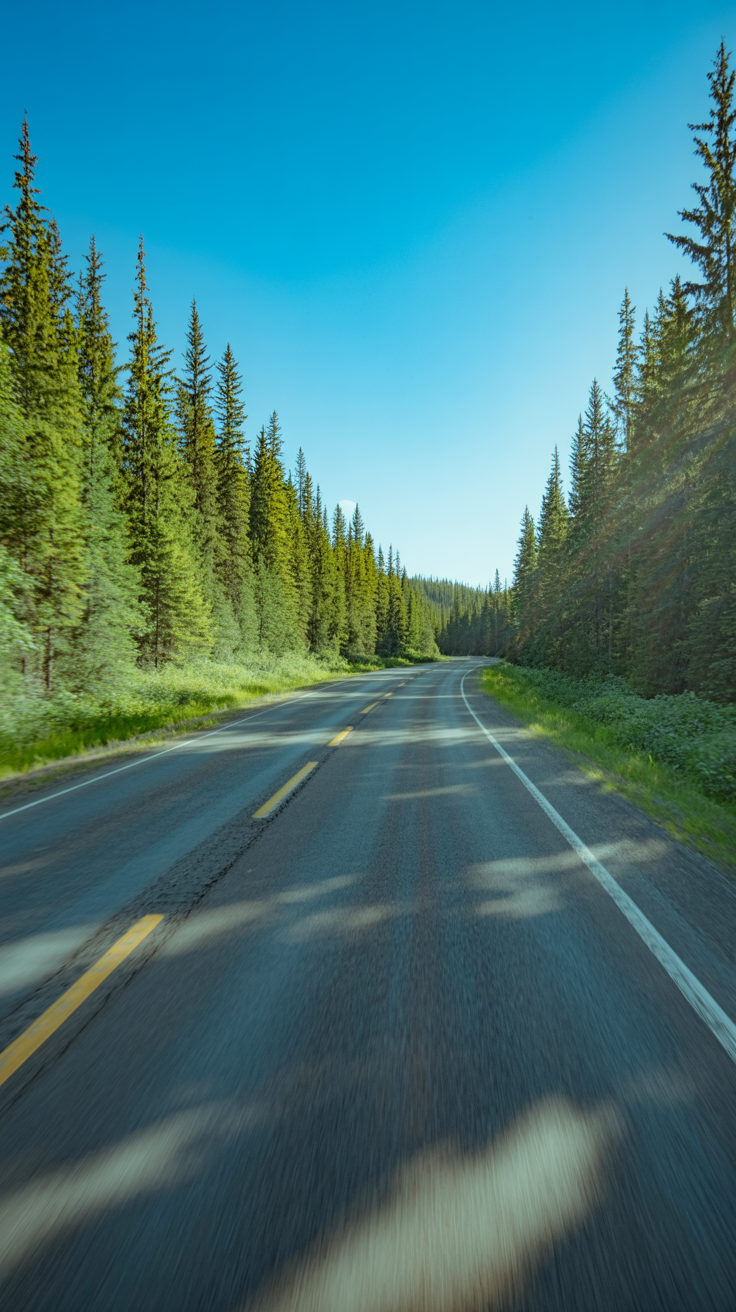
The Alaska Highway provides experiences you simply cannot get on a cruise ship:
- Wildlife encounters on your schedule: Pull over whenever you spot moose, bears, caribou, or bison. No fighting for rail space or scheduled viewing times.
- Remote hot springs: Liard River Hot Springs Provincial Park offers natural thermal pools surrounded by boreal forest – pack your swimsuit.
- Historic roadhouses: Family-run lodges serve home-cooked meals and offer lodging in places where cell service is a luxury and the Milky Way puts on nightly shows.
- Indigenous culture: Stop at First Nations heritage centers and gift shops showcasing authentic crafts you won’t find in cruise port tourist traps.
- Flexible pacing: Sleep when tired, stop for photos whenever the light hits right, and detour to places that catch your interest.
Planning Your Highway Journey
Best Direction to Travel
Northbound (Dawson Creek to Fairbanks) works well if you’re ending with a cruise from Seward or Whittier. Southbound from Fairbanks or the Whitehorse area in Canada’s Yukon territory makes sense after a northbound cruise to Anchorage or Seward. Southbound gives you the sun at your back during afternoon driving hours, which means less glare and better wildlife spotting.
How Much Time You Need
Technically you can drive the entire highway in three days. Don’t. That’s like eating a five-course meal in ten minutes. Budget at least five to seven days to actually enjoy the journey. This allows for:
- Reasonable daily driving distances (250-300 miles)
- Wildlife viewing stops
- Museum and heritage site visits
- Photography opportunities at scenic pullouts
- Hot springs soaks and short hikes
- Contingency time for road construction delays
Vehicle Choices
The highway is fully paved now but you’ll still want a reliable vehicle with good ground clearance. Rental agencies in Whitehorse, Anchorage, and Fairbanks allow one-way Alaska Highway rentals, though expect to pay a drop-off fee. Many cruise passengers opt for RV rentals to save on accommodation costs and increase flexibility.
Standard rental cars work fine during summer months. All-wheel drive helps but isn’t mandatory if you’re traveling May through September. Skip the sports car though – frost heaves and occasional potholes will make you miserable.
Must-Stop Locations
Watson Lake Signpost Forest
Over 80,000 signs from visitors worldwide decorate this quirky landmark. Started by a homesick soldier during highway construction, it’s grown into one of the most photographed spots along the route. Bring a sign from your hometown to add to the collection.
Liard River Hot Springs
Canada’s second-largest hot springs features wooden boardwalks through lush vegetation to two natural pools. The water stays around 109°F year-round. Arrive early morning or late evening to avoid tour buses and have the pools nearly to yourself.
Kluane National Park and Reserve
Home to Canada’s highest peak and the world’s largest non-polar ice field, this UNESCO World Heritage Site deserves at least a half-day stop. Even from the highway you’ll see massive mountain ranges. Drive into Haines Junction to arrange a flightseeing tour over the ice fields if your budget allows.
Exploring the Yukon Territory
The highway passes right through the Yukon, Canada’s stunning northern territory, where you can connect with gold rush history and northern heritage in communities like Dawson City (a worthy detour from the main highway).
Practical Challenges and How to Handle Them
Fuel and Services
Gas stations appear every 50-100 miles along the main route but don’t assume they’ll be open when you arrive. Fill up whenever your tank drops below half. Fuel prices increase the farther north you go and in smaller communities. Budget about 30-50% more than you’d pay in major cities.
Accommodations
Book ahead during peak season (June through August). Historic roadhouses and lodges fill up with regulars who’ve been stopping at the same places for decades. Options range from basic rooms with shared bathrooms to nicer hotels in larger towns like Fort Nelson and Whitehorse.
Wild camping is possible at pullouts and rest areas but research local regulations first. Some areas prohibit overnight parking while others welcome it.
Border Crossings
You’ll cross the Canada-U.S. border twice (unless you start and end in the same country). Have proper documentation ready: passport, vehicle registration, rental agreement, and proof of insurance. Be prepared to answer questions about where you’re staying, how long you’ll be in the country, and what you’re carrying. No joke – customs agents have seen it all and they don’t appreciate attitude.
Declare any firearms, fresh produce, or alcohol. Rules differ between countries and violations mean serious delays or fines.
Cell Service and Navigation
Cell service is spotty at best. Download offline maps before you leave (Google Maps, Maps.me, and Gaia GPS all offer this feature). Carry a paper map as backup – The Milepost guidebook remains the gold standard for Alaska Highway travel.
Let someone know your itinerary and check in when you reach towns with service. Satellite communicators like Garmin inReach provide peace of mind for solo travelers or those driving during shoulder seasons.
Road Conditions
Summer construction is guaranteed somewhere along the route. Expect delays, flaggers, and sections of gravel detour. Dust from construction and dry conditions can coat your vehicle in minutes. Cracked windshields from flying rocks are common enough that rental insurance often specifically addresses this.
Frost heaves create roller-coaster sections of pavement that will test your suspension. Slow down and your back will thank you.
Money-Saving Tips
- Pack a cooler: Restaurant options are limited and expensive in remote areas. Stock up on groceries in larger towns like Whitehorse or Fort St. John.
- Camp strategically: Mix camping with occasional motel stays to stretch your budget while still getting a hot shower every few days.
- Travel shoulder season: Late May or early September offers better rates on accommodations and fewer crowds, though some services may have reduced hours.
- Split costs: Traveling with friends means sharing fuel, accommodation, and rental fees.
- Skip the flightseeing: Scenic flights are spectacular but expensive. Ground-level views are pretty incredible too.
Bonus Tips You Didn’t Know You Needed
- Bug spray is non-negotiable: Mosquitoes in northern British Columbia and Yukon are legendary. Pack Deet-based repellent and consider a head net for evening stops.
- Midnight sun adjustment: Blackout curtains don’t exist at every roadhouse. Bring a sleep mask if you need darkness to rest.
- Tire pressure monitoring: Temperature fluctuations affect tire pressure significantly. Check daily to avoid uneven wear or blowouts.
- Cash is king: Many small businesses don’t accept cards or charge fees for electronic payments. Carry Canadian and U.S. currency.
- Vehicle inspection before departure: Check tire tread, spare tire condition, jack functionality, and headlight aim. Confirm your rental includes roadside assistance coverage.
- Photo opportunities at milepost markers: Historic mileposts make great photo props and help you track progress.
- Respect wildlife distances: Stay at least 100 yards from bears and 25 yards from other wildlife. Your zoom lens exists for a reason.
- Weather layers work better than heavy coats: Temperatures can swing 30 degrees between morning and afternoon. Dress in removable layers.
- Download entertainment: Hours between services mean audiobooks, podcasts, and music playlists become essential. Streaming won’t work in dead zones.
- Windshield chip repair kits: Small chips can spread into cracks with temperature changes. Quick repairs prevent expensive replacements.
Combining Highway Travel with Your Cruise
The most popular combination involves Alaska cruise tours that blend highway exploration with your sailing itinerary. Several strategies work well:
Pre-Cruise Highway Trip
Fly into Whitehorse or Fairbanks, rent a vehicle, and drive south to your cruise departure port (typically Seward, Whittier, or Vancouver). This gives you land adventures first, then relaxation on the cruise.
Post-Cruise Highway Trip
After your cruise ends in Anchorage or Seward, rent a vehicle and drive north through Tok and into Whitehorse or continue to Fairbanks. End with wilderness adventure when you’re ready for active exploration again.
Partial Highway Sections
Don’t feel obligated to drive the entire highway. The section between Whitehorse and the Alaska border offers spectacular scenery in a manageable three to four days. Or focus on the Alcan from Tok to Delta Junction with side trips into Wrangell-St. Elias National Park.
When Not to Drive the Highway
October through April presents serious challenges: extreme cold, reduced daylight hours, ice, and limited services. Many lodges and attractions close entirely. Unless you’re an experienced winter driver with proper equipment, save this trip for late spring through early fall.
If you’re on a tight schedule or uncomfortable with remote driving, the highway may not suit your style. Tour companies offer bus transportation along the route with hotels pre-booked and guides handling logistics. You’ll pay more but gain convenience and local expertise.
Common Questions and FAQ
Can I drive the Alaska Highway in a regular sedan?
Yes, during summer months a standard sedan handles the fully paved highway just fine. Ground clearance helps with occasional rough patches but isn’t required. Avoid low-profile sports cars due to frost heaves and potential potholes.
Do I need an international driver’s license to drive in Canada or Alaska?
U.S. citizens with valid state driver’s licenses can drive in Canada. Canadian license holders can drive in Alaska. International visitors should check specific requirements for their country, though most developed nations have reciprocal agreements.
How much does fuel cost along the Alaska Highway?
Expect to pay 20-50% more than major city prices, with remote locations charging premium rates. Budget roughly $400-600 for fuel to drive the entire highway in a standard vehicle, depending on current prices and your vehicle’s efficiency.
Are there grizzly bears along the Alaska Highway?
Yes, both grizzly and black bears inhabit areas along the highway. Most sightings happen from your vehicle as bears feed near the roadside. Practice proper food storage at campgrounds, carry bear spray if hiking, and never approach wildlife.
What’s the best month to drive the Alaska Highway?
July and August offer the warmest weather and longest daylight but bring peak crowds and higher prices. June and September provide better value with fewer travelers, though June means more mosquitoes and September brings earlier snowfall risks at higher elevations.
Can I see the Northern Lights from the Alaska Highway?
Possibly in late August through September as nights grow darker, though summer’s extended daylight means limited aurora viewing opportunities. Spring and fall offer better chances but come with challenging driving conditions.
Do I need special insurance for the Alaska Highway?
Standard vehicle insurance typically covers the highway, but verify your policy includes travel in both Canada and the U.S. Rental agencies offer additional gravel road coverage for windshield and undercarriage damage – often worth the extra cost.
What’s the speed limit on the Alaska Highway?
Canadian sections post limits in kilometers per hour (typically 90 km/h or about 55 mph). Alaska sections use miles per hour (typically 55-65 mph). Wildlife, construction, and road conditions matter more than posted limits – drive at safe speeds regardless.
Are there electric vehicle charging stations along the Alaska Highway?
Very few and far between. Electric vehicles aren’t practical for the full highway journey yet. Hybrid vehicles work fine, but pure EVs face serious range challenges between charging stations.
Personal Experience
We decided to add a few days to our Alaskan cruise trip last summer to drive a portion of the Alaska Highway, and honestly, it turned out to be one of the best decisions we made. The road itself feels like stepping into a different era – wide open spaces, mountain ranges that seem to go on forever, and wildlife that actually stops you in your tracks. We spotted a black bear munching berries near Liard River Hot Springs and watched a small herd of bison casually blocking the road near the Contact Creek Lodge. The pace is slower here, which is exactly what you need after the structured schedule of a cruise.
For anyone thinking about doing this, start from Whitehorse if you’re heading south, or fly into Fairbanks and drive down if you’re ending your cruise in Anchorage. Don’t try to rush the whole 1,400 miles – pick a section and really explore it. We loved the stretch between Watson Lake and Whitehorse, where you can check out the famous Signpost Forest and stop at small roadhouses that serve surprisingly good homemade pie. Bring layers because the weather changes constantly, pack some snacks since services can be 100 miles apart, and fill up your gas tank whenever you see a station. The views alone make every mile worth it, and you’ll see a side of the north that most cruise passengers completely miss.