
When you’re docked at Civitavecchia with limited time in Rome, eating well shouldn’t be a gamble. The good news is that authentic Roman trattorias still exist near the major sites, and with smart timing you can enjoy proper cacio e pepe or carbonara without blowing your schedule or your budget. The key is knowing which spots actually serve locals alongside tourists, understanding when to show up, and what dishes are worth ordering.
This guide organizes the best lunch spots by location—Colosseum, Vatican, and Trevi Fountain areas—so you can plan your meal around your sightseeing route. We’ll cover what to order at each place, when reservations matter, and how to time your meal around cruise passenger schedules. Most trattorias close between 3-4pm, so if your ship departs early evening, don’t leave lunch until the last minute.
Want to know more about getting from the port to Rome efficiently? Check out our complete Rome port guide for transport options and timing.
Map of 11 Rome Restaurants
Colosseum Area: Quick Lunches Between Ancient Ruins
The Colosseum neighbourhood offers several solid options within a 10-minute walk of the Forum. These spots cater to a mix of tourists and office workers from nearby government buildings, which keeps quality honest and prices reasonable. Before heading out for the day, make sure you have a European power adapter to keep your phone charged for photos and maps.
Taverna dei Fori Imperiali
- Location: Via della Madonna dei Monti, about 8 minutes from the Colosseum
- What to order: Their cacio e pepe and carbonara are textbook Roman classics. The amatriciana is excellent if you want something with a bit more punch
- Timing: Arrive before 12:45pm or after 2:15pm. The midday crush between 1-2pm can mean a 20-minute wait
- Reservations: Not essential for lunch, but ring ahead if you’re a group of four or more
- Meal duration: 45-60 minutes is typical. They’re used to people with afternoon tours booked
- Price range: €12-18 for pasta, €18-25 for secondi
Trattoria Luzzi
- Location: Via San Giovanni in Laterano, directly across from the Colosseum
- What to order: Their saltimbocca alla romana (veal with prosciutto and sage) is a standout. The puntarelle salad is a Roman staple worth trying
- Timing: Opens at noon. Go right at opening or after 2pm to avoid tourist groups
- Reservations: Not needed, though you might queue 10-15 minutes at peak lunch
- Meal duration: About 50 minutes for two courses
- Price range: €10-15 for pasta, €15-22 for meat dishes
- Bonus: Large outdoor terrace with Colosseum views, though it fills up fast
Li Rioni
- Location: Via dei Santi Quattro, 5 minutes from the Colosseum
- What to order: The rigatoni carbonara and their Roman-style artichokes (when in season) are what regulars come for
- Timing: Less crowded than spots right by the Colosseum. Lunchtimes are manageable throughout
- Reservations: Walk-ins usually fine, even for small groups
- Meal duration: 40-55 minutes
- Price range: €11-16 for pasta, €16-24 for mains
After lunch near the Colosseum, you might want to explore some quieter corners of the city. Our guide to 6 hidden Rome neighbourhoods tourists miss shows you where locals actually spend time. Walking all day means comfortable footwear is essential—consider investing in proper walking shoes for men or walking shoes for women before your trip.
Vatican Area: Pre or Post Museum Meals
The Vatican neighbourhood has two distinct dining zones. The streets immediately around St. Peter’s are mostly tourist traps with multilingual menus and mediocre food. Walk 10 minutes into the Prati district and you’ll find proper trattorias serving government workers and residents.
Hostaria Dino e Toni
- Location: Via Leone IV, about 12 minutes from St. Peter’s entrance
- What to order: Carbonara and amatriciana are both excellent. Their coda alla vaccinara (oxtail stew) on weekends is traditional Roman fare
- Timing: Lunch service 12:30-3pm. Arrive by 12:45pm for easy seating
- Reservations: Not needed for lunch unless you’re a party of six or more
- Meal duration: 50-70 minutes depending on courses
- Price range: €12-17 for pasta, €18-26 for secondi
- Note: Closed Sundays, which catches out some cruise passengers
L’Insalata Ricca
- Location: Multiple locations near Vatican, including Piazza Risorgimento
- What to order: Large fresh salads and lighter pasta dishes. Good if you want something less heavy
- Timing: Continuous service, no afternoon closing
- Reservations: Not needed
- Meal duration: 35-45 minutes. Faster service than traditional trattorias
- Price range: €9-14 for salads, €10-15 for pasta
- Bonus: One of the few places that doesn’t close mid-afternoon, helpful if you’re running late
Osteria delle Commari
- Location: Via Santamaura, in the Prati neighbourhood
- What to order: Their tonnarelli cacio e pepe is superb. The abbacchio (Roman lamb) is a weekend special worth planning for
- Timing: Lunch from 12:30pm. Get there by 1pm or you’ll wait
- Reservations: Recommended, especially Thursday-Saturday
- Meal duration: 60-75 minutes
- Price range: €13-18 for pasta, €20-28 for meat courses
Planning when to visit the Vatican Museums? Our detailed guide on when to visit Rome’s famous sites to avoid the worst crowds will help you time everything perfectly. Keep your valuables safe while exploring with a reliable anti-theft backpack designed for travel.
Trevi Fountain Area: Central Rome Dining
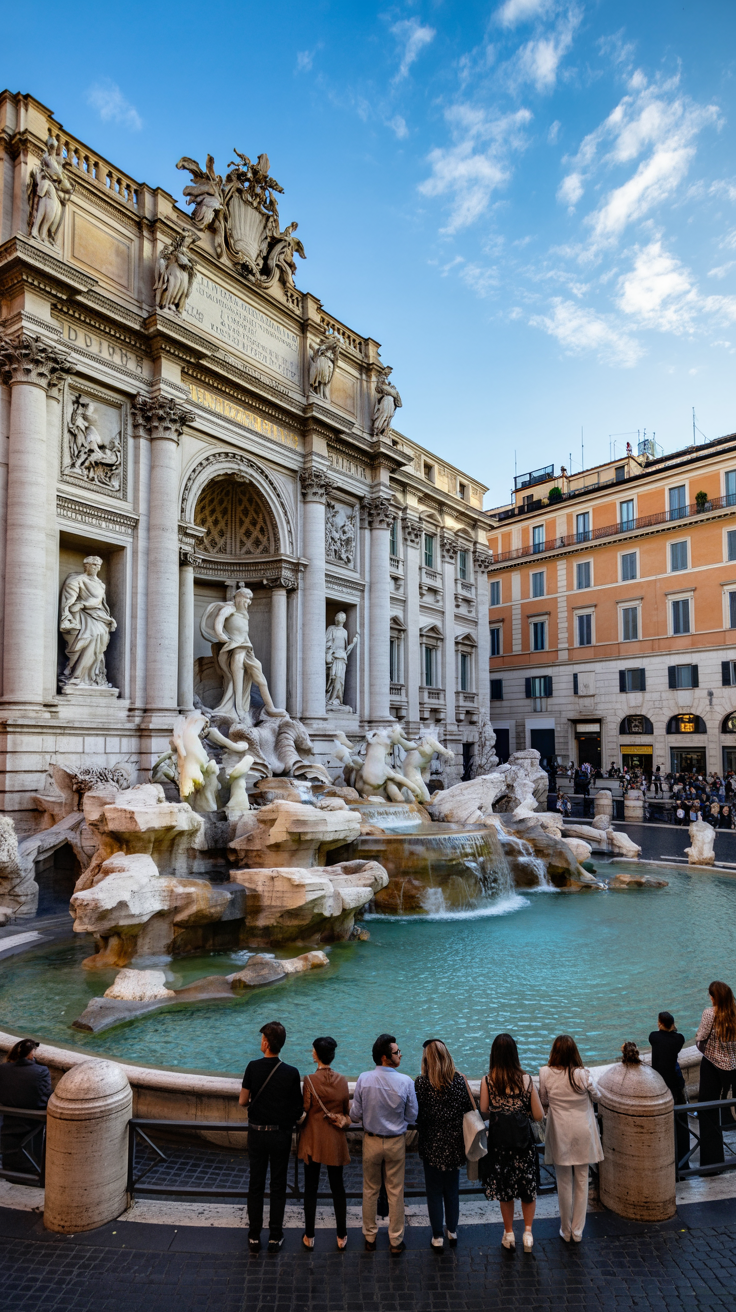
The streets around Trevi Fountain and the Pantheon have the highest concentration of tourist traps in Rome, but tucked on side streets are some excellent family-run trattorias. The trade-off is that these good spots are small and fill up quickly.
Al Moro
- Location: Vicolo delle Bollette, 2 minutes from Trevi Fountain
- What to order: Rigatoni with pajata (veal intestines—sounds odd, tastes incredible) if you’re adventurous. Their fettuccine al burro is deceptively simple but perfectly executed
- Timing: Lunch 12:30-3pm. The 1-2pm window gets packed
- Reservations: Yes, even for lunch. Ring a day ahead or try for noon opening
- Meal duration: 60-80 minutes. They don’t rush tables
- Price range: €14-20 for pasta, €22-32 for mains
- Note: Cash only. There’s a Bancomat around the corner if needed
Colline Emiliane
- Location: Via degli Avignonesi, 5 minutes from Trevi
- What to order: Technically Emilian cuisine rather than Roman, but their tortellini in brodo and tagliatelle al ragù are outstanding
- Timing: Lunch 12:45-2:45pm. No reservations accepted, so arrive by 12:30pm
- Reservations: They don’t take them. First come, first served
- Meal duration: 50-65 minutes
- Price range: €12-18 for pasta, €18-26 for secondi
- Bonus: Family-run since 1931. The grandmother still makes pasta most days
Armando al Pantheon
- Location: Salita de’ Crescenzi, near the Pantheon
- What to order: Their carciofi alla giudia (Jewish-style artichokes, when available) and any of the daily pasta specials. The trippa alla romana on Thursdays is for adventurous eaters
- Timing: Lunch 12:30-3pm. Extremely popular—expect queues without a booking
- Reservations: Essential. Book several days ahead if possible
- Meal duration: 70-90 minutes. This is a sit-down, savour-it experience
- Price range: €14-19 for pasta, €20-30 for mains
- Note: Closed Sundays
After a satisfying meal, treat yourself to proper gelato. Our list of 12 Rome gelato shops you missed points you toward authentic artisan spots away from the tourist gelaterias. Keep your phone powered all day with a portable charger so you never miss a photo opportunity.
Testaccio and Trastevere: Worth the Detour
If your Rome one-day itinerary allows time away from the main monuments, these neighbourhoods offer the most authentic Roman food experience. Testaccio in particular is where traditional Roman cuisine was born, in the working-class district near the old slaughterhouse.
Flavio al Velavevodetto (Testaccio)
- Location: Via di Monte Testaccio, 15-20 minutes from central Rome by taxi or tram
- What to order: Anything offal-based—this is the spiritual home of Roman “quinto quarto” cooking. The rigatoni con la pajata and coda alla vaccinara are iconic
- Timing: Lunch 12:30-3pm. Locals eat here, so it fills up by 1pm
- Reservations: Strongly recommended
- Meal duration: 70-90 minutes
- Price range: €12-17 for pasta, €18-26 for secondi
Da Enzo al 29 (Trastevere)
- Location: Via dei Vascellari, in the heart of Trastevere
- What to order: Classic Roman pasta—carbonara, amatriciana, cacio e pepe. All are textbook perfect
- Timing: Opens at 12:30pm for lunch. Queue starts forming at 12:15pm
- Reservations: They take limited bookings. Your best bet is arriving right at opening
- Meal duration: 55-70 minutes
- Price range: €11-15 for pasta, €16-23 for mains
- Note: Cash only. Tiny space, only about 10 tables
What to Actually Order: Roman Classics Decoded
Roman cuisine is built on four classic pasta sauces. If a trattoria does these well, everything else will be good too. Here’s what to look for and what each should taste like.
| Dish | What It Is | What to Expect |
|---|---|---|
| Cacio e Pepe | Pecorino cheese and black pepper | Creamy without cream. Pepper should be coarsely ground and noticeable. The cheese forms a smooth sauce, not clumps |
| Carbonara | Egg, guanciale, pecorino | Silky and coating the pasta. Made with eggs, not cream. Guanciale (cured pork cheek) should be crispy. Never with peas or other additions |
| Amatriciana | Tomato, guanciale, pecorino | Tomato sauce should be bright and slightly sweet. Guanciale adds savoury depth. Traditionally served with bucatini or rigatoni |
| Gricia | Guanciale, pecorino, black pepper | Essentially carbonara without eggs. Rich, salty, peppery. Less common on tourist menus but worth ordering |
Beyond Pasta: Roman Secondi Worth Ordering
- Saltimbocca alla romana: Veal topped with prosciutto and sage, cooked in white wine and butter. Should be tender enough to cut with a fork
- Coda alla vaccinara: Oxtail stewed with tomato and celery. Rich, falling-off-the-bone tender. A weekend special at many trattorias
- Carciofi alla giudia: Whole artichokes deep-fried until crispy. A Roman-Jewish speciality. Only available when artichokes are in season (roughly November-April)
- Abbacchio: Roasted Roman lamb, usually with rosemary and garlic. Tender and flavourful, not gamey
- Trippa alla romana: Tripe cooked with tomato sauce and pecorino. Sounds challenging but if cooked properly it’s tender and deeply savoury
Timing Your Meal Around Cruise Schedules
Most cruise ships docking at Civitavecchia offer roughly 8-10 hours ashore. If you’re taking the train to Rome (about 60-80 minutes each way), that leaves 6-8 hours in the city. Here’s how to fit in a proper lunch without stress. Pack light and organized with compression packing cubes to maximize your luggage space for souvenirs.
Early Ship Departure (All Aboard by 4pm-5pm)
- Take the earliest train possible—aim to be in Rome by 9am-9:30am
- Do morning sightseeing first (Colosseum, Vatican, or Trevi area)
- Lunch between noon-12:30pm at places that open early
- Finish eating by 1:30pm latest
- Leave Rome by 2:30pm to be back at ship comfortably by 4pm
- Best restaurant choices: Taverna dei Fori Imperiali, Trattoria Luzzi, L’Insalata Ricca (no afternoon closing)
Late Ship Departure (All Aboard by 6pm-7pm)
- More flexibility. Arrive in Rome by 10am
- Morning sightseeing, then lunch 1-2pm
- Can do afternoon sightseeing or shopping after lunch
- Leave Rome by 4:30pm for comfortable return
- Best restaurant choices: Any of the trattorias listed. You can even book places that need reservations
Full Day Port Stop (All Aboard by 8pm or later)
- You have time for a leisurely lunch and even an afternoon gelato stop
- Consider lunch in Testaccio or Trastevere since you’re not rushed
- Can book dinner at better restaurants if you’re comfortable cutting it closer
- Leave Rome by 6:30pm for relaxed return
If you’re staying overnight near the port, check out our guide to the best restaurants in Civitavecchia for excellent seafood options right by the harbour.
Practical Tips for Cruise Passengers
Reservation Strategy
- If your ship schedule is confirmed, book 2-3 days ahead for popular spots like Al Moro and Armando al Pantheon
- For walk-in trattorias, arrive right at opening (12:30pm typically) or after 2pm
- Most trattorias close 3-4pm and reopen for dinner around 7:30pm. Don’t count on afternoon service
- If you can’t get a reservation, arrive 15 minutes before opening and queue
Money and Payment
- Many traditional trattorias are cash only. Carry €50-80 per person to be safe
- ATMs are common near major sites but take cash out in the morning, not when you’re rushing back to the port
- Service (servizio) is often included in the bill. Check before adding extra tip
- Cover charge (coperto) of €1.50-3 per person is standard. This isn’t a scam, it’s normal practice
What to Avoid
- Any restaurant with photos of dishes on the menu—usually a tourist trap
- Places with touts outside trying to bring you in
- Restaurants directly facing major monuments (Colosseum, Trevi, Pantheon frontage). Walk two streets away for better quality and prices
- Prix-fixe tourist menus. You’ll pay the same for much better food ordering à la carte
Menu Reading Essentials
- Antipasti: Starters. Unless you’re starving, skip these and save room for pasta
- Primi: First course, usually pasta or risotto. This is what you came to Rome for
- Secondi: Main course, typically meat or fish. Comes without sides
- Contorni: Side dishes, ordered separately. Roasted potatoes or sautéed greens
- Dolci: Desserts. Tiramisù is the default
- You don’t have to order multiple courses. Just primi and contorni is perfectly acceptable
Rome is just one of several excellent ports on an Italian cruise. See our complete guide to Mediterranean cruise ports in Italy for what to expect at other stops. Keep your belongings organized throughout your journey with a hanging toiletry bag and cable organizer for travel.
Common Questions & FAQ
Can I get a full meal in under an hour at a Roman trattoria?
Yes, but you need to be strategic. Order just a primo (pasta) and skip the antipasto and secondo. Most trattorias can get you in and out in 45-50 minutes if you order when you sit down and ask for the bill when you finish eating. L’Insalata Ricca and Trattoria Luzzi are particularly good for quicker service. Places like Armando al Pantheon and Al Moro are designed for longer, leisurely meals and trying to rush them defeats the point.
Do Roman restaurants have problems with large cruise passenger groups?
Traditional trattorias typically have 8-12 tables maximum and can’t accommodate groups larger than 6-8 people. If you’re travelling with a group from the ship, split into smaller parties and book different time slots, or choose larger spots like L’Insalata Ricca that can handle bigger groups. Ring ahead even for lunch if you’re more than four people. Many family-run places simply don’t have the space or staff for large parties during the lunch rush. Consider using an anti-theft messenger bag to keep your valuables secure in crowded restaurants.
Is it rude to eat quickly and leave when other diners are lingering?
Not at lunch. Romans understand that lunchtime is often rushed, especially near major tourist areas where they’re used to cruise passengers and tour groups on schedules. Dinner is when lingering is expected. Just don’t snap your fingers at waiters or act stressed—they’ll move as fast as they reasonably can. If you’re genuinely tight on time, mention it politely when ordering and most places will help you along.
What if the restaurant is full when I arrive without a reservation?
Ask how long the wait is. Many trattorias will give you a realistic timeframe—if it’s 15-20 minutes, waiting might work. If it’s longer, have a backup plan ready. The spots listed in this guide are all within 5-10 minutes’ walk of alternatives. Da Enzo al 29 is notorious for queues; if you can’t get in, walk five minutes to Taverna Trilussa which has more space. Near the Colosseum, if Taverna dei Fori Imperiali is full, try Li Rioni instead.
Should I tip on top of the service charge in Rome?
If service (servizio) is included in the bill, an extra tip isn’t expected though rounding up a few euros is appreciated for particularly good service. If service isn’t included, 10% is generous. Don’t feel pressured to leave 20% American-style tips—that’s not the culture. The coperto (cover charge) is separate from service and goes to the restaurant, not the waitstaff, so that doesn’t count as a tip.
Can I get vegetarian or gluten-free options at traditional Roman trattorias?
Vegetarian is straightforward—cacio e pepe, pasta with tomato sauce, and carciofi (artichokes when in season) are all naturally vegetarian. Gluten-free is trickier since pasta is central to Roman cuisine, but many restaurants now offer gluten-free pasta (ask for “pasta senza glutine”). L’Insalata Ricca has extensive vegetarian options including large salads. Traditional spots like Armando al Pantheon can usually accommodate dietary needs if you ring ahead, but showing up and expecting major menu changes won’t go well.
Are children welcome at these trattorias?
Absolutely. Romans love kids and you’ll often see Italian families with young children at lunch. Most trattorias can do plain pasta with butter or simple tomato sauce if your kids won’t eat traditional dishes. High chairs aren’t always available at smaller places, so if you need one, check when booking. The outdoor terrace spots like Trattoria Luzzi are particularly good with families since kids can move around a bit without disturbing other diners.
What happens if I miss the last train back to Civitavecchia?
Trains typically run until early evening, with the last direct service around 8-9pm depending on the day. If you miss it, you’ll need a taxi (expensive—€120-150 for the 80km journey) or a pre-booked private transfer. This is why planning your return journey before you even leave the ship is critical. Check the Trenitalia schedule that morning and work backwards from your ship’s all-aboard time. Build in at least 90 minutes of buffer for unexpected delays. Missing the ship is vastly more expensive and stressful than cutting your Rome time slightly short.
Personal Experience
During my last port day in Rome, I learned pretty quickly that eating near the major tourist spots doesn’t have to mean settling for overpriced tourist traps. Near the Colosseum, I ducked into Taverna dei Fori Imperiali around 12:30pm and got a table without waiting – go before 1pm or after 2:30pm to avoid the crush. Their cacio e pepe was incredible, and the whole meal took about 45 minutes, which was perfect since I had an afternoon tour. Over by the Vatican, Hostaria Dino e Toni became my go-to spot. It’s about a 10-minute walk from St. Peter’s, and the locals eating there told me everything I needed to know. Their carbonara and amatriciana are what you want to order, and they’re used to cruise passengers with tight schedules. No reservations needed for lunch, and they move things along without rushing you.
The Trevi Fountain area gets absolutely mobbed, but I found Al Moro tucked on a side street – this one actually does need a reservation even for lunch if you’re going between noon and 2pm. Their rigatoni with pajata is traditional Roman fare you won’t find everywhere. If Al Moro is booked, Colline Emiliane nearby doesn’t take reservations and serves amazing tortellini in brodo. My timing tip for any of these places: eat at 12pm when they open or after 2pm when the crowds thin out. Most trattorias close between 3-4pm, so don’t cut it too close if your ship leaves early evening. Also, keep some cash handy since a few of the smaller spots near Trevi don’t take cards. I always travel with a portable charger with built-in cables to keep my phone alive for maps and restaurant lookups, and comfortable walking shoes made all the difference when exploring between meals. Rome in spring can be unpredictable, so having a packable rain jacket saved me from a sudden afternoon shower. If you’re prone to blisters from all the walking on cobblestones, grab some blister prevention products before you go—your feet will thank you after a full day of sightseeing.