
Last year, my family almost blew our entire vacation budget before we even stepped on the ship. The cruise fare looked amazing at £599 per person, but then I started adding it up – port fees, gratuities, drink packages, excursions, specialty dining, WiFi. Suddenly we were looking at close to £2,000 per person. That’s when my friend Sarah, who used to work for a major cruise line, sat me down and showed me the real deal. She explained that cruise lines make most of their profit onboard, not from the initial booking. The advertised price is just the hook.
Sarah’s advice completely changed how we booked our next cruise. Instead of buying the drink package the cruise line kept pushing during checkout, we brought our own wine onboard (most lines allow a bottle or two per person) and stuck with water and coffee otherwise. We skipped the cruise excursions and booked directly with local tour operators at ports – saved about 40% doing that. For specialty restaurants, we only splurged once instead of three times. The big win was booking our cruise through a travel agent who gave us onboard credit, which we used for things we actually wanted. We ended up having an even better time than our first cruise and spent nearly £800 less per person. The key is knowing that almost everything they offer you is negotiable or skippable.
Understanding the Real Cost of Your Cruise
The advertised cruise fare is frankly a bit misleading. What you see on the website is rarely what you’ll actually pay. Here’s what actually gets added on:
- Port fees and taxes: These are mandatory and can add £150-£400 per person depending on your itinerary
- Gratuities: Most lines auto-charge around £12-£15 per person per day for service staff
- Drinks: A bottle of wine costs about £25-£40, cocktails £8-£12 each, and even bottled water adds up
- WiFi: Expect £15-£25 per day for a decent connection (check out our internet cost-saving tips)
- Excursions: Cruise line tours average £80-£150 per person per port
- Specialty dining: Cover charges run £25-£60 per person per meal
Use our cruise budget calculator to work out what you’ll really spend before you book. It’s eye-opening when you see the actual total.
Booking Smart: When and How to Get the Best Deal
Timing matters more than you’d think. Cruise lines adjust prices constantly based on demand, and there’s a sweet spot for booking that most people miss.
The Booking Window That Works
Book about 6-12 months ahead for popular sailings like Mediterranean or Caribbean. Last-minute deals do exist, but you’re gambling on availability and you won’t get your pick of cabins. For specialist itineraries or polar expedition cruises, book even earlier – sometimes 18 months out.
Here’s what the cruise lines won’t tell you: prices often drop about 90 days before sailing when they’re trying to fill remaining cabins. If you’ve already booked, many lines offer price protection – you can get the difference back as onboard credit. Always ask about this when you book.
Use a Travel Agent (Yes, Really)
This sounds old-fashioned but agents often have group rates, cabin upgrades, and onboard credit deals that aren’t available to the public. They don’t cost you anything extra – they’re paid commission by the cruise line. A good agent will watch your booking and reprice it if rates drop.
Position Yourself for Repositioning Cruises
When ships move between regions (Caribbean to Mediterranean in spring, for example), they offer repositioning cruises at massive discounts. You’ll have more sea days and fewer ports, but if you like being onboard anyway, these are incredible value – sometimes 50% less than regular sailings.
The Drinks Package Trap
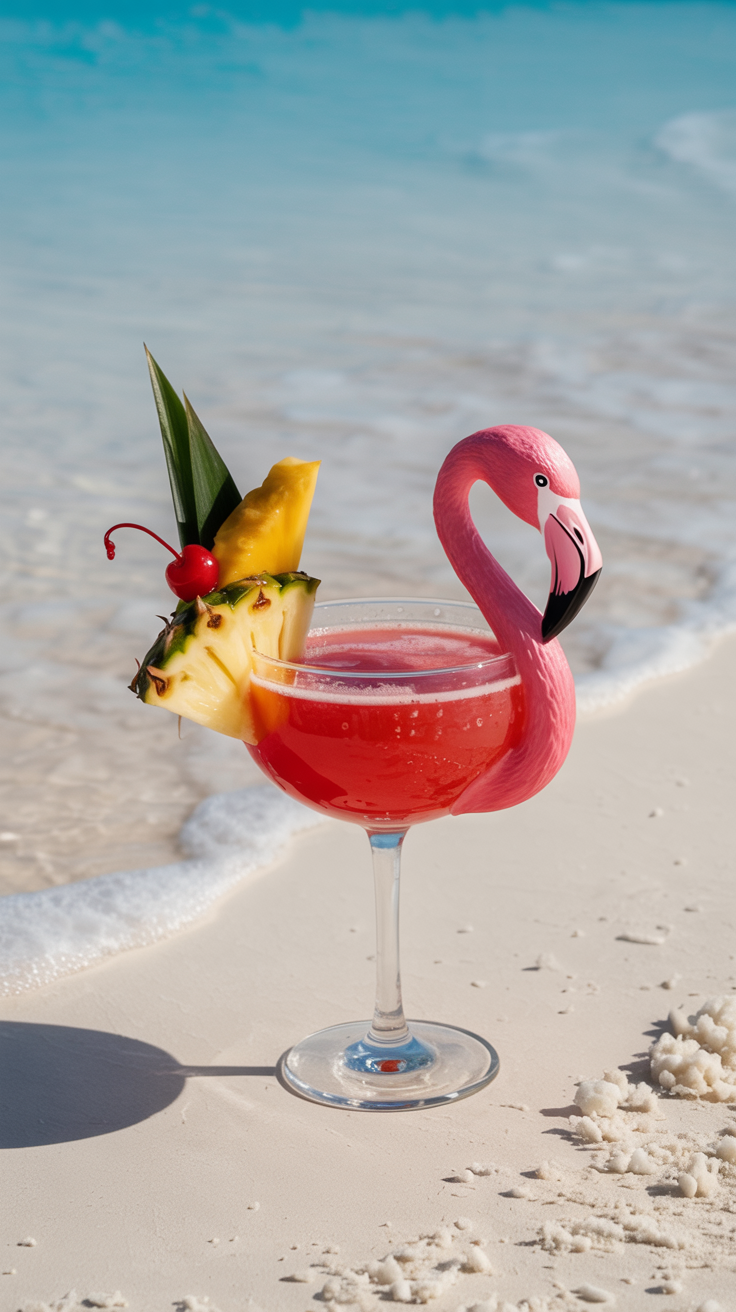
Cruise lines push drinks packages hard during booking, often with “limited time” discounts that create urgency. But here’s the maths: most packages cost £50-£70 per person per day. To break even, you’d need to drink 6-8 alcoholic beverages daily. That’s a lot.
Instead, try this:
- Bring your allowed wine or champagne onboard (usually 1-2 bottles per person)
- Buy a bottle at dinner instead of drinks by the glass – it’s better value
- Stick to wine at dinner and skip the poolside cocktails (they’re watered down anyway)
- Drink packages make sense if you’re a serious drinker or want premium coffees and fresh juices all day
For first-time cruisers, wait and see how much you actually drink on your first day before committing. You can usually buy the package onboard, though it costs a bit more.
Excursions: Stop Paying Double
This is where cruise lines make serious money, and it’s the easiest place to save. Their excursions are convenient and guaranteed to get you back to the ship on time, but you’re paying a premium – often 40-60% more than booking directly.
For a Rome cruise calling at Civitavecchia, here’s the comparison:
| Option | Cruise Line Price | DIY Price | What You Get |
|---|---|---|---|
| Rome bus tour | £120-£150 | £50-£70 (local operator) | Same tour, smaller group |
| Train to Rome | £80 (return shuttle) | £9-£12 (regional train) | More flexibility |
| Private transfer | £200+ | £120-£150 | Door-to-door service |
Taking the regional FR1 train from Roma Termini to Civitavecchia takes about 75 minutes and costs roughly £9-£12 one-way. From Civitavecchia station, the cruise terminal is a short taxi ride or even walkable. That’s a fraction of what the cruise line charges for their shuttle.
If you want a proper Rome experience on your port day, take the train into the city and explore on foot. The Pantheon is free to enter, as are many churches and piazzas. Book a timed entry for the Colosseum in advance online to skip queues, or do a self-guided walking tour hitting Trevi Fountain, Spanish Steps, and Piazza Navona. You’ll spend less and see more than on a crowded coach tour.
For those wanting authentic local dining in Rome on a budget, head to Trastevere or Testaccio instead of the tourist traps near major monuments. A proper trattoria lunch with pasta, wine, and coffee costs £15-£25 per person. Ask for tap water (acqua del rubinetto) and house wine to keep costs down. Check our Mediterranean cruise tips for more port-day strategies.
Cabin Selection: Where to Splurge and Where to Save
The cruise line’s upgrade offers during booking are designed to make you spend more. Sometimes they’re worth it. Often they’re not.
Inside cabins are perfectly fine if you’re not bothered about a window. You’re barely in the cabin anyway – most of your time is spent eating, drinking, or exploring ports. The money you save on an inside cabin can fund several nice dinners or excursions.
If you want a balcony, book a standard one instead of the “deluxe” or “premium” versions. The balcony size difference is minimal – maybe a foot wider – but the price jump is significant. Also, midship cabins on lower decks tend to be cheapest and have less motion if you’re prone to seasickness.
One trick: book a guarantee cabin. You pick the category (inside, ocean view, balcony) but let the cruise line assign your exact cabin later. You’ll get a lower rate, and sometimes they’ll upgrade you if that’s all they have left. The risk is you might get a less desirable location, but for the savings it’s often worth it.
Onboard Spending: Avoiding the Upsells
Once you’re onboard, the spending opportunities are endless. The casino, spa, photos, bingo, specialty dining, art auctions (don’t get me started on those). Here’s where to draw the line:
Specialty Restaurants
Most cruise ships include a main dining room and buffet in your fare. Specialty restaurants charge £25-£60 per person as a cover fee. The food is better, but not always £50 better. Try one if you’re celebrating something, but skip the others. The main dining room on most premium lines is excellent.
Spa and Salon
Spa treatments are absurdly expensive onboard – often double what you’d pay on land. If you must book one, do it on a port day when they sometimes offer discounts because fewer people are onboard. Better yet, book a massage or treatment at your port destination where prices are much lower.
Photos
The ship photographers are everywhere, snapping away. Those photos cost £15-£25 each or £200+ for a package. Just take your own photos. Ask other passengers to take couple or family shots. You don’t need a “professional” photo of you in front of a backdrop.
Casino and Bingo
The house always wins. If gambling is your thing, set a strict budget and stick to it. The free drinks while you play are only free if you’re losing money anyway.
Tipping and Service Charges
Most cruise lines auto-charge daily gratuities to your onboard account – around £12-£15 per person per day. This covers your cabin steward, dining room staff, and behind-the-scenes crew. You can technically remove these charges, but please don’t unless service was genuinely terrible. These crew members work incredibly hard for relatively low base pay and rely on tips. Learn more about cruise tipping expectations.
What you can skip: the automatic 18-20% gratuity added to bar bills and specialty dining. This is already included in the total, so there’s no need to add more unless service was exceptional.
All-Inclusive Options: Are They Worth It?
Some cruise lines like Virgin Voyages, Regent, or Silversea offer all-inclusive fares that bundle drinks, gratuities, WiFi, and sometimes excursions. The upfront cost looks shocking, but do the maths. If you’d spend £500-£700 per person on drinks, tips, and WiFi anyway, an all-inclusive fare might actually save money.
The psychology is different too. When everything’s included, you’re not constantly checking your onboard account or second-guessing every purchase. For some people, that peace of mind is worth paying a bit extra.
Smart Strategies for Solo Cruisers
Solo travellers usually get hit with a single supplement – sometimes up to double the per-person rate. It’s infuriating but it’s industry standard. A few lines like Norwegian and Cunard offer dedicated solo cabins at lower rates. Read our solo cruise guide for specific recommendations.
Another option: find a cabin-share programme or forum where solo cruisers pair up to split a cabin. You’ll share the space but avoid the single supplement. Just make sure you’re compatible first.
What You Actually Need to Pack (And What You Don’t)
Don’t buy a whole new wardrobe for your cruise. Most nights are casual. Even “formal” nights have become much more relaxed on most lines – a nice dress or jacket is fine, you don’t need a ball gown or tuxedo.
Things worth bringing from home:
- Sunscreen and aftersun (costs a fortune in the ship shop)
- Basic medicines like paracetamol and plasters
- Reusable collapsible water bottle (fill it at buffet stations)
- Power strip (cabins never have enough outlets)
- Your own wine if allowed
- A European power adapter for charging devices in port and onboard
- Compression packing cubes to maximize cabin storage space
- A portable charger for long port days exploring
Things not worth packing:
- Hairdryer (cabins have them, even if they’re rubbish)
- Beach towels (ship provides them for pool and port days)
- Formal wear you’ll never wear again
- Loads of books (ships have libraries, or bring a Kindle)
For Mediterranean cruises departing in spring or autumn, weather can be unpredictable. Pack a lightweight women’s rain jacket or men’s waterproof jacket that folds small. If you’re cruising in winter months or heading to Northern Europe, a packable puffer jacket keeps you warm without taking up half your carry-on luggage. A hanging toiletry organizer is brilliant for tiny cruise cabin bathrooms, and a cable organizer keeps all your chargers tidy. Don’t forget compression socks for travel on long flights to and from your cruise departure port.
Extend Your Stay in Rome or Civitavecchia
If you’re cruising from Civitavecchia, consider arriving a day or two early. Flight delays happen, and missing your ship is an expensive nightmare. Plus, you’ll actually get to see Rome properly instead of rushing through on a port day.
Budget-friendly accommodation in Civitavecchia includes small hotels like Hotel San Giorgio or B&B Il Mare di Roma near the harbour, where you’ll find clean rooms and easy access to the port and train station. Expect to pay £50-£80 per night for decent digs, which is far cheaper than hotels in central Rome.
For those wanting to base themselves in Rome itself, look at guesthouses in Testaccio or Trastevere rather than the overpriced options near Termini station. These neighbourhoods offer authentic local flavour, brilliant trattorie, and lower prices. A simple B&B room in Testaccio runs about £60-£90 per night, and you’re well-connected by public transport to both the cruise port and Rome’s main sights. The train from Roma Termini to Civitavecchia takes just over an hour, so you can easily store luggage at your hotel in Rome, explore the city, and catch an afternoon train to the port on sailing day.
Common Questions & FAQ
Can I really bring my own alcohol on a cruise ship?
Most cruise lines allow you to bring one or two bottles of wine or champagne per person in your carry-on luggage. Some also permit a limited amount of beer or soft drinks. Hard liquor is generally not allowed. Check your specific cruise line’s policy before packing, as rules vary. If you bring wine to dinner, many ships charge a corkage fee of around £15-£25 per bottle, but that’s still cheaper than buying multiple glasses at bar prices.
When is the absolute cheapest time to book a cruise?
There’s no single answer because it depends on the itinerary and time of year. Generally, booking about 6-12 months in advance gives you the best cabin selection at reasonable prices. However, last-minute deals (within 90 days of sailing) can offer significant discounts if you’re flexible on dates and cabin type. Wave season (January through March) often brings promotional offers, onboard credits, and reduced deposits across most cruise lines.
How much cash should I bring on a cruise?
You need very little cash onboard since everything charges to your cabin account. Bring some for tipping porters at embarkation (£3-£5 per bag), and have local currency for ports if you plan to shop at markets, take local transport, or visit smaller establishments that don’t accept cards. For most European ports, £50-£100 in euros per port day is plenty if you’re planning independent excursions. Keep your cash secure in an anti-theft messenger bag or anti-theft backpack when exploring ports.
Are cruise line excursions really that much more expensive than booking independently?
Yes, typically 40-60% more expensive. The trade-off is convenience and a guarantee that the ship will wait if your tour runs late (they won’t wait for independent excursions). For popular ports with easy transport links, booking independently makes sense. For remote ports with limited infrastructure or where language barriers are significant, cruise line excursions offer peace of mind even at higher prices.
Do I need travel insurance for a cruise?
Absolutely. Standard travel insurance often doesn’t cover everything cruise-specific, so look for policies that include missed port coverage, medical evacuation at sea, and cruise-specific cancellations. Medical care onboard is expensive and not included in your fare. If you need to be airlifted off the ship for emergency treatment, you’re looking at tens of thousands of pounds without proper insurance. Don’t skip this to save money.
What happens if I go over my onboard spending budget?
Your onboard account works like a running tab charged to your credit card or paid with a deposit. The cruise line will charge your card periodically during the voyage, and you’ll get a final statement on the last night. If you’re worried about overspending, you can prepay a set amount and ask guest services to alert you when you’re close to the limit, or switch to a cash-only account on some cruise lines where you must settle up every few days.
Is it cheaper to cruise as a couple or with a family?
Per person, cruises are usually cheaper for families because most cabins accommodate up to four people at a lower per-person rate for the third and fourth guests (often kids). Solo travellers pay the most due to single supplements. Couples pay standard double occupancy rates. If you’re a family of four, booking one cabin with two adults and two children almost always works out better value than couples booking separate getaways.
Should I prepay gratuities or pay them onboard?
Prepaying gratuities when you book locks in the current rate and means one less charge to think about onboard. Some cruise lines offer a small discount for prepaying. The downside is if you need to adjust tips due to service issues, it’s more hassle to sort out. Paying onboard gives you flexibility to adjust amounts based on your actual experience, but you’ll see those daily charges adding up on your account statement throughout the cruise.
Personal Experience
The biggest lesson I learned from Sarah was to treat the cruise fare like a starting point, not a final price. Now I actually budget for the real total cost before I even start looking at sailings. I set aside what I’m willing to spend overall, then work backwards. If I’ve got £3,000 total for two people, I look for cruises where the fare plus all the extras I actually want will fit that budget. Sometimes that means choosing a shorter sailing or an inside cabin instead of a balcony. Sometimes it means picking a different cruise line altogether.
The freedom of knowing exactly what you’ll spend – and not constantly worrying about your onboard account – made our second cruise so much more enjoyable. We felt in control instead of nickeled and dimed at every turn. That’s what I want for you too. Cruise lines will always try to upsell you because that’s their business model, but now you know the tricks and how to sidestep them. Book smart, spend on what matters to you, and skip the rest. You’ll have a brilliant time and come home without the post-holiday money regret.