
Louisbourg is a historic fishing village on Cape Breton Island, Nova Scotia, famous for the Fortress of Louisbourg National Historic Site – a partial reconstruction of an 18th-century French fortified town. Cruise visitors can explore the fortress, enjoy coastal scenery, visit local restaurants serving fresh seafood, and experience authentic period demonstrations and exhibits.
Quick Port Facts
| Fact | Detail |
|---|---|
| Port Location | Eastern shore of Cape Breton Island, Nova Scotia |
| Port Type | Small harbour facility with ISPS-compliant cruise operations |
| Docking | Tender or dock depending on vessel size and harbour conditions |
| Main Attraction | Fortress of Louisbourg National Historic Site (10 minutes by taxi) |
| Walkability from Port | Limited – town centre short walk, fortress requires transport |
| Currency | Canadian Dollar (CAD) |
| Language | English (some French heritage) |
| Port Website | Cruise Atlantic Canada – Louisbourg |
Want to know more about other Canada cruise ports along the Atlantic coast?
Louisbourg Map
Louisbourg sits on the eastern coastline of Cape Breton Island in Nova Scotia. The harbour area is adjacent to the small town centre, with the Fortress of Louisbourg National Historic Site located about 3 kilometres south along Route 22. The harbour faces the Atlantic Ocean and several coastal walking trails extend from the fortress area along the shoreline.
Can You Walk to Town from the Port?
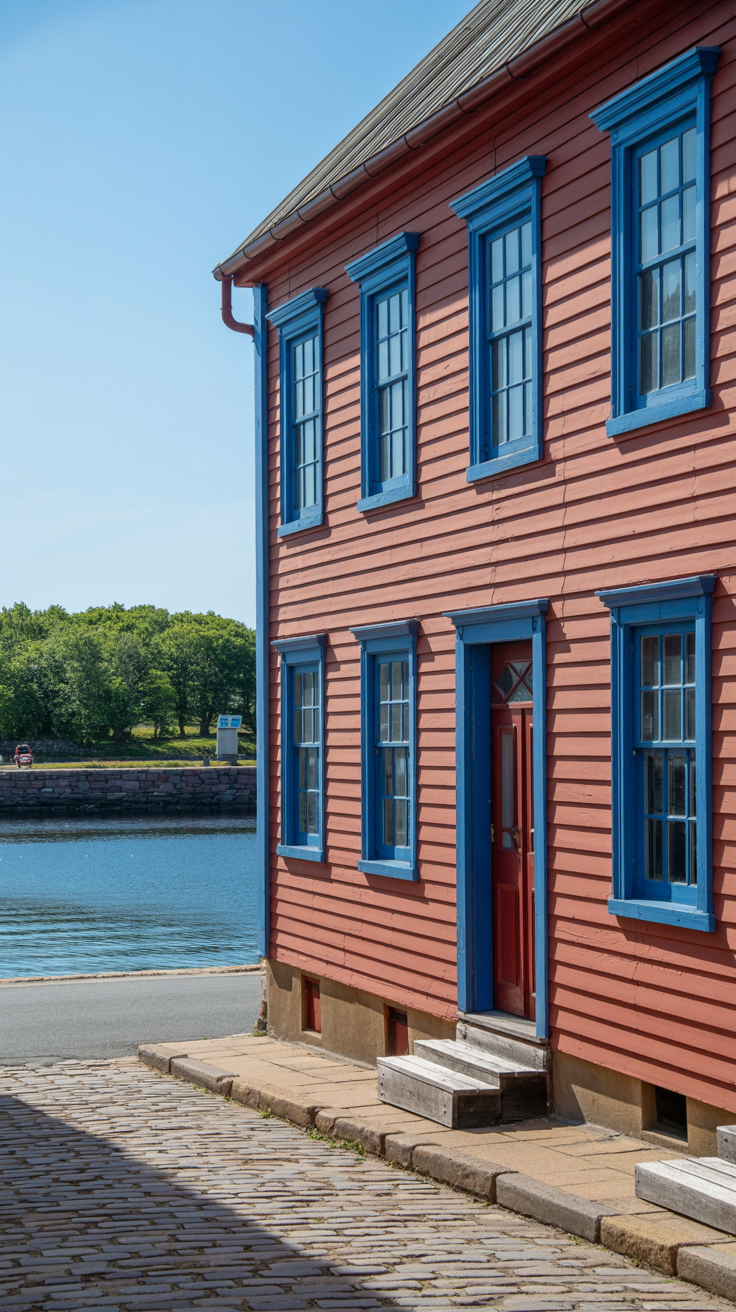
The port area in Louisbourg is close to the town centre, making it walkable for basic amenities and a feel for local life. However, the main attraction – the Fortress of Louisbourg – requires transport.
- Port to town centre: A short walk of 5-10 minutes gets you to Louisbourg’s main street with local shops, cafés, and the harbour area. The terrain is flat and manageable.
- Port to Fortress: The fortress is about 3 kilometres from the harbour along Route 22. This is not a comfortable walk, especially if your port time is limited. The route follows a busy road without consistent footpaths. Take a taxi or arrange transport.
- Local walking trails: Several excellent trails start from the fortress area and harbour, including the Old Town Trail and Lighthouse Trail. These are purpose-built for walking but require getting to the trailheads first.
- Weather considerations: Cape Breton’s coastal weather can be unpredictable with wind and fog. Bring layers and waterproofs even in summer months. A packable rain jacket is essential for coastal walks where weather can change quickly.
How to Get Around from Louisbourg & Shore Transportation
Transport options in Louisbourg are limited compared to larger cruise ports. Most visitors either book ship excursions or arrange taxis at the port. The harbour authority typically coordinates with local taxi services for cruise arrivals.
Taxis
- Taxis wait at the port area when cruise ships are in, or the harbour staff can call one for you.
- Confirm the fare to the fortress before setting off – expect around CAD 15-20 for a one-way trip to the fortress entrance.
- Ask your driver to return at a specific time, or get their mobile number to call when you’re ready to return. Taxis don’t queue at the fortress like they do at major tourist sites.
- If you want to visit multiple locations (fortress, lighthouse trail, town), negotiate a hourly rate. Some drivers offer informal tours of the area.
Ship-Organized Excursions
- Most cruise lines offer a standard fortress tour, typically 4-5 hours including transport and guided time inside the site.
- These guarantee you’ll return to the ship on time and include priority transport, which matters when multiple passengers are trying to get taxis simultaneously.
- Read reviews carefully. Some past visitors have reported issues with no-show operators or misrepresented itineraries when booking through third parties rather than directly through the cruise line.
- Ship excursions often don’t allow much free time in the town itself, so if you want to poke around local shops or try a harbourside restaurant, independent travel works better.
Walking
- Once you’re at the fortress, everything is walkable within the site itself. Budget 3-6 hours to see the reconstructed town properly.
- The coastal trails near the fortress are designed for walking and range from easy (Old Town Trail at 2.25 km) to more rugged options (Simon’s Point Trail).
- Wear proper walking shoes. The fortress streets are cobblestoned and uneven, and the coastal trails can be rocky with exposed roots. Comfortable walking shoes with good grip are essential for both the cobblestones and potentially muddy coastal paths.
What to See Within Walking Distance from the Port
The port area itself offers limited attractions, but the town centre is an easy stroll with a few spots worth visiting if you’re staying local or waiting for transport.
- Louisbourg Harbour: The working harbour has fishing boats and a pleasant waterfront atmosphere. Good for photos and a sense of the town’s maritime heritage. 5 minutes from port on foot.
- Main Street shops and cafés: A handful of craft shops, small galleries, and local eateries line the main street. This isn’t a shopping destination, but you’ll find locally made items and a few spots for coffee or a quick bite. 5-10 minutes from port.
- Local fishing heritage: Louisbourg remains an active fishing community. You’ll see lobster traps, fishing gear, and the daily rhythms of a working harbour – far more authentic than many cruise ports.
Everything else worth seeing requires transport or is part of the fortress/trail network located away from the harbour.
Must See Attractions in Louisbourg for a One Day Cruise Visit
Your port day in Louisbourg realistically centres on one major attraction with time for a coastal walk and a meal. Don’t try to pack too much in – this is a place to slow down and absorb the history and scenery.
Fortress of Louisbourg National Historic Site
- What it is: A partial reconstruction of an 18th-century French fortified town, one of the largest historical reconstructions in North America. About one-quarter of the original fortress has been rebuilt based on extensive archaeological research and historical records.
- Why it matters: This isn’t a static museum. Costumed interpreters stay in character as soldiers, merchants, servants, and residents of the 1740s town. You can watch musket demonstrations, see period cooking, visit authentic interiors, and get a vivid sense of colonial life. It’s genuinely immersive.
- Time needed: Allow 3-4 hours minimum. The site is large and there’s a lot to see. You’ll walk cobblestone streets between buildings, watch demonstrations, and likely want to stop at the on-site restaurant or bakery. Rushing through defeats the purpose.
- Practical tips: Entry fees apply (check Parks Canada website for current rates). The fortress operates seasonally, typically June through October, with full programming in summer months. Outside this window, some buildings may be closed and fewer interpreters are on-site. Wear comfortable shoes – the terrain is uneven and there are stairs. The site is partially accessible but the historic nature means some buildings have limitations. Book ahead if you want to dine at Restaurant de la Marine inside the fortress.
Lighthouse Trail
- What it is: A 2-kilometre coastal loop trail offering views of the Louisbourg Lighthouse, the site of Canada’s first lighthouse, and the North Atlantic coastline. The trail is maintained by Parks Canada and starts near the fortress area.
- Why it matters: This gives you the coastal Cape Breton experience with dramatic ocean views, seabirds, and the iconic red and white lighthouse. It’s a beautiful contrast to the fortress visit and genuinely memorable scenery.
- Time needed: 45 minutes to 1 hour for the loop at a comfortable pace, plus time for photos. The terrain is moderate with some uneven sections.
- Practical tips: Access via Havenside Road following lighthouse signs from the fortress area. Open year-round but can be very windy and foggy. Dress in layers and bring waterproofs. Sturdy footwear is essential – the trail can be wet and rocky. There’s limited parking at the trailhead. Compact binoculars are perfect for spotting seabirds and enjoying distant coastal views along the trail.
Old Town Trail
- What it is: A 2.25-kilometre shorefront trail with interpretive panels telling Louisbourg’s 300-year history. The trail runs south of the fortress along Route 22 with harbour views.
- Why it matters: This is the easiest walking trail in the area and gives historical context to the fortress visit. The panels explain how the original town developed, its strategic importance, and what life was like beyond the fortress walls.
- Time needed: 30-45 minutes at an easy pace. The trail is wheelchair accessible and flat.
- Practical tips: Parking available at multiple access points along Route 22. Open year-round. Good option if you have limited mobility or want a gentle walk with educational value. Combine with a fortress visit as they’re close together.
Ruins Walk
- What it is: A 2-kilometre coastal path featuring preserved foundations of 18th-century buildings including a hospital, convent, and other structures from the original fortress town. These are authentic ruins, not reconstructions.
- Why it matters: Seeing the actual archaeological remains provides context for the reconstructed fortress. The foundations are stabilised and interpreted with signage. It’s a quieter, more contemplative experience than the busy reconstructed town.
- Time needed: 45 minutes to 1 hour including time to read the interpretive information at each ruin site.
- Practical tips: Access via the Fortress of Louisbourg National Historic Site. Open year-round. The coastal location means it can be exposed to wind and weather. The path is generally good but less developed than the Old Town Trail.
Restaurant de la Marine (Inside the Fortress)
- What it is: A period-themed restaurant inside the fortress serving meals based on 18th-century recipes and ingredients, with a focus on local seafood including lobster.
- Why it matters: Eating inside the fortress while staff stay in character extends the immersive experience. The food is genuinely good, not just a gimmick, and showcases Nova Scotia seafood. It’s a memorable way to spend part of your port day.
- Time needed: Allow 1-1.5 hours for a relaxed meal including service.
- Practical tips: Open seasonally (June to October typically). No reservations required for small groups but it can get busy at peak lunch times. Prices reflect the unique setting and quality ingredients. There are also quick options like Café L’Épée Royale and The King’s Bakery inside the fortress if you want something faster.
Port Day Itinerary: Things to Do in 8 Hours
Here’s a realistic schedule that fits a typical 8am-4pm port day in Louisbourg, assuming your ship docks or tenders early morning.
- 8:00-8:30am | Disembark and arrange transport: Get off the ship, clear any port formalities, and grab a taxi to the fortress. If you’ve pre-booked a ship excursion, meet your group as directed. The 10-minute drive gives you harbour views and a sense of the landscape.
- 8:30-9:00am | Arrive at Fortress and enter: Purchase your entry ticket (or use your Parks Canada pass if you have one). Take a few minutes to orient yourself with the site map. Staff at the entrance can suggest highlights based on your interests and mobility.
- 9:00am-12:00pm | Explore the Fortress: Spend the morning wandering the reconstructed streets, visiting key buildings like the Governor’s Apartment, soldiers’ barracks, and merchant houses. Watch scheduled demonstrations – musket firing, bread baking at The King’s Bakery, and interpreter-led discussions about daily life. Take your time and soak in the atmosphere rather than rushing through.
- 12:00-1:15pm | Lunch at Restaurant de la Marine: Book a table when you arrive in the morning if it’s busy. Enjoy a leisurely lunch of period-inspired dishes. The lobster is excellent if you’re willing to splurge. This keeps you in the immersive environment rather than breaking the spell by leaving the site.
- 1:15-2:30pm | Lighthouse Trail walk: Drive or taxi to the Lighthouse Trail trailhead (5 minutes from fortress). Walk the coastal loop, taking in the lighthouse views and Atlantic scenery. This gives you fresh air and exercise after the morning’s historical immersion. Bring your camera – the lighthouse with breaking waves makes for classic Cape Breton photos.
- 2:30-3:15pm | Return to Louisbourg town: Head back to the harbour area and spend 30-45 minutes wandering the main street. Grab a coffee at a local café, browse craft shops for souvenirs, or simply sit by the harbour and watch fishing boats. This is your buffer time and lets you see the contemporary community alongside the historical site.
- 3:15-3:45pm | Return to ship: Take your taxi back to the port with plenty of time before all-aboard. This buffer accounts for any delays and means you’re not stressed about making it back.
This timing works comfortably without feeling rushed, and includes travel time, a proper meal, and variety between historical exploration and natural scenery. If you’re particularly interested in history, you could skip the town time and spend longer at the fortress or add the Ruins Walk instead.
Where to Eat Near the Port
Louisbourg isn’t a culinary destination with dozens of options, but you’ll find honest, good-quality food focused on fresh seafood. The town caters to locals and a modest number of tourists, so restaurants are straightforward rather than fancy.
- Inside the fortress: Restaurant de la Marine serves the most unique experience with period-themed dishes including lobster, fish, and historically inspired preparations. Expect to pay CAD 25-40 for a main course. Café L’Épée Royale offers coffee, pastries, and light bites for CAD 5-12. The King’s Bakery sells fresh bread and baked goods – great for a snack. All operate seasonally June-October.
- Louisbourg town harbour area: A few local restaurants and cafés serve fish and chips, seafood chowder, and other Maritime staples. Portions are generous and prices reasonable (CAD 15-25 for fish and chips with sides). These are working-class eateries serving locals, not tourist traps. Ask harbour staff or taxi drivers for current recommendations as some spots are seasonal.
- Local speciality: Fresh lobster is the signature dish of this area. If you’re visiting during lobster season (typically May-July), it’s everywhere and incredibly fresh. Expect to pay CAD 30-45 for a full lobster dinner with sides. Some spots offer lobster rolls for CAD 18-25 – a good option if you want to try it without committing to a full formal meal.
- Quick options: If you need something fast between activities, the fortress café and bakery work well. In town, look for small cafés with takeaway options. This isn’t a place with international fast food chains – you’ll find locally run spots or nothing.
- Food safety: Tap water is safe to drink. Nova Scotia has strict food safety standards so you can eat confidently at any established restaurant. Fresh seafood is extremely fresh here given the fishing industry, but if you have shellfish allergies, be careful as cross-contamination can occur in kitchens that process a lot of lobster and crab.
Shopping: What to Buy & Where to Go
Louisbourg is not a shopping port. Set your expectations accordingly – this is a historic and natural heritage destination, not a retail hub. That said, you’ll find a few locally made items worth considering.
- Local crafts and art: Small galleries and craft shops on Louisbourg’s main street sell work by Cape Breton artisans. Look for knitted woolens, pottery, paintings of local landscapes, and woodwork. These are genuine local products, not mass-produced tourist tat. Prices reflect handmade quality (CAD 30-100+ depending on the item).
- Fortress gift shop: The Parks Canada gift shop at the fortress sells books about Louisbourg’s history, reproduction period items, and Canadian heritage products. Good option if you want something connected to your visit. Prices are reasonable for museum shop standards.
- Maple syrup and local food: Some shops carry Nova Scotia maple syrup, preserves, and other packaged food products. These make practical souvenirs and are distinctly Canadian. Check customs regulations for your home country before buying perishables.
- What not to expect: There are no duty-free shops, luxury boutiques, or international brand stores. Don’t plan shopping time as a major part of your port day. If shopping is important to you, nearby Sydney, Cape Breton Island has more options.
- Shop hours: Small-town shops typically open 9am-5pm or 10am-6pm in summer months. Some may close outside peak season or on Sundays. Don’t expect consistent hours – if you see something you want, buy it rather than planning to return later.
Safety Tips & Avoiding Scams
Louisbourg is a small, safe community with minimal crime affecting tourists. The main issues relate to tour operator reliability and transport overcharging rather than street crime or aggressive scams.
- Tour operator reliability: Some independent operators booking through third-party platforms have had issues with no-shows or tours that don’t match descriptions. To avoid this, book through your cruise line’s official shore excursions, or use established operators recommended by the port authority or Cruise Atlantic Canada. Get written confirmation of meeting times, locations, and what’s included in the price.
- Taxi overcharging: With limited taxi services and captive cruise passenger demand, some drivers may quote inflated prices. Agree on the fare before getting in the vehicle. A reasonable rate to the fortress is CAD 15-20 one way. If quoted significantly more, politely decline and find another taxi or ask harbour staff for assistance.
- Private property near harbour: Some areas around the working harbour are private docks and wharves. Stay on public walkways and marked paths. If you’re unsure, ask rather than wandering into restricted areas.
- Weather hazards: Coastal fog, wind, and sudden weather changes are common. If you’re walking trails, stay on marked paths. The Lighthouse Trail in particular can be slippery when wet. Don’t take risks near cliff edges for photos – the terrain can be unstable.
- Wildlife: Cape Breton has black bears and other wildlife. They’re rarely seen near the town or fortress but are present on more remote trails. Make noise while walking, don’t approach animals, and never feed wildlife.
Emergency Contacts
- Police, Fire, Ambulance (emergency): 911
- RCMP Louisbourg (non-emergency): 1-902-733-2560
- Cape Breton Regional Hospital (Sydney): 1-902-567-8000 (closest major hospital, about 30 minutes from Louisbourg)
- Destination Cape Breton (tourism assistance and local contacts): 1-902-563-4636 or information@visitcapebreton.com
- Louisbourg Visitor Information Centre: 1-902-733-2720
- Parks Canada Louisbourg (fortress-related issues): 1-902-733-3552
Save your cruise ship’s emergency contact number in your phone before going ashore. Your ship can coordinate with local authorities if needed and should be your first call for serious issues.
Essential Items for Your Day in Louisbourg
Louisbourg’s combination of historical site exploration, coastal walks, and unpredictable Atlantic weather means packing the right items makes a significant difference to your comfort and experience. Here’s what to bring for your port day:
- Layered clothing: Cape Breton’s coastal climate can shift from sunny to foggy within an hour. Merino wool base layers for women or merino wool base layers for men provide excellent temperature regulation under your regular clothes, keeping you warm without bulk when the sea breeze picks up.
- Waterproof protection: A packable rain jacket is essential even on days that start sunny. The fortress grounds and coastal trails offer limited shelter from sudden showers. If you prefer more coverage, a rain poncho works well over your daypack.
- Comfortable footwear: The fortress cobblestones and coastal trails demand proper shoes. Women’s walking shoes or men’s walking shoes with good grip handle both uneven historic streets and potentially muddy trail sections. Consider blister prevention products if your shoes aren’t fully broken in.
- Sun protection: Even on overcast days, UV exposure is significant on exposed coastal trails. Bring sunglasses for men or sunglasses for women, and a packable sun hat provides valuable protection during long periods outdoors.
- Viewing equipment: Compact binoculars enhance your experience on the Lighthouse Trail for bird watching and viewing distant coastal features.
- Practical carry items: An anti-theft backpack or anti-theft crossbody bag keeps your essentials secure while leaving your hands free for photos and exploring. Keep your passport holder and RFID blocking wallet secure with your important documents and Canadian currency.
- Electronics support: A portable phone charger ensures your phone lasts through extensive photo-taking at the fortress and trails. Your cruise lanyard keeps your ship card accessible for easy boarding when you return.
- Hydration: A collapsible water bottle takes up minimal space in your bag but keeps you hydrated during several hours of walking around the fortress and trails.
- Health essentials: Bring hand sanitizer for use before eating at fortress cafés or after touching historical exhibits. If you’re prone to motion sickness on coastal walks or in the taxi, motion sickness patches can help.
Currency, ATMs & Money Matters
Canada uses the Canadian Dollar (CAD), and you’ll need cash or cards that work in Canada for your port day in Louisbourg.
- Currency: Canadian Dollars (CAD). The exchange rate fluctuates but expect roughly 1 CAD = 0.55-0.60 GBP. US Dollars are sometimes accepted at tourist sites but you’ll get a poor exchange rate. Convert to CAD for better value.
- ATMs: There’s at least one ATM in Louisbourg town centre, but don’t rely on multiple options. Withdraw what you need when you first arrive or before leaving the ship if your vessel has currency exchange. The fortress and many small shops prefer cash, though cards are increasingly accepted.
- Card acceptance: The fortress entrance, Restaurant de la Marine, and established businesses accept major credit cards (Visa, Mastercard). Some small cafés and craft shops are cash-only. Contactless payment is common in Canada. Let your bank know you’re traveling to avoid card blocks.
- Exchange options: Your cruise ship may offer currency exchange, though rates won’t be competitive. There’s no currency exchange office in Louisbourg itself. If you need significant amounts of CAD, exchange before your cruise or withdraw from ATMs.
- Typical costs: Budget CAD 25-50 per person for entry fees and a meal if you’re visiting independently. A full lobster dinner adds another CAD 30-45. Taxis run CAD 15-20 each way to the fortress. Allow CAD 100-150 per person for a comfortable day including food, transport, and entry fees.
- Tipping: Canadian tipping customs apply – 15-20% in restaurants for good service, round up taxi fares or add CAD 2-5, and CAD 1-2 for coffee shop service if there’s a tip jar. Tipping isn’t expected at Parks Canada sites like the fortress entrance.
- Bank notification: If you’re using UK or EU cards, notify your bank you’ll be in Canada to prevent fraud blocks. Canada is flagged as a fraud risk by some European banks due to distance and different payment systems.
Weather by Month
| Season | Months | Temperature Range | Conditions & What to Pack |
|---|---|---|---|
| Late Spring | May-June | 10-18°C (50-64°F) | Cool and often foggy with some sunny days. Pack layers, a waterproof jacket, and long trousers. The fortress opens for the season in June with full programming. May can be quiet with limited services. |
| Summer | July-August | 15-23°C (59-73°F) | Warmest and driest months but still unpredictable. Sunny days can turn foggy within hours. Bring layers you can remove, sunscreen, and a light rain jacket. Best time to visit with all attractions and restaurants fully open. Busiest season for cruise calls. |
| Early Autumn | September-October | 10-18°C (50-64°F) | Cooler with beautiful autumn colours inland. Weather becomes more unsettled with frequent rain and wind. Pack warm layers, waterproofs, and sturdy shoes. The fortress typically closes mid-to-late October for the season. Quieter period with fewer crowds. |
| Late Autumn/Winter | November-April | -5 to 5°C (23-41°F) | Cold with snow, ice, and harsh coastal winds. The fortress is closed and most cruise ships don’t call during this period. Not recommended for cruise visits as facilities are shuttered and weather is challenging. |
Cape Breton’s coastal location means weather is changeable year-round. Even in summer, bring layers and waterproofs. The wind off the Atlantic can make it feel much colder than the actual temperature, especially on exposed coastal trails.
Common Questions & FAQ
Is Louisbourg wheelchair accessible?
The port area and town centre are generally flat and accessible, though some footpaths are uneven. The Fortress of Louisbourg is partially accessible – the main streets and several buildings have ramps and accessible routes, but the historical nature means some structures have stairs and cobblestones that limit full access. The Old Town Trail is wheelchair accessible as it’s paved and flat. Other coastal trails are not suitable for wheelchairs due to terrain. Contact Parks Canada in advance (1-902-733-3552) to arrange assistance and discuss which areas you can access comfortably. Taxis can accommodate folding wheelchairs but purpose-built accessible vehicles are limited – arrange through your cruise line if you need specialist transport.
Can I visit both Louisbourg and Baddeck on the same port day?
No, not comfortably. Baddeck, Cape Breton Island is about 90 minutes’ drive from Louisbourg on the opposite side of the island. If your ship calls at both ports on separate days, you’ll have time to see each properly. Attempting both in one day means you’ll spend 3+ hours in the car and have minimal time at either location. Focus on Louisbourg and its immediate area – the fortress alone deserves most of your port day.
Do I need to book fortress entry in advance?
Advance booking isn’t typically required at the Fortress of Louisbourg – you can purchase tickets at the entrance on arrival. However, during peak summer months (July-August) when multiple cruise ships call, there can be queues. If you’re on a ship excursion, entry is usually included and pre-arranged. For independent visitors, arriving early morning helps avoid crowds. Check the Parks Canada website closer to your visit date for any changes to entry procedures or if timed tickets have been introduced.
Is there free WiFi at the port or in Louisbourg?
Free public WiFi is limited in Louisbourg. Some cafés and restaurants may offer WiFi to customers, but don’t expect reliable connectivity like you’d find in larger cities. Your UK mobile provider may include Canada in international roaming packages, or you can purchase a local SIM card in Sydney or Halifax if you visited those ports earlier in your cruise. The fortress doesn’t advertise free WiFi for visitors. If you need connectivity to coordinate meeting points or check ship information, arrange your plan before going ashore.
What happens if weather closes the coastal trails?
The coastal walking trails around Louisbourg can close temporarily in severe weather, particularly high winds or storms. The Lighthouse Trail and more exposed paths are most affected. The Fortress of Louisbourg itself remains open in most weather, though outdoor demonstrations may move indoors or be cancelled in heavy rain. If you’re visiting on a marginal weather day, check with Parks Canada staff at the fortress entrance about current trail conditions. Have a backup plan that focuses on indoor time at the fortress, town shops, and Restaurant de la Marine if the weather turns nasty.
Can I see whales from Louisbourg?
Cape Breton waters host whales, particularly pilot whales, minke whales, and occasionally humpbacks, but Louisbourg itself isn’t a prime whale-watching location. You might spot marine life from coastal trails like the Lighthouse Trail, but sightings aren’t guaranteed. If whale watching is important to you, dedicated boat tours operate from other Cape Breton locations like Pleasant Bay or Cheticamp, but these are too far for a Louisbourg port day. Keep your expectations modest – any whale sighting from shore is a bonus rather than something to plan around.
Is photography allowed inside the Fortress of Louisbourg?
Yes, personal photography is allowed and encouraged throughout the Fortress of Louisbourg for non-commercial use. The costumed interpreters are accustomed to photos and often pose happily. Some buildings have dim lighting that makes interior photography challenging – a phone camera or compact camera works fine, but serious photographers should bring equipment that handles low light. Tripods may be restricted in some buildings due to space and visitor flow. If you’re planning commercial photography or video (including for social media monetisation), contact Parks Canada in advance for permission and any applicable fees.
Are dogs allowed at the fortress and on trails?
Pets are not allowed inside the Fortress of Louisbourg National Historic Site buildings, but you can walk them on leash in the exterior grounds and parking areas. Dogs are permitted on the coastal trails like the Lighthouse Trail and Old Town Trail provided they’re kept on leash and you clean up after them. If you’re traveling with a service animal, it’s welcome throughout the fortress – notify staff when you arrive so they can advise on the most accessible routes. Most cruise passengers won’t be traveling with pets, but if you’ve arranged to bring your dog ashore for medical or other reasons, these are the current rules.
Personal Experience
When our cruise ship docked at Louisbourg, I wasn’t sure what to expect from this small Cape Breton port, but it turned out to be one of those surprisingly memorable stops. The Fortress of Louisbourg is absolutely the main attraction here, and for good reason. It’s about a 10-minute drive from the port, and stepping into this recreated 18th-century French fortress feels like walking onto a movie set. Costumed interpreters stay in character, going about their daily routines as soldiers, merchants, and townsfolk. You can easily spend a few hours wandering the cobblestone streets, watching musket demonstrations, and sampling period food at the tavern. Just wear comfortable shoes because there’s quite a bit of walking on uneven surfaces.
Back in the town of Louisbourg itself, the atmosphere is wonderfully low-key. The main street has a handful of craft shops and cafés where locals actually stop to chat with you about the area. I grabbed fish and chips at a harbourside spot that clearly sources everything fresh that morning. Getting around is straightforward – taxis wait at the port, or you can arrange a tour through your ship that hits the fortress and gives you some free time in town. The whole experience feels authentic rather than overly touristy, which is refreshing when you’re used to cruise ports packed with jewelry stores and chain restaurants. If you’re looking for practical cruise tips for ports like this, or you’re new to cruising and want to understand what to expect from smaller, heritage-focused calls, Louisbourg is an excellent example of what makes Canadian Atlantic cruising special.