
Prince Rupert is a cruise port in northern British Columbia serving as a gateway to Alaska cruises. Located on Kaien Island, it offers access to wilderness attractions including bear viewing, salmon fishing, and indigenous cultural sites. The port features a modern terminal with shops and visitor services near the historic downtown Cow Bay district.
Quick Port Facts
| Fact | Detail |
|---|---|
| Terminal Name | Northland Cruise Terminal |
| Location | Cow Bay area, Kaien Island |
| Terminal Size | Approximately 4,000 square feet |
| Maximum Ship Size | Up to 300 meters LOA, 15 meters draft |
| Distance to Downtown | Approximately 2 km (walkable) |
| Airport Distance | 9-10 km to Prince Rupert Regional Airport |
| Walkability | Excellent – Cow Bay shops and restaurants within 5-15 minutes |
| Official Port Website | rupertport.com |
Want to know more about other Canada cruise ports along the Pacific coast?
Prince Rupert Map
Prince Rupert sits on Kaien Island in northwest British Columbia, about 720 km from Vancouver. The Northland Cruise Terminal is located right in the Cow Bay district, making it one of the most conveniently positioned cruise terminals you’ll find on an Alaska cruise. The Atlin Promenade connects the terminal directly to shops, restaurants, and the main harbor area.
Can You Walk to Town from the Port?
Prince Rupert is brilliantly walkable from the cruise terminal. The Northland Terminal sits right in Cow Bay, which means you’re already in one of the most interesting parts of town when you step off the ship.
- The Atlin Promenade leads directly from the terminal to Cow Bay’s shops and restaurants in roughly 5-15 minutes
- Downtown Prince Rupert is about 10-20 minutes on foot from the terminal, an easy flat walk along the waterfront
- The Museum of Northern British Columbia is roughly 0.6-0.9 miles away, making it a comfortable 15-20 minute stroll
- Rushbrook Trail and Seal Cove are accessible via a scenic waterfront path that takes 15-40 minutes depending on how far you want to go
- Weather can be wet and misty, so bring a waterproof jacket and comfortable walking shoes with good grip
- The Guest Information Center is right in the Atlin Market Building near the terminal, making it an ideal first stop for maps and recommendations
How to Get Around from Prince Rupert & Shore Transportation
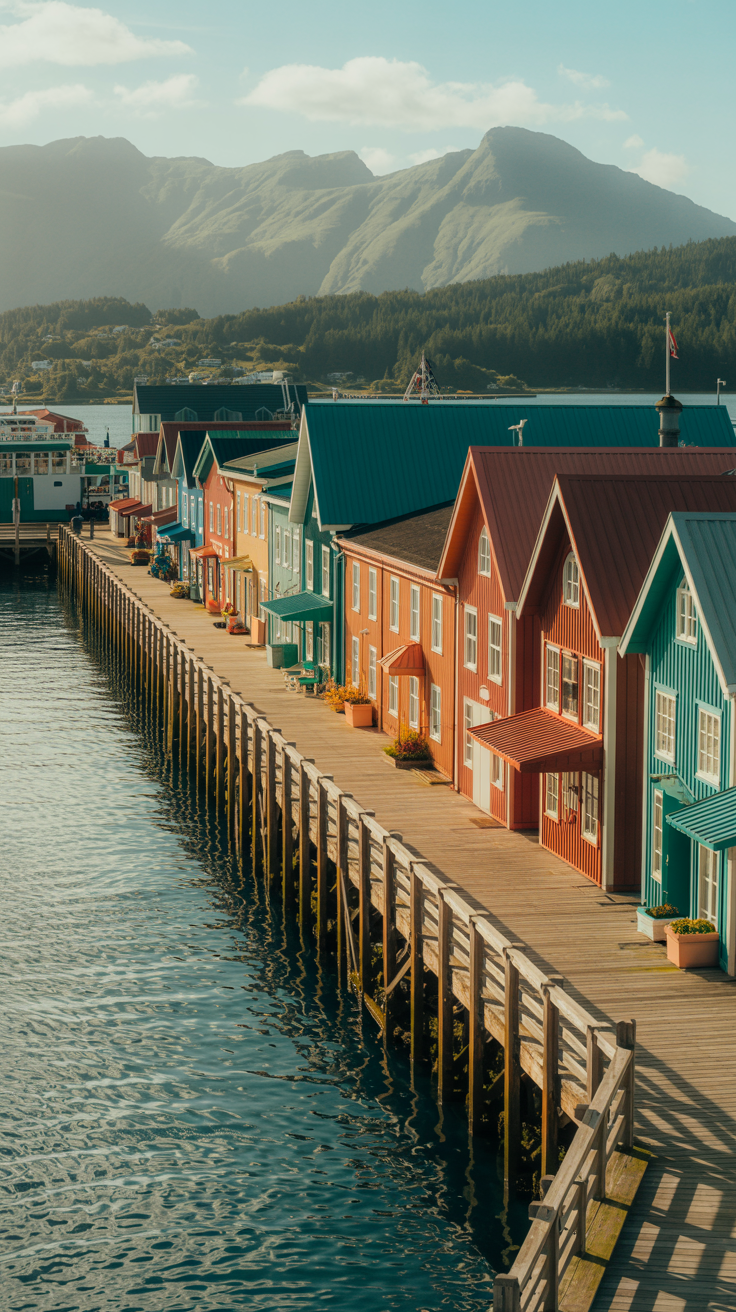
While Prince Rupert is compact enough to explore on foot, you’ll need transport if you’re heading to attractions outside the downtown core like the North Pacific Cannery or wildlife viewing sites.
Taxis and Ride Services
- Taxis are readily available near the terminal and throughout downtown
- Always agree on the fare before starting your journey or ensure the meter is running
- Expect to pay around CAD $15-25 for trips within town or to nearby attractions
- For the North Pacific Cannery, reckon on CAD $40-60 for a return journey including waiting time
- Book a phone number with a local taxi company at the Guest Information Center if you plan multiple trips
Shore Excursions
- Cruise line excursions depart from the terminal plaza and often include bear watching, fishing heritage tours, and indigenous cultural experiences
- These guarantee you’ll be back to the ship on time, which matters in a port with limited sailing windows
- Independent tour operators meet guests at or near the terminal, but verify their credentials and exact itinerary before paying
- The Guest Information Center can recommend verified local operators
Car Rentals
- Car rental agencies operate in Prince Rupert, though availability may be limited on cruise days
- Most useful if you’re staying pre or post-cruise rather than for a single port day
- Driving to the North Pacific Cannery or scenic spots like Port Edward takes about 20-30 minutes
Walking
- The best option for most cruise passengers given the terminal’s location
- Flat terrain around Cow Bay and downtown makes it accessible for most fitness levels
- Waterfront trails offer scenic routes but can be uneven in places
What to See Within Walking Distance from the Port
The Northland Terminal’s location in Cow Bay means you’re surrounded by interesting stops right from the gangway.
- Cow Bay District: This colorful waterfront neighborhood is literally outside the terminal. You’ll find murals, galleries, quirky shops, and seafood cafés lining the harbor. It’s the heart of Prince Rupert’s character and takes about 5-15 minutes to explore thoroughly, though you could easily spend an hour poking into every shop and photo opportunity.
- Atlin Promenade: The pedestrian walkway connecting the terminal to Cow Bay proper. A pleasant 5-10 minute stroll with harbor views and interpretive signs about the area’s maritime history. Perfect for stretching your legs after being on the ship.
- Museum of Northern British Columbia: About 15-20 minutes’ walk from the terminal into downtown. This compact museum offers excellent context on Tsimshian, Haida, and Tlingit cultures, plus the region’s fishing and logging heritage. Plan for 45-60 minutes inside. Admission is reasonable and it’s one of the best ways to understand what makes this area unique.
- Rushbrook Trail: A scenic waterfront path starting from Cow Bay that follows the harbor. You’ll often spot harbor seals, eagles, and other wildlife. The first section is an easy 15-20 minute walk, but you can extend it to Seal Cove for a 40-minute round trip. Mostly flat with a few gentle slopes.
- Port Interpretive Centre: Located in the Atlin Market area right by the terminal. Free entry and packed with information about the port’s operations, local wildlife, and indigenous heritage. Makes a good first or last stop on your walk, taking about 15-20 minutes.
- Downtown Murals: Prince Rupert has an impressive collection of murals depicting local history and culture scattered around downtown and Cow Bay. You can see several in a 20-30 minute walk from the terminal. Pick up a mural map at the Guest Information Center.
Must See Attractions in Prince Rupert for a One Day Cruise Visit
Prince Rupert isn’t about grand monuments or ancient ruins. The appeal here is genuine northern BC culture, indigenous heritage, and proximity to spectacular wilderness. Here’s what actually deserves your limited time.
Museum of Northern British Columbia
- What it is: A well-curated museum focusing on the indigenous peoples of the north coast (primarily Tsimshian, but also Haida and Tlingit) and the region’s fishing and cannery history. The building itself is designed to reflect a traditional longhouse.
- Why it matters: This gives essential context for understanding the area. The totem pole collection is excellent, and the fishing heritage exhibits explain why Prince Rupert exists at all. It’s also one of the few attractions in town that’s genuinely worthwhile if the weather turns nasty.
- Time needed: 45-60 minutes for a thorough visit. The museum is compact so you won’t feel rushed, but there’s enough depth to keep you interested for a full hour.
- Practical tips: Entry costs around CAD $10-15. It’s about a 15-20 minute walk from the terminal. Check opening hours before heading out as they can vary by season. The gift shop has quality indigenous art if you’re looking for meaningful souvenirs rather than cruise port tat.
Cow Bay Waterfront and Harbor Walk
- What it is: The historic waterfront district right where your ship docks, featuring brightly painted buildings, working fishing docks, restaurants, galleries, and the Rushbrook Trail.
- Why it matters: This is authentic Prince Rupert, not a manufactured cruise port experience. You’ll see working fishermen, real harbor seals lounging on docks (not performing for tourists), and get a genuine sense of life in a northern BC fishing community. The murals and local art add character without feeling forced.
- Time needed: 1-2 hours if you’re stopping for a meal or browsing shops properly. You could walk through in 30 minutes but that would miss the point.
- Practical tips: Start at the Port Interpretive Centre for orientation, then wander toward the actual working docks where fishing boats tie up. The seafood restaurants here serve what was likely caught within sight of your ship. Best visited mid-morning or at lunch when restaurants are open and fishing boats are active.
North Pacific Cannery National Historic Site
- What it is: A preserved salmon cannery from the early 1900s located about 20 minutes outside Prince Rupert by taxi. It’s the oldest remaining cannery village on Canada’s west coast, with the bunkhouses, processing buildings, and dock structures intact.
- Why it matters: This gives you a visceral understanding of the salmon industry that built British Columbia’s north coast. The guided tours explain both the industrial process and the multicultural community that lived and worked here (Chinese, Japanese, Indigenous, and European workers). It’s far more engaging than it sounds on paper.
- Time needed: 2-3 hours total including taxi travel time (40 minutes round trip) and a 60-90 minute site visit with guided tour.
- Practical tips: Entry costs around CAD $10-12. Arrange your taxi to wait or agree on a pickup time. Tours run on a schedule so check timings at the Guest Information Center before heading out. The site is partially outdoors so bring weather-appropriate clothing. Not wheelchair accessible due to historic building structures. This is best suited for people with genuine interest in industrial or social history rather than casual browsers.
Khutzeymateen Grizzly Bear Sanctuary Tours
- What it is: Boat or floatplane excursions to one of Canada’s most significant grizzly bear habitats. The Khutzeymateen Inlet is a protected area where grizzlies feed on salmon and sedge grass.
- Why it matters: This is one of the best opportunities in Alaska cruise ports to see grizzlies in their natural habitat rather than from a roadside viewing platform. The scenery alone (dramatic fjords, old-growth forest) is worth the trip.
- Time needed: 4-6 hours for boat tours, less for floatplane options. These typically book out well in advance during cruise season.
- Practical tips: These tours cost CAD $300-600 per person depending on transport method. Must be booked ahead through cruise line excursions or verified tour operators. Weather-dependent and can be cancelled if conditions are unsuitable. Bring binoculars, multiple camera batteries, and layers including waterproofs. Not suitable for young children or anyone who gets seasick easily. The boats are small and the water can be choppy.
Fishing Charters
- What it is: Half-day salmon and halibut fishing trips departing from Prince Rupert harbor.
- Why it matters: If you’re into fishing, this is world-class halibut and salmon territory. Even if you’re not an experienced angler, the local guides make it accessible and you’re almost guaranteed to catch something worth eating.
- Time needed: Half-day charters run 4-5 hours. Some operators offer shorter 3-hour options for cruise passengers.
- Practical tips: Costs run CAD $200-350 per person for half-day trips. All gear and licenses are included. Some operators will clean and pack your catch for you to take back to the ship (check with your cruise line first about their policies). Book through the Guest Information Center or cruise line excursions to ensure legitimate operators. Dress warmly even in summer and bring seasickness medication if you’re prone to it.
Port Day Itinerary: Things to Do in 8 Hours
Here’s a realistic schedule that fits a typical 8am-5pm port day with time to spare for getting back to the ship comfortably.
- 8:00-8:30am | Disembark and Guest Information Center: Get off the ship early to make the most of your day. Head immediately to the Guest Information Center in the Atlin Market Building to grab a map, check current opening hours, and get weather updates. Have a quick coffee at a Cow Bay café if you skipped ship breakfast.
- 8:30-9:30am | Museum of Northern British Columbia: Walk 15-20 minutes to the museum before it gets busy. Spend 45-60 minutes exploring the indigenous art collection, totem poles, and fishing heritage exhibits. This gives you context for everything else you’ll see today and it’s best done while you’re fresh.
- 9:45-10:30am | Walk Back Through Downtown: Take a different route back toward Cow Bay, stopping at any murals or viewpoints that catch your eye. This gives you a sense of Prince Rupert as a real working town rather than just a cruise port. Pop into any shops that look interesting along the way.
- 10:30am-12:00pm | Cow Bay Exploration and Harbor Walk: Spend proper time in Cow Bay exploring the galleries, watching the fishing boats, and walking part of the Rushbrook Trail toward Seal Cove. You’ll likely see harbor seals and possibly eagles. The waterfront path offers excellent photo opportunities of both the working harbor and natural surroundings.
- 12:00-1:30pm | Lunch at Cow Bay Café or Dolly’s Fish Market: Sit down for proper fresh seafood. Halibut and chips, salmon, or fish tacos are all excellent choices and this is genuinely some of the freshest seafood you’ll eat anywhere. Tables with harbor views fill up quickly so time this before the mid-day rush. Budget CAD $20-30 per person.
- 1:30-3:00pm | North Pacific Cannery Visit: If you’re interested in industrial heritage, take a pre-arranged taxi to the North Pacific Cannery (arrange this at breakfast or through the Guest Information Center). The round trip taxi and tour will take about 90 minutes total. Skip this if cannery history doesn’t appeal and spend more time wandering Cow Bay or visiting additional downtown galleries instead.
- 3:00-4:15pm | Shopping and Last Looks: Final browse through Cow Bay shops for souvenirs, local art, or smoked salmon to take home. This is also good timing for a coffee and snack before heading back. Visit any spots you missed earlier or just sit on the waterfront watching the harbor activity.
- 4:15-4:45pm | Return to Ship: Gentle walk back to the terminal with plenty of buffer time. Use the ship’s rest rooms before queuing if needed and grab any last-minute photos of the ship from the waterfront.
This timing gives you a full experience without rushing and gets you back with 45 minutes to spare before a typical 5:30pm all-aboard time.
Where to Eat Near the Port
Prince Rupert’s food scene centers on genuinely fresh seafood from the boats you can see tied up in the harbor. The Cow Bay area has the densest cluster of restaurants within easy walking distance of the terminal.
- Cow Bay Café: The iconic spot right in Cow Bay serving seafood, pasta, and substantial sandwiches. Their halibut and chips uses fish that was likely swimming yesterday. Expect to pay CAD $18-28 for mains. Gets busy at lunch so arrive early or late to avoid queues. Harbor views from the windows make it worth the wait if you do have to queue.
- Dolly’s Fish Market: Part fish market, part casual café. You can buy fresh and smoked salmon to take away or eat in. Their fish and chips, salmon burgers, and chowder are all solid choices. Prices run CAD $15-25 for a meal. The fish market side has excellent smoked salmon if you want to take some home.
- Opa Sushi Bar: Fresh sushi and Japanese-inspired dishes using local seafood. The sushi-grade salmon and halibut are exceptional when you’re eating this close to where they’re caught. Mains around CAD $20-30. More of a sit-down experience than the cafés, good for a civilized lunch.
- Breakers Pub: Waterfront pub with standard pub fare, local beers, and sea views. Solid option if you want something hearty but not necessarily seafood-focused. Think burgers, fish and chips, and comfort food. CAD $15-25 per person. More casual and kid-friendly than the other options.
- Waterfront Restaurant at Crest Hotel: The most upscale option within walking distance, serving refined takes on local seafood and regional ingredients. Expect CAD $30-45 for mains. Good for a special lunch but you’re paying for atmosphere and presentation as much as food quality.
- The Fresh Onion Café: In downtown Prince Rupert (about 20 minutes’ walk from terminal), this café serves hearty breakfasts, lunches, and Indian-influenced dishes. A bit different from the seafood focus everywhere else. CAD $12-20 for most dishes. Good vegetarian options.
- Local specialty: Fresh and smoked salmon is what you’re here for. Prince Rupert is a working fishing port so the seafood is about as fresh as it gets. Halibut is also exceptional. Most restaurants will tell you where their fish came from and often which boat.
- Quick options: Several cafés in Cow Bay do takeaway sandwiches, coffee, and pastries if you’re in a rush or want something simple. Tim Hortons is in town if you need familiar chain coffee and breakfast.
- Food safety: Tap water is safe to drink. Standard Canadian food safety regulations apply so you can eat confidently anywhere licensed. Seafood handling here is professional given the industry’s importance to the local economy.
Shopping: What to Buy & Where to Go
Prince Rupert isn’t a shopping destination like some cruise ports, but what’s available is authentic rather than mass-produced cruise tourist stuff. The Cow Bay area has the main cluster of shops, all within 5-15 minutes’ walk of the terminal.
- Indigenous art and crafts: Look for Tsimshian, Haida, and Tlingit pieces including smaller totem poles, prints, jewelry, and carved items. The Museum of Northern British Columbia gift shop has authenticated pieces with information about the artists. Prices range from CAD $20 for small items to thousands for significant art pieces. This is the most meaningful purchase you can make here if you want something with cultural significance.
- Smoked salmon: Multiple shops and the fish market in Cow Bay sell vacuum-packed smoked salmon that travels well. This is genuinely excellent quality and makes practical gifts. Expect CAD $15-40 depending on quantity and type. Check your cruise line’s policy on bringing fish back onto the ship and verify customs regulations for your home country.
- Local art and photography: Several galleries in Cow Bay feature work by regional artists, including photographs of northern BC landscapes, wildlife, and maritime scenes. Prices vary widely but smaller prints start around CAD $30-60.
- Outdoor and fishing gear: If you’re after proper outdoor clothing or fishing equipment, Prince Rupert has shops catering to locals who actually use this stuff rather than tourists who want to look like they do. Prices are standard Canadian retail.
- Books about the region: Local bookshops and museum gift shops stock titles about northern BC history, indigenous culture, and natural history. Good if you’ve developed an interest in the area and want to learn more.
Most shops in Cow Bay and downtown open around 9:30-10am and close by 5-6pm. Some may have extended hours on cruise ship days but don’t count on it. Canadian statutory holidays will affect opening hours. Haggling is not part of the culture here and will be seen as odd. Prices are fixed and include tax (GST) which will be added at the till.
Safety Tips & Avoiding Scams
Prince Rupert is a safe, genuine working town rather than a tourist-focused port, which actually means fewer scams targeting cruise passengers. Standard sensible precautions apply.
- General safety: The downtown and Cow Bay areas are safe to walk during the day. Use normal urban awareness but you’re not in a high-crime area. Keep valuables secure and don’t leave bags unattended, but you don’t need to be particularly on guard. Consider keeping your documents safe in an RFID passport holder and carry cash in a discreet money belt rather than an obvious tourist wallet.
- Weather hazards: The most likely “danger” is underestimating how wet and cool it can be. Hypothermia from being underdressed in wet, windy conditions is a genuine risk if you’re out for several hours. Bring proper rain gear even if it looks fine when you disembark.
- Wildlife safety: If you’re walking trails or on excursions, bear awareness is important. Stay on marked paths, make noise while walking, and follow guide instructions on wildlife tours. Don’t approach seals or other marine mammals even though they look cute and approachable.
- Tour operator verification: The main scam risk is unvetted tour operators offering excursions. Book through the cruise line, the Guest Information Center, or operators recommended by the port authority. If someone approaches you at the dock with a “special deal,” politely decline and verify through official channels.
- Taxi overcharging: Less common here than at some ports but still possible. Agree on fares before starting, use legitimate taxi companies (ask at the Guest Information Center for recommendations), and keep receipts.
- No aggressive street selling: Prince Rupert doesn’t have touts or pushy vendors like some cruise ports. If someone is being insistent about a tour or service, they’re likely not legitimate.
- Food and drink: No particular concerns with food or tap water safety. Standard Canadian health regulations apply.
Emergency Contacts
- Emergency services (Police, Fire, Ambulance): 911
- Prince Rupert RCMP (non-emergency): 250-624-2136
- Prince Rupert Regional Hospital: 250-624-2171 (1305 Summit Avenue)
- Port Authority: Contact through your ship’s crew for port-specific emergencies
- Poison Control: 1-800-567-8911
Save your cruise ship’s emergency contact number and your ship’s name before going ashore. If you get separated from your group or delayed, contact the ship directly rather than assuming they’ll wait.
Essential Items for Your Day in Prince Rupert
Prince Rupert’s wet, cool climate and outdoor activities require proper preparation. Here’s what will actually make your port day more comfortable and enjoyable:
- Rain protection: A packable rain jacket is essential even on sunny-looking mornings. The weather can change quickly and drizzle is common year-round. For extended outdoor time or wildlife tours, rain ponchos provide extra coverage.
- Footwear: Waterproof walking shoes with good grip are crucial for the wet sidewalks and potentially slippery dock areas. The flat terrain makes comfort more important than hiking boots, but they must handle wet conditions.
- Layering options: Temperatures can feel quite cool, especially on boat excursions or in the wind. Merino wool base layers for women or merino wool base layers for men provide warmth without bulk under your regular clothing.
- Photography and wildlife viewing: Compact binoculars are invaluable for spotting harbor seals, eagles, and other wildlife from the Rushbrook Trail or on bear viewing excursions. Keep your phone protected from rain with a waterproof phone case.
- Day bag: A packable lightweight backpack or anti-theft backpack keeps your hands free for photography and holds layers as weather changes. Make sure it’s water-resistant or bring a rain cover.
- Sun protection: Even on overcast days, UV rays penetrate clouds. Pack sunglasses for men or sunglasses for women and apply sunscreen before heading out, particularly if you’re on water-based excursions where reflection increases exposure.
- Document protection: Keep your cruise card, ID, and cash dry and secure in an RFID passport holder and store extra cash in a hidden money belt rather than a bulky wallet.
- Comfort items: If you’re prone to seasickness on fishing charters or bear viewing boat tours, bring motion sickness patches. For extended walking, blister prevention products can save your day.
Currency, ATMs & Money Matters
Prince Rupert uses Canadian dollars (CAD). The practicalities are straightforward but plan ahead as ATM options are more limited than in larger cities.
- Local currency: Canadian dollar (CAD). As of standard exchange rates, CAD $1 ≈ USD $0.70-0.75, but check current rates. Coins include $1 (loonie) and $2 (toonie) pieces which take some getting used to if you’re American.
- Card acceptance: Credit and debit cards are widely accepted in restaurants, shops, and for tours. Visa and Mastercard are most common. Small vendors and market stalls may be cash-only so don’t rely entirely on plastic.
- ATMs: Available in downtown Prince Rupert but limited in the immediate Cow Bay port area. Your best bet is to get cash before leaving the ship or at an ATM in the main downtown area during your walk. Bank ATMs (TD, RBC, CIBC) have better rates than independent machines.
- Currency exchange: Very limited options in Prince Rupert. If you need Canadian cash, use an ATM rather than looking for an exchange bureau. Your bank’s foreign transaction fees are likely better than any exchange rate you’ll find in town.
- US dollars: Some tourist-oriented businesses may accept US dollars but the exchange rate they offer will be poor. Use Canadian currency or cards to avoid losing money on exchange.
- Notify your bank: Tell your card issuer you’ll be in Canada before you travel. Even though it’s nearby Canada for US travelers, many fraud detection systems will block cards used in Prince Rupert if not forewarned.
- Tipping: Standard is 15-20% for table service in restaurants. Tip taxi drivers 10-15%. Tour guides typically expect CAD $5-10 per person for half-day tours, more for full-day or specialized excursions like bear viewing.
- Taxes: Prices typically don’t include tax. GST (Goods and Services Tax) at 5% will be added at the till. British Columbia PST (Provincial Sales Tax) at 7% also applies to most goods and some services. Your bill will be about 12% higher than displayed prices.
- Budget planning: For a day in port, budget CAD $50-80 per person if you’re just doing lunch, coffee, and casual walking. Add CAD $100-200 for museum entry, shopping, and a nicer meal. Major excursions like bear viewing cost CAD $300-600 on top of this.
Weather by Month
| Season / Months | Temperature Range | Conditions | What to Pack |
|---|---|---|---|
| Spring (April-May) | 6-13°C (43-55°F) | Wet and cool with frequent rain. April is one of the wettest months. Occasional sunny breaks but don’t count on them. Daylight increases through the season. | Waterproof jacket, layers, warm fleece or jumper, waterproof trousers if doing outdoor excursions, sturdy waterproof shoes |
| Early Summer (June) | 10-16°C (50-61°F) | Still quite wet but slightly warmer. Rainfall decreases compared to spring but is still significant. Longest daylight hours begin. Occasional sunny days. | Rain jacket, medium layers, long trousers, closed-toe shoes with good grip, sunglasses for rare sunny breaks |
| Peak Cruise Season (July-August) | 12-18°C (54-64°F) | The “warmest” and driest months, though rain is still common. Best chance of sunny weather but never guaranteed. Comfortable for walking with proper layers. | Light waterproof jacket (still needed), layers you can add/remove, long and short options, sunglasses, sun cream for sunny days, one warm jumper for cooler evenings |
| Early Autumn (September) | 9-15°C (48-59°F) | Rainfall increases again. Cooler than summer with more overcast days. Fall colors begin to appear in surrounding forests. Shorter daylight hours. | Waterproof jacket and trousers, warm layers including fleece, hat and gloves for early mornings or excursions, waterproof hiking boots |
| Late Autumn (October) | 6-11°C (43-52°F) | Very wet with heavy rain common. Significantly cooler. Most cruise ships have finished the season by now. Short daylight hours. | Full waterproofs, warm winter layers, thermal base layers for long outdoor time, warm hat and gloves |
Prince Rupert is one of the wettest places in Canada, receiving 2,400-2,600mm of rain annually. The local saying is “if you don’t like the weather, wait five minutes” but realistically you should plan on some rain during your port day regardless of season. Summer months (June-August) are best for cruise visits but “summer” here means 15-18°C and a decent chance of drizzle rather than beach weather. Layering is essential as temperature and conditions can change quickly, especially if you’re moving between waterfront and indoor attractions or heading out on boat excursions where wind chill matters.
Common Questions & FAQ
Is Prince Rupert worth visiting on an Alaska cruise?
Yes, if you appreciate authentic working ports over manufactured tourist experiences. Prince Rupert offers genuine northern BC culture, excellent indigenous heritage sites, and access to spectacular wilderness including bear viewing. The food is genuinely fresh (you’ll see the fishing boats), the people are friendly without being performatively so, and the port is conveniently walkable. It’s not for people who want grand historical monuments or luxury shopping, but for understanding what life is really like on Canada’s northern coast, it’s excellent.
Do I need to book excursions in advance or can I explore independently?
Prince Rupert is one of the easiest cruise ports for independent exploration since the terminal is right downtown. You can walk off the ship and see most of the main attractions (Cow Bay, Museum of Northern British Columbia, waterfront trails) without any advance planning. However, specialized excursions like bear viewing, fishing charters, or the North Pacific Cannery visit do need advance booking, especially during peak summer cruise season. The Guest Information Center at the terminal can help arrange same-day tours for some activities if spots are available, but don’t count on this for popular wildlife excursions.
How long do ships typically dock in Prince Rupert?
Most cruise ships spend 8-10 hours in port, typically arriving around 7-8am and departing by 5-6pm. This gives enough time to explore the town on foot and do one major excursion like the North Pacific Cannery or a half-day fishing trip. Full-day bear viewing excursions (5-7 hours) will use most of your port time but are feasible if the ship’s schedule allows. Always verify your specific ship’s all-aboard time before disembarking.
What’s the best thing to do in Prince Rupert with mobility limitations?
The Cow Bay area immediately around the terminal is mostly flat and accessible with paved walkways. You can have a full experience without walking far or tackling stairs. The Museum of Northern British Columbia is wheelchair accessible and provides excellent cultural context in a compact, manageable space. Many restaurants in Cow Bay have level or ramped access. The Port Interpretive Centre right at the terminal is also accessible. Skip the North Pacific Cannery as the historic buildings have steps and uneven surfaces. Some bear viewing tours can accommodate mobility limitations depending on the boat type, but verify this when booking.
Can I see bears from Prince Rupert?
Not from the town itself, but Prince Rupert is the departure point for some of Canada’s best grizzly bear viewing, particularly in the Khutzeymateen Grizzly Bear Sanctuary. These excursions require booking well in advance (often months ahead for peak summer season) and cost CAD $300-600. You’ll see bears feeding on salmon and sedge grass in their natural habitat rather than at contrived viewing platforms. Tours run 4-7 hours depending on transport method (boat vs. floatplane). Weather can cause cancellations. If bear viewing is your priority, book through your cruise line or a verified tour operator before your cruise rather than hoping for same-day availability.
Is the seafood in Prince Rupert really that good?
Yes, genuinely. Prince Rupert is a working fishing port with one of Canada’s largest commercial harbors. The halibut, salmon, and other seafood served in local restaurants was often caught within the past 24-48 hours by boats you can see tied up in the harbor. This isn’t “fresh” in the sense of “not frozen,” it’s fresh as in “recently swimming.” Cow Bay Café, Dolly’s Fish Market, and Opa Sushi all serve excellent seafood. The fish and chips here is substantially better than the tourist-trap versions you’ll find at many cruise ports. If you eat seafood at all, having at least one proper meal here is worthwhile.
What should I do if it rains during my port day?
Embrace it because rain is likely in Prince Rupert regardless of when you visit. The Museum of Northern British Columbia is the best indoor option and takes 45-90 minutes depending on your interest level. Cow Bay restaurants and cafés provide dry spots with harbor views where you can comfortably spend an hour or two over lunch and coffee. Several galleries in Cow Bay offer browsing opportunities out of the rain. The Port Interpretive Centre near the terminal is another quick indoor stop. If it’s absolutely bucketing down, the ship’s facilities may be more appealing than getting soaked, which is fine too. Bring proper waterproofs and you can still enjoy walking around Cow Bay and the waterfront even in drizzle.
Are there ATMs near the cruise terminal?
ATM availability right at the Cow Bay terminal area is limited. Your best option is to get cash on the ship before disembarking or walk into downtown Prince Rupert (about 15-20 minutes) where major banks have ATMs. If you plan to use cash for anything, sort this out early in your port day rather than discovering the lack of nearby ATMs when you need one. Most restaurants and shops accept cards so this isn’t critical for many visitors, but tours, taxis, and small vendors may prefer cash.
Personal Experience
When our cruise ship pulled into Prince Rupert, I wasn’t sure what to expect from this small northern BC port, but it turned out to be one of my favorite stops. The terminal is right downtown, which makes everything incredibly convenient – you can literally walk off the ship and be exploring within minutes. We skipped the organized excursions and just wandered around on our own, hitting up the Museum of Northern British Columbia first, which gave us great context about the local Tsimshian culture and the area’s fishing heritage. The Cow Bay district was maybe a ten-minute walk away, and we grabbed the freshest halibut and chips at Cow Bay Café while watching the harbor seals pop up between the docks.
What really made Prince Rupert special was how authentic it felt compared to other cruise ports. This is a real working fishing town, not somewhere that exists just for tourists. We took a quick taxi up to the North Pacific Cannery, an old salmon cannery turned museum that’s about twenty minutes outside town, and it was absolutely worth it – you really get a sense of what life was like during the fishing boom. The weather was typical coastal BC (read: drizzly), so bringing a rain jacket was clutch. If you’re into wildlife, the bear watching tours are supposed to be incredible, though we ran out of time. Even without that, Prince Rupert gave us a genuine slice of northern BC life that felt refreshingly real.