
Rome looks effortlessly stylish in photos, but planning what to wear for a cruise port day or extended stay takes more thought than you might expect. The cobblestones are unforgiving, the Vatican guards won’t budge on their dress code, and temperatures can swing wildly between morning and afternoon. Add in the fact that you’re probably doing a full day from Civitavecchia port with limited time, and suddenly your outfit choices matter quite a bit.
This guide breaks down exactly what to pack by season, how to handle the Vatican’s requirements without looking like you’re heading to a school assembly, and what actually works for those long walking days on ancient, uneven streets.
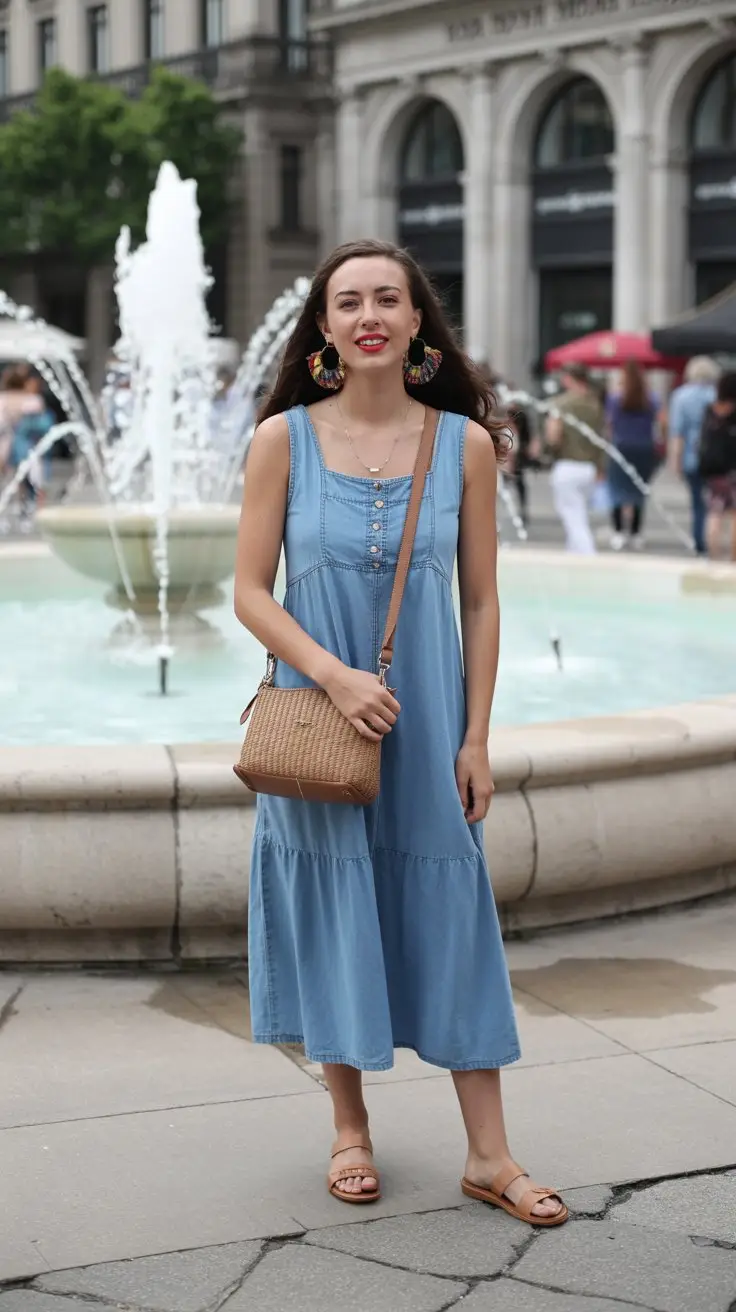
What to Wear in Rome by Season
Spring (March–May)
Spring in Rome means unpredictable weather. You’ll get gorgeous sunny days mixed with sudden showers and cool mornings that warm up significantly by lunch. This is prime layering season.
- Base layer: Long-sleeve tees or light sweaters work well for variable temperatures
- Mid-layer: A cardigan or lightweight fleece you can tie around your waist when it warms up
- Outer layer: A light waterproof jacket or windbreaker for those surprise showers
- Bottoms: Jeans, chinos, or knee-length skirts with tights for cooler days
- Footwear: Comfortable walking shoes or supportive sneakers with good grip for wet cobblestones
- Accessories: Sunglasses (the sun is strong), a compact umbrella, and a scarf that doubles as shoulder coverage for churches
Spring gets busy with tourists, so you’ll be doing a lot of standing in queues. Comfortable shoes are absolutely non-negotiable, and breathable fabrics help when you’re packed into the Sistine Chapel with hundreds of other visitors.
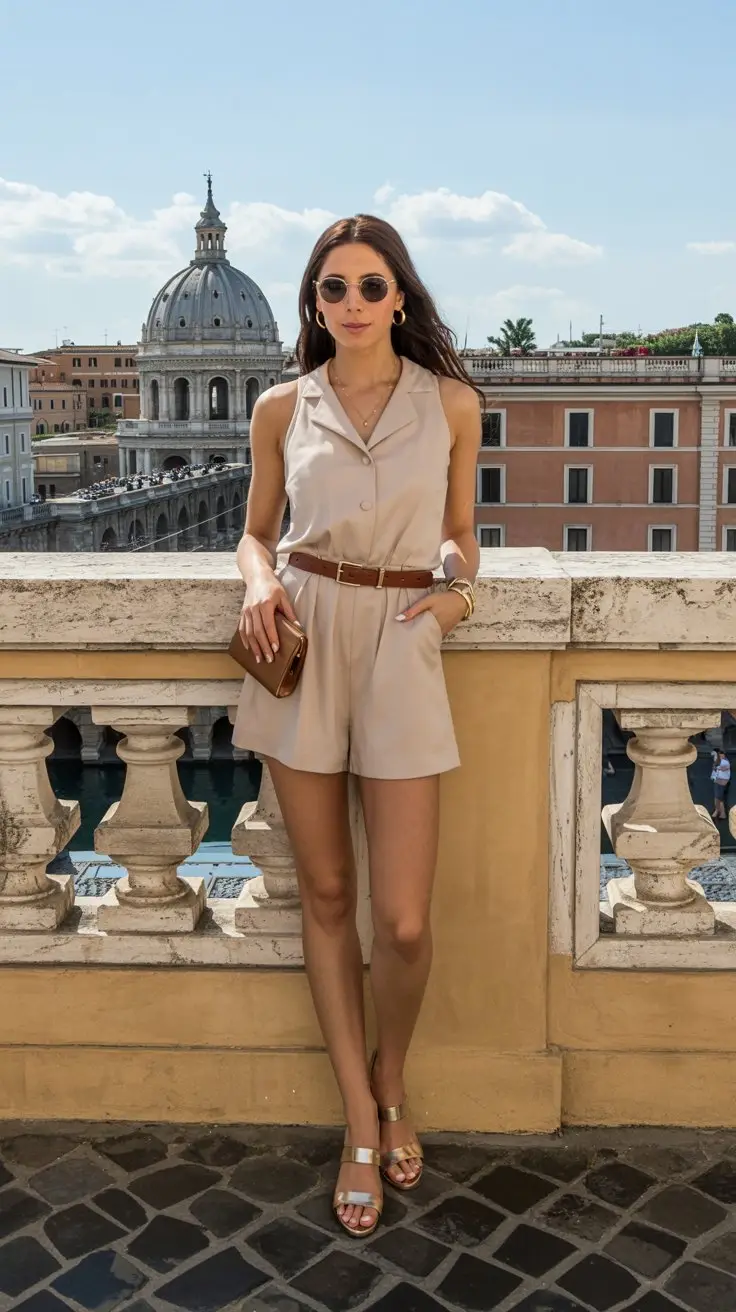
Summer (June–August)
Summer in Rome is hot and often humid. Temperatures regularly hit 30°C (86°F) or higher, and there’s little shade in many tourist areas. The key is staying cool while still respecting church dress codes.
- Fabrics: Light cotton, linen, and breathable materials are essential
- Tops: Short-sleeve shirts, breathable blouses, or sundresses (with a scarf for churches)
- Bottoms: Lightweight trousers, knee-length shorts, or midi skirts
- Footwear: Supportive sandals or breathable sneakers (avoid flip-flops for all-day walking)
- Sun protection: Wide-brimmed hat, sunglasses, and high-SPF sunscreen
- Hydration: Carry a refillable water bottle and use Rome’s free drinking fountains
Avoid heavy fabrics that trap heat, and remember that air conditioning in Roman buildings can be inconsistent. Athletic wear like gym shorts and baseball caps won’t fly in nicer restaurants or religious sites, so plan accordingly if you’re fitting in multiple activities during a full day exploring Rome from your cruise ship.
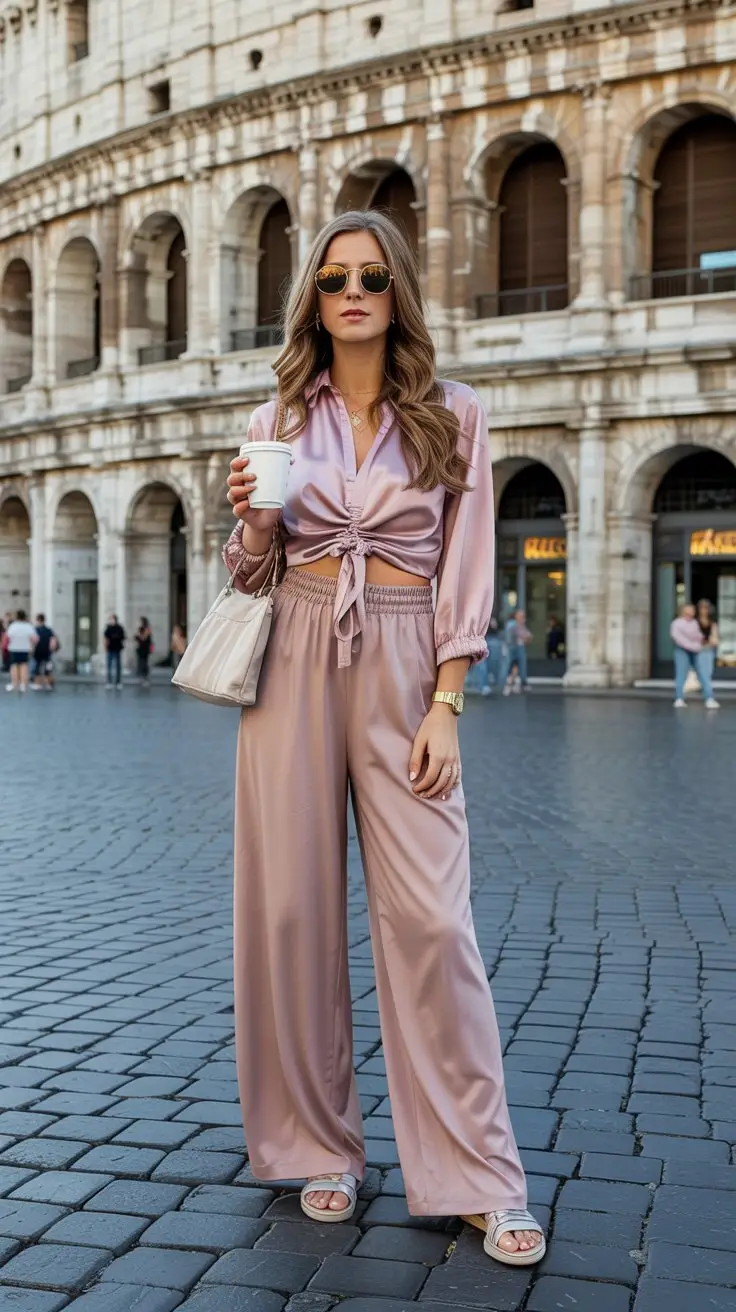
Autumn (September–November)
Autumn brings ideal weather for walking around Rome. Temperatures cool down but remain pleasant, and the summer crowds thin out considerably by late October.
- Layering: Light sweaters over tees or blouses, with a jacket for evenings
- Bottoms: Comfortable trousers, jeans, or casual skirts
- Footwear: Closed-toe walking shoes or light boots
- Outer layer: A versatile lightweight jacket or blazer that works for both daytime touring and evening meals
- Accessories: A scarf for both warmth and church visits, plus sunglasses for still-sunny days
Early autumn can still be quite warm, so check forecasts before you pack. By November, temperatures drop enough that you’ll want proper layers, especially in the mornings and evenings.
Winter (December–February)
Winter in Rome is often underestimated. It’s not freezing, but the damp, chilly weather feels colder than the thermometer suggests. Typical daytime temperatures hover around 10–12°C (50–54°F), with nights cooler and a real chance of rain.
- Base layer: Long-sleeve thermal or moisture-wicking tops
- Mid-layer: Warm jumper or fleece
- Outer layer: Waterproof rain jacket or coat (a trench or wool overcoat works if it’s dry)
- Bottoms: Warm trousers or jeans, possibly with thermal leggings underneath if you get cold easily
- Footwear: Sturdy, waterproof walking shoes or light boots with good grip
- Accessories: Scarf, gloves, and a beanie or hat for outdoor use (remove it inside churches)
- Rain protection: A compact umbrella or hooded rain shell
The humidity makes winter feel colder, and many indoor spaces aren’t heated to the level you might expect. Layering lets you adjust as you move between outdoor sites and indoor attractions throughout the day.

Dressing for Rome’s Cobblestones
Rome’s streets are beautiful but brutal on your feet. Those ancient cobblestones look charming in photos but turn into ankle-twisters after hours of walking. Many tourists underestimate just how much walking they’ll do – a typical port day from Civitavecchia easily involves 15,000–20,000 steps across uneven surfaces.
Footwear That Actually Works
- Best choice: Broken-in supportive walking shoes for men or comfortable walking shoes for women with good arch support and grippy soles
- Summer option: Quality sandals with ankle support and cushioned footbeds (not flimsy flip-flops)
- Winter option: Waterproof walking boots or sturdy shoes with non-slip soles
- Avoid: Brand-new shoes (blisters guaranteed), high heels, unsupportive flats, or anything with smooth soles
Leather sneakers work brilliantly because they look smart enough for restaurants while providing the support you need for all-day touring. If you’re planning extended walking routes through Rome’s neighbourhoods, prioritise comfort over style every single time. Keep blister prevention products in your bag just in case.
What Doesn’t Work on Cobblestones
Stiletto heels get stuck in gaps between stones. Thin-soled ballet flats offer no cushioning and leave your feet aching. Flip-flops provide zero support and increase your risk of tripping. Even fashionable trainers with minimal tread can be slippery on wet cobblestones after rain.
Romans themselves wear stylish but practical footwear – think quality leather shoes with low, stable heels or well-made sneakers. You’ll fit in better and feel infinitely more comfortable following their lead.
Vatican Dress Code Requirements

The Vatican is strict about its dress code, and guards at St. Peter’s Basilica and the Vatican Museums will turn you away if you don’t meet the requirements. This isn’t a suggestion – it’s enforced policy, and there’s no negotiating once you’re at the entrance.
The Non-Negotiable Rules
- Shoulders must be covered: No tank tops, sleeveless shirts, or spaghetti straps (both men and women)
- Knees must be covered: Shorts, skirts, and dresses should reach at least to the knee
- No hats indoors: Remove caps and hats when entering sacred spaces (outdoor courtyards are fine)
- Avoid: Miniskirts, very short shorts, overly revealing clothing, or anything with offensive graphics
The good news is that meeting these requirements doesn’t mean dressing formally. A knee-length sundress with a light cardigan works perfectly. Chinos or jeans with a short-sleeve button-down shirt are fine. The key is modest coverage, not business attire.
The Scarf Trick
Carry a lightweight scarf or pashmina in your bag. If you’re wearing a sleeveless top or dress, throw the scarf over your shoulders before entering churches. Women can also use it to cover their head if attending a papal audience or special Mass, though it’s not required for regular tourist visits.
Some visitors wear a light cardigan tied around their waist, ready to put on when needed. This works well in summer when the last thing you want is extra layers in the heat, but you still need to meet dress requirements at religious sites.
Planning for Multiple Churches
If your itinerary includes several churches – and most Rome walking routes do – dress for Vatican-level modesty from the start. You won’t want to skip the stunning Basilica di Santa Maria in Trastevere or San Clemente just because you wore shorts. When you’re timing your visits to Rome’s major attractions, factor in that you might hit multiple religious sites where the same dress expectations apply.

Outfit Ideas for Full Port Days from Civitavecchia
Port days from Civitavecchia mean you’re starting early and finishing late, with about an hour of travel time each way between the port and Rome. You need outfits that work for 10+ hours of touring, handle changing weather, and look decent for both ancient ruins and a nice lunch.
Spring/Autumn Port Day Outfit
- Dark jeans or comfortable chinos
- Long-sleeve tee or light jumper
- Water-resistant jacket that packs into your bag
- Comfortable walking trainers
- Crossbody bag with anti-theft features or small backpack
- Scarf for churches and as an extra layer
This combination handles morning chill, afternoon warmth, and meets Vatican requirements without modifications. The water-resistant jacket deals with unexpected showers, and the crossbody bag keeps your hands free for photos, snacks, and navigating crowded spaces.
Summer Port Day Outfit
- Knee-length shorts or lightweight trousers
- Breathable short-sleeve shirt or blouse
- Light cardigan or kimono-style cover-up
- Supportive sandals or breathable trainers
- Hat and sunglasses
- Small backpack with collapsible water bottle
The cover-up solves the Vatican dress code issue without making you overheat. Choose moisture-wicking fabrics if possible, as you’ll be sweating by midday. Light colours reflect heat better than dark ones, though they show dirt more easily on long days.
Winter Port Day Outfit
- Warm trousers or jeans
- Thermal base layer
- Warm jumper
- Waterproof coat
- Waterproof walking boots
- Scarf, gloves, and beanie
- Compact umbrella
Winter port days are challenging because you’re outside in potentially damp weather for hours. Layering is essential – trains and indoor attractions can be warm, while outdoor sites and the walk from the station stay chilly. Waterproofing matters more than insulation, as Roman winter is more about rain than snow.
What to Carry
Keep a small, secure bag with essentials:
- Passport or ID copy
- Credit card and some cash
- Phone and portable charger
- Tickets for attractions (printed or digital)
- Compact umbrella or rain shell
- Snacks and water bottle
- Hand sanitiser and any medications
Avoid large backpacks if you can – they’re awkward in crowded areas and many museums require you to check them. A secure crossbody bag with anti-theft zippers keeps valuables safe and your hands free for handrails on stairs or grabbing a quick espresso.
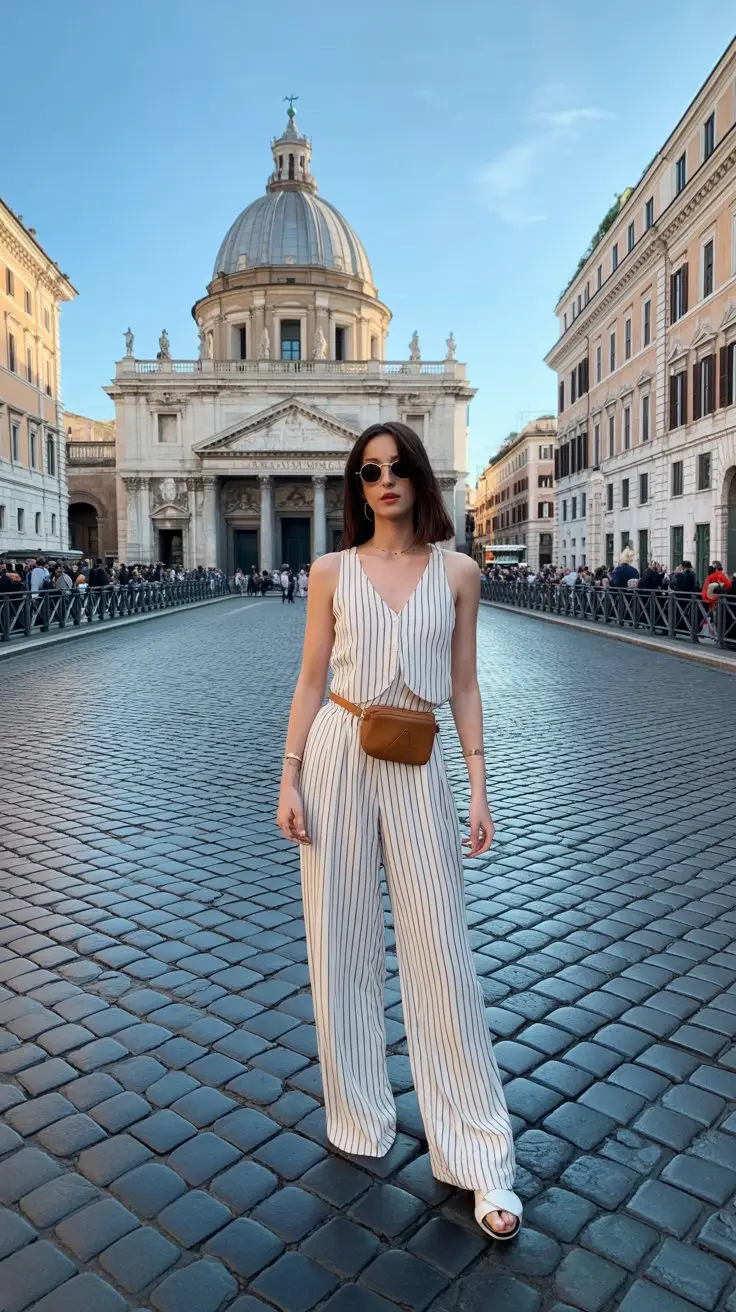
Restaurant Dress Expectations
Roman restaurants range from casual pizzerias to upscale osterie, and while Italians aren’t fussy, they do appreciate a neat appearance. You won’t need formal wear, but showing up in beachwear or obvious athletic gear marks you as a tourist who doesn’t understand local customs.
Smart-Casual Guidelines
- Men: Clean shirt or polo with chinos or dark jeans, optional lightweight blazer
- Women: Sundress, blouse with skirt or nice trousers, comfortable flats or low heels
- Avoid: Gym clothes, baseball caps, very short shorts, flip-flops
For most trattorias and mid-range restaurants, what you wore sightseeing works fine if it’s clean and modest. High-end venues appreciate a bit more polish – think of the outfit you’d wear to a nice meal at home, and you’re sorted.
The Italian Style Philosophy
Italians tend to favour quality over quantity, with well-made basics in neutral colours. You’ll rarely see Romans in head-to-toe logo wear or super casual athletic outfits in the city centre. A touch of effort – clean shoes, neat hair, a light accessory – goes a long way even in casual settings.
Want to know more about planning your day? Check out the complete guide to getting from Civitavecchia port to Rome and back, including transport options and timing strategies.
Practical Packing Checklist
Here’s what actually needs to go in your suitcase for a Rome visit, organised by priority.
| Category | Essential Items | Seasonal Additions |
|---|---|---|
| Footwear | 1 pair comfortable walking shoes | Waterproof boots (winter), supportive sandals (summer) |
| Tops | 4–6 breathable tops (mix of sleeves) | Thermal base layers (winter), sleeveless options with cover-ups (summer) |
| Bottoms | 2–3 pairs trousers/jeans or casual skirts | Thermal leggings (winter), lightweight linen (summer) |
| Layers | 1 cardigan or light jacket | Warm coat (winter), sun hat (summer) |
| Accessories | Scarf, sunglasses, crossbody bag | Gloves and beanie (winter), wide-brimmed hat (summer) |
| Weather gear | Compact umbrella | Waterproof jacket (winter/spring), rain shell (any season) |
What You Don’t Need
Leave behind excessive outfit changes – you’ll wear the same comfortable clothes most days anyway. Skip fancy heels unless you’re specifically planning an upscale evening and willing to change shoes. Don’t pack bulky towels or beach gear unless you’re adding beach time; most hotels provide towels, and Rome city touring doesn’t require swim stuff.
Outfit Strategy
Build a capsule wardrobe around 2–3 neutral bottoms and mix-and-match tops in coordinating colours. Use packing cubes to keep everything organized and wrinkle-free. This approach means everything works together, you can rewear pieces without looking repetitive, and you’re prepared for both casual touring and slightly dressier moments. A compact travel steamer helps freshen up clothes for evening wear.
For cruise passengers visiting multiple Italian ports, this same packing strategy works across most cities – comfortable walking shoes, modest layers, and smart-casual options handle nearly every situation. Keep your carry-on luggage organized with compression packing cubes to maximize space.
Local Style Notes and Fitting In
Romans have a reputation for effortless style, but it’s less about designer labels and more about looking put-together. Clean, well-fitting clothes in good condition matter more than trendy pieces or obvious luxury brands.
What Romans Actually Wear
- Quality basics in neutral colours (black, navy, beige, grey)
- Well-made leather shoes or clean trainers
- Minimal but thoughtful accessories
- Natural fabrics that breathe and drape well
- Outfits that suit the occasion without looking overdone
You’ll notice Romans dress more formally than many tourists expect, even for casual activities. A neat appearance signals respect for the city and its culture. That doesn’t mean you need to buy a new wardrobe – just pack your better casual clothes rather than your scruffiest jeans and oldest t-shirts.
Standing Out as a Tourist
Certain things immediately mark you as a visitor: white tennis shoes (trainers are fine, but very athletic-looking ones stand out), cargo shorts with multiple pockets, fanny packs worn around the waist, oversized logo t-shirts, and baseball caps. None of these will get you turned away from anywhere, but they do signal “tourist” to pickpockets and aggressive vendors.
A more subtle approach – neutral colours, minimal branding, and one decent anti-theft backpack or bag instead of multiple pouches – helps you blend in better and often results in friendlier interactions with locals.
Extend Your Stay in Rome
Rome rewards longer visits. While a port day from Civitavecchia gives you a solid introduction, staying overnight or longer means you can experience the city at a more relaxed pace, catch sunset over the Tiber, and eat dinner at the time Romans actually eat (20:00 or later).
Hotels in Rome range from budget hostels to luxury five-stars, with the best value often found in guesthouses and small family-run places in residential neighbourhoods like Testaccio or Monti. Book accommodation near a metro station for easy access to major sites, or choose Trastevere for atmosphere and excellent restaurants within walking distance. Don’t forget your European power adapter for charging devices overnight.
An extra day or two lets you tackle attractions that don’t fit into a port day schedule – the Borghese Gallery requires advance booking and deserves a leisurely afternoon, while the Appian Way and Catacombs make a fantastic half-day trip outside the main tourist areas. You’ll also have time to simply wander without constantly checking your watch, which is when Rome shows you its best side. Keep your valuables secure in your hotel with a portable door lock for extra peace of mind.
Evening Rome feels completely different from daytime tourist Rome. The light turns golden, locals fill the piazzas, and you can enjoy a proper meal without rushing back to catch the last train to Civitavecchia. Pack one slightly dressier outfit if you’re extending your stay – nothing formal, just something a step up from your walking-around clothes for evening meals and aperitivo. A travel jewelry organizer keeps accessories tangle-free for those evening outings.
Personal Experience
I learned pretty quickly that dressing for Rome means planning for layers and comfortable shoes, no matter when you visit. During my spring trip, mornings started cool enough for a light cardigan, but by afternoon I was down to a sundress while exploring the Forum. Summer is intense – breathable linen and cotton are your best friends, plus a scarf to cover shoulders at churches. Autumn brought that perfect jumper weather, though I still needed sunglasses most days. Winter surprised me with how chilly it got, especially in the morning, so a proper jacket was essential.
The cobblestones are no joke, and I watched so many people hobbling around in cute but impractical shoes. My leather trainers and supportive sandals saved me from blisters while still looking decent for dinner. For the Vatican, I kept a lightweight scarf in my bag to throw over my shoulders and made sure my shorts hit just above the knee – they’re strict about the dress code and will turn you away. When I did a day trip from Civitavecchia, I wore my most comfortable walking shoes and brought a crossbody bag since it’s a full day of exploring. The port is about an hour from Rome, so you want to maximise your time actually seeing the city, not stopping to deal with wardrobe issues. My portable charger with built-in cables was a lifesaver for keeping my phone charged all day for photos and navigation.
Common Questions & FAQ
Can I wear trainers in Rome without looking like a tourist?
Yes, absolutely. Trainers are completely acceptable in Rome as long as they’re clean and not overly athletic-looking. Leather or canvas trainers in neutral colours work brilliantly and blend in with what many Romans wear themselves. The key is avoiding bright neon running shoes or heavily branded sports trainers, which do stand out as touristy. Your feet will thank you for prioritising comfort over fashion on those cobblestones.
Will I really be turned away from the Vatican for bare shoulders?
Yes, the dress code is strictly enforced. Guards at the entrance check everyone, and you’ll be refused entry if your shoulders or knees aren’t covered. This applies to both St. Peter’s Basilica and the Vatican Museums. Bringing a lightweight scarf or cardigan takes up minimal space in your bag and solves the problem instantly. Don’t risk wasting your advance booking or time in the queue – just dress appropriately from the start.
What should I wear for a shore excursion versus exploring Rome independently?
The practical requirements are identical – comfortable walking shoes, layers, and Vatican-appropriate coverage. Shore excursions often involve more time on an air-conditioned coach, so you might want a light jacket even in summer. Independent exploring means more flexibility to duck into shops or cafes to cool down or warm up, so slightly fewer layers work. Either way, prioritise comfort and bring a small bag with essentials rather than lugging around a large backpack. Wear compression socks for the journey if you’ll be sitting on coaches for extended periods.
Are sandals appropriate for Rome in summer?
Supportive sandals with proper footbeds and ankle straps work fine for summer touring. Skip flimsy flip-flops or completely flat sandals with no arch support – you’ll regret it after hours on cobblestones. Look for walking sandals designed for all-day wear rather than fashion sandals meant for short strolls. Closed-toe shoes are required at some religious sites, so check ahead if you’re only bringing sandals.
How do Romans dress compared to tourists?
Romans tend to wear more neutral colours, better-quality fabrics, and less obvious branding than many tourists. You’ll rarely see them in athletic wear, cargo shorts, or baseball caps in the city centre. The overall look is polished-casual rather than deliberately dressed up or completely relaxed. They’re not judging tourists harshly, but making a bit of effort with clean, well-fitting clothes in good condition does help you blend in better.
Should I pack differently for a winter cruise stop in Rome?
Definitely. Winter in Rome is genuinely chilly, especially with the humidity making it feel colder than the actual temperature. Pack proper layers including a warm puffer jacket for women or quality men’s puffer jacket, closed-toe shoes, and accessories like scarves and gloves. Many tourists underestimate how cold it gets and end up uncomfortable during outdoor site visits. The good news is that winter crowds are smaller, making it easier to get around even when you’re wearing more layers.
What bag should I carry for a full day touring from the cruise port?
A crossbody messenger bag with anti-theft features or secure backpack works best. It should hold your essentials – passport, phone, money, water bottle, snacks, and light layers – without being bulky enough to require checking at museum entrances. Crossbody bags deter pickpockets better than backpacks and keep your hands free for photos, handrails, and the occasional gelato. Avoid anything too large or obvious designer bags that attract unwanted attention. Use a cable organizer to keep your chargers and earbuds tidy inside your bag.
Do I need special clothes for restaurants in Rome?
Smart-casual is the standard for most Roman restaurants. Clean jeans or trousers with a decent top work fine at trattorias and mid-range places. High-end restaurants appreciate a bit more effort – think business-casual rather than formal. The main thing to avoid is obviously athletic wear, beachwear, or very casual shorts and vests. If your daytime touring outfit is neat and modest, it’ll work for most restaurant settings without changes.
Last Updated: 8 January 2026