
The Îles de la Madeleine archipelago in Quebec’s Gulf of St. Lawrence offers cruise visitors dramatic red sandstone cliffs, pristine beaches, and unique Acadian culture. Accessible via tender boats, the islands feature local seafood, artisan shops, and scenic landscapes. Popular activities include exploring coastal dunes, visiting lighthouses, and experiencing maritime heritage in this remote French-speaking community.
Quick Port Facts
| Fact | Detail |
|---|---|
| Port Name | Cap-aux-Meules Maritime Terminal |
| Address | 70, chemin du Débarcadère, Cap-aux-Meules, QC G4T 1S7, Canada |
| Docking Type | Tender port (ship anchors offshore) |
| Port Website | CTMA Traversier Official Site |
| Language | French primary, some English in tourist areas |
| Currency | Canadian Dollar (CAD) |
| Typical Port Hours | 8:00 AM – 5:00 PM (varies by cruise) |
Want to know more about other cruise ports in Canada and what each destination offers?
Îles de la Madeleine Map
The Cap-aux-Meules terminal sits on the western side of the archipelago in the Gulf of St. Lawrence, roughly 215 kilometres from mainland Quebec and 105 kilometres from Prince Edward Island. The islands form a crescent-shaped chain connected by sand dunes and narrow strips of land.
Can You Walk to Town from the Port?
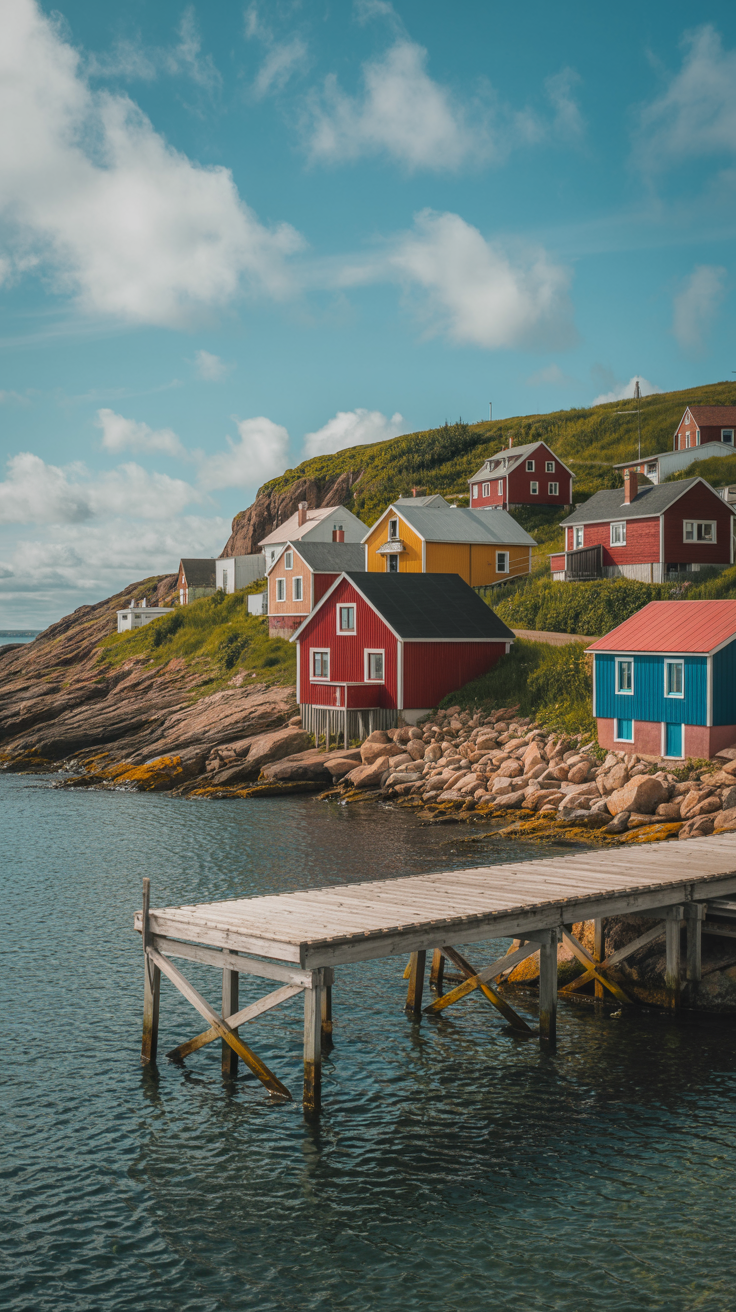
Cap-aux-Meules has a compact waterfront area within walking distance of the tender dock, though “town” here means a small harbour community rather than a bustling city centre. The immediate port zone offers a slice of local life with basic amenities.
- Port to waterfront: The marina and immediate quay area are a 5-10 minute flat walk from where tenders drop passengers.
- Coastal walking trail: A scenic 1-2 kilometre coastal path called Sentier du Littoral starts near the port and offers sea views without needing transport.
- Chemin du Quai overlook: About 15 minutes on foot from the dock, though be prepared for 185 steps if you want the panoramic viewpoint.
- Limited urban infrastructure: Don’t expect rows of shops and restaurants like you’d find at major cruise ports. This is a working fishing harbour with a few cafés and local businesses.
- Weather factor: Island winds can be strong, and the flat coastal terrain offers little shelter. A packable rain jacket works perfectly for changeable Gulf weather – it blocks wind even on sunny days and stuffs into your bag when you don’t need it.
How to Get Around from Cap-aux-Meules & Shore Transportation
Transport options on the islands are limited compared to mainland ports, but taxis and tour operators provide reliable ways to see the archipelago during your port call.
Taxis
- Availability: Local taxis typically wait at the Cap-aux-Meules terminal when cruise ships tender in. Sharing a cab with other passengers makes sense for cost splitting.
- Fares: Expect to negotiate rates for longer trips around the islands. A round trip to Sandy Hook Beach or La Grave area might run $60-80 CAD depending on wait time.
- Booking: Some passengers pre-arrange taxis through their ship’s shore excursion desk or local tour operators, which guarantees availability but costs more.
- Language: Drivers primarily speak French, though many understand basic English directions to popular tourist spots.
Shore Excursions
- Cruise line tours: Ships calling at the islands typically offer packaged excursions that handle all transport and timing, removing the stress of arranging your own transport and getting back on time.
- Local operators: CTMA and tourism partners provide island tours that can be booked independently, often at better rates than cruise line options but with less guarantee of ship-departure coordination.
- Private guides: Some local guides offer personalized tours for small groups, particularly helpful if you want to explore the Food Trail or visit specific artisan producers.
Car Rental
- Availability: Limited rental options exist on the islands, and advance booking is essential. However, for a single port day, taxis or tours make more sense than dealing with rental paperwork and unfamiliar roads.
- Driving conditions: Roads are well-maintained but distances between attractions add up quickly. You’d need confidence navigating in French and understanding metric signage.
Walking
- Port area only: Walking works for the immediate waterfront, coastal trail, and quay overlook, but reaching the archipelago’s highlights like Sandy Hook Beach, La Grave, or the Food Trail producers requires motorized transport.
What to See Within Walking Distance from the Port
The Cap-aux-Meules waterfront offers a handful of pleasant spots that don’t require wheels, though the islands’ best scenery lies farther afield.
- Cap-aux-Meules Marina: The working harbour gives you an authentic look at the islands’ fishing heritage, with colourful boats and lobster traps stacked along the docks. It’s a 5-minute walk from the tender landing and perfect for photos. Flat terrain, accessible for all mobility levels.
- Sentier du Littoral (Coastal Trail): This easy walking path hugs the shoreline and provides sea views and fresh Gulf air. The trail is mostly flat and suitable for a relaxed 30-45 minute stroll. Great for stretching your legs after being on the ship. Bring a windbreaker as it’s exposed to coastal breezes.
- Chemin du Quai Viewpoint: Climb 185 steps for a panoramic overlook of the harbour and surrounding coastline. The climb takes about 10 minutes and rewards you with photo opportunities of the red sandstone cliffs the islands are known for. Not suitable for anyone with mobility issues, but worth it if you can manage the stairs.
- Local shops and cafés: A few small businesses near the quay sell local crafts, smoked fish, and light refreshments. This isn’t a major shopping district, but you can browse artisan goods and grab a coffee within 10 minutes of the dock.
Must See Attractions in Îles de la Madeleine for a One Day Cruise Visit
The archipelago’s top draws require transport from the port, but these attractions justify the effort for cruise passengers with limited time ashore.
Sandy Hook Beach (Dune du Sud)
- What it is: A spectacular stretch of golden sand connecting several islands, flanked by red sandstone cliffs and rolling dunes. The famous sandbar creates a unique landscape where you can walk between islands at low tide.
- Why it matters: This is the iconic Magdalen Islands scenery you see in promotional photos. The contrast between red cliffs, white sand, and blue water is stunning, and the beach itself is pristine and rarely crowded.
- Time needed: Allow 2-3 hours including 30-minute drive each way from Cap-aux-Meules, plus walking and beach time. If you’re only doing one thing on the islands, make it this.
- Practical tips: No entry fee. Bring sunscreen and water as facilities are minimal. The beach is windier than you’d expect, even on warm days. Wear shoes you can slip off easily for walking on sand. Tide times matter if you want to walk the sandbar – check locally before going.
La Grave Historic Site
- What it is: A preserved fishing village on Havre-Aubert island featuring colourful heritage buildings, artisan shops, a lighthouse, and the Aquarium des Îles. The wooden buildings and fishing shacks represent traditional Madelinot architecture.
- Why it matters: La Grave captures the islands’ maritime heritage and Acadian culture in a compact, walkable area. It’s the best place to buy local crafts and experience the historic fishing village atmosphere.
- Time needed: 2-3 hours including 20-minute drive from port, browsing shops, visiting the lighthouse, and potentially stopping at the aquarium (add 45 minutes if you go inside).
- Practical tips: The aquarium charges admission (around $15 CAD). Most shops close for lunch between 12-1 PM. The Café de la Grave serves good seafood if you time your visit for a meal. Parking can be tight in summer, but taxis drop you right in the heart of the village.
Circuit des Saveurs (Food Trail)
- What it is: A self-guided trail connecting local food producers – smokehouses, cheese makers, breweries, meaderies, and artisan shops across the islands. Le Fumoir d’Antan (traditional smokehouse) is a highlight with guided tastings and storytelling about fishing heritage.
- Why it matters: The islands produce exceptional seafood, cheeses, honey wine, and cider. The Food Trail lets you sample locally made products and meet the people behind them. Smoked herring and pot-en-pot (a traditional Acadian dish) are specialties you won’t find elsewhere.
- Time needed: 3-4 hours to visit 3-4 producers with tastings, or focus on 1-2 stops in 90 minutes if time is tight. Locations are spread across the islands, so transport is essential.
- Practical tips: Individual tastings range from free to $10 CAD. Many producers offer vacuum-packed seafood you can take home (check customs rules first). Operating hours vary seasonally – some close Sundays or afternoons. Ask your taxi driver or tour guide to recommend their favourite stops. Pacing yourself with alcohol tastings is wise before getting back on a tender boat.
Île d’Entrée
- What it is: The only inhabited island in the archipelago not connected by road, accessible only by boat. This English-speaking community maintains a distinct identity, and the island offers hiking trails with clifftop views.
- Why it matters: Île d’Entrée provides a different cultural perspective within the archipelago and dramatic scenery from elevated vantage points. The 20-minute ferry crossing itself is scenic.
- Time needed: Half-day minimum (4-5 hours) including ferry crossings, walking the small village, and hiking partway up Big Hill for views. This only works if your ship’s port hours allow for the ferry schedule.
- Practical tips: Check ferry times carefully – missing the return boat means missing your ship. The ferry costs around $10 CAD round trip. Bring water and snacks as dining options are extremely limited. The hike to Big Hill’s summit is steep and takes about 45 minutes each way, but shorter walks along the shore are easier. This attraction works best for active passengers who enjoy hiking and don’t mind basic facilities.
Port Day Itinerary: Things to Do in 9 Hours
Here’s a realistic schedule that fits a typical 8:00 AM to 5:00 PM port day with tender boats running from 8:30 AM and last tender at 4:30 PM.
- 8:30-9:00 AM | Tender to Shore & Orientation: Take one of the early tenders to Cap-aux-Meules and walk the immediate waterfront to get your bearings. The marina and quay area give you a quick sense of island life. Grab a coffee at a port-side café if you didn’t breakfast on the ship.
- 9:00-9:30 AM | Coastal Walk: Stroll a section of the Sentier du Littoral coastal trail while the morning light is good for photos. The flat path and sea breezes are refreshing, and you’ll have the trail mostly to yourself this early.
- 9:30-10:00 AM | Taxi to Sandy Hook: Meet your pre-arranged taxi (or share one with other passengers) for the 30-minute drive to Dune du Sud. The drive itself shows you the island landscape and the narrow sand strips connecting different sections.
- 10:00 AM-12:00 PM | Sandy Hook Beach Exploration: Spend two hours walking the beach, photographing the red cliffs and dunes, and potentially walking part of the sandbar if tides allow. This is the highlight of most visitors’ day and worth the time investment. The morning light on the cliffs is spectacular.
- 12:00-12:30 PM | Return to Cap-aux-Meules: Taxi back to the port area for lunch. Use the drive to ask your driver about local food recommendations or any questions about island life.
- 12:30-1:30 PM | Lunch at La Côte or Port-Area Restaurant: Try the lobster roll, fish and chips made with fresh cod, or a bowl of seafood chowder. Local smoked herring appears on many menus. Budget $20-35 CAD per person depending on what you order. La Côte gets busy around 1 PM, so earlier is better.
- 1:30-2:00 PM | Quick Drive to La Grave: Arrange a taxi for the 20-minute ride to Havre-Aubert’s historic village. Alternatively, if you prefer staying closer to port, use this time to visit a Food Trail producer near Cap-aux-Meules for tastings instead.
- 2:00-3:30 PM | Browse La Grave: Walk through the heritage site, visit artisan shops for souvenirs (smoked fish, local honey, handmade crafts), and check out the lighthouse area for photos. The Aquarium des Îles is here if you want to add a 45-minute visit, but it pushes your timeline tight.
- 3:30-4:00 PM | Return to Port: Taxi back to Cap-aux-Meules with enough buffer time. Traffic is rarely an issue on the islands, but building in cushion time is smart.
- 4:00-4:15 PM | Last-Minute Port Shopping: If you didn’t buy provisions at La Grave, grab any final souvenirs or snacks near the dock. Local smoked fish and artisan products make good gifts.
- 4:15 PM | Board Tender: Join the tender queue in plenty of time. The last tender usually departs around 4:30 PM, and you don’t want to be rushing or risk missing the final boat back to your ship.
This schedule builds in reasonable buffer time and prioritizes the islands’ top two attractions – Sandy Hook Beach and La Grave – while keeping you comfortable with ship departure requirements.
Where to Eat Near the Port
The Îles de la Madeleine punch well above their weight for fresh seafood, though dining options cluster in small pockets rather than lining the waterfront like larger cruise ports.
- La Côte Restaurant (near port): A reliable choice for cruise passengers wanting fresh lobster without travelling far. The lobster rolls are generously filled with buttery meat, and fish and chips use local catch. Expect to pay $18-28 CAD for mains. Service is friendly but can slow down during lunch rush when multiple tour groups arrive.
- Port-area cafés: A couple of small cafés near the Cap-aux-Meules dock serve coffee, pastries, and light sandwiches in the $8-15 CAD range. Perfect for a quick breakfast if you tender early or want a snack between activities.
- Local specialties you must try: Pot-en-pot (a traditional Acadian seafood pie), smoked herring (available at Food Trail stops and some restaurants), fresh lobster (in season, which is spring and early summer), and râpure (Acadian potato dish). The islands are also known for excellent cheese from local dairy producers.
- La Grave area restaurants: If your itinerary takes you to Havre-Aubert, the Café de la Grave serves solid seafood plates and lighter fare with harbour views. Budget $20-35 CAD per person. The atmosphere captures that fishing village feeling better than anywhere near the cruise port.
- Food safety and practical notes: Tap water is safe throughout the islands. Restaurant hygiene standards match mainland Canada. Most establishments accept credit cards, but having cash for Food Trail tastings and smaller producers is wise. Many restaurants close one day weekly (often Monday or Tuesday) and take afternoon breaks between lunch and dinner service.
- Timing matters: Book ahead or arrive early for lunch (before noon) at popular spots like La Côte. With limited seating and cruise groups descending simultaneously, you might face waits of 30-45 minutes at peak times. If you’re on a tight schedule, ask your taxi driver to call ahead or have your tour operator coordinate meal timing.
Shopping: What to Buy & Where to Go
The Îles de la Madeleine won’t satisfy serious shoppers looking for designer goods or extensive retail therapy, but the islands excel at authentic local products and artisan crafts.
- Smoked fish and seafood: Vacuum-packed smoked herring, mackerel, and other seafood from local smokehouses make excellent gifts (check your country’s customs regulations before buying). Le Fumoir d’Antan and other Food Trail stops sell these products for $12-25 CAD per package. They travel well and capture the islands’ flavour literally.
- Local cheese and honey products: Fromagerie du Pied-De-Vent produces award-winning cheeses, and several producers make honey wine (hydromel) and mead. Prices range from $10-30 CAD. These items are heavier and require careful packing but are delicious souvenirs.
- Artisan crafts at La Grave: The heritage village shops sell handmade pottery, jewellery, textiles, and art inspired by island landscapes. Quality varies, but several talented local artists have studios here. Expect to pay $20-200 CAD depending on the piece. These are genuine handmade items, not mass-produced tourist tat.
- Typical shops open 10 AM to 5 or 6 PM during cruise season, with many closing for an hour at lunch and potentially all day Sunday or Monday. French public holidays also affect opening times. Plan shopping for mid-morning or early afternoon to avoid closures.
- Credit cards are widely accepted at established shops, but Food Trail producers and smaller artisan stalls may prefer cash. ATMs exist in Cap-aux-Meules but are scarce elsewhere on the islands.
- Haggling is not expected or appropriate. Prices are fixed at shops and food producers. These are small, family-run operations where trying to negotiate feels disrespectful.
- What to skip: Generic “Canada” souvenirs (maple leaf t-shirts, etc.) have nothing to do with the islands’ unique culture. Stick to products actually made on the archipelago if you want something meaningful.
Safety Tips & Avoiding Scams
The Îles de la Madeleine are generally safe for cruise visitors, with crime rates far below major cities. The bigger risks involve nature and logistics rather than human threats.
- Water safety is the primary concern: Gulf currents and undertows can be strong, even on calm-looking days. If you swim at any beach, stay close to shore and never swim alone. Rip currents do occur along these Atlantic-facing beaches. Check local conditions before entering the water and heed any posted warnings.
- Weather can change rapidly: Island winds pick up quickly, and fog sometimes rolls in with little warning. Bring layers and a windproof jacket even if the morning looks sunny. If visibility drops, allow extra time getting back to the port.
- Taxi overcharging: Most local drivers are honest, but without meters, some may quote inflated prices to cruise passengers. Ask your ship’s shore excursion desk for typical fare ranges before negotiating. Sharing a taxi with other passengers creates witnesses and splits costs.
- Missing the last tender: This is the biggest risk at any tender port. Build in serious buffer time (at least 30-45 minutes) before the final tender departure. The ship will not wait, and arranging your own transport to the next port from this remote archipelago would be expensive and complicated. If you’re exploring independently, set alarms and stick to your timeline religiously.
- Customs regulations on food: If you buy vacuum-packed seafood or other food products, understand your home country’s agricultural import rules before purchasing. The US and other countries have restrictions on bringing in certain foods, and you don’t want to waste money on items you’ll have to surrender at customs.
- Limited medical facilities: The islands have a hospital in Cap-aux-Meules, but specialized medical services require evacuation to mainland Quebec. Travel with necessary medications and don’t take unnecessary risks that might require serious medical intervention.
Emergency Contacts
- Emergency Services (Police, Fire, Ambulance): 911
- Cap-aux-Meules Hospital (Hôpital de l’Archipel): 418-986-2121
- Port Emergency Contact (Escale Îles de la Madeleine): 418-986-2245 ext. 237 (denis.bourque@escaleim.ca)
- Non-Emergency Police: Sûreté du Québec 310-4141 (no area code needed within Quebec)
- Coast Guard (Maritime Emergency): VHF Channel 16 or 1-800-463-4393
Save your cruise ship’s emergency contact number in your phone before going ashore. Your ship should provide this during the port talk.
Essential Items for Your Day in Îles de la Madeleine
The islands’ exposed coastal location and changeable Gulf weather require some specific gear to stay comfortable during your port day. Here are the items that make the most difference:
- Wind and rain protection: Even sunny days bring strong coastal winds. A packable rain jacket that blocks wind is essential – it compresses small enough to stuff in your bag but keeps you comfortable on exposed beaches and trails. If temperatures are cool, merino wool base layers for women or merino wool base layers for men provide warmth without bulk under your jacket.
- Sun protection: The maritime sun is deceptively strong, especially with reflection off sand and water. Quality sunglasses protect your eyes during beach walks and scenic drives, while reef safe sunscreen protects your skin if you’re near the water.
- Comfortable walking footwear: You’ll be walking on coastal trails, potentially climbing 185 steps to viewpoints, and walking sandy beaches. Women’s walking shoes or men’s walking shoes with good grip and support make the day much more comfortable than fashion shoes or flip-flops.
- Day bag for essentials: An anti-theft backpack keeps your hands free for photos and holds layers, water, and purchases from Food Trail producers. For beach visits, a beach bag tote works better as sand doesn’t stick to mesh materials.
- Phone and camera protection: Gulf winds can kick up sand, and spray is common near the water. A waterproof phone case protects your device during beach exploration and ensures you can take photos without worry.
- Hydration: Facilities at beaches and remote viewpoints are minimal. A collapsible water bottle takes up almost no space when empty but keeps you hydrated throughout the day.
- Security essentials: Keep your passport, ship card, and Canadian cash secure in an RFID blocking wallet or money belt while exploring. Your passport holder keeps travel documents organized and protected.
Currency, ATMs & Money Matters
The Îles de la Madeleine use Canadian dollars, and while most businesses accept cards, this remote archipelago has fewer banking facilities than mainland ports.
- Currency: Canadian Dollar (CAD). As of current rates, 1 USD equals roughly 1.35-1.40 CAD, and 1 GBP equals roughly 1.70-1.75 CAD. Exchange rates fluctuate, so check current rates before your cruise.
- US dollars: Some tourist-oriented businesses may accept US currency but at poor exchange rates. You’ll lose money this way. Use Canadian dollars or credit cards instead.
- ATMs: Limited to Cap-aux-Meules and possibly Havre-Aubert. Don’t count on finding ATMs at beaches or smaller villages. Withdraw cash at the port area when you first arrive if you need it. Your bank will charge foreign transaction fees (typically $3-5 USD) plus the conversion rate.
- Credit cards: Visa and Mastercard are widely accepted at restaurants, shops, and established Food Trail producers. American Express has spottier acceptance. Contactless payment works at most modern terminals. Always carry some cash as backup for smaller producers, taxis, and cafés.
- Notify your bank: Tell your credit and debit card issuers you’ll be in Canada before your cruise. Many banks automatically flag foreign transactions as potential fraud and block your cards, leaving you stranded without access to money.
- Tipping: Standard tipping in Quebec is 15-20% for table service at restaurants, rounded up or down based on service quality. Taxi drivers appreciate 10-15% tips, though it’s less mandatory than at restaurants. Some restaurants add a service charge for groups, so check your bill before adding extra.
- Taxes: Quebec charges both federal GST (5%) and provincial QST (9.975%) on most goods and services, for a combined rate of roughly 15%. Prices displayed usually don’t include tax, so your final bill will be about 15% higher than menu or tag prices.
- Budget planning: Expect to spend $50-80 CAD per person for lunch, $20-40 CAD on souvenirs or food products, and $60-100 CAD on taxis if you’re exploring independently. A conservative budget for a day ashore runs $150-250 CAD per person including meals, transport, and shopping.
Weather by Month
| Season | Months | Temperature Range | Conditions & What to Pack |
|---|---|---|---|
| Late Spring | May-June | 8-18°C (46-64°F) | Cool and often windy with occasional rain. Sea temperatures are cold. Pack layers including a warm fleece or jacket, windbreaker, and rain gear. This is lobster season, so seafood is at its freshest. Fewer tourists mean quieter beaches and attractions. |
| Summer | July-August | 15-23°C (59-73°F) | Warmest and driest period, though still breezy. Sea temperatures reach their peak but remain cool by tropical standards. Bring light layers, sunscreen, sunglasses, and a windbreaker. This is peak season for visitors, so expect more crowds and book taxis or tours in advance. Perfect weather for beaches and outdoor activities. |
| Early Autumn | September-October | 10-17°C (50-63°F) | Cooling temperatures and increasing wind. Fall colours can be beautiful but weather becomes less predictable. Pack warm layers, waterproof jacket, and closed-toe shoes. Fewer cruise ships call during this shoulder season. Some Food Trail producers may have reduced hours or close for the season. |
Most cruise calls happen between June and September when weather is most reliable and all tourist facilities operate full schedules. The islands’ position in the Gulf of St. Lawrence means weather is always changeable – wind is constant regardless of season, and fog can roll in quickly even on sunny days. Check the forecast before tendering ashore and dress in removable layers.
Common Questions & FAQ
Do I need to book shore excursions in advance for Îles de la Madeleine?
Not necessarily, but it helps. Cruise line excursions guarantee coordination with ship departure times and handle all logistics, eliminating stress. Independent taxis usually wait at the tender dock for walk-up passengers, and sharing a cab works well for reaching Sandy Hook or La Grave. However, the islands have limited transport capacity, so if a large ship (or multiple small ships) call simultaneously, taxis book up fast. Pre-arranging through your ship or local operators makes sense if you want specific timing or a guided Food Trail tour. For just walking the port area and coastal trail, no booking is needed.
Is English widely spoken on the Îles de la Madeleine?
French is the primary language across most of the archipelago, and the islands maintain a strong Acadian francophone culture. In tourist-facing businesses near the port, at La Grave shops, and with taxi drivers who regularly work with cruise passengers, you’ll find functional English. However, don’t expect everyone to be bilingual, and making an effort with basic French phrases (bonjour, merci, s’il vous plaît) is appreciated and often necessary. Île d’Entrée is the exception – that small island community is predominantly English-speaking due to its Scottish heritage. If language barriers worry you, booking through your cruise ship’s excursions gives you English-speaking guides.
Can I use US dollars on the islands?
Some businesses near the cruise port may accept US currency, but you’ll get a terrible exchange rate and often receive change in Canadian dollars anyway. This isn’t like Caribbean ports where US dollars are universally accepted at par or close to it. Use Canadian dollars or credit cards instead. There are ATMs in Cap-aux-Meules if you need to withdraw Canadian cash. Trying to spend US dollars on the islands is inefficient and costs you money through poor conversion rates.
What’s the best way to see Sandy Hook Beach from the cruise port?
Taxi is the most practical option for independent travellers. The beach sits about 30 minutes from Cap-aux-Meules by car, too far to walk and not served by public transport. Share a taxi with other passengers to split the cost (typically $60-80 CAD round trip including wait time), or book a shore excursion through your ship that includes Sandy Hook in its itinerary. If you’re comfortable negotiating with drivers and don’t mind coordinating your own timing, the independent taxi route offers more flexibility and costs less than organized tours. Just ensure your driver understands what time you need to return to catch tenders back to the ship.
Are the beaches swimmable during cruise season?
Technically yes, but the Gulf of St. Lawrence remains cold even in summer – water temperatures peak around 15-18°C (59-64°F) in late July and August. Most cruise passengers find it too chilly for comfortable swimming unless you’re used to cold water. Wading and walking the beaches is lovely, and the scenery is spectacular, but don’t expect Caribbean-style water temperatures. If you do swim, be extremely cautious of currents and undertows, which can be strong even when the water looks calm. Never swim alone and stay close to shore.
How much time do I need at La Grave?
Budget 90 minutes to 2 hours if you want to walk the heritage area, browse artisan shops, take photos around the lighthouse, and perhaps grab a coffee or light meal. Add another 45 minutes if you plan to visit the Aquarium des Îles. Factor in 40 minutes round-trip driving from Cap-aux-Meules port. La Grave is compact and walkable once you arrive, but shops close for lunch breaks and some don’t open until 10 or 11 AM, so timing matters. This attraction works best as an afternoon stop after spending your morning at Sandy Hook Beach.
What food products can I legally bring home from the islands?
This depends entirely on your home country’s customs and agricultural regulations. Vacuum-packed smoked fish is popular, but the US restricts bringing meat and fish products into the country depending on species and processing method. Canada to US travellers should check USDA and CBP guidelines before purchasing. Honey products and cheese face similar restrictions. Your safest bets for bringing food home are shelf-stable items like honey wine or artisan preserves in sealed commercial packaging. Ask the seller about export regulations, and declare everything to customs when returning to your ship and again when entering your home country. When in doubt, enjoy the food while you’re on the islands and buy non-food souvenirs to take home.
Is there cell phone and internet service on the islands?
Yes, Canadian mobile networks cover the inhabited islands reasonably well, though service can be spotty in remote areas or during bad weather. If you have an international roaming plan with your provider, it should work here – but check roaming rates, as data charges can be expensive. The islands are part of Canada, not the US, so if your plan only covers North America, verify that includes Canada. Most restaurants and cafés near the port offer WiFi, though speeds are slower than on the mainland. If you need internet access to coordinate with your ship or research activities, get online while you’re near Cap-aux-Meules rather than counting on connectivity at beaches or smaller villages. For peace of mind, take screenshots of important information (maps, addresses, emergency contacts) before going ashore.
Personal Experience
I had no idea what to expect when our cruise ship approached the Îles de la Madeleine, but those red sandstone cliffs rising from the Gulf of St. Lawrence were stunning right from the deck. Since the islands don’t have a deep-water port, we tendered to Cap-aux-Meules, which felt like an adventure in itself. The moment I stepped onto the dock, I could smell the salt air and see colourful houses dotting the hillsides. Getting around turned out to be pretty straightforward – there were taxis waiting at the port, and I ended up sharing one with another couple from the ship to split the cost. If you’ve got limited time like we did, focus on the beaches. Sandy Hook Beach was absolutely worth the drive, with its dramatic dunes and that famous sandbar connecting the islands.
The seafood here is no joke – this place is basically lobster heaven. We stopped at La Côte restaurant near the port for lunch, and the lobster roll was ridiculously fresh and buttery. Local smoked herring is a big deal too, so grab some if you see it. One tip: bring Canadian dollars or a credit card because not everywhere takes US currency, and ATMs can be scarce outside the main town. The islands have this laid-back, authentic vibe that feels worlds away from typical cruise ports. People speak French primarily, but most folks in the tourist spots know enough English to help you out. Just give yourself plenty of time to get back to the tender – the last thing you want is to miss your ship in a place this remote.
Last Updated: 26 December 2025