
Why the Florence to Genoa Train Works for Cruisers
Let’s be clear: this isn’t a port day excursion. The four-hour travel time makes it completely impractical if your ship is docked in Livorno or La Spezia and you’re trying to squeeze in Florence. You’d spend eight hours on trains and have maybe an hour in the city. That’s madness.
But as a pre-cruise or post-cruise addition to your Mediterranean cruise? It’s absolutely brilliant. You get proper time in Florence without the rushed stress of a shore excursion, then glide into Genoa the day before your cruise departs. No airport hassles, no expensive flights, and you’re already in the right city. Or if you’re doing it the other way round, you can explore Florence properly after disembarkation rather than heading straight home.
Want to know more about what awaits you in your cruise port? Check out our guide to the highlights of Genoa port.
Train Times and Frequency
About 30 trains run this route daily, so you’ve got plenty of options. The fastest connections take around 3 hours 22 minutes but usually involve one change, often in Milan. Most services clock in between 3 hours 30 minutes and 4 hours 40 minutes depending on whether you’re on a direct intercity service or hopping through a connection point.
Sample departures throughout the day:
- Early birds: Trains start leaving around 00:40 and continue from 06:00 onwards. Good if you want to maximise Florence time before an evening departure to Genoa
- Mid-morning slots: Departures around 08:00-10:00 are popular with cruisers who’ve spent a night or two in Florence
- Lunchtime options: Services around 11:10-12:55 work well if you’re squeezing in one last Florentine morning
- Afternoon and evening: Trains run until about 21:55, though arriving late in Genoa before a cruise isn’t ideal unless your hotel is right by the station
Most services leave from Firenze Santa Maria Novella (the main Florence station) and arrive at Genova Piazza Principe. Some services use Genova Brignole instead, so double-check your ticket – Piazza Principe is closer to the cruise terminal, which matters when you’re hauling luggage.
Costs and Booking Strategy
Here’s where advance planning pays off. Book early and you can snag tickets from around €20-€25. Leave it until the last minute and you might pay double that or more.
Ticket types to consider:
- Frecciarossa/Freccia services: Faster, more comfortable, assigned seats. Worth the extra few euros if you’ve got bags
- InterCity trains: Slightly slower, usually cheaper, still perfectly comfortable
- Regional services with changes: Often the cheapest but you’ll be switching trains and possibly standing if it’s busy
The best prices pop up when tickets first release (usually a few months out). Trenitalia and Italo both run this route, so check both. The Trainline website makes comparing them dead easy, though booking direct with the operators can sometimes be a euro or two cheaper. For first-time Mediterranean cruise passengers, this level of planning might feel excessive, but trust me – the savings add up when you’re also paying for hotels and cruise excursions.
The Stations: What You Need to Know
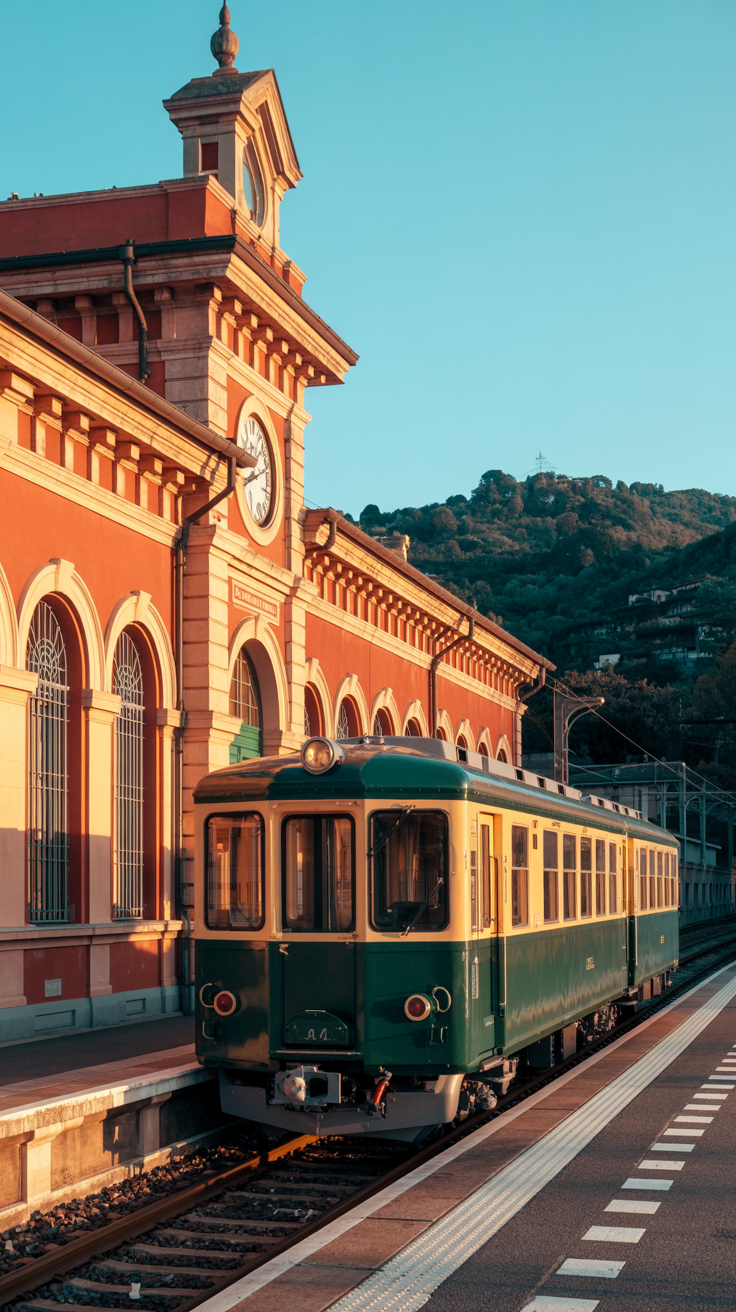
Florence: Firenze Santa Maria Novella
This is Florence’s main station and it’s brilliantly central – you can walk to the Duomo in about 10 minutes. The station itself is modern, clean, and has everything you need: cafes, toilets, left luggage facilities, and clear departure boards.
Insider tips:
- Validate your ticket at the green or yellow machines on the platform if you’re on a regional train (Freccia and Frecciarossa services don’t need validation)
- The station has two main sides – check your platform number and head to the right end
- There’s a supermarket downstairs (Sapori & Dintorri) if you want to grab snacks for the trip – much cheaper than the platform kiosks
- Left luggage is on the ground floor; handy if you’re spending a few hours in Florence before your train
Genoa: Genova Piazza Principe
This is the station you want for cruise connections. It’s about 1.5 km from the cruise terminal – roughly 15 minutes on foot with luggage, or a quick €10-15 taxi ride. The station is smaller than Florence’s but still has cafes, ticket offices, and basic facilities.
Getting to the cruise terminal:
- Walking: Doable with light luggage and a sense of adventure. Head down Via Andrea Doria towards the port – it’s straightforward but not particularly scenic
- Taxi: The rank is right outside the station. Should cost €10-15 depending on which terminal you need. Agree the price first or make sure the meter’s running
- Public bus: Cheaper but fiddly with big bags. The 1 or 18 lines head portward but check current routes as they change
If your train arrives at Genova Brignole instead, you’re further from the port – about 3km. Take a taxi from there; it’s not worth the bus faff with cruise luggage. When exploring things to do in Genoa from your cruise ship, remember that Piazza Principe station is also your gateway to day trips.
The Route: What to Expect
The scenery is genuinely lovely, especially once you’re into the Apennines and then dropping down into Liguria. You’ll wind through tunnels, past hill towns, and eventually catch glimpses of the Ligurian coast if you’re on the right side of the train (that’s the left side heading from Florence to Genoa).
Most trains have power sockets, though they’re not always at every seat. Wi-Fi exists but can be patchy once you’re in the mountains. Bring a book or download something to watch. The toilets are generally fine – certainly better than budget flights – and there’s usually a snack trolley on the longer services, though it’s pricey.
Packing Smart for the Train Journey
Since you’ll be travelling with your cruise luggage, a bit of smart packing makes the journey much more pleasant. Invest in some compression packing cubes to maximize space in your bags and keep everything organized – you’ll appreciate being able to find things easily without unpacking completely at the station. A portable luggage scale is also handy to ensure you’re not over the weight limit before you even get to the cruise terminal.
Keep your essentials accessible in a secure travel backpack or anti-theft messenger bag – think passport, phone, chargers, and any medications. You don’t want to be digging through your main suitcase in the overhead rack mid-journey. A cable organizer for travel keeps all your electronics neat and prevents the inevitable tangle of chargers at the bottom of your bag.
Essential Items for Your Train Trip
Because power sockets aren’t guaranteed at every seat, bring a compact 10000mah portable charger to keep your phone topped up – you’ll need it for photos in Florence and your mobile boarding pass. If you’re travelling with multiple devices, a portable charger with built-in cables saves packing separate charging leads. Don’t forget a European power adapter for when you do find a socket.
The train journey is comfortable, but a memory foam travel pillow makes those four hours significantly more pleasant, especially if you’re on an early morning departure after a late night enjoying Florence’s restaurants. If you’re prone to swollen feet during travel, travel compression socks help with circulation during the journey and are essential cruise packing items anyway.
Weather Considerations for Spring and Autumn Travel
Both Florence and Genoa can be unpredictable in spring and autumn – April through early June and September through October are prime cruise months but also when you’ll encounter variable weather. Pack a women’s packable rain jacket or men’s waterproof rain jacket that folds small – these take up minimal luggage space but save you from getting soaked exploring Florence before your train.
If you’re travelling in the cooler months of late March, April, or October, a lightweight women’s puffer jacket or packable men’s puffer works brilliantly as a layer you can stuff in your bag once you’re on the train. Italian trains can be overly enthusiastic with heating or air conditioning, so layers are your friend.
Common Mistakes to Avoid
- Not checking which Genoa station your train uses. Piazza Principe is far more convenient for the cruise port than Brignole. If your only option goes to Brignole, factor in extra time and taxi cost.
- Leaving booking too late. Prices can more than double in the final week before travel. Book when you book your cruise if possible.
- Forgetting to validate regional tickets. You’ll get fined if an inspector catches you with an unvalidated ticket, even if you genuinely didn’t know. The validation machines are on every platform – green or yellow boxes, stick your ticket in, wait for the stamp.
- Arriving in Genoa too close to embarkation. Yes, technically you could take a lunchtime train and make a 4pm embarkation. But if there’s a delay, you’ll be sweating bullets. Aim to arrive the evening before at the absolute minimum.
- Overestimating what you can carry. Florence and Genoa stations both have stairs in places. If you’ve got three weeks’ worth of cruise luggage, consider the left luggage service in Florence rather than hauling everything around the Uffizi.
- Not having comfortable walking shoes. You’ll be doing more walking than you think between platforms, to taxis, and around stations with luggage. A good pair of supportive women’s walking shoes or comfortable men’s walking shoes makes all the difference. Keep some blister prevention strips in your day bag just in case – new shoes and travel don’t always mix well.
Making It Part of Your Cruise Trip
The smart move is building Florence into either end of your cruise. Most Mediterranean cruises that call at Italian ports start or end in Genoa, Civitavecchia (Rome), or sometimes Barcelona. If yours begins or finishes in Genoa, the Florence add-on is a no-brainer.
- Pre-cruise option: Fly into Florence, spend 2-3 days there, then train to Genoa the day before embarkation. You’re relaxed, you’ve seen one of Italy’s greatest cities properly, and you’re at the port with time to spare.
- Post-cruise option: Disembark in Genoa, train to Florence that afternoon, spend a few days, then fly home. You avoid the usual post-cruise scramble to the airport and actually end your holiday on a high rather than in a departure lounge.
| Option | Pros | Cons |
|---|---|---|
| Pre-cruise Florence | You’re fresh and excited, easy to get to Genoa in time, sets holiday mood | Worried about missing embarkation if trains delayed |
| Post-cruise Florence | No embarkation stress, can properly relax, extends the holiday feeling | You’re more tired, might just want to get home |
Extend Your Stay in Florence
If you’re adding Florence to your cruise itinerary, you’ll want at least two full days there – one day just doesn’t do it justice. Hotels in Florence book up quickly during peak cruise season (April to October), so sort your accommodation well in advance. The Santa Maria Novella area is perfect for train connections and puts you within walking distance of the Duomo, Uffizi, and Ponte Vecchio.
Consider staying near the station if you’re just passing through, or splurge on something in the historic centre if you’ve got more time. Pack a compact travel steamer so you can freshen up any wrinkled clothes before heading out to Florence’s nicer restaurants – you’ll want to look decent for those Instagram photos at the Ponte Vecchio. A travel jewelry organizer keeps your valuables safe and organized in your hotel room, and a portable door lock adds extra security for peace of mind.
Even an extra day makes a huge difference – Florence has world-class art, fantastic food, and that intangible Renaissance magic that makes you want to linger over another Aperol spritz. The beauty of the train option is you’re not watching the clock constantly like you would be on a rushed shore excursion. You can actually enjoy a proper Florentine bistecca without worrying about missing the last tender back to your ship.
Personal Experience
We took the train from Florence to Genoa last spring before our Mediterranean cruise, and honestly, it was such a smart move. The trip takes about four hours, which sounds like a lot, but the scenery through the Tuscan countryside and into Liguria made it fly by. We had considered trying to squeeze it in as a port day excursion, but there’s just no way – by the time you factor in getting to the station, the travel time, and making it back before the ship leaves, you’d barely have time to see anything in Florence. Save yourself the stress and build it into your trip instead.
The trains run pretty regularly throughout the day, and booking through Trenitalia or Italo a few weeks ahead saved us a decent chunk of money. Both Florence’s Santa Maria Novella station and Genoa’s Piazza Principe are really easy to navigate, even with luggage. If your cruise leaves from Genoa’s port, Piazza Principe is your stop – it’s only about a 15-minute walk or a quick taxi ride to the cruise terminal. Just make sure to validate your ticket before boarding if you’re using a regional train. It’s a much more relaxed way to start or end your cruise than rushing through an airport.
Getting Your Luggage Sorted
Speaking of luggage, if you’re combining city time with a cruise, you need bags that work for both. A hardside carry-on suitcase is perfect for the train journey and can handle cobblestones in Florence and ship corridors equally well. Use four-piece packing cube sets to separate city clothes from cruise wear – makes unpacking at the hotel and then repacking for the ship so much easier.
Keep a hanging toiletry bag packed with travel-sized essentials so you’re not hunting for things in Florence hotel bathrooms or tiny cruise cabins. And don’t forget travel shoe bags to keep your nice shoes separate from clothes and to protect your walking shoes from getting everything else dirty.
What to Pack for Shore Excursions from Genoa
Once you’re on the cruise, you’ll likely book shore excursions along the Italian Riviera or French coast. Pack a collapsible water bottle that doesn’t take up luggage space but keeps you hydrated during long walking tours. A waterproof phone pouch protects your device from splashes if you’re taking a boat excursion or visiting beaches.
If your cruise includes beach stops or you fancy a dip, bring a quick-drying beach towel and reef-safe sunscreen – many Mediterranean ports now require reef-safe products. A women’s rash guard or men’s swim shirt provides sun protection for longer beach days. Keep your valuables safe with a waterproof dry bag – perfect for beach excursions or if you get caught in a sudden downpour exploring Cinque Terre.
Common Questions & FAQ
Can I do Florence as a day trip from my cruise ship in Genoa?
Technically yes, but it’s a long day and you’ll spend eight hours on trains. If your ship is in port for 10-12 hours you could do it, but you’d only have a few hours in Florence itself. Far better to add Florence as a pre or post-cruise stay where you can actually enjoy it properly without clock-watching.
Which train company is better, Trenitalia or Italo?
Both are perfectly good. Trenitalia runs more services so you’ll have more time options, but Italo often has slightly cheaper fares and newer trains. Check both when booking and go with whichever combination of price and timing works best for your schedule. The actual experience is pretty similar.
Do I need to reserve seats in advance or can I just turn up?
For Frecciarossa and Italo services, seat reservation is included and mandatory – you can’t just hop on. Regional trains don’t require reservations but can get packed, especially at peak times. Booking in advance is always cheaper anyway, so there’s really no reason not to.
What happens if my train is delayed and I miss embarkation?
This is why you don’t cut it fine. If you arrive in Genoa the evening before your cruise, a delayed train is annoying but not catastrophic. If you’re trying to arrive on embarkation day itself, you’re taking a real risk. Italian trains do get delayed sometimes – strikes, technical issues, weather. Build in buffer time.
Is there left luggage at the stations if I want to explore before my train?
Yes, both Florence Santa Maria Novella and Genova Piazza Principe have left luggage facilities. In Florence it’s on the ground floor of the main station building. Costs a few euros per bag per day but absolutely worth it if you’ve got time to kill between checkout and your train departure.
Can I take a taxi from Florence to Genoa instead?
You could, but it would cost you €300-400 and take about the same time as the train once you factor in traffic. The train is cheaper, more relaxing, and you don’t have to deal with Italian motorway tolls or parking in Genoa. Save the taxi money for onboard drinks.
Which side of the train has the best views?
Heading from Florence to Genoa, sit on the left side if you can. You’ll get better views of the Ligurian coast as you approach Genoa. That said, much of the route goes through tunnels in the Apennines, so don’t stress too much if you end up on the right.
Do trains from Florence to Genoa have WiFi and power sockets?
Most Frecciarossa and Italo trains have both WiFi and power sockets, though the WiFi can be patchy in tunnels and the sockets aren’t always at every seat. Regional trains are more hit and miss. Bring a power bank and don’t rely on connectivity for anything important like mobile boarding passes.
Last Updated: 24 January 2026