
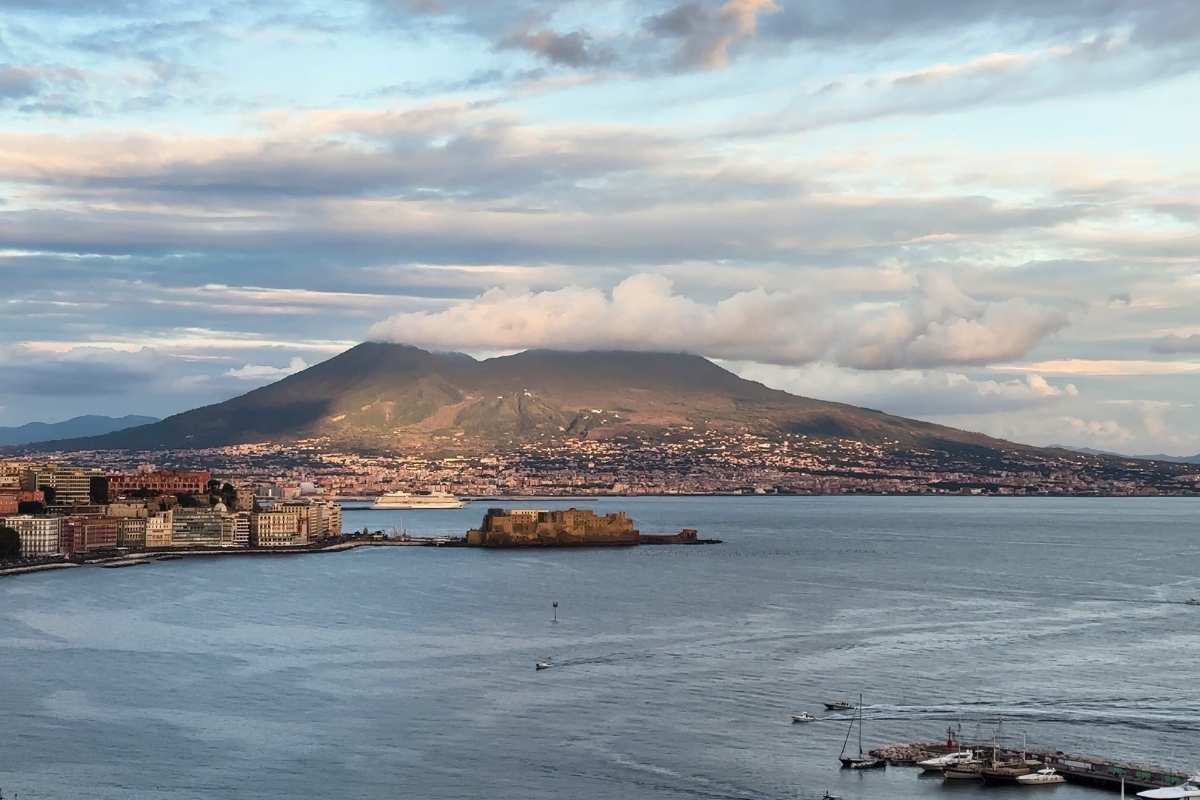
Climbing an active volcano might sound extreme for a port day, but Mount Vesuvius sits just 45 minutes from Naples cruise port, and it’s one of those experiences that sticks with you. You’re looking at roughly 20-30 minutes hiking uphill to reach the crater rim, where you can peer into the geological beast that buried Pompeii and Herculaneum nearly 2,000 years ago. But is it actually worth carving out four-plus hours of your precious port time? Let’s talk practicalities, because this isn’t a trip for everyone.
The reality is that Vesuvius demands a chunk of your day and a reasonable level of fitness. If you’re torn between this and other options, visiting Pompeii from Naples port as a half-day trip might suit you better, or you could weigh up whether organised shore excursions or independent travel makes more sense for your group. Either way, you need to understand what you’re signing up for before you commit.
If hiking an active volcano doesn’t appeal but you still want dramatic scenery, Capri delivers island views and the Blue Grotto without the uphill climb. Different experience, similar wow factor, less physical demand.
Want to know more about the port itself, including security procedures and facilities? Check out our complete Naples cruise ship port guide.
Getting There: Your Transport Options
You’ve got three main ways to reach Vesuvius from the port, and each has trade-offs in cost, flexibility, and hassle.
Private Transfer or Tour
This is the most straightforward option if you value certainty. A private driver meets you at the ship, drives you directly to the volcano’s base, waits while you hike, and gets you back to the port with time to spare. Expect to pay around €200-300 for a small group, depending on vehicle size and whether you add stops at Pompeii or Herculaneum.
- Pros: Door-to-door service, no navigation stress, flexible timing, driver knows the quickest routes
- Cons: Most expensive option, you’re locked into the driver’s schedule
- Best for: Groups of 3-4 splitting costs, anyone anxious about missing the ship, families with kids who tire easily
Public Transport
The budget option involves taking the Circumvesuviana train from Naples to Ercolano Scavi station, then catching the EAV bus to the crater base. Total journey time is roughly 90 minutes each way, and you’ll need to coordinate timetables carefully.
- Pros: Cheap (about €15 per person return), authentic local experience
- Cons: Time-consuming, trains can be packed and uncomfortable, pickpockets target tourists, tight connections mean less time at the summit
- Best for: Solo travellers on a tight budget, those with a full-day port stop (10+ hours), confident independent travellers
- Reality check: If your ship docks for only 8 hours, public transport eats up most of your day and leaves little margin for delays
Organised Shore Excursion
Your cruise line will offer Vesuvius tours, often combined with Pompeii or Herculaneum. These typically cost £80-150 per person and include transport, admission, and a guide.
- Pros: Ship waits if the tour runs late, zero risk of missing departure, guide provides historical context
- Cons: Most expensive per-person option, rigid schedule, large group slows everything down, less time at the crater
- Best for: First-time cruisers, anyone who values peace of mind over budget, people who want historical commentary
The Hike Itself: What to Expect
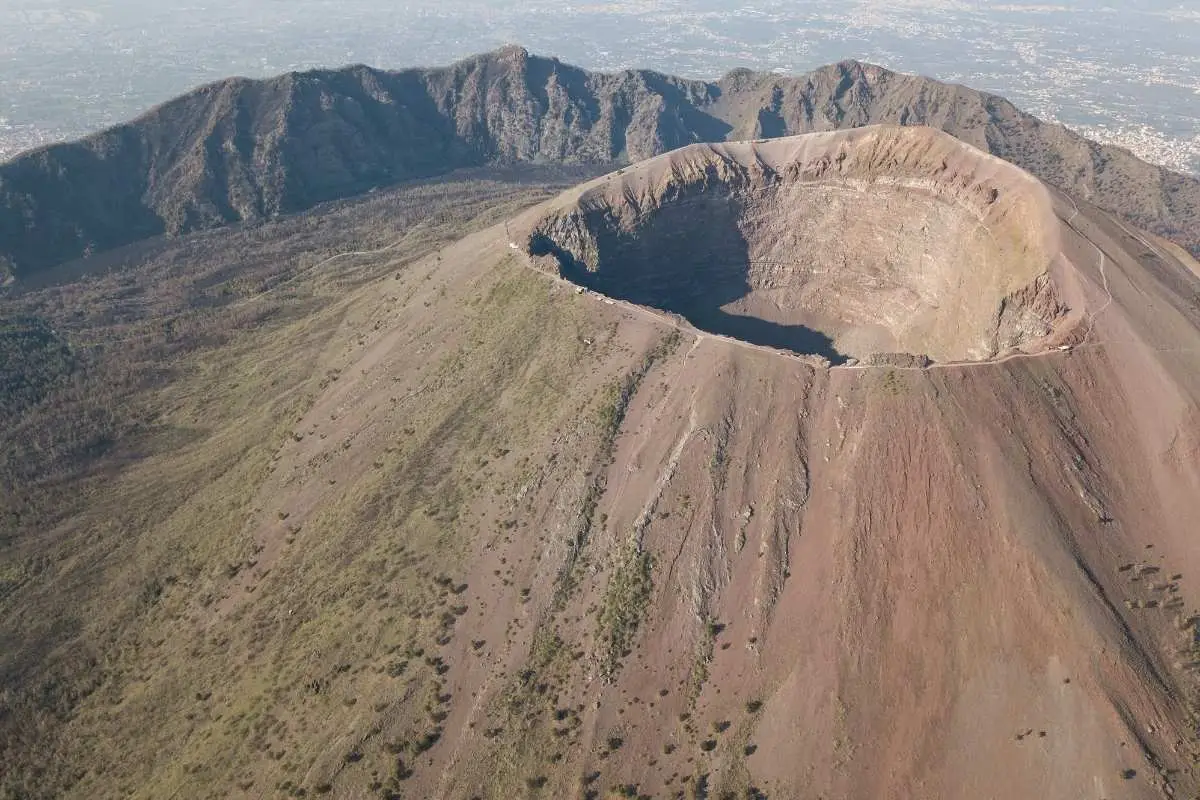
Once you reach the car park at about 1,000 metres elevation, you still have 200 vertical metres to climb. The path winds upward in a series of steep switchbacks, and while it’s paved, the gradient is relentless. Official signs claim 20 minutes to the top, but that’s optimistic unless you’re quite fit and don’t stop for photos.
Fitness Requirements
Be honest with yourself here. If you struggle with stairs or have knee problems, this hike will be unpleasant. The descent is actually harder on your joints than going up. I’ve seen people turn back halfway, and there’s no shame in that, but you’ve still used up your port time getting there.
- Realistic timing: 25-35 minutes up, 20-25 minutes down, depending on your pace and how often you stop
- Elevation gain: About 200 metres from car park to crater rim
- Path surface: Paved but uneven in places, with loose gravel on some sections
- Weather factor: Can be windy and significantly cooler at the top than at sea level
What You’ll See at the Summit
The crater is absolutely massive—roughly 300 metres deep and 600 metres across. You walk along a section of the rim on a fenced path, and the scale of it hits you immediately. Steam vents hiss and release sulfurous gas, reminding you this volcano last erupted in 1944 and could go again. On clear days, the views sweep across the entire Bay of Naples, taking in Capri, Ischia, and the sprawl of Naples itself.
- Guides are available at the top for hire (around €10-15 for a group explanation)
- The sulfur smell is noticeable but not overwhelming unless you stand directly over a vent
- You can walk about a third of the crater rim; the rest is off-limits for safety
- Expect to spend 30-45 minutes at the summit if you want photos and time to absorb it
Practical Details and Costs
Admission to the crater costs around €10 per adult when you arrive at the base. This is separate from your transport costs. There’s a small visitor centre with toilets and a café selling overpriced drinks and snacks.

| Item | Cost |
|---|---|
| Crater admission | €10 per adult |
| Private transfer (2-4 people) | €200-300 total |
| Public transport return | €15 per person |
| Shore excursion | £80-150 per person |
| Bottled water at summit | €3-4 |
Opening Hours and Timing
The crater is open daily, typically from 9am until about two hours before sunset (hours vary by season). Last entry is usually at least an hour before closing. If you’re on a shore excursion, your operator handles this, but independent visitors should check current hours before setting out.
What to Wear and Bring
This is where many cruise passengers get it wrong. The temperature at the summit can be 10 degrees cooler than at the port, and wind chill makes it feel even colder.
Essential Kit
- Proper footwear: Trainers or hiking boots with good grip are essential. No flip-flops, sandals, or heels—security may refuse entry in inappropriate shoes
- Layers: A light packable jacket you can tie around your waist if you get too warm on the hike up
- Sun protection: Hat and reef-safe sunscreen; there’s no shade on the path or at the summit
- Water: At least 500ml per person; you’ll get thirsty and the café prices are steep. A collapsible water bottle saves space in your bag
- Small backpack: An anti-theft daypack to carry layers and water; you’ll want your hands free for the climb
For more thoughts on what works for active port days, our guide to Naples cruise outfit ideas covers the practical side of dressing for Italian shore excursions.
What to Leave Behind
- Large bags or backpacks (they’re awkward on the narrow path and in crowds)
- Valuable jewellery (you’re sweating up a volcano, not dining at the captain’s table). Store valuables safely with a portable door lock in your cabin
- Expectations of toilets or facilities on the path (there’s nothing between the base and summit)
Time Management and Ship Schedules
This is critical. You need to budget four hours minimum from gangway to gangway, and that’s cutting it fine. Here’s a realistic breakdown:
| Activity | Time |
|---|---|
| Disembark and meet driver/reach transport | 30 min |
| Drive to Vesuvius base | 45 min |
| Buy ticket, use facilities, start hike | 15 min |
| Hike to crater | 25-30 min |
| Time at summit | 30-45 min |
| Hike down | 20-25 min |
| Drive back to port | 45 min |
| Buffer and re-embarkation | 30 min |
| Total | 4-4.5 hours |
If your ship is docked for less than eight hours, think carefully about whether you have enough margin. Traffic around Naples is unpredictable, and one accident on the motorway can blow your schedule. Always be back at the ship at least 60-90 minutes before all-aboard time. Keep your phone charged with a portable power bank so you can stay in touch with your driver or group.
Is It Worth Your Port Time?
That depends entirely on what else you could be doing and what interests you. If geology, volcanology, or dramatic natural landscapes excite you, then yes, absolutely. Standing on the rim of an active volcano that famously destroyed multiple Roman cities is genuinely special. The physical act of climbing to the crater and seeing the scale of it firsthand makes it more memorable than, say, wandering around Naples city centre or hitting the shops.
But if Roman history is your primary interest, Pompeii or Herculaneum will give you more value for your time. If mobility is an issue, the hike might be too challenging. If you’ve only got six or seven hours in port, the time commitment is probably too much. And if you’re in a large group with varying fitness levels, someone will struggle and hold everyone back.
Who Should Go
- Anyone fascinated by volcanoes and natural phenomena
- Reasonably fit travellers who don’t mind a steep climb
- Photographers chasing dramatic landscapes and unique backdrops
- People with at least an 8-hour port stop
- Those who’ve already seen Pompeii on a previous cruise
Who Should Skip It
- Anyone with mobility issues, knee problems, or heart conditions
- Families with young children or babies (pushchairs are impossible, and it’s too much for little legs)
- Passengers on short port calls (under 7 hours docked)
- Those more interested in culture, art, or history than natural landscapes
- People who hate hiking or sweating on holiday
Insider Tips Most Tours Won’t Tell You
- Afternoon visits are quieter: Morning tour groups clog the path between 10am-12pm. If you go independently around 1-2pm, you’ll have more space
- The café at the base is your last chance for facilities: Use the toilets even if you don’t think you need to
- Trekking poles help: Especially on the descent; some visitors bring collapsible poles and they make a difference
- Book private transfers directly: Often cheaper than going through your cruise line’s shore excursions desk
- Combine with Herculaneum, not Pompeii: If you want both, Herculaneum is much closer to Vesuvius and takes less time to see
- The weather changes fast: Pack a lightweight rain jacket just in case; it can be sunny at sea level and cloudy or rainy higher up
- Download offline maps: Phone signal is patchy on the mountain, and you don’t want to waste time lost at the base trying to find the ticket office
- Prevent blisters before they happen: Use blister prevention tape on your heels and toes before the hike, not after they start hurting
Extend Your Stay in Naples
If Vesuvius has sparked your interest in the area’s volcanic history and culture, staying a few extra days either before or after your cruise makes sense. Hotels in Naples range from budget-friendly spots near the port to luxurious properties overlooking the bay, and having accommodation booked means you can tackle both Vesuvius and Pompeii at a more relaxed pace without worrying about ship departure times. The city itself rewards a slower exploration—its chaotic streets, incredible pizza, and lesser-known archaeological museums deserve more than a rushed port day. Spending a night or two also lets you catch Vesuvius at different times of day; sunrise or late afternoon light makes for spectacular photos, and you’ll avoid the cruise ship crowds entirely. The Circumvesuviana train becomes much more appealing when you’re not racing a ship’s all-aboard call. Pack smart with compression packing cubes to fit extra clothes for your extended stay, and bring a European plug adapter to keep all your devices charged.
Personal Experience
We docked in Naples for just eight hours, and I was determined to make Vesuvius happen. The drive from the port took about 45 minutes through some pretty chaotic Italian traffic, but our driver knew the back roads well. Once you reach the base, you buy your ticket and start the hike up to the crater – they say 20 minutes, but it’s more like 25-30 if you’re stopping to catch your breath and take photos. The path is paved but steep, and I watched a few people in flip-flops really struggling, so definitely wear proper walking shoes.
Standing at the rim looking into that massive crater is genuinely incredible. You can see steam vents and smell the sulfur, which makes it feel very much alive. The views over the Bay of Naples are stunning too. Fitness-wise, you need to be reasonably mobile – it’s not a casual stroll, but you don’t need to be an athlete either. Just factor in about four hours total from leaving your ship to getting back, maybe a bit more if you want to grab lunch. If you only have a short port day and want to see Pompeii too, you’ll need to choose one or the other. But if you’ve got the time, Vesuvius is absolutely worth it.
Common Questions & FAQ
Can you do both Vesuvius and Pompeii in one port day?
Technically yes, but only if you have at least 10 hours docked and you book a combined tour or hire a private driver. You’d be rushed at both sites, spending more time in the car than actually seeing anything. Most people find it more satisfying to pick one and do it properly rather than trying to tick both boxes. If you absolutely must do both, prioritise Pompeii and add a quick Vesuvius stop on the way back if time allows.
What happens if I’m not fit enough to make it to the top?
There’s no refund if you turn back partway, and nobody will think less of you for stopping. Some people rest at the halfway point and wait for their group to come back down. The views from lower down are still decent, though you won’t see into the crater itself. If you have serious doubts about your fitness, consider Herculaneum instead—it’s flat, fascinating, and less physically demanding.
Is Vesuvius safe to visit?
Yes, it’s monitored constantly by Italy’s volcano observatory, and the site would close immediately if any dangerous activity were detected. That said, it’s an active volcano that last erupted in 1944, and it will erupt again eventually. The risk on any given day is extremely low, but if you’re genuinely anxious about it, no amount of reassurance will make you enjoy the experience.
Can I bring children or pushchairs?
Children who can walk for 30 minutes uphill on a steep path will be fine, but pushchairs are completely impractical. The path is too narrow and steep, and you’d end up carrying the pushchair anyway. Baby carriers or slings work if your child is light enough and you’re strong enough to manage the climb with the extra weight. Most families with kids under five skip Vesuvius and do something easier.
Do I need to book tickets in advance?
Not usually, unless you’re visiting in peak summer (July-August) when large tour groups can cause queues. If you’re going independently, you can buy your ticket when you arrive. Shore excursions and private tours include admission in the price. The crater itself doesn’t have a capacity limit that causes closures, but arriving early or late in the day means shorter queues at the ticket window.
What if the weather is bad on my port day?
The crater closes in high winds or heavy rain for safety reasons. If you’ve booked a shore excursion through your cruise line, they’ll usually offer a refund or alternative. Private drivers will often suggest switching to Pompeii or Herculaneum instead. Check the weather forecast a few days before you dock and have a backup plan ready, especially if you’re visiting in autumn or winter when conditions are more unpredictable. Pack a weatherproof rain jacket regardless of the forecast.
Is there phone signal at the summit?
Patchy at best. Some networks work better than others, but don’t count on having reliable signal for navigation or WhatsApp. Download offline maps before you leave the port and take photos without relying on cloud backup. This is actually a good thing—you’ll be more present and less distracted by your phone. Keep a 20000mAh portable charger in your crossbody bag so your phone doesn’t die when you need it most.
Are there toilets at the top?
No. The only facilities are at the base near the car park and ticket office. Use them before you start climbing, even if you don’t think you need to. The hike up and down takes close to an hour total, and there’s nowhere to go once you’ve started. This catches people out more often than you’d think.
Last Updated: 18 January 2026