
Getting off a cruise ship in Naples is generally a smooth process, but knowing what to expect can save you time and hassle. The port handles thousands of cruise passengers daily, and the Italian authorities have streamlined procedures to keep things moving. That said, there are a few quirks worth knowing about before you set foot in the terminal.
Naples port security operates similarly to airport screening but with a few cruise-specific differences. You’ll find X-ray scanners for bags, occasional manual inspections, and customs officers who are more focused on prohibited goods than grilling you about your holiday. The system works well when you know the rules and have your documents sorted.
What Happens When You Disembark
The moment you step off your ship at Naples, you’ll follow designated walkways toward the terminal building. Unlike some ports where you simply walk straight out, Naples funnels all passengers through a security checkpoint. Here’s the typical flow:
- Exit the gangway and follow the covered walkways or shuttle buses to the main terminal (depends which berth your ship uses)
- Queue for security screening – there are usually multiple lanes open depending on passenger volume
- Place bags on X-ray conveyor – similar to airport security but often quicker
- Walk through the scanning area while your bags go through the machine
- Collect your belongings on the other side and proceed toward customs
- Pass through customs (often just walking through unless flagged or carrying goods to declare)
- Exit to the port area where taxis, shuttles, and tour buses wait
The Naples cruise terminal guide offers more detail about the layout and facilities once you’re through security. Peak times matter here – if three large ships are disembarking simultaneously, you might wait 45 minutes or more just to get through screening. Early morning tends to be busiest when most shore excursions depart.
Customs Procedures for Cruise Passengers
Italy is part of the European Union, which means specific rules apply for what you can bring in and out. The good news is that most cruise passengers arriving in Naples face minimal customs scrutiny unless they’re carrying something obviously problematic or large quantities of goods.
Standard Customs Process
When you pass through the security screening area, you’re technically also passing through customs. There’s no separate customs desk for most passengers. Officers observe the X-ray screens and may pull bags aside if they see anything suspicious. You’ll notice signs indicating “Nothing to Declare” and “Goods to Declare” channels, similar to airports.
- Nothing to Declare: Most cruise passengers use this route. You simply walk through after security screening.
- Goods to Declare: Use this if you’ve purchased items over the duty-free allowance or carry restricted goods that need documentation.
What You Must Declare
Cruise passengers coming from non-EU ports need to be aware of Italy’s allowances. If you’re on a Mediterranean cruise that stopped in Turkey, Morocco, or Tunisia and you went shopping, pay attention:
- Alcohol: 1 litre of spirits over 22% OR 2 litres under 22% plus 4 litres of wine
- Tobacco: 200 cigarettes OR 100 cigarillos OR 50 cigars OR 250g tobacco
- Cash: €10,000 or more must be declared (includes all currencies combined)
- Goods value: Personal items up to €430 by air/sea (€300 for under-15s)
Anything beyond these limits needs declaring, and you might face duty charges. Most cruise passengers stay well within these thresholds unless they’ve done serious shopping at duty-free shops or in North African ports.
Prohibited and Restricted Items
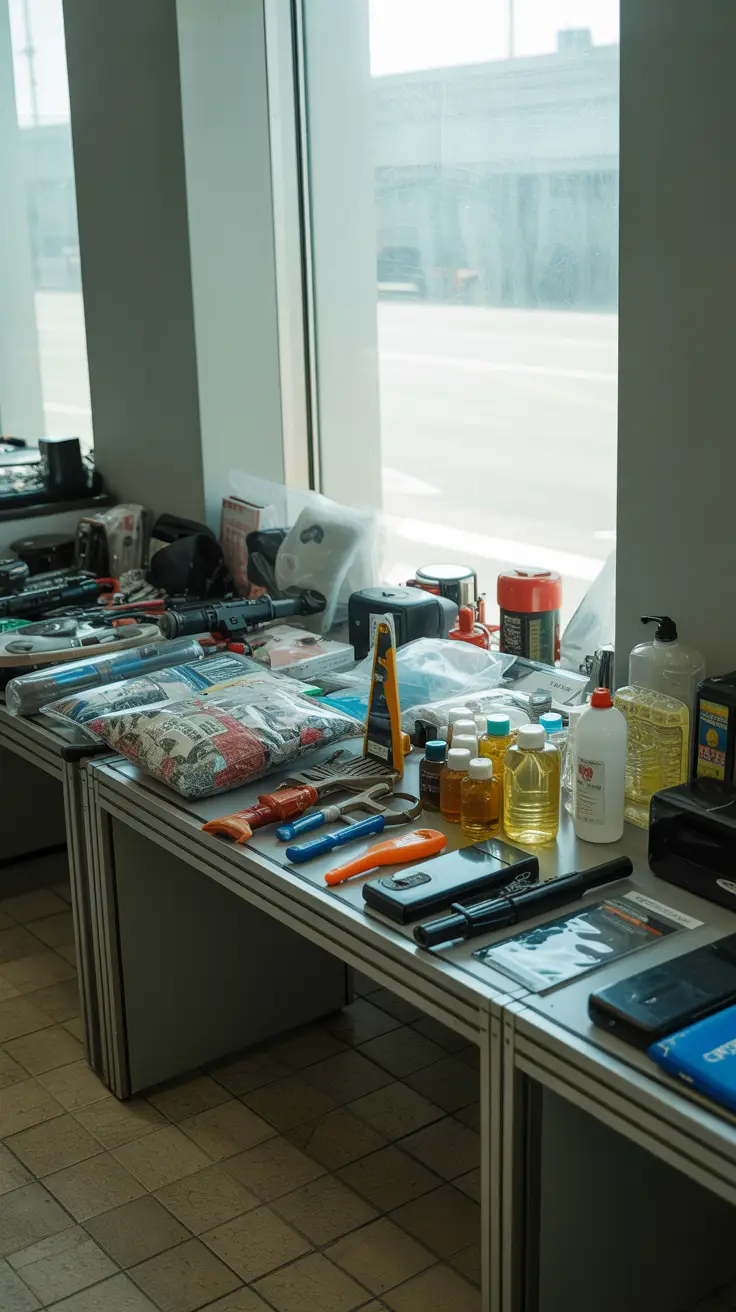
Italian customs officers look for specific items that are either banned outright or require permits. Getting caught with prohibited goods can lead to confiscation, fines, or worse. Here’s what not to bring through Naples port:
Absolutely Prohibited
- Illegal drugs – this seems obvious but some passengers forget about prescription medications that are controlled substances in Italy
- Counterfeit goods – fake designer bags, watches, or clothing can be confiscated even if you bought them as souvenirs
- Endangered species products – ivory, certain shells, coral jewelry, exotic leather goods without proper CITES documentation
- Offensive weapons – knives (except small pocket knives), knuckledusters, certain martial arts equipment
- Meat and dairy products from non-EU countries – that Turkish sausage or Tunisian cheese won’t make it through
Restricted Items Requiring Documentation
- Prescription medications – carry prescriptions and keep medicines in original packaging; large quantities may need explanation
- Plants and plant products – soil, seeds, fresh flowers may be stopped depending on origin
- Animal products – including processed foods containing meat or dairy from non-EU ports
- Tobacco beyond personal use – customs officers know the difference between personal supply and commercial quantities
A lesser-known issue involves fresh food purchased on the ship. Some cruise lines let you take fruit or snacks off at ports, but Italian customs technically prohibits fresh produce from entering without inspection. Most officers won’t hassle you over an apple, but large quantities might raise questions.
Expected Processing Times
How long you’ll spend getting through Naples port security depends entirely on timing and ship traffic. Here’s what to expect:
| Scenario | Typical Time | What Affects It |
|---|---|---|
| Single ship, early disembarkation | 15-25 minutes | Fewer passengers, all lanes open |
| Single ship, mid-morning rush | 30-40 minutes | Everyone leaving at once for tours |
| Multiple ships docked | 45-60+ minutes | Thousands of passengers funneling through |
| Returning to ship (re-boarding) | 5-10 minutes | Usually quicker than departure |
The Naples cruise port parking guide includes timing considerations if you’re driving to meet your ship or collecting a rental car after disembarking. Security can get backed up during changeover days when one set of passengers is disembarking while another group waits to board.
Insider Tips for Faster Processing
- Disembark early or late – avoid the 8:30-10:00 rush when most shore excursions depart
- Travel light through security – fewer bags mean faster X-ray screening; consider using an anti-theft backpack to keep everything organized
- Have documents ready – passport, ship ID card, and any customs declarations; keep them accessible in a secure messenger bag
- Don’t pack prohibited items – even accidentally packing an orange can slow you down if flagged
- Follow the express lanes – sometimes they open additional screening points when queues build
- Stay patient – getting frustrated won’t speed things up and Italian officials respond better to politeness
If you’ve booked an early excursion or need to catch transport to Naples airport, factor in at least 45 minutes from leaving your cabin to exiting the port area. The Naples airport to cruise port transport connections can be tight if your flight departs soon after your ship docks.
Special Situations and Random Checks
Some passengers get selected for additional screening regardless of what they’re carrying. This isn’t personal – customs officers use profiling and random selection to maintain security standards. If you’re pulled aside:
- Stay calm and cooperative – arguing makes things worse and longer
- Answer questions directly – where you’ve been, what you purchased, where you’re going
- Allow bag searches – they might hand-search everything if the X-ray shows unclear objects
- Provide receipts if requested – especially for expensive items or large purchases
- Be honest about goods – lying about what you’re carrying can turn a minor issue into a major problem
Language barriers can complicate these situations. Most customs officers speak some English, but having key phrases in Italian helps. “Non ho niente da dichiarare” (I have nothing to declare) and “Questi sono effetti personali” (These are personal items) are useful.
Re-Boarding Security After Shore Time
Coming back to your ship involves another security check, though it’s typically faster. You’ll pass through X-ray screening again, and officers look for:
- Prohibited items you might have purchased ashore
- Excessive alcohol (beyond what the cruise line allows back on board)
- Fresh food that violates ship health regulations
- Anything that could pose a safety risk to the vessel
Cruise lines often have their own rules stricter than customs requirements. You might pass Italian customs with two bottles of wine but have the ship’s security confiscate them if the cruise line limits what you can bring aboard. They’ll typically hold these items and return them on disembarkation day.
Documentation You Need
Having the right paperwork sorted before you leave the ship prevents delays and complications:
- Passport – must be valid for at least three months beyond your planned departure from the EU
- Ship identification card – proves you’re a cruise passenger and authorizes re-boarding
- Visa (if required) – UK citizens don’t need one for tourist visits under 90 days, but other nationalities should check
- Customs declaration form – only if you have goods to declare or cash over €10,000
- Purchase receipts – for anything expensive bought at previous ports
- Prescription documentation – for any controlled or large quantities of medication
Some passengers try to save time by leaving their passport in the cabin safe. Don’t. Italian law requires you to carry identification, and you might be refused entry to certain sites without it. Losing your passport ashore is a nightmare, but leaving it behind can cause different problems. Consider keeping important documents secure in an anti-theft messenger bag while exploring the city.
Want to know more about facilities and services available? Check out the Naples cruise ship port guide for comprehensive information about everything the terminal offers.
What Customs Officers Actually Look For
Understanding what draws attention helps you avoid unnecessary delays. Customs officers at Naples port focus on:
- Nervous behavior – excessive fidgeting, avoiding eye contact, or appearing anxious
- Suspicious packing – items wrapped in unusual materials or hidden in odd places within bags
- Quantity over quality – multiple cartons of cigarettes, many bottles of spirits, bulk quantities of anything
- Fresh agricultural products – fruit, vegetables, meat, cheese from non-EU locations
- High-value goods – expensive electronics, jewelry, designer items in quantity
- Unusual routes – passengers who’ve visited certain high-risk ports may get extra scrutiny
Most cruise passengers sail through without any issues because they’re obviously tourists with personal belongings. It’s the commercial smugglers and people trying to avoid duty that customs officers really care about. Keeping your belongings organized with compression packing cubes can help speed up any manual inspections if you’re selected.
Packing Tips for Smooth Customs Clearance
Smart packing makes the entire customs process easier. Before you disembark in Naples, organize your bags strategically. Keep electronics like your portable phone charger and European power adapter easily accessible in case officers want to inspect them separately. Store any purchases from previous ports with receipts in one section of your luggage so you can quickly show documentation if needed.
If you’re carrying valuable items like jewelry organizers with expensive pieces, keep them visible rather than buried deep in your bag where they might look suspicious on X-ray. Use packing cubes to separate clean clothes from worn items, making it easier for officers to see your bag’s contents clearly if they need to hand-search. A hanging toiletry bag keeps cosmetics and medications organized and shows you’re a genuine tourist rather than someone trying to hide contraband.
Weather can be unpredictable in Naples depending on season, so pack layers that won’t wrinkle. A lightweight puffer jacket for women or men’s packable puffer takes minimal space but keeps you comfortable if temperatures drop. If visiting during rainy season, a women’s rain jacket or men’s rain jacket proves invaluable and won’t raise any customs concerns.
What to Pack for Your Naples Shore Day
Once you’re through customs, having the right gear makes exploring Naples much more enjoyable. The city involves lots of walking on cobblestone streets, so comfortable walking shoes for women or men’s walking shoes are essential. Bring blister prevention products if you’re breaking in new shoes or planning extensive sightseeing.
Keep your valuables secure while exploring with an anti-theft backpack that has hidden zippers and slash-proof materials. Naples has amazing street markets and shopping, but pickpockets target obvious tourists, so proper bags matter. A collapsible water bottle saves you from buying expensive bottled water while keeping you hydrated during hot Mediterranean days.
If your shore day includes beach time or a trip to nearby Capri, pack reef-safe sunscreen, a waterproof phone pouch, and a quick-dry beach towel. These items easily fit in your daypack and won’t cause any customs issues. For snorkeling excursions, some passengers bring their own full-face snorkel mask rather than relying on rental equipment. Men might want a rash guard and women their own rash guard for sun protection during water activities.
Managing Electronics Through Security
Electronics often get extra attention at customs checkpoints. Keep your phone charged with a portable charger that includes cables so you can power it on if requested. Officers might ask you to turn on devices to prove they’re legitimate electronics rather than hollowed-out shells hiding contraband.
A cable organizer for travel keeps charging cords, adapters, and earbuds tidy so your bag doesn’t look chaotic on X-ray screens. Tangled cables and loose electronic accessories create confusing images that might prompt officers to hand-search your entire bag. Keeping everything organized in dedicated pouches shows you’re an organized traveler rather than someone trying to hide items among clutter.
Remember that European outlets differ from North American and UK standards, so your power adapter is essential for keeping devices charged during your trip. These adapters are perfectly fine to carry through customs – just keep them accessible rather than buried at the bottom of your luggage.
Extend Your Stay in Naples
If you’re considering spending time in the city before or after your cruise, Naples offers incredible food, history, and access to Pompeii and the Amalfi Coast. The port’s central location makes it easy to walk to many attractions, though the area immediately around the docks can feel a bit industrial.
Hotels in Naples range from budget-friendly options near the station to luxury properties overlooking the bay. Staying near Piazza del Plebiscito or the Chiaia district puts you close to restaurants and shopping while keeping you within easy reach of the cruise port. Accommodation tends to book up quickly during peak cruise season, so reserve early if you want decent rates.
For multi-day stays, bring hardside carry-on luggage that protects your belongings while moving between hotel and ship. A luggage scale helps ensure you don’t exceed weight limits if you’ve been shopping in Italian markets. Keep wrinkles out of nicer clothes with a compact travel steamer that works with European voltage.
The city has fantastic pizza, underground archaeological sites, and museums worth exploring if you have a day or two before your ship departs. Many passengers fly into Naples, spend a night or two exploring, then board their cruise rested and ready rather than rushing straight from the airport to the ship. For hotel security, some travelers bring a portable door lock for added peace of mind in unfamiliar accommodations.
Managing Luggage and Belongings
If you’re ending your cruise in Naples and heading home, organize your luggage before disembarkation day. Use compression packing cubes to maximize space and keep purchases from shifting around during customs inspection. Separate souvenirs and new items from worn clothing so customs officers can easily distinguish personal belongings from recent purchases.
Pack worn shoes in dedicated shoe bags to keep them from dirtying clean clothes if officers open your luggage. A hanging toiletry bag keeps liquids contained and visible, preventing any suspicion about unmarked bottles or containers. Remember that liquid restrictions don’t apply at cruise ports the same way they do at airports, but organized packing still speeds up the process.
For flight connections after your cruise, give yourself adequate buffer time. Use a digital luggage scale to check your bags before leaving the ship, as Italian airlines strictly enforce weight limits and overages get expensive. Having properly distributed weight across bags prevents last-minute repacking at the airport.
Health and Comfort Considerations
Standing in customs lines can be tiring, especially if you’ve been on your feet exploring various ports. Compression socks for travel help reduce leg swelling during long queues and walking days. These are particularly useful if you’re connecting to a long flight after clearing customs, as they improve circulation during extended periods of sitting or standing.
If you’ve booked early morning excursions after clearing customs, you might be rushing from the ship with minimal sleep. A memory foam travel pillow in your carry-on means you can nap comfortably during transport to archaeological sites or if you have airport waiting time. It’s small enough not to cause customs concerns but makes a significant comfort difference.
Personal Experience
When we got off our cruise ship at Naples port, the whole disembarkation process was surprisingly straightforward. Security moved pretty quickly, and we basically followed the crowd through the terminal. They had us scan our bags through an X-ray machine, similar to what you’d see at an airport, and the customs officers were around but mostly just observing unless something flagged. The whole thing took maybe 20-30 minutes from leaving the ship to being outside the terminal, though I noticed it got busier when multiple ships were docked at once.
I had my essentials organized in an anti-theft backpack which made everything easier – passport accessible, phone charged with my portable charger and cables, and my European adapter ready for the day ahead. They’re pretty strict about the usual stuff – no fresh food, certain meats, or plants coming into Italy. Just make sure you’re not carrying anything sketchy, and you’ll breeze through.
The customs declaration was minimal for us since we were just spending the day exploring Naples and getting back on the ship. If you’ve got purchases from other ports, just be honest about what you’re bringing. The officers we encountered were friendly enough, though not everyone spoke perfect English. They seemed more interested in keeping things moving than grilling every passenger. My advice is to have your passport ready, keep your belongings organized so the X-ray part goes smoothly, and give yourself a buffer if you’ve booked an early shore excursion. The port itself is right near the city center, which is convenient once you’re through.
Common Questions & FAQ
Do I need to go through customs every time I get off the ship in Naples?
Yes, you’ll pass through security and customs screening each time you disembark, though the process is usually quick. When you return to the ship, you’ll go through security again as you re-board. The exit process tends to be slower than re-boarding because customs officers are checking what’s coming into Italy, while re-boarding security mainly ensures you’re not bringing prohibited items onto the ship itself.
Can I bring alcohol purchased at other ports through Naples customs?
You can bring alcohol within the duty-free limits: one litre of spirits over 22% alcohol OR two litres under 22% plus four litres of wine. Anything beyond this should be declared and may incur duty charges. Keep in mind your cruise line might have additional restrictions about bringing alcohol back on board the ship, which is separate from Italian customs rules.
What happens if customs finds something prohibited in my bag?
The item will be confiscated immediately, and depending on what it is, you might face a fine or further questioning. For minor issues like fresh fruit or small amounts of restricted food, they’ll typically just bin it and send you on your way. Serious violations involving drugs, weapons, or large-scale smuggling attempts can result in arrest. Always declare anything you’re unsure about rather than risk confiscation or penalties.
How early should I leave the ship if I have a flight to catch?
Allow at least three to four hours between leaving the ship and your flight departure time. This accounts for 30-45 minutes getting through port security, 20-30 minutes travel time to the airport, and the standard two-hour check-in requirement for international flights. If multiple ships are docked or it’s a busy morning, add an extra 30 minutes buffer. Missing your flight because you underestimated port security delays is surprisingly common.
Will customs check my cabin luggage differently than day bags?
All bags go through the same X-ray screening process. Customs officers don’t distinguish between large suitcases and small day packs – they’re looking at the X-ray images for suspicious items. If you’re disembarking with main luggage at the end of your cruise, the process is identical to getting off for a day in port, just with more bags to scan. Using compression packing cubes helps keep everything organized for easier inspection.
Can I bring prescription medication through Naples customs without problems?
Yes, as long as you have it in original packaging with your name on the prescription label. Carry a copy of your prescription or a doctor’s letter if you have large quantities or medications that might be controlled substances. Most customs officers won’t question clearly labeled prescription medicines in reasonable amounts, but unlabeled pills in random containers will definitely draw attention.
Is there a fast-track option through security for cruise passengers?
There’s no official fast-track or priority lane for standard cruise passengers. Some cruise lines offer “walking tours” or premium packages that might arrange slightly smoother logistics, but everyone goes through the same security screening. Your best bet for speed is timing – disembark either very early or wait until the mid-morning rush has cleared.
Do children go through the same security process as adults?
Yes, children of all ages pass through security screening with their parents. Small children can stay with you rather than walking through separately, and babies in prams will have the pram scanned while you carry the baby through. Officers are generally patient with families, but the same rules about prohibited items apply regardless of age – you can’t bring fresh fruit through even if it’s meant for a toddler’s snack.