
Genoa isn’t just a convenient port stop – it’s one of Italy’s most underrated cities, packed with maritime history, incredible food, and a tangle of medieval streets that feel worlds away from the polished tourist centres you’ll find elsewhere. The port sits right next to the city centre, which means you can walk off your ship and be sipping espresso in the old town within 20 minutes.
That proximity is a gift, but it also means you need a solid plan to avoid wasting precious hours wandering aimlessly through those confusing caruggi (the local name for the narrow alleyways). This guide gives you an hour-by-hour blueprint for one brilliant day ashore, with realistic timing, food stops that locals actually use, and practical tips for getting back to your ship without stress.
The beauty of Genoa is that it doesn’t require early morning queuing or advance tickets for most attractions, unlike Rome or Florence. You can be flexible here. That said, the Aquarium does get rammed by mid-morning, and knowing which streets to follow in the old town will save you from doubling back constantly. I’ll walk you through a manageable route that covers the highlights without turning your day into an exhausting march, plus I’ll flag up the challenges honestly – because yes, Genoa has its quirks.
Getting Your Bearings from the Port
Most cruise ships dock at either the Ponte dei Mille terminal or the Stazione Marittima, both within a 10- to 15-minute walk of the Aquarium and the historic centre. When you step off the ship, you’ll see the old harbour area (Porto Antico) to your right – that’s your first destination. Forget taxis for this short hop unless you have serious mobility issues; it’s genuinely faster to walk. The port area has clear signage in English pointing toward the Aquarium and city centre, so navigation is straightforward. If your ship docks at the more distant Terminal Traghetti Calata Chiappella, you might want to grab a taxi or use the port shuttle to save 20 minutes.
Here’s what you need to know about the layout:
- Porto Antico (Old Port): This is the revamped waterfront area with the Aquarium, cafés, and the iconic “Bigo” panoramic lift. It’s touristy but functional as your starting point.
- The Old Town (Centro Storico): Directly behind the port, this is a UNESCO World Heritage Site full of medieval and Renaissance architecture. It’s a maze, so download an offline map or screenshot key routes before you lose signal in the narrow streets. Keep your portable charger handy to ensure your phone stays powered throughout the day.
- Via Garibaldi (Strada Nuova): The showpiece street lined with palaces. It’s a 10-minute walk uphill from the port and absolutely worth the effort.
- Spianata Castelletto: A viewpoint terrace reached by a public lift. Free, quick, and offers panoramic views over the city and port.
For more ideas on maximising your time, check out things to do in Genoa from your cruise ship, which covers additional attractions and logistics.
Your Hour-by-Hour Genoa Itinerary
This schedule assumes you disembark around 8:30 AM and need to be back on board by 5:00 PM – a typical cruise port day. Adjust times based on your ship’s actual schedule, but keep the order of stops the same to avoid backtracking.
08:30–09:00 – Disembark and Walk to the Aquarium
Get off the ship as early as possible. The Aquarium of Genoa opens at 9:00 AM most days (check seasonal variations), and arriving right at opening time means you’ll have the place relatively to yourself for the first hour. Walk along the waterfront from your terminal toward the modern glass-and-steel structure of the Aquarium – it’s impossible to miss. Grab a quick coffee from a bar along the way if you skipped breakfast on the ship; the local espresso is cheaper and better than anything onboard.
09:00–11:00 – Aquarium of Genoa
The Aquarium is Europe’s largest and genuinely impressive, even if you’re not usually an aquarium person. It takes about two hours to see properly without rushing. Highlights include the Antarctic penguin zone, the shark tunnel, and the Mediterranean biodiversity exhibits. Skip the add-on dolphin experience unless you’re travelling with kids who will absolutely melt down without it – it inflates the ticket price and eats into your city exploration time.
Practical tips:
- Buy tickets online in advance to skip the ticket queue (not the security queue, which you’ll still face).
- The Aquarium gets heaving by 10:30 AM, especially if multiple cruise ships are in port. Early entry is crucial.
- There’s a café inside, but it’s overpriced and mediocre. Save your appetite for the old town.
- If it’s raining, this is your perfect first stop – read more in rainy day in Genoa: do this for weather-proof alternatives. A quality rain jacket for women or waterproof jacket for men will keep you comfortable if the weather turns.
11:00–11:30 – Walk to the Old Town via Via San Lorenzo
Exit the Aquarium and head inland toward Via San Lorenzo, the main street cutting through the historic centre. This is where Genoa stops being a waterfront tourist zone and becomes a proper medieval city. You’ll pass through Piazza De Ferrari, the city’s main square with a large fountain – it’s a good landmark to orient yourself. From there, Via San Lorenzo leads you into the heart of the old town and directly to the cathedral.
11:30–12:30 – Cathedral of San Lorenzo and the Caruggi
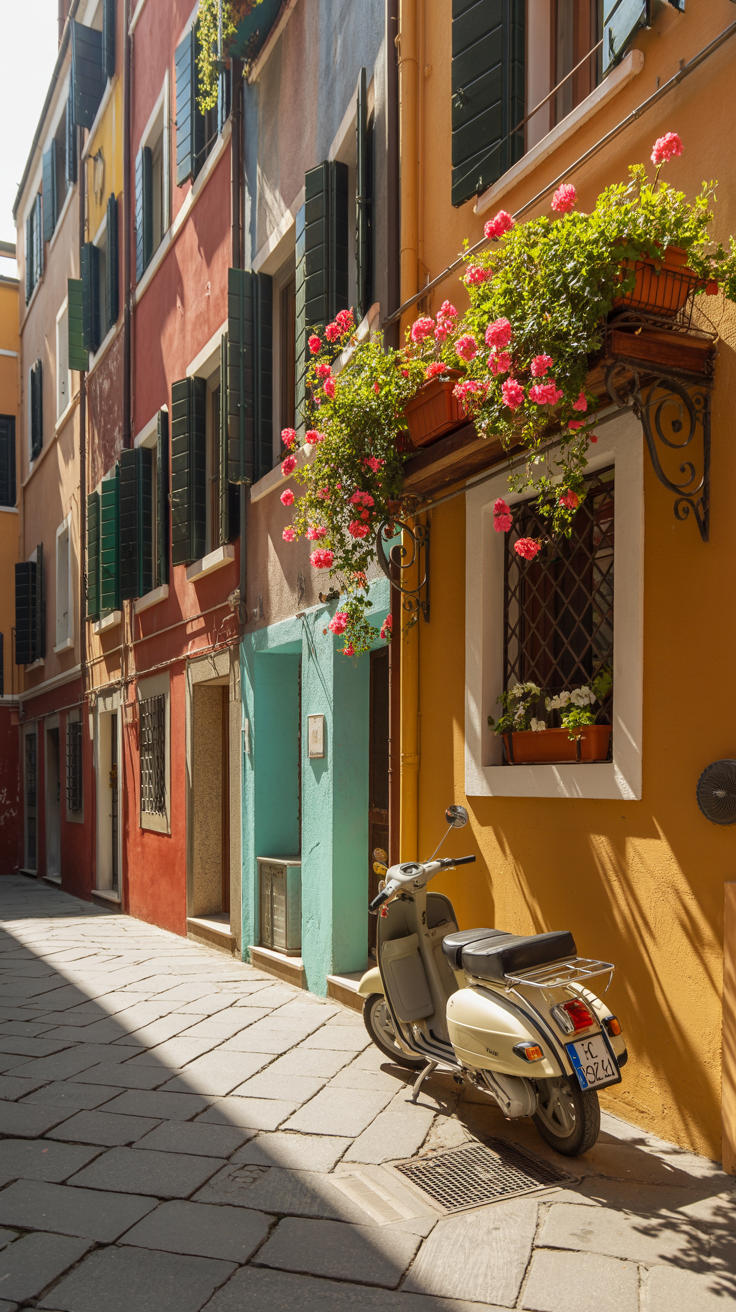
The Cathedral of San Lorenzo is free to enter (though there’s a small charge for the treasury museum, which you can skip unless you’re a church history buff). The black-and-white striped façade is striking, and the interior is impressively grand without being overwhelming. Spend 20 minutes here, then lose yourself in the surrounding caruggi – those impossibly narrow medieval alleys lined with tiny shops, hidden churches, and washing lines strung between buildings. This is the real Genoa, not the sanitised port area.
Things to watch for:
- The caruggi can feel claustrophobic if you’re uneasy in tight spaces. Some alleys are barely two metres wide.
- Pickpocketing does happen in these streets. Keep your valuables secure and your bag in front of you. An anti-theft backpack or secure messenger bag is worth considering for peace of mind.
- It’s easy to get disoriented. The streets twist and loop back on themselves. If you’re navigationally challenged, keep Piazza De Ferrari or the cathedral as your mental anchor point.
For first-time cruisers unfamiliar with European port cities, cruise tips for first-time Mediterranean cruises has useful advice on staying safe and confident ashore.
12:30–13:30 – Lunch Break: Focaccia and Farinata
You’re now perfectly positioned for lunch, and Genoa is one of the best food cities in Italy if you know where to look. Forget the sit-down restaurants near the port – they’re pricey and aimed at tourists who don’t know better. Instead, hunt down a focacceria or fry shop in the old town. Focaccia col formaggio (cheese focaccia) is the local speciality, and farinata (a chickpea flour pancake) is another must-try. Both are cheap, filling, and authentically Genoese.
Where to eat:
- Antico Forno della Casana: Tiny bakery near Via di Scurreria. Often a queue, which is always a good sign. Grab focaccia to go and eat it while walking.
- Focacceria San Vincenzo: Locals swear by this place. Simple, fast, and delicious.
- Antica Sciamadda: If you want to sit down properly, this trattoria serves traditional Genovese dishes like trofie al pesto (Genoa invented pesto, after all). Expect to spend 45 minutes here if you choose this option.
For a deeper look at local food, 8 must-try Genoa street foods now lists the bites you shouldn’t leave without tasting.
13:30–14:30 – Via Garibaldi and the Palazzi dei Rolli
After lunch, walk uphill toward Via Garibaldi (also called Strada Nuova). This is one of Europe’s most beautiful streets, lined with Renaissance palaces built by Genoa’s wealthiest families in the 16th century. Many of these palaces – collectively known as the Palazzi dei Rolli – are UNESCO-listed, and some are open to the public as museums. Palazzo Rosso and Palazzo Bianco are the two main art museums on this street, both worth a quick visit if you enjoy art. If museums aren’t your thing, simply strolling the street and peeking into the courtyards (many are open to visitors) is a treat in itself.
Museum or no museum?
- If you’re an art lover: spend 45 minutes in one palazzo. The collections include works by Caravaggio, Van Dyck, and Veronese.
- If you’re not: spend 15 minutes walking the street and admiring the architecture, then move on. Don’t feel obliged to museum-hop just because you “should.”
14:30–15:15 – Spianata Castelletto for Panoramic Views
From Via Garibaldi, follow the signs to Spianata Castelletto. You can walk up the steps if you’re feeling energetic, but the much smarter move is to take the Art Nouveau elevator (Ascensore Castello d’Albertis Montegalletto) from Piazza del Portello. It’s free, runs frequently, and deposits you at a stunning viewpoint terrace overlooking the entire city, port, and surrounding hills. This is your best photo opportunity of the day. Spend 15 to 20 minutes here soaking it in, then take the lift back down. Make sure your phone is charged – bring a compact portable charger so you don’t miss capturing these views.
15:15–16:15 – Final Wander and Gelato Stop
Head back down toward the port area, but take a leisurely route through the old town or along Via Balbi (another grand street with palaces and the University of Genoa). Stop for gelato at a proper gelateria – avoid anywhere displaying lurid, piled-high gelato in metal tubs (a tourist trap sign).
Look for natural colours and covered tubs. Gelateria Profumo near Piazza De Ferrari is a reliable choice. If you’ve got energy left, pop into the Church of Santissima Annunziata del Vastato on Via Balbi – it’s often called the “Golden Church” for its over-the-top Baroque interior. It’s free and takes 10 minutes.
16:15–17:00 – Walk Back to the Ship
Give yourself at least 30 to 45 minutes to walk back to your ship, clear security, and get settled. Cruise lines don’t wait for stragglers, and Genoa’s old town can slow you down if you misjudge the route. Retrace your steps to the waterfront, enjoy the last bit of harbour atmosphere, and head back on board with time to spare. If you’ve cut it too close and need to hustle, taxis are available near Piazza Caricamento, but they’re overkill for such a short distance unless you’re genuinely running late.
What If It’s Raining?
Genoa isn’t the worst city for rain – the covered caruggi provide natural shelter, and many key sights are indoors. Prioritise the Aquarium (obviously), the palaces on Via Garibaldi, and the cathedral. The Church of San Matteo and the Doge’s Palace (Palazzo Ducale) near Piazza De Ferrari are also excellent rainy-day options. Palazzo Ducale often hosts temporary exhibitions and has a café inside.
If the weather’s truly miserable, you could spend the entire morning at the Aquarium and then stick to museums and churches for the afternoon. A Columbia rain jacket for women or Columbia rain jacket for men is a smart investment for unpredictable Mediterranean weather. Check rainy day in Genoa: do this for a complete wet-weather plan.
Food and Drink: What to Try
Genoa is seriously underrated as a food destination. The local cuisine is simple, ingredient-focused, and often vegetarian-friendly (thanks to the city’s historical trade links and Ligurian agricultural traditions). Here’s what you should absolutely try:
- Focaccia: Fluffy, olive-oil-drenched flatbread. The plain version is great, but focaccia col formaggio (with cheese) is next-level.
- Farinata: A savoury pancake made from chickpea flour, olive oil, and salt. Crispy edges, soft centre. Eat it hot from a street vendor.
- Pesto Genovese: The original basil pesto was invented here. Try it with trofie (short twisted pasta) or trenette.
- Pansoti in salsa di noci: Stuffed pasta in walnut sauce. Rich, earthy, and distinctly Ligurian.
- Frisceu: Fried fritters, either sweet or savoury. Grab them from a friggitoria (fry shop) in the old town.
- Gelato: Not unique to Genoa, obviously, but the local gelaterias use regional ingredients like basil (yes, really) and pine nuts.
Avoid the restaurants directly facing the Aquarium or along the waterfront promenade – they’re almost universally overpriced and underwhelming. Instead, walk five minutes inland and eat where the locals do. For a full rundown, see 8 must-try Genoa street foods now.
Practical Challenges and How to Handle Them
Genoa isn’t difficult, but it has a few quirks that can trip up first-time visitors:
- The caruggi are confusing: Medieval street layouts weren’t designed for logic. Download an offline map (Google Maps works fine) before you leave the ship. Screenshot key routes if your phone battery is unreliable, or carry a portable charger with built-in cables to stay powered all day.
- Uneven pavement and hills: Wear comfortable walking shoes for women or supportive walking shoes for men with good grip. The cobblestones are slippery when wet, and some streets are steep. Consider blister prevention products if you’re prone to foot discomfort.
- Limited English: Outside the main tourist areas, English isn’t widely spoken. Learn a few basic Italian phrases (buongiorno, grazie, per favore, dov’è…?) or use a translation app.
- Pickpockets: The old town sees opportunistic theft. Keep your phone and wallet secure, especially in crowded alleys.
- Lunch timing: Many restaurants close between 2:30 PM and 7:00 PM. If you want a sit-down meal, aim for 12:30 to 1:30 PM.
- ATMs and cash: Some smaller shops and food vendors in the old town are cash-only. Withdraw euros before you leave the port area if you don’t have any.
If you’re new to Mediterranean cruising and feeling a bit overwhelmed, new to cruising and cruise tips for first-time Mediterranean cruises offer broader advice that applies to Genoa and beyond.
Want to know more about the practicalities of docking and what to expect at the terminal? Check out our detailed guide on the highlights of Port Genoa.
Extend Your Stay in Genoa
If you’re flying in or out of Genoa, or if your cruise starts or ends here, staying an extra night or two makes a lot of sense. The city reveals more when you slow down – evening walks along the waterfront, dinner in a neighbourhood trattoria, and mornings without the pressure of getting back to the ship.
Accommodation in Genoa is generally cheaper than in other major Italian cities, and you’ll find everything from budget B&Bs in the old town to modern business hotels near Brignole station. Look for hotels in Genoa’s Centro Storico if you want character and proximity to sights, or near Piazza Principe if you prefer easy train connections to other Ligurian towns like Portofino or Cinque Terre.
Booking a room for the night before or after your cruise also eliminates the stress of tight flight connections or early morning disembarkation chaos. Pack smart with compression packing cubes to maximise luggage space, and bring a travel steamer to freshen up clothes after unpacking.
Personal Experience
We only had about eight hours in Genoa when our cruise ship docked, so I mapped out a tight schedule to make the most of it. Right at 9 AM, I walked straight to the Aquarium of Genoa – it’s literally a 15-minute stroll from the port, and getting there early meant we beat the massive crowds that showed up around 10:30. Spent about two hours wandering through the exhibits, which was perfect timing. Then we grabbed a quick focaccia from a little bakery near Via San Lorenzo (honestly, the best €3 I spent all day) before diving into the old town’s narrow caruggi around noon. The Cathedral of San Lorenzo was stunning and free to enter, and we poked around the charming maze of medieval streets for about an hour and a half.
After lunch at a tiny trattoria where locals were actually eating – always a good sign – we headed up to Spianata Castelletto around 2:30 PM using the public elevator. The views over the city and port were absolutely worth the slight detour. We still had time to walk down Via Garibaldi to see those incredible Renaissance palaces before making our way back to the ship by 4:30 PM. My biggest tip? Don’t try to squeeze in too much. The beauty of Genoa is getting a bit lost in those old streets and actually tasting the food without rushing. And definitely keep your phone charged for maps – those medieval alleyways can turn you around fast. I was glad I had my 20000mAh portable charger with me because my phone was at 15% by mid-afternoon from all the photos and map checking.
Common Questions & FAQ
How far is the walk from the cruise port to the Aquarium?
It’s roughly 10 to 15 minutes on foot from most cruise terminals to the Aquarium, depending on which berth your ship uses. The route is flat, well-signposted, and follows the waterfront. You’ll see the Aquarium’s distinctive structure as soon as you leave the port area. No taxi needed unless you have mobility concerns.
Can you do Cinque Terre as a day trip from Genoa?
Technically yes, but it’s tight and stressful. Trains from Genova Piazza Principe to the Cinque Terre villages take about 90 minutes each way, leaving you only a few hours to see the towns before rushing back to the ship. If Cinque Terre is a priority, book a shore excursion through your cruise line or accept that you’ll only scratch the surface. Personally, I’d save it for a longer stay and focus on Genoa itself during your port day.
Is Genoa safe for solo cruise passengers?
Yes, Genoa is generally safe, though the old town caruggi can feel a bit edgy, especially in quieter side streets. Stick to busier lanes during the day, keep your belongings secure in an anti-theft backpack, and avoid wandering the narrowest alleys alone after dark if you’re uncomfortable. Petty theft (bag snatching, pickpocketing) is the main concern, not violent crime. Use common sense and you’ll be fine.
Do I need to book Aquarium tickets in advance?
It’s highly recommended, especially if multiple cruise ships are in port on the same day. Advance tickets let you skip the ticket queue (though you’ll still queue briefly for security). If you show up without a ticket and there’s a long line, you could waste 30 to 45 minutes – a big chunk of your limited time ashore. Book online the night before or earlier.
Are the museums on Via Garibaldi worth the entrance fee?
If you enjoy art and historic interiors, yes. Palazzo Rosso and Palazzo Bianco both have impressive collections and beautiful rooms. If museums aren’t your thing, you can still enjoy Via Garibaldi for free by walking the street and peeking into the palace courtyards. Don’t feel pressured to pay if you’d rather spend the time eating focaccia and wandering the old town – that’s equally valid.
What’s the best way to get to Spianata Castelletto?
Take the free public elevator (Ascensore Castello d’Albertis Montegalletto) from Piazza del Portello. It’s quick, efficient, and saves your legs for more walking later. The lift runs regularly and deposits you right at the viewpoint terrace. You can walk up the steps if you want the exercise, but the elevator is much smarter, especially in warm weather.
Can you use euros everywhere in Genoa?
Yes, Italy uses the euro. Credit and debit cards are widely accepted in larger shops, restaurants, and museums, but many small bakeries, street food vendors, and market stalls in the old town are cash-only. Withdraw some euros from an ATM near the port or in Piazza De Ferrari to cover small purchases and avoid awkward moments at the focacceria counter.
How do I avoid getting lost in the old town?
Download an offline map before you leave the ship. Google Maps works well in Genoa once you’ve cached the area. Keep Piazza De Ferrari and the Cathedral of San Lorenzo as mental anchor points – they’re centrally located and easy to find. If you do get turned around, ask a shopkeeper or follow the flow of tourists back toward the waterfront. The caruggi are confusing, but you’re never more than a five-minute walk from a main street. Keeping your phone charged with a compact 10000mAh portable charger ensures you won’t lose access to maps when you need them most.
Last Updated: 24 January 2026