
Let me be straightforward: Rome has about 2,000 gelaterias, and roughly 1,850 of them are terrible. They’re the ones with gelato piled up in mountainous swirls, electric colours that nature never intended, and photos of celebrities plastered all over the windows. You’ll see them clustered around the Trevi Fountain and Colosseum, charging €6 for a scoop of something that tastes like sweetened air. This guide cuts through that nonsense to give you the twelve spots actually worth your limited shore excursion time from Civitavecchia.
The good news? Rome’s authentic gelato scene is reachable within 60-90 minutes from your cruise port, and the train from Civitavecchia to Roma Termini runs regularly throughout the day for under €15. You can hit two or three of these places in a single afternoon between sightseeing, or make gelato your actual itinerary—I won’t judge. Several of these shops are within walking distance of each other, which makes planning your route easier than navigating the Forum in August. Just make sure you’ve got a portable power bank to keep your phone charged for maps and photos throughout the day.
Want to know more about getting from Civitavecchia port to Rome city centre? We’ve got detailed transport options and timing guides.
Map Showing All Gelato Shops in Rome
The Ranked List: Twelve Gelaterias That Justify the Trip
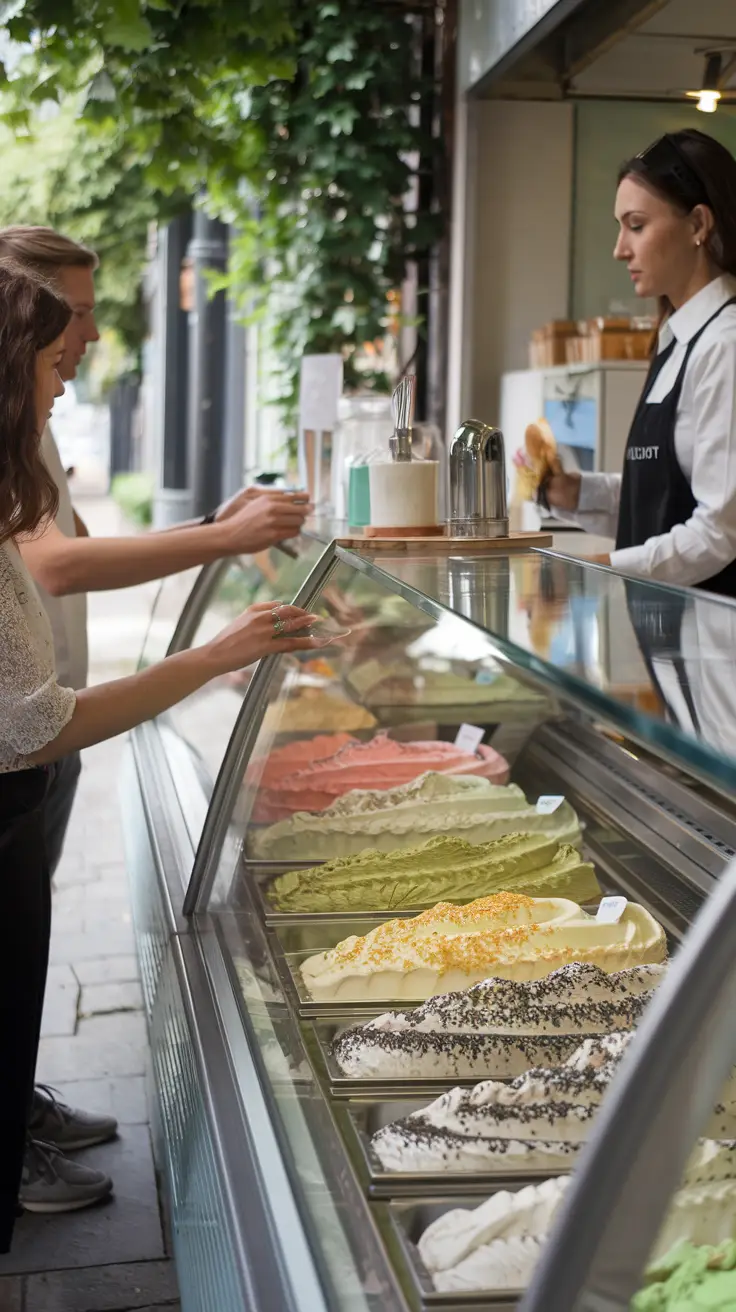
1. Otaleg (Monteverde)
This one requires effort—it’s out in a residential neighbourhood with zero tourists—but the Sicilian pistachio here is the kind that makes you reconsider your life choices. Otaleg keeps their gelato in covered metal tins rather than those ridiculous display cases, which immediately tells you they’re serious about texture and temperature. Their ingredients list is posted clearly, and they rotate seasonal flavors based on what’s actually ripe. Expect a queue of locals on weekend afternoons, which is always the best sign.
- What to order: Sicilian pistachio (obviously), hazelnut, or whatever fruit’s in season
- Queue situation: Moderate on weekends, minimal weekdays
- Getting there: Tram 8 from Largo Argentina, about 15 minutes
- Why it matters: This is the gelato Romans actually eat, not tourist bait
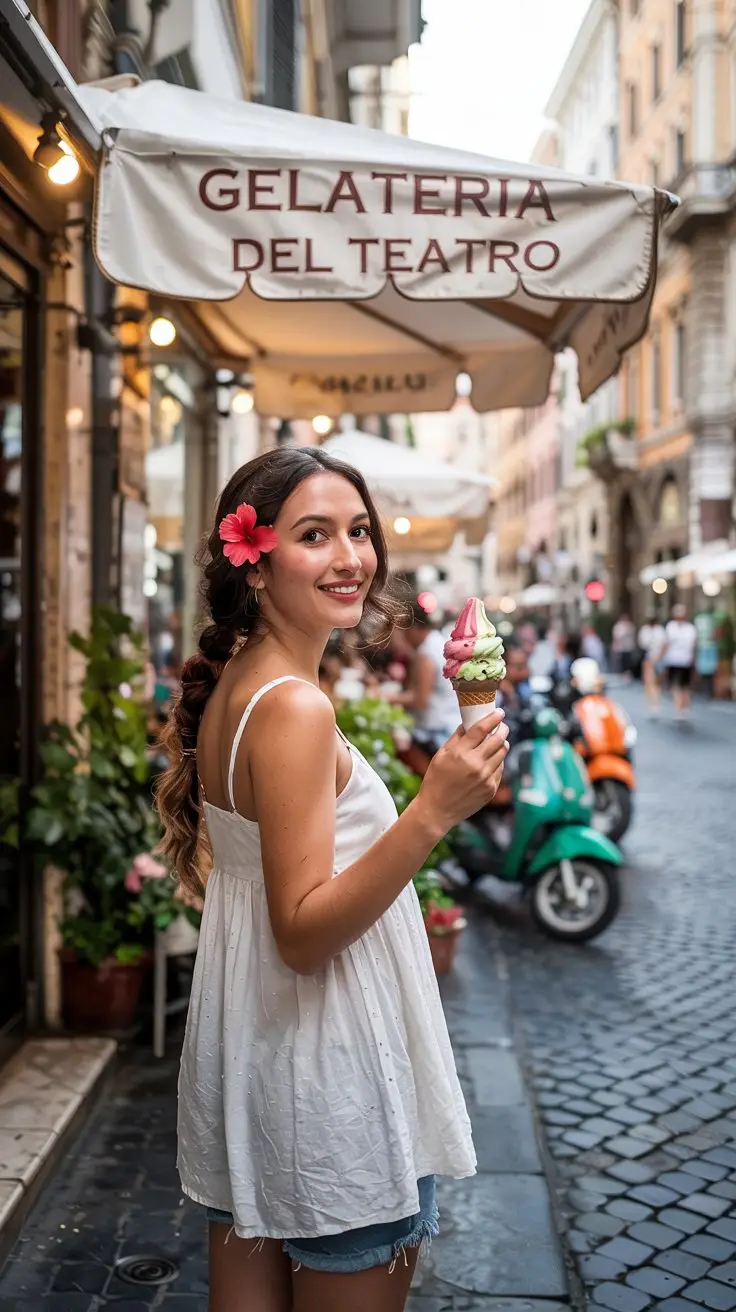
2. Gelateria del Teatro (Via dei Coronari)
Small, artisanal, and situated on one of Rome’s prettiest streets near Campo de’ Fiori. Del Teatro serves their gelato with delicate wafers and focuses on bold, pure flavours rather than gimmicks. Their chocolate-based options are particularly strong, and they’re not afraid of unusual combinations that actually work. The shop itself is tiny, so eating while strolling the Via dei Coronari is pretty much mandatory.
- What to order: Dark chocolate, ricotta and fig, or their seasonal fruit options
- Queue situation: Can get busy late afternoon
- Location advantage: Perfect mid-walk stop if you’re doing the historic centre walking route
3. Il Gelato di San Crispino (Near Trevi Fountain)
San Crispino doesn’t do cones. At all. They believe cups preserve the gelato’s integrity better, and you know what? When it tastes this good, they’ve earned the right to be precious about it. This is ingredient-forward gelato with a Zen-like purity of flavour. No sprinkles, no chocolate dipping, no fuss. Just exceptionally made gelato that lets the raw materials shine.
- What to order: Honey, zabaione, or their unflavoured base (fior di latte) to really taste the quality
- Queue situation: Steady but moves quickly
- Location: Short walk from Trevi, making it an easy add-on
- Price point: Slightly higher but justified by quality
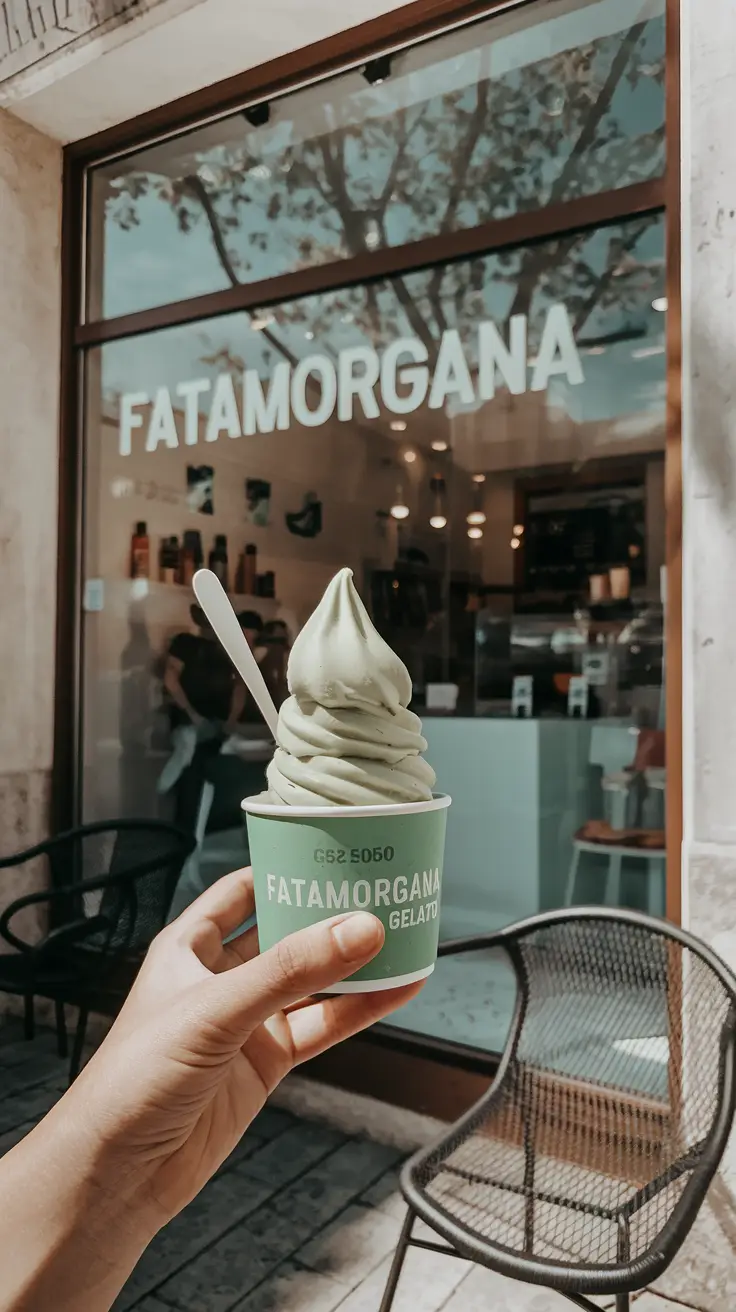
4. Fatamorgana (Multiple Locations)
Fatamorgana brings creativity to gelato without sacrificing quality—their flavour combinations sound mad until you try them. Ricotta and fig, basil and white chocolate, ginger and cinnamon. They use organic ingredients and cater to various dietary needs without making it feel like a health food shop. The Monti location is particularly convenient if you’re working through a one-day Rome itinerary.
- What to order: Ricotta and fig, Kentucky (tobacco, chocolate, rum), or any seasonal special
- Queue situation: Variable by location; Monti gets busy
- Dietary bonus: Excellent vegan and gluten-free options that don’t taste like compromise
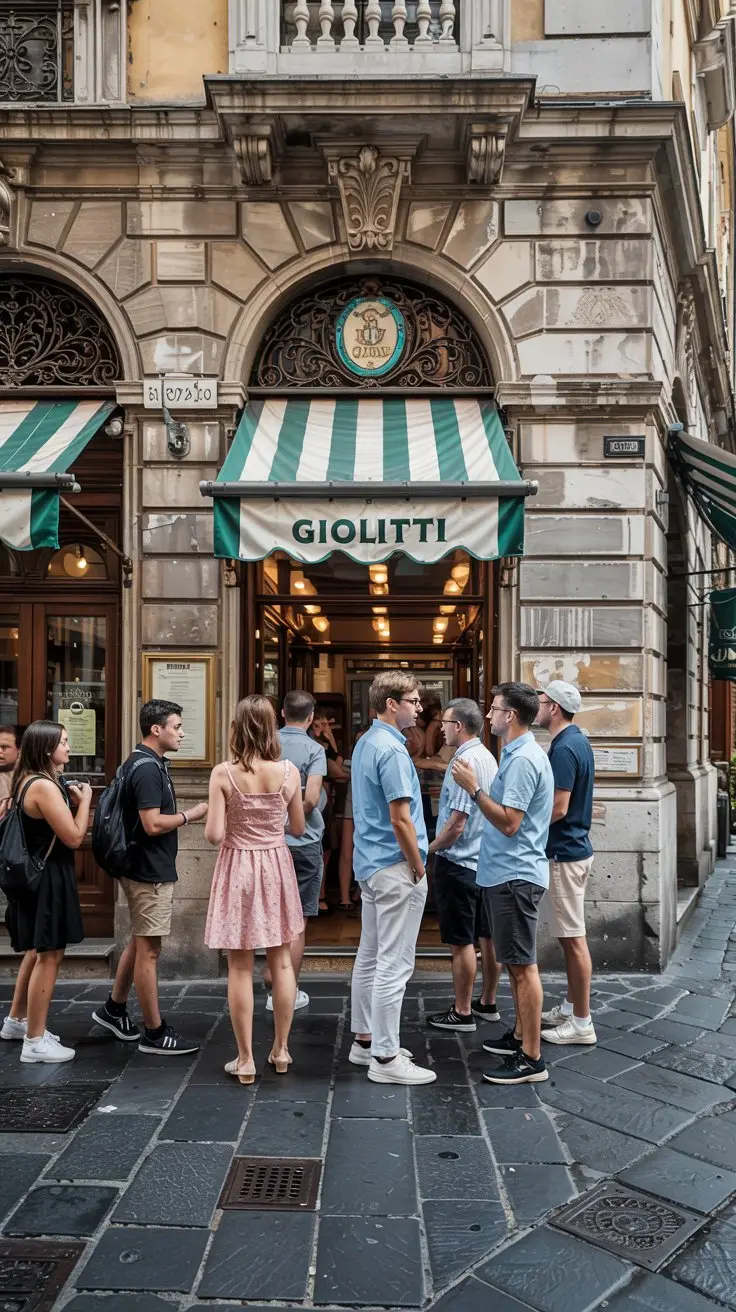
5. Giolitti (Via degli Uffici del Vicario, Near Pantheon)
Giolitti has been around since 1900, and while it’s no longer a complete secret, it maintains quality despite the crowds. This is old-school Roman gelato with traditional flavours done exceptionally well. Their hazelnut is ridiculously creamy, and the chocolate options are dark and intense rather than sugary. Yes, you’ll queue. Yes, it’s worth it. The location near the Pantheon makes it an easy addition to any sightseeing route.
- What to order: Hazelnut (nocciola), stracciatella, or pistachio
- Queue situation: Expect to wait 10-15 minutes during peak times
- Historic note: This place has been serving gelato longer than most countries have had electricity

6. Come il Latte (Near Piazza Navona)
Small shop with high-quality varieties and a modern approach to traditional flavours. Come il Latte keeps their selection focused rather than overwhelming you with 47 options. Their salted caramel has achieved near-legendary status among people who actually know gelato, and their fruit sorbets are intensely flavoured without being tooth-achingly sweet. The shop’s proximity to Piazza Navona makes it convenient, though you’ll pay tourist-area prices.
- What to order: Salted caramel, dark chocolate, seasonal fruits
- Queue situation: Moderate, especially early evening
- Texture note: Exceptionally smooth without being overly heavy
7. Gelateria dei Gracchi (Prati, Near Vatican)
Tucked away in the Prati neighborhood near the Vatican, Dei Gracchi serves traditional Roman gelato to a mostly local crowd. The perpetual queue outside tells you everything you need to know—this isn’t here for tourists stumbling off tour buses. Their pistachio and hazelnut are textbook perfect, and they do seasonal flavours that actually taste like the fruit they’re named after. If you’re doing Vatican Museums in the morning, this makes an excellent lunch alternative.
- What to order: Pistachio, hazelnut, or fresh fruit flavours
- Queue situation: Always busy but worth the wait
- Local tip: Romans queue here after Sunday family lunches

8. Carapina Roma (Trastevere and Other Locations)
Carapina brings a smoother texture and punchy flavours with excellent syrup balance. They’ve got locations in Trastevere and near Piazza Marconi, making them accessible if you’re exploring different areas of Rome. Their stracciatella is properly done with chocolate shavings rather than chips, and their seasonal fruit options have that intense flavour that only comes from using actual ripe fruit rather than flavouring syrups.
- What to order: Stracciatella, seasonal fruits, dark chocolate
- Family-friendly note: Good variety without overwhelming kids
- Texture: Smoother than most, almost silky
9. Frigidarium (Near Piazza Navona)
Frigidarium’s claim to fame is their chocolate-dipped gelato option—they’ll coat your cup of gelato in a shell of dark chocolate that hardens instantly. It’s a bit gimmicky, sure, but it’s also genuinely delicious and makes for excellent photos if you’re into that sort of thing. The gelato itself is solid quality with classic Roman flavours done well. The location near Piazza Navona makes it an easy stop after exploring the historic centre.
- What to order: Anything with the chocolate coating, honestly
- Queue situation: Can get busy evenings
- Instagram factor: High, if you care about such things
10. Gelateria La Romana (Multiple Central Locations)
La Romana has expanded into a small chain, but they’ve maintained quality across locations—something that’s rare in the gelato world. Their stracciatella and seasonal fruit options are reliably excellent, and they’re good for families who need a crowd-pleasing stop without hunting down a specific neighborhood. You’ll find them in central areas, making them convenient when you’re short on time.
- What to order: Stracciatella, fruit flavours, hazelnut
- Convenience factor: Multiple locations means you can fit them into any route
- Family-friendly: Good variety, reasonable prices
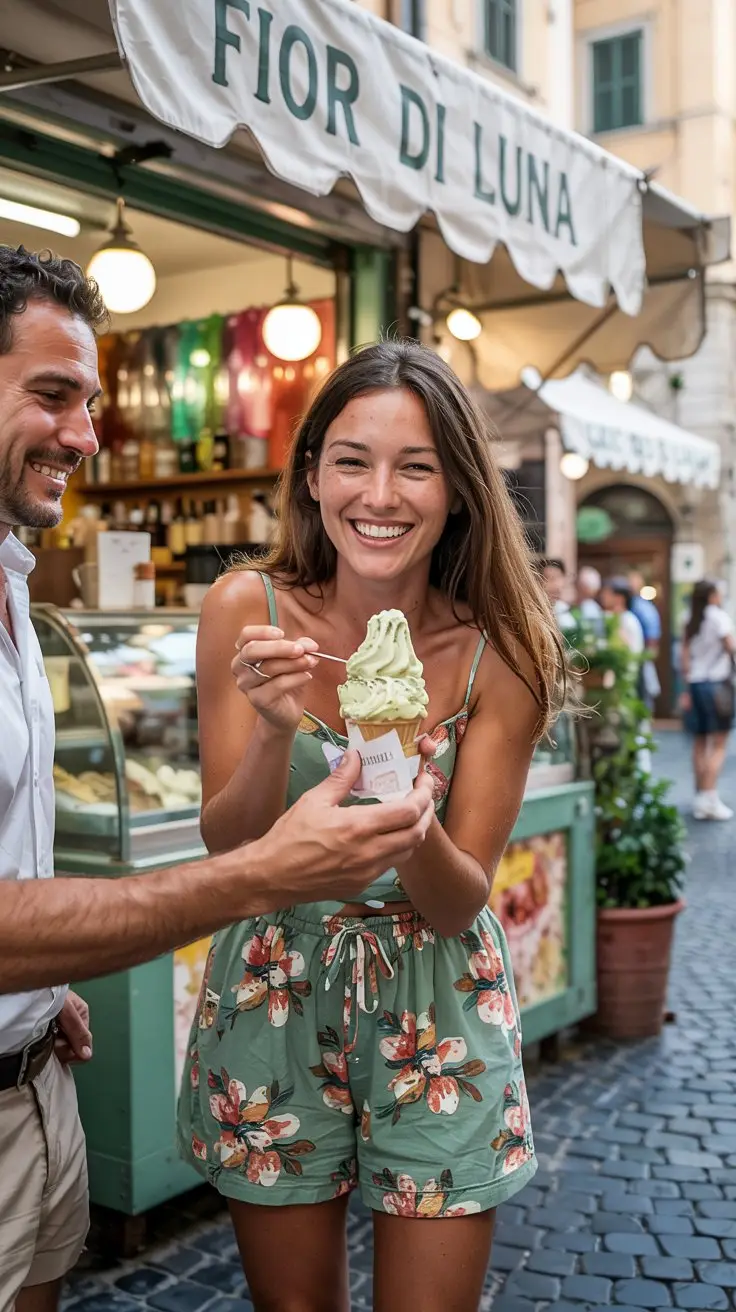
11. Fior di Luna (Trastevere)
Fior di Luna sits in Trastevere serving organic, high-quality gelato to a neighborhood crowd. They focus on seasonal ingredients and natural flavours without making it feel like you’re eating at a health food shop. Their fruit sorbets are particularly strong—intensely flavoured and properly balanced between sweet and tart. The Trastevere location means you can combine this with exploring one of Rome’s most atmospheric neighbourhoods, and if you’re hungry afterward, check out the best restaurants in Rome nearby.
- What to order: Seasonal fruit sorbets, organic chocolate varieties
- Neighborhood bonus: Trastevere is worth exploring anyway
- Organic focus: All natural ingredients, properly sourced
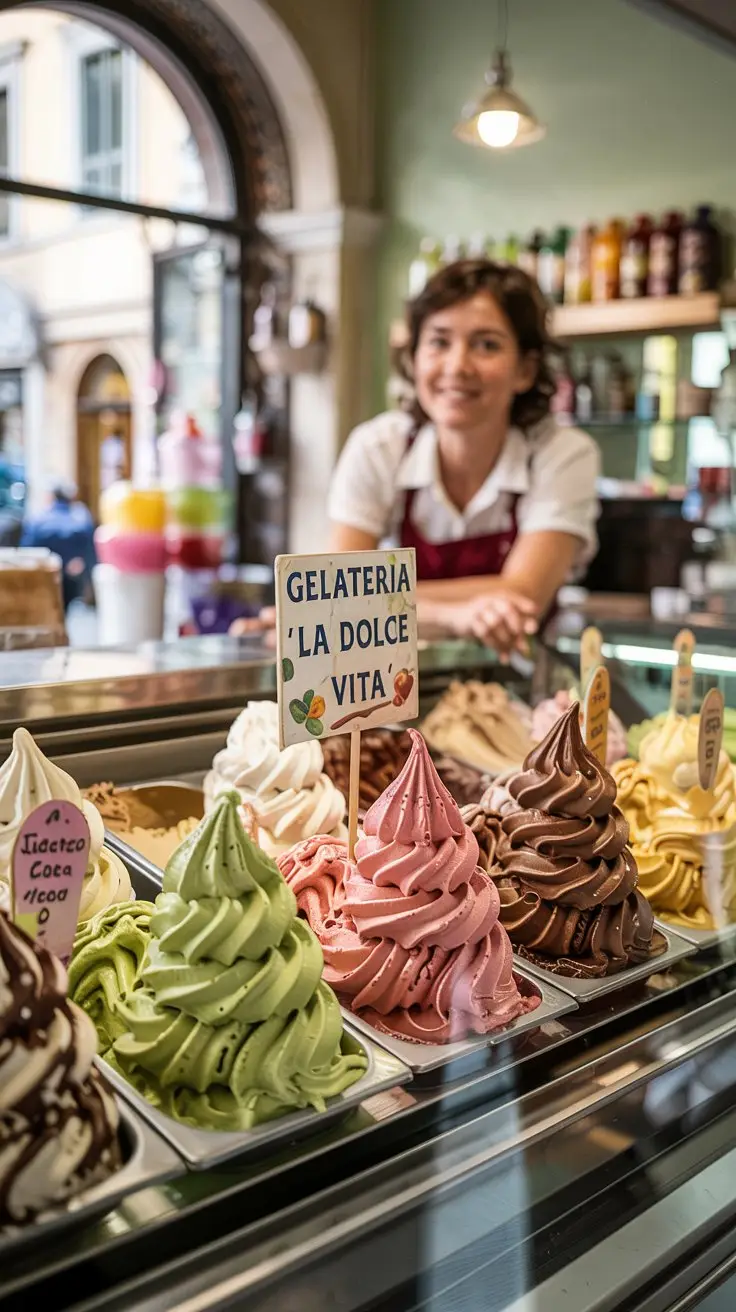
12. Il Gelato di San Lorenzo (San Lorenzo Area)
San Lorenzo’s gelato scene caters to students and locals rather than tourists, which keeps prices reasonable and quality high. Il Gelato di San Lorenzo does small-batch production with inventive fruit combinations that change based on what’s in season. This isn’t the most convenient location if you’re on a tight shore excursion schedule, but if you’ve got extra time or you’re staying overnight in Rome, it’s worth the trip.
- What to order: Whatever fruit combination sounds interesting—they change regularly
- Queue situation: Minimal, mostly neighborhood regulars
- Price advantage: Cheaper than central locations without sacrificing quality
What Makes Good Gelato (And How to Spot the Tourist Traps)
Not all gelato is created equal, and Rome’s tourist areas are absolutely littered with places serving frozen disappointment at premium prices. Here’s how to tell the difference before you waste money and stomach space.
| Good Gelato Signs | Tourist Trap Warning Flags |
|---|---|
| Gelato stored in covered metal tins | Piled high in colorful mountains |
| Natural, muted colours | Electric green pistachio, bright blue anything |
| Ingredients list posted clearly | Photos of celebrities on the windows |
| Small, focused selection | 47+ flavours including “Viagra” flavor |
| Queue of locals | Empty except for tourists with guidebooks |
| Modest shop appearance | Massive displays facing the street |
| Pistachio is brownish-green | Pistachio is radioactive green |
The ingredient list matters enormously. Good gelato shops post their ingredients proudly because they’re using actual pistachios, real vanilla, fresh fruit. The tourist traps use flavoring syrups and a base mix, which is why they can offer 50 flavors while maintaining rock-bottom quality across all of them.
Timing Your Gelato Stops With Shore Excursions
If you’re coming from Civitavecchia port, you’ve got roughly 6-8 hours in Rome before you need to head back to your ship. Here’s how to maximize gelato opportunities without missing your sailing.
Morning arrival strategy: Take the train from Civitavecchia to Roma Termini (about 1 hour). Hit major sights first while you’re fresh—Colosseum, Forum, Pantheon area. Your first gelato stop should be mid-morning around 11 AM at Giolitti or San Crispino near your sightseeing route. Pack compression socks for walking if you’re planning a full day of exploring between gelato stops.
Afternoon consolidation: Plan your second gelato around 2-3 PM when you’re doing the historic centre walk. Come il Latte near Piazza Navona or Gelateria del Teatro on Via dei Coronari fit perfectly here. If you’re ambitious, grab a third around 4 PM before heading back to Termini. Keep your phone protected with a waterproof pouch for those inevitable fountain photo stops.
Return timing: Give yourself 90 minutes minimum to get back to Civitavecchia. That means leaving Rome by 4 PM for a 6 PM all-aboard time, earlier if you’re nervous about cutting it close. Don’t be that person who misses the ship because they were getting a third scoop.
The Geography of Gelato: Planning Your Route
Rome’s best gelaterias cluster in specific areas, which makes route planning easier. Here’s how to group them based on where you’re sightseeing.
Pantheon and Historic Centre Cluster
- Giolitti (5-minute walk from Pantheon)
- San Crispino (near Trevi Fountain, 10 minutes from Pantheon)
- Come il Latte (near Piazza Navona)
- Frigidarium (Piazza Navona area)
- Gelateria del Teatro (Via dei Coronari)
This cluster is the most efficient for cruise passengers with limited time. You can hit major monuments and get excellent gelato without significant detours. Consider bringing a secure crossbody bag to keep your hands free for gelato while navigating cobblestone streets.
Trastevere and West Bank
- Carapina Roma (Trastevere location)
- Fior di Luna (Trastevere)
Pair these with exploring Trastevere’s atmospheric streets and checking out local restaurants worth visiting if you’re making a day of it.
Vatican and Prati Area
- Gelateria dei Gracchi (Prati neighborhood)
Perfect if you’re doing Vatican Museums in the morning. The Prati area is less touristy and worth exploring beyond just the gelato.
Off the Tourist Track
- Otaleg (Monteverde, requires tram)
- Fatamorgana (Monti location is most accessible)
- Il Gelato di San Lorenzo (San Lorenzo area)
These require more time but reward you with better prices and zero tourist crowds. Consider them if you’re staying overnight or have a full day in Rome.
Price Reality and What to Expect
Gelato prices in Rome vary wildly based on location and quality. Here’s what you’ll actually pay at authentic shops versus tourist traps.
Authentic gelaterias (the ones in this guide):
- Small cup/cone (one flavor): €2.50-€3.50
- Medium (two flavors): €3.50-€4.50
- Large (three flavors): €4.50-€5.50
Tourist trap gelaterias near major monuments:
- Small: €4-€6
- Medium: €6-€8
- Large: €8-€12 (seriously)
The quality difference is night and day. You’re better off getting two small cups at authentic places and trying four different flavors than getting one overpriced cup of fluorescent disappointment near the Trevi Fountain.
Most authentic shops charge by cup size rather than number of scoops, though some let you mix flavors freely within your chosen size. Always check the price list before ordering—legitimate places post prices clearly.
What to Order: Flavor Guide for First-Timers
If you’re not familiar with Italian gelato culture, the flavor names and options can be overwhelming. Here’s what to order and what those names actually mean.
Can’t-Miss Classic Flavors
- Pistacchio (pistachio): Should be brownish-green, never bright green. Sicilian pistachio is the gold standard—intensely nutty and slightly sweet. This is the flavor that separates good gelaterias from rubbish ones.
- Nocciola (hazelnut): Should taste like actual roasted hazelnuts, not Nutella. Creamy and rich without being overly sweet.
- Stracciatella: Fior di latte (milk base) with chocolate shavings. Simple but shows technique—the chocolate should be in delicate shavings, not chunky chips.
- Fior di latte: The base milk flavor with no additions. Order this if you want to actually taste the gelato maker’s skill. It should be creamy, slightly sweet, with a clean dairy flavor.
- Cioccolato fondente (dark chocolate): Intensely chocolatey and slightly bitter. Not the same as American chocolate ice cream.
Seasonal and Fruit Options
- Fragola (strawberry): Only order when strawberries are in season (spring/early summer). Should taste like concentrated fresh strawberries.
- Limone (lemon): Usually a sorbetto rather than gelato. Refreshing and palate-cleansing. Perfect between richer flavors.
- Fico (fig): Autumn flavor that’s worth seeking out. Sweet and complex.
- Pesca (peach): Summer only. Should taste like eating a perfect ripe peach.
Roman Specialties Worth Trying
- Zabaione: Egg-based custard flavor with Marsala wine. Rich and sophisticated.
- Crema (or crema romana): Egg custard base, similar to vanilla but richer. Traditional Roman flavor.
- Ricotta and fig: Sounds odd, tastes incredible. The ricotta provides creaminess while fig adds sweetness.
Gelato Etiquette and Ordering Tips
Ordering gelato in Rome has unwritten rules that tourists often mess up. Here’s how to do it properly without marking yourself as completely clueless.
The ordering process:
- Check the size options and prices (usually posted on the wall)
- Decide on cup or cone (cups are better for preserving flavor; cones are traditional)
- Choose your size first, then your flavors
- Pay at the register (many shops require payment before serving)
- Take your receipt to the gelato counter
- Point to your chosen flavors when the server asks
Asking for samples: It’s less common in Rome than in America. You can ask politely for “un assaggio” (a taste), but don’t expect to sample six flavors. One, maybe two, is acceptable. The flavors are usually labeled clearly, so use your judgment.
Tipping: Not expected at gelaterias. There might be a tip jar, but Romans don’t typically tip for gelato service.
Cone or cup? Cups preserve the gelato’s temperature and flavor better. Cones add a sweet crunch. Some shops (like San Crispino) only do cups because they’re purists about flavor integrity. Your call, but cups are practical if you’re walking in summer heat.
What About Civitavecchia Gelato Options?
If you’re staying near the port or have limited time, Civitavecchia itself has a few decent gelato shops. They won’t match Rome’s top tier, but they’re respectable and convenient.
- Gelateria Il Gatto e la Volpe: Small shop in the old town with fresh, creamy flavors. Good for a quick stop if you’re exploring Civitavecchia’s medieval centre.
- Gelateria La Zagara: Near the waterfront with light, fruit-forward flavors. Nice after a harbor walk.
- La Bottega del Gelato: Compact shop near the harbor with rotating daily flavors and friendly service.
These are solid options if you’re not making it into Rome or want gelato after returning from your excursion. Prices run slightly cheaper than Rome, and you won’t deal with crowds. For more dining options near the port, check out the best restaurants in Civitavecchia.
Mediterranean Context: Comparing Rome to Other Cruise Ports
If you’re doing a Mediterranean cruise, you’ll hit multiple Italian ports. Rome’s gelato scene is exceptional, but understanding how it compares helps set expectations at other stops along Mediterranean cruise ports in Italy.
Florence has excellent gelato (try Gelateria dei Neri if you’re there), though the tourist-to-authentic ratio is even worse than Rome. Venice’s gelato situation is dire in the main tourist areas—stick to neighborhoods like Cannaregio if you’re hunting quality there. Sicily’s gelato, particularly in Palermo, rivals Rome for quality and adds unique local flavors like jasmine and almond milk bases.
Rome sits in the sweet spot of having both exceptional quality and reasonable accessibility from the cruise port. Naples has good gelato but requires navigating a chaotic city centre. Rome’s train connection from Civitavecchia makes it the easiest high-quality gelato experience on most Western Mediterranean itineraries.
Extend Your Stay in Rome
If you’re considering staying in Rome before or after your cruise, you’ll have more flexibility to hunt down gelato spots outside the main tourist areas. Hotels in Rome range from budget options near Termini to boutique properties in neighborhoods like Monti and Trastevere. Staying in Trastevere puts you near Fior di Luna and Carapina, while accommodation in the Prati area (near the Vatican) positions you close to Gelateria dei Gracchi and away from the worst tourist crowds.
An overnight stay lets you hit gelato shops during evening hours when locals are out and the afternoon cruise-ship crowds have departed. You can take your time exploring neighborhoods like Monteverde (for Otaleg) or San Lorenzo without worrying about missing your ship. The train back to Civitavecchia runs regularly, so you can maximize Rome time and still catch your cruise departure. Many cruise lines offer pre- or post-cruise hotel packages, though booking independently often gives you better location choices and the freedom to stay in neighborhoods with better gelato access. Pack smart with compression packing cubes to maximize luggage space for any souvenirs.
Personal Experience
Last summer, my family and I spent a ridiculous amount of time hunting down gelato between shore excursions from our cruise port. We’d catch the train from Civitavecchia into Rome with one mission: find the spots locals actually queue up for, not the tourist traps with their fluorescent green pistachio piled sky-high. Giolitti near the Pantheon had a line wrapping around the corner at 3 PM on a Tuesday, which told us everything we needed to know. Their hazelnut is ridiculously creamy, though honestly, we kept going back to Fatamorgana for their inventive flavors—the ricotta and fig combo sounds weird but trust me on this. Il Gelato di San Crispino doesn’t let you get cones because they’re serious about their cups preserving the flavor, and you know what? Fair enough when it tastes like that.
The real revelation was taking the tram out to Otaleg in Monteverde after someone at our hotel mentioned it. Zero tourists, just neighborhood families, and their Sicilian pistachio made me genuinely consider skipping the Colosseum that afternoon. We didn’t skip it, but it was close. Come Gelato near Piazza Navona does this salted caramel that my daughter still brings up six months later, and Gelateria dei Gracchi in Prati (near the Vatican) makes waiting in their perpetual queue worthwhile. Pro tip: we kept our charging cable with built-in power bank handy all day for photos and navigation, and brought along blister prevention patches which saved us after walking 20,000 steps between gelato stops. The smaller shops that list their ingredients on little signs and keep the gelato stored in covered metal tins rather than those tourist-bait display cases? Those are your winners every single time.
Common Questions & FAQ
How much time do I need to get good gelato from Civitavecchia port?
You need at least 5-6 hours total if you’re doing Rome sightseeing and gelato together. The train from Civitavecchia to Roma Termini takes about an hour each way, leaving you 3-4 hours in the city. That’s enough time to hit 2-3 major sights and grab gelato at two different shops. If gelato is your primary goal and you’re less fussed about monuments, you can comfortably visit 4-5 gelaterias in that timeframe by planning a walking route through the historic centre. Make sure you’ve got comfortable walking shoes for all that exploring.
Is the gelato near Trevi Fountain and the Colosseum any good?
Almost universally terrible around those exact monuments. The shops directly facing major tourist sites charge premium prices for rubbish quality. However, San Crispino is genuinely excellent and sits near Trevi Fountain—just not directly on the piazza. Similarly, the Monti neighborhood near the Colosseum has decent options. Walk 5-10 minutes away from the absolute epicentre of tourist chaos and quality improves dramatically while prices drop.
Can I bring gelato back to the ship?
Technically yes, practically no. Gelato melts quickly, and you’ve got at least an hour of train travel plus walking time. Even with insulated containers, you’re looking at expensive soup by the time you reach Civitavecchia. Just eat it in Rome and enjoy the experience properly. If you’re desperate for gelato on the ship, most cruise lines serve decent Italian-style gelato in their restaurants, though it won’t match the authentic Roman shops.
What’s the difference between gelato and ice cream?
Gelato has less air churned into it (lower overrun), making it denser and more intensely flavoured. It’s served at a warmer temperature than ice cream, which enhances flavor perception. Gelato also has less fat—made with more milk than cream—so flavors come through more clearly rather than being muffled by butterfat. The texture is smoother and silkier rather than hard and icy. Bad gelato and bad ice cream are both rubbish, but good gelato has a intensity and texture that’s distinctly different from even excellent ice cream.
How do I avoid tourist trap gelaterias?
Look for gelato stored in covered metal tins rather than piled up in colorful displays. Check if ingredients are posted clearly—authentic shops are proud of using real pistachios, fresh fruit, and quality milk. Natural colors are key: pistachio should be brownish-green, not electric green; chocolate should be brown, not bright. If you see “Viagra flavor” or photos of random celebrities plastered everywhere, run. A queue of locals rather than confused tourists with guidebooks is the single best indicator of quality.
Do I need to speak Italian to order gelato?
Helpful but not essential. Pointing works perfectly well—the flavors are displayed and usually labeled. Learning a few basics helps: “piccolo” (small), “medio” (medium), “grande” (large), “coppetta” (cup), “cono” (cone). “Vorrei” (I would like) is polite. Most servers in central Rome speak enough English to handle gelato transactions. The process is visual enough that you can get by with pointing and smiling, though making an effort with basic Italian is appreciated.
Which single gelateria should I prioritize if I only have time for one?
Giolitti if you want classic Roman gelato near major sights with minimal detour time. It’s near the Pantheon, has been operating since 1900, and consistently delivers quality across all their flavors. Yes, you’ll queue, but it’s worth it and moves reasonably quickly. If you’re willing to go slightly off the main tourist path, Otaleg in Monteverde serves the single best pistachio in Rome, but it requires a tram ride and about 30 minutes of dedicated gelato-hunting time.
Is gelato expensive in Rome?
At authentic shops, no—expect €3-5 for a proper serving with two flavors. Tourist traps near monuments charge €6-12 for worse quality, which is where Rome gets its expensive reputation. The price difference between authentic and tourist gelato is enormous, both in cost and quality. You’re better off having two cups at real gelaterias (€6-8 total) than one overpriced cup of fluorescent disappointment (€8-10) near the Trevi Fountain. Check posted prices before ordering, and if they’re not clearly displayed, that’s usually a warning sign.