
Salerno cruise port serves as a strategic gateway for exploring southern Italy’s treasures, including the Amalfi Coast and Pompeii. Located close to the city center, the port offers convenient access to picturesque coastal towns like Positano and Amalfi, ancient ruins, and authentic Italian culture, making it an ideal Mediterranean cruise destination.
Quick Port Facts
| Fact | Detail |
|---|---|
| Port Name | Salerno Cruise Terminal (Stazione Marittima) |
| Location | Molo Manfredi, western waterfront of Salerno |
| Distance to City Centre | 0.5–1.2 miles (10-20 minute walk) |
| Official Website | portodisalerno.it |
| Time Zone | Central European Time (CET/CEST) |
| Language | Italian (English widely spoken in tourist areas) |
| Currency | Euro (EUR) |
| Best For | Amalfi Coast, Pompeii, Paestum day trips |
Port Day Checklist
- Check your ship’s all-aboard time and subtract at least 60 minutes for a safe return buffer
- Wear comfortable walking shoes suitable for cobblestones and uneven surfaces
- Carry euros in small denominations for buses, cafés, and street vendors
- Download offline maps of Salerno, Pompeii, and Amalfi Coast towns before disembarking
- Book Pompeii tickets online in advance to skip entrance queues
- Pack sun protection (hat, SPF, water bottle) for summer calls
- Save emergency numbers in your phone: 112 for general emergencies, 118 for ambulance
- Check SITA bus and ferry schedules early in the day as they vary seasonally
- Leave valuables on the ship and carry only essentials in a secure daypack
- Notify your bank of travel to Italy to avoid card blocks
Want to know more about the best Mediterranean cruise ports in Italy? We’ve covered all the major stops with practical DIY shore excursion guides.
Salerno Map
The cruise terminal at Molo Manfredi sits directly on Salerno’s western waterfront, adjacent to the commercial harbour. The historic city centre and Lungomare Trieste promenade are an easy stroll east along the seafront, while Salerno Centrale train station sits just inland, offering direct connections to Pompeii and Naples. The port’s central location means you can walk to the old town, catch a train to ancient ruins, or board a ferry to Amalfi Coast towns all within minutes of stepping off your ship.
Can You Walk to Town from the Port?
Salerno is one of the most walkable cruise ports in the Mediterranean. The Stazione Marittima terminal sits directly in the city, not in some isolated industrial zone miles away. You’ll walk straight out onto the waterfront promenade and find yourself in the heart of things.
- Distance: The historic centre and main shopping street (Via Roma) are roughly 0.5 to 1.2 miles from the terminal, depending on your ship’s exact berth. Expect a 10-20 minute flat walk along the seafront.
- Terrain: The waterfront path is completely flat and paved, ideal for anyone with mobility concerns or pushing a wheelchair. Once you reach the old town, you’ll encounter some cobblestone lanes and gentle inclines, but nothing too taxing.
- Signage: Clear directional signs point toward the centro storico (historic centre), Duomo, and train station. If in doubt, follow the Lungomare Trieste promenade east and you’ll hit the main sights.
- Safety: The walk is perfectly safe during daylight hours. The waterfront is lined with cafés and locals, so you’re never isolated. Just keep an eye on your belongings as you would in any tourist area.
- Alternative: If you’re short on time or prefer not to walk, taxis queue right outside the terminal. A short hop to the old town or train station typically costs €8-15.
How to Get Around from Salerno Port & Shore Transportation
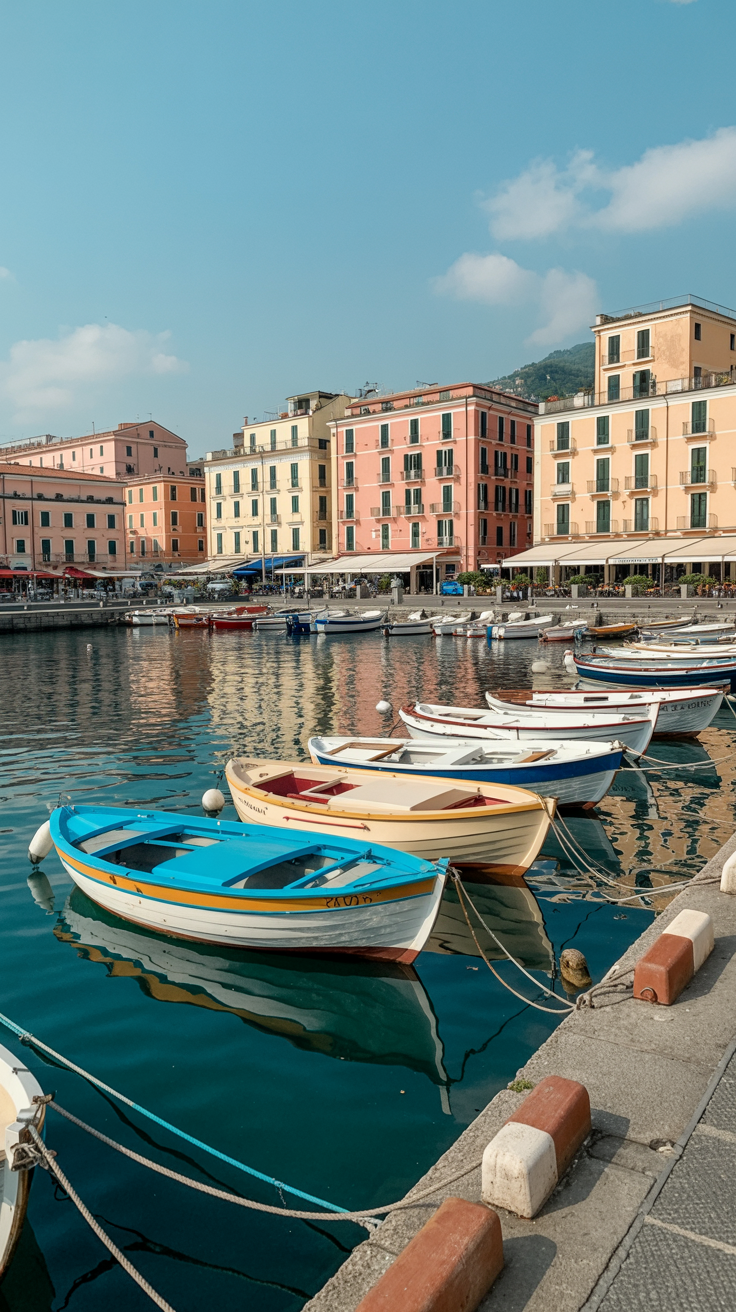
Salerno’s compact size and excellent transport links make it remarkably easy to reach both local sights and major attractions like Pompeii and the Amalfi Coast. You’ve got trains, buses, ferries, taxis, and your own two feet all within a few minutes of the terminal.
Walking
- The entire waterfront, old town, cathedral, and shopping district are all within comfortable walking distance. Salerno isn’t massive, so you can cover the main sights on foot without breaking a sweat.
- The Lungomare Trieste promenade runs along the seafront and makes for a lovely stroll with views of the Gulf of Salerno.
- For the Arechi Castle viewpoint, expect a steep uphill climb or take a taxi partway. It’s a proper hike but the panoramic views are worth the effort if you’ve got the time and stamina.
Taxis
- Taxis wait directly outside the cruise terminal. They’re metered, but it’s wise to agree on a fare beforehand for longer journeys to avoid surprises.
- Short trips within Salerno (port to train station, old town, or nearby restaurants) typically cost €8-15.
- For full-day Amalfi Coast tours or Pompeii trips, negotiate a fixed price in advance. Expect €150-250 for a private driver for the day, depending on your itinerary and group size.
- Taxis accept cash; some take cards but don’t count on it. Have euros ready.
Trains
- Salerno Centrale station is the main railway hub, just a short walk inland from the port (about 10-15 minutes on foot or a quick €10 taxi ride).
- Trenitalia runs frequent regional services to Pompeii Scavi station, the stop for the archaeological site. Journey time is roughly 30-40 minutes. Trains run multiple times per hour, and tickets cost around €3-5 each way.
- You can also reach Naples in about 40-50 minutes if you fancy a quick city visit, though Pompeii and the coast are usually better uses of limited port time.
- Buy tickets from machines in the station (English language option available) or ticket windows. Validate your ticket in the yellow machines on the platform before boarding or risk a hefty fine.
- Keep an eye on departure boards for platform changes and delays. Italian trains can be punctual but don’t assume – always leave a buffer for your return to the ship.
Buses
- Local buses (CSTP): Serve Salerno and nearby towns. Useful if you’re staying local, but for Amalfi Coast trips, you’ll want SITA buses instead.
- SITA Sud buses: The main bus company for Amalfi Coast towns. Routes connect Salerno to Amalfi, Positano, Ravello, and other coastal villages. Buy tickets at the SITA office near the train station, at tabacchi (tobacco shops), or sometimes on board (cash only, exact change helps).
- The coastal road is famously winding and narrow. Buses can be slow during peak season due to traffic, and some people find the hairpin bends a bit stomach-churning. If you’re prone to motion sickness, sit near the front and bring meds.
- Buses can get packed in summer. Arrive early to secure a seat, especially if you’re heading to Positano or Amalfi at peak times.
- Check current timetables on the SITA Sud website or at the station. Services can vary seasonally, and some routes reduce frequency outside peak months.
Ferries and Hydrofoils
- Seasonal ferry services run from Salerno’s waterfront (Concordia Pier and Molo Manfredi) to Amalfi, Positano, Capri, and surrounding coastal towns.
- Ferries are a scenic, traffic-free alternative to the coastal bus. You’ll get gorgeous views from the water and avoid the winding road entirely.
- Services typically operate from spring through early autumn. Check operators like Travelmar and Alilauro for current schedules and prices. Return tickets usually offer better value than two singles.
- Ferries can sell out on busy days, especially in July and August. If possible, book online in advance or arrive at the pier early to secure tickets.
- Departure points are either a short walk from the cruise terminal or a quick taxi ride. Ask at the terminal tourist desk for exact directions and current ferry times on your port day.
Ride-Hailing and Private Drivers
- Apps like Uber aren’t widely available in Salerno, so you’ll rely on traditional taxis or pre-booked private drivers for car transport.
- Many cruise passengers book private drivers for Amalfi Coast day trips, which offers flexibility to stop at multiple towns (Positano, Amalfi, Ravello) at your own pace. Prices vary by season and group size, but expect to pay upwards of €150-250 for a full day.
- Private drivers can meet you at the cruise terminal with a name sign. Confirm pick-up details and pricing via email before your arrival.
What to See Within Walking Distance from the Port
Salerno’s old town and waterfront offer a pleasant few hours if you’re staying close to the ship or waiting for travel connections to Pompeii or the coast.
- Lungomare Trieste: The seafront promenade runs along the coast and is perfect for a leisurely stroll with views over the Gulf of Salerno. Lined with palm trees, cafés, and gelato spots, it’s about 5-10 minutes on foot from the cruise terminal. Completely flat and easy going.
- Salerno Cathedral (Duomo di Salerno): An 11th-century Romanesque cathedral with beautiful mosaics, a grand atrium, and a crypt housing the relics of St. Matthew. It’s located in the heart of the old town, about 15-20 minutes’ walk from the port. The architecture alone is worth the short detour, and entry is free (though a small donation is appreciated).
- Via Roma: The main street connecting the waterfront to the old town. It’s a lively pedestrian thoroughfare with shops, cafés, and trattorias. Great for a quick espresso or a browse of local boutiques. About 10-15 minutes’ walk from the terminal.
- Giardino della Minerva: A medieval botanical garden perched above the historic centre with lovely views over the city. It’s a bit of a climb (around 25-30 minutes uphill from the port), but the terraced gardens and panoramic vistas make it a peaceful escape from the bustle below. Expect some stairs and uneven paths.
- Arechi Castle: Sitting high above Salerno, this medieval fortress offers sweeping views of the coast and city. It’s a solid uphill hike (around 40-50 minutes) or a short taxi ride. If you’ve got strong legs and time to spare, the walk up is scenic. Otherwise, grab a cab and enjoy the castle without the sweat.
Must See Attractions in Salerno for a One Day Cruise Visit
Let’s be honest: most cruise passengers use Salerno as a jumping-off point for Pompeii and the Amalfi Coast rather than spending the entire day in the city itself. That said, if you’ve got time to spare or you’re looking to combine a quick city visit with a bigger excursion, here are the top attractions worth prioritizing.
Pompeii Archaeological Site
- What it is: The ancient Roman city buried by the eruption of Mount Vesuvius in AD 79. It’s one of the world’s most important archaeological sites, offering an incredibly preserved snapshot of daily life nearly two millennia ago.
- Why it matters: You can wander streets lined with ancient shops, peer into homes with intact frescoes, and stand in the amphitheatre where gladiators once fought. It’s history you can touch and walk through, not just read about. For many cruise passengers, Pompeii is the highlight of their entire Mediterranean itinerary.
- Time needed: Plan for at least 2-3 hours on site, though you could easily spend half a day if you’re keen on history. Add another hour for return train travel from Salerno (30-40 minutes each way) plus time to walk from the station to the ruins (about 10 minutes). All in, budget 4-5 hours from port to port.
- Practical tips: Buy your tickets online in advance to skip the entrance queues, which can be brutal in peak season. Entry costs around €16. Wear comfortable shoes (the site is vast and mostly uneven stone paths), bring water (limited shade and few fountains), and slather on sunscreen. Guided tours are available at the entrance or you can hire an audio guide. The site gets sweltering in summer, so aim for an early start if possible. If you’re short on time, focus on the Forum, the amphitheatre, and the Villa of the Mysteries for the best highlights. Check out our full guide on visiting Pompeii from a cruise port for more detailed planning.
Amalfi Coast Towns (Amalfi, Positano, Ravello)
- What it is: A string of stunning clifftop villages clinging to the mountainside along one of Europe’s most scenic coastlines. Amalfi is the main town with its famous cathedral and piazzas, Positano is the postcard-perfect pastel village cascading down to the sea, and Ravello sits high above with gardens and panoramic views.
- Why it matters: The Amalfi Coast is the reason many people book a Mediterranean cruise in the first place. The combination of dramatic coastal scenery, charming villages, and Italian seaside culture is hard to beat. It’s Insta-perfect around every corner, but also genuinely lovely to experience in person.
- Time needed: If you’re visiting just one town (say, Amalfi), budget 3-4 hours including travel time. If you want to hit multiple towns (Positano and Amalfi, or add Ravello), you’ll need a full day. Buses can take 1.5-2 hours each way due to the winding road and traffic, while ferries are faster and more scenic (around 45-60 minutes to Amalfi). A private driver offers the most flexibility but costs significantly more.
- Practical tips: If you’re taking the SITA bus, sit on the right-hand side for the best coastal views on the outbound journey. Bring motion sickness tablets if you’re sensitive to winding roads. Ferries are seasonal (usually April-October) and can sell out on busy days, so book ahead if possible. In Positano, be prepared for steep steps – the entire village is basically a vertical climb. Comfortable walking shoes are essential. In Amalfi, the cathedral is the main sight (modest entry fee), and the town is perfect for a leisurely lunch of fresh seafood and limoncello. Ravello is quieter and more refined, with beautiful gardens at Villa Cimbrone and Villa Rufolo (entry fees apply). If you’re doing a whistle-stop tour, you’ll likely feel rushed; consider focusing on one or two towns to actually enjoy them rather than ticking boxes. For more detailed Amalfi Coast planning, see our full day trip guide.
Paestum (Greek Temples)
- What it is: An ancient Greek city with three remarkably well-preserved Doric temples dating back to the 6th and 5th centuries BC. The site is less crowded than Pompeii and offers a peaceful, open-air museum experience set among fields and wildflowers.
- Why it matters: If you’ve already done Pompeii on a previous cruise or you’re after something a bit different, Paestum offers a fascinating glimpse into Magna Graecia (Greater Greece). The temples are some of the best-preserved Greek structures anywhere, and the on-site museum holds beautiful painted tombs and artefacts.
- Time needed: The archaeological site and museum can be covered in about 2-3 hours. Travel from Salerno by train or bus takes roughly 40-50 minutes each way. Budget 4-5 hours total for a half-day excursion.
- Practical tips: Entry is around €12 and includes both the temples and the museum. The site is largely open with little shade, so bring sun protection and water. Paestum is less touristy than Pompeii, meaning fewer crowds but also fewer facilities (limited cafés and shops). If you’re interested in ancient history beyond the Romans, this is a worthwhile alternative. Trains and buses run regularly from Salerno Centrale, and the Paestum station is a short walk from the site.
Salerno Old Town and Cathedral
- What it is: The historic heart of Salerno, centered around the 11th-century Duomo with its bell tower, crypt, and ornate interior. The surrounding narrow lanes are filled with local shops, cafés, and medieval charm.
- Why it matters: If you’re staying close to the ship or have a few hours to kill before or after a bigger excursion, the old town offers an authentic slice of southern Italian life without the tourist crush of the Amalfi Coast. It’s genuinely pleasant to wander, grab a coffee, and soak up the atmosphere.
- Time needed: You can cover the cathedral and a stroll through the old town in about 1-2 hours. It’s an easy add-on before catching a train to Pompeii or while waiting for a ferry.
- Practical tips: The cathedral is free to enter (donations welcome) and is usually open in the mornings and late afternoons, with a midday closure. Modest dress is expected (shoulders and knees covered). The old town’s cobbled streets are charming but can be uneven, so watch your step. Via dei Mercanti is the main shopping street with local boutiques and artisan goods. Stop for a sfogliatella (shell-shaped pastry) at a pasticceria – it’s a Campanian speciality and absolutely worth the calories.
Port Day Itinerary: Things to Do in 8 Hours
Here’s a realistic schedule that fits a typical 8am-5pm port day in Salerno, combining Pompeii with a taste of the Amalfi Coast and a bit of time in Salerno itself.
- 8:00am | Disembark and walk to Salerno Centrale: Step off the ship and head straight to the train station (10-15 minute walk or quick taxi). Grab a coffee and cornetto at a station café if you haven’t had breakfast yet. Buy your Pompeii train tickets from the machines or ticket window – they’re cheap (around €3-5 each way) and trains run frequently.
- 8:30am | Train to Pompeii Scavi: Catch the regional train toward Pompeii. The journey takes 30-40 minutes and you’ll pass through typical Campanian countryside and small towns. Validate your ticket before boarding.
- 9:15am | Arrive at Pompeii and head to the ruins: The station is about a 10-minute walk from the main Porta Marina entrance to the archaeological site. If you’ve pre-booked tickets online, head straight through. Otherwise, buy your ticket at the entrance (expect short queues if you arrive early).
- 9:30am-12:30pm | Explore Pompeii: Spend three solid hours wandering the ancient streets. Hit the Forum, the amphitheatre, the Villa of the Mysteries, and the bath complexes. Bring water and wear a hat – there’s limited shade and it gets baking in summer. If you want a guided tour, grab one at the entrance or book in advance.
- 12:45pm | Train back to Salerno: Head back to Pompeii Scavi station and catch a return train. You’ll be back in Salerno by around 1:30pm.
- 1:45pm | Lunch in Salerno old town: Walk from the station to the historic centre (about 10 minutes). Find a trattoria on Via Roma or near the Duomo for fresh seafood pasta, pizza, or a simple antipasto. Budget around €15-25 per person for a proper sit-down meal with wine. This is your chance to slow down and enjoy proper Italian food without rushing.
- 3:00pm | Quick Amalfi or Positano ferry (optional): If you’re keen on the coast and have energy left, you can catch a late-afternoon ferry from Salerno to Amalfi (seasonal, usually running until early evening). You’ll get about an hour in Amalfi for a quick stroll and photos before returning. Alternatively, skip the coast and spend this time wandering Salerno’s Lungomare and old town at a relaxed pace.
- 4:00pm | Stroll the Lungomare Trieste: Walk along the seafront promenade, grab a gelato, and take in the views of the Gulf of Salerno. If you’re a shopper, duck into the boutiques along Via Roma for local ceramics, limoncello, or leather goods.
- 4:45pm | Head back to the ship: Walk the 10-15 minutes back to the cruise terminal with plenty of time to spare. You’ll be back on board comfortably before the all-aboard deadline.
This timing works comfortably for most ships with an 8am-5pm or 8am-6pm port call. If your ship docks earlier or stays later, you can add Ravello or extend your time on the coast. Just always leave that buffer – missing the ship is an expensive mistake.
Where to Eat Near the Port
Salerno’s food scene is authentically Campanian, with plenty of fresh seafood, wood-fired pizza, and lemon-based everything. You’re not in tourist-trap territory here the way you might be in Positano or Sorrento, so prices are reasonable and quality is generally solid.
- Lungomare Trieste and waterfront: The seafront promenade has plenty of cafés and restaurants with sea views. Expect casual dining options like seafood pasta (spaghetti alle vongole, linguine with prawns), grilled fish, and pizzas. Prices run around €12-20 for a pasta dish, €15-25 for a main course. It’s a lovely spot for a relaxed lunch or sunset aperitivo before heading back to the ship.
- Via Roma and the old town: Head inland from the port toward the historic centre and you’ll find family-run trattorias and pizzerias tucked into narrow lanes. This is where you’ll get a more authentic, less touristy meal. Try a classic Margherita or Marinara pizza (€6-10), or go for a full meal with antipasto, pasta, and house wine (budget around €20-30 per person). Local specialities include mozzarella di bufala (buffalo mozzarella), which is creamy and rich, and anything involving lemons – this is limoncello country.
- Quick options near the train station: If you’re catching a train to Pompeii and need a fast bite, grab a slice of pizza al taglio (pizza by the slice) or a panino from a bar near Salerno Centrale. Expect to pay €2-5 for a quick snack. Italian station bars serve decent espresso and pastries for breakfast or a mid-morning pick-me-up.
- Sfogliatelle and pastries: Don’t leave Salerno without trying a sfogliatella, a shell-shaped pastry filled with sweet ricotta and candied citrus. Find them at any pasticceria (pastry shop) in the old town. They’re around €2-3 each and absolutely worth the sugar rush.
- Food safety: Tap water in Salerno is safe to drink, though most locals and visitors prefer bottled water. Street food and casual eateries are generally fine – just use common sense and eat where you see locals eating. Seafood is fresh and plentiful, but if you’re sensitive to shellfish or have allergies, communicate clearly with your server (most speak at least basic English in tourist areas).
Shopping: What to Buy & Where to Go
Salerno isn’t a major shopping destination compared to Florence or Milan, but you’ll find some worthwhile local products and souvenirs if you’ve got time to browse.
- Limoncello: The Amalfi Coast is famous for its lemons, and limoncello (lemon liqueur) is the region’s signature drink. You’ll find bottles in shops throughout Salerno and the coast. Look for artisanal producers rather than mass-market brands for better quality. Prices range from €8-20 depending on size and quality. Some shops offer tastings, which is a nice way to compare before buying.
- Ceramics: Hand-painted ceramics from Vietri sul Mare (a coastal town near Salerno) are a regional speciality. You’ll see colourful plates, bowls, tiles, and decorative pieces in shops along Via Roma and in the old town. Prices vary widely depending on size and craftsmanship – small pieces start around €10-15, larger items can run €50-100 or more. They’re fragile, so pack carefully or ask the shop to wrap them securely.
- Local food products: Bring home Italian staples like olive oil, dried pasta, tinned anchovies, or jarred nduja (spicy Calabrian sausage spread). Specialty food shops and markets in the old town stock these. Just check your home country’s customs rules for bringing back food products.
- Leather goods: Small leather shops sell wallets, bags, and belts. Quality varies, so inspect stitching and materials before buying. Haggling isn’t really expected in most Salerno shops, unlike in some other Mediterranean ports – prices are generally fixed.
- Where to shop: Via Roma is the main shopping street, with a mix of chain stores and local boutiques. The old town lanes have smaller artisan shops and food vendors. The waterfront has tourist-focused souvenir shops, but you’ll find better quality and prices if you venture into the historic centre.
- Opening hours: Most shops open around 9:30-10am and close for a long lunch break (roughly 1-4pm), then reopen until 7-8pm. Some tourist-focused shops near the port stay open all day. Sundays and public holidays see reduced hours or closures, so plan accordingly.
Safety Tips & Avoiding Scams
Salerno is generally a safe, low-crime city for cruise passengers. You’re far less likely to encounter the pickpocketing issues common in Rome or Naples. Still, standard travel precautions apply.
- Petty theft: Keep an eye on your belongings in crowded areas like train stations, buses, and popular tourist spots. Don’t leave bags unattended at outdoor cafés or on the backs of chairs. Wear crossbody bags with zippers rather than open totes.
- Taxi overcharging: The most common scam involves taxi drivers quoting inflated fares to tourists. Always agree on a price before getting in, or insist the driver uses the meter. A ride from the port to the train station or old town should cost around €8-15. If a driver quotes significantly more, walk away and find another cab. Better yet, ask at the cruise terminal information desk for typical fare ranges.
- Unofficial tour guides: You might encounter people near Pompeii or along the Amalfi Coast offering unsolicited guiding services. Stick with official guides or pre-booked tours. If someone approaches you at the ruins, politely decline unless you’ve arranged it in advance.
- Restaurant bills: Check your bill before paying. Sometimes a “coperto” (cover charge) of €1-3 per person is added, which is standard in Italy. Also look out for a service charge – if it’s already included, you don’t need to tip extra. If it’s not included, rounding up or leaving 5-10% is appreciated but not obligatory.
- Train ticket validation: This isn’t a scam, but it catches out a lot of visitors. You must validate your train ticket in the yellow machines on the platform before boarding. If you don’t, you can be fined by an inspector on the train, even if you have a valid ticket. The fine can be €50 or more.
- Stay aware of your surroundings: The areas around the port, train station, and old town are all safe during the day. If you’re out late (unlikely on a cruise port day), stick to well-lit, populated streets.
Essential Gear for a Full Day Exploring Salerno and Beyond
You’ll likely clock 15,000+ steps exploring Pompeii’s ancient ruins, Salerno’s cobbled streets, and possibly the Amalfi Coast. Here’s what made our day comfortable and what we wish we’d brought from home.
For Your Feet
The cobblestones in Salerno’s old town and the uneven ancient stones at Pompeii are no joke. We learned this the hard way on our first Mediterranean cruise. Invest in proper comfortable walking shoes for men or walking shoes for women that you’ve already broken in before your cruise. Your feet will thank you after eight hours of exploring. Keep blister prevention in your daypack just in case – we’ve seen too many people limping back to the ship because they wore brand new shoes on port day.
Your Daypack
You’ll need something for water bottles, sunscreen, train tickets, and souvenirs without looking like you’re carrying your entire cabin with you. An anti-theft backpack keeps your valuables secure in crowded train stations and busy Pompeii queues, plus it fits under airline seats on your way to the cruise. We clip a collapsible water bottle to the outside – it takes up almost no space when empty and Italian fountains aren’t as common as you’d hope in summer heat.
Staying Charged
Between Google Maps, photos at Pompeii, WhatsApp messages to your travel companions, and checking ferry schedules, your phone will be dead by noon without backup power. A portable charger with 20000mah capacity got us through multiple 12-hour port days across Italy without stressing about battery life. If you’re travelling as a couple or family, grab a portable charger with built-in cables so you’re not carrying separate charging cables for everyone’s different phone types.
Staying Organized
Cruise ship cabins are tiny and you’ll be living out of your suitcase for a week. Compression packing cubes transformed how we pack – we can actually find our Pompeii tickets and sun hats without destroying our entire bag every morning. For bathroom essentials in those microscopic ship bathrooms, a hanging toiletry bag uses vertical space instead of fighting for counter room.
Power Adapters
Italy uses Type F European plugs (the two round pins). If you’re coming from the UK or US, you’ll need a European power adapter for your phone charger, camera batteries, and any other electronics. Get one with multiple USB ports so you’re not fighting over the single outlet in your cabin.
Sun Protection
Pompeii in summer is brutal – ancient ruins don’t come with shade and the stone reflects heat right back at you. We burned through an entire bottle of reef-safe SPF 50 sunscreen in three port days. Pair it with a wide-brimmed hat and you’ll actually enjoy the ruins instead of counting down minutes until you can escape the sun.
Stay Comfortable on Travel Days
The flights to get to your Mediterranean cruise embarkation port are long and uncomfortable. A proper memory foam travel pillow and compression socks for travel made our 10-hour flight to Rome actually bearable. The compression socks also helped during those long walking days in port – less leg swelling and achiness back on the ship.
Emergency Contacts
- General Emergency (Police, Ambulance, Fire): 112 (works across all of Europe)
- Ambulance: 118 (Italy-specific medical emergency line)
- Police: 113 (Italy general police emergency line)
- Port Emergency: Contact your cruise ship directly; the terminal information desk can assist with urgent port-related issues
- Nearest Major Hospital: Ospedale San Giovanni di Dio e Ruggi d’Aragona, Via San Leonardo, Salerno. Phone: +39 089 671111
Save your cruise ship’s emergency contact number in your phone before going ashore. Your ship’s guest services desk will have a 24-hour contact number for emergencies.
Currency, ATMs & Money Matters
Italy uses the euro (EUR), and Salerno has plenty of ATMs and card-friendly businesses near the port and in the city centre.
- Currency: The euro is the local currency. As of recent exchange rates, £1 buys roughly €1.15-1.20, but check current rates before you travel. Bring some cash for small purchases, though cards are widely accepted.
- ATMs: You’ll find ATMs (“bancomat” in Italian) at Salerno Centrale train station, along Via Roma, and in the old town. Withdraw euros before heading to smaller Amalfi Coast towns or Pompeii, where ATMs can be scarce or run out of cash on busy days. Your bank will likely charge a foreign transaction fee (typically £1-3 per withdrawal plus a percentage), so take out larger amounts to minimise fees.
- Card acceptance: Credit and debit cards (Visa, Mastercard) are widely accepted in restaurants, shops, and attractions in Salerno. However, smaller cafés, street vendors, and some buses (like SITA) may be cash-only. Always carry at least €20-40 in small notes and coins for these situations.
- Exchange options: Avoid airport and port currency exchange kiosks – the rates are terrible and fees are high. Use an ATM instead for the best exchange rate. If you need to exchange cash, go to a bank in the city centre, though ATMs are still your best bet.
- Dynamic currency conversion: When paying by card, you may be asked if you want to pay in euros or your home currency. Always choose euros. Paying in pounds means the merchant or ATM sets the exchange rate, and it’s almost always worse than your bank’s rate.
- Notify your bank: Let your bank know you’re travelling to Italy before you leave home. Otherwise, your card might be blocked for suspected fraud when you try to withdraw cash or make a purchase abroad.
- Tipping: Tipping isn’t obligatory in Italy the way it is in the US or UK. A service charge (“servizio”) is often included in restaurant bills. If service isn’t included and you’ve had a good meal, rounding up or leaving 5-10% is polite but not expected. For taxis, rounding up to the nearest euro is common. For hotel porters or tour guides, €1-2 per bag or per person is a nice gesture.
Weather by Month
Salerno enjoys a Mediterranean climate with hot, dry summers and mild, wetter winters. Cruise season typically runs from April through October, with peak calls in June, July, and August.
| Season | Months | Temperature Range | What to Expect |
|---|---|---|---|
| Spring | April – May | 15-22°C (59-72°F) | Mild and pleasant with occasional rain. Ideal for sightseeing without summer crowds or heat. Pack layers and a light jacket for cooler mornings and evenings. |
| Summer | June – August | 25-32°C (77-90°F) | Hot and sunny with little rain. Peak cruise season means crowded attractions and ferries. Bring sun protection, light clothing, and plenty of water. Pompeii can be sweltering. |
| Autumn | September – October | 18-25°C (64-77°F) | Warm and comfortable with decreasing crowds. September is especially lovely – still warm enough for the beach but not oppressively hot. Some ferry services reduce frequency or stop in late October. |
| Winter | November – March | 8-15°C (46-59°F) | Mild but wetter, with cooler temperatures and shorter days. Few cruise ships call during winter. If you do visit, bring a waterproof jacket and warmer layers. Many Amalfi Coast businesses close or reduce hours off-season. |
Common Questions & FAQ
Can I visit both Pompeii and the Amalfi Coast in one port day?
It’s tight but possible if your ship has a long port call (say, 8am-6pm or later). The most realistic combination is Pompeii in the morning (train from Salerno, 2-3 hours on site, return by early afternoon) followed by a quick ferry or bus to Amalfi for a couple of hours in the late afternoon. You’ll need to move efficiently and skip a leisurely lunch. Most people find it more enjoyable to focus on one or the other rather than rushing through both. If Pompeii is your priority, save the Amalfi Coast for Sorrento or another port call.
Is it better to take a ferry or bus to the Amalfi Coast from Salerno?
Ferries are faster, more scenic, and less likely to make you queasy than the winding coastal bus. The downside is they only run seasonally (roughly April-October) and can sell out on busy days. Buses are year-round, cheaper, and offer spectacular views from the road, but the hairpin bends can be stomach-churning and traffic can slow you down significantly in peak season. If ferries are running on your port day, that’s usually the better choice.
Do I need to book Pompeii tickets in advance?
It’s highly recommended, especially in summer when entrance queues can stretch for an hour or more. You can buy timed-entry tickets online through the official Pompeii website or third-party platforms. Tickets cost around €16 and let you skip straight to security. If you don’t pre-book, arrive as early as possible (ideally before 10am) to beat the tour bus rush.
How much time should I allow to get back to the ship?
Always leave at least 60-90 minutes before your ship’s all-aboard time. Trains can be delayed, buses can hit traffic, and you don’t want to be sprinting down the pier. If you’re visiting Pompeii or the Amalfi Coast, plan your return journey so you’re back in Salerno with a comfortable buffer. Missing your ship means arranging your own transport to the next port at your own expense, which can be ruinously expensive and stressful.
Is Salerno port wheelchair-accessible?
The cruise terminal itself is modern and accessible, with ramps and lifts. The waterfront promenade and main streets like Via Roma are flat and generally accessible, though some cobblestones can be bumpy. Pompeii is a challenge – the archaeological site has uneven ancient stone paths that aren’t wheelchair-friendly in many areas. Some sections are accessible, but it’s worth researching in advance or booking an accessible tour. Amalfi Coast towns, especially Positano, involve steep steps and narrow lanes that can be difficult or impossible for wheelchairs. If accessibility is a concern, consider staying in Salerno and enjoying the old town and waterfront, or booking a private accessible tour with advance notice.
What’s the best way to get to Positano from Salerno?
The fastest and most comfortable option is a ferry (seasonal, usually running April-October), which takes around 60-70 minutes and offers stunning coastal views. Alternatively, take the SITA bus, which is cheaper but slower (around 1.5-2 hours depending on traffic) and involves winding coastal roads. A private driver is the most flexible but also the most expensive (expect €150+ for a return trip). If ferries are running on your port day, that’s your best bet.
Are there any good beaches near Salerno port?
Salerno itself has some small beaches along the Lungomare, but they’re not spectacular. If you’re after a proper beach day, you’re better off heading to the Amalfi Coast towns (Positano and Amalfi have small, pebbly beaches) or taking a ferry to one of the quieter coastal spots. Most cruise passengers prioritise sightseeing over beach time given the limited hours in port.
Can I use contactless or Apple Pay in Salerno?
Yes, contactless payment (card tap or Apple Pay/Google Pay) is widely accepted in larger shops, restaurants, and attractions in Salerno. However, smaller cafés, markets, buses, and street vendors may still be cash-only, so always carry some euros. SITA buses, in particular, usually require cash for ticket purchases.
Personal Experience
We pulled into Salerno port last spring, and honestly, the location couldn’t be more perfect for exploring southern Italy. Instead of fighting crowds at the main Naples port, we stepped off the ship and found ourselves in this charming, workable city that’s actually closer to all the good stuff. The port terminal is right in town, so we walked ten minutes to the train station and caught a direct train to Pompeii. Best decision ever – we beat the tour bus crowds and spent a solid three hours wandering the ruins without feeling rushed. The Circumvesuviana train runs regularly, and it’s ridiculously cheap compared to shore excursions.
After Pompeii, we grabbed the SITA bus to Amalfi, which winds along the coast with views that made everyone on the bus collectively gasp at every turn. We had just enough time for lunch at a little spot near the Duomo – fresh seafood pasta that I’m still thinking about – before heading back. The buses can get packed in summer, so we learned to check the schedules and leave a buffer. Some folks from our ship hired a private driver to hit Positano and Ravello, which looked amazing but cost a pretty penny. For us, the combination of train and bus worked perfectly and left us enough cash for an extra limoncello or three. Just remember that Salerno port is super easy to navigate back to, even if you’re cutting it close on time.
Last Updated: 5 February 2026