
Sorrento’s cruise port is Marina Piccola, located in the town center with easy access to shops and restaurants. Ships anchor offshore and tender passengers to the marina. The port offers stunning views of the Bay of Naples and Mount Vesuvius. Visitors can explore Sorrento’s historic center, Piazza Tasso, and take excursions to Pompeii, Capri, and the Amalfi Coast.
Quick Port Facts
| Fact | Detail |
|---|---|
| Port Name | Marina Piccola |
| Location | Base of Sorrento’s cliffs, below historic center |
| Docking | Tender port (ships anchor offshore) |
| Distance to Town | 15-25 minute walk uphill or 1-minute lift ride |
| Official Website | Porto Turistico Sorrento |
| Time Zone | Central European Time (CET/CEST) |
| Language | Italian |
Port Day Checklist
- Save your ship’s emergency contact number and all-aboard time before disembarking
- Bring euros in small denominations for the lift, taxis, and cash-only shops
- Check tender ticket timing and plan for potential weather delays
- Wear comfortable walking shoes with good grip for stairs and cobblestones
- Pack sunscreen and water, especially for summer visits
- Keep valuables secure in zipped pockets or money belts in crowded areas
- Download offline maps of Sorrento’s town center before losing ship WiFi
- Confirm current lift operating hours and fare at the port information desk
Want to know more about other Mediterranean cruise ports in Italy?
Sorrento Map
Marina Piccola sits at the base of Sorrento’s dramatic cliffs on the southern side of the Sorrentine Peninsula, directly below the historic town center. The small harbor serves as the tender landing point, with the main town perched about 50 meters above sea level.
Can You Walk to Town from the Port?
Yes, you can absolutely walk from Marina Piccola to Sorrento’s town center, but there’s a catch: it’s uphill all the way. The walk takes 15-25 minutes depending on your pace and involves a fairly steep climb with steps cut into the cliff path. If you’re reasonably mobile and don’t mind a bit of effort, the views over the Bay of Naples make it worthwhile.
- The scenic route: Follow the coastal path with its winding steps and clifftop views. You’ll get brilliant photo opportunities of the bay and Mount Vesuvius, but it’s not ideal if you’re traveling with young children or anyone with mobility concerns.
- The easy option: Take the Sorrento Lift (Ascensore) near Marina Piccola. This little lift whisks you up to Villa Comunale near the old town in under a minute. The one-way fare is around €2.10, and the return costs about €1.00. It’s the smart choice if you want to save your energy for exploring.
- Taxi alternative: Licensed taxis wait near the port gates and charge around €10-15 to central Piazza Tasso. Useful if you’re in a group splitting the cost or carrying shopping back to the ship later.
- Terrain reality: The walking route includes uneven steps, some cobblestones, and sections without shade. In summer heat or if it’s been raining, the lift becomes much more appealing.
How to Get Around from Sorrento Port & Shore Transportation
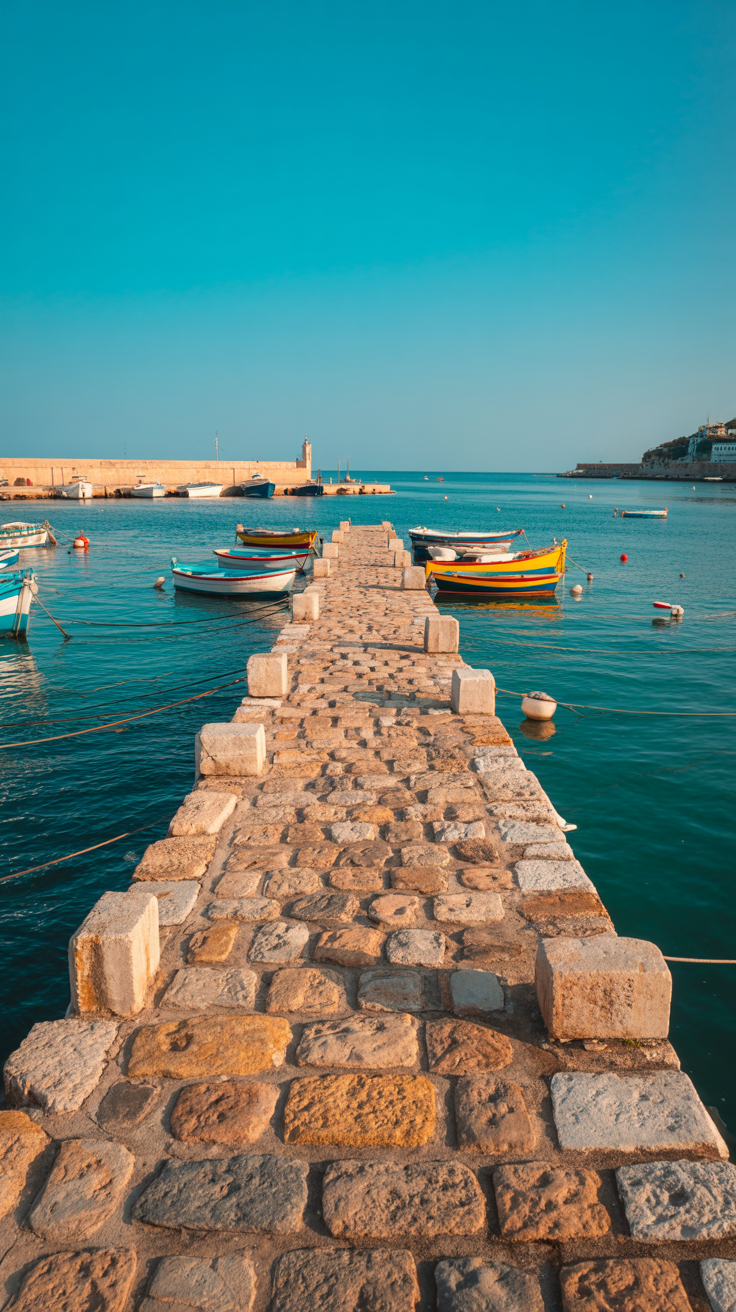
Once you’ve made it up from Marina Piccola, getting around Sorrento itself is straightforward. The town center is compact and walkable, though you’ll need other transport for destinations beyond Sorrento.
Walking
- Sorrento’s historic center is small enough to cover on foot in a couple of hours
- From Piazza Tasso, most attractions are within 1-1.5 km
- Watch out for uneven cobblestones and occasional steep streets between the upper town and coastal areas
- The walk from the town center to Marina Grande (the old fishing village) takes about 20-25 minutes along a scenic coastal path
Local Buses
- SITA buses connect Sorrento to towns along the Amalfi Coast, though journeys can be slow and winding
- The Circumvesuviana train station is about 1 km from the port and offers connections to Naples and Pompeii
- Local orange buses run from Piazza Tasso to various points around Sorrento for about €2 per ride
- Buy tickets at tabacchi shops before boarding, as drivers don’t always sell them
Taxis
- Licensed white taxis with meters wait at the port, Piazza Tasso, and the train station
- Agree on the fare before departure or insist the meter is running
- Expect to pay €15-20 for short trips within Sorrento, more for destinations like Positano or Pompeii
- Avoid unlicensed drivers offering flat-rate deals near the port gates
Ferries and Hydrofoils
- Marina Piccola has ferry services to Capri, Naples, Positano, and Amalfi
- Hydrofoils are faster but more expensive than traditional ferries
- Book tickets in advance during peak season as services sell out
- Check return times carefully to avoid missing your ship’s departure
What to See Within Walking Distance from the Port
Sorrento’s compact size means most of the town’s highlights are genuinely walkable from Marina Piccola, though you’ll need to factor in that initial climb up from the port.
- Piazza Tasso: The main square and social hub of Sorrento, lined with cafes and shops. It’s the natural starting point for exploring and sits about 0.8-1 km from the port. The square gets lively in the evenings when locals come out for their passeggiata. Allow 20-25 minutes walking from the port via the lift and a short stroll, or 25-30 minutes if you take the stairs.
- Villa Comunale: These public gardens offer the best panoramic views over the Bay of Naples and Vesuvius without paying an entry fee. The terraces are perfect for photos, and it’s right at the top of the lift from Marina Piccola. Essentially free with your lift ticket, and you can be there within 5 minutes of leaving the tender.
- Sorrento Cathedral (Cattedrale di Sorrento): The historic cathedral dedicated to Saints Philip and James sits in the heart of the old town. The interior features some nice artwork and the exterior has an unusual facade. About 1 km from the port, or a 10-minute walk from Piazza Tasso. Free entry, though modest dress is expected.
- Cloister of San Francesco: A peaceful medieval cloister that hosts occasional art exhibitions and concerts. The arches and garden make it one of Sorrento’s more photogenic quiet corners. Roughly 1-1.5 km from the port, nestled near the Villa Comunale. Takes about 15 minutes from Piazza Tasso.
- Marina Grande: The old fishing village with colorful houses and waterfront restaurants sits in a small cove about 1-1.5 km from Marina Piccola. The coastal walk is scenic but involves some steps. Plan 20-25 minutes each way from the tender landing. Great for lunch by the water.
- Via San Cesareo: Sorrento’s main shopping street runs through the historic center and is crammed with lemon-themed souvenir shops, ceramics, and trattorias. It connects Piazza Tasso with the Cathedral area, about 1 km total from the port. Perfect for browsing between attractions.
Must See Attractions in Sorrento for a One Day Cruise Visit
With limited time in port, focus on what makes Sorrento special rather than trying to tick off distant day trips. The town itself offers plenty for a satisfying port day.
Piazza Tasso and the Historic Center
- What it is: The beating heart of Sorrento, a large square named after the poet Torquato Tasso, surrounded by elegant buildings, outdoor cafes, and the entrance to the old town’s narrow lanes.
- Why it matters: This is where you’ll get the authentic feel of Italian town life. It’s also the jumping-off point for the pedestrianized shopping streets and gives you easy access to the Cathedral and other central sights.
- Time needed: Allow 45 minutes to an hour just to sit with a coffee and watch the world go by, then another hour or two if you’re exploring the surrounding streets and shops.
- Practical tips: Free to visit. The square is busiest mid-morning when cruise passengers flood in, so aim for early arrival or late afternoon for a more relaxed atmosphere. The cafes around the square charge premium prices for table service, but that’s the cost of people-watching in prime position.
Marina Grande
- What it is: A small, traditional fishing harbor with colorful boats bobbing in the water and a string of family-run seafood restaurants lining the quay.
- Why it matters: It’s the most photogenic spot in Sorrento and offers an authentic slice of coastal Italian life away from the tourist-heavy center. The seafood here is as fresh as it gets.
- Time needed: Budget 90 minutes to two hours if you’re having lunch, or 30-45 minutes for a quick stroll and photos.
- Practical tips: No entry fee. The walk from Piazza Tasso involves steps and can be slippery when wet. If you’re eating here, check prices before sitting down as waterfront restaurants can be pricey. Most accept cards but some smaller places are cash-only. Come for lunch rather than dinner if you’re on a cruise schedule.
Limoncello Tasting and Lemon Groves
- What it is: Sorrento is famous for its huge lemons and the limoncello liqueur made from them. Several shops and small producers offer free tastings.
- Why it matters: It’s the signature local product and you’ll find better quality and prices here than buying it elsewhere in Italy. Many family-run shops also sell lemon soaps, candies, and other citrus products.
- Time needed: A tasting takes 10-15 minutes, though you could easily spend an hour browsing and sampling different producers.
- Practical tips: Tastings are genuinely free with no obligation to buy, though most people end up purchasing a bottle. Prices range from €8-20 depending on quality and bottle size. The best shops are along Corso Italia and Via San Cesareo. Check liquid limits if you’re flying home after your cruise.
Correale Museum (Museo Correale di Terranova)
- What it is: A small but impressive museum housed in an 18th-century villa, displaying Neapolitan art, furniture, porcelain, and decorative arts. The terrace offers excellent bay views.
- Why it matters: If you want a dose of culture beyond eating and shopping, this is Sorrento’s main museum. The collection gives you context about the region’s artistic heritage and the terrace is worth the entry price alone.
- Time needed: One to one and a half hours covers the collection and terrace without rushing.
- Practical tips: Entry costs around €8-10. The museum is about 1.5-2 km from the port, manageable on foot but a slight uphill walk from Piazza Tasso. Check opening hours as it may close on certain days. Not ideal if you have young children as it’s a traditional museum setup.
Day Trip to Capri
- What it is: The glamorous island visible from Sorrento, famous for the Blue Grotto, designer shopping, and dramatic clifftop scenery.
- Why it matters: If you’ve seen Sorrento before or really want to say you’ve been to Capri, the hydrofoil takes just 20 minutes from Marina Piccola.
- Time needed: Half a day minimum. Factor in 40 minutes total crossing time, plus queuing and walking to/from ferry terminals. You’ll only scratch the surface but can see the main town and a few highlights.
- Practical tips: Hydrofoil tickets cost around €20-25 each way. Book in advance and check your ship’s departure time carefully as ferry schedules and weather can cause delays. Many cruise passengers find this rushed and prefer spending time in Sorrento itself. Consider this only if your ship is in port for 8+ hours. If you’re interested in Capri, read more in our guide to visiting Capri from Naples port.
Pompeii Excursion
- What it is: The world-famous Roman ruins buried by Vesuvius in 79 AD, about 30 km from Sorrento.
- Why it matters: It’s one of the best-preserved ancient Roman sites anywhere and a bucket-list experience for many visitors.
- Time needed: This is a full-day commitment. Getting there takes 45-60 minutes by train or car, entry and exploring the ruins needs 2-3 hours minimum, plus return travel. You’re looking at 4-5 hours total.
- Practical tips: Only attempt this if your ship is in Sorrento for 8+ hours and you’re comfortable with tight timing. The Circumvesuviana train from Sorrento to Pompeii runs regularly but can be crowded and basic. Entry to the ruins costs around €16. There’s minimal shade so bring sun protection and water. Ship excursions handle logistics but cost significantly more. Many passengers visiting Naples port find Pompeii easier to access from there.
Port Day Itinerary: Things to Do in 8 Hours
Here’s a realistic schedule that fits a typical 8am-4pm port day, assuming your ship tenders at Marina Piccola.
- 8:00-8:30am | Tender to Marina Piccola and ascend to town: Get an early tender ticket to beat the crowds. Take the Sorrento Lift up to Villa Comunale rather than exhausting yourself on the stairs first thing. Grab the views over the bay while you’re at the top.
- 8:30-9:15am | Villa Comunale and early morning stroll: Spend some time in the gardens while they’re quiet and the light is perfect for photos. Then walk the 5-10 minutes to Piazza Tasso to get your bearings in the town center.
- 9:15-10:30am | Explore the historic center and Via San Cesareo: Wander the pedestrianized shopping streets, pop into the Cathedral if it’s open, and stop for a quick limoncello tasting at one of the family-run shops. The Cloister of San Francesco is nearby if you want a peaceful moment.
- 10:30am-12:30pm | Walk to Marina Grande for seafood lunch: Head down the coastal path to the old fishing village. The walk takes about 25 minutes with photo stops. Claim a table at one of the waterfront restaurants and enjoy fresh pasta or grilled fish while watching the boats.
- 12:30-2:00pm | Lunch and relaxation at Marina Grande: Take your time over lunch. The pace here is slow and that’s the whole point. Order the catch of the day and a carafe of local white wine.
- 2:00-3:00pm | Return to Piazza Tasso via the town center: Walk back up through the back streets, browsing shops you missed earlier. This is a good time to buy any ceramics, limoncello, or food products you’ve had your eye on.
- 3:00-3:30pm | Gelato and final shopping: Grab a proper Italian gelato from one of the gelaterias near Piazza Tasso. Do any last-minute shopping or just sit in the square with your cone.
- 3:30-4:00pm | Return to Marina Piccola: Walk or take the lift back down to the port with plenty of buffer time. Factor in potential queues for the tender back to your ship.
This timing works comfortably without rushing and gives you the best of Sorrento’s town center, coastal scenery, and food scene.
Where to Eat Near the Port
Sorrento’s food scene is strong, though you’ll pay tourist prices near the main squares. The key is knowing where locals actually eat versus the obvious tourist traps.
- Marina Grande waterfront: The string of restaurants along the old fishing harbor serves some of the freshest seafood in Sorrento. Expect to pay €15-25 for a pasta dish and €25-40 for grilled fish or seafood mains. Portions are generous. Look for places with locals eating there as a quality indicator.
- Piazza Tasso and surrounding streets: Convenient but pricey. A coffee at a table costs €3-5, a simple pasta €12-18, and pizza €10-15. You’re paying for the location and people-watching. Fine for a quick bite but not the best value.
- Via San Cesareo side streets: Duck into the smaller lanes off the main pedestrian street for better-value trattorias. You’ll find tourist menus (primo, secondo, dessert, and wine) for €20-30. Quality varies so check TripAdvisor or ask locals.
- Sorrento’s signature dishes: Try gnocchi alla sorrentina (potato dumplings with tomato sauce and mozzarella), scialatielli ai frutti di mare (fresh pasta with seafood), or a simple margherita pizza. Fresh mozzarella di bufala is excellent here. For dessert, delizia al limone is a lemon-cream sponge cake that’s worth the calories.
- Quick lunch options: Grab a panino or slice of pizza al taglio from bakeries along Corso Italia for €3-6. Several rosticcerie sell ready-made pasta and meat dishes to take away if you want a cheap, fast meal.
- Food safety: Tap water is safe to drink. Seafood is generally very fresh given the coastal location, but use common sense about restaurants that look empty or have dusty menus. Street food is safe. Watch your bag in crowded restaurants as opportunistic theft can happen.
Shopping: What to Buy & Where to Go
Sorrento is actually a decent port for shopping if you’re into local products and artisan goods, though don’t expect high fashion or bargain prices.
- Limoncello and lemon products: This is the signature purchase. Look for bottles labeled “produzione propria” (own production) at family-run shops along Via San Cesareo and Corso Italia. Prices range from €8 for a small bottle to €20+ for premium aged versions. You’ll also find lemon soaps, candles, marmalades, and candies. Just remember liquid limits if you’re flying home.
- Ceramics and majolica: Hand-painted plates, bowls, and tiles in bright yellow-and-blue designs are everywhere. Quality and prices vary wildly. Cheaper mass-produced items start around €10-15, while genuine artisan pieces can run €50-200. Check if they’ll ship fragile items home.
- Intarsio (inlaid wood): Sorrento has a centuries-old tradition of wood inlay work. You’ll see music boxes, jewelry boxes, and decorative panels with intricate designs. Authentic pieces are expensive (€100+) but beautiful. Plenty of cheap imports too, so ask about origin.
- Leather goods: Sandals, bags, and belts are sold throughout the center. Quality is hit-or-miss and prices are negotiable in some shops, though don’t expect the haggling culture you’d find in Morocco or Turkey. A polite “è possibile uno sconto?” (is a discount possible?) might get you 10% off.
- Food products: Dried pasta, olive oil, jarred peppers, and tinned anchovies make good gifts and are easy to pack. Prices are reasonable compared to buying Italian imports at home.
- Where to shop: Via San Cesareo is the main tourist shopping street with the highest concentration of souvenir shops. Corso Italia has more variety including some chain stores. The side streets have smaller artisan workshops. Most shops open around 9:30-10am and close for a few hours mid-afternoon, reopening until 7-8pm.
- Haggling: Not really expected in most shops, though you can politely ask about discounts on larger purchases. Payment in cash might get you a better price than card.
- Public holidays: Many shops close on Sundays and religious holidays. August sees some closures as owners take their own holidays, though tourist-area shops usually stay open during cruise season.
Safety Tips & Avoiding Scams
Sorrento is generally safe for tourists, but the usual cruise port opportunists are present. Stay alert without being paranoid.
- Pickpockets: They work the crowded tender queues, the lift up from Marina Piccola, and busy shopping streets like Via San Cesareo. Keep bags zipped and worn in front. Don’t keep valuables in back pockets. Be especially careful when distracted by street performers or people asking for directions.
- Unlicensed taxis and drivers: Touts outside the port gates will offer rides at seemingly good prices, then inflate the fare at your destination or take unnecessarily long routes. Use only white licensed taxis with meters visible, or pre-book through your ship.
- Restaurant scams: Some places near Piazza Tasso display tourist menus at one price outside, then bring you a different menu with higher prices once seated. Always confirm prices before ordering. Check your bill for added charges like coperto (cover charge, usually €2-3 per person and legal) versus suspicious extras.
- Overpriced limoncello: Tourist shops charge €15-30 for bottles you can buy for €8-12 at supermarkets or less touristy shops. The fancy presentation doesn’t mean better quality. Compare prices before buying.
- Fake excursion offers: People near the port may offer “private tours” to Pompeii or Capri at great prices. These are often unlicensed, uninsured, and sometimes don’t materialize at all after you’ve paid a deposit. Book through legitimate operators or your ship.
- ATM skimmers: Use ATMs inside banks rather than standalone machines on the street. Cover your PIN when entering it. Check the card slot for anything that looks added on or loose.
Emergency Contacts
- General emergency (EU-wide): 112 – Connects to police, medical, fire, and other urgent services with language support
- Police (Carabinieri): 113 – For crimes in progress, theft, or personal safety threats
- Medical emergency/ambulance: 118 – For urgent medical situations and hospital transport
- Fire department: 115 – For fires, gas leaks, or immediate danger requiring fire services
- Coastguard/sea rescue: 1530 – For maritime emergencies
- Hospital: Santa Maria della Misericordia Hospital, Sorrento – 081-8729111
- Tourist police: Available through the general 112 number with English support
Save your cruise ship’s emergency contact number before going ashore. The ship’s security desk can also help coordinate with local authorities if needed.
Essential Gear for a Full Day Exploring Sorrento
You’ll easily walk 15,000+ steps exploring Sorrento’s cobblestones, hills, and coastal paths. Here’s what made our day comfortable and what we wish we’d brought from home.
For Your Feet
The combination of steep stairs from Marina Piccola, uneven cobblestones throughout the historic center, and the coastal path to Marina Grande is brutal on your feet. Comfortable walking shoes for men or walking shoes for women with good grip and ankle support saved us from the blisters we got in other Italian ports. Even if you think you’ll be fine, throw blister prevention in your bag just in case. Those stairs up from the port will find every weak spot in your footwear.
Your Daypack
You’ll need something for water bottles, sunscreen, a light layer for air-conditioned shops, and the limoncello and ceramics you’ll inevitably buy. An anti-theft backpack keeps your valuables secure in crowded areas like Via San Cesareo and Piazza Tasso where pickpockets work the tourist crowds. The slash-proof fabric and locking zippers let you actually enjoy browsing without constantly checking your bag. A collapsible water bottle clips on the outside and saves you from buying overpriced bottles every hour, especially in summer heat.
Staying Charged
Between taking photos of the Bay of Naples, using maps to navigate the narrow streets, checking ferry times if you’re considering Capri, and messaging your travel companions, your phone will die by lunchtime. A portable charger with 20000mah capacity got us through multiple 10-hour port days in Italy without ever stressing about battery. The peace of mind alone is worth the minimal space it takes in your bag.
Weather Protection
Italian weather changes quickly, especially in shoulder seasons. A lightweight rain jacket for women or packable rain jacket for men takes up almost no room but you’ll be grateful when an afternoon shower rolls in. These pack down small enough to stuff in your daypack and dry quickly if you get caught out.
Staying Organized
Cruise cabins are tiny and living out of an exploded suitcase for a week gets old fast. Compression packing cubes let you find clean clothes without destroying your entire bag, and they compress down to create more space for the souvenirs you’ll bring back. For a multi-port Mediterranean cruise, these are non-negotiable. A hanging toiletry bag uses vertical space in those microscopic ship bathrooms instead of cluttering the tiny counter.
Power & Connectivity
Italian outlets require European adapters with two round pins. A European power adapter with multiple USB ports means you and your travel companion can charge phones, cameras, and tablets simultaneously without fighting over the one outlet near your bed. Most cruise cabins have limited outlets, so this becomes essential. A cable organizer keeps your various chargers from becoming a tangled mess in your luggage.
Security
While Sorrento is generally safe, cruise ship cabins don’t lock particularly well and crew members have access throughout the day. A portable door lock adds an extra layer of security for valuables you don’t want to carry ashore or pay to put in the ship’s safe. It takes seconds to install and remove.
Currency, ATMs & Money Matters
Sorrento uses the euro like the rest of Italy, and while cards are widely accepted, you’ll still need cash for some situations.
- Local currency: Euro (€). Coins come in 1, 2, 5, 10, 20, and 50 cent denominations, plus €1 and €2. Notes are €5, €10, €20, €50, and upward. Small shops and market vendors prefer smaller notes as they often claim not to have change for €50s or €100s.
- ATM locations: Several banks with ATMs line Corso Italia near Piazza Tasso. Withdraw cash here rather than at the port where fees tend to be higher. Most ATMs offer English language options and dispense notes in €10, €20, and €50 denominations.
- Card acceptance: Mid-range and upscale restaurants, hotels, and shops accept Visa and Mastercard. Smaller trattorias, market stalls, and the Sorrento Lift are often cash-only. Amex is hit-or-miss. Contactless payment works at most card-accepting locations.
- Exchange options: Avoid currency exchange bureaus near tourist areas as rates are poor. If you need to exchange cash, banks offer better rates, though you’re better off using an ATM. Your cruise ship’s exchange rate will be terrible, so don’t rely on that.
- How much cash: Budget €50-100 per person for the day to cover lunch, snacks, shopping, the lift, and any cash-only purchases. More if you’re planning serious shopping or an expensive seafood meal.
- Notify your bank: Tell your bank you’ll be in Italy to prevent your card being blocked for suspected fraud. This is basic but people still forget and find themselves stuck without access to money.
- Tipping: Not obligatory in Italy but appreciated. Round up taxi fares to the nearest euro. Leave €1-2 at cafes, 5-10% at restaurants if service was good. Coperto (cover charge) is standard and goes to the restaurant, not the server.
- VAT refunds: If you’re not an EU resident and spend over €154.94 in a single shop, you can claim VAT refund. Ask for a tax-free form, get it stamped at customs, and claim the refund. Realistically this only works for expensive purchases and requires extra time most cruise passengers don’t have.
Weather by Month
| Season/Month | Temperature | Conditions | What to Expect |
|---|---|---|---|
| Winter (Dec-Feb) | 8-14°C | Cool, occasional rain | Fewer cruise ships visit. Many restaurants and shops have reduced hours or close. Pack layers and a waterproof jacket. Tender operations can be affected by winter storms. Not ideal for the classic Amalfi Coast experience. |
| Spring (Mar-May) | 13-22°C | Mild, increasingly sunny | Shoulder season with pleasant weather and smaller crowds. May is particularly nice with warm days and blooming lemon groves. Perfect for walking around town without overheating. Occasional spring showers so bring a light rain layer. |
| Summer (Jun-Aug) | 23-30°C | Hot, sunny, humid | Peak cruise season means crowds everywhere. July and August are scorching, especially during midday. The town center can feel overwhelming with tourist numbers. Essential to bring sunscreen, hat, and water. Sea breezes help near the coast. Book restaurants in advance. |
| Autumn (Sep-Nov) | 16-26°C | Warm early, cooling later | September and early October offer excellent weather with fewer crowds than summer. Sea is still warm enough for swimming. November sees more rain and some businesses winding down for winter. Generally the best time for cruise visitors who want to avoid the summer crush. |
Common Questions & FAQ
Do I need to book shore excursions through my cruise line for Sorrento?
No, Sorrento is easy to explore independently. The town center is walkable from the port and well-signposted. Ship excursions offer convenience and the guarantee they’ll wait if you’re delayed, but you’ll pay 2-3 times what an independent visit costs. If you’re comfortable navigating on your own and watching the time, there’s no need to book through the ship. The exception is if you’re planning a trip to Pompeii or Capri where transport logistics and timing are tighter.
How long does the tender ride take from ship to shore?
The tender from your ship to Marina Piccola typically takes 10-15 minutes depending on where your ship is anchored and sea conditions. However, you need to factor in waiting time for tender tickets and queuing. During busy periods with multiple ships, you could wait 30-45 minutes before boarding your tender. Always grab a tender ticket earlier than you think you need to, especially if you have specific timing in mind.
Is the walk from Marina Piccola to town center difficult?
It’s uphill all the way with a mix of streets and steps, gaining about 50 meters elevation. For reasonably fit adults it’s manageable in 15-25 minutes, though you’ll arrive slightly sweaty in summer. The route is scenic but not ideal for anyone with mobility issues, young children in pushchairs, or if you’re planning to carry shopping back down later. The Sorrento Lift solves this problem for around €2 and takes less than a minute. Most cruise passengers use the lift at least one way.
Can I visit both Capri and Pompeii in one day from Sorrento?
Technically possible but absolutely not recommended. Each deserves at least half a day to do properly, and the transport between them eats up hours. You’d spend your entire port day stressed and rushing, seeing neither place properly. Choose one or stick to Sorrento itself. If Pompeii is your priority, consider whether a call at Naples might be on your itinerary as it’s closer from there.
What should I do if I miss the last tender back to my ship?
Don’t panic, but don’t dawdle either. Contact your ship immediately using the emergency number you should have saved before going ashore. The ship will advise whether they can send another tender or if you need to arrange your own transport to the next port. You’ll be responsible for costs, which could run hundreds or thousands of euros depending on distance. This is why you always build in a buffer and never cut tender times fine. Missing the ship is rare but expensive when it happens.
Are there luggage storage facilities at Marina Piccola?
Marina Piccola is a small tender port without extensive facilities. There’s no official left-luggage service like you’d find at a train station. Some nearby hotels or shops might store bags for a fee, but this isn’t reliable or secure for valuable items. If you’re starting or ending a cruise in Sorrento, arrange luggage transfer directly with your hotel or cruise line rather than assuming port facilities exist.
Is Sorrento a good port for families with young children?
Yes, with some planning. The town itself is safe and walkable with kids. The Marina Grande harbor is interesting for children and there are plenty of gelato shops to keep them happy. The main challenge is the uphill walk or crowded lift from the port, and the lack of specific child-focused attractions. Older children will enjoy the scenery and food, but toddlers might get frustrated with all the walking and cobblestones. Skip ambitious day trips to Pompeii or Capri with young kids as the timing is too tight and stressful.
What’s the WiFi situation in Sorrento town center?
Most cafes and restaurants offer free WiFi to customers, though connection quality varies and you’ll usually need to ask for the password. The main squares have decent coverage from multiple establishments. Don’t rely on port WiFi as it’s often non-existent or terrible. Your ship’s WiFi package typically won’t work on shore. If you need reliable internet, consider getting an international data plan from your mobile provider or buying a local SIM card, though for a single port day this is probably overkill. Download offline maps before you lose your ship’s connection.
Personal Experience
When our cruise ship docked at Marina Piccola in Sorrento, I was relieved to find the town center was just a quick walk uphill. The port itself sits right below the old town, and you can either take the steep stairs up or grab a bus for a couple of euros if you’re not feeling energetic. We chose to walk, and honestly, those views of the Bay of Naples along the way made every step worth it. The whole journey took maybe 15 minutes, and suddenly we were in Piazza Tasso, the heart of everything.
With only six hours in port, we had to be smart about our time. We skipped the idea of heading to Pompeii or Capri since those eat up most of your day with travel, and instead explored Sorrento itself. The narrow streets lined with lemon groves and ceramic shops were perfect for wandering, and we made sure to try some limoncello at a family-run shop. We also walked down to the Marina Grande for lunch at a waterfront restaurant where the seafood pasta was incredible. The best part? We made it back to the ship relaxed and on time, without that usual cruise day panic. Sometimes staying local instead of rushing to the famous sites is exactly what you need.