
Getting Rome right from a Civitavecchia cruise stop comes down to one thing: timing. You’ve got roughly six to eight hours of usable time in the city after factoring in the train journey, which means every wasted hour queuing is an hour you’re not actually seeing Rome. The good news is that Rome’s biggest attractions follow predictable crowd patterns, and if you align your schedule with those rhythms, you can see far more than the average cruise passenger who just wings it.
The challenge is that most cruise ships dock early—often by 7 AM—which gives you a head start if you’re organised. The train from Civitavecchia to Roma Termini takes 45 minutes to an hour and 20 minutes depending on the service, and trains run roughly every 20 to 30 minutes during the day. That means if you’re off the ship by 8 AM, you can realistically be at the Colosseum or Vatican by 9:30 AM or earlier. The question is whether you should hit the ancient sites first or the Vatican, and the answer depends entirely on what you’ve pre-booked and what day of the week you’re visiting.
Want to know more about planning your Civitavecchia port day and all the logistics before you commit to a schedule?
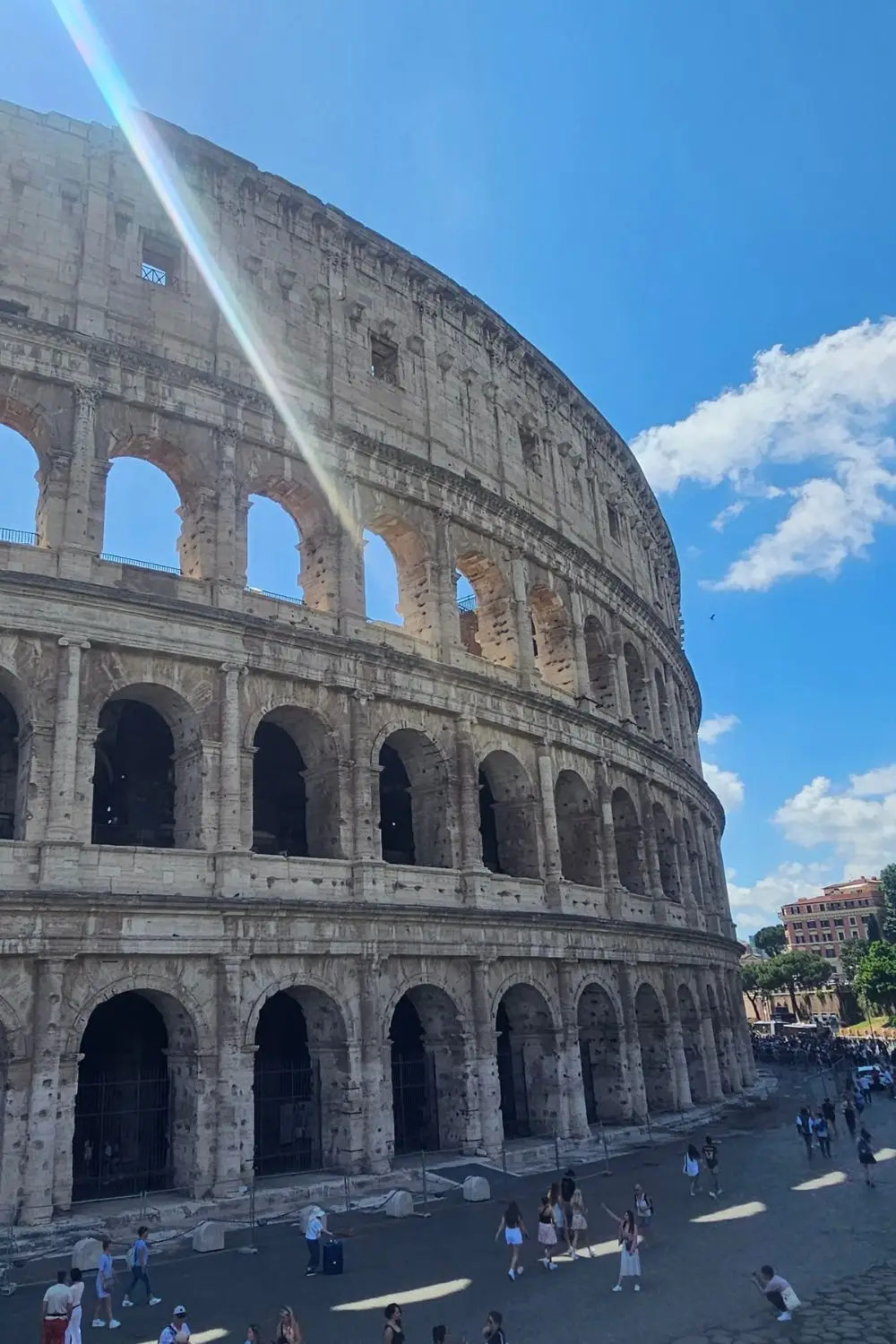
Colosseum, Roman Forum, and Palatine Hill: Hour-by-Hour Breakdown
The Colosseum typically opens at 8:30 AM, and that first half-hour is golden. If you’re there right at opening with a pre-booked ticket, you’ll walk through security in minutes and have the arena floor and lower levels relatively to yourself. By 9:30 AM, tour groups start flooding in, and by 10:30 AM it’s wall-to-wall people, especially in summer.
Best arrival times:
- 8:30–9:00 AM: Absolute sweet spot. Minimal crowds, cooler temperatures, better photo opportunities without strangers in every frame.
- Just after lunch (1:30–2:30 PM): Crowds thin slightly as people break for food, though it’s never truly quiet. The downside is the midday heat if you’re visiting in warmer months.
- Late afternoon (after 4 PM in extended-hours seasons): Numbers drop again, and the light softens for photos. Not always an option for cruise passengers with a ship departure to catch, but if your itinerary allows it, this is your second-best window.
When to skip:
- 10 AM–1 PM: Peak chaos. Long security lines, packed viewing areas, and you’ll spend more time shuffling than actually looking at anything.
- Sundays and Wednesdays in high season: These days pull extra visitors thanks to weekend tourists and Vatican audiences that spill over into other parts of the city.
The Roman Forum and Palatine Hill are included in the same ticket, and the timing logic is identical. Start at the Colosseum, then walk through the Forum and up to Palatine Hill. The hill itself is often quieter because people tire out or run out of time, so if you’re still fresh, the views from the top and the relative peace make it worth the climb. For a deeper look at how to structure your day, check out the best one-day itinerary for Rome to see how the ancient sites fit into a broader plan.
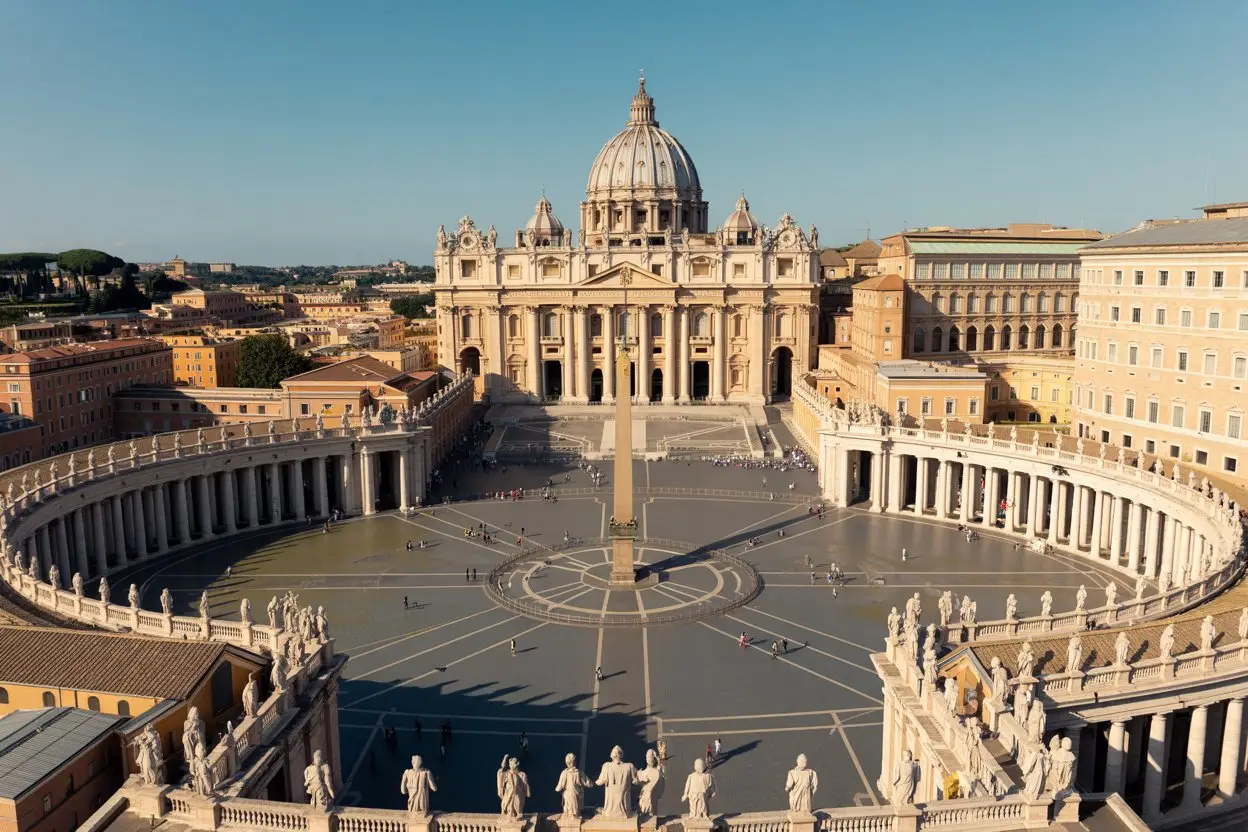
Vatican Museums and St. Peter’s Basilica: The Most Unforgiving Crowds in Rome
The Vatican is trickier than the Colosseum because there’s no “quiet” time—it’s relentlessly busy almost all day. The Vatican Museums open at 9 AM, and if you’re serious about avoiding the worst of it, you need to be in the queue by 8:30 AM or book a pre-opening tour that gets you in earlier. Standard tickets mean you’ll be in line with everyone else, and by 10 AM the Sistine Chapel is standing-room-only with guards constantly shushing people.
Best strategies:
- Pre-opening or early-entry tours (before 9 AM): These cost more but deliver a genuinely different experience. You’ll see the Sistine Chapel with a fraction of the usual crowd and have breathing space in the Gallery of Maps and Raphael Rooms.
- First-entry standard ticket (9:00–9:30 AM): If you can’t swing an early tour, be at the entrance before it opens. The first 30 minutes are your least-crowded window.
- Late afternoon (after 3 PM): The museums stay open until around 6 PM with last entry an hour before closing. Crowds ease slightly, though the Sistine Chapel remains busy. It’s not as effective as early morning, but it’s your fallback if morning isn’t possible.
When to avoid:
- Mid-morning to early afternoon (10 AM–2 PM): This is the peak crush. You’ll be shoulder-to-shoulder through the entire route, and the Sistine Chapel feels like a packed Tube carriage in summer.
- Wednesdays when the Pope holds a public audience: The square fills with people for the audience, which can make accessing St. Peter’s Basilica more complicated. The museums themselves aren’t necessarily busier, but the surrounding area is congested and security is tighter.
St. Peter’s Basilica is free and usually opens around 7 AM, which is your secret weapon if you’re an early riser. Getting there by 7:30 AM means you’ll breeze through security and have the interior relatively calm before tour groups arrive around 9 AM. The dome has separate hours and its own queue; if you want to climb it, do that first thing because the line builds fast. By late morning, you’re looking at 45 minutes or more just to start the climb. If you’re planning multiple walking routes around the city, these eight walking itineraries can help you link the Vatican to other neighbourhoods efficiently.
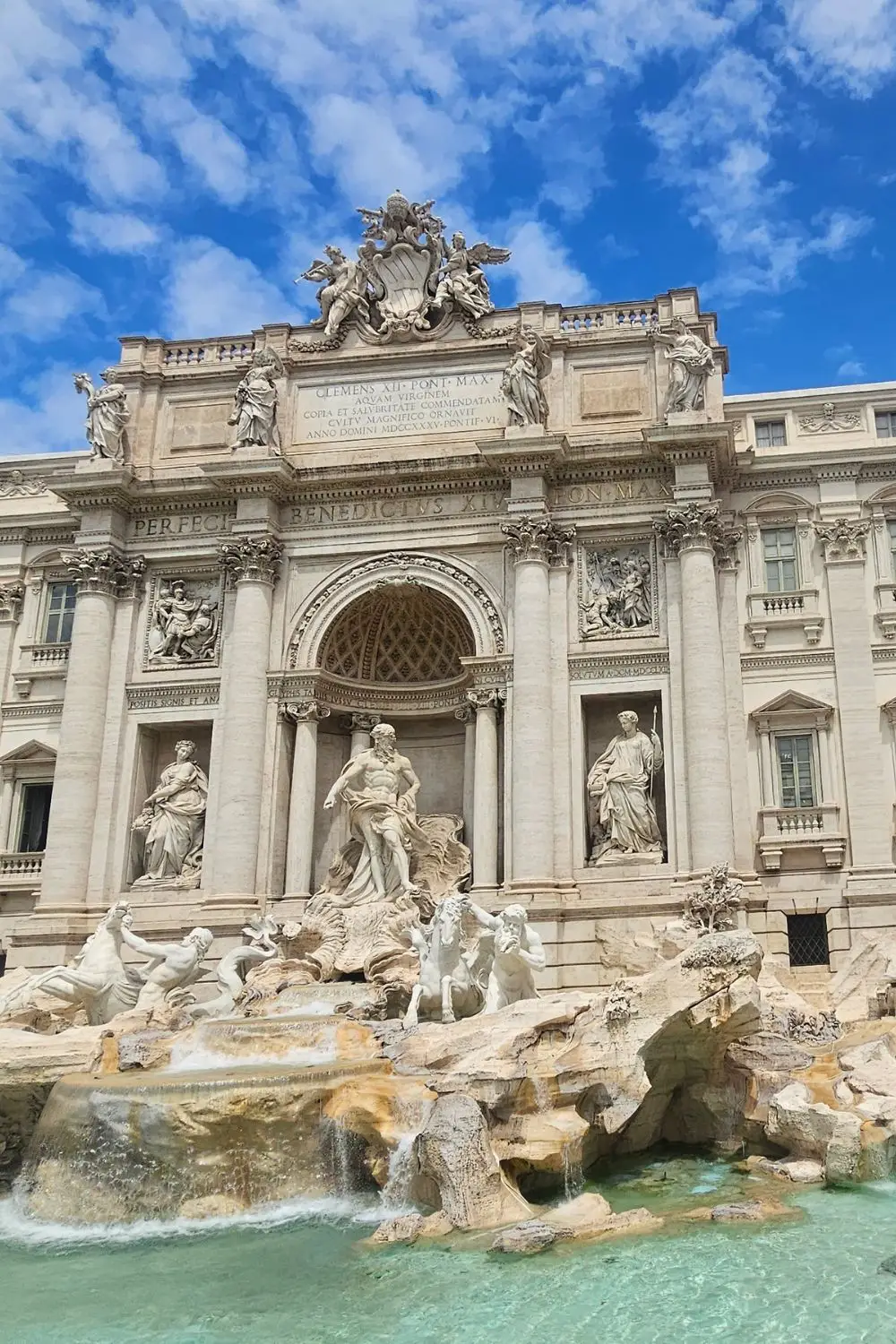
Trevi Fountain, Spanish Steps, and Pantheon: Free Sites with All-Day Crowds
These three are always accessible, which is both a blessing and a curse. You don’t need tickets, but you also can’t control who else is there. The Trevi Fountain is the worst offender—it’s mobbed from mid-morning until late evening, and there’s no real “off” time unless you go at dawn or very late at night.
Trevi Fountain timing:
- 6:00–7:30 AM: This is the only truly quiet window. If you’re already an early person or you time it with a morning walk, you’ll have the fountain mostly to yourself. Yes, it requires commitment, but the photos alone make it worthwhile.
- Evening after 8 PM: Still busy, but the crowd is more relaxed and the lighting is beautiful. It’s a nice stop on the way to dinner if you accept that it’ll be crowded.
- Avoid midday to early evening (11 AM–7 PM): You’ll be fighting for space just to see the water, let alone take a photo without someone’s elbow in the frame.
Spanish Steps:
- Early morning (before 9 AM): Quiet, clean, and the light is lovely. You can sit on the steps without being jostled.
- Late evening: It becomes a social gathering spot for both locals and tourists, which is charming in its own way but not ideal for photos or quiet reflection.
- Avoid mid-morning to afternoon (10 AM–5 PM): Tour groups use it as a meeting point, and it’s packed.
Pantheon:
- Early morning (8:00–9:30 AM): The Pantheon is open most of the day and is free to enter, so mornings before tour groups hit are your best bet. The oculus light is also stunning in the morning.
- Late afternoon: Crowds ease slightly after 4 PM, though it’s never empty.
- Avoid late morning through lunch (10 AM–2 PM): The interior gets claustrophobic, and it’s hard to appreciate the architecture when you’re packed in.
For these free sites, your best tactic is to fold them into your route strategically rather than making them dedicated stops. If you’re walking from the Colosseum area toward the Vatican or vice versa, you’ll pass near the Trevi Fountain and Pantheon naturally. Hit them early or late, spend ten minutes, and keep moving. If you’re wondering what to wear while walking around Rome so you blend in and stay comfortable, that guide covers every season and dress code for churches.
Site-Specific Tactics That Actually Work
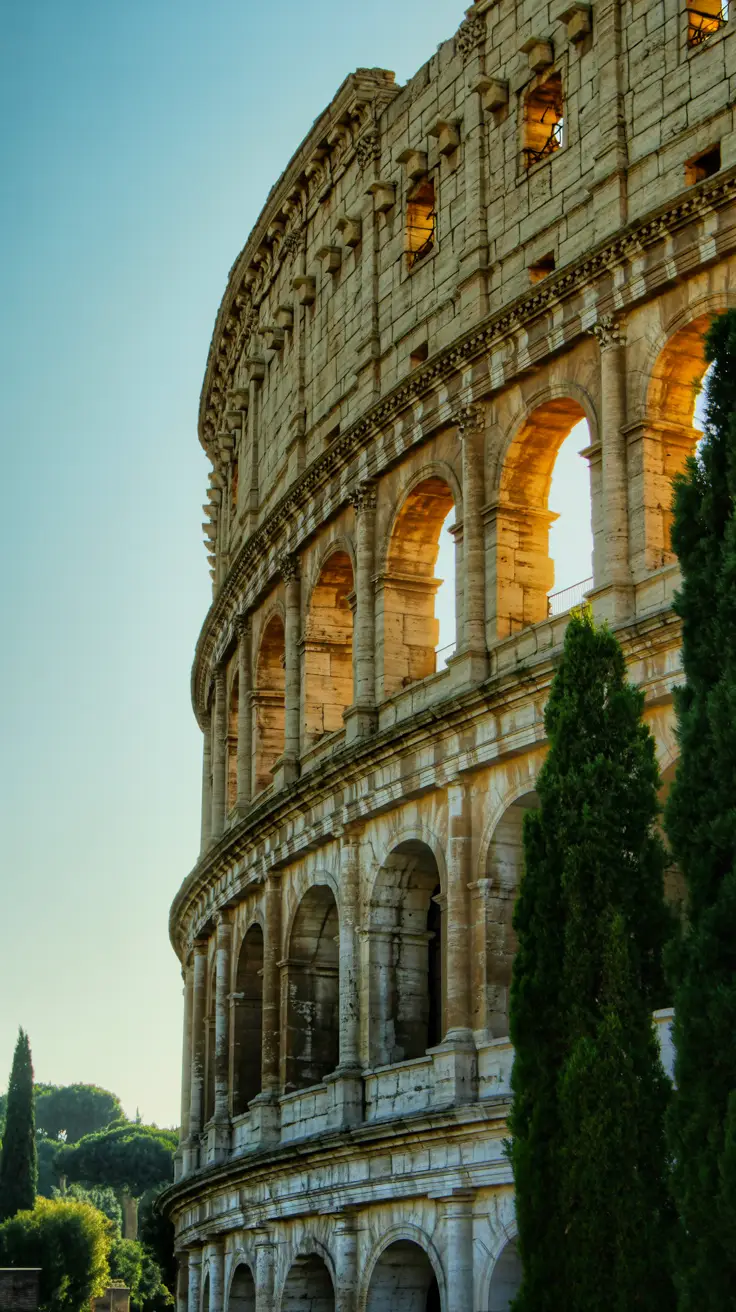
Here’s the practical stuff that saves time and stress once you’re on the ground:
Pre-book everything possible: This isn’t optional for cruise passengers. You don’t have the luxury of “trying again tomorrow” if a site is sold out or the queue is too long. Book timed-entry tickets for the Colosseum and Vatican Museums at least a few weeks ahead, and choose the earliest slots available.
Skip-the-line doesn’t always mean skip the line: Many “skip-the-line” tickets still require you to queue for security, which can take 20 to 30 minutes at the Vatican during peak times. It skips the ticket-buying queue, not every queue.
Galleria Borghese requires advance booking: This is one of Rome’s finest but often overlooked museums, and you must book a timed slot well ahead. It’s closed on Mondays, and slots fill up fast. If you’re a museum person and you have time, it’s worth it—but not realistic for most cruise passengers on a tight schedule.
Castel Sant’Angelo is a great backup: If your Vatican timing doesn’t work out or you want a quieter alternative, Castel Sant’Angelo is nearby, less crowded, and offers fantastic views from the top. It’s also easier to visit without advance booking.
Wednesday audiences at the Vatican pull crowds to the square but can make the museums slightly quieter: This is hit-or-miss and depends on timing, but if you’re visiting on a Wednesday and can time your museum entry for when the audience is happening in the square, you might find it marginally less busy inside.
Bring a refillable water bottle: Rome’s fountains (the small drinking ones, not Trevi) are everywhere and the water is safe and cold. A collapsible water bottle is perfect for travel since it takes up almost no space in your bag when empty. Queuing in the heat without water is miserable, and buying bottles constantly adds up.
Afternoon breaks are real: Some smaller sites and churches close for a few hours in the afternoon. The major attractions stay open, but if you’re trying to slip into a lesser-known church or neighbourhood spot, check the hours first.
If you’re planning to eat while you’re in the city and want to avoid tourist traps, this guide to the best restaurants in Rome highlights places locals actually go and where you’ll get good value.
Getting the Transport Timing Right
The train from Civitavecchia to Roma Termini runs frequently, but you still need to factor in walking time from the port to the station (about 10 to 15 minutes) and the journey itself. If your ship docks at 7 AM and you’re off by 8 AM, catching the 8:30 AM train gets you to Termini by 9:30 AM. From Termini, the Colosseum is a short Metro ride or a 20-minute walk, and the Vatican requires a Metro change or a bus. Keep a portable charger with you since you’ll be using your phone constantly for maps, tickets, and photos—the last thing you want is a dead battery when you’re trying to navigate back to the station.
For your return, leave yourself at least 90 minutes before the ship’s all-aboard time. That’s 60 minutes for the train, 15 minutes to walk to the station from the city, and a 15-minute buffer for delays or missed trains. Trains are reliable, but delays happen, and missing your ship isn’t worth the risk.
If you’d rather skip the train coordination, the SIT Bus Shuttle offers fixed departures from the port to Rome Termini and takes roughly 60 to 90 minutes depending on traffic. It’s less flexible than the train but takes the guesswork out of scheduling. Private transfers are another option if you’re travelling as a group and want door-to-door service. For a full breakdown of your options, check out the nine best ways to get from Civitavecchia to Rome and compare timings, costs, and convenience.
What If You Only Have Four or Five Hours?
Some cruise itineraries offer shorter port times, or you might be sailing late afternoon and not want to risk being far from the ship. If you’ve only got four or five usable hours in Rome, you have to make hard choices.
Option one: Ancient Rome only. Train to Termini, Metro to the Colosseum, spend two to three hours doing the Colosseum, Forum, and Palatine Hill with a pre-booked ticket, then head back. It’s tight but doable if you don’t linger. Wear comfortable walking shoes because you’ll be on your feet for hours on uneven cobblestones and ancient paths.
Option two: Vatican only. Train to Termini, Metro or bus to the Vatican, do an early-entry museum tour or hit St. Peter’s Basilica early, then return. You won’t have time for both the museums and a leisurely basilica visit, so pick one.
Option three: Hit the free sites and walk. Skip the ticketed attractions entirely and spend your time walking through central Rome—Trevi Fountain, Pantheon, Piazza Navona, Spanish Steps. You’ll see a lot, get a feel for the city, and avoid the stress of timed entries and long queues. This is also the easiest option if you’re travelling with kids or anyone who doesn’t want to commit to hours inside museums. Keep your valuables secure with an anti-theft backpack while you’re navigating crowded tourist areas.
None of these options are “wrong,” but they’re very different experiences. If this is your first time in Rome and you’re not sure you’ll be back, the Colosseum or Vatican are hard to skip. If you’ve been before or you’re more interested in atmosphere than specific monuments, the walking option gives you a much more relaxed day.
Essential Items for Your Rome Day Trip
A successful day in Rome requires more than just good timing—you need to pack smart for a full day of walking, standing in queues, and navigating between sites. Start with blister prevention because even the most comfortable shoes can cause problems after several miles on cobblestones. Bring a waterproof phone pouch to protect your device from the fountains and any unexpected rain, plus it’s useful if you want to take photos near water features without worry.
Rome can be unpredictable weather-wise, especially in shoulder seasons. A packable rain jacket takes up minimal space in your bag and can save the day if clouds roll in. If you’re visiting churches like St. Peter’s or any of the smaller basilicas, you’ll need to cover your shoulders and knees, so plan your outfit accordingly or bring something lightweight to throw on. Since you’ll be carrying everything with you all day, keep it minimal but functional—an anti-theft crossbody bag is ideal for keeping your essentials secure while keeping your hands free for photos and gelato.
Don’t forget a European power adapter if you’re planning to charge devices at cafes or if you’ve booked accommodation in Rome for the night. Pack compression socks in your bag if you’re prone to leg fatigue—they’re especially helpful on long walking days and during the train ride back to the port. Organization matters when you’re moving quickly between sites, so a small cable organizer keeps your charging cables and earbuds from becoming a tangled mess in your bag.
Extend Your Stay in Rome
If one day in Rome feels rushed—and it will—staying overnight gives you the breathing room to see more without the pressure of a ship departure hanging over you. Hotels in Rome range from budget spots near Termini to boutique properties in Trastevere and Monti, and booking accommodation near a Metro line makes it easy to reach the major sites without relying on taxis. Pack packing cubes to keep your overnight essentials organized if you’re splitting time between the ship and a hotel, and bring a hanging toiletry bag to make settling into a hotel room quick and efficient.
Spending an extra night also lets you experience Rome in the evening when the day-trippers and cruise passengers have left, and you can enjoy a proper dinner, a slower walk along the Tiber, and a less-frantic visit to the Trevi Fountain or Pantheon. If you’re doing a longer Mediterranean cruise and Rome is just one stop, this guide to Italian cruise ports can help you plan your other port days with the same level of detail.
Personal Experience
We learned pretty quickly on our Civitavecchia port day that timing makes all the difference in Rome. The train gets you to the city in about an hour, so we aimed to hit the Colosseum right when it opens at 8:30 AM. That early slot was perfect—we practically walked straight in while tour groups were still forming outside. By 10 AM, the crowds had tripled and the sun was already brutal. The Vatican was trickier. We went mid-afternoon around 2 PM thinking lunch would thin things out, but honestly, St. Peter’s and the Sistine Chapel stay packed no matter what. If we did it again, we’d spring for the earliest Vatican tour possible or go on a Wednesday when the Pope’s audience pulls people to the square instead.
The Trevi Fountain is a different animal since it’s always accessible. We stopped by around 7 PM on our way to dinner, and while it was crowded, the evening light made it worth the shuffle. A couple from our ship went at 6 AM and had it nearly empty, which sounds magical but also requires serious commitment when you’re on vacation. Spanish Steps were pretty chill around 9 AM, and we just wandered without any real plan. The sweet spot seems to be hitting your ticketed spots at opening time, saving the free monuments for early evening, and accepting that some crowds are just part of the Rome experience.
Common Questions & FAQ
Can I really see both the Colosseum and the Vatican in one day from a cruise?
Technically yes, but it’s exhausting and you’ll be rushing. If you have an early ship arrival and you’re off by 8 AM, you could do the Colosseum at opening, spend two hours there, then Metro across to the Vatican for an early-afternoon visit. You won’t have much time to enjoy either one properly, and you’ll skip lunch and any walking around the city. Most people find it more enjoyable to pick one major site and pair it with a walking route through central Rome rather than trying to tick both boxes in a single day.
Do I need to book Colosseum and Vatican tickets in advance if I’m on a cruise?
Absolutely. Both sites sell out, especially in high season, and you don’t have the option of coming back another day. Book timed-entry tickets at least a few weeks ahead, and choose the earliest slots you can make based on your ship’s arrival time and the train schedule. Walk-up tickets are risky and often unavailable, and even if they are, you’ll waste hours in queues that could be spent actually seeing Rome.
What’s the best time to see the Trevi Fountain without huge crowds?
The only truly quiet window is between 6 AM and 7:30 AM. If you’re an early riser or you’re already up for an early train to Rome, it’s worth going then—you’ll have the fountain mostly to yourself and the photos are much better. Late evening after 8 PM is the next-best option, but it’s still busy; the difference is the crowd is more relaxed and the lighting is beautiful. Avoid midday to early evening entirely unless you’re fine with being part of a scrum.
Is it better to visit the Vatican on a Wednesday when the Pope holds an audience?
It depends on what you want. If you’re interested in attending the audience, Wednesdays are the day to go, but you’ll need a free ticket and you’ll spend a few hours in St. Peter’s Square. If you’re just trying to visit the museums and basilica, Wednesday can be a mixed bag—the square itself is packed, but some people say the museums are marginally quieter because the audience pulls crowds outside. It’s not a dramatic difference, though, and security is often tighter on Wednesdays, so factor that into your timing.
How much time should I leave to get back to the ship?
At least 90 minutes from central Rome to being back at the port. That’s 60 minutes for the train, 10 to 15 minutes to walk from your last stop in Rome to Termini, and a 15-minute buffer for delays or a missed train. If you’re cutting it closer than that, you’re gambling with your cruise, and it’s not worth the stress. Always aim to be back on the ship at least 30 minutes before the all-aboard time, not right at the deadline.
Can I visit the Colosseum without a guide, or do I need a tour?
You don’t need a guide to visit the Colosseum; a standard ticket gets you access to the main areas and you can explore at your own pace. That said, a guide or an audio guide adds a lot of context, and if you’re interested in accessing restricted areas like the underground or the arena floor, those require a guided tour. If you’re on a tight schedule and you just want to see it and move on, a solo visit is fine. If you want the full experience and you have time, a tour is worth it.
Are there any major Rome sites that are free and worth visiting?
Yes—the Pantheon, Trevi Fountain, Spanish Steps, and most of Rome’s churches are free to enter. The Pantheon is especially worth your time; it’s one of the best-preserved Roman buildings and the interior is stunning. Churches like Santa Maria in Trastevere and Santa Maria Maggiore are also free and beautiful, though you’ll need to dress modestly (no shorts or bare shoulders). If you’re on a budget or you’d rather spend your money on food and transport, you can have a fantastic day in Rome hitting only the free sites and walking the historic centre.
What happens if I miss the last train back to Civitavecchia?
If you miss the last train, you’ll need to book a taxi or private transfer back to the port, which will cost significantly more—often €100 to €150 or more depending on the time and availability. Trains run fairly late, but the last direct service is usually around 9 or 10 PM, so check the schedule in advance and plan your return accordingly. Missing your ship because you stayed too late in Rome is a very expensive mistake, so always build in a buffer and don’t gamble with the timing.
Last Updated: 8 January 2026