
Juneau, Alaska’s capital city, sits in one of the most productive whale feeding grounds in the world. When your cruise ship docks here, you’re not just visiting a port—you’re stepping into the dining room of hundreds of humpback whales who return each summer to feast on herring and krill.
Quick Facts: Juneau Whale Watching
| Detail | Information |
|---|---|
| Best Viewing Season | May through September |
| Most Common Species | Humpback whales (95% sighting rate) |
| Also Spotted | Orcas, gray whales, minke whales, porpoises |
| Typical Tour Duration | 3-5 hours |
| Distance from Port | 15-30 minutes by boat |
| Dress Code | Layers! Even in summer |
| Seasickness Factor | Low to moderate in protected waters |
Want to know more about planning your Alaska port stops? Check out our comprehensive guide to Alaska cruise ports for detailed information on all the destinations you’ll visit.
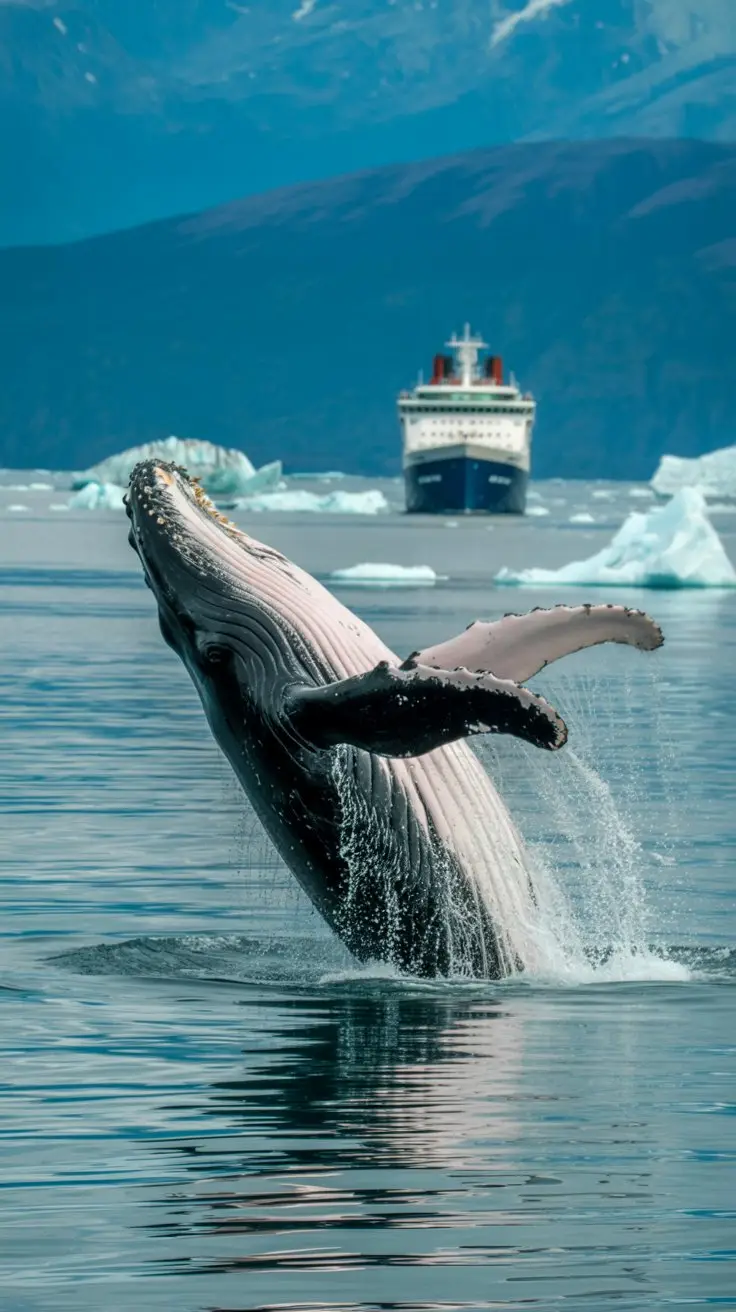
Why Juneau Is Whale Watching Gold
Here’s something most cruise passengers don’t realize: Juneau isn’t accessible by road. The only ways in are by boat or plane, which means the surrounding waters remain relatively undisturbed compared to other coastal areas. The whales know this too.
The specific geography matters more than you’d think. Juneau sits at the northern end of the Inside Passage where several channels converge, creating underwater highways that funnel nutrient-rich waters and the marine life that whales love. Stephens Passage, Auke Bay, and Lynn Canal aren’t just scenic—they’re oceanic buffets.
The Numbers That Matter
- Over 65 individual humpback whales are photo-identified as regular Juneau visitors
- Peak season brings sighting rates above 95% on commercial tours
- Tours often spot 5-15 different whales during a single excursion
- Bubble-net feeding displays occur regularly in July and August
Choosing Your Whale Watching Experience
Not all whale watching tours are created equal, and your cruise schedule adds another layer of complexity. Here’s what the brochures won’t always tell you.
Vessel Types: The Real Differences
Large Boats (50+ passengers):
- More stable in choppy water (better for seasickness-prone travelers)
- Indoor heated cabins with bathrooms
- Higher viewing decks for photography
- Can feel crowded when whales surface on the “wrong” side
- Usually the most budget-friendly option
Small Boats (6-20 passengers):
- More maneuverable and can access shallower areas
- More intimate experience with naturalist guides
- Every seat has a good view
- You’ll feel the motion of the ocean more intensely
- Higher price point but often worth it
Jet Boats and Fast Vessels:
- Cover more territory quickly
- Great if you’re short on time
- The ride itself can be thrilling (or nauseating)
- Less time observing once you find whales
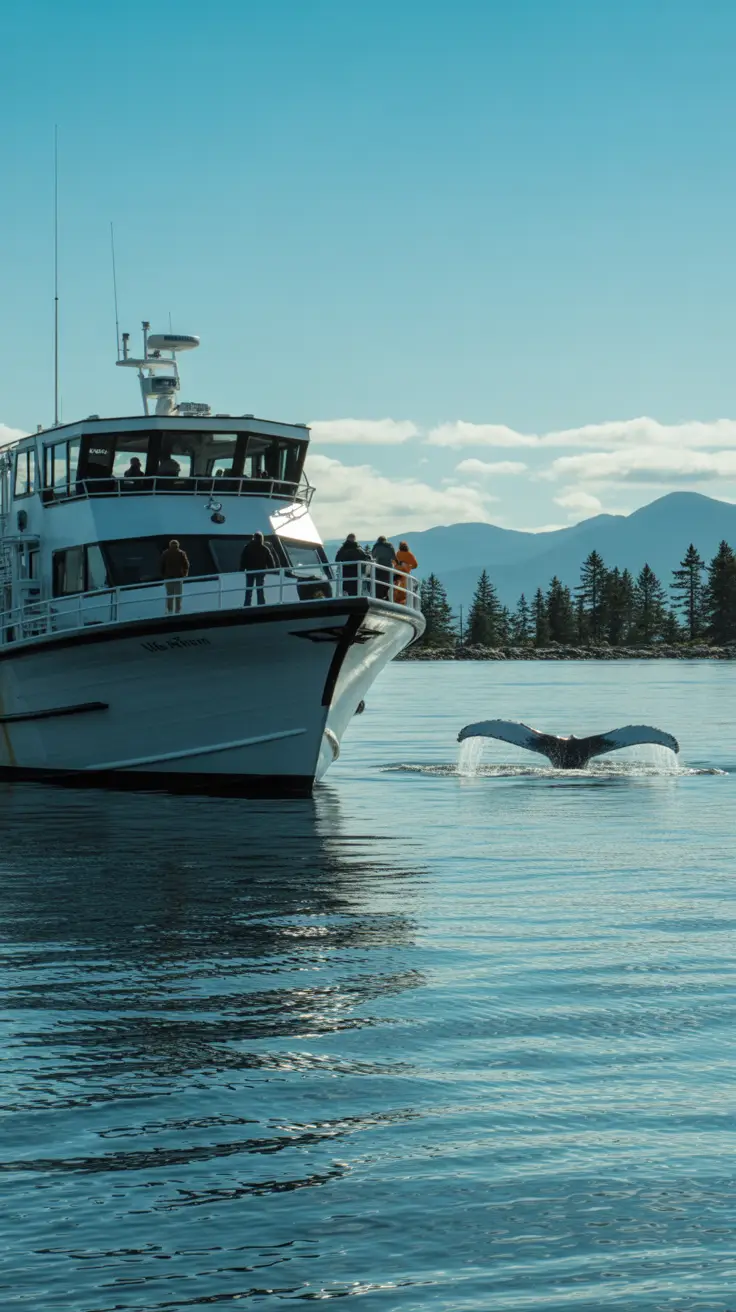
Timing Your Tour With Your Ship
This is where inexperienced cruisers make costly mistakes. Most ships dock in Juneau from early morning until evening, giving you a comfortable window. However, consider these insider angles:
Morning Tours (8-11 AM)
- Pros: Calmer waters, better light for photography, whales are actively feeding after hunting overnight
- Cons: Most popular time slot, books up fastest, you’ll miss exploring downtown Juneau in the morning
Afternoon Tours (1-4 PM)
- Pros: Can explore town first, often cheaper rates, still excellent whale activity
- Cons: Waters can be choppier, cutting it closer to ship departure times
The Savvy Cruiser’s Trick
Book the first tour that departs after your ship’s “all aboard” time minus four hours. This gives you buffer time for delays while maximizing your whale watching window. If your ship departs at 8 PM, a 2 PM tour is ideal. Never book a tour that returns within 90 minutes of departure time—one delayed whale sighting could mean watching your ship leave without you.
What You’ll Actually See
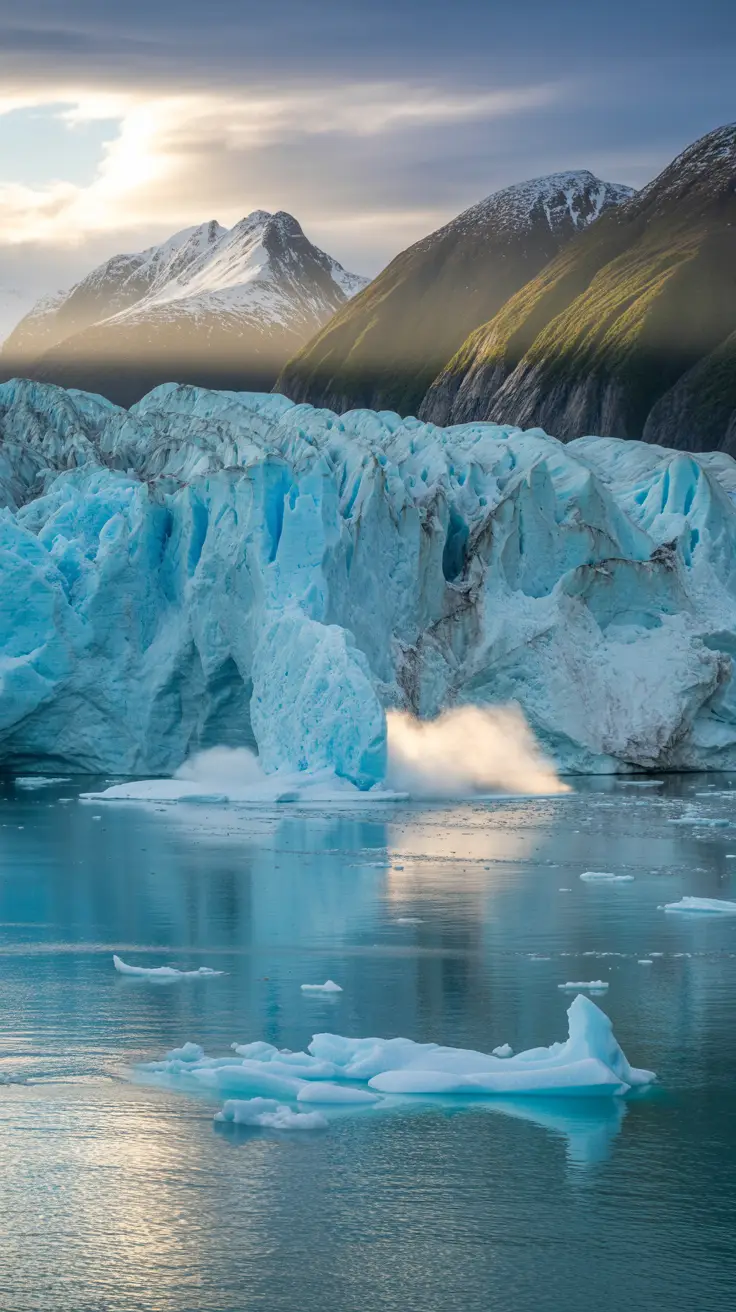
Let’s talk realistic expectations. The tour operators advertising “guaranteed sightings” aren’t lying, but they’re not telling the whole story either.
Humpback whales are the stars of Juneau’s waters, and you’ll almost certainly see them. But “seeing” can mean different things:
- Blows (spouts): You’ll definitely see these—the 15-foot spray when whales exhale
- Backs and dorsal fins: The classic rolling motion as whales surface to breathe
- Tail flukes: The Instagram-worthy shot happens when whales dive deep (maybe 30-40% of sightings)
- Breaching: Full body leaps are spectacular but genuinely unpredictable (you might get lucky, you might not)
- Bubble-net feeding: The holy grail of whale watching where multiple whales work together to corral fish—this happens regularly but requires being in the right place at the right time
The Other Marine Celebrities
While searching for whales, you’re likely to encounter supporting cast members that make the trip worthwhile even on slower whale days:
- Orcas (killer whales) patrol these waters regularly
- Steller sea lions haul out on rocks and buoys
- Harbor seals pop up like curious puppies
- Dall’s porpoises sometimes ride boat wakes
- Bald eagles are so common they’re almost background noise
- Mountain goats on distant cliffs if your eyes are sharp
For more context on Alaska wildlife whale watching throughout the state, our dedicated guide covers what to expect across different regions.
What to Bring: The Actually Useful List
Forget the generic packing lists. Here’s what actually matters based on real conditions:
Essential Gear
- Layers: Start with a base layer, add fleece, top with waterproof jacket—you’ll shed and add throughout the trip
- Waterproof outer layer: Not for rain necessarily, but for ocean spray
- Binoculars: Tours provide them, but they’re shared and often mediocre quality
- Sunglasses with strap: Glare off water is intense, and you don’t want them flying overboard
- Seasickness remedy: Take it 30 minutes before boarding, even if you think you don’t need it
Camera Considerations
Here’s what professional wildlife photographers won’t tell you because it sounds harsh: your smartphone probably isn’t going to capture that magical breach you witnessed. But it’s perfectly fine for recording the experience and getting decent shots of closer encounters.
If you’re serious about photography:
- Bring a camera with at least 300mm zoom capability
- Fast shutter speed (1/1000 or faster) is crucial for action shots
- Extra batteries—cold drains them quickly
- Keep your camera ready at all times (Murphy’s Law guarantees breaching happens when your camera is in your bag)
What to Leave Behind
- Umbrellas (useless and dangerous on boats)
- White or light-colored clothing (shows every splash and spray)
- Rigid plans (whales don’t follow schedules)
- Perfume or cologne (strong scents in close quarters are inconsiderate)
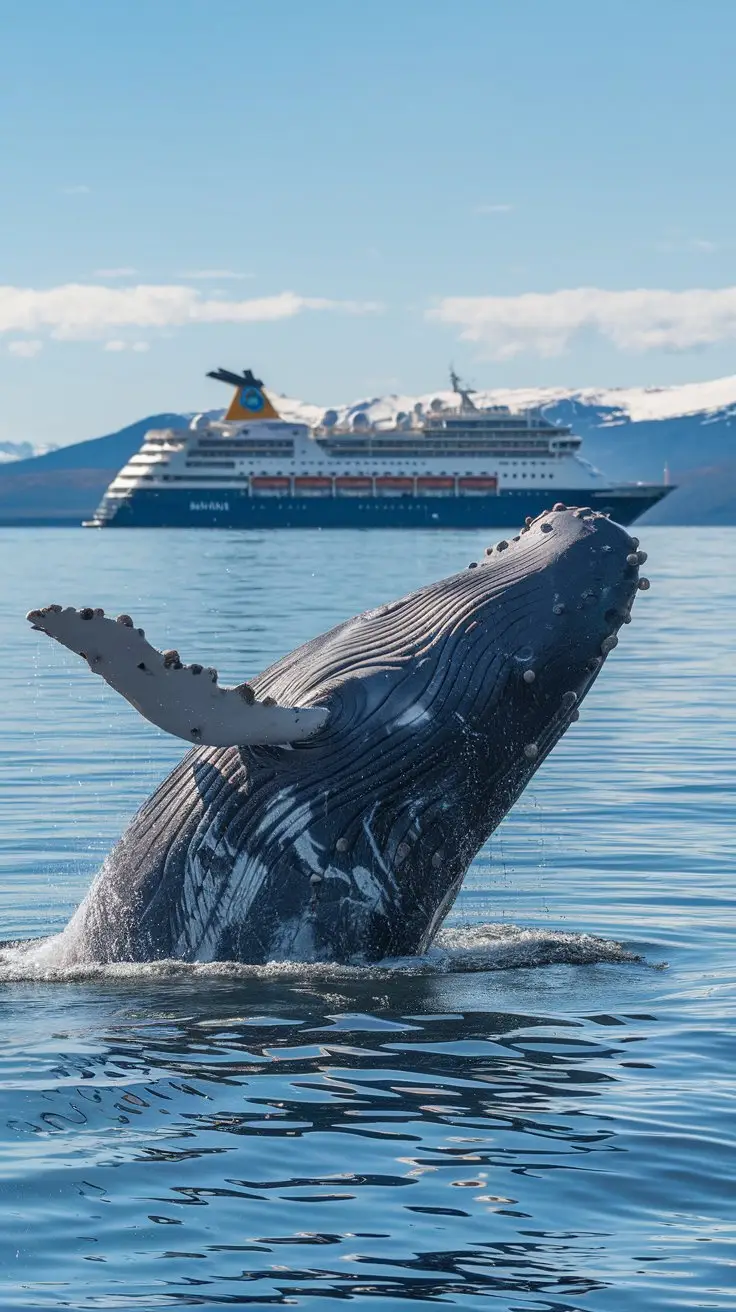
Booking Strategy: Ship Tour vs. Independent Operator
This decision involves tradeoffs that depend on your risk tolerance and priorities.
Cruise Line Shore Excursions
Advantages:
- The ship will wait for you if your tour runs late (this is huge)
- Vetted operators with insurance requirements
- Convenient booking through your cruise account
- Customer service through the cruise line if problems arise
Disadvantages:
- Typically 30-50% more expensive than booking direct
- Often larger group sizes
- Less flexibility in timing and tour style
- You’re paying for the peace of mind premium
Independent Operators
Advantages:
- Better prices when booking directly
- More tour variety including specialized small-group experiences
- Can read recent reviews on multiple platforms
- Support local businesses directly
Disadvantages:
- If the tour runs late, the ship won’t wait
- You handle all logistics and potential problems
- Cancellation policies vary widely
The middle ground? Book through independent operators that specifically cater to cruise passengers and advertise “cruise ship guarantee” policies. Many reputable companies will refund you or reschedule if they cause you to miss your ship.
Explore more options in our guide to Juneau’s best shore excursions for activities beyond whale watching.
Combo Tours: Maximizing Your Juneau Day
Since most cruise ships spend 8-10 hours in Juneau, you can realistically do more than just whale watching. Smart combinations include:
Popular Pairings
- Whale watching + Mendenhall Glacier: Many operators offer this combo, though it’s a packed day
- Morning whales + afternoon downtown: Allows time for shopping, dining, and the Red Dog Saloon
- Helicopter glacier landing + afternoon whale watching: Expensive but covers Alaska’s two signature experiences
The Underrated Option
Consider whale watching from nearby Icy Strait Point if your cruise stops there instead of (or in addition to) Juneau. It’s less crowded and equally productive for whale sightings.
Seasickness: Let’s Talk About It
Nobody wants to discuss this, but it’s better to be prepared than miserable. Juneau’s protected waters are generally calm, but “generally” doesn’t help if you’re the one turning green.
Prevention Strategies That Actually Work
- Medication timing: Take Dramamine or Bonine 30-60 minutes before departure, not after you feel sick
- Ginger: Ginger candies or tea can help (placebo or not, who cares if it works)
- Wrist bands: Acupressure bands work for some people through sheer determination if nothing else
- Position matters: Stay midship on the lower deck where motion is minimized
- Eyes on horizon: Looking through binoculars at distant points helps your inner ear reconcile with motion
- Fresh air: Stay outside even if it’s cold—being below deck increases nausea
If You Start Feeling Queasy
- Tell a crew member immediately (they’ve seen it all and can help)
- Focus on breathing slowly and deeply
- Avoid looking at screens or reading
- Crackers or light snacks can help (empty stomach is worse)
- Remember: it’s temporary and won’t ruin the experience unless you let embarrassment compound the misery
Weather Reality Check
Southeast Alaska weather is famously unpredictable. Juneau receives significant rainfall, but here’s the insider perspective: whales don’t cancel for weather, and some of the best sightings happen in light rain when the water surface is easier to scan for blows.
What Different Conditions Mean
- Light rain: Actually ideal—wear your waterproof layer and enjoy excellent viewing
- Heavy rain: Reduces visibility but tours usually still run
- Wind: This is the real enemy—creates chop that makes spotting and photography difficult
- Fog: Tours may be delayed or rerouted but rarely cancelled
- Rare sunny day: Glorious but you’ll need serious sun protection from water reflection
Environmental Etiquette
Responsible whale watching isn’t just feel-good marketing—it’s regulated by federal law and impacts future whale behavior.
What Reputable Operators Do
- Maintain 100-yard minimum distance from whales (closer if whales approach the boat)
- Limit time observing individual whales
- Never chase or attempt to touch marine mammals
- Reduce speed and engine noise when whales are nearby
- Avoid separating mothers from calves or disrupting feeding
If you notice your operator violating these guidelines, you’re with the wrong company. Report violations to NOAA after your trip.
Bonus Tips Nobody Tells You
The Hydrophone Secret
Ask if your tour boat has a hydrophone (underwater microphone). Hearing whale songs and feeding calls adds an entirely new dimension to the experience. Not all boats have them, so this can be a deciding factor when choosing operators.
Research Individual Whales
Juneau’s humpbacks are individually catalogued by their unique tail fluke patterns. Operators like Dolphin Jet Boat Tours maintain identification guides, and your naturalist can often tell you the specific whale’s name and history. “That’s Guardian—she’s been returning here for over 20 years and has had seven calves.”
The Early Morning Advantage
If your ship arrives early enough, consider a pre-breakfast tour that departs as early as 6:30 AM. These tours cost less, have smaller crowds, and offer the best lighting for photography. Pack a granola bar because you’ll be hungry by the time you return.
Motion Sickness Medication Timing
Here’s the trick doctors know: non-drowsy Dramamine takes 30 minutes to work, but regular Dramamine (which makes you drowsy) works in 15 minutes. If you’re prone to severe seasickness, take regular Dramamine before the tour, then nap on the boat’s indoor benches during slow moments. You’ll wake up when excitement happens.
The Photography Patience Game
Want that perfect tail fluke shot? Watch the whale’s breathing pattern. Humpbacks typically surface 4-8 times before diving deep (when they show their tail). Count the breaths, and have your camera ready on breath number six or seven. This dramatically improves your success rate.
Weather Insurance
Some independent operators offer “weather insurance” for a few extra dollars. If conditions are terrible, you can reschedule or get refunded without penalty. Worth it if you’re booking weeks in advance and have flexibility in your Juneau day.
What If You Don’t See Much?
Let’s be honest: despite 95% success rates, some tours experience slow days. Maybe whales are feeding deeper than usual, or they’ve moved to different waters temporarily. This is wildlife, not a zoo.
If your tour isn’t delivering:
- Focus on the scenery—Juneau’s backdrop of mountains, glaciers, and forests is stunning
- Learn from your naturalist guide—their knowledge about marine ecosystems is fascinating
- Enjoy the other wildlife that’s almost always present
- Remember you’re in one of the most beautiful places on Earth, floating on protected waters surrounded by wilderness
Most reputable operators offer “whale guarantee” policies where you can rebook another tour free if you don’t see whales. Read the fine print carefully—some require you to be staying in Juneau overnight, which cruise passengers rarely do.
Local Knowledge: What Juneauites Know
People who live here will tell you that whale watching is just as good (sometimes better) from shore at specific locations. If you want to save money or your mobility makes boats difficult, try these spots:
- Douglas Island shoreline: Free, accessible, whales feed close to shore
- Amalga Harbor: About 28 miles north of downtown (requires a car rental)
- Point Retreat: Northern tip of Douglas Island
However, boat tours provide mobility to follow whales, expert interpretation, and better angles for viewing behaviors like bubble-net feeding.
Cost Breakdown: What to Expect
| Tour Type | Typical Price Range | Duration | Best For |
|---|---|---|---|
| Large boat group tour | $125-175 per person | 3-4 hours | Budget-conscious, families, those prone to seasickness |
| Small boat adventure | $200-300 per person | 4-5 hours | Photography enthusiasts, intimate experience seekers |
| Luxury catamaran | $250-400 per person | 4-5 hours | Comfort-focused travelers, special occasions |
| Combo tours (whale + glacier) | $300-500 per person | 6-8 hours | Maximizing limited time in port |
Children’s rates typically run 20-30% less than adult pricing.
Accessibility Considerations
Most large tour boats accommodate wheelchair users and those with mobility challenges, but you must disclose this when booking. Key considerations:
- Boarding requires navigating a gangway that moves with tides
- Bathroom facilities on boats are compact
- Outdoor viewing decks involve stairs on most vessels
- Getting on and off the boat is often the most challenging part
- Small boats generally cannot accommodate wheelchairs
Call operators directly to discuss specific needs rather than relying on website descriptions.
Common Questions and FAQ
Can I touch a whale if it approaches the boat?
Absolutely not. This is illegal under the Marine Mammal Protection Act and carries significant fines. Whales occasionally approach boats out of curiosity (called a “mugging” in whale watching lingo), which is thrilling but doesn’t change the no-touch rule. Keep hands and objects inside the vessel.
What if I’m traveling with someone who gets bored easily?
Choose a tour with a naturalist guide who provides ongoing commentary about the ecosystem, not just whale spotting. Also consider a combo tour that includes other activities. However, be realistic: whale watching involves periods of searching and waiting that some people find meditative and others find tedious.
Are killer whales dangerous to the boats?
Orcas in Alaska waters have never attacked humans in the wild. They’re curious and sometimes approach boats, which is incredible to witness. The resident orcas primarily eat fish, while transient orcas hunt marine mammals like seals. Neither type has shown aggression toward people or vessels.
How do I know if an operator is reputable?
Look for membership in organizations like Whale SENSE, which certifies responsible wildlife viewing practices. Check for Coast Guard licensing, real customer reviews across multiple platforms (not just their website), and clear cancellation policies. Avoid operators who guarantee specific behaviors like breaching—nobody can promise that.
Is whale watching different in Juneau compared to other Alaska ports?
Juneau offers the most consistent humpback whale viewing due to its position in prime feeding grounds. Other ports like Icy Strait Point and Sitka also offer excellent opportunities. Seward focuses more on different marine life in Resurrection Bay. Juneau’s advantage is reliability and the sheer number of individual whales that frequent these specific waters.
What’s the youngest age appropriate for these tours?
Most operators allow infants but recommend age 4 and up for maximum enjoyment. Young children struggle with the patience required during slower moments. Some operators offer family-focused tours with shorter durations. Always bring snacks and quiet entertainment for kids during search periods.
Can we request a private charter?
Yes, most operators offer private charters starting around $2,000-3,000 for small groups. This is cost-effective if you have 6-10 people and want a customized experience. Private charters can adjust timing and focus based on your group’s interests and schedule constraints.