
Sitka, Alaska offers exceptional wildlife viewing opportunities for cruise visitors. Common sightings include humpback whales, orcas, sea otters, harbor seals, Sitka black-tailed deer, bald eagles, and brown bears. The area’s rich marine ecosystem and protected forests create ideal habitats. Popular viewing locations include Sitka Sound, nearby islands, and coastal areas accessible through shore excursions and wildlife tours.
Quick Facts: Sitka Wildlife Viewing
| Wildlife | Best Viewing Time | Where to Look | Success Rate |
|---|---|---|---|
| Bald Eagles | Year-round, peak in winter | Harbor, town docks, shoreline | Nearly guaranteed |
| Humpback Whales | May through September | Sitka Sound, tour boats | Very high in summer |
| Sea Otters | Year-round | Kelp beds, near shore | High |
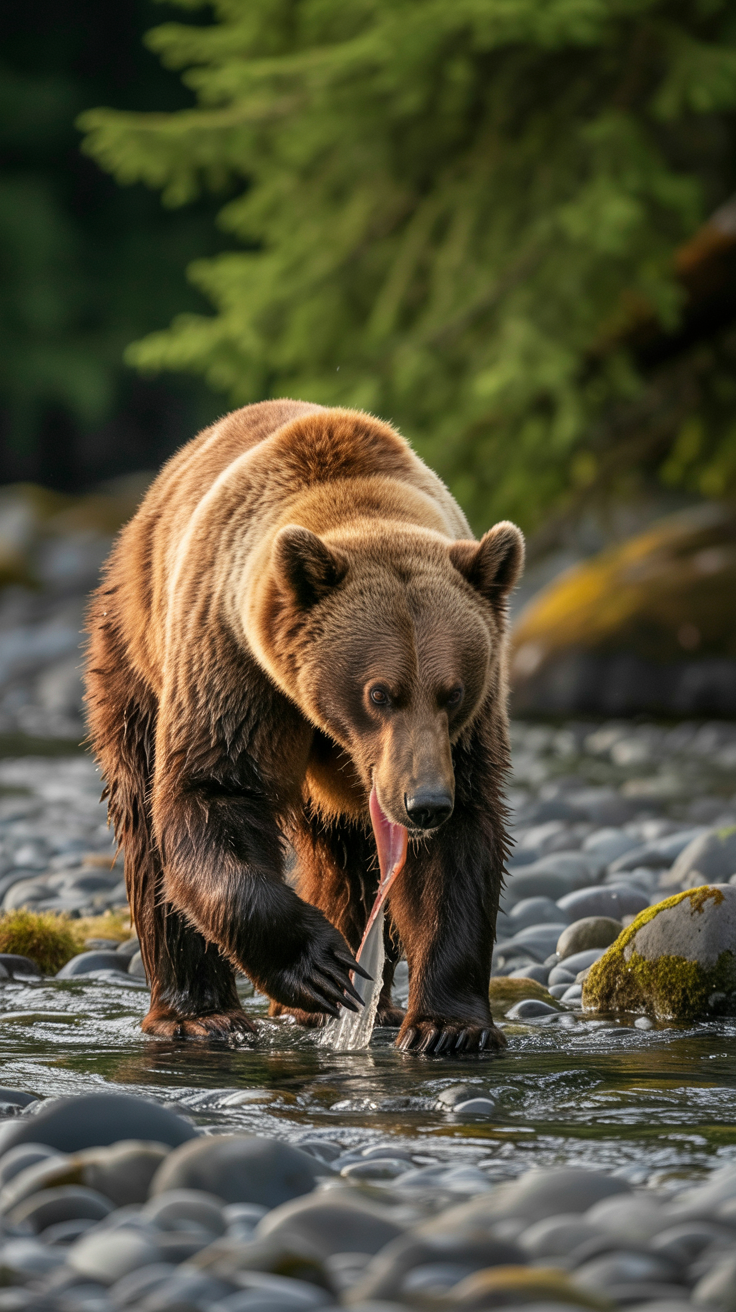
| Brown Bears | June through September | Fortress of the Bear, Indian River | Moderate (wild), guaranteed (sanctuary) |
| Harbor Seals | Year-round | Rocks near harbor, beaches | High |
| Orcas | May through September | Open water tours | Moderate |
Want to know more about planning your Alaska cruise port visits?
What Makes Sitka Different From Other Alaska Ports
Here’s the thing most cruise passengers don’t realize: Sitka sits on the outer coast facing the Pacific Ocean rather than being tucked into an inland passage. This geographic position means you’re looking at genuine ocean wildlife rather than just the sheltered fjord species. The mix of Japanese Current warmth and cold Alaskan waters creates a nutrient-rich feeding ground that attracts an absurd concentration of marine life.
The town itself occupies Baranof Island, surrounded by the Tongass National Forest. You’re basically standing at the intersection of productive ocean and pristine temperate rainforest, which is why you can spot eagles hunting salmon in streams just minutes from where you docked.
Where to Actually See Wildlife in Sitka
Right From the Dock (Yes, Really)
Don’t sprint past the harbor area. Seriously. The docks and immediate waterfront regularly host:
- Bald eagles perched on pilings and light posts
- Sea otters floating in kelp beds visible from shore
- Harbor seals popping up near fishing boats
- Ravens (which are massive and oddly entertaining)
The best photo spots in Sitka are often within walking distance of where your tender drops you off.
Whale Park and Harbor Mountain Road
Whale Park sits about a 15-minute walk from downtown and offers elevated viewing across Sitka Sound. The name isn’t decorative – humpback whales feed here regularly during summer months, especially early morning. Bring binoculars and patience. If you spot a blow (the spray when whales surface), keep watching that area. Humpbacks often surface multiple times in the same feeding zone.
Harbor Mountain Road climbs above town and provides panoramic views where you can scan for whale blows across a much wider area. It’s also prime Sitka black-tailed deer habitat.
Tours Worth Your Money
Not all shore excursions in Sitka deliver equal wildlife encounters. Here’s what actually works:
- Ocean wildlife cruises: Small boat tours into Sitka Sound offer the highest probability for whales, orcas, sea lions, and puffins. Book the earliest departure time available.
- Fortress of the Bear: This rescue facility guarantees close-up brown bear viewing, which is valuable insurance if wild bear viewing doesn’t pan out.
- Sea otter and wildlife quest: Focuses specifically on the kelp forest ecosystem and typically delivers excellent otter sightings.
- Indian River Trail: This easy rainforest walk follows a salmon stream. During salmon runs (July through September), black bears fish here, though sightings aren’t guaranteed.
Timing Your Wildlife Viewing
Most cruise ships dock in Sitka between 7 AM and 9 AM and depart by 6 PM. Here’s how to maximize those hours:
- 6:30-9:00 AM: Prime time for whales feeding near shore before boat traffic increases. Eagles are actively hunting. Get off the ship immediately.
- 9:00 AM-12:00 PM: Good for organized tours. Marine wildlife remains active, though whales may move slightly offshore.
- 12:00-3:00 PM: Crowds peak. Wildlife viewing from popular spots becomes harder. Better time for indoor attractions or hiking away from town.
- 3:00-5:30 PM: Wildlife activity picks up again as boat traffic decreases. Eagles become more active before evening. Last chance for bear viewing on trails.
The Bald Eagle Situation
Sitka hosts one of the densest bald eagle populations in Alaska. During winter, thousands congregate here for the late salmon runs, but even in summer cruise season you’ll see dozens without really trying. They’re perched on everything: docks, streetlights, trees, boats, buildings.
The novelty wears off fast, which is hilarious. By hour three in Sitka, most visitors stop photographing eagles entirely. “Oh, another eagle. Whatever.” You’ll literally step over eagle feathers on the sidewalk.
For the best viewing, watch near the fish cleaning stations at the harbor when boats return with their catches. Eagles swarm these areas, often joined by ravens and gulls in a chaotic feeding frenzy.
Sea Otters: The Real Sitka Celebrities
Sea otters float in kelp beds throughout Sitka Sound, often visible from shore without binoculars. Look for dark shapes floating on their backs, frequently rubbing their faces or cracking shellfish on their stomachs.
Key otter-spotting locations:
- Along Sawmill Creek Road
- Near the Alaska Raptor Center
- In the channel between Sitka and nearby islands
- Around the harbor breakwater
Sea otters are incredibly photogenic but they’re also easily disturbed by kayakers and small boats that approach too closely. If you’re on a kayak tour, maintain the recommended 100-foot distance. Otters that seem “friendly” and don’t swim away are often habituated to humans, which isn’t actually good for them.
Bear Realities
Brown bears and black bears both inhabit Baranof Island. Your chances of seeing wild bears from standard shore excursions hover around 20-30% depending on season and salmon runs. That’s why the Fortress of the Bear exists – it provides guaranteed viewing of rescue bears in large, natural enclosures.
If you’re hiking independently on trails like Indian River or Beaver Lake, you’re entering legitimate bear country. Carry bear spray, make noise, and understand that spotting a bear should involve immediately backing away rather than approaching for photos. The Alaska wildlife viewing guide provides essential safety protocols.
What You Won’t See (But Might Expect)
Let’s manage expectations:
- Polar bears: Wrong part of Alaska. Polar bears live in the Arctic, about 1,500 miles north.
- Wolves: They’re on Baranof Island but sightings are exceptionally rare. Don’t count on it.
- Moose: Not present on most Southeast Alaska islands including Baranof.
- Mountain goats: Occasionally visible on distant peaks with good binoculars and luck, but not a reliable sighting.
Comparing Sitka to Icy Strait Point
If your cruise also stops at Icy Strait Point, you’ll notice some overlap in species but different viewing dynamics. Wildlife at Icy Strait Point includes similar marine mammals but offers better organized bear viewing platforms and different shore excursion options. Sitka feels more like discovering wildlife within a functioning town, while Icy Strait emphasizes dedicated wildlife experiences.
Photography Tips That Actually Help
- Bring a lens with at least 200mm zoom for wildlife. Phone cameras won’t cut it for whales or distant eagles.
- Overcast days produce better wildlife photos than harsh sunshine. The flat light eliminates harsh shadows on animals and reduces glare off the water.
- Shoot video when whales surface. You can extract still frames later, and you’ll capture the entire breach or tail slap.
- For sea otters, focus on their faces and paws. That’s where the personality shows.
- Eagles in flight require fast shutter speeds (1/1000 minimum). Perched eagles are much easier targets.
Weather’s Impact on Wildlife Viewing
Sitka weather is famously unpredictable. Rain doesn’t significantly impact wildlife viewing – animals still need to eat regardless of precipitation. Heavy rain actually improves salmon stream viewing because bears become more active.
Wind matters more. Rough seas push whales into deeper water away from shore and make boat tours uncomfortable. Sea otters retreat into protected kelp beds. Birds hunker down.
Fog is your enemy for whale watching but doesn’t affect close-range viewing of otters, seals, or eagles. Tours usually proceed unless fog becomes a safety issue.
Bonus Tips Most Visitors Miss
- The Alaska Raptor Center rehabilitates injured eagles and other birds of prey. Tours provide guaranteed close-up eagle viewing and support conservation work.
- Download a whale blow identification app before your cruise. Being able to distinguish humpback blows from orca blows improves your spotting success.
- Sea lions haul out on rocks throughout Sitka Sound. They’re louder than you’d expect and smell even worse. Binoculars recommended over close approaches.
- The Sitka National Historical Park trails wind through coastal forest where deer are commonly spotted, especially early morning.
- Ravens in Sitka are absurdly bold. Protect your food. They will steal it directly from your hands.
- Free wildlife viewing beats expensive tours if you’re patient and strategic about timing and location. Save money for other ports.
- Cruise ship naturalists often broadcast whale sightings from the ship’s deck before you even tender ashore. Pay attention to these announcements.
- Seaplane flightseeing tours offer aerial wildlife viewing perspectives, particularly good for spotting bears on distant beaches.
- The tender ride between ship and shore often provides excellent wildlife viewing. Stay outside on deck rather than sitting in the enclosed cabin.
Common Questions and FAQ
Can I see wildlife without booking an excursion?
Absolutely. Eagles, sea otters, and harbor seals are regularly visible from town and the harbor area. Whales can be spotted from Whale Park and waterfront viewpoints. You’ll miss more remote species like bears and orcas without a tour, but you won’t leave disappointed.
What if I’m mobility-limited?
The harbor area and downtown waterfront are relatively flat and accessible. Whale Park involves some uphill walking but nothing extreme. Most wildlife boat tours accommodate wheelchairs and limited mobility. The Fortress of the Bear is wheelchair accessible with guaranteed bear viewing.
Do I need bear spray in town?
Not in downtown Sitka itself. Bears occasionally wander through town but it’s uncommon. If you’re hiking any trails beyond the immediate town area, carrying bear spray is smart. Many outdoor shops near the dock rent it by the day.
How close can I get to wildlife legally?
Federal law requires staying at least 100 yards from bears and 100 feet from seals. Approaching wildlife to the point where they change behavior is considered harassment. Marine mammals (whales, orcas, otters) require boats to stay at least 100 yards away, though they sometimes approach closer on their own.
What’s the best single excursion for maximum wildlife variety?
Ocean wildlife cruises into Sitka Sound typically offer the widest species range: whales, orcas, sea otters, seals, sea lions, puffins, eagles, and occasionally porpoises. Three to four hour tours provide better odds than shorter trips.
Are there wildlife viewing opportunities if my ship only stops for a few hours?
Yes. Focus on the harbor area and waterfront. Walk to Whale Park if time permits. You can realistically see eagles, sea otters, and harbor seals within a two-hour window from the time you step off the tender.
Personal Experience
When our cruise ship pulled into Sitka last summer, I honestly wasn’t sure what to expect for wildlife viewing. Within an hour of getting off the boat, though, I spotted my first bald eagle perched on a piling right near the dock – and that was just the beginning. Our naturalist guide told us that Sitka sits in this incredible sweet spot where the ocean meets temperate rainforest, which basically means animals are everywhere if you know when and where to look. Early morning turned out to be perfect for whale watching from Whale Park and the harbor, and we actually saw three humpbacks feeding just offshore around 7 AM. The captain mentioned that spring through early fall gives you the best shot at seeing them, which lined up perfectly with our July visit.
The real surprise was how close we got to bears without even trying that hard. We took a short excursion to the Fortress of the Bear sanctuary, which was amazing, but our guide also pointed out that if you head toward Indian River Trail in the early evening during salmon runs, you’ve got a decent chance of spotting black bears from a safe distance. Eagles were literally everywhere – I stopped counting after twenty – especially near the harbor where fishing boats come in. My biggest tip? Bring binoculars and get off the ship as early as possible. The afternoon crowd tends to scare wildlife away from the easier viewing spots, and trust me, you want those quiet morning hours when the eagles are actively hunting and whales are closer to shore.