
Alaskan Dream Cruises operates small expedition ships carrying 40-78 passengers through Southeast Alaska’s Inside Passage and remote wilderness areas. The fleet features seven vessels offering immersive itineraries with included shore excursions, kayaking, and wildlife viewing. Ships provide casual atmosphere, regional cuisine, and access to pristine fjords, glaciers, and Native Alaskan communities inaccessible to larger vessels.
Quick Facts
| Feature | Details |
|---|---|
| Fleet Size | Seven small expedition vessels |
| Passenger Capacity | 40-78 guests per ship |
| Cruise Region | Southeast Alaska, Inside Passage, Glacier Bay, Prince William Sound |
| Itinerary Length | 3-15 nights |
| Included Amenities | All shore excursions, kayaking, skiff rides, meals, non-alcoholic beverages |
| Dress Code | Casual throughout (think fleece and hiking boots) |
| Wi-Fi | Limited or unavailable in remote areas |
Want to know more about Alaska cruise lines and which option fits your travel style? Understanding the differences between cruise operators helps you choose the right vessel for your Alaska adventure.
What Makes Alaskan Dream Different
While the big players like Princess Cruises, Holland America, Celebrity Cruises, Royal Caribbean, Norwegian Cruise Line, Disney Cruise Line, and Carnival Cruises dominate the Alaska cruise market with their mega-ships, Alaskan Dream Cruises takes a completely different approach. Their small vessel size means you’re getting into places that 3,000-passenger ships can only dream about (pun intended).
The company is Alaska-owned and operated, which shows in every detail. Your expedition guides are often locals who grew up fishing these waters or have decades of experience navigating Alaska’s wilderness. This isn’t just a job for them – it’s their backyard.
The Fleet
Each vessel in the Alaskan Dream fleet has its own personality:
- Admiralty Dream and Baranof Dream: The largest ships carrying 78 passengers with elevator access and more cabin variety
- Chichagof Dream: Mid-sized at 78 passengers with excellent viewing decks
- Alaskan Dream: The original flagship carrying 40 guests for the most intimate experience
- Kruzof Explorer: 12 passengers maximum for serious expedition enthusiasts
- Misty Fjord: 10 passengers for ultra-small group adventures
- Admiralty Explorer: 31 passengers with yacht-style comfort
These aren’t luxury cruise ships in the traditional sense. Don’t expect Broadway shows, casinos, or multiple swimming pools. What you get instead is direct access to Alaska’s wild places without the crowds. If you’re comparing small versus big ship experiences in Alaska, Alaskan Dream sits firmly in the expedition category.
Itineraries That Go Beyond the Usual
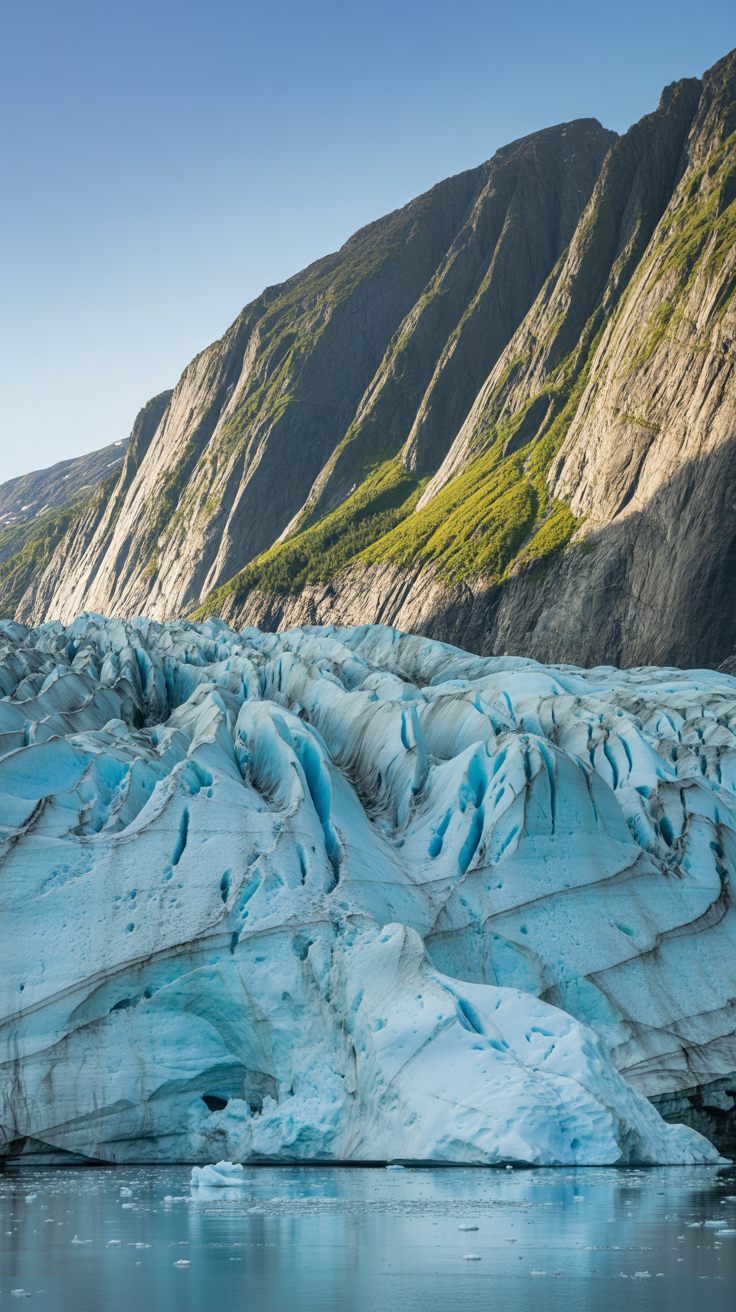
The standard Inside Passage cruise that most operators run hits the popular ports: Juneau, Ketchikan, Skagway. Alaskan Dream visits those too, but then veers off into places you’ve never heard of. Petersburg, a Norwegian fishing village where locals outnumber tourists. Metlakatla, Alaska’s only Native reservation. Elfin Cove, a tiny settlement accessible only by boat or floatplane.
Their itineraries change based on weather, wildlife sightings, and opportunities. The captain might announce at breakfast that orcas have been spotted in a nearby cove, and suddenly the schedule shifts. This flexibility is impossible on larger vessels with fixed port commitments.
Popular Routes
- Inside Passage Explorer: 7-8 nights covering classic Southeast Alaska with lesser-known stops
- Glacier Bay and Fjords: 10-11 nights with extended time in protected wilderness areas
- Taste of Alaska: 3-4 nights for first-timers or those with limited time
- Northern Passages: 11-15 nights venturing to remote communities and wildlife hotspots
- Prince William Sound: 7-8 nights focused on glaciers and marine life in this protected sound
What’s Actually Included
Here’s where Alaskan Dream Cruises stands out from even other Alaska small ship cruise operators. Most of what you’d pay extra for elsewhere comes standard:
- All shore excursions (yes, every single one)
- Kayaking expeditions with professional guides
- Skiff rides for wildlife viewing and coastal exploration
- All meals featuring Alaska seafood and regional ingredients
- Non-alcoholic beverages including specialty coffee and tea
- Onboard naturalists and cultural interpreters
- Use of binoculars, rain gear, and rubber boots
- Gratuities for hotel staff (though expedition staff gratuities are extra)
What you’ll pay extra for: alcoholic beverages, spa treatments (on ships that have them), expedition staff gratuities, and transfers to/from airports.
Comparing to Other Small Ship Operators
If you’re considering the small ship experience, you’re probably also looking at UnCruise Adventures and Lindblad National Geographic expeditions. Here’s the honest breakdown:
UnCruise Adventures tends toward a more active, adventure-focused demographic with activities like stand-up paddleboarding and hiking emphasized. Their ships are comparable in size and they pioneered the all-inclusive expedition model in Alaska.
Lindblad National Geographic brings the prestige of the National Geographic name, certified photo instructors, and often a National Geographic expert onboard. Their ships are slightly larger and the experience skews more educational and photographic. It’s also noticeably pricier.
Alaskan Dream hits a sweet spot between adventure and comfort, with strong emphasis on Alaska Native culture and local knowledge. The Alaska-owned aspect means the crew and guides often have personal connections to the places you visit. Pricing generally falls between UnCruise and Lindblad.
For a deeper dive into how ship size affects your Alaska cruise experience, consider what matters most: access to remote areas, onboard amenities, or the social atmosphere.
Cabins and Onboard Life
Cabin categories are straightforward: inside cabins without windows, outside cabins with windows or portholes, and premium cabins with larger windows or balconies. The cabins are compact but functional. You’re not spending much time in your room anyway – Alaska’s scenery is the entertainment.
The common areas become your living room. The Vista View lounge on most ships features floor-to-ceiling windows, comfortable seating, and a small library of Alaska books. The open-air viewing decks are where you’ll spend mornings with coffee watching for whales and evenings hoping for the Northern Lights.
Dining Experience
Meals are served at set times in the main dining room with open seating. You’ll find yourself naturally gravitating toward the same tablemates, but you’re free to mix it up. The food focuses on Alaska ingredients: fresh-caught salmon, halibut, Dungeness crab, local vegetables when available.
Special dietary needs are handled well if you notify them in advance. The galley is small so they can’t always accommodate last-minute requests, but they’re experienced with vegetarian, vegan, gluten-free, and allergy-related requirements.
Shore Excursions and Activities
Since everything is included, there’s no nickel-and-diming or decision paralysis about which excursions to book. The expedition team plans activities based on location, weather, and group interest:
- Kayaking: Often daily opportunities in protected waters, with double kayaks available for beginners
- Skiff Rides: Small inflatable boats that get you right up to waterfalls, glaciers, and wildlife
- Hiking: Guided walks ranging from easy beach strolls to moderate forest trails
- Cultural Visits: Authentic interactions with Native Alaskan communities, not staged performances
- Wildlife Viewing: Positioning the ship for optimal bear, whale, and eagle sightings
- Glacier Time: Extended stops at tidewater glaciers to watch calving and listen to the ice
The pace is active but not exhausting. There’s always the option to stay aboard and relax if you prefer.
Wildlife Encounters
Alaska wildlife doesn’t operate on a schedule, but the expedition staff knows where and when sightings are most likely. Humpback whales are commonly spotted bubble-net feeding. Orcas travel in family pods through certain channels. Brown bears congregate near salmon streams during runs.
The advantage of a small ship is maneuverability. When someone spots a sea otter or a bear on shore, the captain can position the vessel for everyone to see. On a 3,000-passenger ship, half the people miss it entirely.
Bring good binoculars if you have them, though the ship provides loaners. A camera with decent zoom capabilities will serve you better than your phone, though modern smartphones do surprisingly well.
Best Times to Cruise
Alaskan Dream operates from late April through early October. Each period has advantages:
- Late April-May: Fewer passengers, lower prices, migrating whales, snowy peaks, but colder and rainier
- June-July: Peak season with warmest weather, longest days, highest prices, most crowded ports
- August: Salmon runs bring bears to streams, berries ripen, still good weather, slightly fewer crowds
- September-early October: Fall colors, Northern Lights possible, lowest prices, unpredictable weather, some shore facilities closing
The shoulder seasons offer the best value without significantly compromising the experience. Alaska is inherently unpredictable weather-wise no matter when you visit.
Booking Strategy
Alaskan Dream Cruises books up well in advance for popular summer dates, sometimes a full season ahead. Solo travelers take note: single supplements apply, but certain cabins on certain dates have reduced solo rates. It pays to be flexible.
Travel agents familiar with luxury and expedition cruising in Alaska often have access to promotions not advertised publicly. The company also offers repeat passenger discounts and occasional early booking incentives.
Travel insurance is wise for Alaska cruises. Weather can cause delays, medical facilities are limited in remote areas, and the investment is significant.
What to Pack
Layers are the key to Alaska comfort. Weather can swing from 45 to 70 degrees in a single day, and rain is always possible. The ships provide rubber boots for wet landings and rain gear, but many passengers prefer their own.
- Waterproof jacket and pants
- Fleece or insulated jacket
- Long underwear or base layers
- Comfortable hiking shoes or boots
- Sunglasses and sunscreen (the sun reflects intensely off water and ice)
- Hat and gloves for early mornings or glacier visits
- Casual clothes for evenings (jeans and sweaters are perfectly acceptable)
- Swimsuit if your ship has a hot tub
- Reusable water bottle
- Seasickness medication just in case
Leave the formal wear at home. This is not that kind of cruise.
Connectivity and Communication
Cell service is spotty to nonexistent once you leave port towns. Wi-Fi exists on some vessels but don’t count on streaming video or video calls. This is actually part of the appeal – a legitimate digital detox.
The ships have satellite communication for emergencies. If being completely off-grid causes anxiety, you might prefer larger cruise ships that maintain better connectivity, but you’ll miss the immersive wilderness experience.
Accessibility Considerations
Small expedition ships present challenges for passengers with mobility issues. Gangways can be steep, kayaking and skiff transfers require some agility, and some activities involve uneven terrain. The Admiralty Dream and Baranof Dream have elevators, but other vessels don’t.
If you have mobility concerns, discuss them honestly with the cruise line before booking. They can advise which ships and itineraries might work best and which activities you could participate in comfortably.
Bonus Tips
- The “wrong” side doesn’t exist: The ship rotates which side docks and the captain positions for wildlife viewing from both sides throughout the cruise
- Motion sickness preparation: Inside Passage waters are generally calm, but bring medication anyway – even calm waters can affect sensitive passengers
- Dress rehearsal: Practice your camera settings before the cruise – you won’t have time to fumble with settings when a humpback breaches
- Cash for tips: Expedition staff gratuities are typically $15-25 per passenger per day, and small towns appreciate cash
- The front desk knows everything: The expedition leader can answer questions about tomorrow’s stops, wildlife, weather, and pretty much anything Alaska-related
- Skip the ship on port days: When docked in towns, explore on your own then return for departure – you don’t need to be on organized excursions constantly
- Hot chocolate tradition: Many captains serve spiked hot chocolate during glacier viewing – it’s become an unofficial ritual
- Laundry service exists: For longer cruises, ships offer laundry service (for a fee) or self-service facilities
- The 5am wake-up: If the expedition leader calls an early morning wildlife spotting, go – these unplanned moments often become trip highlights
- Tipping cultural interpreters: When visiting Native communities, ask the expedition staff about appropriate protocol for thanking cultural ambassadors
Common Questions and FAQ
Are Alaskan Dream Cruises suitable for children?
The experience works best for children age 7 and older who can handle quiet time and nature-focused activities. There are no kids’ clubs or children’s programs. Families with nature-loving kids often have wonderful experiences, but toddlers and young children who need constant structured entertainment might struggle with the expedition format.
What if I’m a solo traveler?
Solo travelers are welcome and typically comprise about 10-15% of passengers. The small ship environment makes it easy to connect with other guests. Single supplements usually range from 125-200% of the per-person double occupancy rate, though some cabins on select dates have reduced solo rates.
How much should I budget for onboard expenses?
Since most items are included, budget mainly for alcoholic beverages (wine, beer, and cocktails are reasonably priced), expedition staff gratuities ($15-25 per passenger per day is standard), and any spa services. Most passengers spend $300-600 total beyond the cruise fare for a week-long voyage.
What happens if weather forces itinerary changes?
The captain and expedition leader will adjust the route to maintain safety while maximizing your experience. You might visit alternate locations or spend more time in protected waters. This flexibility often leads to unexpected highlights. Refunds aren’t provided for weather-related changes as the cruise still operates.
Do I need previous kayaking experience?
No experience is necessary. Guides provide instruction and use stable double kayaks. If you’re nervous, you can ride in the escort skiff instead. Most excursions are on calm protected waters suitable for beginners, though they’ll assess conditions daily.
Can I see the Northern Lights on an Alaskan Dream cruise?
Possibly in late August, September, or October sailings, but Southeast Alaska’s southern latitude and long summer daylight hours make aurora sightings uncommon. You’d have better chances on land-based trips further north. Don’t book expecting Northern Lights – consider it a potential bonus.
How does seasickness compare to larger cruise ships?
The Inside Passage is generally protected and calm. Small ships do move more than large ones in open water, but you spend most time in sheltered channels and fjords. If you’re prone to seasickness, bring medication and request a lower, mid-ship cabin. Most passengers have no issues.
What’s the internet situation for remote work?
Don’t plan on working remotely during your cruise. Connectivity is too unreliable in wilderness areas. If you absolutely must stay connected, this isn’t the right cruise choice. Consider this your legitimate excuse for a complete work break.
Personal Experience
Planning my Alaska cruise with Alaskan Dream Cruises turned out to be way more straightforward than I expected. I spent a good week diving into their different itineraries, and what really caught my attention was how their smaller ships can navigate narrow channels and get into tiny harbors that the massive cruise ships just can’t reach. The pricing was pretty transparent on their website – no hidden fees popping up at checkout, which was refreshing. I went with a shoulder season booking in early September, and honestly, the rates were noticeably better than peak summer while still having decent weather. Their ships only hold about 40-75 passengers, so it felt less like a floating hotel and more like an intimate expedition.
The amenities aren’t fancy spa-and-casino level, but that’s kind of the point. You get comfortable cabins, really good meals featuring local seafood, and these cozy common areas where you actually end up chatting with other passengers and the crew. What sealed the deal for me was reading about their expedition leaders who actually know the areas we’d be visiting. They include things like kayaking and skiff excursions right in the cruise price, which would cost a fortune as add-ons with bigger cruise lines. My biggest tip would be to book your shore excursions as soon as you can after reserving your cabin – the bear viewing spots fill up fast, and you don’t want to miss out on that.