
Alaska cruise photography offers stunning opportunities to capture glaciers, wildlife, and dramatic landscapes. Key tips include bringing telephoto lenses for wildlife, protecting gear from moisture, shooting during golden hours, using fast shutter speeds for moving subjects from ship decks, and preparing for variable weather conditions. Pack extra batteries as cold temperatures drain power quickly.
Quick Facts: Alaska Cruise Photography Essentials
| Category | What You Need |
|---|---|
| Lenses | 70-300mm telephoto for wildlife, 24-70mm for landscapes |
| Protection | Rain covers, silica gel packets, weatherproof camera bag |
| Settings | Shutter speed 1/500+ for wildlife, spot metering for glaciers |
| Extras | 3-4 spare batteries, 128GB+ memory cards, lens cloth |
| Best Shooting Times | 5-8 AM, 8-11 PM during summer months |
Want to know more about Alaska wildlife and what to expect on your journey?
Camera Gear That Actually Makes Sense
The biggest mistake first-timers make is overpacking camera equipment they’ll never use. Your shoulders will thank you for being selective because you’ll be hauling this gear around ports and keeping it accessible on deck for hours.
- Telephoto lens (70-300mm or 100-400mm) – Whales breach farther away than you think and bears don’t pose up close
- Wide-angle zoom (16-35mm or 24-70mm) – Perfect for glacier panoramas and cramped ship corridors when you want to capture the experience
- Weather-sealed camera body – Drizzle happens without warning in Southeast Alaska
- Sturdy but compact tripod – Essential for capturing the northern lights if you’re cruising during aurora season
- Polarizing filter – Cuts glare from water and enhances those impossibly blue glacier faces
Protecting Your Gear From Alaska’s Moody Weather
Alaska doesn’t care about your expensive camera equipment. Rain sleeves are non-negotiable and those cheap disposable ones work just fine. Keep silica gel packets in your camera bag because condensation will fog up your lens when you move from chilly decks to warm indoor spaces.
Here’s something most people don’t consider: when you’re viewing massive glacier walls and ice formations, the temperature drops noticeably near the ice. Your camera battery will drain faster than normal so swap in a fresh one before you think you need to. Keep spare batteries in an inside jacket pocket where your body heat maintains their charge.
Wildlife Photography From a Moving Ship
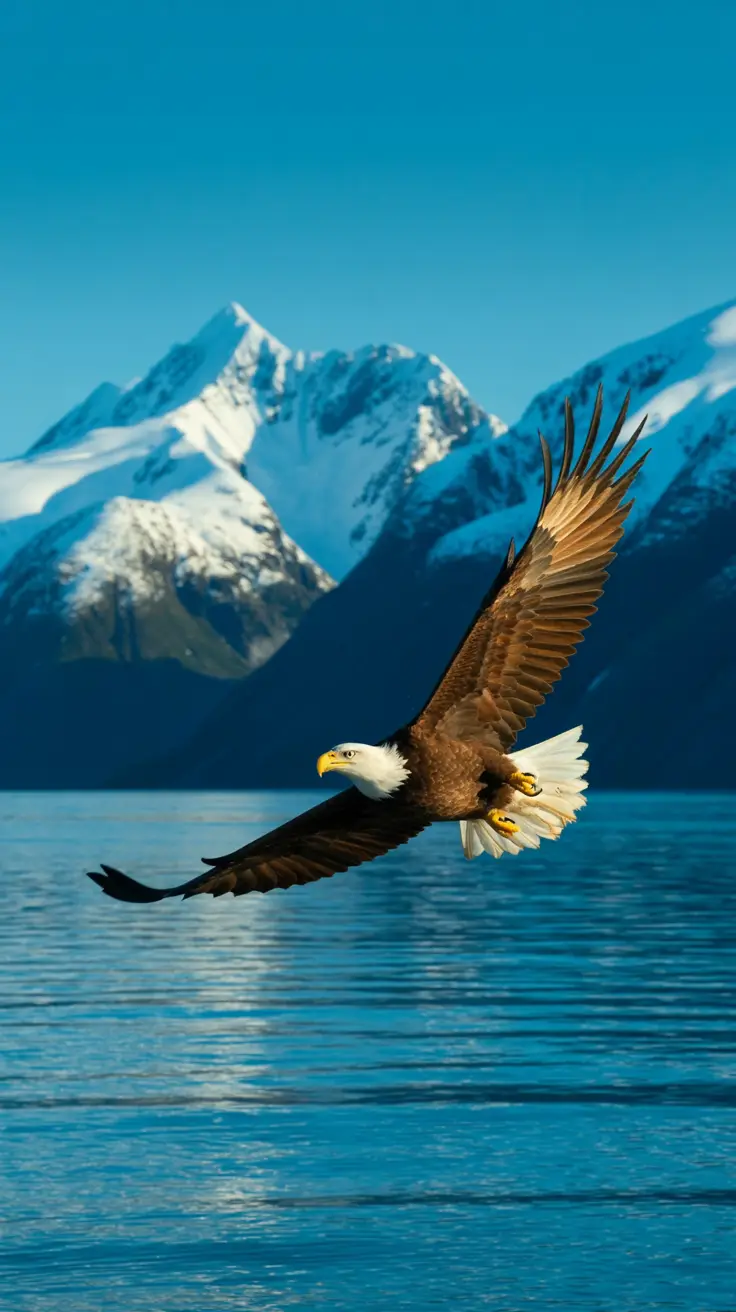
Shooting from the ship deck presents unique challenges because you’re on a moving platform photographing moving subjects. Switch to continuous autofocus mode and bump your ISO to 800 or 1600 to maintain fast shutter speeds around 1/1000th of a second.
The secret to getting sharp wildlife viewing shots is anticipation. Watch animal behavior patterns. Whales surface in roughly the same spot multiple times. Eagles circle before diving. Position yourself before the action happens rather than reacting to it.
Best Deck Positions for Wildlife Shots
- Forward decks – First view of approaching wildlife and less engine vibration
- Mid-ship railings – Most stable platform with less pitch and roll
- Avoid the wake side – Sea spray will coat your lens constantly
- Higher decks – Better angles for breaching whales and better sightlines over other passengers
Glacier Photography Settings That Work
Glaciers are deceptively tricky to photograph. All that bright ice fools your camera’s meter into underexposing the shot. Use spot metering focused on a mid-tone area like rock or water rather than the ice itself. Then increase exposure compensation by +1 or +2 stops.
For dramatic shots that capture the immense scale, include foreground elements like ship railings or fellow passengers. This gives viewers perspective on just how massive these ice walls truly are.
When exploring various photo opportunities throughout Alaska, remember that overcast days actually work better for glacier details than bright sunshine. The diffused light brings out the blue tones and ice textures without harsh shadows.
Golden Hour Doesn’t Follow Normal Rules
Summer Alaska cruises happen during extended daylight hours. The sun barely sets so traditional golden hour stretches for what feels like forever. You’ll have incredible light from about 8 PM until nearly midnight in peak season.
The flip side is that midday light lasts equally long with harsh overhead sun from 10 AM to 6 PM. Use this time for lunch, ship activities or scouting locations rather than serious photography.
What to Pack for Photography Success
Beyond camera gear, you’ll want items that make shooting more comfortable during long deck sessions. Check out the comprehensive guide on what to pack for an Alaska cruise for complete packing lists.
- Fingerless gloves that let you operate camera controls while keeping hands warm
- Lens cleaning cloths (pack at least three because they get damp quickly)
- Backup camera body or even a waterproof point-and-shoot for kayaking excursions
- External hard drive for backing up photos every evening
- Comfortable shoes with grip – you’ll be moving around wet decks constantly
Shore Excursion Photography Strategies
Tour timing matters more than people realize. Book early morning or late evening excursions when possible. The light is better and you’ll encounter fewer tourists cluttering your shots at popular viewpoints.
For bear photography during salmon runs, respect the minimum distances rangers require. A 400mm lens lets you fill the frame while staying safe and legal. Bears move faster than they look like they can.
Seaplane and helicopter tours offer spectacular aerial perspectives but shooting through curved aircraft windows creates distortion. Get your lens hood as close to the glass as possible without touching it and shoot straight through rather than at an angle.
Bonus Tips That Make a Real Difference
- Turn off image stabilization when using a tripod – it actually creates blur when there’s no movement to compensate for
- Shoot in RAW format for maximum editing flexibility with those tricky exposure situations
- Use back-button focus to separate focusing from shutter release for better control
- Pack a dry bag for zodiac excursions even if you think your camera bag is waterproof
- Download offshore maps before sailing since ship WiFi is expensive and slow for transferring photos
- Bring a headlamp with red light mode for northern lights photography so you can adjust settings without ruining night vision
- Use exposure bracketing for scenes with extreme contrast like sunlit mountains behind shaded forests
- Keep one camera preset for wildlife (fast shutter, continuous focus) and one for landscapes (smaller aperture, single focus point)
The Photo Opportunities Nobody Tells You About
Everyone photographs the big ticket items but some unexpected moments create equally compelling images. The ship’s wake at midnight under pink skies tells the journey story. Weathered fishing boats in harbor reveal authentic Alaska character. Reflections in calm morning waters before the ship starts moving create ethereal double exposures.
Don’t ignore the small details either. Patterns in ice, textures of barnacle-covered pilings, the expressions on fellow passengers’ faces when they spot their first whale – these photos often become favorites because they capture the experience rather than just documenting landmarks.
The detailed photography guide for Alaska wildlife covers additional techniques for specific animal species you’ll encounter.
Common Questions and FAQ
Should I bring my drone on an Alaska cruise?
Most cruise lines prohibit drone use from the ship and many Alaskan parks and towns ban drones entirely. Check specific regulations for each port before packing one. The hassle usually outweighs the benefit.
What’s the best time during the cruise season for photography?
Late May through early June offers snow-capped mountains with spring wildflowers. July and August provide the longest daylight hours and calmest seas. September brings fall colors and fewer crowds but more unpredictable weather.
Can I get by with just my smartphone camera?
Modern smartphones handle landscape photography reasonably well but struggle with distant wildlife and low-light situations. You’ll be disappointed when whales are just tiny specks in your phone photos while others are getting frame-filling shots with telephoto lenses.
How do I deal with reflections when shooting through ship windows?
Get your lens right against the glass or use a rubber lens hood pressed firmly to the window. Turn off interior lights behind you. Shoot at an angle perpendicular to the glass surface rather than at an angle.
What happens if my camera gets soaked?
Turn it off immediately and remove the battery and memory card. Do not try to turn it on to check if it works. Seal it in a bag with silica gel packets and leave it for at least 48 hours. Most ships have limited repair capabilities so prevention matters more than cure.
Are photography workshops offered onboard worth it?
Many ships offer naturalist-led photo workshops that provide location-specific insights about timing and positioning for wildlife encounters. These can be valuable especially for first-time Alaska cruisers who don’t know when or where to position themselves.
Personal Experience
Last summer on my Alaska cruise, I learned pretty quickly that my usual camera settings weren’t going to cut it for glacier photography. The bright ice against overcast skies threw off my exposure every time until I started using spot metering and bumping up my shutter speed to at least 1/500th. For wildlife, I kept my camera on continuous autofocus mode because those eagles and whales don’t pause for photo ops. The best tip I picked up was actually from another passenger – she told me to shoot in RAW format so I could rescue the details in those tricky lighting situations we kept running into. Turns out she was absolutely right when we hit that foggy morning in Glacier Bay.
The Northern Lights were a different beast entirely. I’d read about needing a tripod and high ISO settings, but what nobody told me was to turn off image stabilization when shooting from the ship’s deck. That vibration from the engines was creating blur I couldn’t figure out at first. I settled on ISO 3200, f/2.8, and 10-second exposures, and finally started getting those green curtains sharp and clear. The timing part was mostly luck and persistence – setting an alarm for 2 AM isn’t fun, but watching those lights dance over the water while everyone else slept below deck made it completely worth the exhaustion the next day.