
You’re looking at two cruise lines that sit in the upscale space but approach the experience from completely different angles. Cunard wraps you in British maritime tradition with formal nights and transatlantic crossings. Oceania builds everything around food and destination immersion with a more contemporary, relaxed style. Neither is objectively better, they’re just designed for different people.
This guide covers what each line does well, where they compromise, how the ships compare, what you’ll actually pay for, and which traveller profile fits each brand.
The Core Difference Between Cunard and Oceania
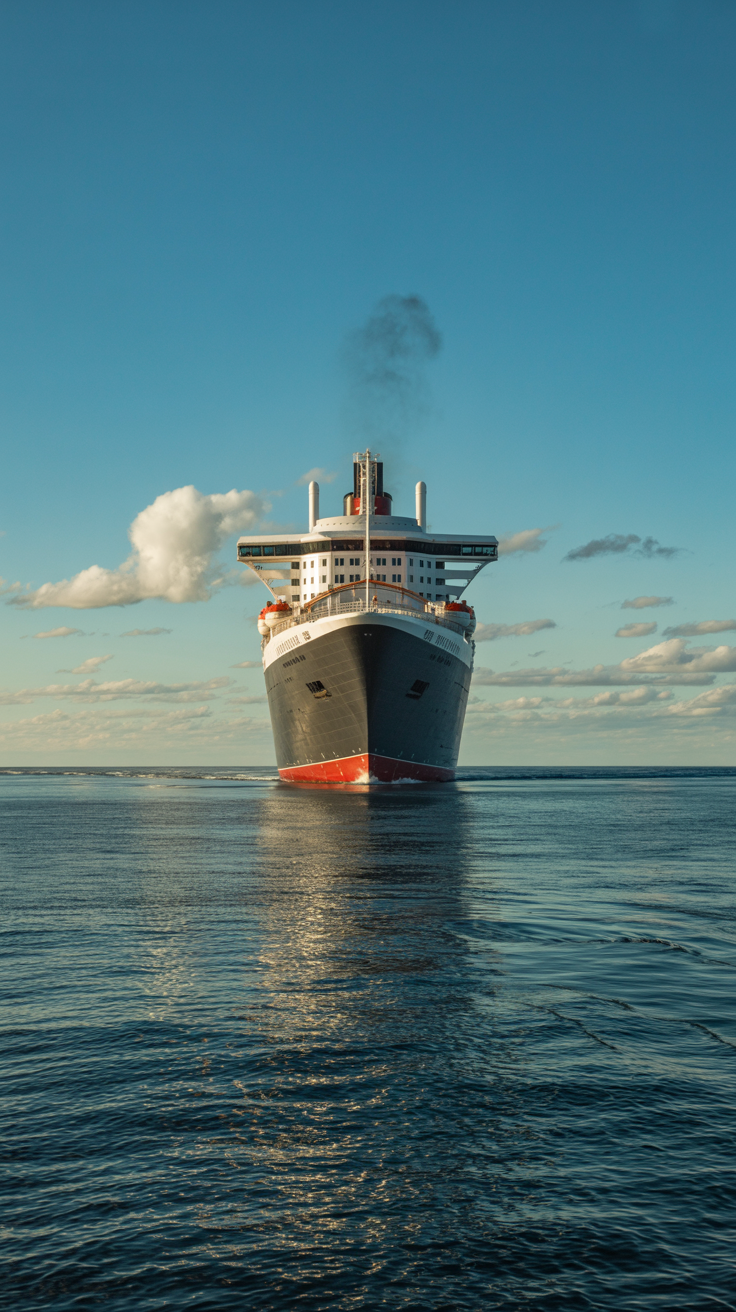
Cunard operates as a living museum of ocean liner travel. You’ll find afternoon tea in the Queens Room, assigned dining with formal nights, and an atmosphere that feels intentionally ceremonial. The Queen Mary 2 still runs the only regular scheduled transatlantic crossing from the UK, maintaining a tradition that predates commercial aviation. This isn’t nostalgia for its own sake, it’s a deliberate product designed for people who want formality and ritual as part of the experience.
Oceania Cruises positions itself as the culinary cruise line. The ships are smaller, ranging from the 684-passenger R-class vessels (Insignia, Nautica, Regatta, Sirena) to the 1,250-passenger Marina and Riviera. Food is the organising principle. You’ll find multiple speciality restaurants at no extra charge, chef-led market tours ashore, and cooking demonstrations that actually teach you something. The dress code rarely exceeds smart casual, and the whole operation feels more like a boutique hotel than a traditional cruise ship.
| Feature | Cunard | Oceania |
|---|---|---|
| Fleet Size | 3 ships | 8 ships (expanding) |
| Passenger Capacity | 2,081–2,691 | 684–1,250 |
| Dress Code | Formal nights required | Smart casual maximum |
| Dining Style | Traditional assigned seating | Open seating, multiple venues |
| Signature Experience | Transatlantic crossings | Culinary shore excursions |
| Typical Itinerary Length | 7–14 days (longer world cruises) | 10–14 days average |
Ship Style and Onboard Atmosphere
The Queen Mary 2, Queen Elizabeth, and Queen Victoria share a design language that references grand hotels from the 1920s and 30s. Public rooms are large and formal. The Queens Room on each ship hosts afternoon tea with white-gloved service and a live orchestra. You’ll find a proper library with thousands of books, not a token shelf. Ballroom dancing lessons happen most afternoons. The overall effect is polished and a bit stiff, which is exactly what the target passenger wants.
Oceania ships feel more residential. The R-class vessels were originally built for Renaissance Cruises in the late 1990s and refurbished extensively when Oceania acquired them. The Marina and Riviera were purpose-built and feel more contemporary, with cleaner lines and less ornamental detail. Public spaces are quieter and less theatrical. You won’t find a grand staircase or a massive atrium. Instead, you’ll get comfortable lounges with good sightlines and acoustics designed for conversation rather than announcements.
Neither line caters to families. You’ll see multi-generational groups on both, but there are no kids’ clubs, water slides, or entertainment designed for anyone under 40. The average passenger age skews older, particularly on Cunard’s longer voyages and Oceania’s extended itineraries.
Dress Codes in Practice
Cunard maintains a three-tier dress code: Gala Evenings require black tie or dark suits for men and formal wear for women, Smart Attire means jacket and tie, and Casual still expects you to look reasonably put together. You’ll be stopped at the door of the main dining room if you’re wearing shorts or trainers at dinner. Some passengers love this structure. Others find it exhausting.
Oceania’s dress code is simpler. Smart casual is the maximum requirement, and that means trousers and a collared shirt for men, with jackets entirely optional. You’ll see some passengers dress up more formally because they enjoy it, but it’s never compulsory. The Terrace Café (buffet) accepts resort casual at all times, which means you can eat dinner in deck shoes if you want.
Where Oceania Dominates: Food Quality and Variety
This isn’t close. Oceania’s food is consistently better across all venues. The line was founded by former executives from Renaissance Cruises with an explicit focus on making dining the central attraction. Master Chef Jacques Pépin serves as executive culinary director, and his involvement goes beyond a licensing deal. He’s designed menus, trained chefs, and his signature dishes appear throughout the fleet.
On Oceania, you’ll find multiple speciality restaurants included in your fare. The exact lineup varies by ship, but typically includes French (Jacques), Italian (Toscana), steakhouse (Polo Grill), and Asian fusion (Red Ginger). The quality in these venues matches good shoreside restaurants, not just good cruise ship restaurants. The Grand Dining Room also operates at a higher level than you’d expect from a main dining room, with more complex preparations and better ingredient quality.
Cunard’s dining is competent but traditional. The Britannia Restaurant serves classic cruise fare with British influences. You’ll find roast beef trolleys, formal table service, and dishes that prioritise consistency over innovation. The speciality restaurants (Verandah on Queen Victoria and Queen Elizabeth, Kings Court on Queen Mary 2) charge extra and operate at a noticeably higher level than the main dining room, but they’re still a step behind Oceania’s included venues.
Where Cunard wins is afternoon tea. The full service in the Queens Room with finger sandwiches, scones, and a proper tea selection is worth experiencing if you care about that sort of ritual. Oceania offers afternoon tea, but it’s a lighter interpretation served in the lounges without the same ceremony.
What Food Actually Costs Extra
- Cunard: Speciality restaurants charge per person. Room service is free for continental breakfast and snacks, but hot dishes incur a charge. Afternoon tea in the Queens Room is included. Premium spirits, wine, and cocktails are extra unless you’ve purchased a drinks package.
- Oceania: All speciality restaurants are included. Room service is free 24 hours. Alcoholic drinks are included on some fare types and itineraries, but verify this when booking as it’s not universal. Drinks packages are available when not included.
Where Cunard Dominates: Transatlantic Crossings and Maritime Heritage
If you want to cross the Atlantic by sea on a regular schedule, Queen Mary 2 is your only realistic option. She was designed specifically for this route, with a reinforced hull for rougher seas, more powerful engines, and a schedule built around the New York to Southampton corridor. The crossing takes seven nights westbound, typically six nights eastbound due to currents and prevailing winds.
This isn’t just transportation. The whole experience leans into the golden age mythology of ocean travel. You’ll attend lectures about maritime history, watch classic films, and participate in formal events that wouldn’t make sense on a standard cruise. There’s a planetarium at sea. Guest speakers include authors, historians, and academics who lead discussions that assume a reasonably educated audience. If you want what makes Cunard different from other cruise lines, this is the clearest example.
Oceania doesn’t attempt anything comparable. The ships aren’t built for extended open-ocean crossings, and the brand positioning centres on ports rather than sea days. You’ll find transatlantic repositioning cruises in spring and autumn, but they’re a means to move the ship between seasonal deployment areas rather than a product in their own right.
Itineraries and Port Time Compared
Cunard operates longer itineraries with more sea days. A typical Mediterranean cruise might spend three or four days at sea between ports. This suits passengers who view the ship as a destination and want time to settle into the rhythm of life onboard. The line still offers world cruises and extended grand voyages that last several months, appealing to retired passengers with significant time and budgets.
Oceania packs more ports into each itinerary and often stays later into the evening. A seven-day cruise might include six ports, with only one sea day. Port calls frequently extend to 9pm or 10pm, allowing you to experience dinner ashore. The shore excursion program focuses on food and wine experiences: market tours with a chef, cooking classes in local restaurants, and wine tastings at regional producers. You can book these independently, but Oceania’s curated options are genuinely better than most third-party alternatives.
For longer voyages, both lines offer excellent options. Cunard’s world cruise is a bucket-list experience if you have four months and a substantial budget. Oceania’s longer itineraries (often 14–28 days) combine multiple regions with a logical routing and less backtracking than you’d find on a series of shorter cruises.
Cabins: What You Actually Get for Your Money
Oceania’s veranda (balcony) cabins are larger and better appointed than Cunard’s equivalent category. The standard veranda stateroom on Oceania’s R-class ships is around 216 square feet plus a 40-square-foot balcony. On Marina and Riviera, this increases to 282 square feet. Cunard’s Britannia balcony cabins range from 248 to 269 square feet including the balcony, which sounds comparable until you realise the balcony itself takes up more of that total square footage.
Cunard’s cabin design is traditional, with more ornate furniture and darker wood tones. Storage is adequate but not generous, and packing cubes that compress your clothing help maximise the space available. The bathrooms are functional with bathtubs in most categories, but they feel compact. Oceania’s cabins use lighter colours, better mattresses, and higher-quality linens. The bathrooms are also small, but the shower pressure is noticeably better.
Both lines offer suites with butler service at the upper end. Cunard’s Queens Grill and Princess Grill suites come with access to private restaurants and lounges, creating a ship-within-a-ship experience that somewhat resembles the old class system on ocean liners. You’ll board first, have a dedicated concierge, and rarely interact with Britannia Restaurant passengers. Oceania’s Owner’s, Vista, and Oceania Suites come with similar perks, including priority reservations at speciality restaurants and in-suite dining from any venue.
Single Cabins
Neither line offers dedicated single cabins. Solo travellers pay a supplement that ranges from 50% to 100% of the per-person double occupancy rate, depending on category and sailing. Occasionally you’ll find reduced single supplements on specific voyages, but don’t expect this as standard. If you’re comparing solo travel options, check how Cunard compares with Celebrity Cruises which does offer some true solo cabins on newer ships.
Service Levels and Staff Interaction
Both lines maintain high crew-to-passenger ratios, but the service style differs significantly. Cunard’s service is formal and correct. Your cabin steward will appear at scheduled times, turn down your bed each evening, and maintain the space impeccably, but the interaction remains professional rather than familiar. Dining room staff follow a choreographed service routine that prioritises efficiency and consistency.
Oceania’s service feels more personalised because the ships are smaller and staff turnover is lower. Your cabin steward will learn your preferences quickly. Restaurant staff remember your name and your drink order. The atmosphere is less hierarchical, and crew members are encouraged to engage with passengers beyond the basic service transaction. This doesn’t mean the service is better in absolute terms, just less scripted.
Tipping policies differ. Cunard adds automatic gratuities to your onboard account (around £11–£13 per person per day depending on cabin category), which you can adjust at guest services if needed. Oceania also auto-adds gratuities at a similar rate, but many of their higher-tier fares include prepaid gratuities as part of the package.
Entertainment and Enrichment Programs
Cunard invests heavily in enrichment programming. The Cunard Insights programme brings on guest speakers including authors, historians, actors, and subject matter experts who give lectures and lead discussions. The Royal Court Theatre on each ship hosts full-scale West End productions with professional casts. Ballroom dancing is a major activity with dedicated hosts and instruction. The Royal Academy of Dramatic Art (RADA) conducts acting workshops at sea. The planetarium on Queen Mary 2 runs multiple shows daily with proper astronomy content, not just pretty visuals.
Oceania’s entertainment is quieter and less theatrical. You’ll find live music in various lounges, but no big production shows. The Culinary Center offers hands-on cooking classes in a proper teaching kitchen with workstations and equipment. Artist Loft @ The Studio provides art classes in painting, drawing, and photography with professional instruction and quality materials. The enrichment lectures focus on destinations, art, and culture rather than broader topics.
If you want Broadway-style shows, formal balls, and structured activities, Cunard delivers. If you prefer intimate jazz performances, cooking demonstrations, and self-directed time, Oceania fits better.
Pricing Structure and What’s Included
Neither line operates as truly all-inclusive by default, but Oceania includes more in the base fare. Exact inclusions vary by booking tier and promotional offers, but generally:
Cunard base fare typically includes:
- Accommodation
- Main dining room and buffet meals
- Afternoon tea
- Basic tea, coffee, and juice
- Entertainment and enrichment programs
- Fitness centre access
Oceania base fare typically includes:
- Accommodation
- All restaurants (including speciality venues)
- Room service 24 hours
- Soft drinks, tea, and coffee
- Entertainment and enrichment programs
- Fitness centre access
Higher fare tiers on both lines add packages covering drinks, wifi, gratuities, and shore excursions. Oceania’s OLife Choice promotions often bundle several of these together, making the effective cost comparison more complicated than the headline price suggests. Always calculate the true cost including the extras you’ll actually use.
As a rough guide, Oceania typically costs more per day than Cunard for equivalent cabin categories and itinerary lengths, but once you add speciality dining charges on Cunard and factor in food quality differences, the gap narrows. For specific comparisons, also review how Cunard compares with Holland America which sits in a similar pricing bracket but with a different product focus.
Who Should Choose Cunard
You’re the right passenger for Cunard Line cruises if you:
- Want the transatlantic crossing experience. Queen Mary 2 is purpose-built for this route and nothing else comes close to replicating the experience.
- Enjoy formal evenings and structured activities. If you own black tie and like wearing it, if you want proper afternoon tea with ceremony, if you appreciate assigned seating where you’ll see the same people throughout the voyage, Cunard delivers this better than any mainstream line.
- Value maritime heritage and British traditions. The whole operation leans into ocean liner history with intentional design choices that reference this legacy.
- Prefer more sea days. Cunard’s itineraries give you time to settle into shipboard life without constant port calls.
- Want a larger ship with traditional entertainment. The fleet is bigger than Oceania’s vessels, with full production shows and more varied evening options.
Cunard works less well if you want contemporary design, if formal dress codes feel like work rather than fun, if you prioritise food quality above atmosphere, or if you get bored without daily port calls.
Who Should Choose Oceania
You’re the right passenger for Oceania Cruises if you:
- Care deeply about food quality. This is Oceania’s clearest advantage and the reason most passengers choose the line over alternatives.
- Want destination-focused itineraries. More ports, longer stays, and shore excursions designed around cultural immersion rather than surface-level sightseeing.
- Prefer smaller ships. The intimate size means fewer passengers, easier embarkation and disembarkation, and quicker access to facilities.
- Like elegant but relaxed atmospheres. No one will stop you dressing formally if you want to, but you’re never required to do so.
- Value spacious veranda cabins. Oceania’s standard balcony accommodations are genuinely larger and better equipped than most competitors at this price point.
Oceania works less well if you want big ship entertainment, if you value maritime tradition and ceremony, if you prefer sea days to port-intensive schedules, or if you’re on a tight budget.
Practical Considerations Before Booking
Medical Facilities
Both lines maintain medical centres staffed by qualified doctors and nurses, but neither is equipped for serious medical emergencies requiring specialist intervention. The larger Cunard ships have slightly more comprehensive facilities due to size, but for any significant health concerns, you’ll be evacuated to shore. Medical services are not included in your fare and can be expensive. Ensure your travel insurance covers medical evacuation and treatment at sea.
Mobility and Accessibility
Both lines offer accessible cabins with wider doors, roll-in showers, and grab bars. Oceania’s newer ships (Marina and Riviera) are better designed for wheelchair users with more accessible public areas and clearer pathways. Cunard’s ships have more threshold changes and tighter corridors in older sections. If you use a wheelchair or have significant mobility limitations, discuss specific ship layouts with the cruise line before booking.
Wifi and Connectivity
Neither line offers excellent wifi by shore standards, but both have improved substantially in recent years. Cunard’s wifi is adequate for email and web browsing but struggles with video calls. Oceania’s connectivity is marginally better, particularly on Marina and Riviera which have more modern satellite systems. Both charge for internet packages unless included in your fare tier. If you need reliable connectivity for work, don’t count on it.
Loyalty Programs
Cunard’s loyalty programme awards points based on nights sailed, with benefits including priority boarding, onboard credit, and access to a members-only deck area on each ship. The programme recognises cruises taken on parent company Carnival’s other brands, but benefits don’t transfer across lines.
Oceania’s Prestige Club operates similarly with tiered benefits based on voyage credits. Higher tiers receive complimentary laundry, free drinks packages, and priority restaurant reservations. The programme is more generous than Cunard’s at equivalent loyalty levels, particularly for frequent cruisers who reach upper tiers.
Common Questions
Can you wear jeans on Cunard ships?
Jeans are acceptable during the day and in the buffet restaurant at any time. They’re not permitted in the main dining room during evening service, even on casual nights. Dark jeans without distressing might pass on Smart Attire evenings in practice, but officially they’re discouraged.
Does Oceania include alcoholic drinks?
This varies by fare type and promotional offer. Some packages include house wines, beer, and basic spirits. Others offer unlimited premium drinks. The base fare does not automatically include alcohol, so verify what’s included when booking your specific voyage.
Which line is better for solo travellers?
Neither is ideal for solo travellers due to single supplements on all cabins. Oceania’s smaller ships create more opportunities for conversation in intimate spaces. Cunard’s formal dining structure with assigned seating means you’ll get to know your tablemates better. Both lines organise solo traveller meet-ups on most sailings.
Are Cunard ships adults-only?
No, but they’re adult-oriented with minimal facilities for children. You’ll see families during school holidays, particularly on shorter European itineraries. The Queen Elizabeth cruise ship occasionally runs specific family sailings with enhanced children’s programming, but most voyages attract predominantly adult passengers over 50.
Which line visits more unusual ports?
Oceania’s longer itineraries include more off-the-beaten-track destinations, particularly in Asia, South America, and smaller Mediterranean ports that can’t accommodate larger ships. Cunard focuses on classic ports with strong British connections and reliable infrastructure to support its larger vessels.
Do you need a suit for Oceania cruises?
No. Smart casual is the maximum dress code, which means jacket and trousers work fine without a tie. Many men wear blazers for dinner because they prefer to, but it’s never mandatory. Resort casual is acceptable in the buffet at all times.
Can you refuse automatic gratuities?
Yes, both lines allow you to adjust or remove automatic gratuities at guest services. This is discouraged and staff rely on these payments as part of their compensation. If service is genuinely poor, address it with management first rather than removing tips.
Which line has better shore excursions?
Oceania offers more culinary and cultural immersion excursions that move beyond standard sightseeing. The tours are typically longer with smaller groups and more specialist guides. Cunard’s excursions are competent but more conventional, focusing on major landmarks and efficient logistics for larger passenger numbers.
Are transatlantic crossings rough?
This depends entirely on weather conditions during your specific crossing. Queen Mary 2 is designed to handle rougher seas more comfortably than standard cruise ships, with stabilisers and a deeper draft. Autumn and winter crossings have higher chances of encountering Atlantic weather systems. If you’re prone to seasickness, bring medication and book a midship cabin on a lower deck.
Why Trust About2Cruise
- I’m Jo. I’ve sailed on multiple ships from both Cunard and Oceania, comparing onboard experiences, dining quality, and how each line delivers on its specific promises.
- We update this comparison when either fleet adds ships, when fare structures change significantly, or when reader questions reveal gaps in coverage.
- We don’t take payment from cruise lines for editorial content, don’t run promotional deals, and won’t pretend a line is perfect when it’s not. Read more about how we research and test cruise content.