
Alaska cruise upgrades offer larger cabins, specialty dining, priority boarding, and enhanced service. Luxury lines provide all-inclusive amenities, better crew-to-passenger ratios, and exclusive excursions. Budget cruises deliver the same stunning scenery and wildlife viewing at lower cost. The value depends on your priorities: savings versus comfort, convenience, and personalized experiences throughout your voyage.
Quick Facts: Budget vs Luxury Alaska Cruises
| Feature | Budget Cruises | Luxury Cruises |
|---|---|---|
| Average Cost Per Person | $800-$1,500 | $3,000-$8,000+ |
| Passenger Capacity | 2,000-4,000 | 200-1,000 |
| Crew-to-Passenger Ratio | 1:3 or 1:4 | 1:1.5 or better |
| Excursions Included | No | Often yes |
| Cabin Size (Interior) | 140-180 sq ft | 200-300+ sq ft |
| Specialty Dining Cost | $15-$50 extra | Included |
| Drinks Package | $50-$70/day extra | Often included |
Want to know more about comparing different Alaska cruise options? We’ve got comprehensive guides to help you decide.
What You Actually Get With Budget Alaska Cruises
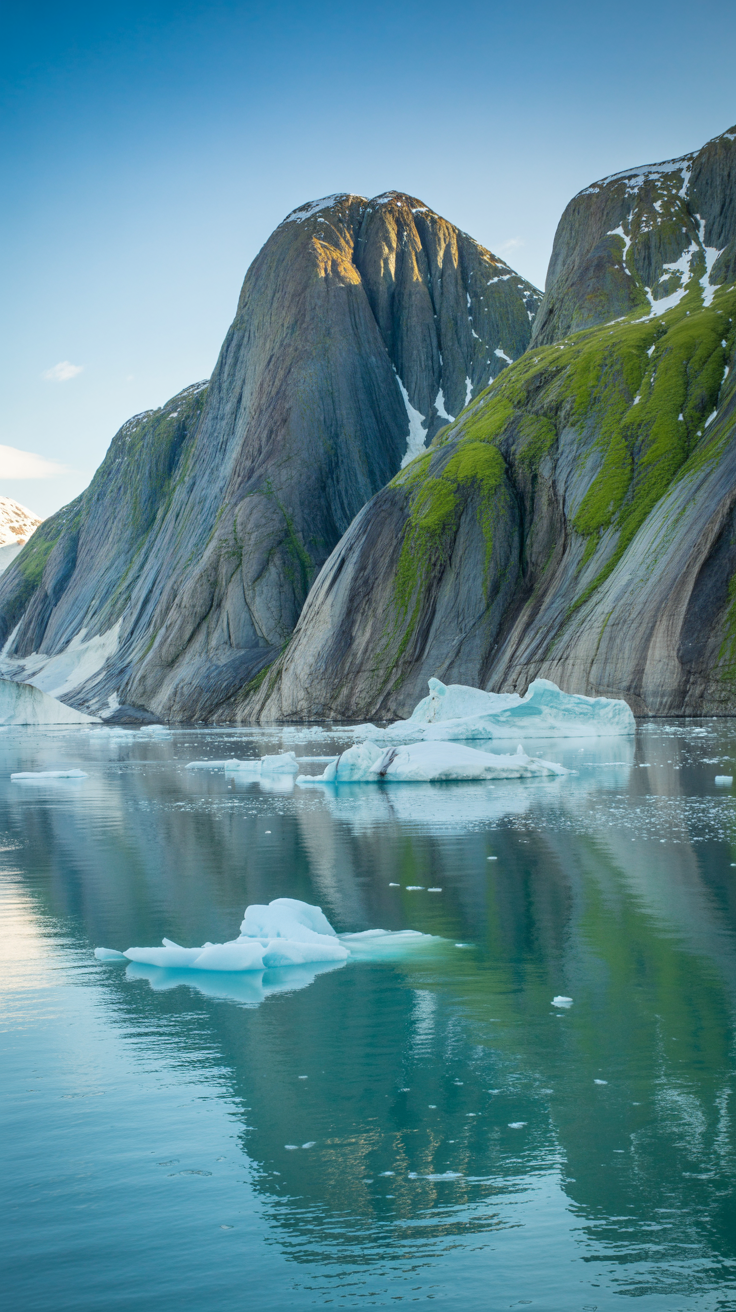
Budget Alaska cruises from lines like Carnival Cruises and other mainstream options deliver the core Alaska experience without draining your savings account. The scenery doesn’t care how much you paid for your ticket. That glacier calving into the ocean looks equally spectacular whether you’re viewing it from a $900 inside cabin or a $6,000 suite.
Here’s what budget cruises nail:
- Access to the same ports and Inside Passage routes
- Complimentary main dining room meals that are genuinely good (prime rib, lobster tail, fresh Alaskan salmon)
- Onboard naturalists and park rangers who give free presentations
- Deck space for wildlife viewing
- Basic entertainment like production shows and live music
- The exact same whales, eagles, and bears that luxury passengers see
The catch? You’ll share these experiences with a few thousand other people. Buffet lines get long around noon. Popular shore excursions sell out fast. Your cabin might be cozy enough that you’ll become very familiar with your travel companion’s elbow.
The Luxury Cruise Difference
When you book luxury Alaska cruises, you’re not paying for better scenery but for how you experience it. The ships are smaller, which means they can navigate tighter waterways that big vessels can’t reach. Some luxury lines obtain special permits for exclusive anchorages.
Tangible luxury advantages include:
- Butler service that handles unpacking, makes reservations, and keeps your binoculars polished
- All-inclusive pricing covering specialty restaurants, premium alcohol, gratuities, and often excursions
- Expedition leaders with advanced degrees in marine biology or glaciology
- Zodiacs for off-ship exploration in remote areas
- Higher-quality linens, toiletries, and mattresses (this matters more than you’d think after a week at sea)
- Personalized service where crew members remember your name and drink preference
- Shore excursions capped at 10-15 people instead of 40-50
The less obvious perks matter too. Luxury ships schedule “scenic cruising” during optimal daylight hours rather than overnight. Their onboard experts give intimate talks to 30 people instead of presentations in 800-seat theaters. When a pod of orcas appears, the captain can linger without worrying about a tight schedule.
Breaking Down the Real Costs
The sticker price tells only part of the story. Budget cruises advertise lower fares but add charges for nearly everything beyond basic room and board. Understanding Alaska cruise costs helps you compare apples to apples.
Hidden Budget Cruise Expenses
- Shore excursions: $100-$300 per person per port
- Specialty dining: $25-$50 per meal
- Drinks package: $50-$70 per person daily
- Gratuities: $14-$16 per person daily
- WiFi: $20-$30 per day
- Photos: $20-$200 for packages
A $1,000 budget cruise can easily become $2,200 per person after these additions.
Luxury All-Inclusive Reality
Luxury lines bundle most extras into the upfront cost. A $5,000 fare typically includes gratuities, premium drinks, specialty dining, WiFi, and sometimes excursions. You might spend an extra $200-$500 total on spa treatments or premium excursions, but the surprise charges disappear.
For travelers who’d purchase drink packages and upgrades anyway, the luxury premium shrinks considerably. The actual gap might be $1,500-$2,000 per person rather than $4,000.
When Budget Cruises Make More Sense
Choose budget Alaska cruises if you:
- Plan to spend minimal time in your cabin
- Enjoy meeting lots of fellow travelers and don’t mind crowds
- Want to save money on Alaska cruises for longer trips or other vacation goals
- Prefer livelier entertainment and activities like waterslides and casinos
- Are traveling as families with kids who need supervised youth programs
- Don’t drink much alcohol or can skip specialty restaurants
- Book your own independent shore excursions through local operators
Budget cruises excel for first-timers testing whether they enjoy cruising. Why drop $10,000 on a luxury voyage if you discover you get seasick or feel claustrophobic on ships?
When Luxury Worth the Splurge
Upgrade to luxury if you:
- Value personalized service and remembering staff names
- Want smaller ships accessing remote fjords and coves
- Prefer intimate dining experiences over assigned seating with strangers
- Appreciate learning from expert naturalists in small groups
- Need accessible accommodations with attentive staff
- Plan to actually use included amenities like premium drinks and specialty dining
- Seek a more contemplative, educational Alaska experience
Luxury also makes sense for milestone celebrations when the trip itself is the gift. Your 50th anniversary deserves better than fighting buffet crowds.
The Middle Ground: Premium Cruises
Premium lines split the difference, offering smaller ships than budget carriers but lower prices than true luxury. These occupy the sweet spot for many Alaska travelers who want elevated experiences without financial panic.
Premium cruises typically feature:
- Ships carrying 700-1,500 passengers
- More included dining options
- Better crew-to-passenger ratios
- Slightly larger cabins
- Enhanced enrichment programs
- Moderate pricing ($2,000-$3,500 per person)
This category works well for travelers who’ve cruised before and know their preferences but don’t need butlers or caviar at breakfast.
Cabin Categories That Actually Matter
Inside cabins on budget ships measure around 150 square feet—smaller than many walk-in closets. You’ll have a bed, tiny bathroom, and approximately two feet of walking space. For Alaska, this matters less than Caribbean cruises since you’ll spend daylight hours on deck watching for wildlife.
Balconies provide private outdoor space for morning coffee while cruising through Glacier Bay. But Alaska weather runs cool and often rainy. That balcony might sit unused while you huddle in heated observation lounges with other passengers. Budget travelers often skip balconies without regrets, saving $500-$1,000 per person.
Luxury cabins start at 200 square feet minimum, with most offering balconies as standard. The extra space matters more on smaller luxury ships where public areas get crowded during scenic cruising. Having somewhere to retreat becomes valuable.
Excursions: Where Differences Show Most
Shore excursions represent the biggest divergence between budget and luxury experiences. Budget cruise excursions pack 40-50 people onto motor coaches, limiting spontaneity. Your guide follows a strict schedule to get everyone back to the ship on time.
Luxury excursions cap groups at 10-15 passengers, often with exclusive access negotiated through long-standing local relationships. Instead of viewing bears from a crowded platform, you might kayak in small groups with a naturalist guide who can answer questions without shouting over 40 other tourists.
Budget travelers can bridge this gap by booking independent tours through local operators, often at lower prices than cruise line offerings. This requires research and assumes risk if tours run late, but savvy travelers save money while gaining more authentic experiences.
Food Quality: The Surprising Truth
Main dining room food on budget Alaska cruises exceeds most people’s expectations. These ships serve quality proteins including Alaskan salmon, halibut, and king crab. The execution might lack finesse—think competent hotel banquet rather than memorable restaurant—but nobody starves or suffers through truly bad meals.
Luxury cruise cuisine elevates ingredients with sophisticated preparation and presentation. Chefs often source locally at Alaskan ports, featuring ingredients like spot prawns, rockfish, and foraged mushrooms. Dishes arrive beautifully plated with thoughtful wine pairings.
The honest assessment? Both serve good food. Luxury serves exceptional food. Whether that justifies thousands in additional cost depends on how much culinary experience matters to your vacation enjoyment.
Comparing Expedition Versus Traditional Cruise Styles
Some luxury lines emphasize expedition versus traditional cruising approaches, focusing on exploration over onboard amenities. These ships carry kayaks, submarines, and helicopters for adventurous excursions. Expedition cruising suits active travelers prioritizing unique experiences over spa days and Broadway-style shows.
Budget cruises stick to traditional cruising: structured port days, onboard entertainment, and predictable schedules. This works perfectly for travelers who want Alaska highlights without roughing it.
Service Levels and What They Mean Daily
Luxury ships maintain crew-to-passenger ratios around 1:1.5, meaning nearly one staff member for every two guests. This translates to:
- No waiting for drinks or service requests
- Staff who remember your preferences after one interaction
- Proactive service that anticipates needs
- Genuine conversations with crew members who aren’t rushing to the next task
Budget ships run 1:3 or 1:4 ratios, which means competent but less personalized service. You’ll wait longer at bars. Cabin stewards clean efficiently but won’t remember whether you prefer extra pillows. Dining staff rotate tables so you might not see the same server twice.
Neither approach is wrong. Some travelers prefer anonymity and independence over constant service attention anyway.
Bonus Tips Most People Miss
- Book repositioning cruises (when ships move between Alaska and other regions) for luxury experiences at budget prices, though you’ll sacrifice some Alaska port time
- Inside cabins on upper decks often cost the same as lower deck cabins but offer easier access to observation areas
- Luxury ships sometimes offer last-minute deals 60-90 days before sailing when cabins haven’t filled
- Budget cruise passengers can book spa appointments on port days when prices drop 20-30% due to lower demand
- Bring quality binoculars regardless of cruise tier—wildlife viewing matters more than any amenity
- Luxury lines sometimes allow budget travelers to book single excursions even without staying on their ships
- Shoulder season (May and September) offers better pricing on luxury cruises while maintaining good weather odds
- Many luxury lines allow customized minibar stocking before boarding, saving money over ordering drinks individually
- Budget cruises often price inside guarantee cabins cheapest, then upgrade you to better categories if available at sailing
Making Your Decision
Start by calculating true all-in costs for both options, including everything you’ll realistically purchase. Add up excursions, drinks, specialty dining, and other extras you won’t skip. Compare that total to luxury all-inclusive pricing.
Consider your travel style honestly. Do you actually relax in your cabin or just sleep there? Will you truly appreciate the chef’s tasting menu or would you be equally happy with good salmon and a baked potato? Do crowds energize or exhaust you?
Remember that Alaska’s main attractions—glaciers, whales, mountains, and wildlife—come free with any cruise ticket. You can’t upgrade Mother Nature. Whether you’re bunking in a 140-square-foot inside cabin or a 400-square-foot suite, that humpback whale breaching off the bow looks exactly the same.
The upgrade question really asks: How much comfort, convenience, and personalized service matter to your enjoyment? Only you can answer that honestly.
Common Questions and FAQ
Can I mix budget and luxury by booking a budget cruise with upgraded cabin?
Absolutely, and this strategy works well for many travelers. Booking a balcony or mini-suite on a budget cruise line gives you more space and better perks (priority boarding, upgraded dining times) without luxury pricing. You’ll still experience larger crowds and pay for extras, but your personal space improves significantly for $500-$1,000 more than inside cabins.
Do luxury cruises actually see more wildlife?
Not necessarily more wildlife, but sometimes better viewing conditions. Smaller luxury ships can position closer to shore and linger longer when animals appear. Their expedition leaders often have connections with spotting networks. That said, wildlife appears randomly, and budget cruise passengers see plenty of whales, bears, and eagles. Nature doesn’t check your cabin category.
Are luxury cruise passengers snobby or unwelcoming?
Generally no. Luxury passengers tend to be older and more well-traveled, but most are friendly people who enjoy sharing Alaska experiences. The atmosphere skews quieter and more refined than budget ships’ party vibe, but that reflects the cruise style rather than passenger attitudes. You’ll find kind and annoying people across all price ranges.
Can I switch cruise lines mid-trip to try both?
Not practically. Each cruise operates on specific itineraries and schedules. However, some travelers book back-to-back cruises on different lines (budget heading north, luxury heading south) to compare directly. This requires time and budget, but gives perfect comparison data for future trips.
Do luxury cruises offer payment plans like budget lines?
Most luxury lines require higher deposits (25-50% vs 10-20% for budget) and full payment 90-120 days before sailing. However, some offer payment plans through third-party financing. Budget lines typically allow smaller deposits and payment up to 60-75 days prior, making cash flow easier for many families.
Which cruise type is better for someone who gets seasick?
Larger budget ships generally provide more stability in rough water due to their size and stabilizer systems. However, Alaska’s Inside Passage offers protected waters with minimal motion regardless of ship size. Seasickness rarely becomes a major issue on Alaska cruises compared to open ocean voyages. Choose based on other priorities rather than motion concerns.
Personal Experience
Last summer, my husband and I stood in a cruise terminal watching passengers board two different Alaska cruise ships docked side by side. We’d booked the budget-friendly option after months of debate, and honestly, I had zero regrets once we set sail. Sure, the luxury ship next to us had those fancy specialty restaurants and marble everything, but our dining room served incredible salmon and Dungeness crab that tasted pretty much the same as what my friend raved about on her premium cruise the year before. The big difference? We paid about $1,200 less per person. Our cabin was smaller and didn’t have a balcony, but we spent maybe an hour total in there anyway since we were constantly on deck watching for whales and exploring ports.
The excursions were where I actually noticed a gap, though it didn’t bother us much. The luxury passengers got smaller group tours with more personalized attention, while we were on buses with 40 other people at the glacier. Their shore excursions were included in the fare, and ours cost extra—that added up to about $600 more for the two of us. But here’s the thing: we all saw the same breaching humpback whales, walked on the same ancient ice, and got equally soaked in the same Alaskan rain. If you’re someone who values having a butler or needs those premium drink packages and spa days, the upgrade makes sense. For us, the budget cruise delivered the Alaska experience we wanted without the financial stress afterward.