
The Inside Passage offers calm waters, scenic fjords, and wildlife viewing through protected channels between islands. The Gulf of Alaska provides open ocean sailing with dramatic glaciers, connecting ports like Seward, Whittier, and Juneau. Inside Passage cruises are typically round-trip, while Gulf routes are often one-way between Vancouver and Alaska.
Quick Facts Comparison
| Feature | Inside Passage | Gulf of Alaska |
|---|---|---|
| Water Conditions | Calm, protected channels | Open ocean, potentially rough |
| Trip Style | Round-trip (usually Seattle or Vancouver) | One-way (Vancouver to Seward/Whittier or reverse) |
| Scenery | Close-up fjords, narrow channels, forested islands | Expansive ocean views, dramatic coastlines |
| Wildlife Viewing | Excellent proximity to shore-based wildlife | Good for sea life, whales in open water |
| Typical Duration | 7 days | 7-10 days |
| Motion Sickness Risk | Low | Moderate to high |
| Glacier Access | Glacier Bay, Sawyer Glaciers | Hubbard Glacier, College Fjord |
Want to know more about comparing different Alaska cruise options?
Understanding the Route Differences
The geography tells you everything you need to know about these two routes. The Inside Passage cruises thread through a natural maze of islands that act like a buffer between you and the Pacific Ocean. This archipelago creates what’s essentially a marine highway with mountains rising straight from the water on both sides. You’re never far from land, which means constant scenery and wildlife opportunities.
The Gulf of Alaska cruises take a completely different approach. These itineraries venture into open ocean waters where the North Pacific meets the Alaskan coast. There’s nothing between your ship and Japan except a whole lot of water. This exposure creates bigger waves but also delivers that raw, untamed Alaska feeling that some travelers crave.
The Motion Question Nobody Wants to Talk About
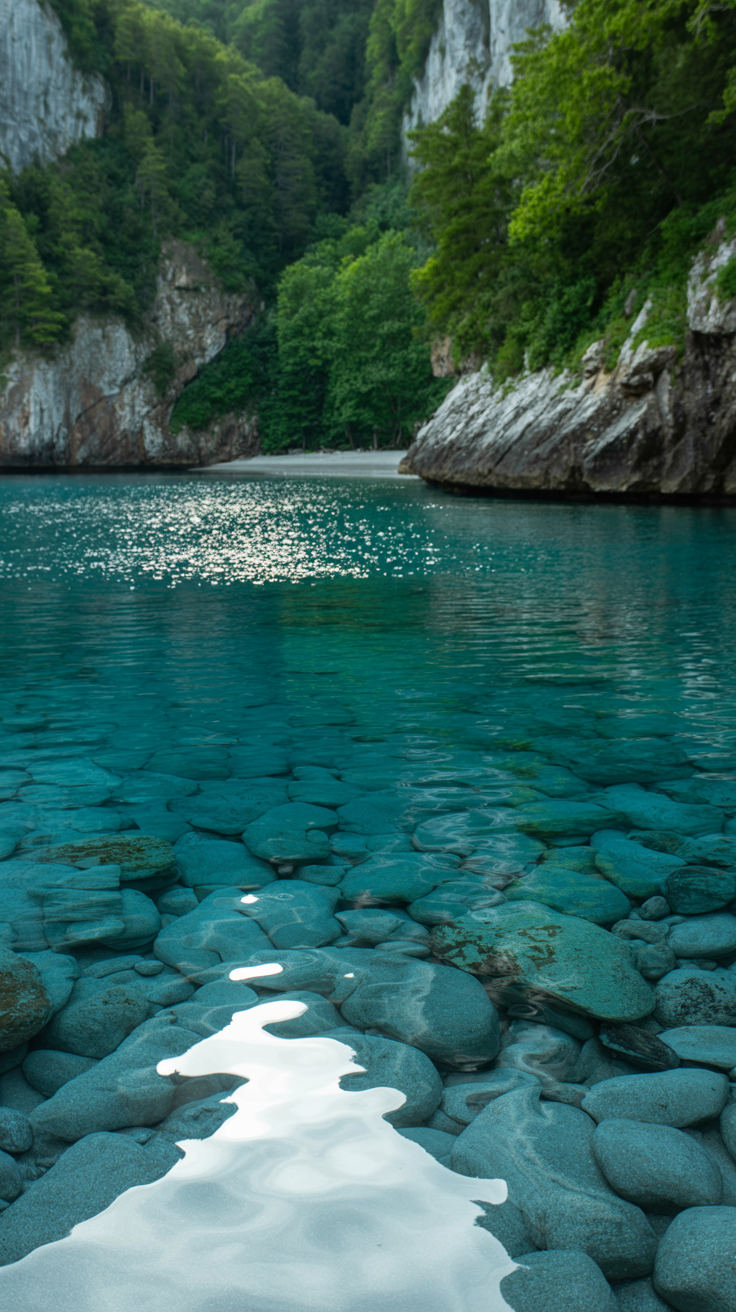
Let’s be honest about seasickness because it can make or break your vacation. The Inside Passage lives up to its reputation for smooth sailing. Ships navigate between islands that block Pacific swells, creating what experienced cruisers call “bathtub conditions” most of the time. If you’ve never cruised before or know you’re sensitive to motion, this matters more than you might think.
Gulf of Alaska itineraries spend significant time in exposed waters where swells can reach 10-15 feet during normal conditions. This doesn’t mean you’ll be miserable, but it does mean you should pack seasickness remedies and know your tolerance. Here’s the thing most people don’t realize: the open gulf portion usually lasts just one or two days of your cruise, often overnight while you’re sleeping anyway.
Port Access and What You’ll Actually See
Inside Passage itineraries typically visit Ketchikan, Juneau, Skagway, and sometimes Sitka or Icy Strait Point. These ports offer easy walking access to downtown areas, historic sites, and quick excursions. The ships often sail through Glacier Bay for a full day of glacier viewing without docking anywhere.
Gulf routes swap out some traditional ports for places like Seward, Whittier, or Homer. This matters because you’re accessing different parts of Alaska with distinct character. Seward puts you at the doorway to Kenai Fjords National Park. The trade-off is that some Gulf itineraries have fewer port days overall since they need time for that open-ocean crossing. Many Gulf cruises also feature Hubbard Glacier, North America’s largest tidewater glacier, which advances rather than retreats.
The One-Way Logistics Factor
Gulf cruises being one-way creates both hassles and opportunities. You’ll need to fly into one city and out of another, which usually costs more than round-trip airfare. But here’s the advantage: you can extend your trip by adding hotel nights in Vancouver, Anchorage, or Denali National Park without backtracking. Many travelers use the cruise as transportation while exploring Alaska more thoroughly.
Round-trip Inside Passage cruises simplify logistics considerably. You leave from and return to the same city, making flight booking straightforward. The downside? You sail the same waters twice, though in opposite directions with different lighting and weather conditions.
Wildlife Encounters: Up Close vs Far Ranging
The Inside Passage puts you ridiculously close to shorelines where bears fish for salmon, eagles perch in trees, and seals lounge on rocks. The narrow channels mean you’re often just a few hundred feet from shore. Whale sightings happen regularly in confined spaces where the animals surface near the ship.
Gulf cruises offer different wildlife opportunities. You might see orcas hunting in open water, massive whale pods migrating, and seabirds that never come near land. The scale feels bigger and wilder but also more distant. You’ll want binoculars for Gulf cruises whereas Inside Passage wildlife often appears close enough to photograph with a phone.
Weather and When It Actually Matters
Both routes experience Alaska’s famously unpredictable weather, but it affects them differently. Inside Passage fog can be atmospheric and moody, creating dramatic scenes as you wind through channels. It can also obscure views completely for hours at a time. Rain happens frequently but the protected waters mean it doesn’t affect stability.
Gulf weather can be more extreme. Wind and rain combine with waves to create conditions that keep people indoors. However, when Gulf weather clears, the visibility extends for miles across open water with nothing blocking your view of distant mountains and coastline.
Price Differences Worth Noting
Inside Passage cruises generally cost less than Gulf itineraries for comparable cabin categories and cruise lines. The round-trip logistics keep costs down, and there’s more competition on these routes. Budget-conscious travelers can find deals more easily.
Gulf cruises command premium pricing partly because of the one-way repositioning nature and partly because they access different glacier systems. When you factor in the additional airfare costs for flying into one city and out of another, Gulf itineraries typically run 20-30% more expensive overall.
Bonus Tips From Experienced Alaska Cruisers
- Book outside cabins with verandas on either route. Alaska cruising is about the views, and you’ll want private outdoor space at odd hours when wildlife appears.
- Inside Passage ships sometimes reverse their route direction. Northbound vs southbound affects which side of the ship gets better glacier views at specific ports.
- Gulf cruises that visit Hubbard Glacier often arrive early morning. Set an alarm or you’ll miss the approach, which is half the experience.
- The one-way Gulf route lets you add a land tour to Denali before or after. Inside Passage cruises make this harder logistically since you’re returning to your starting point.
- Consider comparing 7 day vs 10 day itineraries since longer cruises often combine elements of both routes.
- Motion sickness medication works better as prevention than treatment. Start taking it the night before any rough water days on Gulf cruises.
- Inside Passage’s calm waters make it ideal for bringing kids or elderly travelers who might struggle with motion.
- Gulf itineraries sometimes offer better shoulder-season pricing in May or September when cruise lines need to reposition ships anyway.
- Pack layers for both routes, but Gulf cruises need more wind-resistant outer layers for deck time in exposed areas.
- Inside Passage cruises photograph better from upper decks. Gulf cruises often look more dramatic from mid-ship locations where you can capture the bow cutting through waves.
Which Route for First-Time Alaska Cruisers
If this is your first Alaska cruise, the Inside Passage removes several variables that could diminish your experience. The calm waters let you focus on Alaska itself rather than fighting seasickness. The round-trip logistics simplify planning. The frequent port stops provide varied experiences without long stretches at sea.
That said, adventurous first-timers who handle boats well and want maximum Alaska diversity should consider the Gulf route. You’ll see different landscapes and access parts of Alaska that Inside Passage ships never reach. Just prepare properly for the motion and logistics.
The Repeat Cruiser Perspective
Here’s what seasoned Alaska cruisers know: you should eventually do both routes. They’re different enough that doing one doesn’t spoil the other. Most people start with the Inside Passage, master Alaska cruising basics, then tackle the Gulf route on their second trip. This progression makes sense because you’ll appreciate the Gulf’s unique offerings more after experiencing the classic Inside Passage journey.
Common Questions and FAQ
Can I see the Northern Lights on either route?
Northern Lights appear in Alaska primarily during winter months when cruise ships don’t operate. Summer’s extended daylight hours make aurora viewing impossible on typical cruise schedules regardless of route.
Do Gulf of Alaska cruises visit fewer ports?
Not necessarily fewer ports, but different ones. Gulf itineraries typically include 4-5 port stops similar to Inside Passage cruises, but they substitute places like Seward or Valdez for traditional stops like Skagway or Ketchikan.
Which route gets closer to glaciers?
Both routes offer spectacular glacier viewing. Inside Passage cruises navigate tighter fjords in Glacier Bay where you’re surrounded by glaciers. Gulf cruises approach massive tidewater glaciers like Hubbard in more open waters. The experience feels different but neither route is objectively closer.
Are Gulf cruises only available certain months?
Gulf of Alaska repositioning cruises concentrate in May and September when ships move between Alaska and winter homeports. However, some cruise lines operate Gulf itineraries throughout the summer season.
Will I get bored on sea days in the Gulf?
Unlikely. Even open-ocean Gulf sailing offers constant mountain views along the coastline. The scenery never completely disappears, and wildlife spotting continues throughout. Plus, rough weather gives you a legitimate excuse to enjoy ship amenities guilt-free.
Do I need different clothing for each route?
Both routes require layered clothing for 50-60 degree weather with rain possibilities. Gulf cruises benefit from slightly heavier wind-resistant jackets since you’ll spend deck time in more exposed conditions.
Which route has better excursion options?
This depends on your interests rather than the route itself. Inside Passage ports offer more historic town exploring and easy walking access. Gulf route ports provide better access to wilderness areas, national parks, and remote adventures requiring longer travel times.
Personal Experience
When my husband and I were planning our Alaska cruise, we got completely stuck deciding between the Inside Passage and the Gulf of Alaska route. Everyone kept telling us both were incredible, which honestly didn’t help much! We ended up choosing the Inside Passage for our first trip, mainly because I get seasick pretty easily and heard the waters were calmer. Turns out that advice was spot-on. The protected waters between those islands made for such smooth sailing that I never once needed my motion sickness patches. We spent our days on deck watching humpback whales breach and spotting bears along the shoreline, all while sipping coffee in perfectly calm conditions. The narrow channels brought us incredibly close to the glaciers and wildlife, close enough that I got some amazing photos without even using my zoom lens.
My coworker took the Gulf of Alaska route the same summer, and her experience was completely different. She dealt with some rough seas and said quite a few passengers stayed in their cabins feeling queasy, but she also got to see parts of Alaska we totally missed. Her ship stopped at different ports, and she kept raving about how wild and remote everything felt. The open ocean gave her these expansive views that you just don’t get in the Inside Passage’s protected waterways. Hearing about her trip made me realize there’s no wrong choice here – it really comes down to what matters more to you. If you want calm seas and up-close nature encounters, the Inside Passage is your friend. But if you’re good with potentially choppy waters and want that rugged, open-ocean Alaska experience, the Gulf route delivers something pretty special too.