
Endicott Arm is a dramatic 30-mile fjord in Southeast Alaska, featuring steep granite cliffs rising 3,000 feet, cascading waterfalls, and the tidewater Dawes Glacier. Located within the Tracy Arm-Fords Terror Wilderness, it’s a popular cruise destination offering wildlife viewing opportunities including seals, whales, bears, and eagles amid pristine glacial landscapes.
Quick Facts
| Feature | Details |
|---|---|
| Length | 30 miles from opening to Dawes Glacier |
| Maximum Depth | Over 1,000 feet in places |
| Cliff Heights | Up to 3,000 feet vertical granite walls |
| Main Attraction | Dawes Glacier (tidewater glacier) |
| Wilderness Area | Tracy Arm-Fords Terror Wilderness |
| Typical Visit Duration | 4-6 hours (scenic cruising) |
| Best Months | May through September |
Want to know more about Alaska cruise ports and destinations before planning your trip?
Why Cruise Lines Choose Endicott Arm Over Tracy Arm
Here’s something most passengers don’t realize: Endicott Arm is actually the alternative when Tracy Arm Fjord and Sawyer Glacier gets too crowded or blocked by ice. Both fjords branch off from the same point, but cruise lines can’t predict which one they’ll visit until shortly before arrival. The National Park Service limits how many ships can enter these narrow waterways simultaneously, so your captain might make a game-day decision based on traffic and ice conditions.
The good news? Endicott Arm is equally spectacular and often less crowded than its more famous neighbor. Some cruise veterans actually prefer it because the approach to Dawes Glacier feels more intimate than the wider Tracy Arm.
What Makes Endicott Arm Special
The Geology is Mind-Blowing
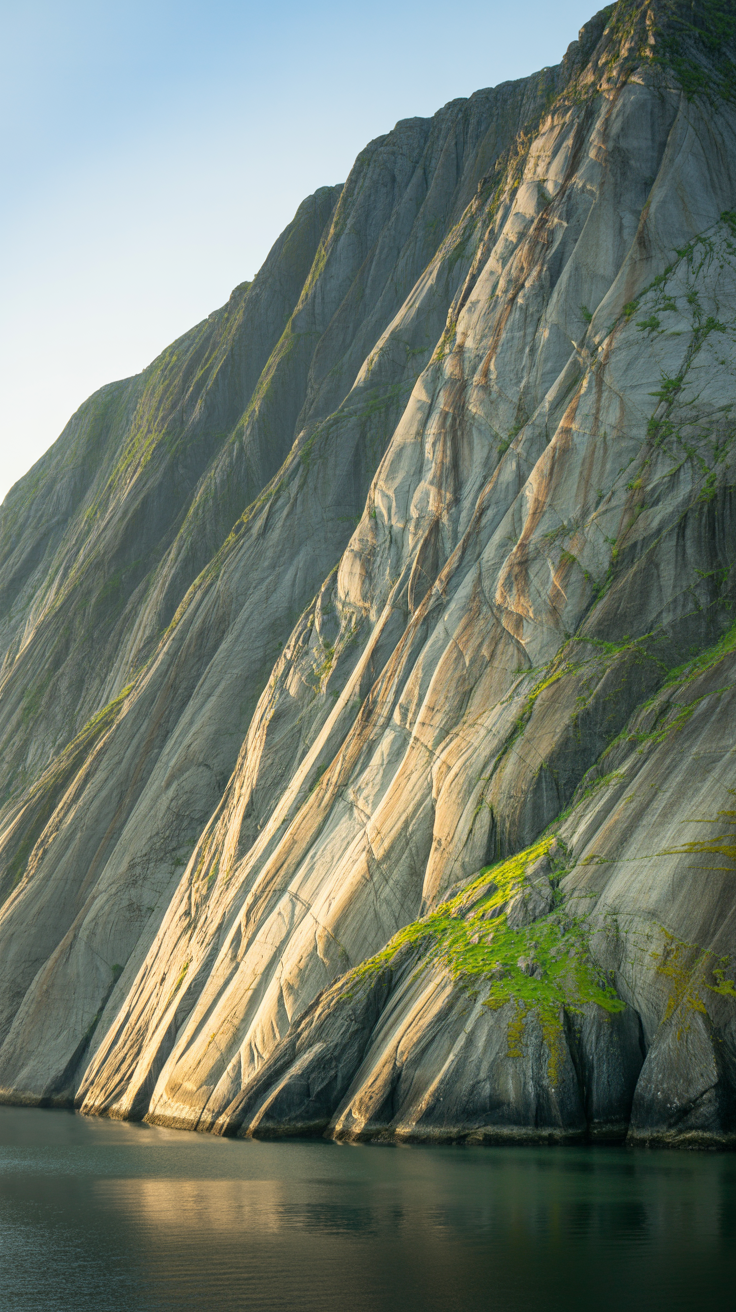
Those towering granite walls weren’t carved yesterday. The fjord was formed during the last ice age when massive glaciers ground through the rock over thousands of years. What you’re seeing is essentially a U-shaped valley that got flooded by seawater when the ice retreated. The vertical striations on the cliff faces show exactly where the glacier scraped along, like massive claw marks from an ancient beast.
Dawes Glacier: The Star of the Show
Dawes Glacier is what’s called a tidewater glacier, meaning its face meets the ocean directly. This is crucial for the calving action everyone comes to see. When chunks break off, they crash into saltwater rather than onto land, creating that dramatic splash and the “bergy bits” (yes, that’s the technical term for small icebergs) floating in the fjord.
The glacier face stands about 200 feet above the waterline, but here’s the kicker: roughly 80% of its mass sits below the surface. Ships must maintain a safe distance because ice can calve underwater and shoot up unexpectedly.
Wildlife You’ll Actually See
The wildlife viewing in Endicott Arm rivals even Glacier Bay National Park, though each location has its own character.
Harbor Seals
Harbor seals are practically guaranteed. They haul out on ice floes near the glacier to rest and give birth to their pups. The ice provides protection from predators like orcas. You’ll see them lounging like lazy housecats on floating ice chunks, occasionally slipping into the water when your ship gets too close.
Mountain Goats
Look up at those impossible cliffs and you’ll often spot white specks that turn out to be mountain goats. They navigate terrain that would give professional rock climbers nightmares, feeding on vegetation clinging to the cliff faces.
Bears
Black bears and occasionally brown bears forage along the shoreline, particularly in late summer when salmon run in the streams. They’re harder to spot than seals but not uncommon. Keep your binoculars ready.
Whales
Humpback whales and orcas sometimes venture into the fjord, though they’re more commonly seen in the outer waters. If you spot a whale in the narrow confines of Endicott Arm, consider yourself lucky.
Practical Tips for Your Visit
Deck Strategy
The moment your ship announces it’s entering Endicott Arm, the outdoor decks will fill up fast. Here’s what the pros know:
- The ship will likely turn around at some point to give both sides a view of the glacier, so don’t panic if you start on the “wrong” side
- The highest outdoor deck (usually the sports deck) offers unobstructed views but gets windy and cold
- Mid-level decks provide some wind protection and easier access to indoor warmth
- If the crowds feel overwhelming, check out the forward-facing decks at the bow for a different perspective
Photography Essentials
You don’t need professional gear, but a few things will improve your photos dramatically:
- A zoom lens or binoculars for wildlife spotting
- Shoot in burst mode for calving events because they happen without warning
- The light is incredible in early morning or evening if your ship times it right
- Keep your lens clean from sea spray
- Bring extra batteries because cold weather drains them faster
Clothing Reality Check
Even if it’s warm and sunny when you leave port, conditions change dramatically near the glacier. Pack these in a small backpack:
- Warm jacket (windproof and waterproof)
- Gloves or hand warmers
- Hat that won’t blow off
- Layers you can add or remove
- Sunglasses (the glare off ice and water is intense)
The Best Glacier Viewing Experience
Ships typically spend 45 minutes to an hour positioned in front of the glacier, engines idling while everyone waits for calving events. This is your chance for those best glacier experiences in Alaska that you’ll talk about for years.
Understanding glacier viewing opportunities and what to expect helps you appreciate what you’re seeing. The blue color comes from compressed ice that absorbs all colors of light except blue, which it reflects. The older and more compressed the ice, the deeper and more electric the blue appears.
When Things Don’t Go As Planned
Endicott Arm isn’t always accessible, and cruise lines won’t know for certain until the day of your visit. Here’s what can go wrong:
Ice Blockages
Sometimes too much ice breaks off from the glacier and clogs the fjord. Ships can’t safely navigate through thick ice fields, so the captain might turn back early or skip the destination entirely.
Weather Limitations
Heavy fog occasionally makes the narrow fjord too dangerous to navigate. The captain needs clear visibility to avoid ice and navigate the tight passages.
Wildlife Restrictions
If a whale decides to hang out in the fjord, ships must maintain specific distances and might have to adjust their route or timing.
None of this is common, but it happens. Cruise lines will try to substitute another scenic cruising experience when possible.
How It Compares to Other Glacier Destinations
If you’re trying to decide between different Alaska itineraries, here’s how Endicott Arm stacks up:
| Feature | Endicott Arm | Tracy Arm | Glacier Bay |
|---|---|---|---|
| Crowds | Usually lighter | Can be congested | Requires permit, limited ships |
| Glacier Access | Very close approach | Very close approach | Multiple glaciers, varying distances |
| Fjord Drama | Extremely narrow and tall | Extremely narrow and tall | Wider bay, less enclosed feeling |
| Wildlife | Excellent | Excellent | Outstanding |
| Duration | 4-6 hours | 4-6 hours | 8-10 hours |
Bonus Tips
- The ship’s naturalist will give commentary, usually on the bridge channel. Tune in for insights about what you’re seeing.
- Waterfalls are everywhere in Endicott Arm, particularly after rain. Some plunge thousands of feet in multiple stages.
- That popping and crackling sound you hear near the glacier is called “bergie seltzer” – it’s air bubbles trapped in ancient ice escaping as the ice melts.
- The water temperature hovers just above freezing. If you see anyone swimming near ice floes (you won’t, but if you did), they’d have minutes before hypothermia set in.
- Small cruise ships and expedition vessels can get closer to the glacier face than large cruise ships, if that’s a priority for you.
- The ship’s wake creates waves that sometimes trigger small calving events, though the captain maintains a safe distance to avoid causing major collapses.
- Download your photos to your phone or laptop daily because you’ll shoot hundreds of images and might fill up your camera’s memory card.
- Hot chocolate and coffee taste better when you’re watching glaciers. Most ships set up beverage stations on outdoor decks during scenic cruising.
- If you wear glasses, bring a lens cloth. The combination of cold air and your warm breath creates constant fogging.
- Check your cruise line’s app or daily newsletter for the estimated time you’ll reach the glacier. The approach through the fjord is beautiful but the glacier is the main event.
Common Questions and FAQ
Can I see Endicott Arm and Tracy Arm on the same cruise?
No. They branch from the same entry point, so ships visit one or the other, never both on the same sailing. Your cruise itinerary will list “Tracy Arm or Endicott Arm” because the decision happens close to arrival time.
Will the ship turn around so both sides get views?
Almost always yes. The captain typically positions the ship in front of Dawes Glacier for a while, then rotates to give the opposite side the premium view. The entire maneuver happens slowly and you’ll have time to move around the ship.
How cold does it actually get?
Near the glacier, temperatures typically range from 40-55°F even in summer, but the wind chill makes it feel colder. The combination of being on a moving ship and the cold air coming off the glacier means you’ll want that warm jacket.
What if I have mobility issues?
Indoor viewing lounges with large windows provide excellent views if you can’t handle outdoor decks or crowds. The Observation Lounge or panoramic lounges at the front of the ship are perfect alternatives. Reserve a window seat early.
Are there any shore excursions in Endicott Arm?
No. Endicott Arm is scenic cruising only – your ship slowly navigates up the fjord and back out. There are no ports or landing sites. This is purely a viewing experience from the ship.
What time of day do ships usually visit?
It varies widely depending on your itinerary. Some ships arrive early morning, others midday. Morning visits often have calmer water and better light for photography, but afternoon visits can be equally spectacular.
Can I use a drone?
Absolutely not. The area is protected wilderness and drones are prohibited. Even if they weren’t, cruise ships don’t allow drone operation from their decks for safety reasons.
How do I know which side of the ship to be on?
The ship’s announcement will tell you, but honestly, both sides offer incredible views throughout the journey. The glacier viewing happens from the front when the ship stops and positions itself, so everyone gets a good view eventually.
Personal Experience
We sailed into Endicott Arm on a misty July morning, and I wasn’t prepared for how overwhelming it would be in the best possible way. The fjord walls rose straight up on both sides of our ship, covered in thick green forest that gave way to bare rock and cascading waterfalls. I grabbed my camera and staked out a spot on the starboard deck, where other passengers were already gathered with their telephoto lenses ready. Within an hour, we’d spotted a family of mountain goats picking their way across a seemingly impossible cliff face, and someone shouted when they saw harbor seals lounging on ice chunks that had broken off from Dawes Glacier ahead.
The real magic happened when we got close to the glacier itself. The captain slowed the ship to a crawl, and we all stood there in this collective silence, just watching and waiting. Then came that thunderous crack – like nothing I’d ever heard before – as a massive chunk of ice calved off and crashed into the water below. Everyone started snapping photos frantically, but honestly, I found myself just watching with my own eyes for most of it. My best tip? Dress in layers because it gets genuinely cold near the glacier, and don’t feel like you need to document every second. Sometimes the memory of that electric blue ice and the sound echoing through the fjord is better than any photo you’ll take.