
Hubbard Glacier, located in Alaska’s Disenchantment Bay, is North America’s largest tidewater glacier stretching 76 miles. Cruise ships approach within a half-mile of its 400-foot-high, six-mile-wide face to witness dramatic calving events. The glacier advances rather than retreats, occasionally blocking Russell Fjord. Peak viewing season runs May through September with wildlife including seals, sea otters, and whales.
Quick Facts
| Feature | Details |
|---|---|
| Length | 76 miles from source to terminus |
| Face Height | 400 feet above waterline (600 feet total including underwater) |
| Face Width | 6 miles across |
| Location | Disenchantment Bay, Yakutat Bay, Alaska |
| Best Viewing Months | May through September |
| Average Deck Temperature | 40-55°F during summer |
| Closest Approach | Approximately 0.5 miles from glacier face |
| Viewing Duration | 45 minutes to 2 hours depending on cruise line |
Want to know more about Alaska cruise ports and itineraries?
What Makes Hubbard Glacier Different
Unlike most glaciers that are retreating due to climate changes, Hubbard is one of the few that’s actually growing and advancing. This makes it something of an oddball in the glacier world and means you’re watching a living, active ice river that’s still doing its thing. The glacier occasionally gets so enthusiastic about its growth that it completely seals off Russell Fjord from Disenchantment Bay, creating what scientists call a “glacial lake.” This happened twice in recent history and when it does, it traps marine life and dramatically alters the local ecosystem until the ice dam eventually breaks.
The sheer scale sets Hubbard apart from other tidewater glaciers you’ll encounter on Alaska cruises. While Glacier Bay offers multiple glacier viewings and Tracy Arm Fjord provides a narrower, more intimate experience, Hubbard delivers raw power and size that makes even seasoned cruisers stop mid-conversation and just stare.
Best Viewing Strategy
Here’s what cruise veterans won’t always tell you: ship positioning matters enormously. Most vessels approach Hubbard on a starboard (right side) approach, meaning the right side of the ship gets prime viewing as you sail in. However, the ship typically rotates or repositions to give both sides a turn. The catch is that one side gets the approach view while the other gets the departure view.
- Arrive on deck at least 45 minutes before the announced viewing time
- Starboard side typically gets first dibs on the approach
- Port side viewers get extended time after the ship pivots
- Upper decks offer better panoramic views but can be significantly colder and windier
- Lower decks provide some wind protection but get crowded faster
- The bow and stern often have fewer people than the mid-ship railings
The Sound and Fury
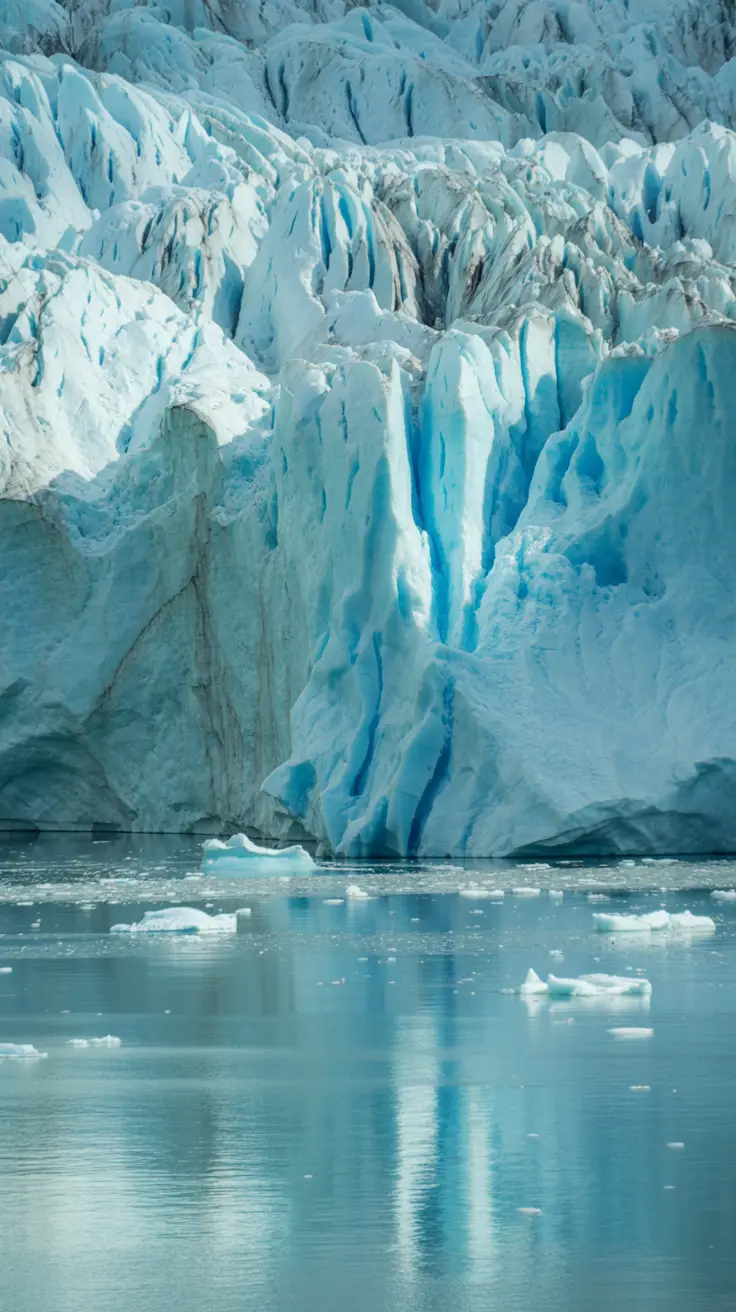
Photographs don’t capture the thunderous crack when chunks of ice break off during glacier calving events. The sound resembles thunder or distant artillery and arrives several seconds after you see the ice fall due to the distance. First-timers often jump at that initial boom.
Ships usually cut their engines during viewing which creates an eerie quiet broken only by the glacier’s activity and the excited whispers of fellow passengers. This silence amplifies every creak and groan from the ice. The glacier is constantly moving and settling, creating sounds that range from subtle cracks to dramatic roars.
Weather and What to Wear
The deck temperature at Hubbard drops 15-20 degrees below what you experienced at your last port. Even in July the temperature hovers in the mid-40s with wind chill making it feel colder. That cute windbreaker won’t cut it.
Essential gear for comfortable viewing:
- Insulated jacket with hood (not just a fleece)
- Gloves that work with phone screens if you want photos
- Warm hat covering ears
- Waterproof outer layer (mist from calving can spray surprisingly far)
- Long pants, not shorts (seriously)
- Closed-toe shoes with grip (decks get slippery from condensation and mist)
- Scarf or neck gaiter
The sun reflects intensely off the ice even on overcast days so sunglasses and sunscreen aren’t optional. Glacier glare causes serious eye strain and squinting your way through this premier glacier experience defeats the purpose.
Photography Tips from the Deck
Phone cameras struggle with the distance and scale of Hubbard Glacier. The results look underwhelming compared to what your eyes see. If you have any camera with optical zoom bring it. Even a basic point-and-shoot with 10x zoom outperforms the latest smartphone.
- Charge everything the night before (cold drains batteries fast)
- Bring backup batteries and keep them warm in inside pockets
- Use a lens hood to reduce glare from ice reflection
- Shoot in bursts during calving to catch the action
- Include part of the ship in some shots for scale reference
- The best light happens in early morning or late evening depending on your viewing time
- Video captures the sound and movement better than photos alone
Don’t spend the entire experience behind a viewfinder. Put the camera down for at least 10 minutes and just watch. Your memory will retain details that photos miss.
Wildlife Watching
The waters around Hubbard teem with life taking advantage of the nutrient-rich glacial runoff. Harbor seals commonly rest on ice floes (called “bergy bits” and “growlers” depending on size). Sea otters float on their backs looking adorably unbothered by the massive ice wall. Humpback whales feed in the area though they keep their distance from the active glacier face.
Bring binoculars for wildlife spotting during glacier viewing since animals maintain respectful distances from the calving zone. The ship’s naturalist typically announces sightings over the PA system but you’ll spot more on your own if you scan systematically rather than just staring at the glacier.
Which Cruise Lines Visit
Not every Alaska cruise includes Hubbard Glacier so check itineraries carefully. The major lines that regularly schedule Hubbard visits include Princess, Holland America, Celebrity, Royal Caribbean, Norwegian, and Disney. Some luxury and expedition lines also include it.
Visit duration varies by cruise line and traffic. Ships typically spend 45 minutes to 2 hours at the glacier face. Luxury and smaller ships sometimes linger longer since they have more scheduling flexibility. Large ships on tight schedules move along faster to reach the next port on time.
The Challenges Nobody Mentions
Hubbard sits in open ocean waters rather than a protected fjord. The approach through Yakutat Bay and Disenchantment Bay can get choppy. If you’re prone to seasickness take medication before arrival because you’ll want to be on deck not in your cabin.
Fog occasionally obscures the glacier entirely or limits visibility to just the base. Ships proceed to the viewing area regardless since they’ve committed to the schedule but you might see nothing except gray mist. This happens more frequently in early May and late September. There’s no backup date or refund for weather.
Crowds at the railings get intense. People stake out spots and don’t move for the entire viewing period. Late arrivals get stuck several rows back trying to shoot photos over other people’s heads. The port and starboard outdoor promenades fill first, followed by any open deck space with glacier views.
Bonus Tips
- Bring a thermos of hot coffee, tea or cocoa since cabin stewards and bars get slammed during glacier viewing
- Wear layers you can shed since the initial cold feels brutal but you warm up standing in the sun
- Hand warmers tucked in gloves and pockets make the experience infinitely more pleasant
- Download a glacier facts sheet beforehand so you understand what you’re seeing
- The ship’s wake creates small waves that sometimes trigger calving as they hit the glacier base
- Ice in the water ranges from white (freshly calved) to deep blue (compressed ancient ice)
- A small dry bag protects camera gear from unexpected spray
- Check the daily program for talks by the ship’s naturalist before or after viewing
- Some cabins have obstructed or no views so don’t assume you can watch from your balcony
- Motion sickness patches work better than pills if you need them since pills take time to kick in
Common Questions and FAQ
Can you see Hubbard Glacier without taking a cruise?
No practical way exists to view Hubbard Glacier except by boat. No roads reach the area and it’s too far for most small charter boats. Cruise ships provide the only realistic viewing option for most travelers.
How cold is the ice when it calves into the water?
The ice itself measures around 32°F but the oldest, densest blue ice can be slightly colder. The surrounding water temperature hovers around 40-45°F. Standing near the railing you’ll feel cold air radiating from the ice face.
Do ships ever have to turn back because the glacier blocks the way?
When Hubbard advances enough to close off Russell Fjord, ships can still access Disenchantment Bay and view the glacier face. The closure affects the fjord behind the glacier, not the approach route. Ships have never been trapped or unable to reach viewing distance.
Is there a best time of day for viewing?
Ships arrive whenever their schedule dictates. Morning light tends to be clearer with less atmospheric haze. Afternoon viewing sometimes benefits from warmer temperatures making deck time more comfortable. You can’t choose your viewing time as it’s predetermined by the itinerary.
How loud is the calving?
A major calving event from a half-mile away sounds like a crack of thunder followed by a sustained rumble. Smaller calvings produce sharp snaps and pops. The sound carries clearly across the water and is genuinely startling if you’re not expecting it.
Will I definitely see calving during my visit?
Not guaranteed but highly likely. Hubbard is extremely active and most visitors witness at least small calvings during a typical hour-long viewing. Large dramatic calvings are less predictable but happen frequently enough that many cruisers catch them.
Can you swim in the water near the glacier?
Absolutely not and ships don’t allow it. The water temperature would cause hypothermia within minutes. Hidden underwater ice, strong currents and the danger of falling ice make these waters extremely hazardous.
Personal Experience
I went to Hubbard Glacier last June, and honestly, the timing couldn’t have been better. The weather was clear enough to see the massive ice face without fog, though I’d packed layers since it dropped to the low 40s on deck. One couple I met had visited in July and said it was even warmer but more crowded at the railings. They told me the key is claiming a spot on the starboard side early in the morning – that’s where you get the money shot as the ship approaches. I grabbed a spot around 7 AM with my coffee and a blanket, and I’m so glad I did because by the time we got close, every inch of that side was packed.
The glacier itself is absolutely enormous – like, your brain can’t quite process the scale at first. I brought binoculars after reading that tip online, and they were perfect for watching chunks of ice calve off into the water. The ship’s naturalist mentioned we were lucky because the glacier had been particularly active that week. My biggest advice? Bring hand warmers and don’t rely on just your phone camera. I took some shots with my actual camera using a zoom lens, and those turned out so much better than what my phone could capture. Also, wear grippy shoes – people were sliding around on the wet decks trying to get their photos, and it was a bit chaotic at times.