
Prince Rupert, British Columbia, is a popular Alaska cruise port offering access to natural and cultural attractions. Visitors can explore the Museum of Northern British Columbia, view totem poles at Carving Shed, visit Cow Bay’s shops and restaurants, tour North Pacific Cannery historic site, or experience wildlife viewing and outdoor activities in the surrounding coastal rainforest region.
Quick Facts About Prince Rupert
| Detail | Information |
|---|---|
| Location | Northern British Columbia, Canada |
| Distance from Port to Town | 10-15 minute walk |
| Population | Approximately 12,000 |
| Weather | Rainiest city in Canada (bring waterproof gear) |
| Currency | Canadian Dollar |
| Time in Port | Typically 5-8 hours |
| Best For | Indigenous culture, nature, authentic small-town experience |
Want to know more about Alaska cruise ports and what to expect at each stop?
Getting Around Prince Rupert
The cruise terminal at Northland Dock puts you remarkably close to everything worth seeing. Unlike some ports where you feel held hostage by shuttle buses, Prince Rupert is genuinely walkable. The town center is about a kilometer away, and unless mobility is an issue, there’s absolutely no reason to pay for transportation.
If you do need wheels, here are your options:
- Walking: Free and the best way to absorb the atmosphere. The route is flat and follows the waterfront.
- Local Transit: Prince Rupert has a bus system, but honestly, by the time you figure out the schedule, you could have walked there.
- Taxis: Available at the port but completely unnecessary for downtown attractions.
- Ship Excursions: Convenient but pricey. Most independent travelers find them unnecessary here.
- Rental Cars: Overkill unless you’re planning to drive to the North Pacific Cannery, which is about 20 kilometers away.
Top Things to Do in Prince Rupert
Museum of Northern British Columbia
This museum punches way above its weight. Housed in a stunning longhouse-style building overlooking the harbor, it showcases one of the finest collections of First Nations artifacts in the Pacific Northwest. The totem poles, ceremonial masks and detailed exhibits about the Tsimshian, Haida and Tlingit peoples provide context that makes the rest of your Alaska cruise infinitely more meaningful. Entry is around $12 CAD, and you can easily spend two hours here.
Cow Bay
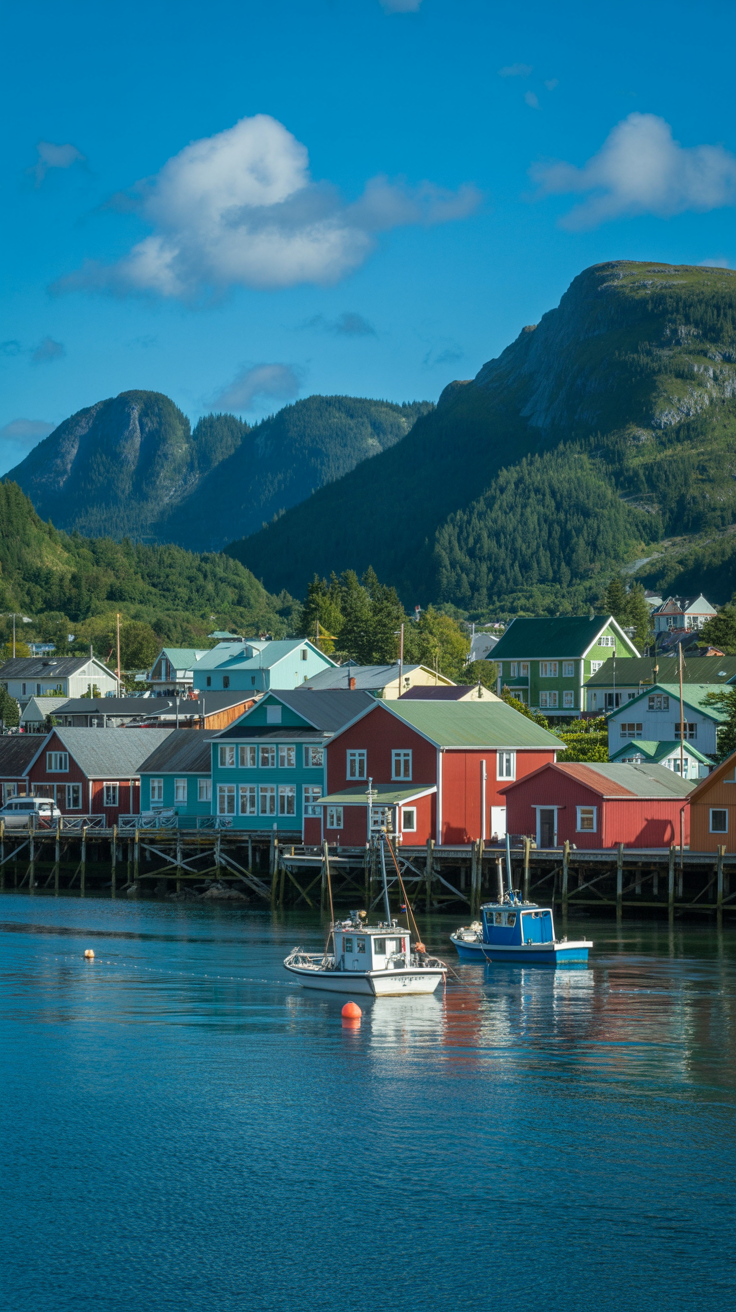
This colorful waterfront district is where locals actually hang out, which should tell you everything. The wooden boardwalks, quirky shops and excellent seafood restaurants make it the perfect spot to kill an hour or three. Don’t miss Cow Bay Café for fish and chips that will ruin all other fish and chips for you. The area got its name from the cows that used to graze here, not from any bovine-themed attractions, though you’ll find plenty of cow puns in shop names.
Carving Shed
Located near the museum, this working studio lets you watch master carvers create totem poles and other traditional works. It’s free to observe, and if you’re lucky enough to catch the artists at work, they’re usually happy to explain their techniques and the stories behind the designs. This is one of those experiences you can’t replicate anywhere else.
Sunken Gardens
These gardens hide in a natural ravine near the town center and offer a peaceful escape when you need a break from crowds. The lush ferns, moss-covered trees and winding paths create an almost mystical atmosphere. It’s a quick visit but worth the detour, especially after rain when everything glistens.
North Pacific Cannery
This National Historic Site sits about 20 kilometers south of town, so you’ll need transportation or a ship excursion. The preserved salmon cannery village tells the story of the fishing industry that built British Columbia’s coast. The boardwalk village, complete with bunkhouses, the cannery building and the manager’s residence, feels frozen in time. If you’re doing this independently, budget about three hours including travel time.
Wildlife and Nature Experiences
Prince Rupert sits in the heart of the Great Bear Rainforest, one of the most biodiverse temperate rainforests on Earth. The wildlife viewing opportunities here rival anything you’ll see on your Inside Passage cruise.
- Bald Eagles: They’re everywhere. Seriously, they perch on streetlights like pigeons. The best viewing is along the waterfront and at the dump (yes, really, but maybe skip that one).
- Humpback Whales: Visible from shore occasionally, but boat tours offer better odds from May through September.
- Grizzly Bears: Day trips to the Khutzeymateen Grizzly Bear Sanctuary require advance booking but offer incredible opportunities to see coastal grizzlies in their natural habitat.
- Sea Lions: Often spotted around Cow Bay and the harbor area, especially in spring and early summer.
Weather and What to Wear
Let’s not sugarcoat it: Prince Rupert receives more annual rainfall than any other Canadian city. About 2,600 millimeters of rain falls here each year, which explains why everything looks so impossibly green. The rain creates atmosphere and keeps the crowds manageable, but you need to dress for it.
Essential items:
- Waterproof jacket with hood (not water-resistant, actually waterproof)
- Comfortable walking shoes with good tread (those boardwalks get slippery)
- Layers you can peel off if the sun makes a surprise appearance
- Small umbrella (though wind often makes them useless)
- Waterproof bag for your phone and camera
Shopping and Souvenirs
Prince Rupert offers some of the most authentic Indigenous art you’ll find on any Alaska cruise. Unlike some ports where “native art” means mass-produced knockoffs, many items here are genuinely created by local First Nations artists.
What to look for:
- Button blankets: Traditional ceremonial garments with intricate designs
- Silver jewelry: Hand-carved pieces featuring traditional formline designs
- Prints and carvings: Work by established and emerging Tsimshian and Haida artists
- Smoked salmon: Locally caught and processed, though check customs regulations before buying
Studio 9 Gallery and the Museum gift shop offer quality pieces with proper documentation of authenticity. Expect to pay more than you would for generic souvenirs, but you’re supporting actual artists and taking home something meaningful.
Dining Recommendations
Prince Rupert’s dining scene reflects its fishing heritage. The seafood here comes straight from the boats, and the difference in quality is noticeable.
- Cow Bay Café: The halibut and chips are legendary. Get there early because cruise ship crowds catch on quickly.
- Dolly’s Fish Market: Perfect for quick, fresh fish tacos or salmon burgers.
- Fukasaku: Excellent sushi if you need a break from fried food. The local salmon sashimi is outstanding.
- Wheelhouse Brewing Company: Solid pub food and locally crafted beers in a casual atmosphere.
Most restaurants accept credit cards, but having some Canadian cash helps at smaller vendors and food trucks.
Comparing Prince Rupert to Other Alaska Ports
Prince Rupert offers a completely different vibe than the more popular Alaska cruise stops. Where Ketchikan and Juneau have been polished for tourists, Prince Rupert remains authentically gritty. It’s a working fishing town that happens to welcome cruise ships, not a cruise destination that happens to have some fishing.
If your itinerary includes a stop in Victoria BC, you’ll notice the contrast immediately. Victoria serves up British colonial charm with manicured gardens and high tea, while Prince Rupert offers Indigenous culture and raw natural beauty. Some cruises also visit remote Gulf of Alaska ports, which provide even more wilderness but fewer cultural attractions than Prince Rupert.
Money-Saving Tips
Prince Rupert is one of the most budget-friendly ports on any Alaska cruise if you play it smart:
- Skip ship excursions entirely. Everything in town is walkable and free or inexpensive to enter.
- Exchange currency before you arrive. Airport exchange rates beat ship rates significantly.
- Bring a water bottle. The tap water is excellent and refills are free.
- Buy snacks at Safeway (downtown location) rather than tourist shops. Prices are normal.
- The museum offers free admission on certain days, but with limited port time, paying the small fee usually makes more sense.
Common Mistakes to Avoid
- Overdressing: You’ll see people in full rain suits on sunny days. Check the actual forecast rather than assuming it will pour.
- Booking expensive bear tours without research: Some tours involve long boat rides with no bear guarantees. Read reviews carefully.
- Staying on the ship: Prince Rupert is small but offers genuine experiences. Don’t waste your stop here scrolling Instagram in the buffet line.
- Ignoring the museum: Some cruisers dismiss it as “just a museum,” but it provides cultural context that enriches the entire cruise experience.
- Rushing everything: The relaxed pace is part of Prince Rupert’s appeal. Trying to cram in too much defeats the purpose.
Bonus Tips
- The public library downtown offers free WiFi that’s faster than the ship’s connection and doesn’t cost $20 per day
- Locals are genuinely friendly, not Disney-friendly. Strike up conversations and ask for recommendations.
- Check if your phone plan includes Canada. Many US carriers now include it, saving you roaming charges.
- The Visitor Information Centre at the museum provides free maps and current information about what’s happening in town
- If you see a food truck called “Pita Pit” or any local trucks near Cow Bay, the quality often exceeds sit-down restaurants at half the price
- Take photos of totem poles from different angles. The symbolism changes depending on your perspective, and guides at the museum can explain what you captured
- Canadian sizing differs slightly from American. If you’re buying clothing, try it on first
- The bookstore in town (Coles) sells regional history books that make excellent gifts for the Alaska enthusiast back home
- Pharmacy items cost significantly less in Canada than on the ship. Stock up on basics if needed.
Cultural Considerations
Prince Rupert sits on the traditional territory of the Tsimshian people, who have lived here for thousands of years. The relationship between Indigenous communities and visitors is generally positive, but basic respect goes a long way:
- Always ask permission before photographing people, especially during cultural demonstrations
- If you’re buying Indigenous art, ask about the artist and the story behind the piece
- The term “First Nations” is preferred in Canada over “Native American”
- Totem poles are not religious objects to be worshipped but rather tell family histories and stories
- Don’t touch artwork or cultural items unless specifically invited to do so
Common Questions and FAQ
Is Prince Rupert worth getting off the ship for?
Absolutely. While it’s smaller and less developed than ports like Juneau or Ketchikan, that’s precisely its appeal. You’ll experience an authentic coastal community rather than a tourist theme park. The Indigenous cultural exhibits alone justify the visit, and the walkability makes it stress-free even for first-time cruisers.
Can I use US dollars in Prince Rupert?
Many businesses accept US dollars, but they’ll give you an unfavorable exchange rate and change in Canadian currency. Use a credit card with no foreign transaction fees or withdraw Canadian cash from an ATM for better rates. Some smaller vendors and food trucks only take Canadian currency.
How much time do I need to see Prince Rupert’s highlights?
You can cover the Museum of Northern British Columbia, Cow Bay and the downtown core in about four hours. If your ship gives you six to eight hours in port, you’ll have plenty of time to explore at a relaxed pace with a meal included. Only book the North Pacific Cannery if you have at least seven hours total in port.
Are there bears in town?
Black bears occasionally wander into residential areas, especially in spring and fall, but it’s rare in the downtown tourist areas. You’re far more likely to see bears on dedicated viewing excursions to areas outside town. Still, it’s British Columbia, so basic bear awareness helps: don’t leave food unattended and keep a respectful distance from wildlife.
Do I need to book excursions in advance for Prince Rupert?
Not for most activities. The town itself requires no reservations, and you can walk to everything. However, specialized tours like the Khutzeymateen Grizzly Bear Sanctuary trips require advance booking and fill up quickly during peak season. Whale watching tours also benefit from advance reservations, though last-minute spots sometimes open up.
What happens if it rains during my visit?
Locals joke that if you don’t like the weather in Prince Rupert, wait five minutes. Rain is normal here and shouldn’t derail your plans. The museum, shops and restaurants provide indoor alternatives, but honestly, the rainforest scenery looks even better in misty conditions. Proper rain gear means you can enjoy everything regardless of weather.
Is Prince Rupert safe for solo travelers?
Very safe. It’s a small town where people look out for each other. The usual precautions apply (don’t leave valuables visible, stay aware of your surroundings), but violent crime is rare. Solo travelers regularly walk around town without issues. Like any port, stick to populated areas and head back before dark if you want to be extra cautious.
Can I see the Northern Lights from Prince Rupert?
Possibly during winter months, but cruise season runs May through September when aurora viewing is essentially impossible due to long daylight hours. If you’re on a repositioning cruise in late September or early October, you might catch the aurora on a clear night, but don’t count on it.
Personal Experience
We pulled into Prince Rupert on a misty morning, and honestly, the rain only added to the charm. My family and I decided to skip the pricey ship excursions and walked straight into town – it’s only about ten minutes from the port. We grabbed fish and chips at Cow Bay Café, which locals swore by, and they weren’t wrong. The halibut was incredible, and the portions were huge. After lunch, we wandered through the Museum of Northern British Columbia, where the First Nations exhibits completely captivated us. The totem poles and the stories behind them gave us such a deeper appreciation for the area’s rich Indigenous heritage.
What surprised me most was how genuinely friendly everyone was. A woman at a gift shop spent twenty minutes telling us about the best spots to see bald eagles and even drew us a little map to the Sunken Gardens. We only had about five hours in port, but it felt like we got a real taste of the town rather than just ticking off tourist boxes. If you’re stopping here, don’t overthink it – bring a rain jacket, walk around, chat with locals, and try the seafood. Prince Rupert isn’t trying to be flashy, and that’s exactly what makes it such a refreshing stop on an Alaska cruise.