
Kenai Fjords National Park, located near Seward, Alaska, features dramatic tidewater glaciers, abundant wildlife including whales, sea lions, and puffins, and stunning coastal fjords. Accessible via cruise ship excursions or boat tours from Seward, the park showcases the Harding Icefield and offers opportunities to witness calving glaciers and diverse marine ecosystems in Southeast Alaska’s wilderness.
Quick Facts
| Detail | Information |
|---|---|
| Location | Near Seward, Alaska (approximately 130 miles south of Anchorage) |
| Park Size | 669,984 acres |
| Primary Glaciers | Aialik, Holgate, Northwestern, Bear |
| Tour Duration | 4-10 hours depending on route |
| Best Viewing Season | May through September |
| Distance from Seward Port | Tours depart directly from Seward harbor |
| Wildlife Highlights | Humpback whales, orcas, sea otters, puffins, sea lions, porpoises, black bears |
Want to know more about Alaska cruise ports and what to expect at each stop?
Getting There From Your Cruise Ship
Most Alaska cruise itineraries that include Seward as a port of call make this either your embarkation or disembarkation point. This actually works in your favor because you can book a tour either before boarding or after leaving the ship without the time constraints of a typical port day.
The cruise terminal in Seward sits right in the small boat harbor, which means tour operators are literally steps away. You’ll see the ticket booths and boats lined up along the dock. No shuttle buses, no complicated logistics—just walk off your ship and onto your tour boat.
Booking Your Tour
Here’s where cruise passengers often mess up: they assume booking through the cruise line is their only option. Ship excursions to Kenai Fjords run significantly more expensive than booking directly with local operators, sometimes double the price. Plus, you’ll be on a boat packed with your fellow passengers when you could be on a smaller vessel with better viewing angles.
Independent operators offer:
- Smaller group sizes (often 50-100 passengers versus 150+ on cruise line boats)
- More flexibility with routes based on wildlife sightings
- Knowledgeable local captains who know where the action is
- Better food options (seriously, the salmon chowder on local boats beats cruise ship box lunches)
- Lower prices with the same quality experience
The catch? You’re responsible for getting back to the ship on time if you’re embarking the same day. Book a tour that ends at least two hours before your ship’s departure. Tour operators won’t wait for stragglers, and your cruise ship definitely won’t wait for you.
What You’ll Actually See
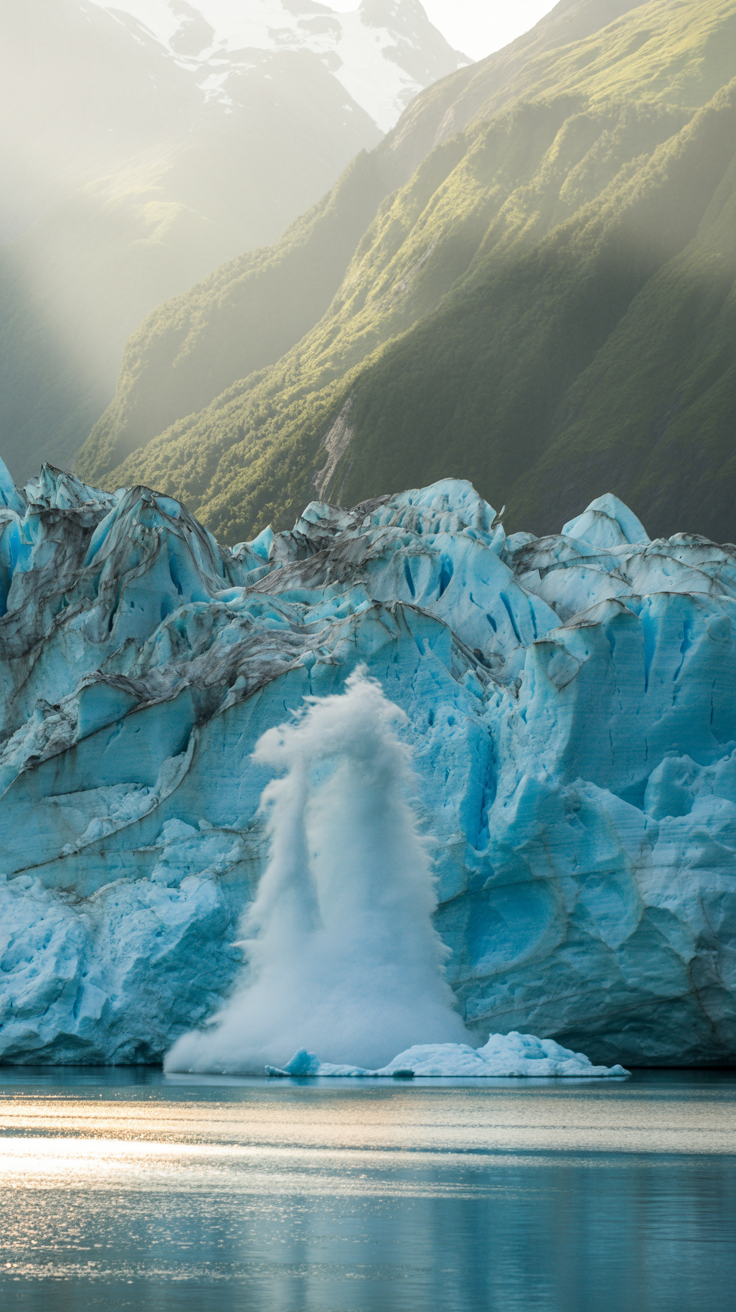
Let’s talk about realistic expectations for viewing glaciers and their spectacular calving displays. Those dramatic photos of massive ice chunks crashing into the ocean? They happen, but they’re not on a schedule. Some days you’ll witness a dozen calving events. Other days you’ll see ice slowly melting. Both experiences are incredible, just different.
The Glaciers
Most tours visit at least two tidewater glaciers. Aialik Glacier is the crowd favorite because it’s active and accessible. Holgate Glacier sits further into the fjords and typically sees fewer boats. Northwestern Glacier requires a longer tour but offers the most dramatic scenery with ice walls reaching 500 feet above the waterline.
Captains will position the boat about a quarter mile from the glacier face—close enough for fantastic photos but far enough to stay safe from waves created by falling ice. They’ll typically idle there for 15-30 minutes, engines off, so you can hear the glacier groaning and creaking.
Wildlife Encounters
The variety of Alaska wildlife you’ll encounter depends heavily on timing and luck, but here’s what you’re most likely to see:
- Humpback whales: Highest sighting probability in June and July when salmon runs bring them into the fjords
- Orcas: Less common than humpbacks but absolutely thrilling when spotted
- Sea otters: Nearly guaranteed sightings, especially in kelp beds near shore
- Steller sea lions: Haul out on specific rocks that captains know well
- Puffins: Peak season is May through August; they nest on cliff faces and bob adorably in the water
- Harbor seals: Often rest on icebergs near glacier faces
- Dall’s porpoises: These speedsters love racing alongside boats
Choosing Your Tour Length
Tours range from four hours to full-day adventures. Here’s the honest breakdown:
4-5 Hour Tours: Cover one glacier (usually Holgate or Aialik) and wildlife viewing along the way. Perfect if you’re on a tight schedule or prone to seasickness. You’ll see plenty but might feel rushed.
6-8 Hour Tours: The sweet spot for most visitors. These venture to multiple glaciers, spend more time in the prime wildlife areas, and include lunch. You won’t feel cheated on experience or exhausted by the end.
8-10 Hour Tours: For serious wildlife enthusiasts and photographers. These extended trips reach Northwestern Glacier and explore more remote corners of the park. Bring snacks because you’ll get hungry even with lunch provided.
What They Don’t Tell You
The Weather Reality
Seward sits in a rain shadow, which sounds nice until you realize it just means the weather is wildly unpredictable. You might leave the dock in sunshine and return in fog. The fjords create their own microclimates. Pack for all conditions even if the forecast looks perfect.
Temperatures on the water run 15-20 degrees cooler than on land. That pleasant 65-degree day in Seward becomes a chilly 45-degree experience once you’re cruising past glaciers at 20 knots with wind in your face.
Seasickness Considerations
The waters inside the fjords stay relatively calm, but the run from Seward to the park entrance crosses open ocean that can get choppy. If you’re susceptible to motion sickness, take medication before boarding. The boats stock ginger candies and seasickness bags, but prevention beats cure every time.
Pro tip: If you start feeling queasy, go outside to the back deck where you can see the horizon. The indoor heated cabins seem appealing but the lack of visual reference makes nausea worse.
Additional Activities Around Seward
If you have extra time before or after your fjords tour, Seward offers several worthwhile activities within easy reach of the harbor.
The Alaska SeaLife Center sits a short walk from the cruise terminal and houses rescued marine mammals and seabirds. It’s excellent for families and takes about two hours to explore thoroughly.
For the more adventurous, Exit Glacier provides accessible glacier viewing from land. This is the only part of Kenai Fjords National Park you can reach by road. The glacier has receded dramatically over recent decades, with markers showing its retreat—a sobering but educational experience.
Bonus Tips Most Guides Won’t Share
- Book tours departing early morning for calmer seas and better light for photography
- The outside decks fill up fast on the side facing glaciers; stake your claim early but be willing to move around
- Bring a waterproof bag for your phone and camera—sea spray is constant
- The onboard bathrooms get busy; time your visits strategically
- Motion sickness medication works best when taken 30-60 minutes before departure, not after you’re already nauseous
- Polarized sunglasses reduce glare off the water and help spot whales beneath the surface
- Download photos immediately after the tour—you’ll want to share them while the experience is fresh
- The crew appreciates tips; 10-15% is standard for good service
- Wear shoes with good traction—boat decks get slippery
- Bring your own snacks if you have dietary restrictions; onboard options are limited
- The best wildlife viewing happens when boats slow down or stop, not while cruising at full speed
- Ask crew members where to position yourself before calving events—they know the best angles
Photography Tips
Your phone camera will work fine for most shots, but if you’re bringing a proper camera, consider these factors:
- A zoom lens (70-300mm range) captures distant wildlife without cropping
- Bring extra batteries—cold temperatures drain them faster
- Use burst mode for whale breaches and glacier calving
- Shoot video clips, not just photos; the sounds of calving glaciers add incredible dimension
- Clean your lens frequently—salt spray creates spots you won’t notice until reviewing photos later
The Truth About Cruise Line Excursions
Yes, booking through your cruise line guarantees the ship will wait if your tour runs late. That protection comes at a premium price and isn’t usually necessary. Local tour operators have been running trips coordinated with cruise schedules for decades. They know exactly when ships depart and plan accordingly.
The bigger issue with cruise line excursions is the crowds. When 150 passengers from your ship pack onto one boat, finding a good viewing spot becomes competitive. The experience feels less like communing with nature and more like fighting for elbow room at a popular restaurant.
Common Questions and FAQ
Can I visit Kenai Fjords National Park without taking a boat tour?
Your options for experiencing the park without a boat tour are extremely limited. Exit Glacier is the only section accessible by road, and while it’s worth visiting, you’ll miss the tidewater glaciers and marine wildlife that make Kenai Fjords special. The park’s defining features exist along the coastline, which requires water access.
What happens if weather cancels my tour?
Tours rarely cancel completely but might adjust routes based on conditions. Fog can obscure glacier views, and high seas might prevent boats from reaching outer fjords. Operators typically offer refunds or rescheduling for complete cancellations. If you’re on a cruise and can’t reschedule, you’ll get your money back, but you’ll miss the experience.
Are the tour boats heated?
Yes, all tour boats have indoor heated cabins with seating and large windows. However, the best viewing and photography happens from outside decks. You’ll want to spend most of your time outside despite the cold, ducking inside periodically to warm up.
How close do boats actually get to whales?
Federal law requires boats to maintain 100 yards from whales. Responsible operators follow these rules strictly. That said, whales don’t follow rules and sometimes approach boats out of curiosity. These encounters are magical but brief—whales do what they want.
Is this tour suitable for young children?
Children who can sit through a 4-6 hour boat ride will enjoy the experience, especially the wildlife. Kids under five often get restless. There are no age restrictions, but consider your child’s attention span and susceptibility to seasickness. Most operators offer discounted children’s rates.
Will I definitely see whales?
No tour can guarantee whale sightings, but success rates run high during summer months—typically 80-90% of tours spot at least one whale species. Puffins, sea otters, and sea lions have near 100% sighting rates. Tour operators never promise specific wildlife because nature doesn’t work that way.
Personal Experience
Our day trip to Kenai Fjords National Park turned out to be the highlight of our entire Alaska cruise. We booked a boat tour right from the dock in Seward, and within an hour, we were surrounded by towering walls of ice and the rumble of glaciers calving into the sea. The captain cut the engines near Aialik Glacier, and we just sat there in complete silence except for the cracking and groaning of the ice. Then a massive chunk broke off with this incredible thunder that echoed across the water. Everyone on deck just stood there with their mouths open.
The wildlife watching was beyond anything we expected. We spotted a pod of orcas hunting near the entrance to the fjords, and later saw humpback whales breaching so close to the boat that we could hear them exhale. The puffins were everywhere, bobbing on the water like little rubber duckies and crash-landing on the rocky cliffs. Our guide pointed out sea otters floating on their backs and a group of Steller sea lions hauled out on the rocks, barking at each other. If you’re stopping in Seward on your cruise, don’t even think about skipping this trip. Just dress in layers because it gets cold out on the water, even in summer, and bring your camera with a full battery.