
Tracy Arm Fjord is a stunning 30-mile glacial fjord near Juneau, Alaska, featuring towering cliffs, cascading waterfalls, and the impressive Sawyer Glaciers. Visitors can witness calving icebergs, spot wildlife including seals, bears, and whales, and navigate through floating ice formations. The fjord is accessible primarily through cruise ship excursions and boat tours.
Quick Facts
| Detail | Information |
|---|---|
| Location | 45 miles south of Juneau in the Tongass National Forest |
| Length | Approximately 30 miles from entrance to glaciers |
| Width | Narrows to just 1/4 mile in some sections |
| Main Attractions | South Sawyer and North Sawyer Glaciers |
| Water Depth | Up to 1,400 feet in some areas |
| Cliff Heights | Granite walls rise 3,000+ feet above water |
| Best Viewing | May through September |
| Access | Cruise ships and smaller boat tours from Juneau |
Want to know more about Alaska cruise ports and what to expect at each destination?
Why Tracy Arm Instead of Other Fjords
Your Alaska cruise itinerary might show Tracy Arm as an alternate to Glacier Bay National Park. Here’s the truth: it’s not actually a downgrade. While Glacier Bay gets more press and requires expensive permits that limit ship access, Tracy Arm delivers an equally dramatic experience with some unique advantages.
The fjord’s narrow passages create an intimate experience that Glacier Bay’s wider expanse can’t match. When those granite walls tower 3,000 feet directly above your ship, you’ll feel like you’ve sailed into another world. The waterfalls seem to multiply after rain, cascading down in silver ribbons that create their own microclimates of mist and spray.
What Your Cruise Line Won’t Tell You
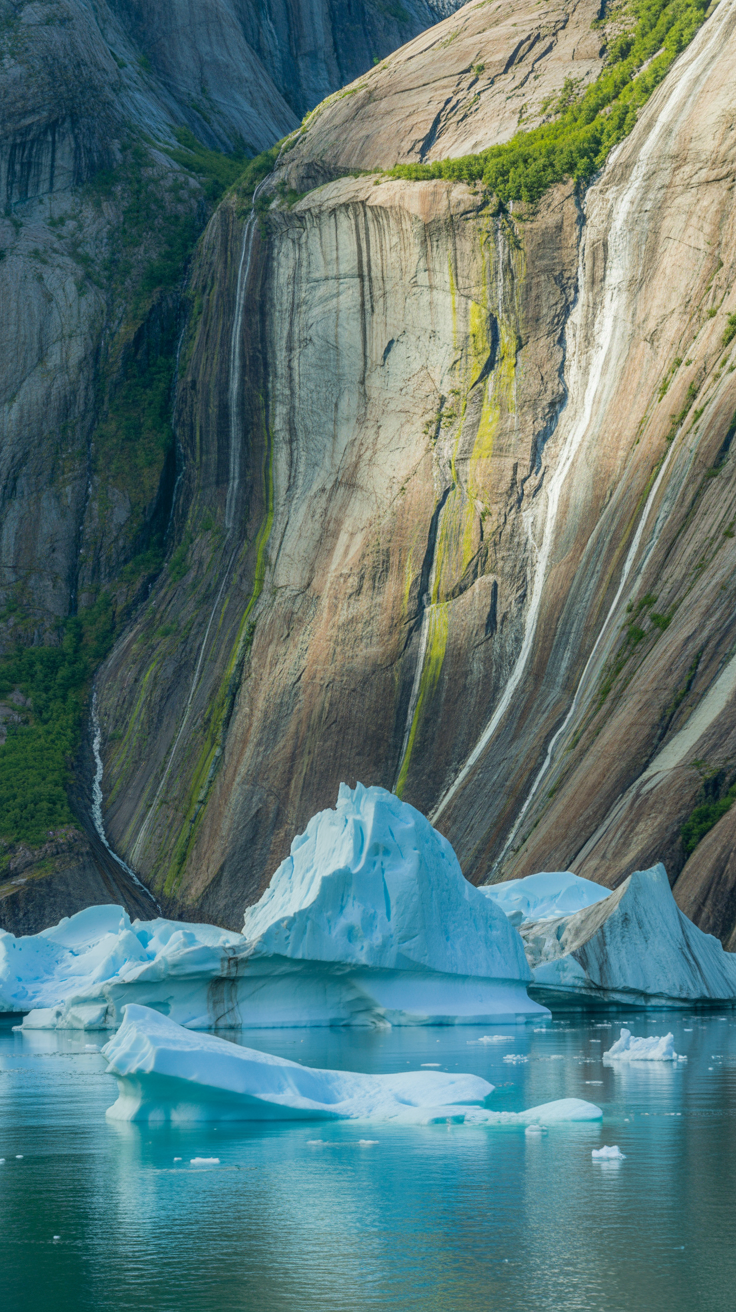
Ice conditions dictate everything in Tracy Arm, and cruise lines don’t finalize the decision until the captain assesses the situation that morning. Some ships will turn around if ice becomes too dense, while others will push through to get closer to the glaciers. This is why you might see Endicott Arm and Dawes Glacier listed as the backup option on your itinerary.
Here’s the insider knowledge: smaller ships often get significantly closer to the glacier face than their massive counterparts. Those expedition vessels carrying a few hundred passengers can navigate tighter ice fields and approach within a quarter mile of South Sawyer Glacier. Large cruise ships typically stop about a mile away, though the view remains spectacular.
The Morning Entry Strategy
Most ships time their arrival for early morning when winds are calmer and wildlife is more active. This means your alarm will ring somewhere between 5:30 and 6:30 AM. Yes it’s painful, but missing this would be like sleeping through the Grand Canyon.
- Set multiple alarms because cabin phone wake-up calls sometimes fail
- The port side typically offers better views heading into the fjord, starboard coming out
- Outdoor decks beat balconies for unobstructed photography and that sense of scale
- The breakfast buffet will be open but far less crowded than usual (grab something quick and head outside)
Understanding the Glaciers
The twin Sawyer Glaciers anchor Tracy Arm’s dramatic conclusion. South Sawyer Glacier is the active celebrity, regularly calving massive chunks of ice into the fjord with thunderous cracks that echo off the granite walls. North Sawyer requires a separate side channel to reach and sees fewer visitors.
That electric blue ice everyone photographs isn’t edited or exaggerated. Dense glacial ice absorbs red wavelengths and reflects blue light, creating colors that seem almost artificial. The phenomenon intensifies in older, more compressed ice, particularly visible in tidewater glaciers like the Sawyer twins.
Calving Events: Patience Required
Ships typically spend 60 to 90 minutes at the glacier face. During this time you might witness anywhere from zero to dozens of calving events where ice breaks off and crashes into the water. There’s no schedule and no guarantee, which actually makes it more exciting when it happens.
The sounds arrive before the visuals: sharp cracks, deep groans, and occasionally a roar like distant thunder. Watch for white “dust” clouds at the glacier’s base, which signal fresh calving. The resulting waves can rock even large ships when significant ice falls.
Wildlife Spotting Guide
Tracy Arm functions as a wildlife highway, and your chances of spotting something memorable run high. Harbor seals steal the show by hauling out on floating icebergs to rest and birth their pups. They prefer smaller ice chunks that provide stability but can quickly slide off if danger approaches.
- Harbor Seals: Nearly guaranteed sightings, especially on ice floes near the glaciers
- Black Bears: Often visible on shore, particularly in late summer during berry season
- Mountain Goats: Look high on cliff faces where they navigate seemingly impossible terrain
- Bald Eagles: Perch in shoreline trees and soar between cliff walls
- Humpback Whales: Sometimes feed near the fjord entrance but rarely venture deep inside
- Orcas: Occasional visitors hunting for seals
Bring binoculars because wildlife often appears at distances where phone cameras prove useless. The ship’s naturalist will announce sightings, but scanning the shoreline yourself often reveals animals before official announcements.
Photography Tips From the Deck
The dramatic scenery practically begs for photos, but the reality involves some challenges. Movement from the ship, glare off water and ice, and the sheer scale of landscapes can frustrate even experienced photographers.
- Shoot in bursts during calving events because the action happens fast
- Include people or the ship’s railing for scale reference (those cliffs and glaciers are bigger than your photos will convey)
- Overcast conditions actually help by reducing harsh shadows and glare
- Bring lens wipes because sea spray coats everything quickly
- Battery life drops in cold temperatures so carry spares in inside pockets
- Waterproof phone cases protect against spray and accidental drops
The ship executes a slow 360-degree turn at the glacier face so both sides get equal viewing time. Don’t panic if you initially claimed the “wrong” side because you’ll get your moment.
What to Wear and Bring
The temperature on deck will shock anyone emerging from their warm cabin. Even summer mornings in Tracy Arm hover around 40-50°F, with wind chill making it feel colder. That breeze cutting through the fjord doesn’t care that it’s technically summer.
Essential Gear
- Multiple layers including a windproof outer shell
- Warm hat that covers ears (baseball caps don’t cut it)
- Gloves for extended time on deck
- Sturdy non-slip shoes (decks get wet from spray and condensation)
- Sunglasses even on cloudy days (glare off ice and water is intense)
- Sunscreen (UV rays reflect off ice and water)
You’ll cycle between too cold on the outer decks and too warm in heated indoor observation areas. Dress in removable layers rather than one heavy coat so you can regulate temperature as you move around.
Comparing Alaska’s Glacier Experiences
Alaska cruises typically include multiple glacier viewing opportunities, each offering different characteristics. Tracy Arm provides the narrow fjord experience, while Hubbard Glacier showcases sheer massive scale as North America’s largest tidewater glacier.
The confined space of Tracy Arm creates acoustic effects that amplify glacier sounds. When ice calves in this natural amphitheater, the crack reverberates off rock walls in surround sound. More expansive glacier locations lack this dramatic audio component.
For those seeking Alaska’s best glacier experiences, Tracy Arm ranks highly for its combination of accessibility, dramatic scenery, and reliable wildlife encounters. The narrow passage and towering cliffs create photograph opportunities that wider fjords simply can’t match.
When Ships Can’t Enter
Ice conditions occasionally prevent ships from reaching the Sawyer Glaciers. This happens more frequently in spring when winter ice still clogs the inner fjord. When Tracy Arm proves impassable, most cruise lines substitute Endicott Arm and its Dawes Glacier, which offers a similar experience about 50 miles south.
You won’t know about changes until the morning of your scheduled Tracy Arm visit. The captain makes the call based on current ice reports and conditions observed during approach. While disappointing if you specifically wanted Tracy Arm, the alternatives provide equally impressive glacier viewing.
Bonus Tips
- The ship’s wake creates mesmerizing patterns when pushing through brash ice (small fragments floating on the surface)
- Waterfalls intensify after rainfall, so a drizzly morning actually enhances the experience
- Hot coffee or tea from the buffet serves double duty warming your hands
- Forward-facing decks often have fewer crowds than side railings
- The ship moves slowly through the fjord, so you have time to go inside and warm up without missing everything
- Staff delivers bridge narration to cabin TVs for those who prefer watching from inside
- Icebergs closer to the ship are often more impressive than the distant glacier face
- The return journey through the fjord looks completely different than the entrance even though it’s the same route
- Your cruise ship will likely be the only large vessel in the fjord creating a sense of exclusive access
Small Boat Tours vs Cruise Ships
Several Juneau-based tour operators run day trips into Tracy Arm on smaller vessels. These tours spend more time in the fjord and can approach closer to the glaciers, but require a full day commitment (typically 8-10 hours) and operate in smaller boats where motion sickness becomes a real consideration.
Cruise ship visits trade proximity for comfort and convenience. You experience Tracy Arm without extra cost, without potential seasickness on smaller boats, and without losing a day you might spend exploring Juneau. For most cruise passengers, the ship-based experience provides the sweet spot of access and comfort.
Common Questions and FAQ
How long does the cruise ship stay in Tracy Arm?
Total time in the fjord runs about 4-5 hours from entrance to exit. Ships spend approximately 60-90 minutes at the glacier face before turning around and making the return journey. The entire experience typically occurs during morning hours.
Will I get seasick in Tracy Arm?
Unlikely. The narrow fjord and surrounding cliffs protect the waterway from ocean swells. Water conditions inside Tracy Arm typically remain calm even when seas outside run rough. This makes it one of the smoothest days of most Alaska cruises.
Can I see the Northern Lights in Tracy Arm?
No. Summer cruise season offers nearly 24-hour daylight in Alaska, making aurora viewing impossible. Northern Lights require winter darkness, but cruise ships don’t visit Tracy Arm during those months due to ice and weather conditions.
Do I need to book a shore excursion?
No. Tracy Arm is a scenic cruising experience, meaning the ship simply transits through the fjord while passengers watch from deck. There are no port stops or separate excursions to book. Everyone onboard gets the same access.
Which side of the ship is better?
Port side typically offers slightly better views heading into the fjord, but it barely matters since ships rotate 360 degrees at the glacier face. Both sides see everything. The bigger choice is outdoor decks versus balcony viewing.
What if I have mobility issues?
Indoor observation lounges provide heated viewing areas with large windows and seating. The Lido deck typically offers accessible viewing areas without stairs. While outdoor decks provide the most immersive experience, you won’t miss the spectacle from inside.
Are there icebergs I can see up close?
Yes. The fjord contains countless icebergs ranging from car-sized chunks to massive bergs as large as buildings. The ship navigates carefully between them, often passing within feet of spectacular ice formations. These close-up icebergs often prove more photogenic than the distant glacier.
Personal Experience
When our cruise ship glided into Tracy Arm Fjord early that morning, I practically pressed my face against the cold glass of our balcony door. The narrow waterway stretched out before us, flanked by granite cliffs that shot straight up from the water, their faces streaked with waterfalls that seemed to appear out of nowhere. I’d read that the fjord could be 20 miles long, but nothing prepared me for how small our massive ship felt threading through this natural corridor. We spotted a few mountain goats clinging to impossibly steep rocks, and our naturalist guide pointed out harbor seals lounging on ice chunks that had calved off from Sawyer Glacier ahead. The deck was freezing, but nobody seemed to care as we all clustered at the railings with our cameras ready.
The real showstopper came when we finally reached the twin Sawyer Glaciers at the fjord’s end. That electric blue color everyone talks about? It’s genuinely that vibrant in person, almost unnatural looking against the white ice and gray rock. We hung around for about an hour, and I learned quickly that patience pays off – we heard several thunderous cracks as chunks of ice broke off and crashed into the water below. My best tip would be to dress in serious layers and claim your spot on the outer decks early, preferably on the port side going in. The ship does a slow 360-degree turn so everyone gets photos, but being outside instead of behind glass makes all the difference when you’re trying to capture the scale of everything.