
The Anan Bear Observatory, accessible from Wrangell, Alaska, offers exceptional opportunities to observe both black and brown bears fishing for salmon at Anan Creek. Located in the Tongass National Forest, this premier wildlife viewing site requires permits and features a covered observation deck and elevated photo blind for safely watching bears in their natural habitat.
Quick Facts
| Detail | Information |
|---|---|
| Location | 30 miles southeast of Wrangell in Tongass National Forest |
| Best Viewing Season | July through mid-September (peak salmon run) |
| Daily Permit Limit | 60 visitors per day |
| Access Methods | Floatplane (25 minutes) or boat (90 minutes) |
| Typical Excursion Duration | 4-5 hours total |
| Permit Cost | $10 per person (plus transportation) |
| Bear Species | Black bears (primary) and brown bears |
Want to know more about Alaska cruise ports and planning your Alaska adventure?
Why Anan Is Special Among Alaska Bear Viewing Sites
Unlike some bear viewing locations where you’re observing from hundreds of yards away, Anan puts you remarkably close to the action. The covered observation platform sits just 60 feet from Anan Creek, where black bears in Alaska congregate during the salmon runs. What makes this spot unique is the sheer density of bears—on a good day you might see a dozen or more bears fishing simultaneously.
The site also features a half-mile trail through old-growth rainforest to reach the viewing areas, which means you’re not just getting bear viewing but an immersive forest experience. The elevated photo blind (which requires an additional permit and costs $50) offers even better vantage points for photographers willing to invest in the premium experience.
Planning Your Visit from Wrangell
Most cruise passengers discover Wrangell, Alaska as a quieter alternative to busier ports, and Anan represents one of the premier things to do in Wrangell during your stop. The challenge is logistics and permits, which book up fast during peak season.
Securing Your Permits
- Permits become available through Recreation.gov exactly six months in advance
- Set a calendar reminder because popular dates sell out within hours of becoming available
- Many Wrangell shore excursions bundle permits with transportation, which simplifies planning
- If you miss out on permits, some tour operators hold blocks of permits they release closer to the date
Transportation Options
You have two main choices for reaching Anan from your cruise ship:
- Floatplane: The fastest option at 25 minutes each way. More expensive but maximizes your viewing time and offers spectacular aerial views. Expect to pay $350-450 per person for the complete package.
- Jet boat: Takes about 90 minutes each way through stunning coastal scenery. Less expensive at $250-350 per person and some people find it more comfortable than small planes.
Here’s the insider tip nobody tells you: floatplane trips can be bumpy and weight-restricted. If you’re prone to motion sickness or traveling with camera equipment, factor this into your decision. The boat ride is smoother but means less time at the observatory itself.
What to Expect at the Observatory
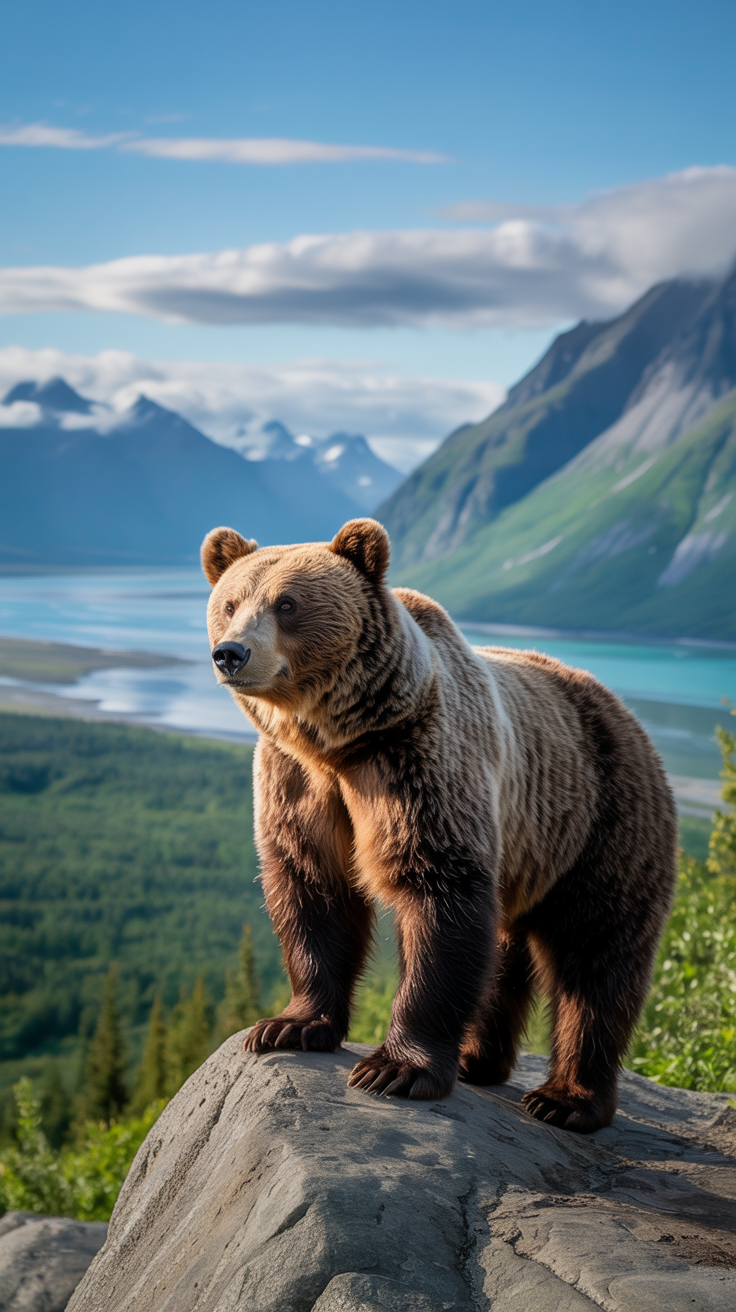
The Forest Service maintains two main viewing areas at Anan. The covered observation deck accommodates most visitors and provides excellent views of the primary fishing area. The elevated photo blind sits higher and farther upstream, offering different angles and typically fewer people.
Forest Service personnel or trained volunteers are always present during visiting hours. They enforce safety protocols, answer questions, and help spot wildlife you might otherwise miss. This isn’t a zoo—the brown bears and black bears are completely wild and behaving naturally.
Bear Behavior and Viewing Tips
- Early season (July) brings fewer bears but they’re often hungrier and more active
- Peak season (late July through August) offers the highest bear concentrations
- September can be excellent with fewer crowds but weather becomes less predictable
- Black bears dominate the creek during daytime hours; brown bears typically appear early morning or evening
- Watch for “snorkeling” behavior where bears put their whole head underwater to spot fish
Beyond Bears: The Complete Wildlife Experience
While bears rightfully steal the spotlight, Anan Creek supports an entire ecosystem worth appreciating. The salmon run attracts bald eagles by the dozens, and you’ll likely see them perched in surrounding trees waiting to scavenge leftovers from bear catches. Harbor seals patrol the lower creek hoping to grab salmon before bears do.
The Alaska wildlife viewing opportunities extend to the forest itself. Watch for Sitka black-tailed deer along the trail and listen for varied thrushes and Pacific wrens in the canopy. If you’re exceptionally lucky, you might spot river otters playing in the creek.
Comparing Anan to Other Alaska Bear Viewing
How does Anan stack up against other famous bear viewing locations? If you’re considering Kodiak brown bear viewing or Homer bear viewing excursions, here’s the honest comparison:
- Anan advantage: More intimate setting with closer views and better for black bear photography
- Anan limitation: Fewer brown bears than locations like Katmai or Geographic Harbor
- Accessibility: Easier to incorporate into a cruise itinerary than remote locations requiring overnight stays
- Cost: Middle of the road—more expensive than roadside viewing, less than premium fly-out locations
Practical Considerations and Challenges
Let’s address the potential hiccups because they’re real and worth planning for.
Weather Dependency
Southeast Alaska weather can ground floatplanes or make boat travel uncomfortable. Tour operators typically won’t cancel unless conditions are genuinely unsafe, but if you’re expecting a sunny day, adjust your expectations. Rain is common and shouldn’t prevent the trip—bears fish regardless of weather.
Physical Requirements
The half-mile trail to the observation areas involves uneven terrain, stairs, and boardwalks that can be slippery when wet. It’s not technically difficult but isn’t wheelchair accessible. Most moderately fit people handle it fine, but if mobility is a concern, discuss this with your tour operator beforehand.
Time Constraints
Your cruise ship’s schedule dictates everything. Anan excursions typically require 4-5 hours minimum, and ships need to be in port long enough to accommodate this. Check your specific itinerary carefully—some Wrangell stops are too brief for an Anan trip.
Bonus Tips From Experienced Visitors
- Bring snacks and water—there are no facilities at Anan beyond basic outhouses
- Wear rubber boots if the tour operator provides them; the trail can be muddy
- Memory cards fill up fast—bring extras or clear space beforehand
- Battery life drains quickly in cold weather; keep spare camera batteries warm in an inside pocket
- Polarizing filters help cut glare off the water for better fish and bear photography
- Book the earliest departure time available for better lighting and more active bears
- Consider sea sickness medication if taking the boat, even if you don’t typically get seasick
- The photo blind permit is worth it for serious photographers but overkill for casual visitors
- Don’t wear bright colors or strong scents—you want to minimize any potential bear awareness of your presence
- Ask your guide about bear identification; learning to recognize individual bears adds depth to the experience
What If You Can’t Get Permits?
Permits sold out before you could book? You have alternatives. Wrangell offers other bear viewing opportunities that don’t require permits, though they’re generally less reliable. Some tour operators run trips to nearby streams where bears fish, and while not as concentrated as Anan, you might still get lucky.
You can also explore other shore excursions in Wrangell that showcase different aspects of Southeast Alaska wilderness. The town offers excellent kayaking, hiking, and cultural experiences that make for memorable alternatives.
Photography Strategies
Serious photographers should know that Anan presents specific challenges and opportunities. The covered observation deck limits movement, so bring a lens that offers flexibility. A 100-400mm zoom or similar range works well for most situations.
- Fast shutter speeds (1/1000 or faster) freeze the action when bears catch fish
- Shoot in burst mode to capture the perfect moment in fast sequences
- Overcast days actually provide better lighting than harsh sun for bear photography
- Position yourself where bears move toward you rather than parallel for more engaging compositions
- Include environmental context occasionally rather than just tight portraits
Common Questions and FAQ
Can I visit Anan independently without a tour?
Technically yes, if you secure permits and arrange your own floatplane or boat charter, but this typically costs more than joining an organized tour. Independent visitors still need Forest Service permits and must follow all regulations.
What happens if we don’t see any bears?
While bear sightings are common during salmon runs, wildlife viewing never comes with guarantees. Tour operators can’t offer refunds for no-shows by wildlife. That said, complete bear absence is rare during peak season—most visits see at least a few bears.
Are children allowed at Anan?
Yes, children of all ages can visit with appropriate supervision. However, the experience requires patience and quiet behavior that very young children might struggle with. Most tour operators recommend ages 8 and up for maximum enjoyment.
How close do bears come to the viewing platforms?
Bears regularly fish directly below the observation deck at distances of 50-75 feet. Occasionally bears pass even closer on the trail, though Forest Service staff manage these situations carefully. You’re never in direct contact but you’re definitely close enough for excellent viewing and photography.
What’s the cancellation policy if weather prevents the trip?
Most tour operators offer rescheduling or refunds if weather forces cancellation, but policies vary. Book with operators who clearly state their weather cancellation terms. Your Forest Service permit fee itself is non-refundable regardless of weather.
Do I need hiking boots?
Sturdy footwear is essential but full hiking boots aren’t necessary. Waterproof shoes or rubber boots work best. Some operators provide rubber boots since the trail and platforms can be wet and muddy.
Can we bring food to eat while watching bears?
Yes, but strict rules apply. All food must remain in your possession at all times and packed out completely. Never leave any food waste or wrappers. The Forest Service takes food storage seriously in bear country.
Personal Experience
Visiting Anan Bear Observatory during our Wrangell stop turned out to be one of those experiences you just can’t replicate anywhere else. We booked our permits months in advance through the Forest Service, which was totally necessary since they only allow a limited number of visitors each day. The floatplane ride over was stunning, and once we arrived, the guides walked us to the viewing platforms overlooking Anan Creek. Within minutes, we spotted our first black bear wading into the water to snatch pink salmon heading upstream to spawn. The bears were so focused on fishing that they barely seemed to notice us watching from the safe distance of the elevated platforms.
What really struck me was how active everything was. Bears weren’t the only stars of the show – we saw eagles swooping down for fish, seals popping up in the water, and even caught a glimpse of a brown bear in the distance. The guides were incredibly knowledgeable and helped us understand the bears’ behavior and the whole ecosystem at work. My best tip is to bring layers and rain gear no matter what the forecast says, plus a good zoom lens or binoculars if you have them. The whole excursion takes about four hours, and honestly, it flew by. Just remember that this is truly wild Alaska, so sightings can never be guaranteed, but the setting alone makes it worth the trip.