
Fairbanks, located in Alaska’s interior, offers exceptional northern lights viewing from late August through April due to its position beneath the aurora oval. The city provides various viewing options including guided tours, hot springs resorts, and remote lodges. Clear, dark skies and minimal light pollution make Fairbanks one of North America’s premier aurora borealis destinations.
Quick Facts
| Detail | Information |
|---|---|
| Best Viewing Season | Late August through April |
| Peak Activity Hours | 10 PM to 2 AM |
| Average Temperature (September) | 30-50°F |
| Distance from Cruise Ports | 350+ miles from coastal ports |
| Minimum Stay Recommended | 3-4 nights for best viewing odds |
| Aurora Viewing Success Rate | 80% over 3+ nights in winter |
Want to know more about Alaska cruise tour combinations that include interior destinations?
Connecting Your Cruise with Fairbanks Aurora Viewing
Here’s what most cruise passengers don’t realize: the standard Alaska cruise season runs May through September, but the northern lights don’t really show up until late August when darkness returns. This creates a narrow window if you want both experiences in one trip. September Alaska cruises offer your best bet for combining a cruise with aurora viewing, though you’ll need to add pre or post-cruise days in Fairbanks.
The logistics matter more than most travel agents let on. Fairbanks sits inland, requiring either a flight from Anchorage (about 45 minutes) or a train/bus combo that takes considerably longer. Most cruise passengers tack Fairbanks onto the end of their trip, flying from their disembarkation port to Fairbanks for 3-4 nights before heading home.
Transportation Options from Cruise Ports
- From Seward or Whittier: Take the Alaska Railroad to Anchorage, then fly to Fairbanks (total time: 5-6 hours)
- From Anchorage: Direct flights run multiple times daily (45 minutes)
- Overland option: The Parks Highway drive takes 6-7 hours but offers stunning scenery and wildlife viewing opportunities
- Pre-packaged cruise tours: Many lines offer “cruisetours” that handle all logistics for you
Where to Actually See the Northern Lights
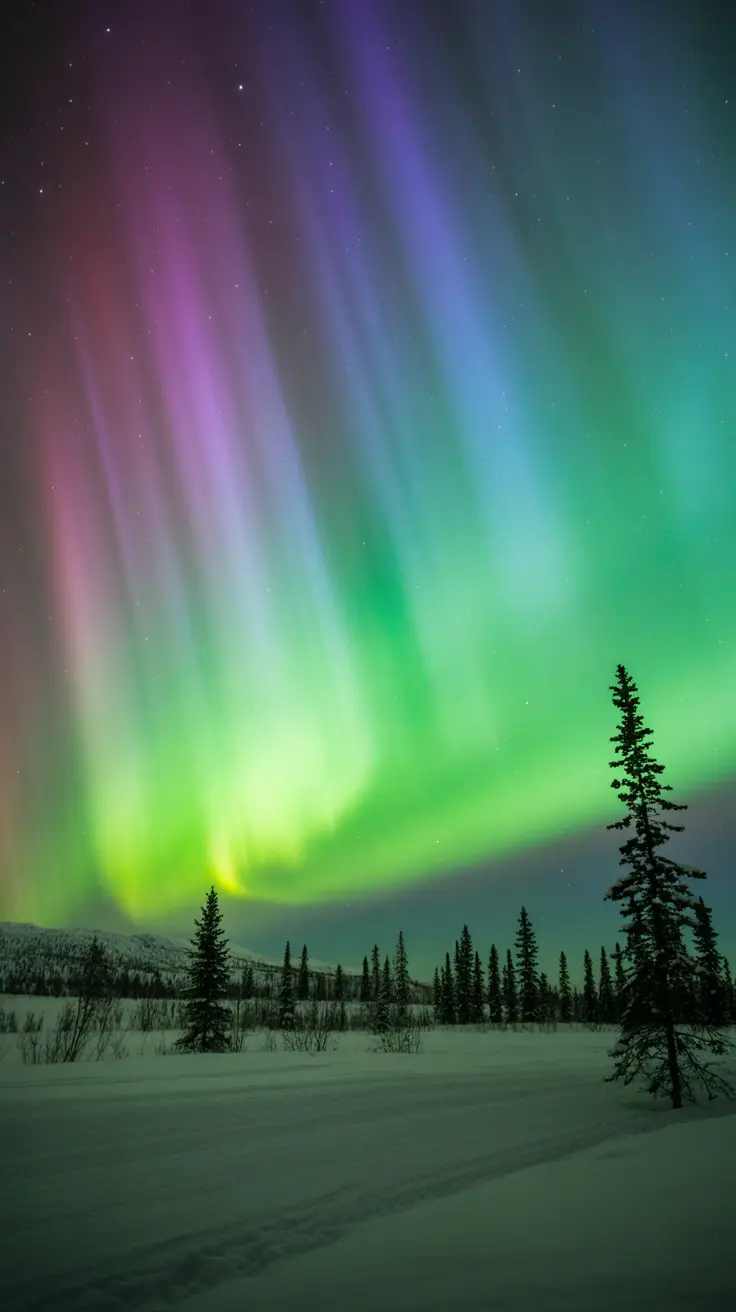
Downtown Fairbanks works in a pinch, but you’re not maximizing your chances. The city produces enough light pollution to dull the show. Smart aurora hunters position themselves 20-40 miles outside town where darkness rules and skies open up properly.
Top Viewing Locations
- Chena Hot Springs Resort: Soak in 106°F water while watching green lights dance overhead (60 miles from Fairbanks)
- Cleary Summit: Free public viewing area 20 miles north with minimal facilities but maximum darkness
- Murphy Dome: Local favorite with good road access and elevated position
- Aurora viewing lodges: Purpose-built accommodations with wake-up calls when auroras appear
The heated viewing pods at Chena Hot Springs deserve special mention. You can rent these glass-roofed cabins for a few hours, keeping warm while the sky performs. Much better than shivering outside for hours, which gets old fast when temperatures drop below freezing.
Essential Viewing Tips from Someone Who’s Been There
Photography looks simple in everyone’s Instagram posts, but capturing the northern lights requires specific settings. Your phone won’t cut it unless it has a serious night mode. Most visitors wish they’d known this before arriving.
Camera Settings That Actually Work
- Manual mode required (auto won’t work)
- ISO 1600-3200
- Aperture f/2.8 or wider
- Shutter speed 5-15 seconds
- Manual focus set to infinity
- Tripod absolutely essential
- Spare batteries (cold drains them fast)
What to Wear When It’s Actually Cold
Late August and September nights hover around 30-40°F. Sounds manageable until you’re standing still for hours. Winter viewing (December through March) brings temperatures from 0°F to -40°F. This isn’t “throw on a jacket” cold.
- Multiple thin layers beat one thick jacket
- Hand and toe warmers (bring double what you think you need)
- Insulated boots rated to -40°F for winter viewing
- Neck gaiter and face mask for extreme cold
- Two pairs of gloves: thin ones for camera work, heavy ones for staying warm
Understanding Aurora Forecasts
The KP index measures geomagnetic activity on a scale from 0-9. In Fairbanks, you can see auroras at KP 0-1 on clear nights because of your position under the oval. Higher KP numbers mean more intense displays and visibility farther south. Apps like “My Aurora Forecast” give real-time predictions, though nature doesn’t always cooperate with the math.
Clear skies matter more than high KP numbers in Fairbanks. A KP 2 night with crystal clear conditions beats a KP 5 night with clouds every time. Check weather forecasts obsessively, and don’t be afraid to drive an hour in different directions chasing clear skies.
Practical Challenges Nobody Mentions
The northern lights don’t punch a time clock. Peak viewing happens between 10 PM and 2 AM, which sounds reasonable until you’re on night three running on minimal sleep. Aurora viewing lodges offer wake-up calls, but that means interrupted sleep followed by stumbling outside in sub-zero temperatures.
The Waiting Game
Even with Fairbanks’s excellent statistics, some visitors see nothing. Cloud cover blocks even the most spectacular solar storms. A three-night stay gives you roughly 80% odds of at least one clear night with aurora activity. Two nights drops your chances considerably. Budget four nights if you can manage it.
Cost Realities
Adding Fairbanks to your cruise adventure isn’t cheap. Budget breakdown for a typical extension:
- Flights from Anchorage: $150-300 per person
- Accommodation (per night): $100-400 depending on location and amenities
- Guided aurora tours: $75-150 per person
- Rental car for DIY viewing: $70-100 per day
- Food and activities: $50-150 per person daily
Beyond the Lights: Making the Most of Fairbanks
Since you’ll spend daylight hours waiting for darkness, things to do in Fairbanks become important. The University of Alaska Museum of the North provides excellent context about auroras and Alaska’s natural history. Pioneer Park offers quirky historical exhibits. A riverboat cruise on the Chena River fills an afternoon pleasantly.
Dog mushing demonstrations happen year-round at various kennels outside town. These aren’t tourist traps – many mushers train serious racing dogs and genuinely enjoy sharing their lifestyle. September visitors might catch early season training runs.
Combining Cruises with Northern Lights Tours
Several cruise lines package northern lights cruises with interior Alaska extensions. These “cruisetours” handle logistics but cost more than DIY arrangements. The trade-off is simplicity – everything’s booked, transportation arranged, and you don’t risk missing connections.
Independent travelers save money but shoulder all planning responsibility. Book Fairbanks accommodations well in advance for September (popular month) and winter peak season (December-March). Last-minute availability outside town gets scarce.
Science Behind the Show
Understanding what you’re watching makes the experience richer. Northern lights in Alaska occur when charged particles from the sun collide with gases in Earth’s atmosphere. Oxygen produces green (most common) and red colors. Nitrogen creates blue and purple hues. The “oval” shape of aurora activity explains why Fairbanks sits in such a sweet spot – you’re directly underneath the zone where these collisions happen most frequently.
Solar storms take 2-3 days to reach Earth after leaving the sun. When space weather forecasts predict strong solar activity, aurora watchers get excited because big shows might be coming. The sun follows an 11-year cycle of activity, with peak years producing more frequent and intense displays.
Bonus Tips
- Red lights only: Use red cellophane over flashlights to preserve night vision while checking camera settings
- Battery backup: Keep spare camera batteries warm inside your jacket – cold kills them in minutes
- Book refundable accommodations: If forecasts show week-long cloud cover, you can pivot to plan B
- Join aurora alerts: Many lodges and tour operators text guests when lights appear
- Lower expectations for photos: Cameras capture long exposures that look more dramatic than what your eyes see in real-time
- Download offline maps: Cell service gets spotty outside Fairbanks
- Gas up before heading out: Remote viewing areas have no services
- Bring hot beverages: A thermos of coffee or cocoa makes waiting more pleasant
- Check road conditions: Alaska 511 provides updates on highway conditions
- Consider travel insurance: Weather-related delays happen frequently in Alaska
Common Questions and FAQ
Can I see northern lights from the cruise ship itself?
Extremely unlikely during standard cruise season (May-September) because of extended daylight hours. Even late September sailings in Inside Passage waters don’t get dark enough, and you’re too far south. Northern lights require true darkness and positioning under the aurora oval, which means getting inland to Fairbanks.
Is September too early for good aurora viewing?
Late September offers decent chances once darkness returns, though activity picks up more in October and November. You’re balancing cruise availability against aurora season – September represents the compromise month where both are possible.
Do I need to book aurora tours or can I go alone?
DIY viewing works fine if you have a rental car and don’t mind staying up late monitoring forecasts. Tours provide transportation, hot drinks, heated shelters, and guides who know where to position for best views. First-timers often appreciate the guided experience, while return visitors frequently go independent.
What happens if weather doesn’t cooperate?
Clouds block everything, and Alaska weather changes unpredictably. This is why minimum three-night stays make sense – you’re playing the odds. No refunds for cloudy skies, unfortunately. Some tours offer “try again tomorrow” options if conditions are poor.
Are summer midnight sun cruises better than aurora-season trips?
Different experiences entirely. Summer offers 20+ hours of daylight, warm weather, and full cruise season amenities. Aurora season brings cold, darkness, and magical light shows but fewer cruise options. Choose based on what interests you more – neither is objectively “better.”
How much does adding Fairbanks to a cruise actually cost?
Budget $800-1500 per person minimum for a basic three-night extension including flights, modest accommodations, and a couple of tours. Luxury lodges and longer stays push costs to $2000-3000+ per person. DIY arrangements cost less than packaged cruisetours but require more planning effort.
Personal Experience
We booked our Alaska cruise for late August specifically so we could add a few days in Fairbanks at the tail end of the trip. Everyone kept telling us that late August through early April gives you the best shot at seeing the northern lights, and they weren’t wrong. The key is getting there when the nights are actually dark enough – summer’s midnight sun is beautiful, but it washes out any chance of aurora viewing. We stayed at a lodge about 30 minutes outside of town to escape the city lights, and our guide explained that Fairbanks sits right under the aurora oval, making it one of the most reliable spots on Earth for catching the show. On our second night, around 11 PM, the sky started dancing with green ribbons that eventually exploded into curtains of light. It was cold – we’re talking 40 degrees in late August – but worth every shiver.
The timing worked out perfectly because we got to experience both the cruise and the northern lights without feeling rushed. Most cruise lines end their Alaska season in September, so if you want to do both, aim for that sweet spot in late August or early September when cruises are still running and aurora activity picks up. Bring layers, download an aurora forecast app, and don’t expect it to happen on your schedule. We met couples who had been there a week without seeing anything, while we lucked out on night two. That’s just how it goes with nature – patience and a bit of luck make all the difference.