
Alaska cruise brochures often omit key details like unpredictable weather requiring layered clothing, potential for seasickness in open waters, crowded ports during peak season, additional costs for excursions and gratuities, limited time at each destination, and the possibility of itinerary changes due to weather conditions. Glaciers may appear smaller than expected, and wildlife sightings aren’t guaranteed despite marketing imagery.
Quick Facts: What They Don’t Tell You
| Brochure Claims | The Real Deal |
|---|---|
| Affordable vacation package | Base fare is just the start; expect $100-200+ per day in extras |
| Sunny deck photos | Average temps 45-65°F with frequent rain |
| Intimate port visits | Up to 5 ships docking simultaneously at popular ports |
| Guaranteed wildlife | Nature doesn’t follow a schedule |
| Spacious cabins | Inside cabins average 150-180 square feet |
| All-inclusive experience | Shore excursions, specialty dining, drinks, and gratuities cost extra |
Want to know more about Alaska’s unique attractions and experiences?
The Money Talk Nobody Wants to Have
Let’s address the elephant in the cabin: that advertised price is essentially a teaser rate. Your cruise fare covers your room, basic meals, and transportation between ports. Everything else? That’s extra.
Hidden Costs to Actually Budget For
- Shore excursions: $150-400 per person per port, and you’ll visit 3-5 ports
- Gratuities: $14-18 per person per day, often auto-charged to your account
- Alcoholic beverages: $8-15 per drink (beverage packages run $50-80 per day)
- Specialty dining: $25-75 per person per meal
- WiFi: $15-30 per day for reliable connection
- Photos: Professional cruise photographers charge $20-30 per digital image
- Spa services: Often double what you’d pay on land
A realistic budget includes an additional $150-250 per person per day beyond your cruise fare. That “affordable” $699 per person cabin suddenly becomes a $2,500+ vacation when you factor in the actual cost of experiencing Alaska.
Weather Roulette: Dress for All Four Seasons
Those brochure photos showing passengers in shorts sipping cocktails on sunny decks? They represent about 20% of your actual experience. Southeast Alaska’s Inside Passage is a temperate rainforest. The clue is right there in the name.
What to Actually Pack
- Waterproof rain jacket with hood: Non-negotiable, and buy it before you board
- Layering pieces: Thermal base layer, fleece mid-layer, waterproof outer layer
- Waterproof pants: Seriously, not just for hiking excursions
- Warm hat and gloves: Even in summer, glacier viewing is cold
- Waterproof hiking boots: Sneakers won’t cut it on shore excursions
- Binoculars: Wildlife doesn’t pose close-up for your iPhone
The temperature might read 55°F, but add wind and rain and it feels like 45°F. Then you’ll walk into a heated ship corridor and immediately overheat. Layers aren’t a suggestion; they’re survival gear.
The Crowd Factor: Tourist Traffic Jams at Sea
Picture this: You dock at charming Skagway, population 1,100. But this morning four other cruise ships also arrived, depositing 12,000 tourists into a town with one main street. The “authentic Alaska experience” suddenly feels like Disney World during spring break.
Popular ports like Juneau, Ketchikan, and Skagway can host multiple mega-ships simultaneously. That quaint salmon bake excursion? You’re sharing it with 200 other people. The scenic train ride? Booked solid months in advance.
Strategies to Escape the Masses
- Book shore excursions immediately when your cruise line opens reservations (typically 90-120 days before sailing)
- Choose the earliest or latest excursion times when most passengers are still eating or already back on ship
- Consider booking independent tours through local operators rather than ship-sponsored excursions
- Walk away from the port area; even 10 minutes gets you beyond the jewelry store gauntlet
- Research common scams and pitfalls when booking Alaska shore excursions
For deeper insights into planning your trip, check out this comprehensive guide for first-time Alaska cruisers.
The Itinerary Is More Like a Suggestion
Weather, tides, and mechanical issues can alter your carefully planned itinerary. That glacier viewing in College Fjord might get swapped for a different fjord. Your scheduled stop at Glacier Bay could be replaced with Hubbard Glacier. The cruise line’s contract specifically states they can change ports without compensation.
This isn’t necessarily bad—Alaska’s natural beauty is stunning everywhere—but if you booked specifically to see Glacier Bay or had your heart set on a particular port, you might be disappointed. Always have a backup plan and flexible expectations.
Glaciers: Managing Your Expectations
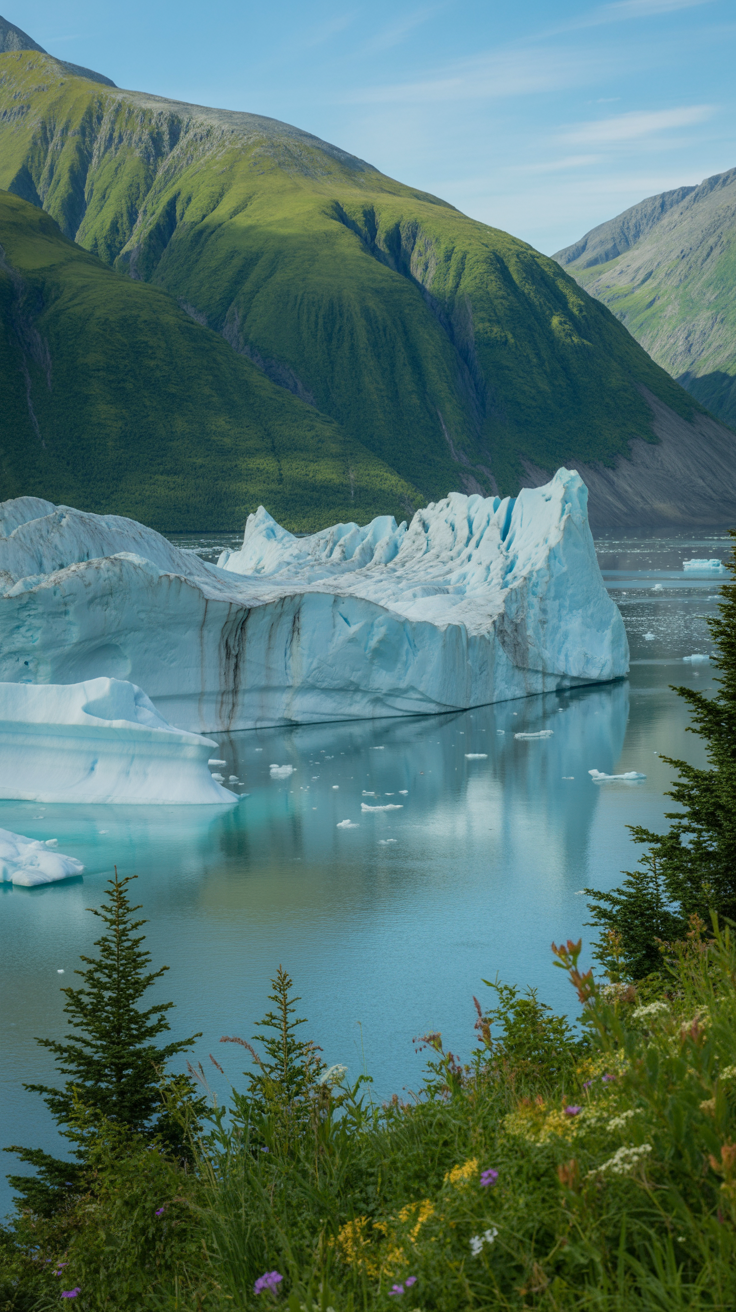
Brochures show towering walls of blue ice with massive chunks calving into the sea. Sometimes you’ll witness exactly that. Other times you’ll squint at a distant white mass while a park ranger assures you it’s very impressive.
Glaciers are also receding. That “tidewater glacier” that once reached the ocean might now end a mile inland. It’s still spectacular, but photos from a decade ago set unrealistic expectations. The experience remains worthwhile—just understand that nature operates on its own schedule, not your Instagram expectations.
Wildlife Watching: No Guarantees in Nature
Marketing materials overflow with breaching whales, bear cubs, and bald eagles. These animals absolutely exist in Alaska, but they didn’t sign contracts with your cruise line. Some sailings spot dozens of whales; others see none.
Improving Your Odds
- Book your cruise during peak wildlife season (late May through early September)
- Choose whale watching excursions with small boats rather than ship-based viewing
- Bring legitimate binoculars (10×42 minimum); phone cameras miss distant wildlife
- Stay alert during scenic cruising rather than napping in your cabin
- Book bear viewing excursions in areas with established bear populations
The disappointment comes from expecting guaranteed sightings. Think of wildlife as a bonus rather than a promise.
Cabin Confusion: Size Matters
That interior cabin looks spacious in photos with its clever angles and wide-angle lenses. In reality, you’re looking at 150-180 square feet—smaller than many walk-in closets. Two people, luggage, and a week’s worth of layers for unpredictable weather make these spaces feel microscopic.
Cabin Selection Reality Check
- Interior cabins: Cheapest option but no natural light and genuinely tiny
- Oceanview cabins: Small window provides light but view might be obstructed by lifeboats
- Balcony cabins: Worth the upgrade for Alaska; you’ll spend time watching scenery
- Location matters: Midship cabins on lower decks have less motion; bow and stern amplify movement
If you’re prone to seasickness, don’t let brochures convince you the Inside Passage is always calm. While generally protected, sections like the Gulf of Alaska can get rough. Pack medication even if you’ve never needed it before.
The Cultural Experience They Skim Over
Brochures mention Alaska Native culture in passing, usually with a totem pole photo. But Alaska’s Indigenous heritage deserves more than a gift shop visit. The Tlingit, Haida, Tsimshian, and other Alaska Native peoples have lived here for over 10,000 years.
Take time to learn about Alaska’s Native cultures and their continuing traditions. Specifically, understanding Tlingit culture and its significance in Southeast Alaska adds meaningful context to your journey.
Similarly, Alaska’s Gold Rush history shaped modern Alaska in ways that go far beyond the tourist narrative. These stories make your port visits infinitely more interesting than another jewelry store stop.
Dining: The Fine Print
Your cruise includes meals, but “included” comes with asterisks. The main dining room and buffet are covered. The Italian specialty restaurant, steakhouse, and sushi bar cost extra. Even the “included” venues might charge for certain items like lobster or premium desserts.
Dining Strategy
- Main dining room food quality often exceeds the buffet
- Specialty restaurants charge $25-75 per person but offer better food and service
- Room service typically includes a delivery fee
- Coffee and tea are free; specialty coffee drinks cost $5-8
- Check if your cruise line offers specialty dining packages booked in advance
Bonus Tips: Things Nobody Mentions
- Download offline maps: Cell service is sporadic and expensive in Alaska
- Bring a power strip: Cabins have limited outlets for all your devices
- Pack seasickness bands or medication: Even calm waters affect some people
- Bring your own alcohol: Most cruise lines allow one bottle of wine per person at boarding
- Book early for popular excursions: Helicopter tours and dog sledding fill up months ahead
- The fitness center is empty during port days: Best time to work out if you skip an excursion
- Laundry services are expensive: Pack enough clothes or use self-service laundry if available
- Alaska doesn’t get properly dark in summer: Bring a sleep mask for midnight sun
- Tipping guides separately: Shore excursion guides aren’t covered by prepaid gratuities
- Currency is US dollars everywhere: No need to exchange money
- Avoid the jewelry store pitch: Port shopping talks are sales presentations, not cultural education
Learn from others by reviewing the most common Alaska cruise mistakes and how to avoid them.
The Upside: What Makes It Worth It
Despite all these realities, Alaska cruises deliver experiences you can’t get elsewhere. Watching a glacier calve sends vibrations through your chest. Spotting a humpback whale breach 50 feet from your ship creates memories that last forever. The midnight sun painting mountains in golden light is genuinely magical.
The key is going in with accurate expectations and a realistic budget. Alaska is expensive, crowded, and unpredictable. It’s also breathtaking, wild, and absolutely worth experiencing. Just do it with your eyes open to the realities that brochures conveniently forget to mention.
Common Questions and FAQ
Do I really need trip insurance for an Alaska cruise?
Yes, especially if you’re booking far in advance or have any health concerns. Weather-related itinerary changes are common, and if you need to cancel for medical reasons without insurance, you’ll lose most of your payment. Look for policies that cover medical evacuation—helicopter rescue in remote Alaska is extraordinarily expensive.
Can I see the Northern Lights on a summer Alaska cruise?
Extremely unlikely. Summer cruises operate during Alaska’s midnight sun season when it barely gets dark. Northern Lights require darkness and peak during winter months when cruise ships aren’t operating. If aurora viewing is your priority, visit Alaska in winter via land-based travel.
Should I book excursions through the cruise line or independently?
Both options have merits. Cruise line excursions cost more but guarantee the ship won’t leave without you if your tour runs late. Independent tours offer better prices, smaller groups, and often more authentic experiences, but you assume all responsibility for getting back to the ship on time. For first-timers, cruise line excursions provide peace of mind.
What happens if the ship can’t dock due to weather?
The port gets skipped entirely, or you’ll tender to shore using small boats if conditions allow. You’re not entitled to refunds for missed ports due to weather. This is why port-intensive itineraries carry risk—one weather day could eliminate a port you specifically booked to see.
Is seasickness really a concern in the Inside Passage?
The Inside Passage is generally calm because you’re traveling between islands and the mainland, protected from open ocean. However, some sections expose you to rougher water, and even protected waters can get choppy. If you’re sensitive to motion, book a midship cabin on a lower deck and bring medication just in case.
How much cash should I bring?
Minimal. Everything on the ship charges to your cabin account. In ports, most places accept credit cards. Bring small bills for tipping excursion guides or buying from local vendors at markets. $200-300 in cash covers most situations.
Do I need a passport for an Alaska cruise?
It depends on your itinerary. Round-trip cruises from Seattle visiting only Alaska ports technically don’t require passports for U.S. citizens (government-issued ID and birth certificate suffice). However, if your cruise visits Canadian ports or you need to fly home from an emergency, you’ll need a passport. Get one anyway—it’s not worth the risk.
Personal Experience
Last summer, I finally booked that Alaskan cruise I’d been dreaming about for years. The brochure showed sunny decks and pristine glacier views, but nobody mentioned I’d need to budget an extra $800 per person for excursions if I actually wanted to see anything beyond the port gift shops. Those whale watching tours and glacier hikes? All separate charges. And the “oceanview” cabin they advertised looked spacious in photos, but turned out to be barely bigger than a closet. The real kicker was arriving at popular ports like Juneau and Skagway only to find four other cruise ships had docked the same morning, turning quaint Alaskan towns into packed tourist mazes.
The weather was another surprise the glossy photos conveniently left out. I packed based on those sunny deck images and spent most of the trip shivering in 50-degree drizzle. By day three, I’d bought an overpriced rain jacket from the ship’s store because my light windbreaker wasn’t cutting it. The midnight sun photographs were gorgeous, but they don’t tell you that “Golden Hour” happens at 10 PM and you’ll be exhausted from full days of excursions. Don’t get me wrong – seeing glaciers calve into the ocean was absolutely worth it, but I wish someone had told me to triple my budget, pack serious rain gear, and mentally prepare for crowds before I boarded.