
Alaska glacier wildlife viewing cruises offer opportunities to observe marine mammals like whales, sea lions, and seals alongside dramatic tidewater glaciers. Popular routes include Glacier Bay, Tracy Arm Fjord, and Prince William Sound. Visitors can spot bears, eagles, and mountain goats from ship decks while experiencing calving glaciers and pristine wilderness landscapes.
Quick Facts
| Factor | Details |
|---|---|
| Best Viewing Months | May through September (peak wildlife activity) |
| Top Wildlife | Humpback whales, orcas, brown bears, bald eagles, sea otters, harbor seals |
| Prime Glacier Destinations | Glacier Bay, Hubbard Glacier, Tracy Arm Fjord, Sawyer Glaciers |
| Essential Gear | Binoculars, layered clothing, waterproof jacket, telephoto camera lens |
| Deck Temperature Near Glaciers | 40-55°F even in summer months |
Want to know more about Alaska wildlife viewing opportunities and best practices?
Choosing Your Glacier Route
Not all Alaska cruises offer equal wildlife viewing opportunities. The route matters tremendously when planning your trip.
Glacier Bay National Park remains the crown jewel for combined glacier and wildlife viewing. Park rangers board your ship here and provide expert narration while the vessel navigates among sixteen tidewater glaciers. The bay hosts dense populations of humpback whales during summer feeding season. You’ll also spot sea otters floating on their backs cracking open shellfish and Steller sea lions hauled out on rocky outcrops.
Hubbard Glacier offers a different experience as North America’s largest tidewater glacier. The approach through Disenchantment Bay brings frequent harbor seal sightings on floating ice chunks. Bears occasionally wander the distant shoreline though they’re harder to spot here than in Glacier Bay.
Tracy Arm Fjord delivers dramatic scenery with narrow passages between steep cliffs where mountain goats cling to impossibly steep terrain. The twin Sawyer Glaciers at the fjord’s end provide excellent glacier calving action. This route typically sees more harbor seals than other locations since they prefer birthing their pups on ice floes in protected fjords.
Gulf of Alaska cruises that traverse from Vancouver to Seward (or reverse) maximize your glacier exposure with stops at multiple ice formations. These one-way itineraries avoid backtracking and give you varied ecosystems for wildlife viewing.
Positioning Yourself for Wildlife Sightings
Where you stand on the ship dramatically affects what you’ll see. Here’s what cruise veterans know about glacier viewing positions:
- Forward decks offer first looks at wildlife as the ship approaches new areas
- Port vs starboard matters – check daily schedules or ask crew which side faces glaciers and shorelines
- Higher decks provide better distance viewing for spotting whale blows and bear movement
- Lower decks bring you closer to water level for seal and sea otter photography
- Aft decks stay warmer and less crowded but you’ll see wildlife after everyone else
The ship will often rotate which side faces the glacier to give both port and starboard passengers equal viewing time. Pay attention to announcements and be ready to move.
What You’ll Actually See
Managing expectations helps you appreciate what’s actually there rather than feeling disappointed by unrealistic hopes.
Marine Mammals
Humpback whales appear most reliably in Icy Strait near Glacier Bay and around the entrance to College Fjord. Watch for their distinctive blow (spout) reaching 15-20 feet high. Tail flukes rising before a deep dive signal you’ve got about 8-10 minutes before they resurface. Orcas show up less predictably but when they do, the entire ship buzzes with excitement. Their tall dorsal fins cut through water in coordinated pods.
Sea otters float in kelp beds near protected coves. They’re easiest to spot in Prince William Sound where populations thrive. Harbor seals lounge on ice floes near active glaciers and barely flinch when huge chunks of ice crash nearby. Their spotted coats blend surprisingly well with mottled ice.
Land-Based Wildlife
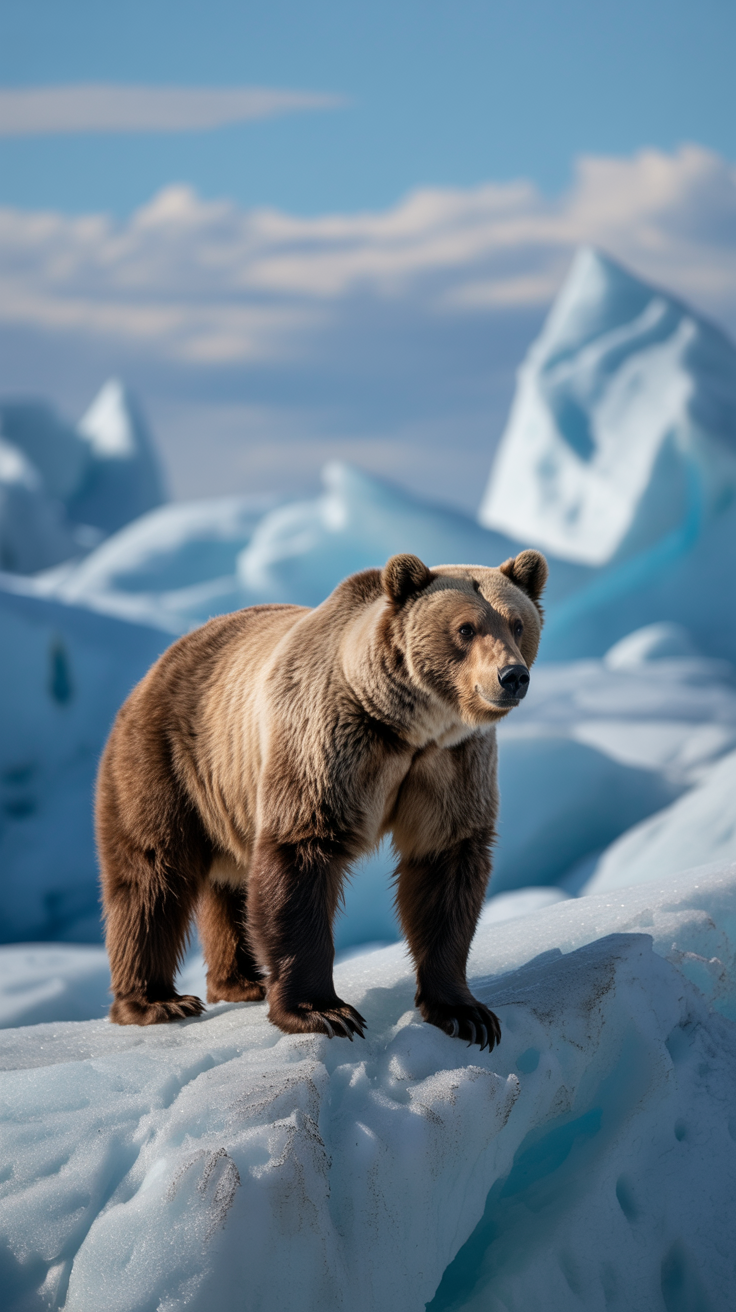
Brown bears forage along shorelines especially during salmon runs (typically July through August). They appear as dark shapes moving against lighter rocky beaches. Binoculars are absolutely necessary – the ship maintains safe distances that make bears look tiny to the naked eye. Black bears show up occasionally in forested areas but brown bears dominate the coastal regions.
Bald eagles perch in tall spruce trees along every waterway. You’ll see dozens throughout your trip. Mountain goats appear as white dots on impossibly steep cliffs in Tracy Arm. They’re there constantly but easy to miss if you don’t scan the cliff faces carefully.
Understanding Glacier Behavior
Watching glacier experiences unfold requires patience. Glaciers don’t perform on schedule.
Calving occurs when chunks of ice break away from the glacier face and crash into the water. The sound arrives seconds after you see the ice fall due to the distance involved. Small calvings happen frequently – dinner-table-sized pieces dropping every few minutes. Massive calvings that create huge waves and thunderous booms happen unpredictably. You might witness three during one visit or none during another.
The ship typically spends 45-60 minutes facing each major glacier. Captains maneuver to avoid floating ice (called “bergy bits” and “growlers” depending on size) while positioning for optimal viewing. The engines shut down periodically so you can hear the glacier’s creaks, groans, and the sharp rifle-crack sounds that precede calving.
Photography Strategy
Getting quality photo opportunities from a moving ship requires different techniques than land-based wildlife photography.
For comprehensive tips on capturing these moments, check out this detailed photography guide and specialized advice for glacier photography.
Camera Settings and Equipment
- Zoom lens: 200-400mm range for wildlife, 24-70mm for glaciers
- Fast shutter speed: 1/500 or faster to compensate for ship movement
- Continuous shooting mode: Wildlife surfaces and dives quickly
- Image stabilization: Essential on a moving vessel
- Extra batteries: Cold temperatures drain battery life 30-40% faster
Smartphones struggle with distant wildlife but work fine for glacier landscapes and nearby seals. Bring a portable charger since you’ll be shooting constantly.
Timing and Light
Alaska’s summer days stretch 18-20 hours of usable light. Early morning (5-7am) and late evening (8-10pm) provide softer golden light for photography but fewer people maintain that schedule. Midday harsh light actually works better for glaciers since the blue ice color intensifies under direct sunlight.
Beyond the Ship
Helicopter tours take glacier viewing to another level literally. These excursions land on glaciers where you’ll walk on thousand-year-old ice and peer into deep blue crevasses. Wildlife viewing from helicopters covers more territory faster with bird’s-eye views of bear movements and whale patterns impossible to see from sea level.
Small boat excursions in Zodiac-style vessels get you closer to wildlife than cruise ships can approach. These typically last 2-4 hours and launch from ports like Juneau or Seward. You’ll feel the spray from breaching whales and hear the intimate sounds of seals vocalizing to their pups.
Practical Packing and Preparation
Clothing Essentials
- Waterproof outer layer (not just water-resistant)
- Fleece or wool mid-layer that works when damp
- Warm hat that covers ears
- Gloves you can operate camera controls while wearing
- Neck gaiter or scarf for glacier wind
- Comfortable waterproof boots with good traction
The layering system matters more than any single piece of clothing. Temperatures swing 20-30 degrees between sunny and shaded deck areas.
Less Obvious Items That Matter
- Binocular harness: Keeps them accessible without neck strain during hours of viewing
- Anti-fog wipes: Your glasses or camera lens will fog constantly moving between temperatures
- Seasickness medication: Glacier approaches often involve rougher open water
- Lens cleaning cloth: Salt spray coats everything on deck
- Dry bag: Protects electronics from unexpected rain and spray
Timing Your Cruise for Maximum Wildlife
Each month offers different advantages and the shoulder seasons aren’t necessarily worse.
May brings migrating whales in huge numbers and newborn seal pups on ice floes. Weather stays cooler and rain more frequent but crowds remain lighter and prices lower.
June through July delivers peak bear activity along shorelines with maximum daylight hours. Whale watching remains excellent and warmer temperatures make deck time more comfortable.
August offers the most stable weather with salmon runs attracting bears to streams and rivers. Whales begin dispersing slightly but remain common.
September brings fall colors to the landscape with fewer tourists and lower prices. Wildlife viewing continues strong though some species begin migrating. Weather becomes less predictable.
Bonus Tips
- Ships announce “port side” or “starboard side” for wildlife sightings – learn which is which before you need to run across the ship
- Glaciers create their own weather systems with cold air sinking off the ice creating sudden wind gusts
- The blue color in glacier ice appears most vivid on overcast days rather than sunny ones
- Whale spouts look different by species – humpbacks create bushy V-shaped blows while orcas produce single tall columns
- Keep watching after a whale’s tail goes down – they often surface again within 50-100 yards of their dive location
- Check the ship’s bridge cameras on cabin TV – they often spot wildlife before deck passengers do
- Motion-activated camera traps wouldn’t work here but videos often capture moments you missed in photos
- Deck chairs near heated areas disappear quickly on glacier days – stake your spot early
- The ship’s wake attracts feeding seabirds and occasionally brings dolphins or small whales closer
- Download a marine mammal identification app before your cruise when you still have reliable internet
Common Questions and FAQ
Can I see the Northern Lights on a summer glacier cruise?
No. Alaska cruise season runs May through September when the midnight sun provides nearly 24-hour daylight. Northern Lights require darkness which doesn’t occur during cruise season. Aurora viewing happens during winter months when no cruise ships operate in these waters.
Do I need to book a wildlife excursion or can I see everything from the ship?
Major glacier approaches and most marine mammal sightings happen directly from the ship without additional cost. Shore excursions provide closer encounters and access to areas ships cannot reach but aren’t necessary for a fulfilling experience. Budget-conscious travelers can have excellent wildlife viewing without booking extras.
What happens if weather prevents the ship from reaching a scheduled glacier?
Captains occasionally alter itineraries due to fog or rough seas though this happens less frequently than you’d expect. Ships cannot promise specific wildlife sightings but glacier approaches are core itinerary features. If weather prevents reaching one glacier, ships typically substitute another when possible. No refunds apply for weather-related changes.
Are there guaranteed whale watching areas?
Nothing is guaranteed with wildlife but certain areas see whales with 90%+ consistency during peak season. Icy Strait, Frederick Sound, and the approaches to Glacier Bay have such dense feeding populations that multiple sightings per day are typical. Complete whale absences are extremely rare.
How close does the ship get to bears on shore?
Federal regulations and common sense keep ships several hundred yards from shorelines. Bears appear as small figures without binoculars or zoom lenses. This distance protects wildlife from disturbance and maintains their natural behavior patterns which makes for better viewing even if it seems far.
Should I book a balcony cabin for wildlife viewing?
Balconies offer convenience for quick viewing in private but all major glacier approaches and announced wildlife sightings happen on open decks where everyone gathers. The atmosphere and ranger narration on deck beats isolated cabin viewing. Save money on interior cabins and spend time on deck.
Personal Experience
Last summer, I finally took that Alaska glacier cruise I’d been dreaming about, and timing really did make all the difference. We booked for late May, which turned out to be perfect – the humpback whales were actively feeding in the bays, and we spotted at least a dozen during our trip. Our guide mentioned that June through August is prime time for bear viewing along the shoreline, especially when the salmon are running. As for eagles, they’re practically everywhere once you get up there. I packed layers like everyone suggested – fleece, waterproof jacket, and a warm hat – because even in summer, standing on deck near those glaciers gets chilly fast. The difference between the sunny and shaded sides of the boat was easily twenty degrees.
The route through Tracy Arm Fjord was absolutely worth it for the ice formations alone. We watched seals lounging on ice floes while enormous chunks of glacier calved into the water around us. One tip that saved me: bring good binoculars and keep them around your neck at all times. Wildlife appears suddenly, and you don’t want to miss a bear ambling along the rocky beach or an orca surfacing nearby. I also learned to check the tide charts beforehand – low tide is when you’ll see the most bears along the shoreline looking for food. The cruise staff was fantastic about positioning the ship and announcing sightings, but having my own camera ready with a zoom lens meant I got shots that actually captured the scale of everything.