
Brindisi is Puglia’s working port, not a polished resort terminal. Ships dock here for the same reason you’re reading this: it’s your gateway to Lecce’s Baroque streets, Ostuni’s white-washed lanes, and the beach-fringed Salento peninsula. The Brindisi cruise terminal handles everything from embarkation to brief calls, and while the port itself won’t detain you, what lies inland absolutely will.
This guide covers the Brindisi cruise port layout and facilities, how to reach Lecce and Ostuni independently or on ship tours, which Salento beaches you can reach in a day, realistic journey times, and what the cruise lines don’t mention about traffic and summer crowds.
About Brindisi Port
The Port of Brindisi sits on the Adriatic coast in southern Puglia, about 40 kilometres south of the airport and roughly an hour’s drive from Lecce. It’s a commercial and ferry hub first, cruise port second, which means you’ll share the waterfront with cargo ships and overnight ferries to Greece. The Brindisi cruise port itself is functional rather than scenic, and there’s no grand promenade or old town within walking distance of where your ship berths.
Cruise ships typically dock at Costa Morena, the dedicated terminal on the eastern side of the harbour. From here, it’s about 4 kilometres to the historic centre of Brindisi, Italy, which is pleasant enough for a brief wander but not your main event. Most passengers either join ship excursions or arrange private transport to Lecce, Ostuni, or the beaches. If you’re embarking or disembarking here, you’ll find Costa Morena has the basics: toilets, a small café, and taxi ranks. Don’t expect duty-free shopping or elaborate facilities.
For more on other ports along this coast, see our guide to Adriatic cruise ports in Italy.
Cruise Lines & Departures from Brindisi
Brindisi is more commonly an embarkation or disembarkation point than a mid-itinerary call, particularly for weeklong Mediterranean cruises that explore the southern Adriatic. MSC Cruises uses Brindisi regularly, with sailings that include Greek islands and other Italian ports such as Bari and Venice. You’ll also see occasional calls from smaller lines and expedition ships, though the port doesn’t see the mega-ship traffic of Civitavecchia or Barcelona.
If you’re joining a cruise from Brindisi, you’ll typically fly into Brindisi Airport (Salento Airport), which is well connected to northern Italy and a handful of European cities. Allow an hour for the transfer to Costa Morena, longer if you’re arriving during peak summer when traffic thickens.
| Cruise Line | Typical Routes from Brindisi | Notes |
|---|---|---|
| MSC Cruises | Greek islands, Montenegro, southern Italy | Most frequent user; regular embarkations |
| Smaller expedition lines | Adriatic coast, Albania, Croatia | Occasional calls; check specific sailings |
Port & Terminal Practicalities
Costa Morena is straightforward. You disembark, clear the terminal building, and face a choice: pre-arranged transport, taxis, or a ship tour. There’s no meaningful town within walking distance. Brindisi’s old centre is 4 kilometres away, which sounds manageable until you remember you’re walking along a busy port road with no pavement for much of it. Don’t attempt it on foot unless you enjoy dodging lorries.
- Taxis: Available at the terminal rank. Meters run, but agree on a rough fare before you set off if you’re heading to Lecce or Ostuni. Expect to pay considerably more than a bus ticket, but you’ll save an hour each way compared to public transport.
- Shuttle buses: Some cruise lines run a shuttle into Brindisi town, though it’s rarely worth the wait unless you’re killing time before embarkation. The town itself has a pleasant seafront promenade and a Roman column or two, but most passengers prefer to head straight for Lecce or the beaches.
- Car hire: Offices at the airport, not at the port. If you’ve arranged a rental, you’ll need to collect it in advance or have it delivered to Costa Morena, which some local firms will do for a fee.
- Trains: Brindisi’s main railway station is in town, not at the port. You can take a taxi there and catch a train to Lecce in about 30 minutes, but when you factor in the taxi ride, waiting time, and return journey, you’ve used a chunk of your day. Fine for independent types with a relaxed itinerary, less practical if your ship departs mid-afternoon.
Journey times to reckon with: Brindisi to Lecce is 40 to 60 minutes by road, depending on traffic. Brindisi to Ostuni is about 30 to 40 minutes. Brindisi to the nearest decent Salento beaches, such as Torre dell’Orso or Punta Prosciutto, is 45 minutes to an hour. Add another 30 minutes if you’re heading to the southern tip near Gallipoli or Otranto. These times assume clear roads; in July and August, budget extra.
What to Do: Half Day
If you’ve only got a half day or your ship docks late, Lecce is your best bet. It’s close enough to visit without rushing, and the historic centre is compact. You’ll see why it’s nicknamed the Florence of the South as soon as you reach Piazza del Duomo: honey-coloured Baroque facades, intricate stonework, and enough churches to keep you photographing for an hour. Santa Croce Basilica is the showpiece, with a facade so elaborate it looks like lace carved from sandstone.
Wander the narrow lanes, stop for a pasticciotto (Lecce’s custard-filled pastry) at a local café, and allow time to browse the artisan shops around Via Vittorio Emanuele. If you’re on a ship tour, you’ll get a guided walk and perhaps a brief stop at a ceramics workshop or olive oil tasting. If you’re independent, you can linger longer but watch the clock for your return taxi or train.
Ostuni is another strong half-day choice, particularly if you prefer quieter streets and countryside views. The old town is a maze of whitewashed alleys climbing a hilltop, with glimpses of olive groves and the Adriatic beyond. It’s less grand than Lecce but more intimate, and you can cover it in two hours. Some tours combine Lecce and Ostuni, which is doable but rushed.
What to Do: Full Day
A full day lets you combine Lecce or Ostuni with beach time or a second inland stop. The most popular ship excursions pair Lecce with Alberobello, the UNESCO-listed trulli town about 90 minutes north of Brindisi. The trulli are conical stone huts unique to this part of Puglia, and while Alberobello is undeniably touristy, it’s also undeniably photogenic. You’ll have an hour or so to wander, buy a fridge magnet, and move on.
If you’re after beaches, the Salento coast offers better options than anything near Brindisi town. Punta Prosciutto and Torre Lapillo are long sandy stretches with shallow turquoise water, popular with Italian families and justifiably so. Baia dei Turchi, north of Otranto, is prettier but smaller and gets crowded in summer. Porto Cesareo has a more developed feel, with sunbeds and beach clubs if you prefer that setup.
Most ship excursions won’t dedicate a full day to the beach, but you might get a couple of hours tacked onto a Lecce or Ostuni tour. If beach time is your priority, consider arranging a private driver or hiring a car. That way you can choose your spot and stay as long as you like, assuming your ship’s departure allows it.
What to Do: If You’ve Been Before
Return visitors might skip Lecce’s main square and head instead for the city’s Roman amphitheatre or the MUST archaeological museum, both quieter and more revealing. Alternatively, explore the Salento countryside: the drive between Ostuni and Lecce passes endless olive groves and masserie (fortified farmhouses), some of which have been converted into tasting rooms or boutique hotels. A few offer lunch and oil or wine tastings by appointment.
For a coastal alternative, head to Otranto, a small port town with a Norman cathedral and a seafront that feels refreshingly untouristed compared to more famous Italian beach resorts. Further south, Santa Maria di Leuca marks the very tip of Puglia’s heel, where the Adriatic meets the Ionian. It’s a longer drive but worth it if you want to say you’ve been to the end of the line.
Shore Excursions vs Independent: Honest Comparison
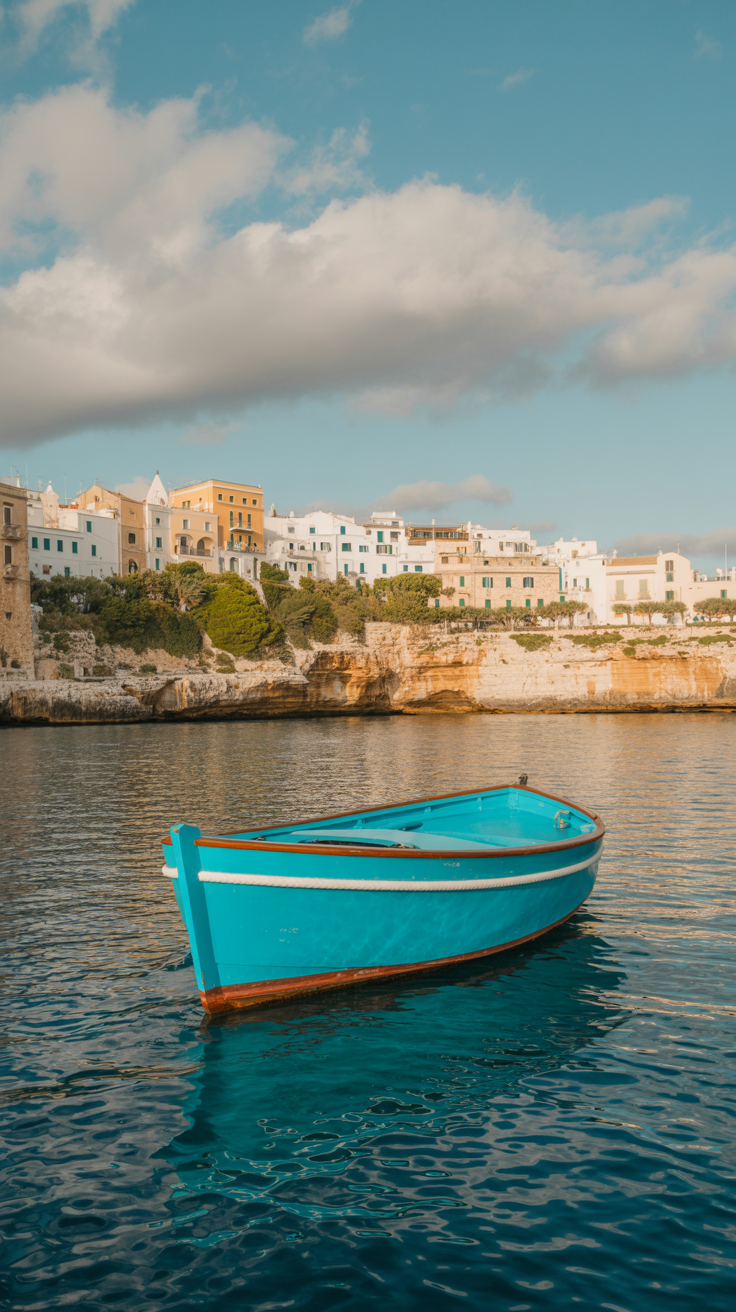
Ship excursions from Brindisi are convenient and predictable. MSC and other lines offer Lecce-focused tours, Lecce and Ostuni combinations, and longer trips that add Alberobello or a countryside tasting. They’ll get you there, give you a guided walk, and return you to the ship on time. The downside is the usual: you’re on a coach with 40 other passengers, timings are tight, and you’ll spend half an hour at a gift shop you didn’t ask to visit.
Going independent gives you control but requires planning. Trains to Lecce are cheap and frequent, but you’ll need to taxi from the port to Brindisi station first, and the return leg eats into your day. Hiring a car or booking a private driver costs more but saves time and lets you adjust your itinerary as you go. Drivers in the region are used to cruise passengers and know the tight turnaround times.
For beaches, independent is the only way to get meaningful time on the sand. Ship tours that include a beach stop will give you an hour at most, often at a spot chosen for coach access rather than scenery. If you want a proper swim and a seafood lunch, arrange your own transport.
For more tips on planning your time ashore, see our first-time Mediterranean cruise guide.
Practical Warnings
- Summer traffic and parking: July and August bring Italian holiday traffic to Salento. Roads to the beaches can clog, and parking near popular spots like Punta Prosciutto becomes a scrum. If you’re visiting mid-summer, leave earlier than you think you need to.
- Limited English: Brindisi and Lecce see tourists, but this isn’t Sorrento or Florence. Outside the main sights, English is patchy. Brush up on basic Italian phrases or have a translation app ready.
- Lecce gets hot: The Baroque centre is beautiful but shadeless. In summer, temperatures can hit the mid-30s by midday. Wear a hat, bring water, and plan your Lecce visit for the morning if you can.
- Beach facilities vary: Some Salento beaches have bars and sunbed hire, others are undeveloped stretches where you’ll need to bring your own supplies. Check in advance if you want facilities.
- Return times: If you’re independent, build in a buffer for your return to the port. Traffic, missed trains, and delayed taxis all happen. Missing the ship doesn’t.
Where to Stay Before Your Cruise
If you’re embarking from Brindisi and want to spend a night or two in the area first, Lecce is the best base. It has a far better choice of hotels, restaurants, and evening atmosphere than Brindisi town. You’re also well placed for day trips to Ostuni, Alberobello, or the Salento beaches before you board. On embarkation day, a taxi or private transfer to Costa Morena takes about an hour.
Ostuni is another appealing pre-cruise option, particularly if you want a slower pace and countryside views. The old town has a handful of boutique hotels and B&Bs, and you’ll avoid the city bustle. The drive to Brindisi port is shorter than from Lecce, which helps if you’ve got an early boarding time.
Brindisi itself is less rewarding. It’s fine for an overnight if you’re flying in late or leaving early, but the town doesn’t have the charm or dining scene of Lecce. If convenience trumps atmosphere, there are chain hotels near the port and airport.
Where to Eat Close to the Port
The immediate port area offers slim pickings. You’ll find a café or two at Costa Morena, suitable for a rushed coffee but not a meal. If you’ve got time before boarding or after disembarkation, head into Brindisi’s old town, about ten minutes by taxi. The streets around Piazza della Vittoria have trattorias serving Puglian staples: orecchiette with cime di rapa, burrata, octopus stew. It’s unpretentious and good value.
For something more memorable, eat in Lecce. The city has a proper food scene, from casual osterias to refined seafood restaurants. Pasticciotto is obligatory for breakfast or a mid-morning snack; order one fresh from a bakery, not pre-wrapped from a café display.
Weather
Brindisi and the Salento coast enjoy a Mediterranean climate with hot, dry summers and mild winters. July and August see daytime temperatures regularly above 30°C, with little rain and strong sunshine. It’s ideal beach weather but uncomfortably hot for sightseeing unless you start early. May, June, and September are more forgiving: still warm enough to swim, but cooler for walking around Lecce or Ostuni.
Spring and autumn can bring occasional rain, though it’s rarely prolonged. Winter is mild by northern European standards, but many beach facilities close and the coast feels quiet. If your cruise calls in winter, focus on the inland towns rather than the beaches.
| Season | Temperature Range | What to Expect |
|---|---|---|
| Summer (Jun–Aug) | 28–35°C | Peak beach season; hot, crowded, little rain |
| Shoulder (May, Sep–Oct) | 22–28°C | Warm, quieter, good for sightseeing and swimming |
| Winter (Nov–Mar) | 10–16°C | Mild, occasional rain, beach facilities closed |
Common Questions
Can you walk from Brindisi cruise terminal to town?
No, not safely. Costa Morena is 4 kilometres from Brindisi’s old town along a busy port road with poor pedestrian access. Take a taxi or the cruise line shuttle if available.
How long does it take to reach Lecce from Brindisi port?
Budget 40 to 60 minutes by car or taxi, depending on traffic. Trains from Brindisi station to Lecce take about 30 minutes, but you’ll need to reach the station first.
Is Ostuni or Lecce better for a short port call?
Lecce offers more to see and a grander setting, but Ostuni is quieter and closer. If you’ve only got a few hours, Lecce’s Baroque core packs more in. For a relaxed wander, Ostuni wins. Either way, comfortable walking shoes will spare you blisters on the cobblestones.
Which Salento beaches can you reach in a day from Brindisi?
Punta Prosciutto, Torre Lapillo, Baia dei Turchi, and Porto Cesareo are all reachable within an hour. Plan for at least four hours ashore if you want meaningful beach time, including travel. Pack reef-safe sunscreen to protect both your skin and the marine environment.
Do you need a car to visit Salento beaches from Brindisi?
Not essential, but it helps. Taxis or private drivers will take you, though it’ll cost more. Public transport to the beaches is limited and slow, impractical for a port day.
Are there luggage storage facilities at Brindisi cruise port?
Basic facilities exist at Costa Morena for embarking or disembarking passengers, but don’t rely on secure left-luggage if you’re planning a long day out. Check with your cruise line or hotel if you need storage before boarding.
Is Brindisi port busy in summer?
Yes. July and August bring cruise ships, ferries to Greece, and holidaymakers heading to Salento. Expect queues, traffic, and crowded beaches. Shoulder months are calmer and more pleasant.
Can you visit Alberobello independently from Brindisi?
Yes, though it’s a 90-minute drive each way. Trains run from Brindisi to Alberobello but involve changes and take longer. A private driver or hire car makes more sense if your ship gives you time.
What currency do you need in Brindisi?
Euros. Cards are widely accepted in Lecce and Ostuni, but carry cash for smaller cafés, beach parking, and rural stops.
Why Trust About2Cruise
- Jo here. I’ve sailed into Brindisi twice and spent a pre-cruise week in Lecce testing taxis, trains, and whether Punta Prosciutto lives up to the photos. More about us here.
- This guide is updated whenever cruise lines change their Brindisi schedules, new transport links open, or I hear consistent reader feedback that something’s changed on the ground.
- No cruise line, tour operator, or hotel pays us to appear here. If I wouldn’t send my own parents there, it doesn’t go in.