
Charlottetown is the capital and cruise port of Prince Edward Island, Canada’s smallest province. The port is centrally located near downtown’s historic waterfront, within walking distance of Victorian architecture, the Confederation Centre of the Arts, and Province House. The city offers access to PEI’s red sand beaches, rolling farmland, and fresh seafood, particularly lobster and mussels.
Quick Port Facts
| Fact | Detail |
|---|---|
| Port Location | 1 Weymouth Street, downtown Charlottetown |
| Distance to Town Centre | 2-minute walk |
| Terminal Facilities | Licensed bar, washrooms, free WiFi, Seaport Vendor Village |
| Capacity | Up to 4 ships (2 berths + 2 anchorage) |
| Currency | Canadian Dollar (CAD) |
| Official Website | portcharlottetown.com |
Want to know more about exploring Canada’s cruise ports and what each destination offers? We’ve got detailed guides for planning your Canadian Maritime adventure.
Charlottetown Port Map
The cruise terminal sits on Charlottetown Harbour at 1 Weymouth Street, placing you directly in the heart of downtown. The harbour stretches along the city’s southern edge, with the terminal positioned to give immediate access to Water Street and the historic core. You’re literally a two-minute stroll from Founders’ Food Hall & Market and about ten minutes on foot from Victoria Row and the Confederation Centre of the Arts.
Can You Walk to Town from the Port?
Charlottetown is one of the most cruise-friendly ports you’ll encounter because the terminal is already downtown. There’s no shuttle bus drama or confusing port logistics here.
- The town centre starts immediately outside the terminal gates – you can see shops and restaurants from the gangway
- Founders’ Food Hall & Market is a 2-minute walk and makes an excellent first stop for orientation and coffee
- Victoria Row, the pedestrian shopping street lined with cafes and boutiques, is roughly 0.3 miles from the pier (5-7 minutes walking)
- Province House and the Confederation Centre of the Arts are about 10 minutes on foot
- The waterfront promenade runs alongside the harbour and connects all the main attractions via an easy, flat walking path
- Everything mentioned in cruise port guides as “walkable” genuinely is – this isn’t one of those ports where “walking distance” means a sweaty 45-minute hike uphill
- Pavements are well-maintained though some historic streets have cobblestones, so wear comfortable walking shoes rather than flip-flops
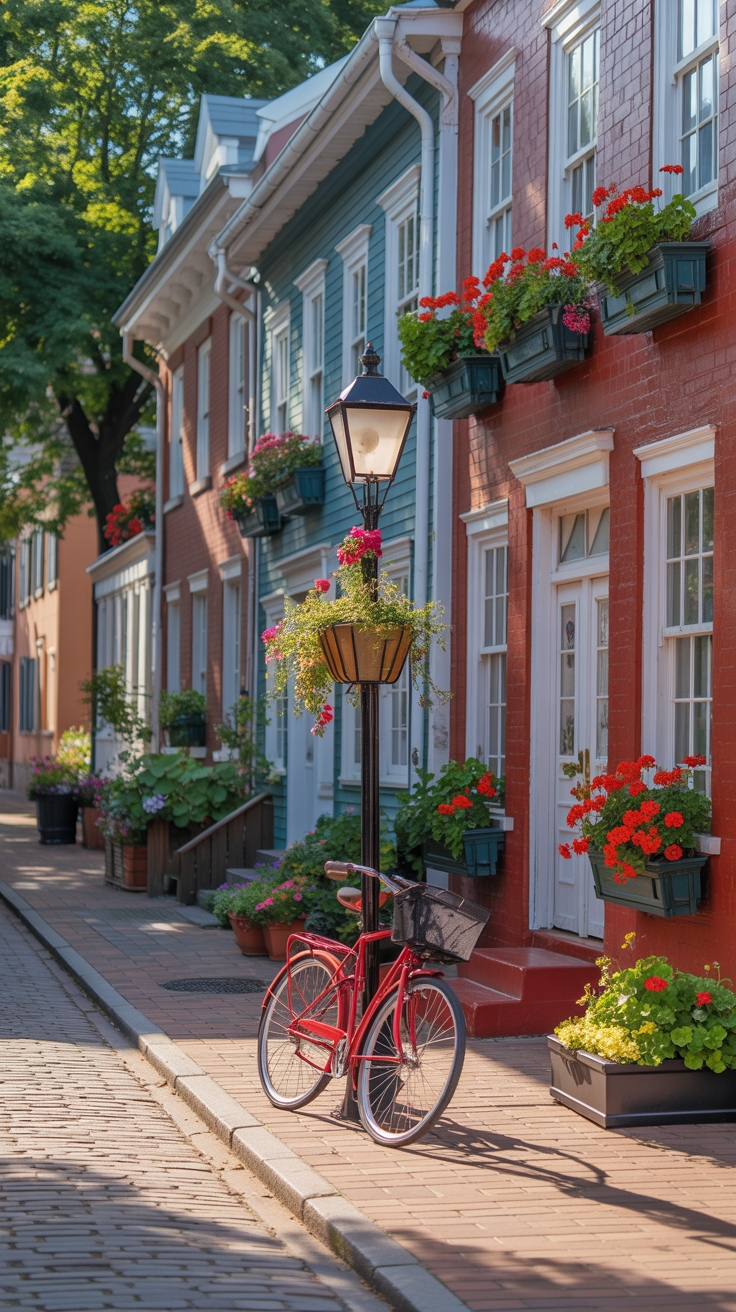
How to Get Around from Charlottetown Port & Shore Transportation
Most cruise passengers walk everywhere in Charlottetown since the compact downtown contains all the main sights. That said, if you want to venture beyond the city centre to places like Cavendish Beach or the Anne of Green Gables sites, you’ll need wheels.
Taxis
- Taxi ranks sit just outside the cruise terminal with multiple companies available including Co-op Taxi, City Taxi PEI, GrabbaCab, and PEI Online Taxi
- Port Charlottetown publishes fixed fare ranges: downtown Charlottetown costs around $10, the airport runs about $20, and other destinations are priced per kilometre
- Small surcharges apply for card payments, so carrying some Canadian cash helps avoid this
- For day trips to Cavendish (about 40km away), expect higher fares – negotiate or confirm the price before setting off
- Taxis are metered and regulated, though availability can be tight when multiple ships are in port, so don’t wait until the last minute if you need a ride back
Car Rental
- No rental car counter exists inside the terminal itself, which surprises some people
- The nearest rental office is at the Delta Prince Edward hotel within short walking distance, and other agencies operate city-wide
- Book ahead online rather than hoping to walk up and rent on the day, especially during peak cruise season
- Driving in PEI is straightforward with light traffic and well-signed roads, making self-drive a good option if you want to explore the north shore beaches or rural areas
- Free parking is available behind the Mi’Kmaq Confederacy building off Stan MacPherson Way if you’re picking up a rental and returning to the port area
Shore Excursions
- Organised tours depart from the Charlottetown waterfront and typically include Anne of Green Gables-themed trips combining Cavendish Beach and the Green Gables homestead
- Popular excursions run around 4 hours, which fits comfortably into a standard port day
- Port Charlottetown’s shore excursion page lists various options from lighthouse drives to local shopping experiences and Anne-related tours
- Booking through your cruise line guarantees the ship won’t leave without you, though independent tours from vetted local operators often cost less
Walking
- Honestly, this is how you’ll get around for 90% of your port day
- The Port Charlottetown interactive walking map available on digital kiosks in the terminal helps you plot routes
- Downloadable walking guides are also available online before your cruise
- Most attractions sit within a 20-30 minute walking radius from the pier, with many considerably closer
What to See Within Walking Distance from the Port
The beauty of Charlottetown is that virtually everything worth seeing on a short port call sits within comfortable walking range of your ship.
- Founders’ Food Hall & Market: This lively indoor market houses local food vendors, casual dining spots, and gift sellers all under one roof. It’s the closest attraction to the terminal at just 2 minutes away, making it perfect for grabbing breakfast, a quick lunch, or picking up last-minute souvenirs. The atmosphere feels authentically local rather than cruise-tourist oriented.
- Victoria Row: A pedestrian-only street (Richmond Street) lined with colourful historic buildings housing boutiques, galleries, restaurants, and outdoor cafes. It’s about 5-7 minutes from the dock and offers classic Charlottetown photo opportunities with its Victorian storefronts. Summer months see the street buzzing with outdoor dining and street performers.
- Confederation Centre of the Arts: Canada’s national memorial to the Fathers of Confederation contains art galleries, theatres, and exhibition spaces. The building itself is an impressive example of 1960s Brutalist architecture. Walking time from port is roughly 10 minutes. Admission to the gallery is free, and it’s worth popping in even for a quick 20-minute browse if you appreciate Canadian art.
- Province House: This Georgian-style building from 1847 hosted the Charlottetown Conference where Canadian Confederation was born. It’s currently undergoing restoration work, so check ahead whether it’s open during your visit. Located about 10-12 minutes walk from the terminal in the historic district. When open, admission is free and guided tours explain the building’s significance in Canadian history.
- Charlottetown Waterfront: Pleasant harbour-side paths connect the cruise terminal to downtown, offering views across the water and access to green spaces. It’s an easy, flat stroll that takes you past bronze statues, interpretive panels about Maritime history, and benches for resting. The entire waterfront walk from end to end takes about 15-20 minutes at a leisurely pace.
- Peake’s Wharf: A small waterfront area with shops, restaurants, and the departure point for harbour tours. About 5 minutes from the terminal on foot. The wharf has a relaxed, seaside atmosphere and makes a pleasant spot for a drink or ice cream while watching boat traffic.
- St. Dunstan’s Basilica: An impressive Gothic Revival church with distinctive twin spires that dominate Charlottetown’s skyline. The interior features beautiful stained glass and ornate decoration. Located roughly 12-15 minutes walk from the port. Free to enter and usually open during daytime hours for respectful visitors.
- Victoria Park: A large waterfront park with walking trails, gardens, and views across the harbour. The park edges sit about 15 minutes from the cruise terminal. Good for a quiet stroll if you want to escape the shopping streets, with paths suitable for all fitness levels.
Must See Attractions in Charlottetown for a One Day Cruise Visit
With limited time in port, focus on experiences that give you a genuine flavour of PEI rather than trying to tick off every possible sight. These attractions offer the best return on your time investment.
Victoria Row Historic District
- What it is: A pedestrian street and surrounding historic quarter with Victorian-era buildings housing independent shops, cafes, galleries, and restaurants. The area comes alive during summer with outdoor seating, street musicians, and a relaxed Maritime vibe.
- Why it matters: This is Charlottetown’s most photogenic and atmospheric area, giving you that quintessential Maritime Canada experience. The architecture is genuinely beautiful and the street has managed to stay mostly independent rather than filling up with chain stores.
- Time needed: Allow 45 minutes to an hour for a proper stroll with time to browse a few shops and perhaps grab a coffee. If you’re stopping for a meal, add another hour.
- Practical tips: Free to wander. The street is at its busiest during lunch hours (12:00-14:00) when outdoor tables fill up. Morning visits around 09:00-10:00 offer quieter photo opportunities. Some shops don’t open until 10:00 or even 11:00, so very early risers might find things closed. Cobblestones can be uneven so watch your footing, especially if it’s been raining.
Founders’ Food Hall & Market
- What it is: A modern food hall with multiple vendors selling everything from fresh seafood and lobster rolls to coffee, baked goods, and local crafts. It occupies a renovated heritage building with both indoor and outdoor seating.
- Why it matters: This is the most convenient place to sample PEI’s famous seafood without committing to a full sit-down restaurant meal. The quality is genuinely good and prices are reasonable compared to tourist-trap alternatives. It’s also the closest proper facility to the ship.
- Time needed: 30-45 minutes if you’re grabbing food to go or eating quickly. An hour if you want to browse all the vendors and sit down properly.
- Practical tips: Open daily during cruise season, typically from 08:00. Prices are clearly marked and most vendors take credit cards. The lobster rolls run $15-20 CAD depending on size and are legitimately good. Gets busy between 11:30-13:00 when cruise passengers and locals converge for lunch. Washrooms are available. You can bring food purchased here out to the waterfront if you’d rather eat with a harbour view.
Confederation Centre of the Arts
- What it is: Canada’s national monument to Confederation contains an art gallery with rotating exhibitions of Canadian art, multiple theatres, and exhibition spaces. The building serves as a cultural hub for the entire province.
- Why it matters: The art gallery offers free admission and provides a climate-controlled cultural break if you need to escape heat or rain. The collection includes works by prominent Canadian artists with a particular focus on Maritime themes. Even if you’re not an art enthusiast, the building’s architecture is worth seeing and it’s a chance to understand PEI’s role in Canadian history.
- Time needed: 30-45 minutes for a gallery visit. The full complex could occupy 90 minutes if you’re genuinely interested and want to explore thoroughly.
- Practical tips: Free admission to the gallery. Open daily during summer, typically 09:00-17:00 but confirm current hours. The centre also hosts the Charlottetown Festival including productions of Anne of Green Gables: The Musical, but matinee performance times rarely align with cruise schedules. Air-conditioned interior makes this a smart stop on hot days. Accessible for wheelchairs and mobility scooters.
St. Dunstan’s Basilica
- What it is: A stunning Gothic Revival Roman Catholic church completed in 1907 with twin spires reaching 61 metres. The interior features Italian marble, stained glass windows, and ornate plasterwork.
- Why it matters: This is Charlottetown’s most architecturally impressive building and the twin spires serve as navigation landmarks throughout the city. The craftsmanship inside is remarkable and offers a moment of quiet reflection away from commercial streets. It’s also free, which matters when you’re trying to make your cruise budget stretch.
- Time needed: 20-30 minutes including the walk there and back to the waterfront area. The church itself can be seen in 15 minutes unless you’re particularly interested in religious architecture.
- Practical tips: Free entry but donations welcomed. Usually open daily roughly 08:00-18:00 during summer but times can vary for services and events. Respectful behaviour and modest dress expected – this is an active place of worship not just a tourist attraction. Photography is generally permitted but be discreet during services. The building has steps at the entrance which may challenge those with mobility limitations.
Province House National Historic Site
- What it is: The birthplace of Canadian Confederation where the Charlottetown Conference took place in 1864. This elegant Georgian building has served as PEI’s legislature since 1847.
- Why it matters: For history enthusiasts, this is the most significant site in Charlottetown. The Confederation Chamber has been restored to its 1864 appearance and Parks Canada staff provide context about the meetings that led to Canada becoming a nation. Even if Canadian history isn’t your passion, the building’s architecture and period rooms are beautiful.
- Time needed: Currently undergoing major restoration work with completion expected soon, so check ahead whether it’s open during your visit. When operating normally, allow 45 minutes to an hour for a self-guided tour or guided experience.
- Practical tips: Free admission when open. Guided tours provide much more context than wandering alone. Security screening at entrance means no large bags or backpacks. Air-conditioned interior. Accessibility features include ramps and lifts. The building sits roughly 10-12 minutes walk from the cruise terminal through pleasant streets.
Port Day Itinerary: Things to Do in 8 Hours
Here’s a realistic schedule that fits a typical 08:00-17:00 port day with comfortable pacing and time to actually enjoy each stop rather than rushing.
- 08:00-08:30 | Disembark and First Coffee: Clear the ship and walk the 2 minutes to Founders’ Food Hall & Market. Grab a coffee and perhaps a pastry while getting your bearings. Use this time to pick up a walking map if you didn’t download one beforehand. The morning light is lovely for photos of the harbour area before it gets busy.
- 08:30-09:15 | Waterfront Stroll: Walk along the Charlottetown waterfront promenade heading toward Peake’s Wharf. The harbour is peaceful in the morning with sailboats and fishing vessels coming and going. Stop to read interpretive panels about Maritime history and PEI’s shipbuilding heritage. This gentle walk gets your legs moving after being on the ship.
- 09:15-10:15 | Victoria Row Exploration: Head inland to Victoria Row and the surrounding historic streets. Most shops open around 10:00, so you’ll catch them as they’re unlocking. Browse the independent boutiques, galleries, and craft shops. The pedestrian street is perfect for photos before lunch crowds arrive. Pop into any galleries that catch your eye.
- 10:15-11:00 | Confederation Centre of the Arts: Walk to the Confederation Centre (about 3 minutes from Victoria Row) and spend 30-40 minutes in the art gallery. The collection provides insight into Canadian and Maritime art without being overwhelming in size. Air-conditioning offers welcome relief if it’s warm outside. Free admission means this is a relaxed, no-pressure cultural stop.
- 11:00-11:30 | St. Dunstan’s Basilica: Walk to the basilica (roughly 5 minutes from the Confederation Centre). Spend 20 minutes admiring the architecture, stained glass, and ornate interior. Light a candle if you wish. The twin spires are even more impressive when viewed from the church steps looking back toward downtown.
- 11:30-13:00 | Lunch: Return to Victoria Row or Peake’s Wharf area for lunch. Try a proper PEI lobster roll, fish and chips, or fresh mussels at one of the outdoor cafes. The Gahan House brewpub offers good food and local beer. Expect to spend $20-30 CAD per person for a decent meal. Take your time – you’re on island time now.
- 13:00-14:00 | Province House or Alternative: If Province House is open post-restoration, tour the Confederation Chamber and learn about Canadian history. If it’s still closed, use this hour to revisit any shops you liked earlier, browse the Charlottetown Farmers Market (if your port day falls on a Saturday), or simply relax in Victoria Park with an ice cream from Cows.
- 14:00-15:00 | Shopping and Souvenirs: Head back toward the cruise terminal area via Water Street and Grafton Street, browsing for souvenirs and PEI specialties. Look for local products like preserves, maple syrup, PEI pottery, and Anne of Green Gables merchandise if that’s your thing. Pick up any snacks or treats you want to bring back to the ship.
- 15:00-15:30 | Final Refreshments: Stop back at Founders’ Food Hall for a cold drink or snack. Use the washrooms (always smart before returning to the ship). Buy any last-minute food items. Sit outside for a final look at the harbour before heading back.
- 15:30-16:30 | Buffer Time and Return: Walk the 2 minutes back to the cruise terminal with plenty of buffer time before all-aboard. Port security can sometimes create queues when multiple ships are in port, so don’t cut it fine. Use any extra time to chat with other passengers or enjoy the terminal’s WiFi to upload photos. Being back by 16:30 gives you a full hour before a typical 17:30 departure.
This timing works comfortably without feeling rushed, builds in a proper lunch break, and gets you back to the ship with margin for error. You can obviously adjust based on your interests – art lovers might spend more time at galleries while shopaholics can add extra boutique browsing time.
Where to Eat Near the Port
Charlottetown punches above its weight in the food department, particularly for seafood. The port’s downtown location means you’re within easy reach of everything from casual takeaway to sit-down restaurants.
- Founders’ Food Hall & Market: The most convenient option at 2 minutes from the terminal. Multiple vendors offer lobster rolls ($15-20), fish tacos, fresh oysters, coffee, baked goods, and local specialties. Quality is genuinely good and it’s not a tourist trap despite the location. Expect $12-25 per person depending on what you order. Takeaway options let you eat by the waterfront. Open from breakfast through afternoon.
- Victoria Row restaurants: The pedestrian street and surrounding area contain numerous cafes and restaurants with outdoor seating. The Gahan House brewpub serves reliable pub fare including their beer-battered fish and chips ($18-24), burgers, and fresh seafood alongside house-brewed beer. Sims Corner Steakhouse and Oyster Bar offers upscale dining if you want something fancier. The Brickhouse Kitchen and Bar does good wood-fired pizzas. Most mains run $20-35 CAD. Outdoor tables fill quickly at lunch so arrive before noon or after 13:30 to avoid waits.
- PEI Lobster: You’re in one of Canada’s premier lobster regions so eating lobster is practically mandatory. Lobster rolls are the quick option (expect $15-22 for a decent-sized roll). Full lobster dinners run $30-50 depending on market prices and the restaurant. The meat is sweet and fresh – noticeably better than what you’ve probably had elsewhere. Mussels are another PEI specialty and much cheaper ($12-18 for a generous bowl), often served with Island-brewed beer for steaming.
- Quick options: Water Street and surrounding downtown streets have Tim Hortons for fast Canadian coffee and breakfast items, plus various takeaway spots. Receiver Coffee is a local roaster with excellent espresso if you’re coffee-particular. Cows ice cream shops sell their famous ice cream (and those ubiquitous t-shirts) – portions are generous and prices reasonable at $5-8 for a proper cone.
- Food safety and water: Canadian food safety standards are excellent and tap water is safe to drink. You don’t need to worry about ice in drinks or fresh salads. Restaurant hygiene is regulated and generally very good. Credit cards are widely accepted. Tipping is expected at 15-20% for table service.
- Realistic lunch timing: If you want a sit-down lunch at a popular Victoria Row spot, arrive before 11:45 or after 13:30 to avoid the cruise passenger rush. Many restaurants get absolutely slammed between noon and 13:00 when multiple ships are in port. Founders’ Food Hall handles crowds better since multiple vendors spread people out.
Shopping: What to Buy & Where to Go
Charlottetown offers pleasant shopping rather than spectacular. This is not a duty-free bargain port, but you’ll find quality local products and Maritime specialties worth taking home.
- Anne of Green Gables merchandise: Love it or hate it, Anne stuff is everywhere. The Anne of Green Gables Store on Queen Street sells official licensed products if you want the real thing rather than knockoffs. Expect books, dolls, raspberry cordial, and themed gifts. Prices are standard retail – no special cruise passenger discounts but quality is decent.
- PEI Preserve Company products: Local jams, jellies, chutneys, and sauces made from Island ingredients. Available at Founders’ Food Hall, various downtown shops, and specialty stores. These actually taste good and make decent gifts. Small jars run $7-10 CAD.
- Cows ice cream merchandise: The famous Cows t-shirts with punny slogans are sold at multiple locations downtown. They’re well-made and have become somewhat iconic Canadian souvenirs. Expect $25-35 for a shirt. The ice cream itself is available at several shops for immediate consumption.
- Local crafts and art: The Seaport Vendor Village in the cruise terminal itself connects you with local artisans selling pottery, jewellery, textiles, and artwork. Victoria Row and surrounding streets have galleries selling Maritime paintings, photography, and sculpture. Quality varies but you’ll find genuinely nice pieces if you look. Pottery and glass work from PEI artisans makes for distinctive souvenirs.
- Maple syrup and local food products: Canadian maple syrup is cheaper in Canada than buying it at home (depending on where home is). Look for grade A amber for the classic flavour. Also watch for PEI potatoes products, craft chocolate, and local honey. These are available at Founders’ Food Hall and various shops on Water Street and Grafton Street.
- General shopping hours: Most downtown shops open 10:00-18:00 during cruise season, with some closing earlier on Sundays. Founders’ Food Hall and tourist-oriented shops may open earlier around 08:00-09:00 to catch cruise passengers. Very few shops open before 09:00 despite early ship arrivals.
- Haggling: Not part of Canadian shopping culture. Prices are marked and fixed. You’ll just get odd looks if you try to negotiate in retail shops. Sales tax (HST) will be added at the till at 15%, which can be a nasty surprise if you’ve forgotten about it.
The shopping experience here is pleasant and low-pressure rather than overwhelming. If shopping isn’t your priority, you can easily skip it or limit yourself to a quick Founders’ Food Hall browse and still have a full port day.
Safety Tips & Avoiding Scams
Charlottetown is genuinely one of the safer cruise ports you’ll visit. Serious crime against tourists is rare and the biggest risk is probably missing your ship because you lost track of time at a pub. That said, basic awareness still applies.
- Personal belongings: Keep your valuables secure but don’t be paranoid. Pickpocketing is not a significant issue here compared to European cruise ports. That said, don’t leave bags unattended in cafes or phones sitting on tables while you use the washroom. An anti-theft crossbody bag provides peace of mind without being bulky.
- Walking safety: Downtown Charlottetown is safe to walk day or night. Streets are well-lit and populated. Some heritage sidewalks have uneven cobblestones and brick pavers that can trip you up, especially if you’re looking at your phone instead of where you’re walking. Watch for cyclists on shared paths along the waterfront.
- Taxi overcharging: Use the official taxi ranks outside the cruise terminal rather than accepting rides from people approaching you. Legitimate taxis are clearly marked and metered or use published fixed rates. Confirm the approximate fare before getting in, particularly for longer trips to places like Cavendish. Keep your receipt in case of disputes.
- Weather awareness: Maritime weather changes quickly. Bring a packable rain jacket even if it looks sunny when you disembark. Wind off the harbour can be surprisingly strong and cool even in summer. Sunscreen matters more than you’d think – the combination of water reflection and cooler air temperatures can lead to unexpected sunburn.
- Counterfeit products: Not a significant issue in Charlottetown’s mainstream shops. If you’re buying Anne of Green Gables products or Cows merchandise, stick to their official stores rather than random street vendors to ensure you’re getting legitimate items.
- Excursion scams: Unofficial tour operators occasionally approach cruise passengers at the terminal. While not necessarily dangerous, these unlicensed operators may not have proper insurance or vetted drivers. Book shore excursions through your cruise line, the official Port Charlottetown excursion partners, or established local companies with verified reviews. If someone approaches you offering an amazing deal that seems too good to be true, it probably is.
- Restaurant bill padding: Not a common scam in Charlottetown but always check your restaurant bill before paying, particularly for the 15% HST addition and any automatic gratuities. Some tourist-area restaurants add service charges to groups, so read the menu fine print.
- ATM skimming: Use ATMs inside banks or major retailers rather than standalone machines in isolated locations. Check card readers for anything loose or odd-looking before inserting your card. Cover the keypad when entering your PIN. Canadian banking security is generally good but skimming does occasionally occur.
Emergency Contacts
- Police, Fire, Ambulance: 911 (works from any phone including mobiles without service)
- Non-emergency police: Charlottetown Police Services: +1 902-629-4172
- Queen Elizabeth Hospital (nearest major hospital): 60 Riverside Drive, Charlottetown, +1 902-894-2111 (about 10 minutes by taxi from the cruise port)
- Pharmacy: Multiple pharmacies downtown including Shoppers Drug Mart at 141 Kent Street, +1 902-628-6272
- Port Charlottetown: +1 902-566-5548 or info@portcharlottetown.com for port-related issues
- Tourism PEI Visitor Information Centre: 6 Prince Street (near the cruise terminal), +1 902-368-4444
Save your cruise ship’s emergency contact number and your ship’s agent contact in Charlottetown before going ashore. Your cruise director will provide these details on port day morning or the evening before.
Essential Items for Your Day in Charlottetown
Packing smart for a Charlottetown port day makes the difference between comfortable exploring and wishing you’d brought different gear. Since you’ll be walking downtown streets, visiting indoor attractions, and potentially dealing with changeable Maritime weather, having the right items helps you make the most of your time ashore.
- Comfortable walking shoes: With cobblestone streets, waterfront promenades, and potentially several hours of exploring, proper women’s walking shoes or men’s walking shoes are essential. The historic downtown is completely walkable but your feet will thank you for cushioned support.
- Layered clothing: Maritime weather shifts throughout the day, especially near the harbour. A packable lightweight rain jacket fits easily in a daypack and saves the day when unexpected showers roll in. For cooler mornings or air-conditioned galleries, merino wool base layers for women or merino wool base layers for men provide warmth without bulk.
- Sun protection: Even on cloudy days, UV reflection off the water increases exposure. Pack sunglasses for women or sunglasses for men, along with reef-safe sunscreen SPF 50 to protect your skin during waterfront strolls.
- Day bag: A compact anti-theft crossbody travel bag or packable lightweight foldable backpack carries essentials like your wallet, phone, water bottle, and purchases without weighing you down. The crossbody style keeps hands free for photos and browsing shops.
- Valuables protection: While Charlottetown is safe, keeping important items secure makes sense. An RFID passport holder and RFID blocking travel wallet protect against electronic theft, while a hidden travel money belt keeps backup cash and cards safe.
- Phone essentials: A portable phone charger 20000mah ensures your device lasts through a full day of photos, maps, and staying connected. The terminal WiFi helps, but having backup power means you won’t miss capturing those Victorian Row photos.
- Blister prevention: Even with good shoes, a full day of walking can cause friction. Pack blister prevention and foot care products to address any hot spots before they become problems.
- Reusable water: Stay hydrated while reducing plastic waste with a collapsible travel water bottle that takes up minimal space when empty but holds plenty when you need it.
Most of these items work across multiple port days during your cruise, making them worthwhile investments for comfortable, worry-free exploring. Pack them in your daypack the night before and you’ll be ready to walk off the ship and start discovering Charlottetown without delays.
Currency, ATMs & Money Matters
Canadian dollars are what you’ll need, though the good news is that prices are similar to what you’d see in most developed countries and payment infrastructure is modern and reliable.
- Local currency: Canadian Dollar (CAD). Banknotes come in denominations of $5, $10, $20, $50, and $100. Coins include $1 (loonie) and $2 (toonie) along with smaller denominations. The currency is colourful polymer notes that feel different from US dollars or British pounds.
- Exchange rates: Check current rates before your cruise but roughly speaking 1 CAD = 0.75 USD or 0.55 GBP (rates fluctuate). Don’t rely on cruise ship exchange desks as rates are typically poor – better to use an ATM or pay by card.
- ATM locations: Multiple ATMs sit within easy walking distance of the cruise terminal. Banks along Water Street and Queen Street have machines. BMO, RBC, CIBC, and Scotiabank all have downtown branches. ATMs inside banks are safer than standalone machines. Withdrawal fees depend on your home bank’s foreign transaction policies – typically $3-5 CAD charged by the Canadian bank plus whatever your bank charges.
- Card acceptance: Credit and debit cards are accepted virtually everywhere except perhaps the smallest market stalls. Visa and Mastercard are universal. American Express less so but still widely accepted. Contactless payments work at most terminals. Your card needs a chip – old magnetic stripe-only cards may cause issues.
- US dollars: Some tourist-oriented shops may accept US dollars but at poor exchange rates and they’ll give change in Canadian currency. Don’t rely on being able to use US cash. Get some Canadian dollars instead.
- How much cash to carry: You can get by entirely on cards if you prefer. Carrying $50-100 CAD in cash provides backup for small purchases, tips, and the occasional place that’s card-only. Street food vendors and market stalls sometimes prefer cash. Taxis take cards but may add a small surcharge.
- Bank notification: Tell your credit and debit card companies you’ll be travelling in Canada before your cruise. Card fraud detection systems sometimes block foreign transactions if they weren’t expecting them, leaving you unable to pay at the worst possible moment.
- Tipping: Expected at 15-20% for restaurant table service. Not required for takeaway or self-service. Taxi drivers appreciate 10-15%. Some restaurants add automatic gratuities for groups so check your bill before adding extra tip.
- Taxes: HST (Harmonized Sales Tax) of 15% applies to most purchases and is added at the till rather than being included in displayed prices. This catches people off guard – that $20 shirt actually costs $23 at checkout. Restaurant menu prices don’t include tax or tip so your final bill will be roughly 35% higher than menu prices suggest once tax and gratuity are added.
- Duty-free considerations: Check your country’s duty-free allowances before buying alcohol or expensive items. Canadians returning to Canada have personal exemption limits. US citizens have a duty-free limit of $800 after 48 hours outside the US, but cruise visits are typically under 48 hours which limits this to $200.
Weather by Month
| Season | Months | Temperature Range | What to Expect |
|---|---|---|---|
| Late Spring/Early Summer | May – June | 12-20°C (54-68°F) | Cruise season begins. Temperatures are mild but variable. May can still be quite cool with occasional rain. June warms up nicely with long daylight hours. Pack layers including a waterproof jacket. Lupins bloom along roadsides creating purple displays. Trees are fully leafed out by June. Fog can roll in from the sea unexpectedly. |
| Peak Summer | July – August | 18-25°C (64-77°F) | Warmest and busiest months. Comfortable temperatures rarely getting oppressively hot. Humidity can be noticeable but nothing like the Caribbean. Perfect beach weather if you’re heading to the north shore. Downtown gets crowded with tourists. Thunderstorms possible but usually brief. Long days with sunset after 21:00 at peak summer. Bring sunscreen – the cooler air temperature can fool you into underestimating UV exposure. |
| Early Autumn | September – October | 10-18°C (50-64°F) | Cruise season winds down. September is lovely with warm days, cool nights, and fewer crowds. Ocean water is actually at its warmest. October brings beautiful autumn colours as trees turn. Temperatures drop noticeably and you’ll need warm layers. Risk of rain increases. Some tourist facilities begin closing for the season. Pack a proper jacket and long trousers. October cruises may encounter cooler, windier conditions. |
PEI cruise season typically runs May through October with July-August seeing the most ship calls. If you’re planning your first cruise to Canada, summer months offer the most reliable weather though shoulder seasons provide better deals and thinner crowds.
Common Questions & FAQ
Do I need a visa or passport to visit Charlottetown?
Requirements depend on your nationality and whether you’re clearing Canadian customs or staying on a “closed-loop” cruise. US citizens on closed-loop cruises (departing and returning to US ports) can use a passport card or enhanced driver’s license, though a passport book is always the safest option. Non-US and non-Canadian citizens almost certainly need a full passport and may require an eTA (Electronic Travel Authorization) for Canada. Check with Canadian immigration authorities well before your cruise because being denied entry means staying on the ship all day.
Can I use US dollars in Charlottetown?
Some tourist shops accept US dollars but at poor exchange rates, typically charging you more than the real rate and giving change in Canadian currency. You’re better off using a credit card or getting Canadian dollars from an ATM. Don’t plan on US dollars being your primary payment method – it’s hit and miss and you’ll lose money on the exchange.
How far is Anne of Green Gables from the cruise port?
The Green Gables Heritage Place in Cavendish sits about 40 kilometres (25 miles) from downtown Charlottetown, roughly a 45-minute drive. You cannot walk there or easily reach it on public transit during a port day. You’ll need either a ship excursion, a private tour, a taxi (expensive for the round trip), or a rental car. Allow at least 4 hours for a proper visit including travel time. Many cruise passengers skip Cavendish entirely and enjoy downtown Charlottetown instead given time constraints.
Is WiFi available at the port?
Yes, the cruise terminal offers free WiFi for passengers. Connection quality is generally decent though it can slow down when multiple ships are in port and hundreds of people are trying to upload photos simultaneously. Most downtown cafes and restaurants also offer free WiFi to customers. If you need reliable data for navigation, consider enabling roaming on your mobile plan or buying a Canadian SIM card, though for a single port day the terminal and cafe WiFi usually suffice.
What if it rains during my port day?
Charlottetown has enough indoor options to salvage a rainy day. The Confederation Centre art gallery, St. Dunstan’s Basilica, Founders’ Food Hall, and various shops on Victoria Row keep you dry. Bring a compact umbrella or waterproof jacket since Maritime weather can shift from sunny to rainy within an hour. Rain doesn’t typically last all day, so waiting it out over a coffee often works. The red soil turns particularly vibrant when wet, so there’s a silver lining for photographers.
Can I swim at beaches near Charlottetown?
The famous PEI beaches with red sand and warm water are on the island’s north shore, particularly around Cavendish and Brackley Beach. These sit 40-45 minutes from downtown Charlottetown by car. Victoria Park in Charlottetown has harbour waterfront but it’s not a swimming beach. If beach time is important, book a shore excursion that includes beach access or rent a car. Most cruise passengers prioritize the city given time constraints rather than attempting to visit beaches.
How many ships can dock at Charlottetown?
Port Charlottetown accommodates up to four cruise ships at once – two at berths alongside and two at anchorage with tender service. When multiple ships are in port simultaneously, downtown gets noticeably busier and restaurants fill up at lunch. If your cruise line announces multiple ships in port, arrive at restaurants before 11:45 or after 13:30 to avoid the worst crowds. The good news is that Charlottetown’s compact layout means attractions don’t feel as overwhelmed as they might in other ports.
Are there luggage storage facilities at the port?
The cruise terminal doesn’t advertise public luggage storage for passengers. If you’re joining or leaving your cruise in Charlottetown and need to store bags, contact the port directly at info@portcharlottetown.com to inquire about options, or ask your hotel about holding luggage. For typical port day visits, you won’t need storage since you return to the ship before departure.
Personal Experience
When our cruise ship pulled into Charlottetown, I was surprised by how walkable everything turned out to be. The port is right downtown, so you can literally step off the ship and be exploring within minutes – no expensive shuttle needed. We headed straight down Water Street into the historic core, where red brick buildings and colourful storefronts line streets that feel genuinely Maritime. The atmosphere is relaxed and friendly, with locals happy to chat and give directions. Province House is worth a quick visit since it’s where Canada basically got its start, and admission is free. We also loved strolling through Victoria Row, a pedestrian street with outdoor cafes where you can grab fish and chips or fresh lobster rolls. The Gahan House brewpub became our lunch spot, and their beer-battered fish tacos hit the spot after a morning of walking around.
If you’ve got limited time in port, don’t stress about trying to see the whole island. Stay in town and soak up the charm – grab an ice cream at Cows (yes, the t-shirts are everywhere, but the ice cream lives up to the hype), browse the Confederation Centre Art Gallery, or just wander the waterfront boardwalk. The Charlottetown Farmers Market operates on summer weekends if you want local treats and crafts. Most restaurants are casual, so no need to dress up, and Canadian dollars are obviously what you’ll need, though many places take credit cards. The whole vibe is easygoing and unpretentious, which makes it a refreshing port stop compared to some of the more touristy cruise destinations. Similar to what you’ll find exploring Halifax’s waterfront and historic properties, Charlottetown offers that authentic Maritime Canadian experience.
For useful cruise planning advice and port day strategies, our guides cover everything from packing essentials to making the most of limited time ashore. If you’re also calling at Saint John with its famous Reversing Falls, you’ll find similar friendly Maritime hospitality and compact, walkable port areas.