
Yarmouth, Nova Scotia serves as a cruise port on Canada’s southwestern coast. The port provides access to this historic maritime town featuring Victorian architecture, lighthouses, and Acadian culture. Visitors can explore local museums, waterfront areas, and nearby attractions including Cape Forchu Lighthouse. The town offers authentic Nova Scotian experiences with seafood dining and coastal scenery.
Quick Port Facts
| Fact | Detail |
|---|---|
| Terminal Location | Yarmouth Ferry Terminal, near 90 Water Street, downtown waterfront |
| Distance to Town | Walking distance (10-15 minutes) |
| Transport Options | Walking, taxis, pre-booked shuttles, limited public transit |
| Currency | Canadian Dollar (CAD) |
| Emergency Number | 911 |
| Port Website | portofyarmouth.ca |
Want to know more about exploring other Canadian ports? Check out our comprehensive guide to Canada cruise ports for detailed information on destinations across the Maritime provinces.
Yarmouth Map
The cruise terminal sits on the western edge of Yarmouth harbour in downtown, adjacent to the Killam Brothers waterfront facilities. The terminal is located near the corner of Water Street and the harbour area, positioning you within easy walking distance of Main Street’s historic district and the waterfront trail system.
Can You Walk to Town from the Port?
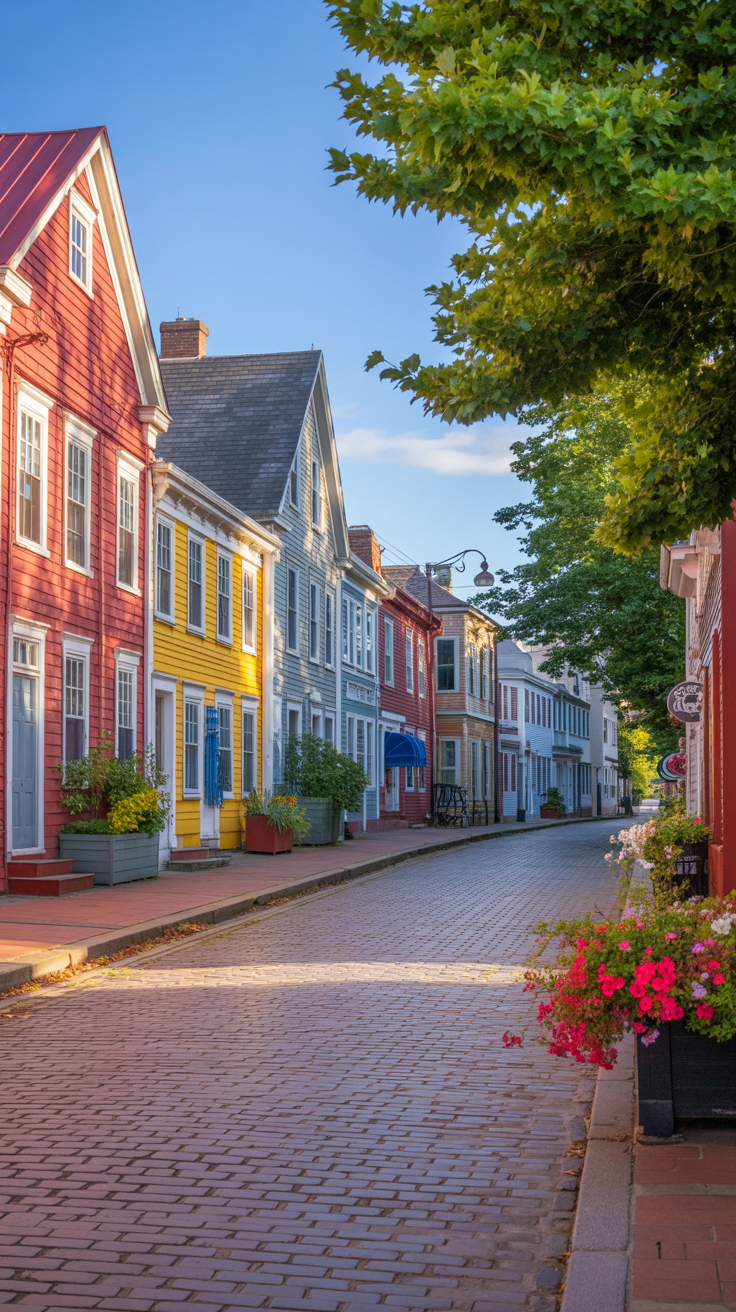
Yes, and it’s one of Yarmouth’s best features as a cruise port. The terminal location makes exploring on foot genuinely practical.
- Downtown Yarmouth is a 10-15 minute walk from the terminal along Water Street
- The historic district with sea captain’s homes and heritage buildings is easily accessible on foot
- The waterfront trail begins right near the terminal area, offering harbour views and bench stops
- Main Street shopping and dining options are roughly 15-20 minutes’ walk from the pier
- Terrain is flat and pedestrian-friendly with proper pavements throughout the core area
- Weather can be changeable, so bring layers and comfortable walking shoes even on sunny mornings
How to Get Around from Yarmouth & Shore Transportation
Yarmouth is a small town where most cruise passengers either walk or take a short taxi ride to their chosen destinations. Public transport exists but isn’t really designed with cruise schedules in mind.
Walking
- Best option for the historic district, waterfront trail, and downtown dining
- Most attractions within the core area are 10-30 minutes apart on foot
- Streets are well-maintained with pavements and pedestrian crossings
- Grab a free map from the Visitor Information Centre at 451 Main Street to orient yourself
Taxis
- Available at the terminal area when ships are in port
- Essential if you want to reach Cape Forchu Lighthouse (about 11 km from downtown)
- Fares are metered and reasonable for short trips around town
- Pre-arrange return pickup times if heading to outlying attractions
- Consider sharing a taxi with fellow passengers to split costs for lighthouse visits
Shuttles
- Some cruise lines offer shuttle services to key attractions
- Pre-booked shore excursion transport is arranged through your cruise line
- Local hotels and tour operators occasionally provide shuttle services for pre-arranged groups
Car Hire
- Available near the port and at Yarmouth Regional Airport
- Worth considering if you want to explore further afield along the South Shore
- Parking is available along Water Street and near the terminal for those driving in from elsewhere
- Not particularly necessary if you’re sticking to Yarmouth itself for the day
What to See Within Walking Distance from the Port
Yarmouth’s compact downtown means several worthwhile stops are genuinely reachable on foot without eating into your limited port time.
- Yarmouth Waterfront Trail: A scenic walking route along the harbour with interpretive signs, benches, and lovely water views. Starts right near the terminal area and offers a relaxing 20-30 minute stroll with photo opportunities of working boats and heritage waterfront buildings. Completely flat terrain.
- Historic District Sea Captain’s Homes: Grand 19th-century homes lining Main Street and Water Street, showcasing Yarmouth’s prosperous maritime heritage. Self-guided walking tour takes about 45 minutes to an hour depending on how many photo stops you make. The architecture is genuinely impressive with intricate Victorian details.
- Firefighters Museum of Nova Scotia: Located at 451 Main Street (also houses the Visitor Information Centre), this quirky museum displays antique fire engines and firefighting equipment. About 15-20 minutes’ walk from the terminal. Good for a quick 30-minute visit if you fancy something a bit different.
- Killam Brothers Waterfront Complex: Right near the terminal, this working waterfront area has marine services, small shops, and local dining options. Perfect for a pre-departure browse or coffee stop before heading back to the ship.
- Yarmouth County Museum: Houses local history exhibits including maritime artifacts and genealogy resources. Roughly 20 minutes’ walk from the port. Plan 45 minutes to an hour if you’re genuinely interested in the region’s history rather than just ticking boxes.
Must See Attractions in Yarmouth for a One Day Cruise Visit
With limited port time, focus on experiences that capture Yarmouth’s maritime character and coastal beauty without rushing around frantically.
Cape Forchu Lighthouse
- What it is: An iconic “apple core” style lighthouse perched on dramatic coastal rocks about 11 km from downtown Yarmouth. The distinctive architecture and rugged Atlantic setting make it one of Nova Scotia’s most photographed lighthouses.
- Why it matters: This is the quintessential Nova Scotia coastal experience you came for. The lighthouse sits on a rocky promontory with crashing waves, walking trails, and panoramic ocean views. It’s far more impressive than anything you’ll find in downtown Yarmouth itself.
- Time needed: Allow 2-2.5 hours total including 15-minute taxi each way, walking around the grounds, and taking photos. The site has benches and picnic areas if you want to linger.
- Practical tips: Taxi costs roughly $20-25 each way. Pre-arrange your return pickup time with the driver. The site is free to explore. Dress warmly even on mild days as the wind off the Atlantic can be bracing. The terrain includes some uneven rocks if you want the best photo angles, so wear proper footwear. A pair of comfortable walking shoes makes a huge difference when navigating the rocky paths.
Historic District Walking Tour
- What it is: A self-guided stroll through Yarmouth’s streets to see grand Victorian sea captain’s homes, heritage mercantile buildings, and maritime architecture from the town’s 19th-century heyday.
- Why it matters: These aren’t reconstructed tourist attractions but genuine heritage buildings that tell the story of Yarmouth’s prosperity during the Age of Sail. The craftsmanship and scale of these homes is remarkable for such a small town.
- Time needed: 45 minutes to 1.5 hours depending on your pace and photography enthusiasm. Pick up a free walking tour map from the Visitor Centre at 451 Main Street.
- Practical tips: Most homes are private residences so you’re viewing exteriors only. Main Street and Water Street have the best concentration of notable buildings. Combine this with the waterfront trail for a comprehensive walking loop back to the ship.
Rudder’s Seafood Restaurant & Brew Pub
- What it is: A popular local restaurant with proper Nova Scotia seafood including lobster, chowder, and fresh catches, plus a decent beer selection in a casual pub atmosphere.
- Why it matters: This is where you get authentic Maritime seafood without the inflated tourist prices or mediocre quality you sometimes find near cruise ports. Locals actually eat here, which tells you something.
- Time needed: Plan 1-1.5 hours for a proper sit-down lunch. Service can be a bit slower when cruise ships are in and the place fills up.
- Practical tips: Located about 15-20 minutes’ walk from the terminal. Try the seafood chowder or a lobster roll. Expect to pay $15-25 per person for a main course. They don’t take reservations for small groups, so arrive slightly off-peak (before noon or after 1:30pm) to avoid queues.
Yarmouth Waterfront Trail
- What it is: An easy, scenic walking path along the harbour with interpretive signs about local maritime history, working waterfront views, and access to shops and cafés.
- Why it matters: It’s a pleasant way to experience Yarmouth’s harbour character without committing to a longer excursion. Good for stretching your legs after being on the ship and getting oriented to the town layout.
- Time needed: 30-45 minutes for a leisurely stroll with stops to read signs and take photos. You can easily combine this with shopping or dining as the trail connects to downtown streets.
- Practical tips: Completely free and accessible right from the terminal area. Flat terrain suitable for all fitness levels. Benches along the route if you want to sit and watch the harbour activity. Best done in decent weather as there’s limited shelter.
Leif Erikson Park
- What it is: A small coastal park near Cape Forchu with a short loop trail (about 0.5 km), picnic spots, and ocean views. The park commemorates Leif Erikson’s Viking explorations.
- Why it matters: If you’re taking a taxi out to Cape Forchu Lighthouse anyway, this park is right there and adds a nice walking element to your lighthouse visit.
- Time needed: 20-30 minutes to walk the loop trail. Factor this into your Cape Forchu taxi trip rather than treating it as a separate destination.
- Practical tips: Free to explore. The trail is well-maintained but can be a bit uneven in places. Combines naturally with a lighthouse visit for passengers who want a bit more activity than just standing at the viewpoint.
Port Day Itinerary: Things to Do in 8 Hours
Here’s a realistic schedule that fits a typical 8am-4pm port day in Yarmouth, assuming you want to see the lighthouse and experience downtown without feeling rushed.
- 8:00am-8:30am | Disembark and orientation: Walk off the ship, grab a free map from the Visitor Information Centre at 451 Main Street (about 15 minutes’ walk), and get your bearings. The VIC staff can confirm taxi availability and current attraction hours.
- 8:30am-11:00am | Cape Forchu Lighthouse excursion: Catch a pre-arranged taxi from the terminal area (or call from the VIC) for the 15-minute drive to the lighthouse. Spend an hour exploring the grounds, walking the short trails, taking photos from various angles, and enjoying the coastal scenery. Return taxi brings you back to downtown by 11am.
- 11:00am-11:45am | Historic District walking tour: Pick up where the taxi drops you and walk through the sea captain’s homes along Main Street and Water Street. The morning light is good for photographing the Victorian architecture. Use the free walking tour map to identify key buildings.
- 11:45am-1:15pm | Lunch at Rudder’s: Arrive slightly before the noon rush to snag a table. Order the seafood chowder or a lobster roll and a local beer. Take your time and soak up the casual pub atmosphere. If Rudder’s is packed, there are other cafés and small restaurants along Main Street.
- 1:15pm-2:15pm | Waterfront Trail and harbour exploration: Walk off lunch with a stroll along the harbour trail. Stop at benches to watch boat activity, read the interpretive signs about Yarmouth’s maritime history, and pop into any waterfront shops that catch your eye at the Killam Brothers complex.
- 2:15pm-3:15pm | Shopping and snacks: Browse the handful of shops along Main Street for local crafts, Maritime souvenirs, or pick up some fresh baked goods from a local bakery. This is your buffer time to grab a coffee, use proper facilities, and wind down before heading back.
- 3:15pm-3:45pm | Return to ship: Walk back to the terminal (10-15 minutes from downtown) with plenty of time before all-aboard. You’ll arrive relaxed rather than sprinting up the gangway.
This timing works comfortably without racing around, includes the highlight lighthouse visit, gives you a proper meal, and leaves buffer time for the inevitable slow service or photo stop that takes longer than expected.
Where to Eat Near the Port
Yarmouth isn’t a foodie destination but it does proper Nova Scotia seafood well, and there are enough options within walking distance to keep you fed during your port day.
- Rudder’s Seafood Restaurant & Brew Pub: The go-to spot for cruise passengers wanting Maritime classics like lobster rolls, fish and chips, seafood chowder, and mussels. Casual pub atmosphere with a decent beer list. Expect $15-25 per main course. About 15-20 minutes’ walk from the terminal. Can get busy when ships are in, so time your visit before noon or after 1:30pm if possible.
- Main Street cafés and bakeries: Several small spots along the historic district serve coffee, sandwiches, baked goods, and light lunches. Good for a quick bite if you’re not after a full sit-down meal. Expect $8-15 per person. Some places do excellent seafood chowder in bread bowls.
- Killam Brothers waterfront area: Right near the terminal, you’ll find a few casual dining options and marine-themed spots. Convenient if you want to stay close to the ship or grab something on your way back. Quality varies but it’s handy for time-pressed passengers.
- Local specialties: Try proper Nova Scotia seafood chowder (creamy with chunks of fish, scallops, and sometimes lobster), lobster rolls (cold with mayo or warm with butter), and fish and chips made with fresh haddock. Prices are reasonable compared to larger tourist ports—a lobster roll runs $16-22 depending on the venue.
- Food safety: Tap water is safe to drink. Restaurant food safety standards are high throughout Nova Scotia. Shellfish and seafood are fresh and properly handled. No particular concerns for cruise passengers eating at established restaurants.
Shopping: What to Buy & Where to Go
Be honest: Yarmouth isn’t a shopping destination. If retail therapy is your main port day goal, you’ll be disappointed. That said, there are a few worthwhile items and small shops worth a browse.
- Maritime crafts: Look for locally made items like knitted goods, wooden boat models, lighthouse-themed art, and handcrafted jewelry featuring sea glass or nautical motifs. Main Street has a couple of small shops selling genuine Nova Scotia crafts rather than imported tourist tat.
- Food products: Local honey, maple syrup, dulse (dried seaweed snack popular in the Maritimes), and smoked fish make good edible souvenirs. Check any customs restrictions on food items before buying.
- Books and local history: Small bookshops and the museum gift shop stock books about Nova Scotia maritime history, local genealogy resources, and regional authors. Good if you’re into that sort of thing.
- Where to shop: Main Street between the Visitor Centre and Water Street has the best concentration of shops. The Killam Brothers waterfront area near the terminal also has a few marine-themed retailers. Don’t expect department stores or brand-name outlets.
- Opening hours: Most shops open around 9am or 10am and close by 5pm or 6pm. Some smaller venues may have limited hours or be closed on Sundays. Public holidays can affect opening times, though cruise port days often see extended hours.
- Haggling: Not part of the culture here. Prices are fixed in shops and restaurants. Don’t try to negotiate or you’ll just get odd looks.
Safety Tips & Avoiding Scams
Yarmouth is a genuinely safe port with low crime levels and a welcoming local population. You’re more likely to be delayed by a chatty local than encounter any trouble. Still, basic precautions apply.
- Taxi overcharging: Use licensed taxis from the terminal area or arrange rates in advance for trips to Cape Forchu. A fair fare to the lighthouse is roughly $20-25 each way. If someone quotes dramatically more, politely decline and find another driver.
- Unfamiliar shore excursion operators: Stick with cruise line-approved tours or operators recommended by the Visitor Information Centre. Don’t accept offers from random people approaching you at the terminal.
- Pickpocketing and theft: Not a significant problem in Yarmouth but keep valuables secured in zipped pockets or bags worn in front, especially in any crowded areas. Don’t flash large amounts of cash or expensive jewelry. An anti-theft crossbody bag helps keep your essentials secure while leaving your hands free for photos.
- ATM safety: Use machines inside banks or well-lit, busy locations. Shield your PIN and check for any tampering before inserting your card. If something looks off, use a different machine.
- Weather hazards: The real “danger” in Yarmouth is underestimating how quickly coastal weather can change. Bring layers even if it looks sunny when you disembark. Wind off the Atlantic at Cape Forchu can be surprisingly strong.
Emergency Contacts
- Police, Fire, Ambulance (Emergency): 911
- RCMP Yarmouth Detachment (Non-emergency): 902-742-8777 (233 Water Street, Yarmouth NS B5A 1M1)
- Yarmouth Visitor Information Centre: 902-742-5033 (451 Main Street; vic-yarm@novascotia.ca)
- Hospital: Yarmouth Regional Hospital (contact via 911 in emergency or 902-742-3541 for non-emergency enquiries)
Save your cruise ship’s emergency contact number before going ashore. Make sure someone in your group has a working phone with these numbers accessible.
Essential Items for Your Day in Yarmouth
Nova Scotia’s coastal weather is famously unpredictable, and Yarmouth is no exception. Having the right gear makes the difference between a comfortable exploration and a miserable few hours battling wind and unexpected drizzle. Here’s what actually works for a day in this Maritime port:
- Layering essentials: Even summer days can be cool and windy, especially at Cape Forchu Lighthouse. Pack a packable rain jacket that won’t take up much room in your daypack but will keep you dry if the weather turns. A lightweight jacket works well as a mid-layer when the Atlantic breeze picks up. For early or late season visits, merino wool base layers for women or merino wool base layers for men provide warmth without bulk.
- Footwear: The terrain around Yarmouth is mostly flat and paved, but Cape Forchu includes some rocky paths. Women’s walking shoes with good grip are essential, while men’s walking shoes should be comfortable for several hours of touring. If your feet are prone to blisters, bring blister prevention foot care products just in case.
- Sun and weather protection: Maritime light can be deceptively strong even on overcast days. Pack sunglasses for women or sunglasses for men to cut the glare off the water. A packable sun hat protects your face without taking up luggage space.
- Bags and storage: For walking tours and waterfront exploration, a packable backpack or anti-theft crossbody bag keeps your hands free for photos and shopping. Keep valuables secure with an RFID passport holder and RFID blocking wallet to protect against electronic pickpocketing, though Yarmouth is genuinely safe.
- Tech and convenience items: Bring a portable phone charger to keep your camera and maps working all day. Compact binoculars enhance wildlife viewing along the coast and let you spot seals or seabirds from Cape Forchu. A collapsible water bottle stays hydrated without adding weight when empty.
- Practical additions: Keep travel-size hand sanitizer handy for before snacking at outdoor viewpoints. If you’re visiting in warmer months, insect repellent helps near wooded areas and at dusk.
Currency, ATMs & Money Matters
Canada uses the Canadian dollar (CAD), and while Yarmouth is small, you’ll have decent access to banking services and card payment options.
- Local currency: Canadian dollars are used everywhere. US dollars are sometimes accepted at tourist-facing businesses but you’ll get a poor exchange rate. Convert money in advance or use ATMs for the best rates.
- ATM locations: Banks along Main Street have ATMs, typically offering better rates than currency exchange booths. Most accept international cards on Cirrus, Plus, and major networks. Expect small withdrawal fees from your home bank plus potential local fees.
- Card acceptance: Credit and debit cards are widely accepted at restaurants, shops, and attractions. Visa and Mastercard are near-universal; American Express less so in smaller venues. Contactless payment is common.
- Cash needs: You’ll want some cash for taxis, small purchases at markets, and any venues that don’t accept cards (though these are rare). Withdrawing $50-100 should cover a typical port day if you’re using cards for meals. A hidden travel money belt keeps larger amounts secure while you carry daily spending cash in your regular wallet.
- Exchange options: Banks offer currency exchange but aren’t always convenient for cruise schedules. ATM withdrawals typically give you the best rate. Avoid airport or hotel exchange booths if possible.
- Bank notification: Tell your card issuer you’re traveling to Canada to avoid fraud blocks. International transaction fees vary by bank—check yours in advance.
- Tipping: Standard practice is 15-20% in restaurants for good service. Taxi drivers appreciate 10-15%. Some restaurants may add gratuity for groups automatically, so check the bill.
- Taxes: Prices don’t include tax. Nova Scotia HST (Harmonized Sales Tax) is 15% and will be added at checkout. What you see on the price tag is not what you pay at the register.
Weather by Month
| Season | Months | Temperature Range | Conditions | What to Pack |
|---|---|---|---|---|
| Late Spring | May-June | 10-18°C | Cool to mild with frequent fog and drizzle. Unpredictable coastal weather with sunny breaks. Sea breezes keep temperatures moderate. | Layers including a waterproof jacket, long trousers, comfortable walking shoes. Fog can roll in quickly at Cape Forchu. |
| Summer | July-August | 15-23°C | The warmest and most pleasant months but still cooler than you’d expect for “summer.” Occasional fog. Lower humidity than inland areas thanks to ocean influence. | Light layers, a fleece or cardigan for wind, sun protection. Evenings can be cool even on warm days. Sunglasses for bright maritime light. |
| Early Autumn | September-October | 8-16°C | Beautiful fall colours inland but increasingly brisk temperatures and wind. September is often lovely; October gets noticeably cooler with more frequent rain. | Warm layers, waterproof outerwear, scarf and hat for windy conditions. October port calls can be quite chilly at Cape Forchu. |
Cruise season in Yarmouth runs roughly May through October, with peak visits in summer months. No matter when you visit, the Atlantic wind factor makes it feel cooler than the actual temperature. Locals joke that you can experience all four seasons in one day.
Common Questions & FAQ
Is Cape Forchu Lighthouse worth the taxi fare?
Yes, if you want the quintessential Nova Scotia coastal photo and lighthouse experience. The “apple core” architecture is unique and the Atlantic setting is dramatic. Budget roughly $45-50 return in taxi fares plus an hour on-site. If you’re on a tight budget or mobility is limited, the downtown historic district and waterfront trail offer a perfectly pleasant port day without the extra expense and travel time.
Can I get proper Nova Scotia lobster in Yarmouth?
Absolutely. Yarmouth is a working fishing port, so seafood is fresh and authentic. Rudder’s and other local restaurants serve proper lobster rolls, whole lobster dinners, and seafood chowder. Prices are reasonable compared to tourist-heavy ports. A lobster roll costs $16-22, and you’re getting real Maritime cooking rather than cruise-passenger markup.
How much time do I need for the historic district walking tour?
Plan 45 minutes to 1.5 hours depending on how many photos you want and whether you stop to read the plaques. The sea captain’s homes are genuinely impressive Victorian architecture, and the free walking tour map from the Visitor Centre at 451 Main Street gives you good background. Combine it with the waterfront trail for a comprehensive walking loop.
Is there free Wi-Fi in Yarmouth?
Some cafés and the Visitor Information Centre offer free Wi-Fi, but don’t expect comprehensive coverage throughout town. Many UK and international phone plans include roaming in Canada, so check with your provider before relying on finding Wi-Fi. The ship’s internet (expensive as it usually is) may be your most reliable option.
What’s the best use of a short port call if I only have 4-5 hours ashore?
Skip Cape Forchu and focus on the walkable downtown experience. Do the historic district and waterfront trail, have lunch at Rudder’s or another Main Street spot, and browse a few shops. You’ll see the essence of Yarmouth without the time pressure of taxi trips. Save the lighthouse for a longer port day or a return visit if you’re cruising the Maritimes again.
Are there proper facilities and toilets in the downtown area?
Yes, restaurants and cafés have customer facilities, and the Visitor Information Centre at 451 Main Street has public conveniences. Cape Forchu Lighthouse site also has facilities. No need to rush back to the ship for a bathroom break.
Can I visit Shelburne or other South Shore towns from Yarmouth on a port day?
Shelburne is about 70 km northeast and takes roughly an hour by car. It’s doable if you hire a car or arrange a private tour, but you won’t have time to see both Yarmouth and Shelburne properly on a typical port day. If you’re interested in exploring more of Shelburne, Nova Scotia, consider it as a separate destination or book a dedicated shore excursion that handles the driving. For most passengers, focusing on Yarmouth itself makes more sense.
Is Yarmouth good for cruise first-timers?
Yes, it’s an easy port with a relaxed pace, safe environment, and straightforward layout. You won’t feel overwhelmed or need elaborate planning. It’s also a good introduction to Nova Scotia’s Maritime culture before visiting busier ports like Halifax, Nova Scotia. If you’re new to cruising, Yarmouth offers a gentle port experience where you can walk off the ship and explore independently without stress.
Personal Experience
When our cruise ship pulled into Yarmouth, I wasn’t sure what to expect from this small Nova Scotia port town, but it turned out to be one of those pleasant surprises that makes cruise travel so much fun. The port itself is super walkable – you can literally step off the ship and be in the heart of downtown within ten minutes. We grabbed a map from the visitor centre right at the terminal and just started exploring on foot. The main strip along Water Street has this charming, unhurried vibe with colourful heritage buildings and friendly locals who actually seem happy to chat with visitors. We ducked into Rudder’s Seafood Restaurant for lunch, and honestly, the lobster roll was incredible – fresh, generous portions, and none of that touristy markup you sometimes get in port towns.
What really made Yarmouth special were the little discoveries we stumbled upon. The Firefighters Museum was quirky and fun, and Cape Forchu Lighthouse is about a 15-minute drive if you can grab a taxi – totally worth it for the dramatic coastal views and that iconic “apple core” lighthouse design. We also found this fantastic local bakery called The Merchant Tavern that does these amazing seafood chowders and homemade desserts. If you’ve got a few hours between ship activities, don’t just stick to the obvious spots. Wander down to the waterfront boardwalk or pop into some of the local shops selling genuine Maritime crafts. Yarmouth feels authentic in a way that some cruise ports don’t, and that’s exactly what made our visit memorable. For more helpful advice on making the most of your time ashore, check out our collection of cruise tips covering everything from packing to port strategies.