
Check the Livorno cruise port timetable before you arrive—it shows your ship’s arrival, departure, and all-aboard time, which is crucial for planning your day. The port schedule also reveals which other ships are docked and their departure times. If several large ships leave within an hour of each other, expect longer security queues and heavier traffic from Florence or Pisa. Budget an extra 30 minutes on busy terminal days.
Want to know more about what to expect when you arrive? Check out our comprehensive Livorno cruise ship port guide for everything you need to know about the terminal and getting around.
Where to Find the Current Livorno Port Schedule
The official Port of Livorno website maintains the most accurate and up-to-date cruise ship schedule. Unlike some ports where you need to dig through multiple pages, Livorno keeps their cruise timetable relatively accessible. You’ll find weekly schedules that list all expected cruise arrivals with their berth assignments, arrival times, and scheduled departure times.
- Port of Livorno official website: This is your primary source for accurate information. The schedule is typically updated weekly and includes ship names, arrival times, departure times, and berth numbers.
- Your cruise line’s app or daily programme: Your ship will always provide next-day port information including your specific all-aboard time. Screenshot this information before you go ashore in case you lose signal – having a high-capacity portable power bank ensures your phone stays charged all day.
- Third-party cruise tracking sites: Websites like CruiseMapper show historical and future port calls, though they may not always reflect last-minute changes.
- Port information desk: Once you’re in Livorno, the terminal has information desks where staff can confirm departure times and answer questions about port logistics.
Here’s something that catches people out: the departure time listed on the port schedule is when the ship actually sails away, not when you need to be back. Your all-aboard time is typically 30 minutes to 2 hours earlier depending on the cruise line and the specific port day. Always go by your ship’s all-aboard time, never the departure time on the port schedule.
Understanding Your All-Aboard Time
The all-aboard time is the absolute deadline for getting back to your ship. Miss it, and you’ll be making your own way to the next port at your own expense. This isn’t the time the ship leaves the dock – it’s the time when the gangway closes and they start preparing for departure. The actual sailing time might be an hour or more after your all-aboard time.
Different cruise lines handle this differently, and it can vary based on the itinerary:
- Most major cruise lines: Set the all-aboard time between 30 minutes and 1 hour before scheduled departure
- Smaller or luxury ships: May have a slightly more flexible approach, but still strictly enforce their stated time
- Multiple ship days: When several ships are departing around the same time, some lines bring the all-aboard time forward by an extra 30 minutes to avoid port congestion
- Tide or pilot considerations: Occasionally the captain may announce an earlier all-aboard time if there are navigational reasons to leave earlier than scheduled
Your all-aboard time will be printed in your daily programme, announced multiple times over the PA system, and usually displayed on screens throughout the ship. If you’re unsure, ask at Guest Services before you disembark. They’d much rather answer the question ten times than have you miss the boat.
How Long Do Cruise Ships Stay in Livorno?
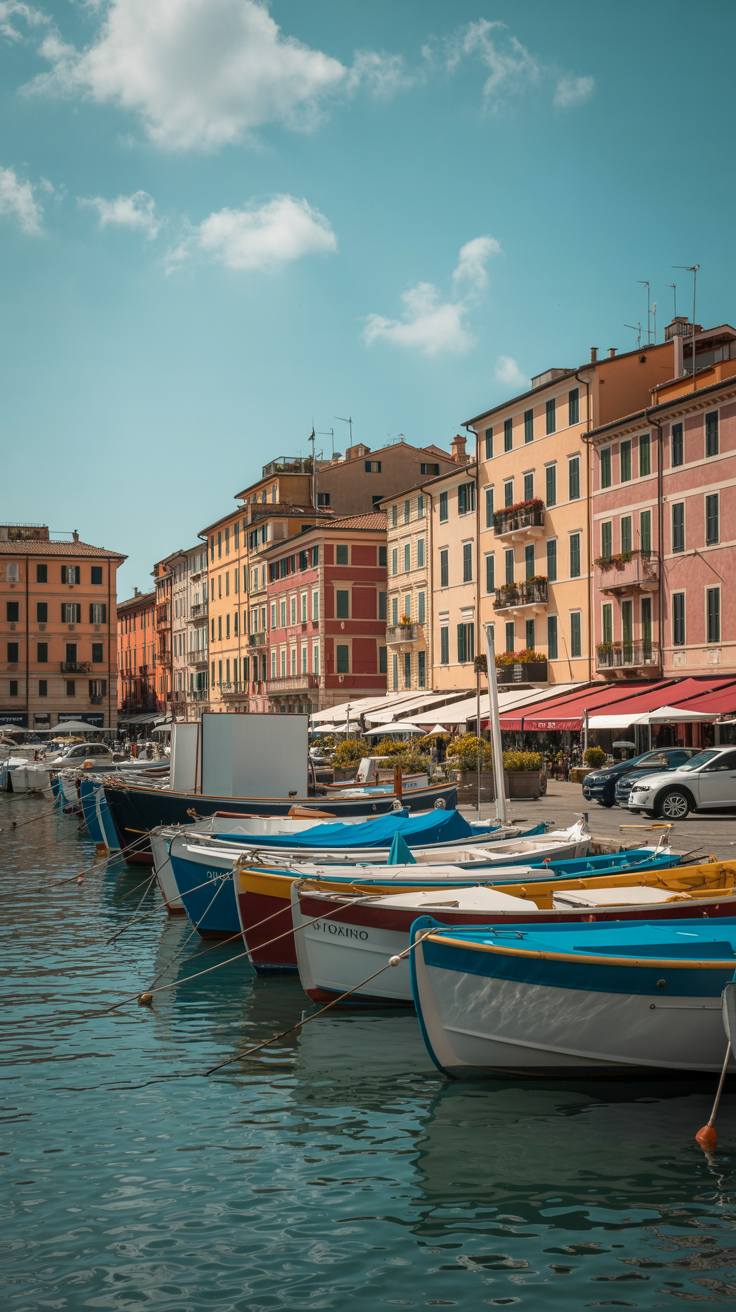
Port time in Livorno varies considerably depending on the cruise line and itinerary. The port is primarily used as a gateway to Florence and Pisa rather than as a destination itself, so most ships allow enough time for a meaningful shore excursion to the Tuscan highlights.
Typical port times you’ll see:
- Full day calls (most common): Arrival around 7:00-8:00, departure around 18:00-19:00, giving you roughly 10-11 hours ashore
- Extended stays: Some ships arrive early morning and don’t leave until 22:00 or 23:00, which is brilliant if you want to have dinner in Florence or Pisa
- Shorter calls: Less common, but some itineraries only allow 8-9 hours in port, which feels rushed if you’re planning to visit Florence
- Overnight stays: Rare but wonderful when they happen – gives you the option to experience Florence in the evening and not feel pressured about getting back
The distance to Florence (about 90 minutes each way by train or coach) means you need to factor in around three hours of travel time for the round trip. If you’ve only got eight hours in port and want to see Florence, you’re really looking at just five hours in the city itself. This is why checking the schedule in advance helps you set realistic expectations about what you can accomplish. Wearing comfortable walking shoes is essential for long days exploring Tuscan cities.
Peak Season Scheduling at Livorno Port
Livorno’s cruise season runs roughly from April through October, with May, June, September, and October being the busiest months. During peak season, it’s not unusual to see three, four, or even five cruise ships in port on the same day. This has practical implications for your shore day that go beyond just crowded attractions.
What happens on busy port days:
- Transportation bottlenecks: The train station and bus terminal can get overwhelmed when several thousand passengers all have the same idea about visiting Florence or Pisa at the same time
- Longer security queues returning to the ship: Multiple ships departing around the same time means queues at the port security screening can stretch to 20-30 minutes
- Taxi availability: If you’re planning to take a taxi anywhere, book it in advance on multi-ship days or expect to wait
- Restaurant reservations: Popular restaurants in Pisa and Florence get absolutely slammed when multiple cruise ships are in port
The port does a decent job managing the traffic flow, but you can’t change the physics of getting several thousand people through security checkpoints. If you see on the schedule that four ships are leaving within an hour of each other, give yourself more buffer time getting back. I aim to be at the security checkpoint at least 90 minutes before all-aboard time on busy days, which feels excessive until you’re standing in a queue that’s not moving. Having a secure crossbody bag keeps your documents and valuables safe while navigating crowded terminals.
Using the Schedule to Plan Your Shore Excursions
The port timetable isn’t just about knowing when to be back – it’s actually a useful planning tool for deciding what you can realistically do during your time ashore. Once you know exactly how many hours you have between disembarkation and all-aboard time, you can work backwards to figure out what makes sense.
Here’s how I use the schedule to plan:
- Calculate actual time available: Subtract at least 30 minutes from your arrival time (for disembarkation and getting through the terminal) and 60-90 minutes before all-aboard time (for getting back and through security). What’s left is your actual usable shore time.
- Account for travel time: Livorno to Pisa is about 20-30 minutes, Livorno to Florence is 90 minutes each way. Double that for round-trip, and you see how much it eats into your day.
- Check other ships’ schedules: If another large ship is arriving an hour before yours, expect Florence and Pisa to already be crowded by the time you get there. Sometimes it makes sense to do something different.
- Consider the departure time: If your ship isn’t leaving until 22:00 or 23:00, you could have dinner in Pisa or Florence and take a later train back. If you’re sailing at 17:00, you need to be more conservative.
- Weather and season: Summer days are long, but winter sunset comes early. An evening departure is more appealing in June than in November when you’d be getting back to the ship in the dark anyway. Pack a lightweight rain jacket for unpredictable spring and autumn weather.
For more information about what’s available at the terminal itself, our Livorno cruise port facilities guide covers everything from wifi to luggage storage.
What If the Schedule Changes?
Port schedules aren’t set in stone. Weather, mechanical issues, itinerary changes, or port congestion can all result in modified arrival or departure times. Your cruise line will always inform you of changes, but here’s what you need to know about handling schedule adjustments:
Common reasons for changes:
- Weather delays: Rough seas or high winds can delay arrival, sometimes by several hours. The ship may also need to depart earlier if weather is expected to deteriorate.
- Technical issues: Problems with the ship or port infrastructure can affect timing. I’ve had a port call where we couldn’t dock for two hours because the berth we were assigned to had equipment failure.
- Itinerary modifications: Sometimes the previous port runs late, which has a domino effect. The captain might speed up between ports and still arrive on time, or you might lose an hour or two in Livorno.
- Port congestion: If another ship is running behind schedule, you might need to wait for them to leave your assigned berth before you can dock.
If the arrival time changes, your ship will adjust the all-aboard time accordingly, though you might end up with fewer hours ashore than originally planned. If you’ve booked an independent excursion or restaurant reservation, you’ll need to contact them about the timing change. This is one advantage of booking ship excursions – they automatically adjust for schedule changes and the ship won’t leave without their own tours.
Typical Weekly Schedule Pattern
While specific ships and times vary throughout the season, Livorno tends to follow a weekly pattern that’s worth knowing about when you’re planning which cruise to book. This isn’t an official schedule, just an observation from looking at multiple seasons of port calls.
General patterns (very approximate):
- Sundays: Often one of the busier days with multiple ships in port, particularly Western Mediterranean itineraries that left Barcelona or Marseille earlier in the week
- Mondays and Tuesdays: Can be slightly quieter, though still multiple ships in summer
- Wednesdays through Fridays: Peak days during high season, sometimes four or five ships scheduled
- Saturdays: Mixed – can be busy or relatively quiet depending on where cruise lines position their turnaround days
This pattern matters if you have flexibility about which cruise to book. A Tuesday call might mean slightly fewer crowds in Florence than a Thursday call, though the difference isn’t massive. What matters more is the total number of ships scheduled for that specific day, which you can check on the port website once dates are published. Keep your essentials organized with packing cubes so you can quickly access what you need for shore excursions.
Reading the Schedule: What All the Information Means
The official port schedule includes several pieces of information that aren’t immediately obvious in their usefulness. Here’s how to interpret what you’re seeing:
- Berth number: Livorno has multiple cruise berths. The berth number tells you where you’ll dock, which affects how far you are from the terminal exit and shuttle buses. Lower berth numbers are generally closer to the exit.
- Ship size/passenger capacity: Sometimes listed, and useful for gauging how crowded trains and attractions might be. A 5,000-passenger ship creates more impact than a 1,200-passenger boutique ship.
- Arrival time: When the ship is scheduled to dock, not when you can leave. Add 30-60 minutes for actual disembarkation unless you have a very early number.
- Departure time: When the ship leaves the berth, not your all-aboard time. Your all-aboard time will always be earlier.
- Ship name: Useful if you’re trying to find your ship on a multi-ship day, or if you’re meeting people from another ship and need to coordinate timing.
Some cruise trackers also show historical on-time performance for specific ships and routes. If you’re the planning type, you can look up whether your ship tends to run on schedule or has a pattern of arriving late to Livorno. It’s rarely more than an hour or two variance, but it can help set expectations.
Shore Excursion Timing vs. Independent Exploration
One significant advantage of checking the port schedule early is deciding whether ship excursions or independent exploration makes more sense for your time in port. The schedule directly impacts this decision.
Ship excursions:
- Guaranteed return: The ship will not leave without their own excursions, which removes the all-aboard time stress entirely
- Schedule coordination: Tours are specifically timed to fit within the port call, with buffer time built in
- Higher cost: You pay a premium for this convenience and guarantee
- Less flexibility: You’re on the tour’s schedule, not your own
Independent exploration:
- More economical: Trains to Florence or Pisa cost a fraction of ship excursion prices
- Flexibility: Go where you want, stay as long as you want (within reason)
- Your responsibility: Miss the all-aboard time and the ship leaves. No exceptions, even if you’re five minutes late
- Requires planning: You need to understand train schedules, travel times, and build in adequate buffer time
If your ship is only in port for eight hours, a ship excursion starts to make more sense because the time is tight anyway. If you’ve got twelve hours and the ship isn’t leaving until evening, independent exploration gives you much more value and flexibility. The schedule helps you make this call. A secure travel backpack is ideal for carrying water, snacks, and souvenirs during independent tours.
Extend Your Stay in Livorno
While most cruise passengers treat Livorno purely as a gateway to Florence and Pisa, staying an extra night or two either before or after your cruise gives you a completely different experience of Tuscany without the pressure of the port schedule. Hotels in Livorno itself are reasonably priced and the town has a pleasant waterfront and genuine Italian character that you don’t see when you’re rushing through to catch a train.
The advantage of adding pre- or post-cruise accommodation is having the freedom to visit Pisa or Florence without constantly checking your watch. You can have a leisurely dinner, see the Leaning Tower at sunset when the day-trippers have left, or take your time in the Uffizi Gallery without calculating whether you’ll make the last train back to the port. The coastal towns near Livorno – Castiglioncello, Quercianella, and the areas south towards Bolgheri – offer authentic Tuscan coastal life that cruise passengers never see.
Livorno also makes a sensible base if you’re planning to visit Cinque Terre, Lucca, or the Tuscan wine regions. The regional train connections are straightforward, accommodation costs are lower than Florence, and you’re not dealing with tourist-district crowds. After years of rushing through port days, I’ve started adding a night or two in Livorno when I cruise the Mediterranean, and it’s transformed how I experience the region. If you’re extending your stay, quality hardside luggage protects your belongings during hotel transfers.
Personal Experience
I remember frantically searching for the Livorno cruise port schedule when my family was planning our Mediterranean trip last summer. We were meeting friends who were arriving on a different ship, and I needed to figure out if our port times would overlap. The online timetable was actually pretty straightforward once I found the official port website – it listed all the cruise ships coming in that week, their arrival times, and most importantly, their departure times. What really saved us was double-checking our all-aboard time, which was a full two hours before the ship was scheduled to leave. I’d seen other passengers miss that detail and panic when they realized the ship wouldn’t wait for them.
The port schedule also helped us plan which shore excursions made sense timing-wise. Since our ship was docking early and staying until evening, we had plenty of time to visit Pisa and Florence without feeling rushed. I noticed some other ships only had six or seven hours in port, which would have been tight for what we wanted to do. If you’re heading to Livorno, definitely check the current schedule ahead of time and screenshot your ship’s information – cell service can be spotty, and you don’t want to be guessing about when you need to be back. Trust me, there’s nothing worse than the anxiety of wondering if you’ve cut it too close getting back to the port. I always carry a compact backup charger to keep my phone powered for screenshots and maps.
Common Questions & FAQ
How early can I get off the ship in Livorno?
Disembarkation typically begins 30-60 minutes after the ship docks, but you won’t be in the first group unless you have an early ship excursion or are self-disembarking with your own luggage. Most passengers can expect to be walking off the ship within an hour to 90 minutes of the published arrival time. If you want to be among the first off, book an early ship excursion or head to the gangway as soon as they make the announcement that the ship has been cleared by local authorities.
What happens if I miss the all-aboard time in Livorno?
The ship will leave without you, full stop. You’ll be responsible for making your own way to the next port at your own expense, which can cost hundreds or thousands of pounds depending on where the ship is heading. The ship cannot delay departure for late passengers as they have scheduled berth times and pilots booked. Your travel insurance might cover some costs if you have cruise-specific coverage, but missing the ship is expensive and stressful. Always budget extra time getting back to avoid this situation entirely.
Can I visit both Florence and Pisa in one port day?
Technically possible but not recommended unless you have a very long port call and are comfortable with a rushed day. The logistics involve getting to Pisa (20-30 minutes), seeing the main sights (minimum 90 minutes), travelling to Florence (another hour), seeing highlights there (minimum 2-3 hours), then getting back to the ship (90 minutes). You’re looking at needing at least 10-11 hours, and that’s with everything running perfectly. Most people choose one city and do it properly rather than racing between both. If your ship is in port for twelve hours or more and you’re very efficient, you could manage both, but expect it to feel hectic. Protect your feet with blister prevention products for all that walking.
Where exactly do I find the official Livorno cruise schedule online?
The Port of Livorno’s official website maintains the cruise ship schedule, usually updated weekly during cruise season. You can also check your cruise line’s website or app for your specific ship’s schedule. Be aware that the port schedule shows departure times, not all-aboard times, so you’ll need to get your specific all-aboard time from your ship’s daily programme. The port website is most useful for seeing which other ships will be in port the same day as yours, which helps you anticipate crowds and plan accordingly. Don’t forget a European power adapter to keep your devices charged while checking schedules.
How much earlier than departure time is all-aboard time in Livorno?
This varies by cruise line but typically ranges from 30 minutes to 2 hours before the scheduled departure time. Most mainstream cruise lines use 60-90 minutes as standard. Your specific all-aboard time will be in your daily programme and announced repeatedly throughout the day. Never assume you know the all-aboard time based on the departure time listed on the port schedule or on external websites. The only all-aboard time that matters is the one your ship announces for that specific day.
Is the port schedule accurate or do ships often arrive late to Livorno?
Ships generally arrive on time or close to it in Livorno as it’s a well-run port with good weather most of the season. Delays of more than 30-60 minutes are relatively uncommon unless there’s been bad weather overnight or issues at a previous port. The bigger variable is disembarkation time, which depends on how quickly port authorities clear the ship and how many passengers are getting off. If you’re concerned about timing for a specific plan ashore, build in 30 minutes of flexibility beyond the scheduled arrival time and you’ll usually be fine.
Do I need to inform the ship if I’m planning to come back close to all-aboard time?
No, you don’t need to inform anyone, but you do need to take your cruise card when you leave and scan it when you return so they know you’re back on board. The ship tracks who’s ashore using the card scanning system at the gangway. What you absolutely must do is be back before the all-aboard time – it doesn’t matter if you’re back two minutes after disembarkation ends or two minutes before all-aboard time. That said, cutting it very close means you’re risking getting caught in traffic, missing a train, or hitting a long security queue at the port. Most experienced cruisers aim to be back through security at least 30 minutes before all-aboard time to avoid unnecessary stress. Keep your documents organized in a travel organizer for quick access at checkpoints.
Can the captain extend the all-aboard time if lots of passengers are running late?
In theory yes, but in practice this is extremely rare and you should never count on it. The captain might delay departure by a few minutes if their own ship excursion is running behind, but for independent travellers who misjudged timing, the ship will leave as scheduled. Ports assign specific berth times and pilots, and delaying departure affects the entire schedule plus potentially incurs significant port fees. The occasional story you hear about ships waiting is usually because their own excursion was delayed, not because individual passengers were late getting back. Plan to be back with time to spare rather than hoping for flexibility that almost certainly won’t come.
Last Updated: 28 January 2026