
If you’re pulling into Naples on a cruise and have limited time ashore, hunting down authentic Neapolitan pizza should be at the top of your list. The port area sits surprisingly close to some of the most legendary pizzerias in the world – places where locals queue up alongside tourists and where the pizza still follows centuries-old traditions. You won’t need a full day or complicated transport; the best spots are a short walk or quick taxi ride from where your ship docks, making it entirely possible to grab a proper Neapolitan pizza and still make it back before all-aboard.
The real challenge isn’t finding pizza in Naples – you’ll trip over pizza shops every few metres – but knowing which ones serve the genuine article and which are tourist traps churning out mediocre pies for cruise passengers in a hurry. The three names that come up again and again from locals are Da Michele, Sorbillo, and Di Matteo. These aren’t just famous because they’re old; they’re famous because they’ve kept doing things the right way, using proper ingredients and wood-fired ovens that create that distinctive charred, pillowy crust.
If you’re planning a broader exploration of the area’s food scene, where to eat near Naples cruise port covers everything from seafood to pastries in the immediate port vicinity.

Personal Experience
We got off the cruise ship in Naples with just a few hours before departure, and honestly, we had one mission: find the real deal Neapolitan pizza everyone talks about. After asking around, we ended up hitting three places that locals actually frequent – Da Michele, Sorbillo, and Di Matteo. Da Michele was closest to the port and absolutely packed with Neapolitans, not just tourists, which felt like a good sign. They only serve two types of pizza – marinara and margherita – and now I get why. The crust was impossibly soft in the center with those perfect charred bubbles around the edges, and the sauce had this bright, fresh tomato flavor that made everything else I’ve called pizza seem like a poor imitation.
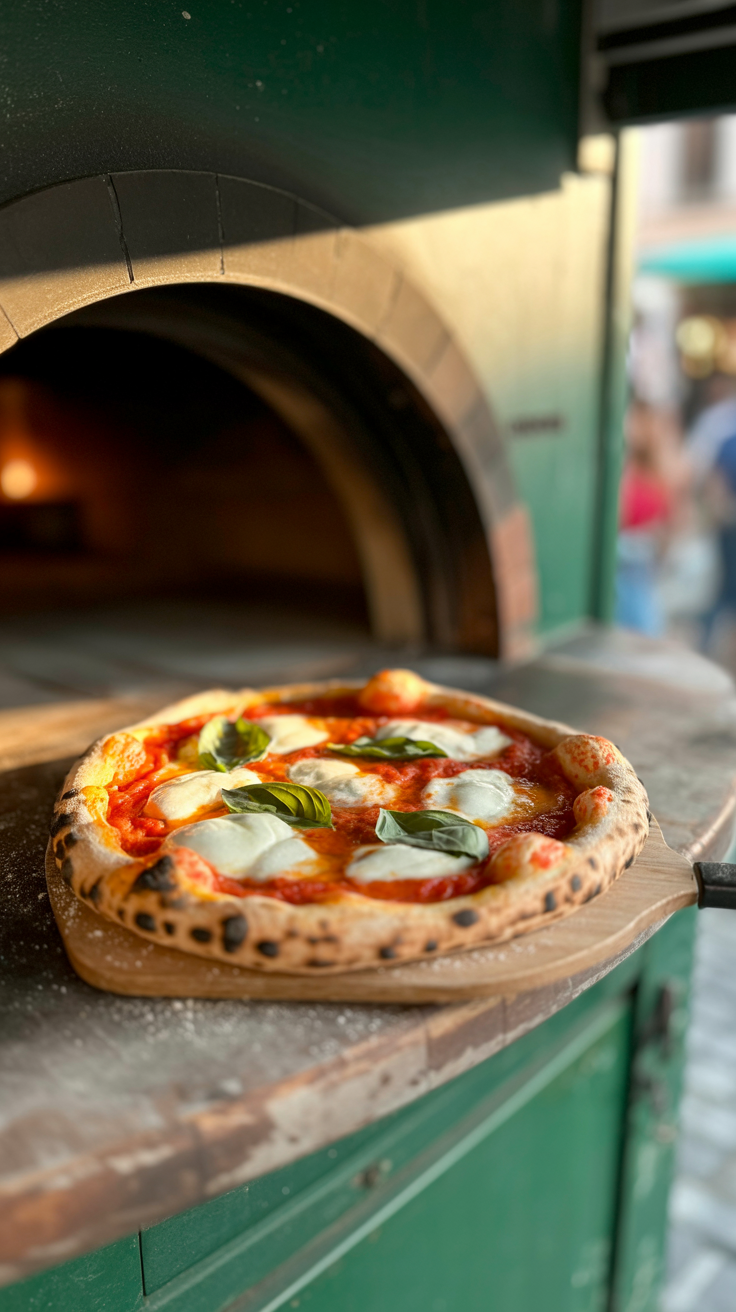
What struck me most was how different authentic Neapolitan pizza actually is from what we’re used to back home. The dough is wet and stretchy, cooked in a blazing hot wood-fired oven for maybe 90 seconds, so you get this tender, slightly floppy center that you practically need to fold to eat. At Di Matteo, we watched the pizzaiolo work the dough with this effortless rhythm that clearly comes from years of practice. Sorbillo had a longer wait but incredible energy inside – families sharing pizzas, everyone talking over each other in that animated Italian way. The whole experience made it clear that pizza here isn’t just food, it’s a craft that people take seriously, and the best part is it’s all within walking distance of the port.
What Makes Neapolitan Pizza Different
Before you head out, it helps to understand what you’re actually looking for. Neapolitan pizza isn’t like the thick, greasy slices you might grab at home or the crispy thin-crust versions popular elsewhere. It’s a specific style with protected designation of origin status, meaning there are actual rules about how it must be made.
- The dough: Made from tipo 00 flour, water, salt, and fresh yeast. It’s left to rise for at least eight hours, sometimes up to 24, which creates that characteristic soft, elastic texture
- The cooking method: A wood-fired oven heated to around 450-485°C. The pizza cooks in 60-90 seconds, which gives you those leopard-spotted char marks on the crust while keeping the center soft
- The toppings: Less is more. Traditional Neapolitan pizza uses San Marzano tomatoes (grown in the volcanic soil near Mount Vesuvius), fior di latte or buffalo mozzarella, fresh basil, and extra virgin olive oil
- The texture: Expect a soft, slightly wet center that you’ll often need to fold to eat. The crust should puff up around the edges (the “cornicione”) with a chewy, airy texture and those dark blistered spots
- The serving style: It arrives whole on a plate, not pre-sliced. You’ll get a knife and fork, and yes, Neapolitans absolutely use them rather than picking up slices
The wet, floppy center throws some people off at first – it’s not undercooked, that’s how it’s meant to be. If you’re served a pizza with a crispy, completely dry base, you’re not getting the real thing.
Da Michele: The Purist’s Choice
L’Antica Pizzeria da Michele has been around since 1870 and famously serves only two types of pizza: marinara (tomato, garlic, oregano, oil) and margherita (tomato, mozzarella, basil, oil). That’s it. No toppings menu, no variations, no gluten-free options.
Location and getting there: Via Cesare Sersale 1/3, about 2km from the cruise terminal. You can walk it in roughly 25 minutes through the centro storico, or grab a taxi for around €10-15. Naples port to city center transport options include taxis and the Alibus shuttle if you’re combining pizza with other sightseeing.
What to expect:
- Queues, almost always. Peak lunch hours (1-3pm) can mean waiting 30-60 minutes
- A no-frills interior with marble tables and a constant stream of pizzas coming out of the oven
- Quick service once you’re seated – your pizza arrives within minutes
- Prices around €4-5 for a margherita, €3.50 for a marinara
- Cash preferred, though they’ve started accepting cards
Insider tips: Go just after they open at 11am or after 3pm when cruise groups have cleared out. The marinara is brilliant if you want to taste the tomatoes without mozzarella masking them. Don’t expect table service with menus and long explanations – the staff are efficient, sometimes brusque, but that’s part of the charm. You’re here for the pizza, not the ambiance.
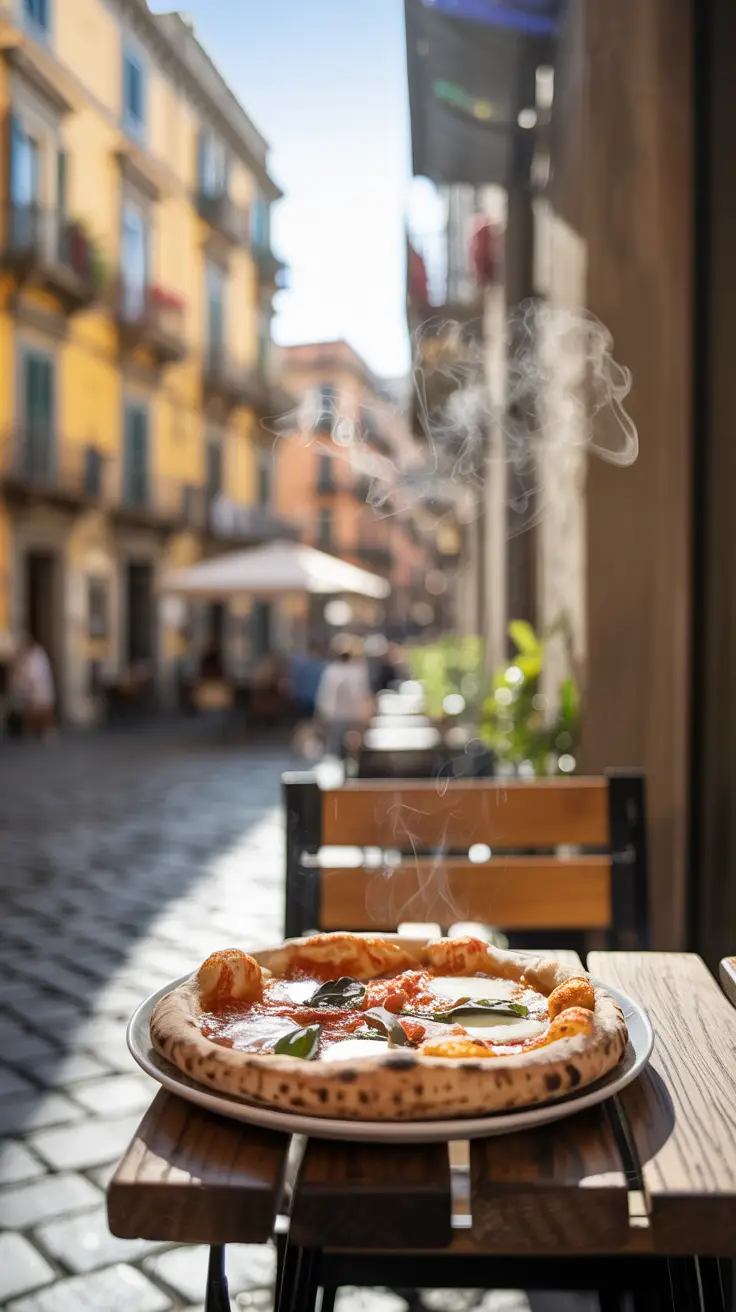
The pizza itself is everything it should be: simple, perfectly balanced, with that signature soft center and puffy, charred crust. It’s not “the best” in some objective sense, but it’s absolutely authentic and you can taste why this place has survived for over a century.
Sorbillo: The Crowd Favourite
Gino Sorbillo represents a newer generation of Neapolitan pizza makers, though his family has been in the business since 1935. The original location on Via dei Tribunali is larger than Da Michele and offers a few more pizza options while still respecting traditional methods.
Location and getting there: Via dei Tribunali 32, roughly the same distance from the port as Da Michele. Via dei Tribunali is one of the three main ancient Roman streets cutting through Naples’ historic center, so it’s worth the walk if you want to see the old city.
What to expect:
- Even longer queues than Da Michele during peak times – this place is wildly popular
- A livelier, more tourist-friendly atmosphere with staff who speak English
- Slightly larger menu including a few variations on the classics
- Prices similar to Da Michele, around €4-6 for most pizzas
- The pizzaiolo working right in the window, which makes for great photos
Insider tips: If the queue looks ridiculous at the Via dei Tribunali location, Sorbillo has opened several other branches around Naples, including one at Via Partenope along the waterfront (though locals will tell you the original is still the best). The margherita extra here uses buffalo mozzarella instead of fior di latte and it’s worth the extra euro. Try to avoid Saturday and Sunday lunchtimes when both tourists and local families pack the place.
Sorbillo’s pizza is consistently excellent – perhaps a touch more refined than Da Michele’s, with careful attention to the quality of every ingredient. The atmosphere feels more celebratory, less institutional, which some people prefer.
Di Matteo: Where Locals Actually Go
Pizzeria Di Matteo is less famous internationally but absolutely beloved by Neapolitans. It’s been on Via dei Tribunali since 1936 and has a reputation for excellent fried snacks alongside their pizzas.
Location and getting there: Via dei Tribunali 94, further along the same street as Sorbillo, about 2.5km from the port.
What to expect:
- A more local crowd, especially if you go outside typical tourist meal times
- Smaller space with counter service and a few tables
- Brilliant fried starters like crocchè (potato croquettes) and arancini
- Faster turnover than the more famous spots, so queues move quickly
- Similar prices, around €4-5 for a margherita
Insider tips: Order a portion of fried pizza dough (pizza fritta) if you see it – it’s stuffed with ricotta and other fillings, deep-fried until golden, and absolutely delicious. Di Matteo is famous for these and they make a perfect starter while you wait for your main pizza. Bill Clinton ate here back in the 90s during a G7 summit, and there’s still a photo on the wall, but that hasn’t turned it into a tourist circus somehow.
The pizza here has a slightly thicker cornicione than some other places and the tomato sauce tends to be a bit sweeter. It’s proper Neapolitan pizza without the queues and hype of the other two spots.
Timing Your Pizza Mission
Getting to any of these places and back to the ship requires some planning, especially since meal times in Italy don’t always match cruise ship schedules.
Best times to go:
- 11am-12pm: Right when they open. You’ll avoid queues and get back to the ship well before any afternoon departure
- 3pm-5pm: After the lunch rush has cleared. Many pizzerias close around 3-4pm and reopen for dinner, so check specific opening hours
- Avoid 1-2:30pm: Peak lunch time when locals eat and cruise groups descend
Time needed: Budget at least 90 minutes total – 20-30 minutes each way for transport/walking, 30-45 minutes for ordering, eating, and paying. If there’s a queue, add another 30-60 minutes. For a relaxed experience without rushing, allow 2-3 hours from leaving the ship to returning.
All-aboard considerations: Check your ship’s departure time and work backwards. If you’re sailing at 5pm, you need to be back at the port by 4pm at the absolute latest (ships don’t wait). That means leaving the pizzeria by 3:30pm, which means arriving by 2pm at the latest if there’s a queue. Honestly, unless you’re confident about timing, the morning option is far less stressful.
Getting There from the Port
The cruise terminal at Molo Beverello sits right on the harbor, and from there you’ve got several options for reaching the historic center where all three pizzerias are located.
Walking: The most straightforward route takes you through Piazza Municipio, up Via Toledo (one of Naples’ main shopping streets), then into the centro storico. It’s about 2-2.5km depending on which pizzeria you’re aiming for. The walk is flat at first then slightly uphill, passing through the Spanish Quarter – fascinating streets, but keep an eye on your belongings as it’s a busy area. Total time around 25-30 minutes at a steady pace. Make sure you’re wearing comfortable walking shoes since you’ll be navigating cobblestone streets and uneven pavement throughout the historic center.
Taxi: You’ll find taxi stands right at the port exit. A ride to Via dei Tribunali should cost €10-15 and takes about 10-15 minutes depending on traffic. Agree on the price before you get in or insist on the meter. Some drivers will try to charge cruise passengers inflated rates.
Metro: The Municipio metro station is near the port and Line 1 runs up through the city, but you’d still need to walk from the nearest station (Dante or Museo) to the pizzerias. Not really faster than walking directly and you have to navigate buying tickets.
Alibus: This airport shuttle bus stops at Piazza Municipio near the port, but it’s designed for airport connections, not city sightseeing. Only useful if you’re combining pizza with other stops along its route.
Most people either walk (nice if you want to see the streets) or taxi (faster and easier if you’re short on time). For more detailed transport options, Naples port to city center transport breaks down all the choices with current prices and routes.
Where Locals Actually Eat
While Da Michele, Sorbillo, and Di Matteo are all legitimate and serve proper Neapolitan pizza, they’re also tourist magnets. If you want to eat where it’s mostly locals and fewer cruise passengers, consider these alternatives:
- Starita: In the Materdei neighborhood, further from the port but worth it if you have extra time. Famous for their fried pizza and for training the pizzaioli from L’Antica Pizzeria
- Concettina ai Tre Santi: In the Sanità district, an up-and-coming area that most tourists skip. Run by the Oliva family, third generation pizza makers
- 50 Kalò: More modern approach while respecting tradition. You’ll find younger Neapolitans here and the menu includes some creative variations
That said, don’t feel like you’re compromising by going to the famous three. They’re famous for good reasons and locals absolutely still eat at them, just perhaps not during cruise ship hours.
What to Order
At most traditional pizzerias, the menu is short and the classics are what everyone orders.
The essential two:
- Margherita: Tomato, mozzarella (fior di latte), basil, olive oil. This is the standard by which all Neapolitan pizza is judged. If they can’t get this right, nothing else matters
- Marinara: Tomato, garlic, oregano, olive oil. No cheese. Sounds simple but it’s brilliant – lets you taste the quality of the tomatoes and the char from the oven
Slight variations worth trying:
- Margherita DOC or Extra: Uses buffalo mozzarella instead of fior di latte. Richer, creamier, slightly more expensive
- Pizza fritta: Fried instead of baked, stuffed with ricotta and other fillings. A Neapolitan street food tradition that you’ll find at Di Matteo and a few other places
What to skip: Anything with more than three or four toppings. You’re not here for Hawaiian or BBQ chicken pizza. If the menu lists dozens of options with exotic ingredients, you’re probably in a tourist trap.
Drinks: Beer (Peroni or local options) or a simple soda. Wine isn’t really the traditional pairing for pizza here. A small beer is usually €2-3.
Dessert: Most pizza places don’t do desserts beyond basic items. If you want proper Neapolitan pastries, you’re better off finding a pasticceria after your pizza – sfogliatella and babà are the local specialties.
Practical Realities and Potential Problems
A pizza mission in Naples isn’t without its challenges. Here’s what can go wrong and how to handle it:
Queues taking forever: The famous spots can have waits stretching past an hour during peak times. If you’re on a tight schedule, go early or have a backup plan. Di Matteo usually moves faster than the other two.
Language barriers: Many staff at traditional pizzerias speak limited English. Learn a few phrases (“una margherita, per favore”) or just point at the menu. Most places have English menus now, but don’t expect long conversations.
Pickpockets and bag snatchers: The centro storico and Spanish Quarter are notorious for petty theft. Keep bags in front of you, don’t flash expensive phones or cameras, and stay aware of your surroundings. Most people have no problems, but cruise passengers with cameras and maps are obvious targets. Consider using an anti-theft backpack or secure crossbody bag that keeps your valuables close and makes it harder for opportunistic thieves to access your belongings.
Getting lost in the narrow streets: The historic center is a maze of tiny alleys and the street signs aren’t always clear. Download offline maps on your phone before you go – make sure you have a fully charged power bank so your phone doesn’t die when you need directions most. Via dei Tribunali is a major street so it’s hard to miss once you’re in the right area.
Restaurants closed: Many pizzerias close one day a week (often Monday) and take a break between lunch and dinner service. Check opening hours before you go – there’s nothing worse than trekking across Naples to find your chosen spot shuttered.
Missing the ship: This is the big one. Italian meal times and service can be slow, queues are unpredictable, and taxis back to the port aren’t always easy to find. Build in more time than you think you need and don’t cut it close. If you’re nervous about timing, book an organized shore excursion that includes pizza and handles all the logistics.
Beyond Pizza: The Wider Food Scene
If you’ve got extra time or you’re traveling with people who don’t care about pizza as much as you do, Naples has plenty more to offer food-wise.
The street markets near the port area and through the centro storico sell everything from fresh seafood to local cheeses and vegetables. Naples street markets where locals shop covers the best options if you want to see where Neapolitans actually buy their food. The Pignasecca market is particularly atmospheric and sits between the port and the historic center.
For sit-down meals beyond pizza, the port area has decent seafood restaurants and traditional trattorias serving pasta dishes like spaghetti alle vongole (clams) and pasta alla Genovese (slow-cooked beef and onions – confusingly, it’s a Neapolitan dish despite the name). The quality varies wildly near the port, so ask locals or check recent reviews before sitting down.
Street food options include:
- Cuoppo: Paper cone filled with fried seafood (calamari, shrimp, small fish)
- Taralli: Crunchy ring-shaped crackers with pepper or other flavourings
- Gelato: Proper Italian ice cream from a gelateria, not a tourist trap with artificial colours
| Pizzeria | Distance from Port | Walking Time | Typical Queue Time | Price Range | Best For |
|---|---|---|---|---|---|
| Da Michele | 2km | 25 mins | 30-60 mins (peak) | €3.50-5 | Purists who want the classic experience |
| Sorbillo | 2km | 25 mins | 45-90 mins (peak) | €4-6 | Lively atmosphere, slightly wider menu |
| Di Matteo | 2.5km | 30 mins | 20-40 mins (peak) | €4-5 | Fewer tourists, excellent fried starters |
What to Pack for Your Naples Pizza Adventure
Since you’ll be walking through Naples’ historic streets and dealing with unpredictable weather, having the right gear can make your pizza mission much more comfortable. Keep your phone, cash, and cruise card secure in a messenger bag with theft protection or backpack designed for travel security. Naples can see sudden rain showers even in summer, so having a packable rain jacket for women or lightweight rain jacket for men tucked in your bag means you won’t get soaked halfway to the pizzeria.
Your phone will be essential for navigation and photos, so bring a portable charger with built-in cables to avoid running out of battery when you’re trying to find your way back to the ship. A waterproof phone pouch protects against both rain and spills from those enthusiastically wet pizzas. If you’re walking for extended periods on cobblestones, blister protection can save your feet, especially if you’re breaking in new shoes.
Keep your belongings organized with a hanging toiletry organizer back on the ship and use cable organizers to keep your chargers untangled. If you’re planning to bring anything back to the ship or need to carry layers, compression packing cubes help maximize space in your daypack.
Extend Your Stay in Naples
If one rushed pizza lunch isn’t enough and you want to properly explore Naples and the surrounding area, spending a night or two in the city before or after your cruise makes a lot of sense. The historic center has accommodation ranging from budget guesthouses to upscale hotels in converted palazzos, and staying overnight lets you eat at the pizzerias during evening service when they’re even more atmospheric. You’ll also have time to visit Pompeii or the Amalfi Coast, both of which require more than a few hours.
Hotels in Naples cluster around the waterfront, Piazza del Plebiscito, and the Spanish Quarter, all within walking distance of both the cruise port and the best restaurants. If you’re extending your stay, pack hardside carry-on luggage for your pre-cruise hotel nights and use packing cubes to keep everything organized between your hotel and ship stays. Don’t forget a European power adapter for charging your devices at Italian hotels.
Finding accommodation near the port gives you the freedom to explore at your own pace without watching the clock, and honestly, Naples deserves more than the brief port call most cruise itineraries allow. The city has rough edges but it’s also funny, chaotic, and full of life in a way that the more polished Italian cities sometimes aren’t.
For complete details about docking, transport, and what’s nearby, Naples cruise ship port guide covers everything you need to know about your time in port.
Common Questions & FAQ
How much time do I need to eat at one of the famous pizzerias?
Budget a minimum of 90 minutes total from leaving your ship to getting back, though 2-3 hours is more realistic if there’s a queue. The pizza itself takes only 60-90 seconds to cook and you’ll eat it in 10-15 minutes, but getting there, waiting for a table, ordering, and returning to the port all add up. If your ship is only in port for a few hours and you’re worried about timing, consider going right when they open at 11am or booking a shore excursion that includes pizza and handles all the logistics.
Can I walk to the pizzerias from the cruise terminal?
Yes, all three main spots (Da Michele, Sorbillo, Di Matteo) are about 2-2.5km from the cruise terminal, which takes 25-30 minutes on foot. The walk goes through some of Naples’ most interesting streets including the Spanish Quarter and the centro storico. The route is mostly flat then slightly uphill. If you’re short on time or uncomfortable walking through busy Italian streets, a taxi costs around €10-15 and takes 10-15 minutes depending on traffic. Make sure you wear comfortable shoes designed for walking since the cobblestone streets can be tough on your feet.
Do I need to book a table in advance?
Traditional Neapolitan pizzerias like Da Michele and Di Matteo don’t take reservations – you just turn up and queue. Sorbillo has started taking bookings for some time slots through their website, but walk-ins are still the norm. The advantage of no-reservation spots is you can be flexible with your timing; the disadvantage is you might wait an hour during peak lunch service. Going early (11am-12pm) or late afternoon (3-4pm if they’re still open) usually means shorter waits.
What if someone in my group doesn’t like pizza or has dietary restrictions?
Most traditional pizzerias have extremely limited menus focused almost entirely on pizza. If someone doesn’t eat pizza, they’ll struggle at Da Michele (which serves literally only two types). Sorbillo and Di Matteo have a few fried starters and occasionally a pasta dish, but options are minimal. For gluten-free or vegan needs, traditional spots aren’t equipped – you’d need to seek out modern pizzerias that specifically advertise these options. If your group has varied dietary needs, choosing a broader restaurant and skipping the famous pizzerias might be more practical.
Is it safe to walk around Naples near the pizzerias?
The centro storico where all three pizzerias are located is generally safe during the day, though petty theft (pickpockets, bag snatchers on mopeds) is common. Stay alert, keep bags in front of you, don’t wave your phone around for photos constantly, and avoid dark side streets if you’re there in the evening. Using an anti-theft travel backpack with hidden zippers and slash-proof material gives you peace of mind. The streets are usually busy with a mix of locals and tourists, which is reassuring. Most cruise passengers visit without any problems, but Naples does have a reputation for opportunistic theft so take sensible precautions.
Can I get pizza to take away and eat on the waterfront?
Yes, many pizzerias offer takeaway (da asporto) and you can absolutely grab a pizza to eat by the harbour or in one of the piazzas. Some spots like Di Matteo have counter service where takeaway is the default. The pizza comes in a cardboard box and you’ll need to eat it fairly quickly while it’s still warm. This can be a good time-saving option if you’re really pressed to get back to the ship. Just be aware that eating proper Neapolitan pizza with your hands while walking around isn’t how it’s traditionally done – the soft, wet center makes it messy without a plate and cutlery.
How do I know if I’m getting authentic Neapolitan pizza?
Look for pizzerias displaying the “Verace Pizza Napoletana” certification logo, which guarantees traditional methods and ingredients. The pizza should have a soft, slightly wet center with a puffy, charred crust around the edges (cornicione). It cooks in a wood-fired oven in 60-90 seconds at extremely high heat. The ingredient list should be short – San Marzano tomatoes, mozzarella (fior di latte or buffalo), basil, olive oil. If the menu lists dozens of topping options or the pizza arrives with a crispy, completely dry base, you’re not getting the real thing. The three spots covered in this article (Da Michele, Sorbillo, Di Matteo) all meet the traditional standards.
What should I do if the queue is too long when I arrive?
If you arrive at Da Michele or Sorbillo and the queue looks like it’ll take over an hour, you’ve got several options: try Di Matteo which usually has shorter waits; come back at a different time (early morning or late afternoon); look for one of the less famous but still excellent local pizzerias nearby (ask locals for recommendations); or just accept the wait as part of the experience and use the time to explore the surrounding streets. Don’t let impatient cruise passengers pressure you into a mediocre tourist-trap pizzeria just because there’s no queue – there’s usually no queue for a reason.
Last Updated: 16 January 2026