
Getting to Rome from your cruise ship at Civitavecchia is more straightforward than you might think, and with a solid plan you can see the ancient city’s highlights without the stress of wondering if you’ll make it back on time. The key is understanding the train system, prioritising what matters most to you, and building in enough buffer time so you’re not sprinting back to the gangway whilst your shipmates are already at the pool bar with a spritz.
This guide walks you through a tested 8-10 hour schedule that covers transport, major sites, proper meals, and realistic timings based on actual crowd patterns and train frequencies. You won’t see absolutely everything Rome has to offer in a day – that’s impossible – but you’ll hit the iconic spots, eat well, and return to your ship with time to spare and stories to tell.
Getting from Civitavecchia Port to Rome
The most reliable and economical way to reach Rome is by train. Regional trains run roughly every 30 minutes from Civitavecchia station to Roma Termini, taking about 60-75 minutes depending on the service. Tickets cost around €5-8 for a single journey, and you can buy them at the station or online in advance.
Here’s where cruise passengers often get confused: the port and the train station are not in the same place. When your ship docks, you’ll need to get from the cruise terminal to Civitavecchia station first. Port shuttle buses run frequently – roughly every 20 minutes – and cost just a few euros. The journey takes about 10-15 minutes. Some cruise lines offer their own shuttle service, but the public navetta is cheaper and just as reliable.
If you’re planning to drive into Rome yourself, think twice. Parking near the major sights is expensive, difficult to find, and central Rome has restricted traffic zones that will fine you automatically if you drive in without authorisation. The train-plus-walking approach saves you money, stress, and the genuine headache of navigating Roman traffic. For more details on getting from Civitavecchia to Rome, you’ll find the port layout and transport options clearly explained.
Timing Your Departure
Aim to be on a train leaving Civitavecchia between 7:30 and 8:30 AM. This gets you into Roma Termini by 9:00-9:45 AM, which is perfect timing to hit the Colosseum area before the worst crowds arrive. The earliest trains start around 6:00 AM if you’re particularly keen, but for most cruise passengers an 8:00 AM departure strikes the right balance between sleep and sightseeing.
For your return, target a train leaving Roma Termini between 4:30 and 5:30 PM. This puts you back at the port by 6:30-7:00 PM, giving you a comfortable cushion before the typical 8:00-9:00 PM ship departure. Don’t cut it closer than this – trains can be delayed, and missing your ship is not the adventure you’re looking for.
Hour-by-Hour Itinerary
7:30-8:00 AM: Port to Station
- Exit the cruise terminal and locate the port shuttle bus (look for signs saying “navetta” or ask port staff)
- The bus drops you right at Civitavecchia train station
- Buy your return ticket now to save time later – you don’t need a specific train, just a regional ticket valid for the day
8:15-9:30 AM: Train to Rome and Arrival
- Board your regional train to Roma Termini
- The journey takes about 75 minutes
- Once at Termini, you can grab a quick espresso and cornetto at one of the station cafés, but don’t linger – you’ve got ground to cover
9:30 AM-12:30 PM: Ancient Rome (Colosseum, Forum, Palatine Hill)
From Termini, it’s about a 20-minute walk to the Colosseum, or you can take Metro Line B one stop to Colosseo. Walking is actually nicer if the weather’s decent – you’ll pass through residential streets that give you a feel for actual Rome beyond the tourist centre.
Book your Colosseum tickets in advance. This is non-negotiable if you want to avoid spending an hour in the queue. Timed-entry tickets let you skip most of the line and guarantee you’ll get in. The Colosseum typically opens around 8:30-9:00 AM, and arriving right at opening means fewer crowds for photos.
After the Colosseum, your ticket includes access to the Roman Forum and Palatine Hill – both are right next door and absolutely worth the time. The Forum is where ancient Rome’s political and social life happened, and Palatine Hill offers excellent views over the whole complex. Budget 2.5-3 hours total for this entire ancient Rome cluster, including walking between sites and actually taking it in rather than just speed-snapping photos.
If you want practical advice on timing your visit to Rome’s famous sites, you’ll find the crowd patterns broken down by time of day and season.
12:30-2:00 PM: Lunch in Monti or Near Campo de’ Fiori
By now you’re hungry and your feet hurt. Head to the Monti neighbourhood, about a 10-minute walk from the Colosseum area, for lunch at a proper Roman trattoria. Monti is less touristy than areas right next to major monuments, and you’ll find authentic carbonara, cacio e pepe, and amatriciana at reasonable prices.
Alternatively, walk towards Campo de’ Fiori (about 20 minutes from the Colosseum) where you’ll find a mix of trattorias and casual spots. Avoid restaurants with photos on the menu or touts outside – these are tourist traps. Look for places where locals are eating and where the menu is in Italian first, English second.
For specific restaurant recommendations, check out the best restaurants in Rome that won’t serve you reheated nonsense at inflated prices.
This lunch break is not optional. Trying to power through without a proper sit-down meal will leave you exhausted and grumpy for the afternoon. Plus, a long Roman lunch is part of the experience.
2:00-3:30 PM: Trevi Fountain and Pantheon
After lunch, make your way to the Trevi Fountain – it’s about a 20-25 minute walk from either Monti or Campo de’ Fiori. Yes, it will be crowded. Yes, it’s still worth seeing. Toss your coin over your left shoulder with your right hand (supposedly guarantees you’ll return to Rome) and take your photos, but don’t expect a peaceful moment of reflection here.
From Trevi, it’s a 10-minute stroll to the Pantheon. The Pantheon is free to enter, which is brilliant, and it’s one of the best-preserved ancient Roman buildings you’ll see. The oculus in the dome is genuinely impressive, and the building’s nearly 2,000 years old. Typical opening hours run from 8:30 AM to 7:30 PM, but check for variations on Sundays and religious holidays.
If you’re wondering what to wear in Rome so you don’t look like you’ve just stepped off a cruise ship, there’s guidance on dressing appropriately whilst staying comfortable for all this walking.
3:30-4:30 PM: Piazza Navona and Gelato
Piazza Navona is a short walk from the Pantheon and offers a lovely spot to sit, people-watch, and rest your legs. The baroque fountains are beautiful, and the square has a relaxed vibe compared to the Trevi scrum.
This is also prime gelato time. Look for gelaterias advertising “gelato artigianale” with covered tubs rather than huge mounds piled high – that’s your quality indicator. Fatamorgana and Ciampini are both solid choices in the central area, though honestly any place that’s busy with Italian families is probably decent.
For a deeper list of options, there’s a guide to gelato shops in Rome you might have missed that includes both central spots and neighbourhood favourites.
4:30-5:00 PM: Return to Termini
From Piazza Navona, it’s about a 25-30 minute walk back to Roma Termini, or you can grab a taxi for €10-15 if your feet are done. Don’t leave this too late – aim to be at the station by 5:00 PM at the latest for a 5:30 PM departure.
If you’ve got a bit of time to kill at Termini, grab a snack or a coffee, use the toilets, and find your platform. Regional trains back to Civitavecchia usually depart from platforms 25-29, but check the departure boards.
5:30-6:45 PM: Train Back to Civitavecchia
Board your return train and relax. You’ve walked miles, seen incredible history, and eaten well. The journey back gives you time to scroll through your photos and realise just how much ground you covered.
6:45-7:30 PM: Return to Ship
Once you arrive at Civitavecchia station, take the shuttle bus back to the port terminal. You should be back onboard with at least an hour before departure – plenty of time to freshen up, have a drink, and not feel like you’ve been running a marathon.
What If You Want to See the Vatican Instead?
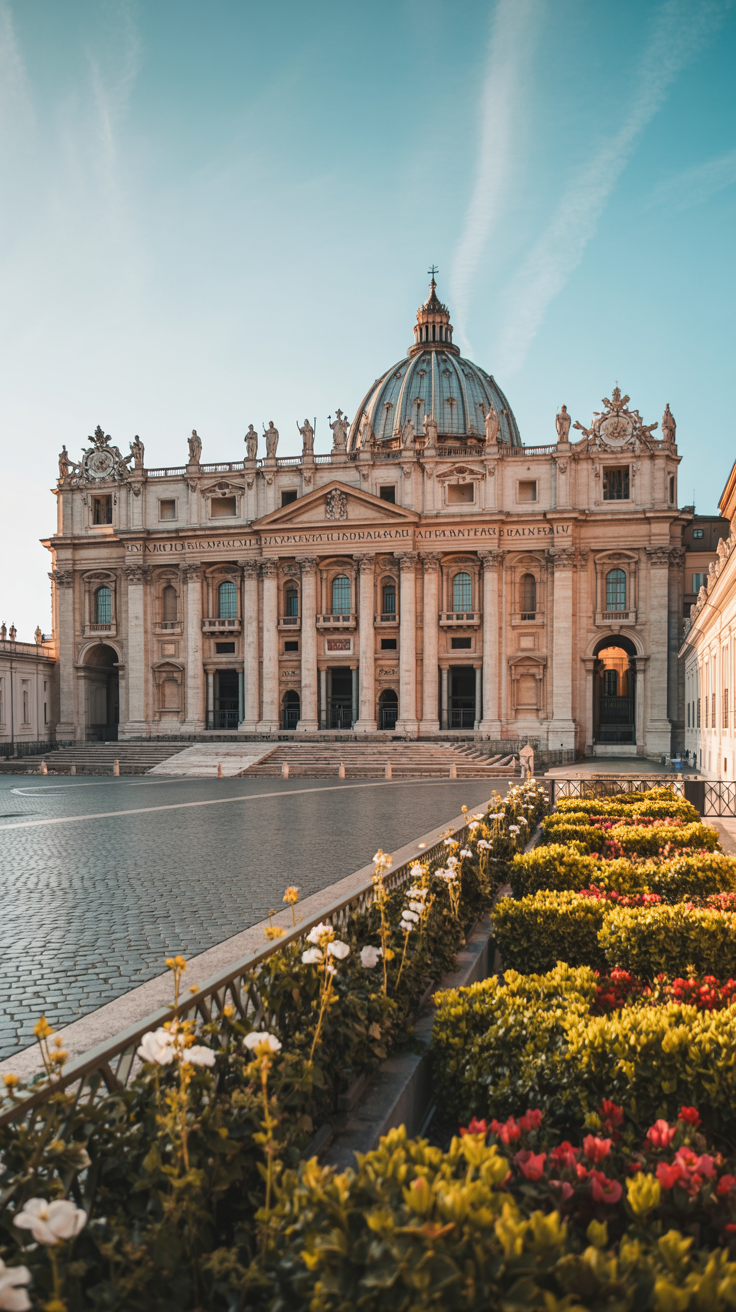
The Vatican Museums, Sistine Chapel, and St Peter’s Basilica are incredible, but they require a different game plan. You cannot do both the Colosseum/Forum and the Vatican properly in one day without rushing through everything and hating your life.
If you choose the Vatican route, book timed-entry tickets well in advance and aim for the earliest slot available – usually around 9:00 AM. The museums are massive and you’ll need at least 3-3.5 hours to see the highlights without sprinting. St Peter’s Basilica is free but has security queues, so budget another 1-1.5 hours there.
From Termini, take Metro Line A towards Battistini and get off at Ottaviano-San Pietro. It’s about a 10-minute walk from the metro to the Vatican entrance. After the Vatican, you can still fit in the Trevi Fountain, Pantheon, and Piazza Navona before heading back.
Honestly, unless you’re deeply into religious art and architecture, the Colosseum route gives you more variety and feels more quintessentially Roman. But if the Sistine Chapel ceiling is a bucket-list item, go for it.
Practical Tips That Actually Matter
Advance Bookings
- Colosseum/Forum tickets sell out and the standby queue is genuinely horrible – book online at least a week ahead
- Vatican Museums require timed entry – book even further in advance if you’re visiting in peak season
- Restaurant reservations aren’t usually necessary for lunch, but if you’re set on a specific trattoria, call ahead
What to Bring
- Comfortable walking shoes – Rome’s cobblestones will destroy your feet if you’re wearing fashion trainers or sandals. A proper pair of supportive walking shoes for women or quality men’s walking shoes makes all the difference
- A light anti-theft backpack with water (you’ll be walking 6-8 miles)
- Sunscreen and sunglasses if visiting between April and October
- A light scarf or shawl for women – churches require covered shoulders and knees
- Your phone with an offline map downloaded (Google Maps lets you do this easily), plus a high-capacity portable charger so your battery lasts all day
- Some cash – smaller trattorias and gelaterias may not take cards
- A European power adapter to charge devices at your hotel or back on the ship
Dress Code for Churches
If you plan to enter the Pantheon, any churches, or the Vatican, you need covered shoulders and knees. Security will turn you away otherwise – they’re serious about this. Men can wear shorts that hit just above the knee, but women should bring a light scarf to throw over shoulders if wearing a vest top or tank. It’s hot in summer, but those are the rules.
Eating and Drinking
- Avoid restaurants with English menus displayed prominently outside – locals don’t eat there
- Don’t order cappuccino after 11 AM if you want to blend in (espresso is fine anytime)
- Table service includes a “coperto” (cover charge) of €2-4 per person – this is normal, not a tourist rip-off
- Tipping is not obligatory in Italy, but rounding up or leaving €5-10 for good service is appreciated
Mobile Data and Wi-Fi
If you’re on a UK mobile plan, you may still have EU roaming included, but check before you leave the ship. Many cruise ships offer expensive roaming packages that aren’t worth it – just use Wi-Fi at cafés and restaurants, or buy a local SIM at Termini if you need constant connectivity.
Alternative: The Relaxed Version
Not everyone wants to tick off five major monuments in a day. If you prefer a slower pace, consider this adjusted schedule:
- Same train timing to get into Rome by 9:30 AM
- Spend the entire morning at the Colosseum and Forum – take your time, sit on ancient stones, actually read the information boards
- Long, leisurely lunch in Monti or Trastevere (the latter is a gorgeous neighbourhood across the Tiber with cobbled lanes and authentic trattorias)
- Afternoon stroll through the historic centre – Trevi, Pantheon, Piazza Navona, Spanish Steps – without rushing
- Gelato, coffee, people-watching
- Same return timing: 5:00-5:30 PM train back
This version means you’ll see fewer monuments but actually enjoy what you do see, rather than feeling like you’re completing a scavenger hunt. There’s no wrong way to do this – it depends entirely on your travel style.
What If Something Goes Wrong?
Trains are generally reliable, but delays happen. If your return train is delayed or cancelled, don’t panic – there’s another one in 30 minutes. This is why you build in buffer time. Check the departure boards at Termini regularly, and if there’s a significant delay announced, head to the ticket office to confirm your options.
If you miss your ship – and this is rare but not impossible – contact the cruise line’s port agent immediately. They’ll arrange transport to the next port, but you’re paying for it, and it’s expensive. This is why comprehensive travel insurance is not optional.
Keep your ship’s departure time and port agent contact details saved on your phone and written on paper. If your phone dies, you need a backup.
For more detailed information on Rome’s cruise port at Civitavecchia, including terminal facilities and emergency contacts, you’ll find everything you need to know before you even leave the ship.
Is One Day Enough for Rome?
Absolutely not – Rome deserves a week minimum if you want to really explore it. But one day is enough to see the major highlights, eat proper Roman food, and feel like you’ve experienced the city rather than just passed through it. You won’t see everything, but you’ll see enough to know whether you want to return.
The key is managing expectations. You’re not going to have a quiet, contemplative moment at the Trevi Fountain. You won’t avoid all crowds. You’ll probably spend more time walking between sites than you expected. But you’ll stand in the Colosseum where gladiators fought, you’ll see the Pantheon’s impossible dome, and you’ll eat carbonara that makes you understand why Italians are so particular about their pasta. That’s a pretty good day.
If you’re interested in other Mediterranean cruise ports in Italy, you’ll find similar day-itinerary guides that maximise your time in port without the stress of wondering if you’ve planned it right.
Final Thoughts on Pacing
The biggest mistake cruise passengers make is trying to cram too much into one day and ending up exhausted and resentful. Rome is hot (especially May-September), crowded, and requires a lot of walking. Build in breaks. Sit down for a proper lunch. Have that second gelato. If you skip the Spanish Steps because you’d rather spend an extra 30 minutes at the Forum, that’s fine. You’re on holiday, not running a military operation.
Also, be realistic about queues and timing. Even with skip-the-line tickets, you’ll still wait for security checks. Sites take longer to see properly than you think. Walking between areas takes time, especially when you’re stopping for photos or to check your map. Add 15-20% more time to everything than you think you need, and you’ll have a much better day. If you’re prone to blisters from all that walking, pack some blister prevention supplies – your feet will thank you by afternoon.
Common Questions & FAQ
Can I Use the Same Train Ticket for the Return Journey?
No, train tickets from Civitavecchia to Rome are single-journey only. You need to buy a separate return ticket, which you can do at the same time you purchase your outbound ticket. Regional train tickets don’t have specific times assigned, so you can use them on any train that day, which gives you flexibility.
What Happens If the Train Is Delayed and I Miss My Ship?
Train delays of 10-15 minutes are fairly common, but significant delays that would cause you to miss your ship are rare. If you’re on the 5:00-5:30 PM train back and it’s running late, contact your cruise line’s port agent immediately – their number should be in your ship’s daily programme or available from guest services. They may hold the gangway or arrange transport to the next port, but you’ll likely be paying for that transport yourself. This is exactly why travel insurance that covers missed departures is essential.
Is It Worth Booking an Organised Shore Excursion Through the Cruise Line Instead?
Cruise line shore excursions to Rome are significantly more expensive – often £150-200 per person compared to £20-30 for independent train travel. The advantage is that the ship will wait for you if the tour bus is delayed, which they won’t do if you’re travelling independently. If you’re nervous about navigating trains and timings yourself, or if the price difference doesn’t bother you, the organised excursion removes stress. But if you’re comfortable with basic public transport and want more freedom to explore at your own pace, going independently is straightforward and saves substantial money.
Can I Store Luggage Anywhere If I’m Starting or Ending a Cruise in Civitavecchia?
Roma Termini has left-luggage facilities where you can store bags for several hours. This is useful if you’re flying in or out and want to see Rome before or after your cruise without dragging suitcases around. The service costs around €6-8 per bag for the day. There are also private luggage storage services near major tourist sites, bookable through apps, if you prefer to store bags closer to where you’ll be sightseeing. If you’re carrying valuables, keep them organised in a compact travel jewelry organizer rather than loose in your bag.
Should I Bring Euros or Can I Use Card Everywhere?
Bring some cash – around €50-80 per person should cover lunch, gelato, water, and any small purchases. Many restaurants and shops accept cards, but smaller trattorias, gelaterias, and market stalls may be cash-only. ATMs are widely available at Termini and throughout Rome if you need more, but check your bank’s foreign transaction fees before withdrawing. Avoid currency exchange kiosks at the port or tourist areas – the rates are terrible.
What If I Have Mobility Issues or Can’t Walk Long Distances?
Rome is challenging for anyone with limited mobility – there are cobblestones, hills, uneven pavements, and many sites have stairs without lift access. If walking 6-8 miles isn’t feasible, consider booking a private driver or accessible tour that drops you at each major site with minimal walking in between. Taxis in Rome can accommodate wheelchairs if you book ahead through accessible taxi services. The Colosseum and Vatican both have disabled access, but call ahead to arrange assistance and understand which entrances to use. Compression socks for travel can help with circulation and comfort if you’re doing limited walking but standing for extended periods.
Is Rome Safe for Cruise Passengers Walking Around with Cameras and Phones?
Rome is generally safe, but pickpocketing is common in crowded tourist areas like the Colosseum, Trevi Fountain, and on public transport. Keep your bag in front of you, don’t leave your phone on restaurant tables, and be aware of distraction techniques (someone bumping into you whilst an accomplice grabs your wallet). An anti-theft crossbody bag with slash-proof straps and hidden zippers adds peace of mind. Don’t carry your passport unless absolutely necessary – leave it in your cabin safe. Violent crime against tourists is rare, but petty theft is routine. Just stay alert and don’t make yourself an easy target.
Can I Visit Rome in Winter or Is It Only Worth Going in Summer?
Rome is excellent in winter – fewer crowds, cooler temperatures for walking, and shorter queues at major sites. November through February (excluding Christmas/New Year) is actually ideal for cruise passengers doing a day visit because you’ll have more space to enjoy the monuments and won’t be melting in 35°C heat. Just bring layers and possibly a packable rain jacket for women or a lightweight rain jacket for men, as winter rain is common. Summer is peak tourist season, which means maximum crowds and heat but longer daylight hours. Spring and autumn are the sweet spot for weather and manageable crowds.
Personal Experience
We booked a cruise that stopped in Civitavecchia, and honestly, getting into Rome for the day felt a bit intimidating at first. But we grabbed the 8 AM train from the port – it’s a straight shot, about 75 minutes – and landed at Roma Termini with plenty of time to explore. Our strategy was simple: hit the Colosseum right when it opened around 9:30, then walk over to the Roman Forum and Palatine Hill whilst everything was still relatively quiet. By noon, we were starving, so we ducked into a little trattoria near Campo de’ Fiori for some proper carbonara and a glass of wine. The lunch break was key because it gave our feet a rest before tackling the afternoon.
After lunch, we strolled to the Trevi Fountain, tossed in our coins, and made our way to the Pantheon – both are free and absolutely worth it. We saved the Vatican for another trip since trying to squeeze it in felt rushed, and honestly, we were happy just wandering through Piazza Navona with gelato in hand. We caught the 5 PM train back to Civitavecchia, which put us at the port by 6:30 with time to spare before the ship’s 8 PM departure. The whole day felt relaxed, we saw the major highlights without sprinting, and we weren’t those stressed-out people running back to the gangway at the last minute. It’s totally doable if you keep it simple and don’t try to cram in absolutely everything. Having a portable charger with built-in cables was clutch for keeping our phones alive all day for photos and maps.
Want to know more about the port facilities and logistics at Civitavecchia? You’ll find terminal maps, transport options, and everything you need to plan your arrival and departure smoothly.
If you’re looking for more structured walking routes once you’re in the city, check out these must-do Rome walks designed specifically for cruise passengers with limited time.