
After 30 years of docking at Italy’s Mediterranean ports, I’ve learned that the difference between a stressful day following a cruise-lollipop guide and a perfect Italian afternoon is often just one train schedule or a ‘secret’ port gate. From bypassing the Civitavecchia bottlenecks to finding the only authentic pizza in Naples’ port zone, here is the ground-level intelligence you need for Italy’s 11 major ports.
After three decades of Mediterranean cruising, I can tell you that Italian ports are like a master class in “how to do tourism infrastructure right” – while somehow maintaining that effortless Italian charm that makes waiting in line feel like part of the experience. Most countries give you one or two decent cruise ports. Italy gives you eleven legitimate reasons to book back-to-back Mediterranean cruises.
Here’s what separates Italy from every other Mediterranean destination: these aren’t just pretty harbors with decent restaurants. Each port delivers authentic access to genuinely world-class attractions, often within walking distance of your gangway. Try finding that combination anywhere else.
Italy Cruise Ports 2026: Quick Logistics & “Insider” Guide
| Port City | Access to Main Attraction | The “Veteran” Secret | DIY Ease |
| Rome (Civitavecchia) | 80 mins (Express Train) | The BIRG ticket covers train, bus, and metro for €12. | Moderate |
| Venice | 15 mins (People Mover) | Avoid the €100 water taxis; use the €1.50 People Mover. | Easy |
| Naples | Walking / Metro | Skip the port pizza; head to Via Tribunali for the real thing. | Easy |
| Livorno (Florence) | 90 mins (Train/Bus) | Pre-book Uffizi; the “stand-by” line can be 4+ hours. | Hard |
| Genoa | Walking | Take the Bigo lift for a 360° view of the medieval rooftops. | Easy |
| La Spezia | 15 mins (Train) | The Cinque Terre Card is the only way to do all 5 villages. | Moderate |
| Savona | Walking | The Priamar Fortress is free and has the best ship views. | Easy |
| Salerno | 45 mins (Ferry) | Use the Travelmar Ferry for Amalfi views, not the bus. | Moderate |
| Sorrento | Tender + Lift | Pay the €2 for the lift to the town square; don’t hike the stairs. | Moderate |
| Amalfi | Tender + Walking | The Paper Museum is cooler (literally) than the crowded shops. | Easy |
| Portofino | Tender / Boat | Hike up to Castello Brown for the iconic “postcard” photo. | Moderate |
The Heavy Hitters: Italy’s Must-Experience Ports
Let me break down Italy’s cruise port hierarchy, from the absolute essentials to the hidden gems that separate seasoned cruisers from the masses:

Rome (Civitavecchia): The “Secret” Rooftop Terrace and the 45-Minute Express Hack
Don’t let the 80km distance from the city centre intimidate you; Civitavecchia is a logistical masterpiece once you know the “Express” secrets. The challenge isn’t getting to Rome—it’s choosing the right “speed” for your budget and stress levels.
- The “Zero-Click” Fact: Use the BIRG ticket (€12). It covers your round-trip train and unlimited Metro/bus use in Rome. It is the cheapest way to reach the Colosseum, costing less than a single cocktail on most ships.
- The “Express” Hack: The Civitavecchia Express is a dedicated cruiser train that skips the commuter stops, saving you 40 minutes of “train-sweat.”
- The “Secret” Exit: Don’t walk from the ship (it’s a gritty 20-minute trek). Use the Port Bus to the “Largo della Pace” hub, then take the local CSP shuttle (€2) directly to the station.
- The Rooftop View: Most passengers rush through the terminal. If you have 20 minutes before boarding, head to the Stazione Marittima rooftop for a panoramic harbor view that most tourists never find.
Why you need the full guide: I explain exactly which platform the “Civitavecchia Express” departs from and how to avoid the 30-minute shuttle bus queue that catches 90% of cruisers.
👉 The Ultimate Rome (Civitavecchia) DIY Guide: Trains, Metros, & Maps
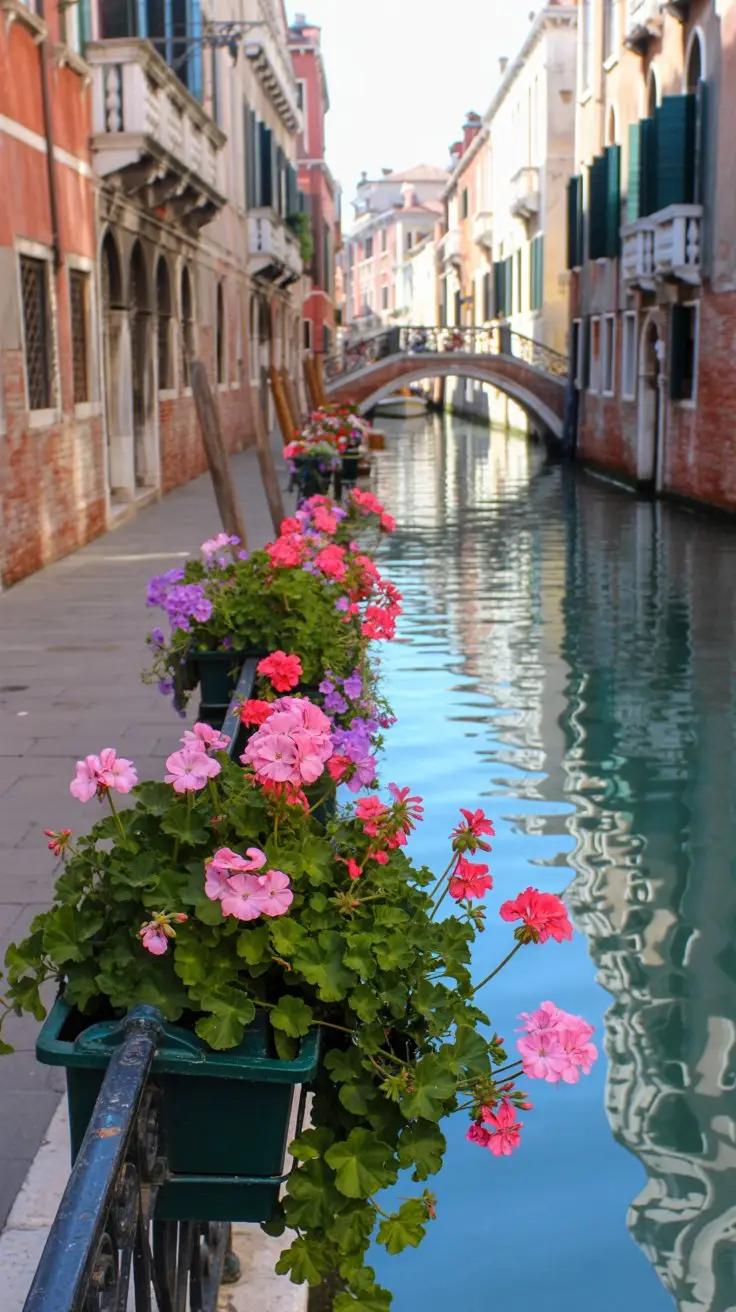
Venice Cruise Port
Cruising into Venice is still the “bucket list” arrival, even if the logistics have changed. While large ships now dock at nearby Marghera or Fusina due to lagoon protection laws, the city remains a world-class experience—provided you don’t fall for the tourist traps.
- The Price Check: At just €1.50, the Venice People Mover is less than half the price of a London Tube fare. It’s the fastest way to get from the transport hubs to the city’s edge.
- Reality Check: Acqua alta (high tide flooding) isn’t charming in canvas shoes, and St. Mark’s Square café prices assume you’re financially reckless.
- The “Local” Move: Visit the Rialto Fish Market in the morning—it’s the only place you’ll find “real” Venice with zero tourists.
- 2026 Entry Fee: Venice now requires a QR code access fee (€5–€10) on peak dates. Do not skip this; fines reach €300, and while some cruise lines assist, the legal responsibility is yours.
Pro wisdom: Buy the Venice Card before you leave the UK. The ship’s excursion desk often charges double for the exact same water bus access.
👉 Read the Full 2026 Venice Logistics & Access Fee Guide
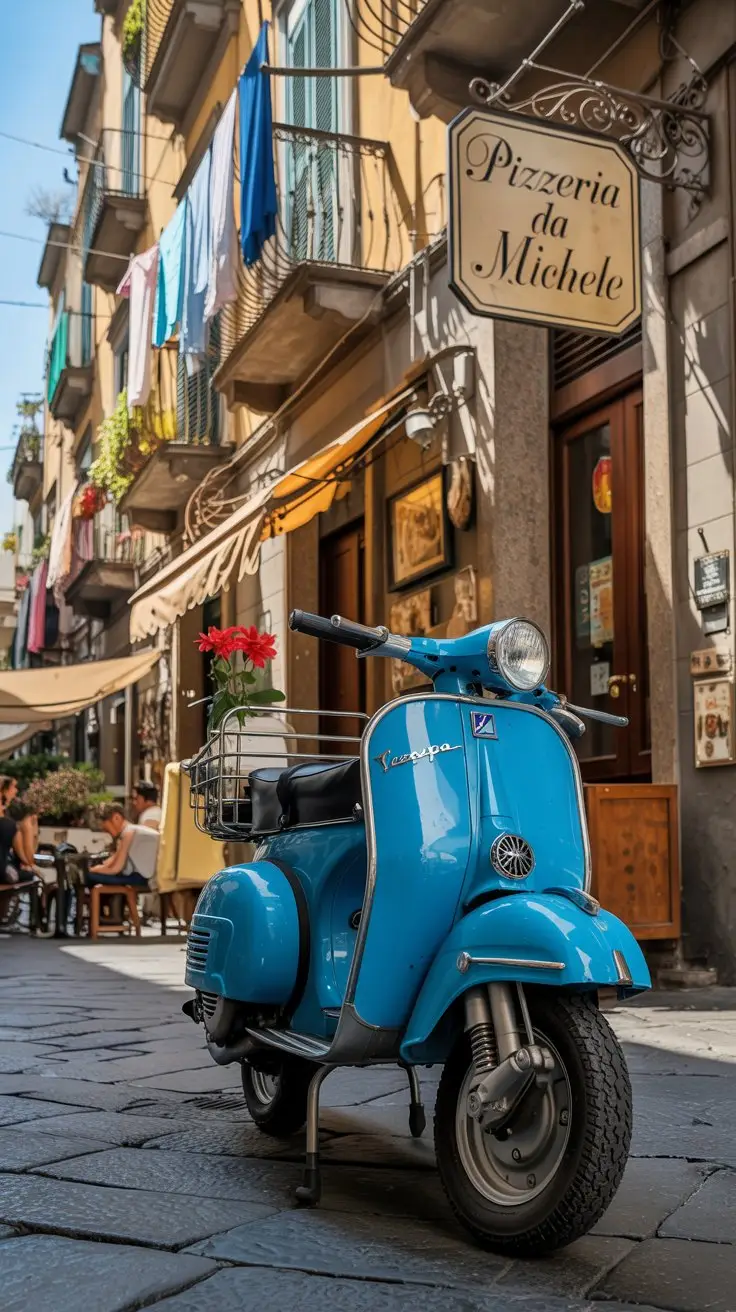
Naples Port of Call
Naples is your gateway to Pompeii, the Amalfi Coast, and the world’s best pizza. While many passengers find the city “intense,” it offers some of the best value in the Mediterranean.
Veteran Insight: Avoid the taxis at the pier; the Metro (Line 1) is just a 5-minute walk and connects you to the central station for Pompeii in minutes.
👉 Naples cruise port complete guide

Genoa Port of Call
Europe’s largest medieval quarter sprawls up from Italy’s biggest commercial port, creating an authentic urban experience that defies “touristy” labels. This is a working city with a restless energy that hasn’t changed since Columbus’s time.
- The Terminal Shuffle: Most MSC ships use Ponte dei Mille (an Art Deco beauty just 10 minutes from the historic center), but others dock at Ponte Andrea Doria, which is a 25-minute trek through industrial zones. Check your cruise app: if you’re at Andrea Doria, take the shuttle.
- The Vertical Shortcut: Don’t hike the hills. Genoa’s network of Art Nouveau public elevators and funiculars (like the Zecca–Righi) are part of the city’s transit system. A €2 ticket (valid for 110 minutes) saves your knees and provides the best views.
- The Budget Palace: Walk Via Garibaldi. It’s a canyon of Renaissance palaces that Florence would charge €20 to enter; here, the architecture is free to admire from the street.
- The Culinary Peak: Ligurian focaccia is the local religion. Buy it by the slice from a panificio in the caruggi (alleys)—look for the one with the longest line of locals.
Hidden advantage: Skip the Bigo “panoramic lift” at the aquarium. Instead, take the Castelletto Levante elevator from Piazza Portello to Spianata Castelletto. It costs the price of a bus ticket and offers a superior, 360-degree view of the harbor and slate rooftops.
👉 Genoa: Port Logistics & Walking Map
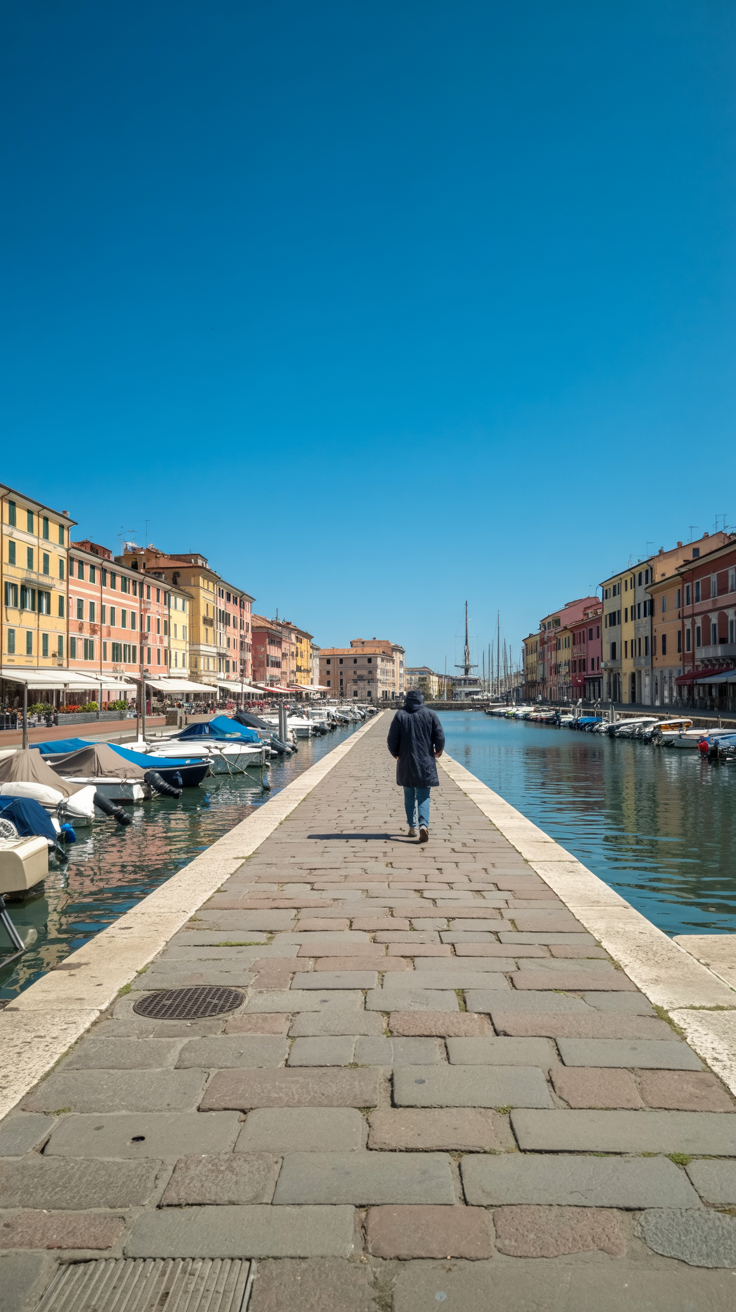
Livorno Port (Gateway to Florence and Pisa)
Livorno is a functional gateway designed with one goal: getting you into Tuscany. It’s not a “pretty” port, but it is an efficient one—if you know how to navigate the shuttle-to-train transition.
- The Shuttle Trap: Most cruise lines now charge €5–€10 for the shuttle to the city center (Piazza Municipio). Crucial: This shuttle does not go to the train station. You must take the Line 1 Local Bus from the drop-off point to reach the station.
- The Florence Sprint: Regional trains to Florence take 80–90 minutes. Veteran Tip: If you aren’t on the “Civitavecchia Express” (seasonal), book a “Regionale Veloce” and validate your paper ticket at the green machines before boarding to avoid a heavy fine.
- Pisa on a Budget: Don’t pay for a ship excursion to Pisa. The train takes 15 minutes and costs less than a coffee. It’s the easiest DIY win in Italy.
- The Lunch Hack: If you stay in Livorno, skip the tourist cafes and find a spot serving Cacciucco. This spicy fish stew was invented here and is the best meal you’ll have in Tuscany.
Time Management: The “stand-by” line at the Uffizi Gallery can exceed 4 hours in July. If you haven’t pre-purchased a timed-entry ticket, don’t even attempt Florence; stay in Livorno or head to Lucca instead.
👉 Livorno Logistical Guide: Trains, Shuttles, & Pisa Hacks
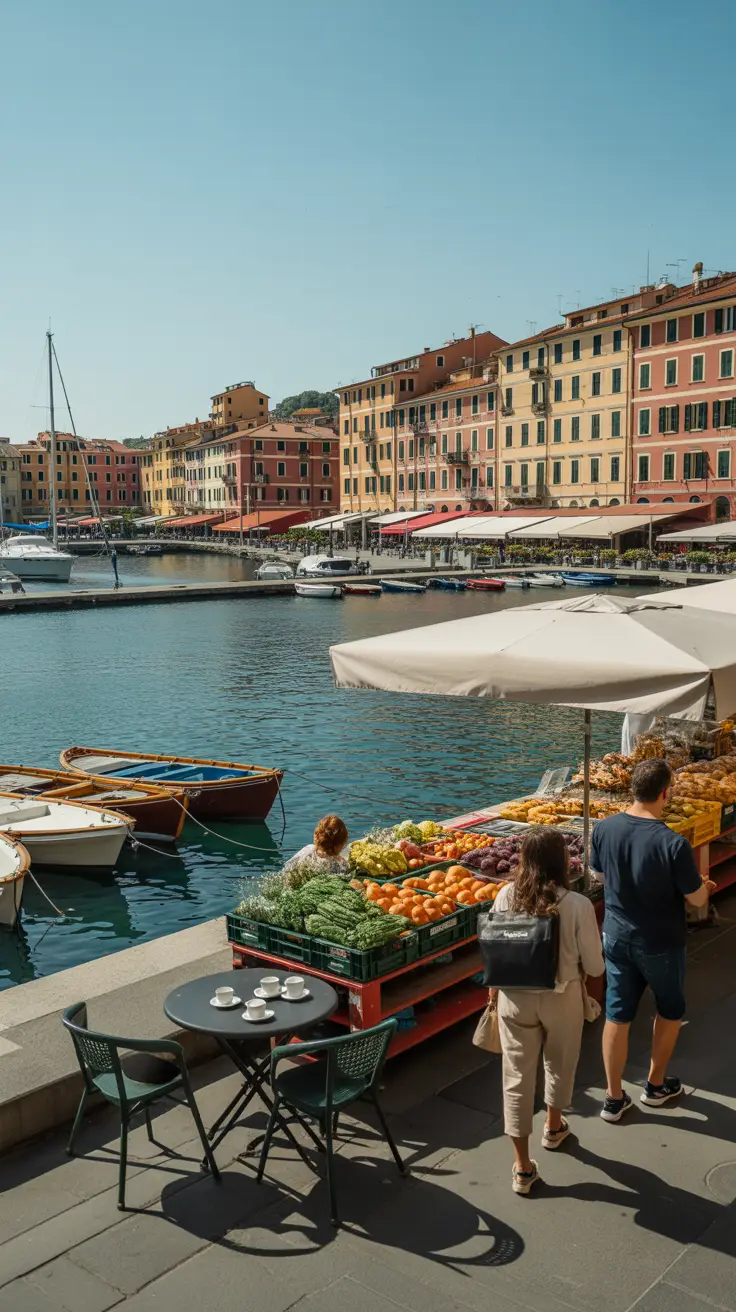
La Spezia (Gateway to Cinque Terre)
Industrial La Spezia is the “VIP entrance” to the Cinque Terre. While the port itself is commercial, the rail connections put all five world-famous villages within easy reach—provided you don’t underestimate the “port-to-platform” transition.
- The 20-Minute Gap: From the cruise terminal (Largo Michele Fiorillo), it is a 1.5km walk to the La Spezia Centrale train station. Don’t rush it in the heat; take the local shuttle bus or a quick taxi to save your legs for the village hills.
- The “Golden Ticket”: Buy the Cinque Terre Card (€18–€32 depending on the day) at the station. It covers all train travel between the villages and access to the hiking paths. Warning: You must validate this ticket at the green machines or you risk a hefty fine.
- The Beach Reality: If you want to swim, head straight to Monterosso. It’s the only village with a traditional sandy beach; the other four offer “swimming platforms” on the rocks.
- Footwear Warning: Italian park rangers can (and do) fine tourists for attempting the blue coastal paths in flip-flops. Wear sturdy trainers or hiking boots.
Strategic approach: Take the train all the way to Monterosso first and work your way back east toward the ship. This ensures that as you get tired (and closer to all-aboard time), your return train journey gets shorter and shorter.
👉 Complete La Spezia & Cinque Terre Logistics Guide
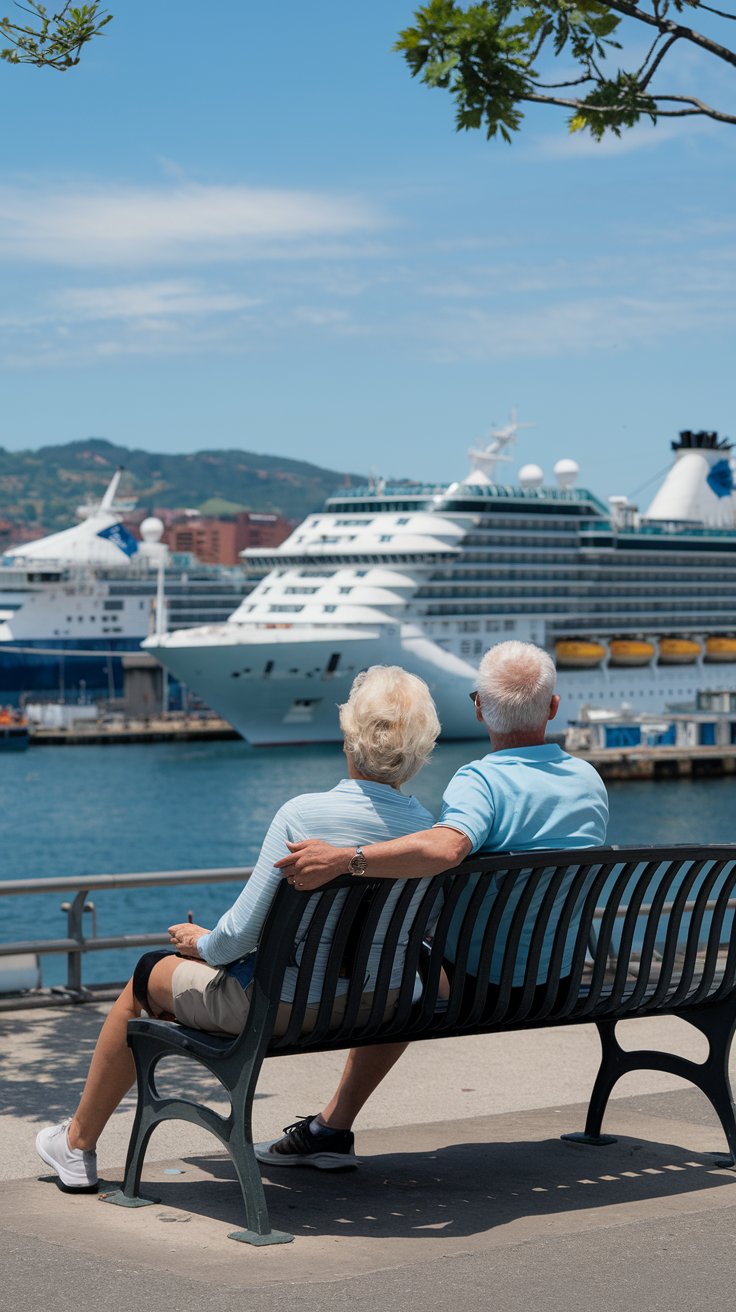
Savona Port of Call
Costa Cruises’ Mediterranean headquarters punches well above its weight for independent travelers. This is a “walking port” where you can transition from your cabin to a medieval fortress in under 15 minutes.
- The 10-Minute Rule: The Palacrociere terminal is located right in the heart of the city. You don’t need shuttles or taxis; just cross the “Capitan Alberto Disacco” bridge (the blue pedestrian bridge) and you are in the historic center.
- The “Free” View: Don’t pay for a “Coastal Views” excursion. The Priamar Fortress is a massive 16th-century complex directly overlooking the harbor. It’s free to enter the grounds, and the ramparts offer the absolute best photos of your cruise ship from above.
- The Riviera Shortcut: If you want to see the “glamour” spots, the Savona train station (Savona FS) is a 20-minute walk or a 5-minute bus ride away. From there, you can reach Noli (one of Italy’s most beautiful walled villages) or even Monaco in under two hours.
- The Chinotto Taste Test: Savona is famous for the Chinotto orange. Look for a local bar serving the dark, bitter-sweet soda of the same name—it’s the “local’s Coca-Cola” and a must-try Ligurian ritual.
Veteran Insight: If your ship is staying late, walk to Via Pia. It’s the city’s historic spine, filled with local shops that aren’t “tourist traps” because they cater to the locals who live there year-round.
👉 Savona Cruise Port: The “Walking Port” Logistics Guide
Salerno (Smart Amalfi Alternative)
While big ships often struggle with tender boats in Amalfi or Sorrento, Salerno offers a deep-water, “walk-off” experience at the stunning Zaha Hadid-designed terminal. It is the most stress-free gateway to the south.
- The Ferry Shortcut: Don’t bother with buses or taxis to see the coast. Walk 10 minutes from the terminal to Molo Manfredi and hop on the Travelmar Ferry. It’s a 35-minute scenic sail to Amalfi that bypasses the “Road of a Thousand Bends” traffic jams.
- The Greek Secret (Paestum): Salerno is the only port that makes Paestum easy. These three Greek temples are better preserved than almost anything in Athens. Take a 30-minute regional train from Salerno station—it’s cheaper, quieter, and more atmospheric than Pompeii.
- The “Old Town” Stroll: If you stay local, head to Via dei Mercanti. This narrow, medieval artery is the heart of the city. Look for a caseificio (cheese shop) to try authentic Buffalo Mozzarella—it was born in this region and costs a fraction of what you’ll pay in the tourist hubs.
- The Botanical Escape: Take the public lift or hike up to the Giardino della Minerva. It’s a tiered medicinal garden with a terrace café that offers a “million-dollar view” over the Gulf of Salerno for the price of a herbal tea.
Why you need the full guide: I explain the specific walk from the cruise pier to the train station (it’s a bit further than it looks) and how to time the ferries so you aren’t left stranded in Positano.
👉 Salerno Cruise Port: The DIY Guide to Paestum & Amalfi
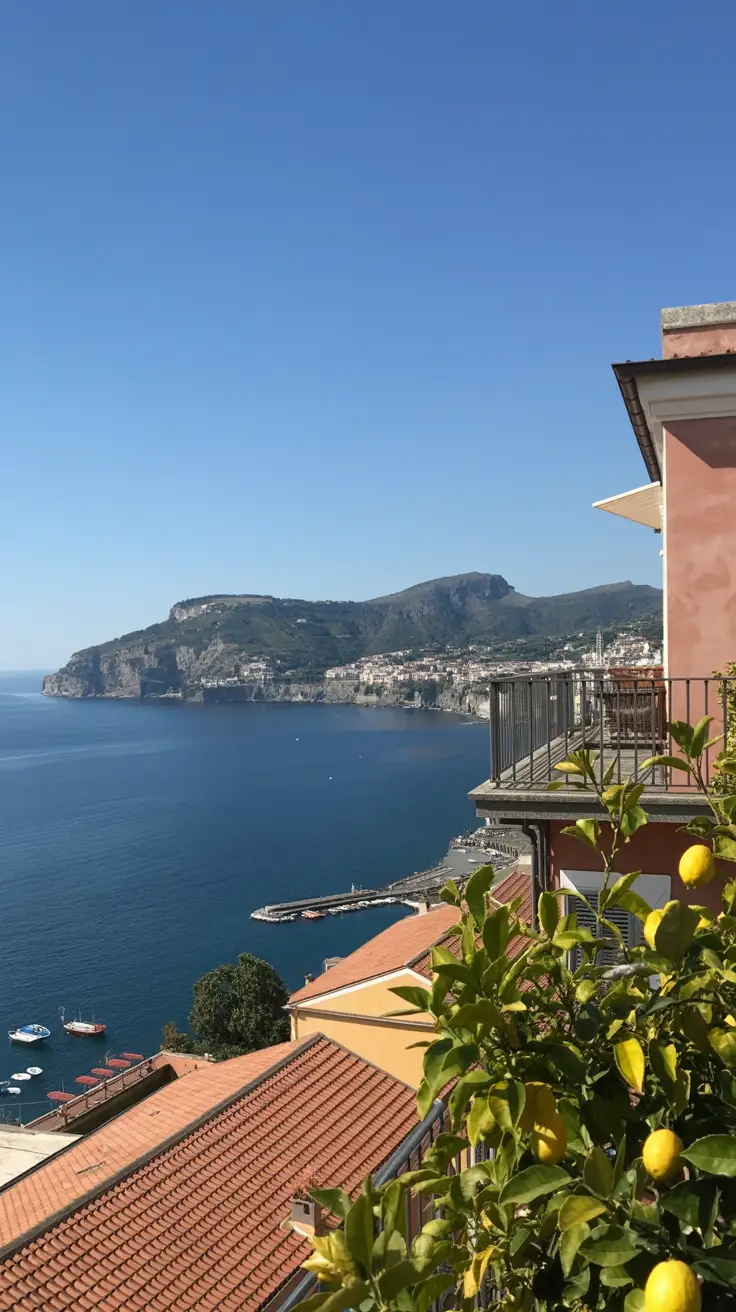
Sorrento Port of Call
Dramatic cliff-top positioning makes Sorrento the Mediterranean’s most photogenic port approach, but the small harbor requires tender boat operations that depend entirely on weather cooperation.
- The “Leg-Saver” Hack: The town center is at the top of a steep cliff. Don’t hike the 200+ stairs in the Italian heat. Follow the shore to the right of the tender pier to the Sorrento Lift (Ascensore). It costs €1.20 (one way) and whisks you to the Villa Comunale park in 30 seconds.
- The “Other” Ruins: If Pompeii feels too daunting, take the Circumvesuviana train (approx. 50 mins) to Herculaneum (Ercolano Scavi). It is smaller, better preserved, and much easier to navigate during a short port stay.
- Capri Warning: Public hydrofoils to Capri depart from the same pier where your tender arrives. However, they fill up fast. Pro Tip: If you haven’t pre-booked a ferry, don’t waste 30 minutes in the ticket line; spend your day enjoying Sorrento’s Marina Grande (the fishing village) instead.
- Cultural Education: Limoncello tastings are mandatory here. For an authentic experience away from the pier-side “tourist traps,” walk to I Giardini di Cataldo to see the lemon groves in the middle of the city.
Why you need the full guide: I explain the difference between the “Tourist” Campania Express train and the local commuter line, and how to tell if the sea swell is likely to cancel your tender ride back.
👉 Sorrento Cruise Port: Lifts, Trains, and the Best Lemon Gelato
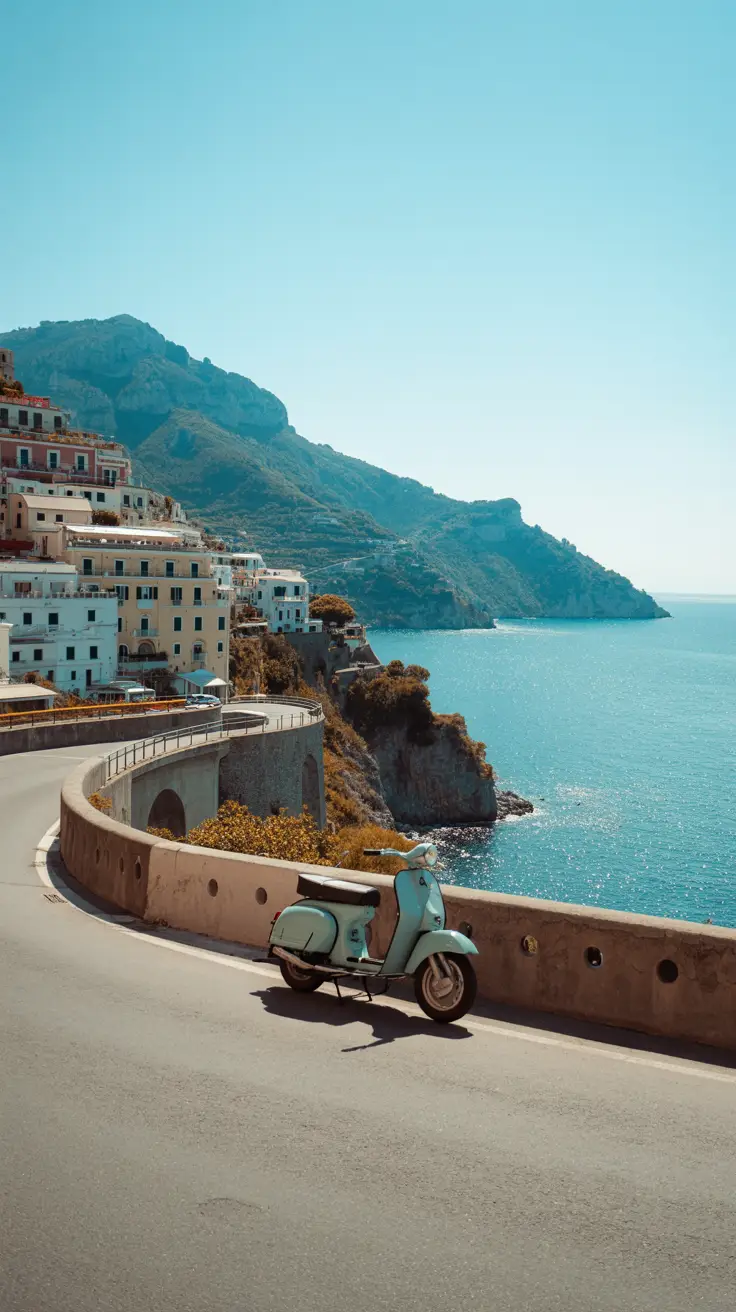
Amalfi Port of Call
The scenic champion of Mediterranean cruise approaches, Amalfi’s coastline delivers the kind of arrival that makes cruise promotional videos seem understated. Tender operations here feel like arriving by private yacht, depositing you directly into the heart of the UNESCO-listed square.
- The “Swell” Warning: Amalfi is highly susceptible to sea swells. Mediterranean afternoon winds can shut down tender operations with little notice. Pro Tip: Keep an eye on the water; if you see whitecaps forming, head back to the pier earlier than your “all aboard” time to avoid the 2026 “tender bottleneck.”
- The 1066 Doors: The Cathedral of Sant’Andrea is a must, but look specifically at the main bronze doors. Cast in Constantinople in 1066, they are older than most European countries and were a gift from a wealthy merchant to showcase Amalfi’s power as a Maritime Republic.
- A “Cool” Hands-On Experience: The Museo della Carta (Paper Museum) is housed in a 13th-century stone mill. It’s significantly cooler than the sun-baked piazza and offers a €7 guided tour where you can actually press your own sheet of traditional Amalfi paper—the ultimate handmade souvenir.
- The Positano Trap: While many take the bus, the “Road of a Thousand Bends” is notorious for 2026 traffic delays. Instead, take the Travelmar Ferry from the pier. It costs approximately €10, takes only 25 minutes, and provides the iconic cliffside views you simply can’t see from the road.
👉 Amalfi Cruise Port: The “No-Traffic” Guide to Positano & Ravello
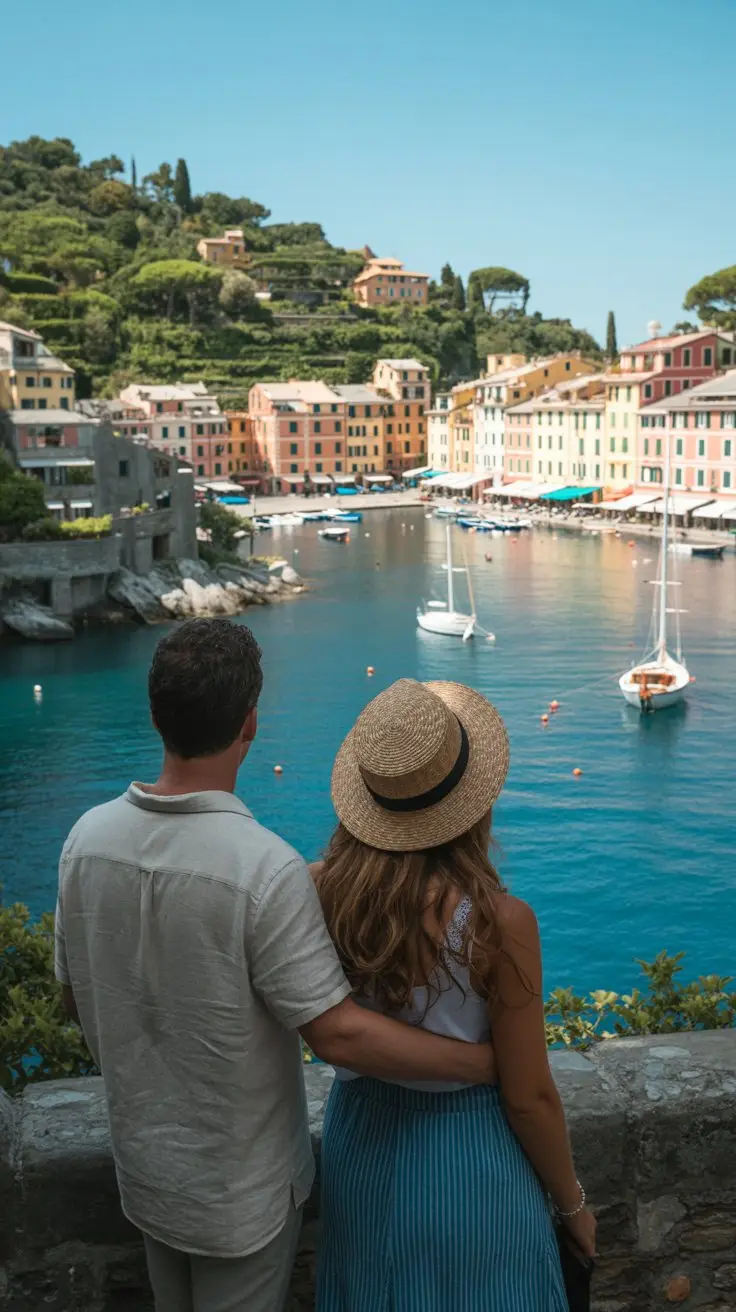
Portofino Port of Call
This miniature fishing village represents peak Italian glamour, but its 2026 reality is one of strict management. To keep the town from grinding to a halt, local authorities have implemented “Red Zone” regulations that every cruise passenger needs to know.
- The “Selfie Fine” Warning: To prevent “human traffic jams,” Portofino has designated specific harbor areas as No-Waiting Zones (Red Zones). In 2026, stopping for a selfie in these marked areas between 10:30 AM and 6:00 PM can result in a fine of up to €275. Keep moving until you reach the viewpoint terraces!
- The €10 Coastal View: For the best panorama of your ship, hike 15 minutes up to Castello Brown. Entry is €10 in peak season, and it offers a quiet garden café with the best views in the village. It’s significantly cheaper than any “scenic view” excursion sold on board.
- The DIY Ferry Shortcut: Most ships tender into Santa Margherita Ligure. Don’t wait for a slow bus; take the Line 1 Ferry from the pier. It costs approximately €10 each way, takes only 15 minutes, and deposits you directly into the Portofino harbor, bypassing the narrow, traffic-clogged coastal road.
- Decorum Rules: Portofino enforces a strict dress code. Walking through the village in swimwear or going shirtless is prohibited and can lead to immediate fines. Stick to “Riviera Chic” once you step off the tender.
Pro Tip: If the village feels too crowded, follow the signs for the Portofino Lighthouse (Faro). It’s an easy 20-minute walk through shaded paths to a cliffside bar where you can sip a spritz away from the main square crowds.
👉 Portofino Cruise Port: How to Avoid Fines & Find the Best Views
Practical Navigation in Italy
Three decades of Italian port calls taught me these lessons the expensive way – learn from my mistakes:
| Common Mistake | Veteran Solution | Why It Works |
|---|---|---|
| Queuing for hours at major attractions | Pre-purchase skip-the-line access before sailing | Saves 2-3 hours at Uffizi, Vatican, Colosseum |
| Paying ship rates for internet access | Buy local SIM or activate international roaming | Faster speeds, lower costs, works throughout Italy |
| Crowding onto popular tender times | Choose first or last tender of the day | Better photos, more comfortable journey |
| Eating adjacent to major tourist sites | Walk three blocks in any direction | Same quality food, half the price, actual locals |
Italian Seasonal Strategy
Italian cruise ports transform completely with the seasons, and timing your visit correctly separates successful trips from expensive disappointments:
- Spring (March-May): Ideal weather, manageable crowds, everything blooming
- Summer (June-August): Maximum daylight hours, peak crowds, Mediterranean heat
- Fall (September-November): Perfect temperatures, harvest season, tourist exodus begins
- Winter (December-February): Authentic local atmosphere, limited cruise schedules
Marina Rossini, Livorno Port Authority Director, explained their infrastructure philosophy: “Efficient passenger flow matters more than impressive terminals. Our success gets measured by how quickly we can get cruise passengers to Italy’s treasures, not how long they spend admiring our buildings.”
Weather Guides In Italy
Advanced Techniques: Insider Secrets to Cruising Italy
These strategies took years to develop – consider them advanced coursework in Italian cruise port mastery:
- The 2-2-2 Formula: Two major sites, two excellent meals, two hours of unplanned wandering. Attempting everything guarantees experiencing nothing properly.
- Train Station Storage Systems: Italian stations provide luggage lockers. Store your day bag and explore hands-free instead of dragging purchases around medieval streets.
- Aperitivo Strategy: 6-8 PM brings complimentary snacks with drinks at most bars. Cultural immersion plus dinner economics in one elegant solution.
- Terminal Shopping Intelligence: Italian cruise terminals stock legitimate local products – olive oils, regional wines, proper limoncello make excellent gifts without the tourist markup.
- Translation Technology: Google Translate with offline Italian downloaded. The camera function works magic on menus and historical plaques.
Essential Italy Port Questions (2026 Update)
Should I book cruise line excursions or go DIY? Most Italian ports have excellent rail links, making DIY easy. For example, a BIRG ticket in Rome costs €12, while a ship transfer can exceed $100. Only book excursions for high-risk logistics, like the long drive from Livorno to Florence, to guarantee the ship won’t leave without you.
Are there new entry fees for cruisers in 2026? Yes. Venice now requires a QR code entry fee (€5–€10) on peak days. Failure to register can result in a €300 fine. Additionally, Portofino has introduced “Red Zones” where stopping for selfies can result in a €275 fine.
How do I avoid the biggest traffic traps? In Amalfi and Salerno, avoid the coastal buses. The Travelmar Ferry (€10) is faster and avoids the “Road of a Thousand Bends” traffic. In Rome, use the Civitavecchia Express train to skip the commuter stops and save 40 minutes each way.
What is the best way to pay for transport? While credit cards work for most things, many Italian “Tabacchi” shops (where you buy bus tickets) still require cash. Always keep €20 in small bills for the Sorrento lift, the Genoa funicular, or local bus tickets in Livorno.